Radiator vs Coolant Leak How to Spot the Difference and When to Stop Driving
When your vehicle starts overheating, it can create immediate concern, especially in the traffic-heavy streets of Los Angeles. Although “radiator leak” and “coolant leak” are often used interchangeably, understanding the difference can help you prevent serious engine damage. This guide explains how to tell them apart, what symptoms to look for, and when to stop driving and seek professional help.
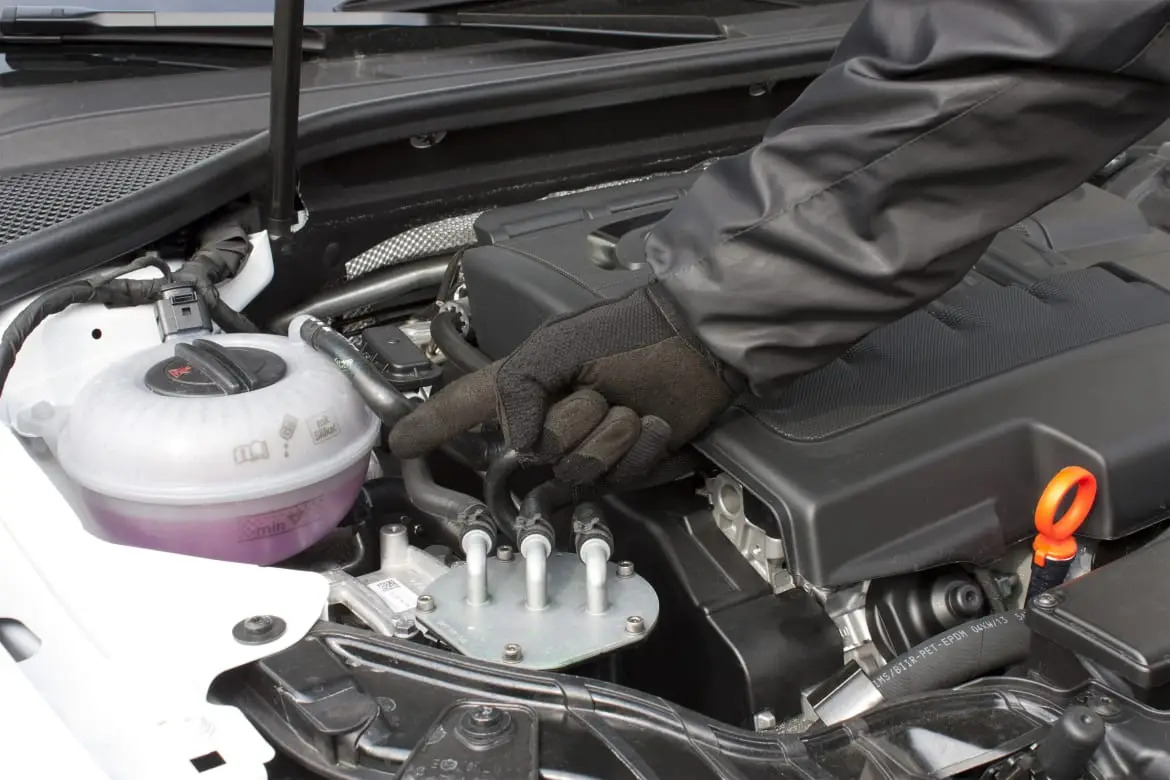
Understanding Your Vehicle’s Cooling System
Your car’s cooling system includes several components that work together to keep the engine at a safe operating temperature:
- Radiator: Transfers heat from the coolant to the air.
- Coolant: A fluid, also called antifreeze, that absorbs and moves heat away from the engine.
- Water pump: Circulates coolant through the system.
- Thermostat: Regulates coolant flow based on engine temperature.
- Radiator fan: Pulls air through the radiator to help with cooling.
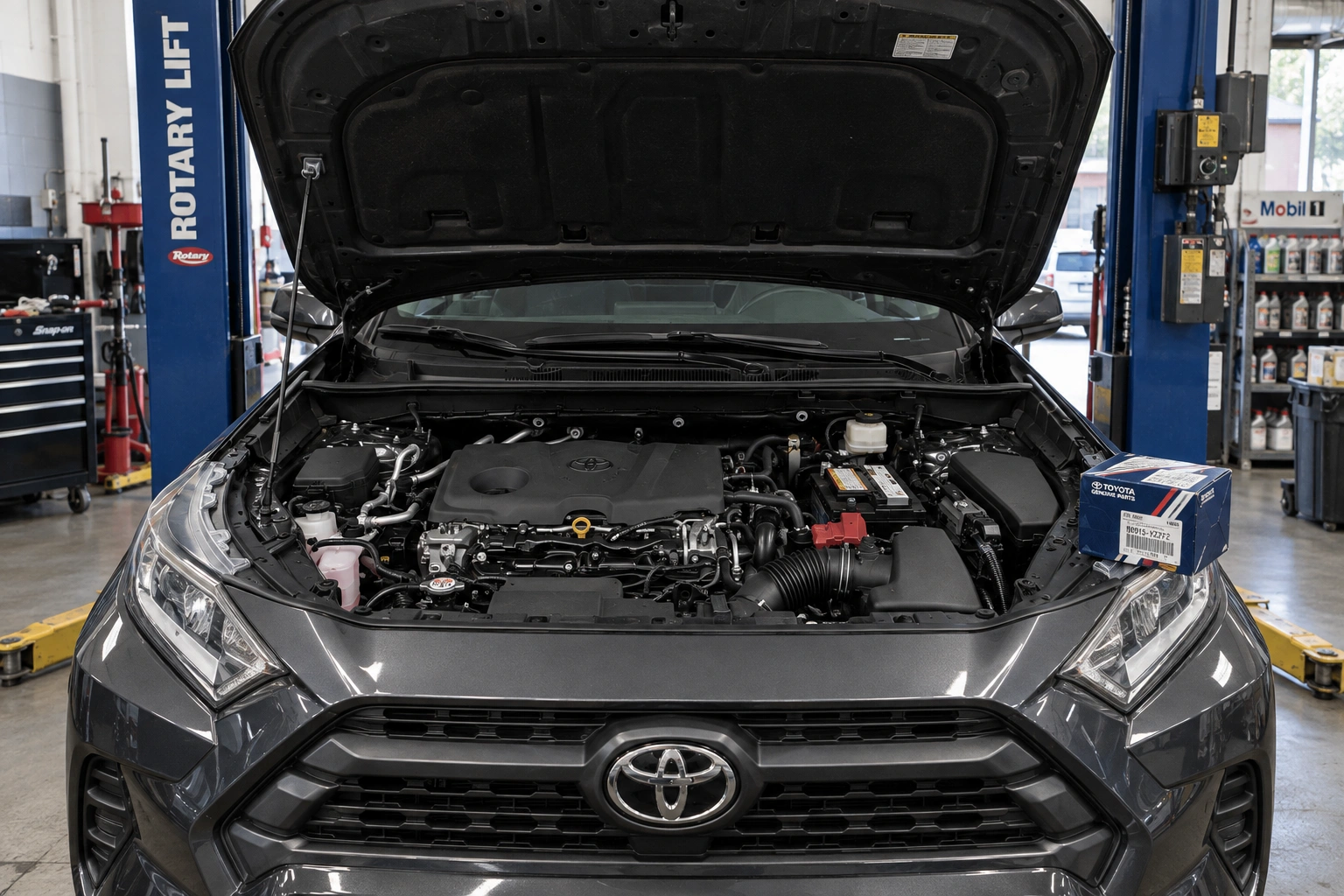
A problem with any of these parts can cause coolant loss, overheating, or reduced cooling performance. A professional engine and cooling-system inspection can help identify the source.
Radiator Leak vs Coolant Leak Key Differences
A radiator leak is one type of coolant leak, but coolant can escape from many other points in the cooling system. The location and symptoms can help narrow down the problem, although a pressure test and professional inspection may be needed for a reliable diagnosis.
What Is a Radiator Leak?
A radiator leak originates from the radiator itself. The radiator may develop cracks, corrosion, or damaged seams over time, particularly in vehicles exposed to extreme temperatures or neglected maintenance.
Common signs of a radiator leak include:
- Visible coolant pooling under the front of the vehicle.
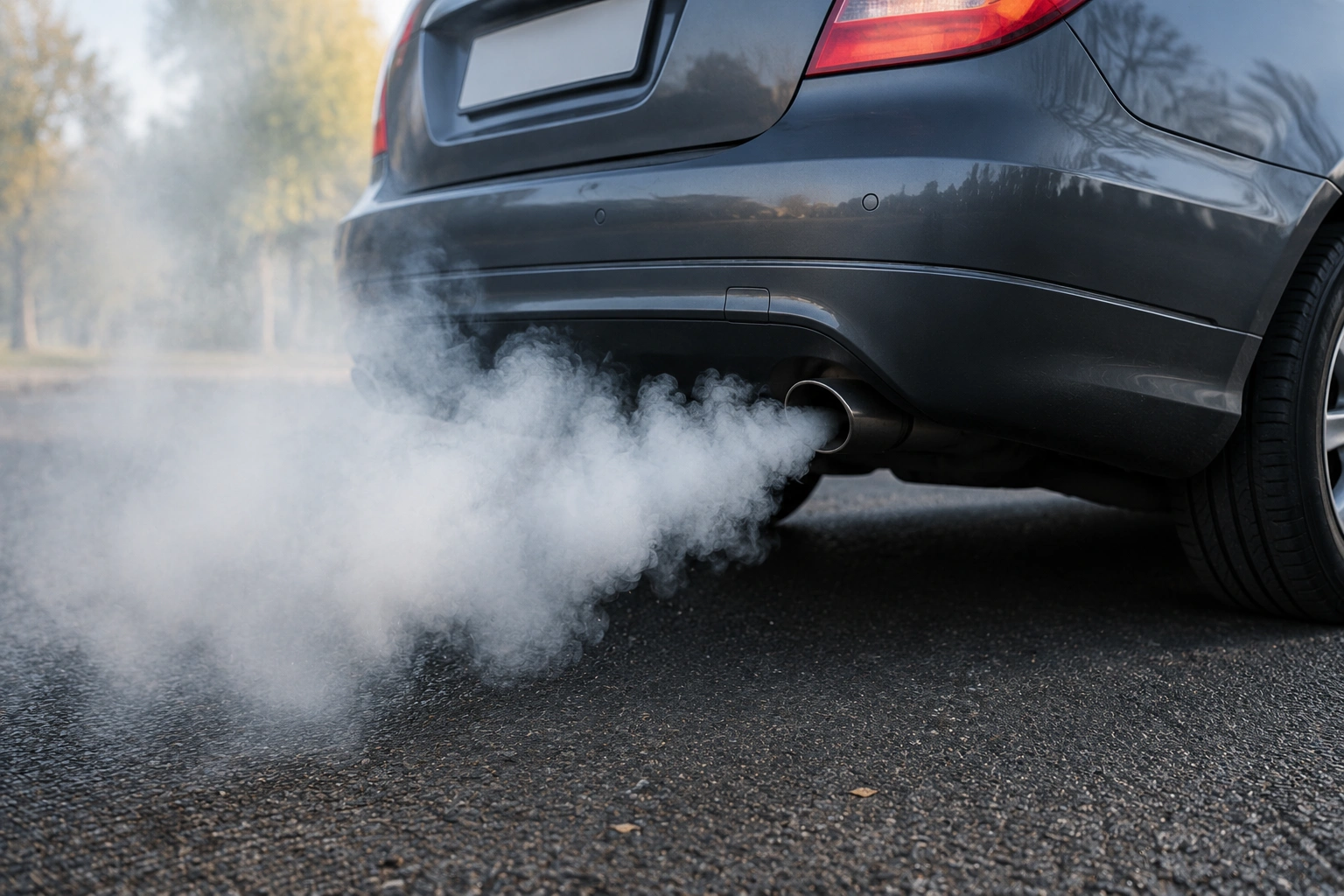
- Steam rising from under the hood.
- Rust, discoloration, or wet areas around the radiator.
- Repeatedly low coolant levels.
What Is a Coolant Leak?
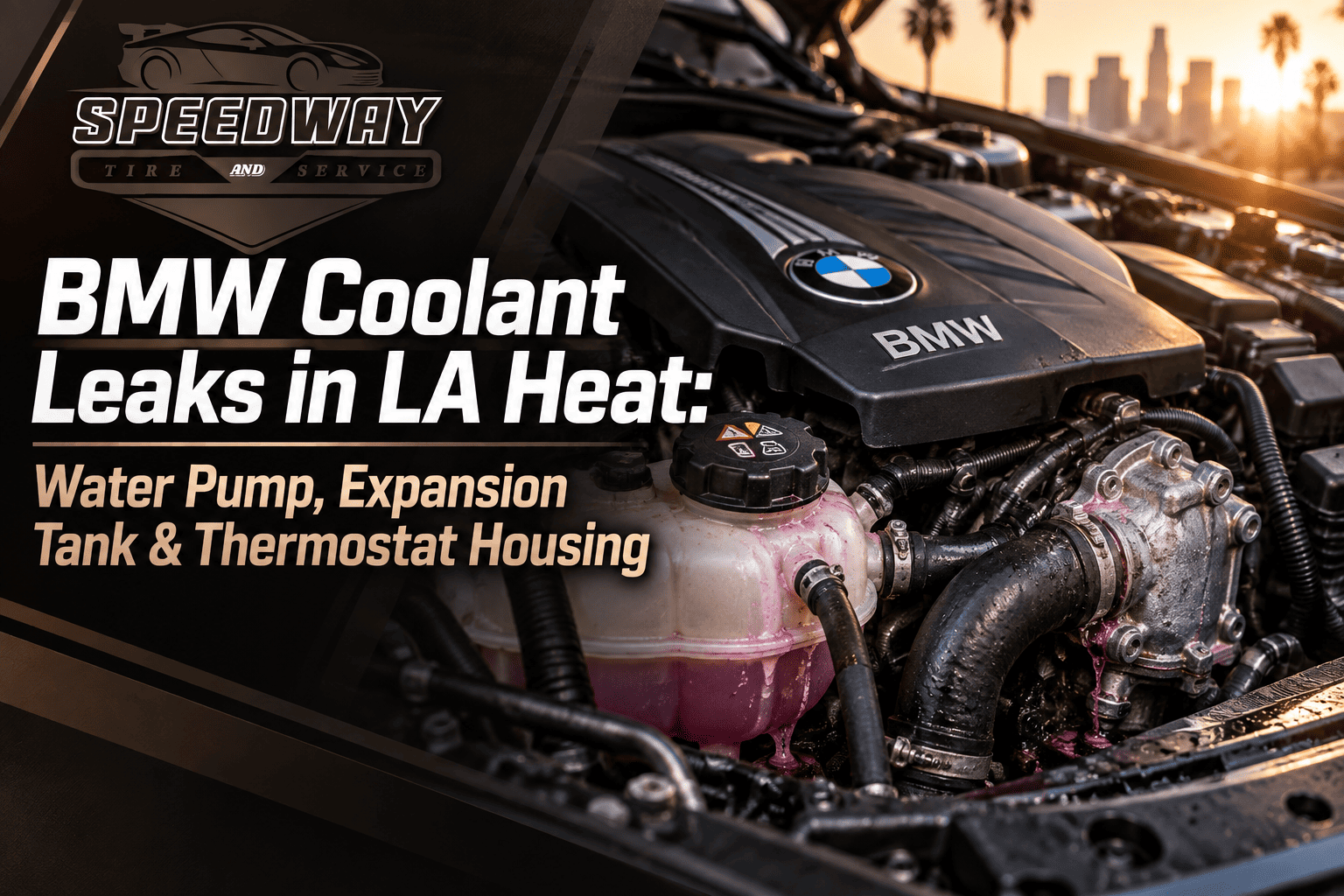
A coolant leak can occur anywhere in the cooling system, including hoses, clamps, the water pump, thermostat housing, or internal engine passages. Some leaks are slow and difficult to locate until the coolant level drops or the engine begins to run hot.
Common signs of another coolant leak include:
- Low coolant in the reservoir.
- A sweet smell from the engine bay.
- Visible moisture around hoses or connections.
- Engine temperature rising quickly.
Whether the problem is a radiator crack or a hose leak, both conditions need attention. For additional context, review the difference between a radiator leak and a coolant leak and note any symptoms before your inspection.
What Causes Radiator and Coolant Leaks?
Common causes that Los Angeles drivers should be aware of include:
- Corrosion: Metal parts can corrode over time when exposed to moisture, air, or neglected coolant maintenance.
- Worn hoses: Rubber hoses can become brittle and crack with age and heat exposure.
- Loose or damaged clamps: Failed clamps can allow coolant to escape at hose connections.
- Overheating: High temperatures can increase pressure and stress within the cooling system.
- Water pump or thermostat failure: A failed component can prevent proper coolant circulation or contribute to a leak.
Regular inspections can help catch cooling-system problems earlier. Drivers who spend time in stop-and-go traffic can also review this guide to overheating in Los Angeles traffic for additional warning signs.
When to Stop Driving Immediately
Knowing when to pull over can help prevent expensive engine damage. Stop driving and turn off the engine if:
- The temperature gauge reaches the red zone.
- Steam or smoke comes from under the hood.
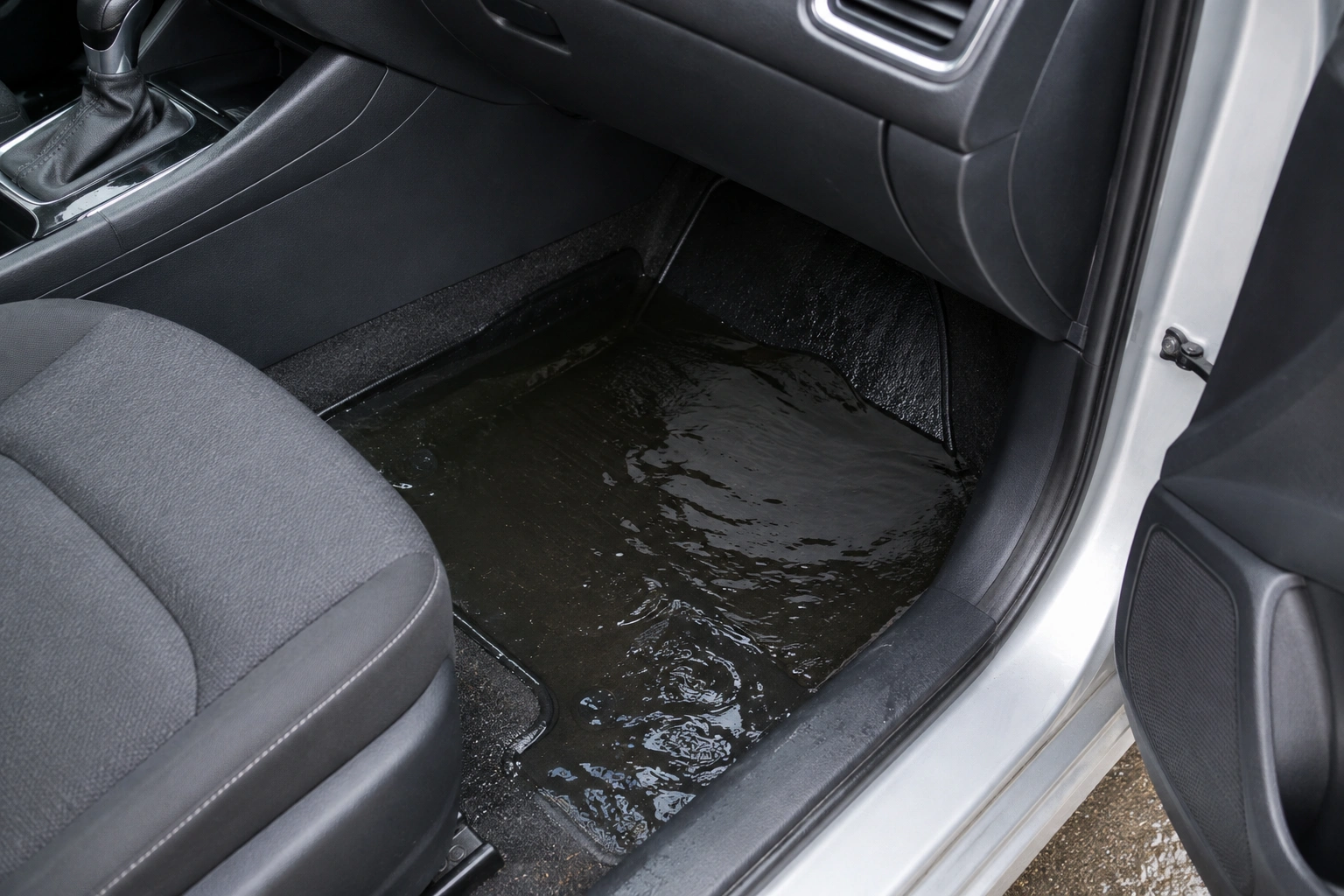
- You see a large puddle of coolant under the vehicle.
- The coolant-temperature warning light turns on.
- The engine begins losing power or running abnormally hot.
Let the vehicle cool down before inspecting it. Never open the radiator cap while the engine is hot because pressurized coolant can cause serious burns. If the vehicle is overheating, arrange professional assistance instead of continuing to drive.
How to Check for Leaks at Home
Basic Inspection Steps
- Wait until the engine is completely cool.
- Look under the vehicle for colorful puddles or wet areas.
- Inspect the radiator, hoses, clamps, and reservoir for moisture or stains.
- Look for steam, crusty residue, or discoloration around seams and connections.
- Check the coolant level only according to the vehicle manufacturer’s instructions.
A home inspection may reveal a visible symptom, but it may not locate a small or internal leak. Avoid touching hot components and do not rely on stop-leak products as a permanent repair.
When to Visit a Local Auto Repair Shop
Some minor leaks may appear manageable, but a cooling-system problem can worsen quickly. For safety and reliability, have the vehicle professionally inspected and repaired. A technician may evaluate the radiator, hoses, water pump, thermostat, fan, coolant level, and engine temperature.
A shop offering comprehensive auto repair services can help determine whether the issue is a radiator leak, another coolant leak, or an overheating condition without a visible leak.
Preventing Future Cooling-System Problems
- Follow the vehicle manufacturer’s coolant service recommendations.
- Inspect hoses and clamps during regular maintenance.
- Replace the thermostat or water pump when inspection confirms a problem.
- Keep an eye on the temperature gauge during summer traffic.
- Do not ignore low coolant levels, warning lights, or repeated overheating.
A professional coolant flush and cooling-system check may be appropriate when the system requires scheduled service or the coolant condition needs evaluation.
Final Thoughts
Radiator leaks are one type of coolant leak, but coolant can also escape from hoses, clamps, the water pump, thermostat housing, or internal engine components. Knowing the warning signs and acting quickly can help prevent costly damage and keep you safer on the road.
Experiencing a leak or overheating? Speedway Tire & Service can inspect the cooling system and explain the recommended next step before scheduling your visit.
Visit Us: 1165 West Sunset Blvd, Los Angeles, CA 90012
Call Now: (213) 250-4254
Looking for an Honest Auto Repair Shop in Los Angeles? Call Speedway Tire and Service Today
Whether you are driving through LA traffic or cruising the freeways, your car deserves expert care. Located in Los Angeles, Speedway Tire and Service offers reliable oil changes, brake repairs, tire services, and more, backed by experienced technicians and honest pricing.
Looking for an honest Auto Repair Shop in Los Angeles? Call Speedway Tire and Service Today
Whether you’re driving through LA traffic or cruising the freeways, your car deserves expert care. Located in Los Angeles, Speedway Tire and Service offers reliable oil changes, brake repairs, tire services, and more—all backed by experienced technicians and honest pricing.