Run-Flat vs Standard Tires for Silver Lake and DTLA Which Fits Your Commute?
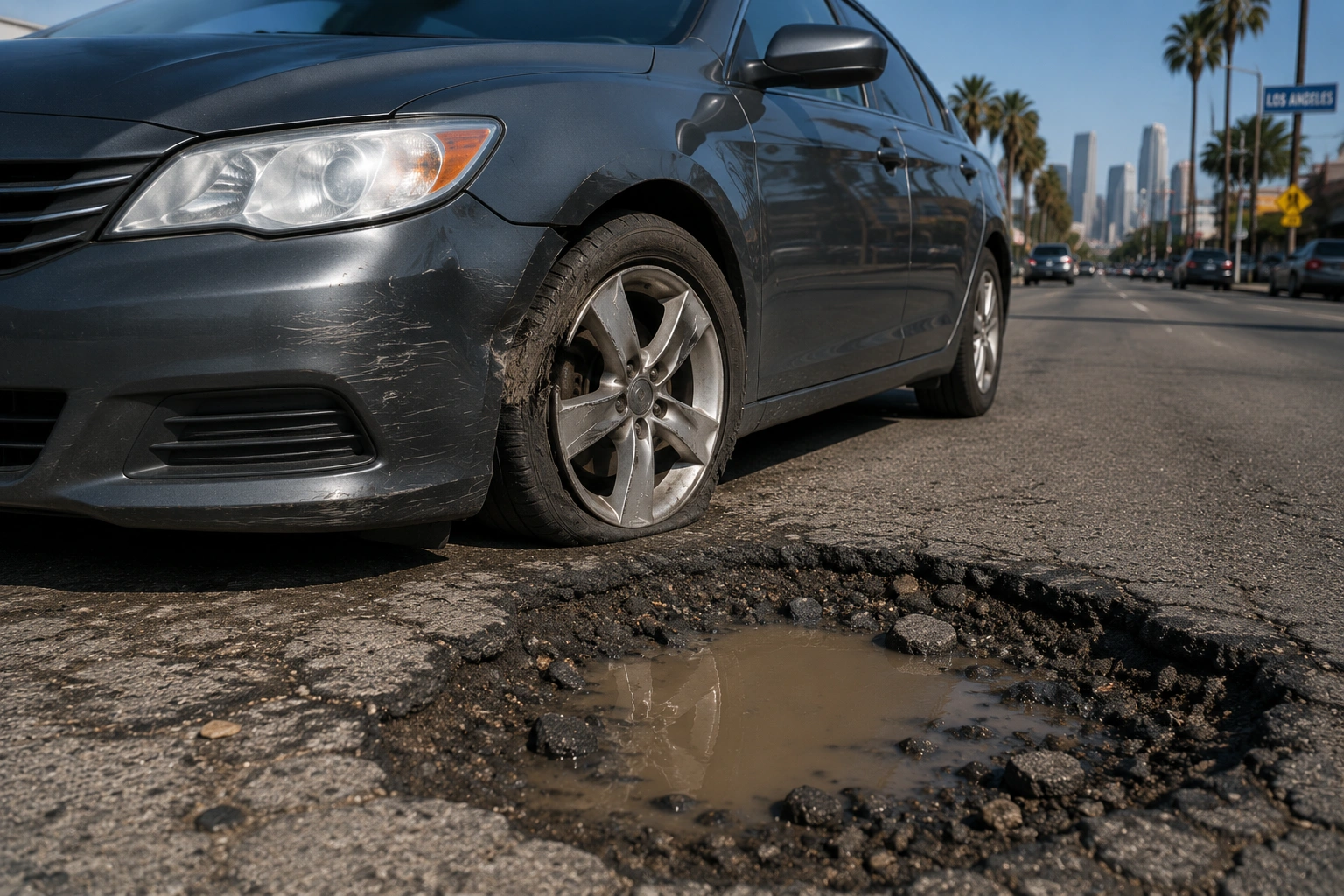
Driving through Silver Lake and Downtown Los Angeles is demanding on a vehicle. Stop-and-go traffic, tight streets, construction zones, potholes, and unpredictable road conditions all put extra stress on the tires.
One common question is whether run-flat tires or standard tires are better for daily city driving. The right choice depends on your vehicle, manufacturer specifications, driving habits, comfort preferences, budget, and willingness to use a spare tire or roadside assistance.
Understanding the Difference Between Run-Flat and Standard Tires
What Are Run-Flat Tires?
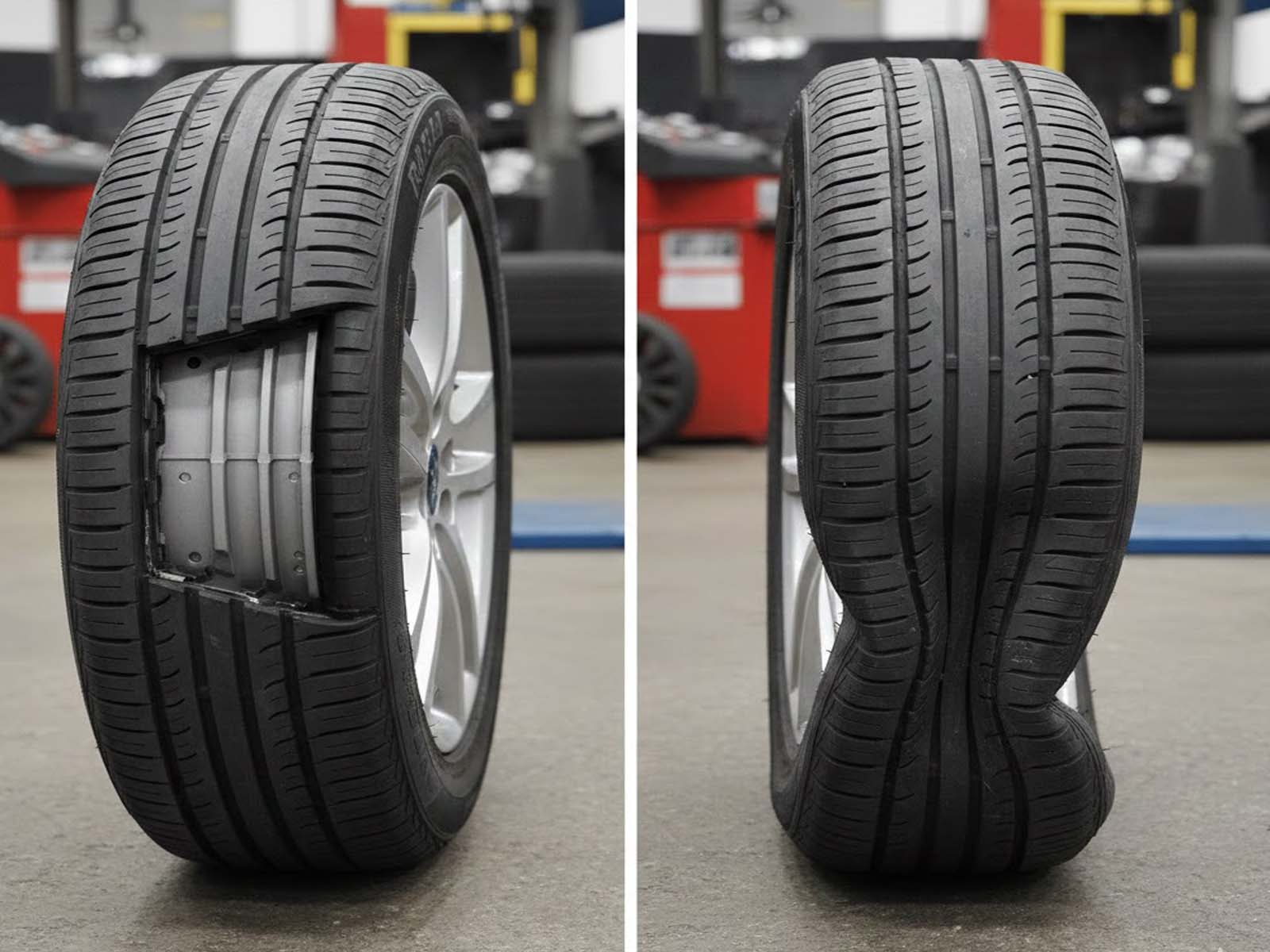
Run-flat tires are designed to support limited driving after a puncture or significant loss of air pressure. Their reinforced sidewalls help the tire maintain shape for a limited distance, usually at a reduced speed and only within the manufacturer’s stated limits.
For drivers navigating busy DTLA streets or parking in high-traffic areas, this may provide time to reach a safe location rather than stopping immediately on a crowded road. Run-flat tires work with a functioning tire-pressure monitoring system because the tire may not feel flat after losing pressure.
Potential benefits include:
- Reduced need for an immediate spare-tire change.
- More time to reach a safe location after a puncture.
- Convenience for drivers who travel through congested areas.
- Additional support after a sudden pressure loss within the permitted limits.
Potential disadvantages include:
- Higher replacement cost.
- A firmer ride on uneven Los Angeles roads.
- Limited repair options after driving while deflated.
- Possible need for specialized replacement matching.
What Are Standard Tires?
Standard tires are the most common option for Los Angeles drivers. They generally provide a smoother ride and lower replacement cost, but a flat usually requires a spare tire, repair, or roadside assistance.
Because standard tires have more flexible sidewalls, they may absorb bumps better on older roads and uneven streets in Silver Lake and surrounding neighborhoods.
Potential advantages include:
- Lower purchase and replacement cost.
- Smoother ride comfort.
- More flexible repair options when damage is repairable.
- Wide availability in many sizes and tread designs.
Potential disadvantages include:
- A flat requires immediate attention.
- Dependence on a spare tire or roadside assistance.
- More inconvenience in heavy traffic or unsafe locations.
- Potential delays when a compatible replacement is not nearby.
What Happens After a Flat
Can Run-Flat Tires Be Repaired?
In many cases, a run-flat tire cannot be safely repaired after it has been driven while underinflated or completely flat. Internal damage may not be visible from the outside, even when the puncture looks small.
Do not assume that a plug or patch is safe. Have the tire inspected by a qualified technician who can determine whether the damage, driving distance, pressure loss, and tire condition permit repair.
Are Standard Tires Easier to Repair?
Standard tires often offer more repair options when the damage is minor, located in the repairable tread area, and the tire has not been driven while severely underinflated. Sidewall damage, large punctures, bead damage, and internal damage usually require replacement.
A professional tire inspection and repair evaluation can explain whether a tire should be repaired, replaced, or matched with the remaining set.
Which Tire Fits Silver Lake and Downtown LA Driving
Choose Run-Flat Tires If
- You frequently drive in congested areas.
- You want additional convenience after a puncture.
- Your vehicle manufacturer specifies run-flat tires.
- You prefer not to carry or change a spare tire.
- You accept a potentially firmer ride and higher replacement cost.
Choose Standard Tires If
- You prioritize ride comfort and lower cost.
- You want more repair flexibility for eligible tread punctures.
- Your vehicle is designed for conventional tires.
- You are comfortable carrying a spare or using roadside assistance.
- You want a broad selection of replacement options.
There is no universal answer. Your vehicle’s original specifications should come first. This comparison of EV tires and regular tires also explains why load capacity, construction, torque, and manufacturer requirements matter when selecting tires.
Pressure and Tire Maintenance Matter More Than the Label
Run-flat and standard tires both require proper pressure maintenance. Underinflation can increase heat, rolling resistance, tread wear, and the risk of damage. Check pressure when the tires are cold and use the vehicle manufacturer’s recommended PSI.
Nitrogen is not a replacement for pressure checks. Review this guide to nitrogen versus air in tires for a practical explanation of pressure stability, convenience, and maintenance priorities.
Alignment and Balance Affect Tire Life
Correct tire selection cannot compensate for poor alignment, an imbalanced wheel, a bent rim, or worn suspension parts. Watch for pulling, an off-center steering wheel, uneven wear, vibration, or unusual road noise.
A professional wheel alignment service can check the applicable wheel angles and identify conditions that may damage a new set of tires.
Wheel balancing and tire rotation also serve different purposes. This guide to wheel balancing versus tire rotation explains which service is more relevant to freeway vibration and which supports even tread wear.
How to Choose the Right Tires
Before purchasing run-flat or standard tires, verify:
- Correct tire size.
- Load index and speed rating.
- Vehicle manufacturer requirements.
- Wheel and tire clearance.
- Whether the vehicle uses staggered or directional tires.
- Compatibility with the TPMS.
- Expected comfort, noise, range, and tread-life priorities.
Do not select a tire solely because it fits the wheel. Ask a tire professional to confirm that the complete specification is appropriate for your vehicle and driving conditions.
Frequently Asked Questions
Are run-flat tires safer than standard tires?
Run-flat tires may provide additional control and limited mobility after a puncture, but they do not eliminate the need for pressure monitoring or inspection. Safety depends on the tire, vehicle, road, speed, damage, and manufacturer limits.
Can I replace run-flat tires with standard tires?
Only if the vehicle manufacturer allows the change and the complete tire, wheel, TPMS, spare-tire, and handling requirements are satisfied. Confirm compatibility before changing tire type.
Can run-flat tires be repaired?
Sometimes, but many manufacturers and tire makers do not recommend repair after the tire has been driven while underinflated. A professional inspection is required.
Do run-flat tires ride harder?
They may feel firmer because of reinforced sidewalls, although ride quality varies by tire model, vehicle suspension, pressure, and road surface.
What should I do after a flat tire?
Slow down safely, avoid sudden steering or braking, stop in a safe location, check the tire-pressure warning, and arrange inspection or roadside assistance. Do not continue driving on a damaged or severely underinflated tire.
Get Expert Tire Advice in Los Angeles
Choosing between run-flat and standard tires depends on your vehicle, commute, budget, comfort preferences, and expectations after a puncture. A professional inspection can help you compare compatible options and maintain the tires you choose.
Need help choosing tires for Silver Lake or DTLA? Speedway Tire & Service can inspect your tires, verify fitment, check TPMS, and explain the best options for your vehicle.
Visit Us: 1165 West Sunset Blvd, Los Angeles, CA 90012
Call Now: (213) 250-4254
Looking for an Honest Auto Repair Shop in Los Angeles? Call Speedway Tire and Service Today
Whether you are driving through LA traffic or cruising the freeways, your car deserves expert care. Located in Los Angeles, Speedway Tire and Service offers reliable oil changes, brake repairs, tire services, and more, backed by experienced technicians and honest pricing.
Looking for an honest Auto Repair Shop in Los Angeles? Call Speedway Tire and Service Today
Whether you’re driving through LA traffic or cruising the freeways, your car deserves expert care. Located in Los Angeles, Speedway Tire and Service offers reliable oil changes, brake repairs, tire services, and more—all backed by experienced technicians and honest pricing.