Wheel Balancing vs Tire Rotation What Solves Vibration on Downtown LA Freeways?
You are merging onto the 110 or reaching an open stretch of the 101, and as your speed climbs past 60 mph, a persistent vibration begins shaking the steering wheel. This is a common complaint from Downtown Los Angeles drivers, but it is more than an annoyance. It may be a sign that the tires, wheels, alignment, or suspension need attention.
Many drivers assume the solution is a tire rotation, while others think it is wheel balancing. Both are important maintenance services, but they solve different problems. Understanding the difference can help you choose the right inspection and protect your safety on LA freeways.
What Wheel Balancing Does
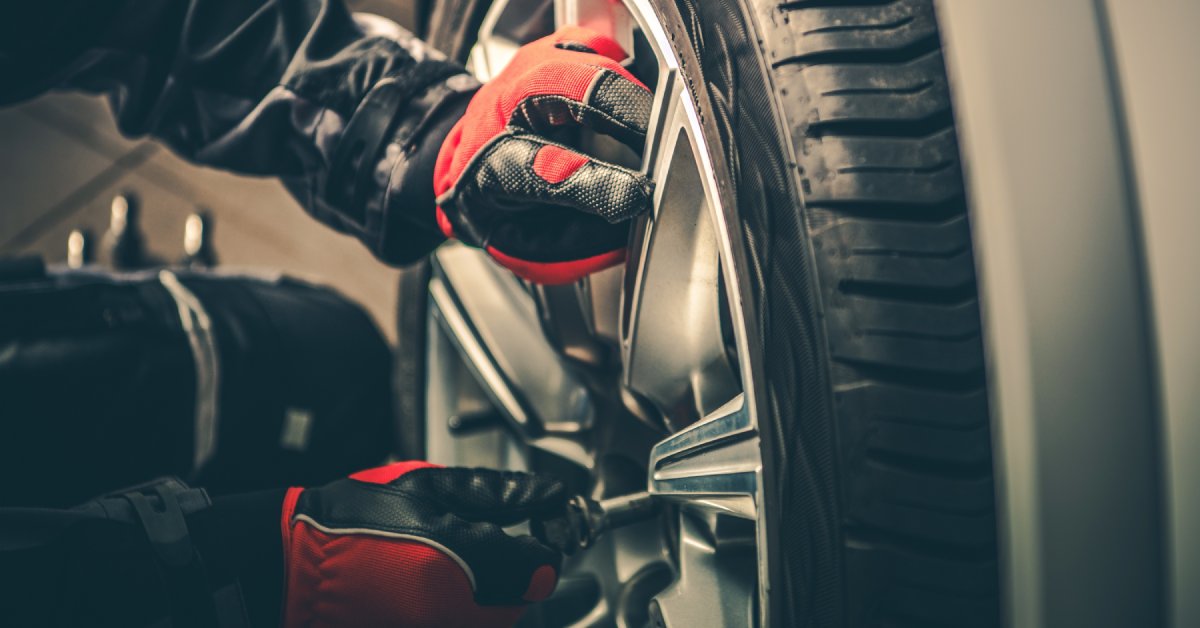
Wheel balancing equalizes the weight distribution of a tire and wheel assembly. Even a new tire and wheel can have small weight variations. At higher speeds, a slight imbalance can become a noticeable vibration through the steering wheel, seat, or floor.
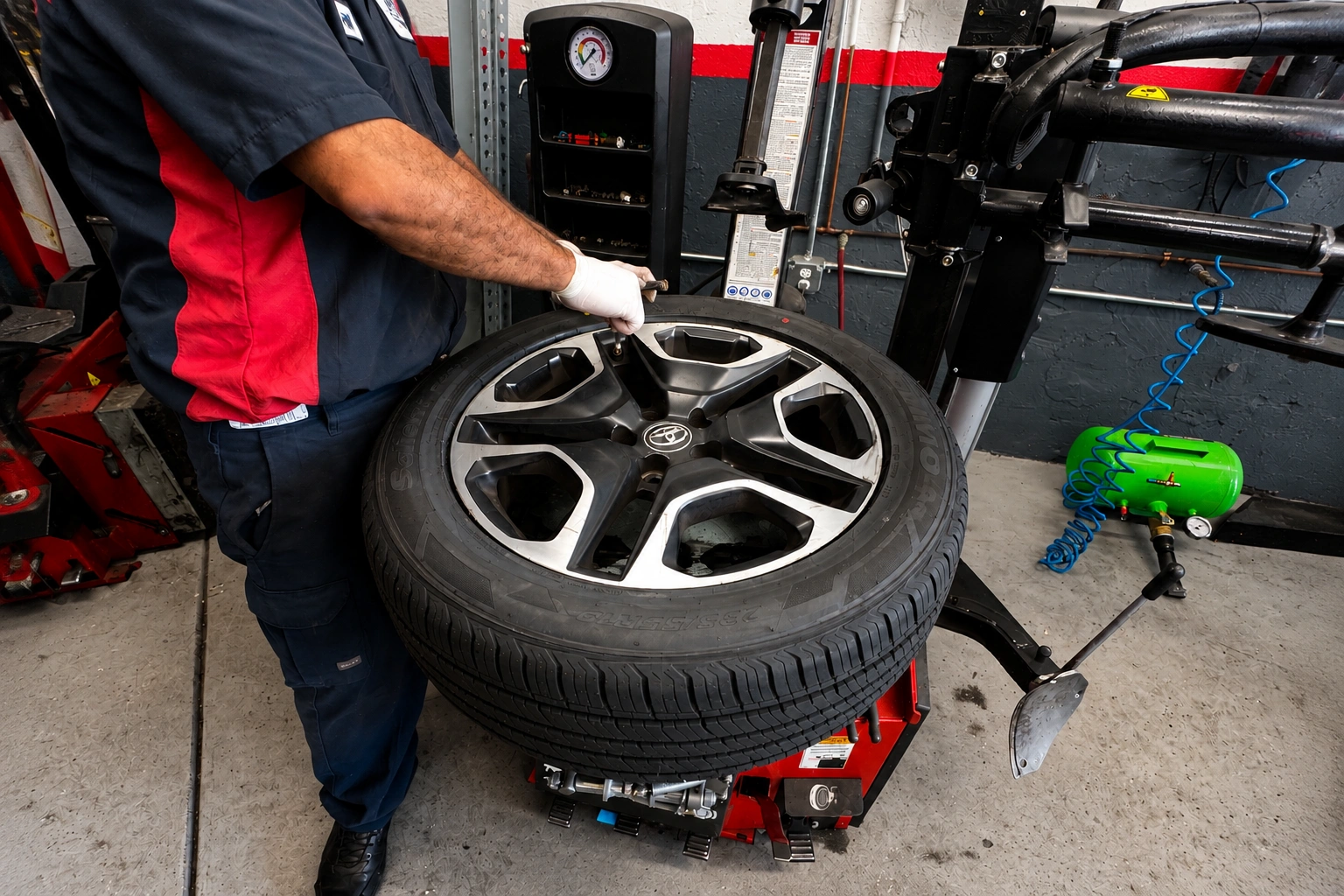
During balancing, a technician spins the wheel and tire on specialized equipment to measure the imbalance. The machine identifies where and how much counterweight is needed, and small weights are attached to the rim to improve balance.
When You Need Wheel Balancing
Wheel balancing may be appropriate when:
- You feel vibration at highway speeds, often between 55 and 75 mph.
- The steering wheel shimmies or shakes.
- You recently installed new tires.
- You hit a pothole, curb, or rough road edge.
- A wheel weight has fallen off.
- Vibration returns after a previous tire service.
If the vibration appears specifically around 60 mph, this guide to car vibration at 60 mph on LA freeways explains other possible causes that balancing alone may not correct.
What Tire Rotation Does
Tire rotation has a different purpose. It moves the tires from one position to another, such as front to back, to promote more even tread wear.
Front tires often wear faster because they handle steering and much of the braking. On front-wheel-drive vehicles, they also transmit engine power to the road. Regular rotation can help distribute this work more evenly and extend the useful life of the tire set.
When You Need a Tire Rotation
Tire rotation may be appropriate when:
- You want to maximize tire life.
- You want more even handling and traction.
- The vehicle manufacturer recommends a rotation interval.
- You are completing routine maintenance, often every 5,000 to 7,500 miles depending on the vehicle.
- You notice front tires wearing faster than rear tires.
Rotation will not usually fix a high-speed vibration caused by imbalance. However, skipping rotation can create uneven wear, and severe wear can eventually contribute to vibration and handling concerns.
Wheel Balancing vs Tire Rotation The Verdict
If you are experiencing a vibration primarily at freeway speeds, wheel balancing is often the first service to evaluate. Tire rotation is designed for tire longevity and even wear, not for correcting an existing wheel imbalance.
Neither service should be performed by guesswork when the vibration is severe or accompanied by pulling, noise, tire damage, or handling changes. The tire and wheel assembly should be inspected for the actual cause.
Other Causes of Freeway Vibration
Vibration can continue after balancing when another issue is present, including:
- A bent wheel or rim.
- Uneven tread wear or tire cupping.
- A damaged or out-of-round tire.
- Incorrect wheel alignment.
- Worn wheel bearings or hubs.
- Loose steering or suspension components.
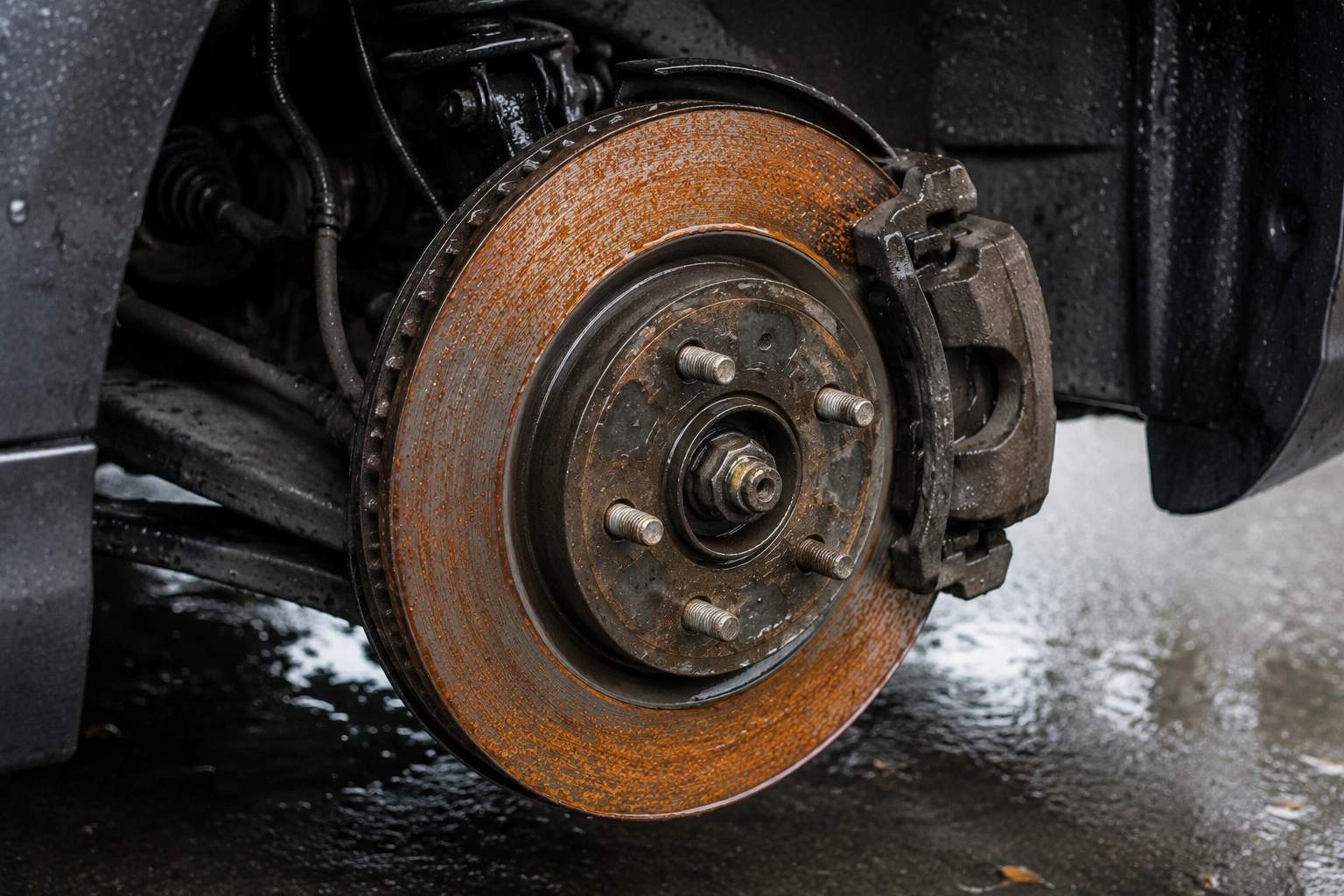
- Brake-related vibration that appears primarily during braking.
A professional tire inspection and service can evaluate tread, pressure, wheel condition, and balance before additional repairs are recommended.
Why Los Angeles Driving Is Hard on Tires
Downtown Los Angeles combines potholes, rough pavement, curb impacts, stop-and-go traffic, and high-speed freeway travel. A wheel can be affected by one impact, while repeated braking and acceleration can accelerate uneven tread wear.
That combination makes regular tire checks important. If a road impact caused the symptom, also review these pothole damage warning signs before continuing to drive at freeway speed.
How Alignment Relates to Vibration
Alignment and balancing are not the same service. Balancing corrects uneven weight distribution around the tire and wheel. Alignment adjusts wheel angles relative to the vehicle and road.
Misalignment may cause pulling, an off-center steering wheel, feathering, or uneven inner-edge wear. A wheel alignment inspection may be needed when vibration returns or tread wear suggests the tires are not tracking correctly.
How a Professional Inspection Works
- Review the symptom: The technician asks when the vibration begins and where you feel it.
- Inspect the tires: Pressure, tread, sidewalls, cupping, and damage are checked.
- Inspect the wheels: Runout, bends, missing weights, and mounting condition are evaluated.
- Check balance and alignment: The vehicle is tested using appropriate equipment.
- Inspect related components: Bearings, hubs, steering, suspension, and brakes are considered when needed.
- Verify the result: The vehicle is rechecked after service to confirm the vibration has improved.
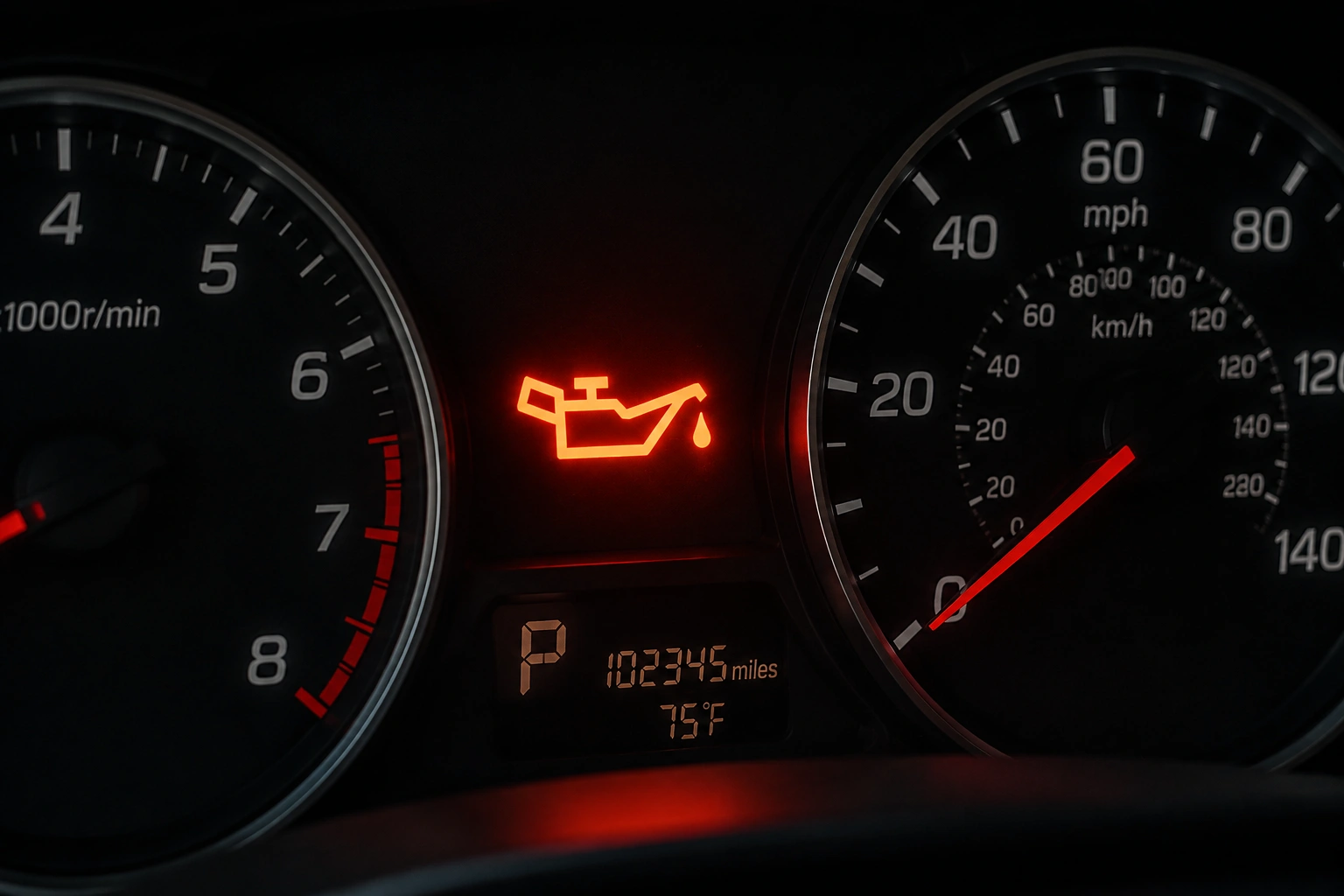
Routine service appointments can also help catch wear early. Ask about tire condition during an oil change with a maintenance inspection.
Is It Safe to Drive with Freeway Vibration
Do not ignore a vibration that appears at freeway speed. Continued driving may worsen tire wear, damage wheels or suspension parts, or increase the risk of a tire problem.
Slow down safely and arrange an inspection if the vibration is severe, suddenly worsens, or occurs with a tire-pressure warning, pulling, smoke, unusual noise, or handling change. If the vehicle also overheats in traffic, review these Los Angeles overheating warning signs.
Frequently Asked Questions
Does tire rotation fix freeway vibration?
Usually not when the cause is wheel imbalance. Rotation promotes even wear, while balancing corrects uneven weight distribution. A tire or wheel inspection can identify the actual cause.
Can wheel balancing fix every vibration?
No. Balancing cannot repair a bent wheel, damaged tire, severe cupping, misalignment, worn bearing, or loose suspension component.
How often should tires be rotated?
Follow the vehicle manufacturer’s schedule. Many vehicles are rotated every 5,000 to 7,500 miles, but tire type, drivetrain, wear pattern, and driving conditions can change the interval.
Why does vibration appear only at 60 mph?
A speed-specific vibration may come from imbalance, tire wear, a bent wheel, alignment instability, or a wheel-bearing concern. The speed helps guide diagnosis but does not prove one cause.
Can a pothole knock a wheel out of balance?
Yes. A pothole can damage a tire, bend a wheel, remove a wheel weight, or affect alignment and suspension. Have the vehicle inspected after a significant impact.
Schedule Your Tire Inspection
Wheel balancing and tire rotation serve different purposes. Balancing is the service most directly associated with a vibration caused by uneven wheel-and-tire weight, while rotation helps distribute tread wear and extend tire life.
Feeling vibration on LA freeways? Speedway Tire & Service can inspect the tires, wheels, alignment, bearings, and suspension and explain the correct repair.
Visit Us: 1165 West Sunset Blvd, Los Angeles, CA 90012
Call Now: (213) 250-4254
Looking for an Honest Auto Repair Shop in Los Angeles? Call Speedway Tire and Service Today
Whether you are driving through LA traffic or cruising the freeways, your car deserves expert care. Located in Los Angeles, Speedway Tire and Service offers reliable oil changes, brake repairs, tire services, and more, backed by experienced technicians and honest pricing.
Looking for an honest Auto Repair Shop in Los Angeles? Call Speedway Tire and Service Today
Whether you’re driving through LA traffic or cruising the freeways, your car deserves expert care. Located in Los Angeles, Speedway Tire and Service offers reliable oil changes, brake repairs, tire services, and more—all backed by experienced technicians and honest pricing.