California Smog Monitors Not Ready? Why Driving 100 Miles Doesn’t Always Fix It
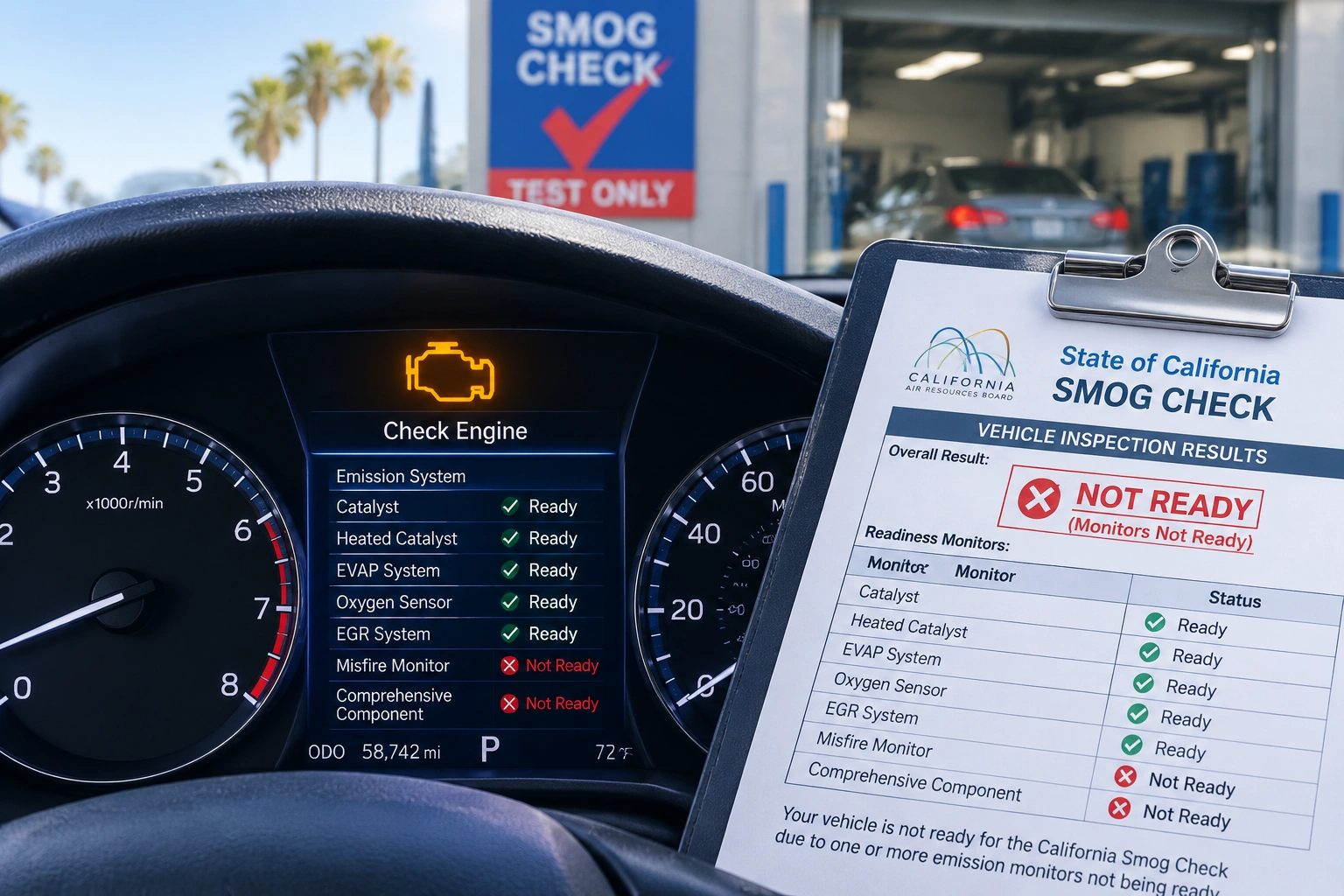
If your scan tool or Smog Check paperwork says “smog monitors not ready,” the vehicle’s OBD-II computer has not completed one or more emissions self-tests. That status does not automatically identify a failed part. It may appear after a battery disconnect, code clearing, recent repair, or a period of driving that did not create the conditions the vehicle needs to run its tests.
Driving 100 miles is not a universal solution. Readiness monitors run only when specific conditions—such as coolant and ambient temperature, fuel level, vehicle speed, engine load, pressure, soak time, and other manufacturer requirements—are met. California’s Bureau of Automotive Repair explains that some drive cycles are difficult to complete in traffic and that a monitor may not set until a related emissions problem is diagnosed and repaired.
The current California rules and implementation guidance also matter. BAR’s October 2025 update explains that the state adopted regulations aimed at requiring monitors that can feasibly be set, while the existing pass/fail criteria remain in place during a gradual, data-driven implementation. Because requirements depend on model year, fuel type, vehicle design, and future BAR updates, check current official guidance or ask a licensed Smog Check station before assuming one unset monitor guarantees a failure.
What should you do when smog monitors are not ready?
First, find out which monitors are incomplete and whether the vehicle recently had its battery disconnected, codes cleared, or emissions work performed. Do not clear codes again just before testing; that erases readiness information and starts the process over. Check the owner’s manual for vehicle-specific drive-cycle instructions, use normal safe driving to create the required conditions, and have the vehicle diagnosed if a monitor repeatedly refuses to set.
Do not attempt to trick the OBD system, install defeat devices, borrow another vehicle’s data, or perform an unsafe drive cycle. Readiness status is not the same as proof that the vehicle has passed California requirements, and a monitor can remain incomplete because an emissions component or control condition is not functioning correctly.
|
Status or situation |
What it may mean |
Appropriate next step |
|
One or more monitors show “not ready” after a battery change |
Readiness data were erased and tests must run again |
Follow the vehicle-specific procedure and check status before scheduling the inspection. |
|
Monitors show “not ready” after codes were cleared |
The OBD system was reset, possibly before a fault was repaired |
Do not clear codes again; scan for current or pending faults and diagnose the cause. |
|
Only the EVAP monitor remains incomplete |
The test may need specific fuel level, temperature, pressure, and soak conditions |
Follow manufacturer guidance; do not overfill the tank or force a test. |
|
Catalyst or oxygen-sensor monitor remains incomplete |
Required temperature, speed, load, or exhaust conditions may not have occurred, or a fault may be present |
Check for codes and have the emissions system evaluated if it will not set. |
|
A monitor will not set after several normal drive cycles |
A component, wiring, sensor, leak, software, or enabling condition may be preventing completion |
Request professional diagnostics rather than driving indefinitely. |
|
The check-engine light is on or flashing |
A current malfunction may prevent a monitor from completing; a flashing light can indicate a severe fault |
Follow the owner’s manual and seek prompt diagnosis; avoid unsafe continued driving. |
The table is a general guide. The exact monitor list and test conditions vary by vehicle.
What are California smog monitors?
Readiness monitors are self-tests within the vehicle’s OBD-II emissions system. They evaluate emissions-related systems and components while the vehicle is operated under enabling conditions. Depending on the vehicle, the system may monitor the catalytic converter, oxygen sensors, oxygen-sensor heater, evaporative-emissions system, exhaust-gas recirculation, secondary air, fuel system, misfire, and other components.
Not every vehicle has every monitor. Some monitors are continuous, some run only once specific conditions are met, and some may be unsupported by the vehicle’s design. A scan tool displays whether an applicable monitor is ready, incomplete, or not supported; the status must be interpreted together with the vehicle’s model year, fuel type, diagnostic codes, and California testing requirements.
When all applicable tests have completed, the system reports the relevant monitors as ready. That status does not replace a full Smog Check, and it does not prove that every component is perfect, but it gives the inspection station the readiness information required for the OBD portion of the test.
Why do smog monitors become not ready?
The most common reason is a recent reset. Disconnecting the battery, replacing a battery, clearing diagnostic trouble codes, using some scan tools, or completing certain repairs can erase the monitor history. The vehicle then needs to run the applicable tests again.
Other reasons include interrupted drive cycles, cold-start conditions that were not met, an incorrect fuel level for an EVAP test, ambient temperature outside the required range, low battery voltage, a fault that prevents a monitor from running, or a component that fails the test before the monitor can complete. A monitor can remain incomplete even when the vehicle seems to drive normally.
A not-ready result after emissions work is not necessarily evidence that the repair failed. The OBD system may need normal driving or a specified drive cycle to verify the repair. If the monitor will not set after the appropriate conditions, the system needs further diagnosis.
Why driving 100 miles does not always make monitors ready
Distance is only one part of a drive cycle. The OBD system does not simply count miles; it looks for a combination of operating conditions. A 100-mile highway trip may not include the cold start, idle period, controlled acceleration, deceleration, fuel-level range, engine-temperature change, or pressure conditions needed for every monitor.
Stop-and-go Los Angeles traffic can interrupt a sequence or prevent the vehicle from reaching a stable speed and load. A drive that begins with a warm engine may not satisfy a cold-start requirement. Turning the vehicle off at the wrong point may end a test before the computer records completion. Conversely, some monitors may run during ordinary commuting while others require conditions that rarely occur in the driver’s normal routine.
BAR states that drive cycles may require specific speed, temperature, pressure, and engine-load conditions. Some procedures may be difficult or impossible to perform safely in ordinary traffic and may require controlled equipment. This is why there is no honest universal promise that driving 50, 100, or 200 miles will make every vehicle ready.
What is a drive cycle for a smog test?
A drive cycle is a set of operating conditions that allows the vehicle’s OBD system to evaluate specified emissions components. The exact procedure is manufacturer- and vehicle-specific. It may involve an extended cold soak, starting without pressing the accelerator, idling, steady-speed operation, controlled acceleration, deceleration, and periods of different engine load.
A generic drive cycle can be useful as a concept, but it should not be presented as a guaranteed recipe. Follow the owner’s manual, manufacturer service information, or instructions from a qualified technician. Obey traffic laws, avoid sudden or unsafe maneuvers, and do not attempt a drive cycle if the vehicle is overheating, misfiring severely, running poorly, or showing a serious warning.
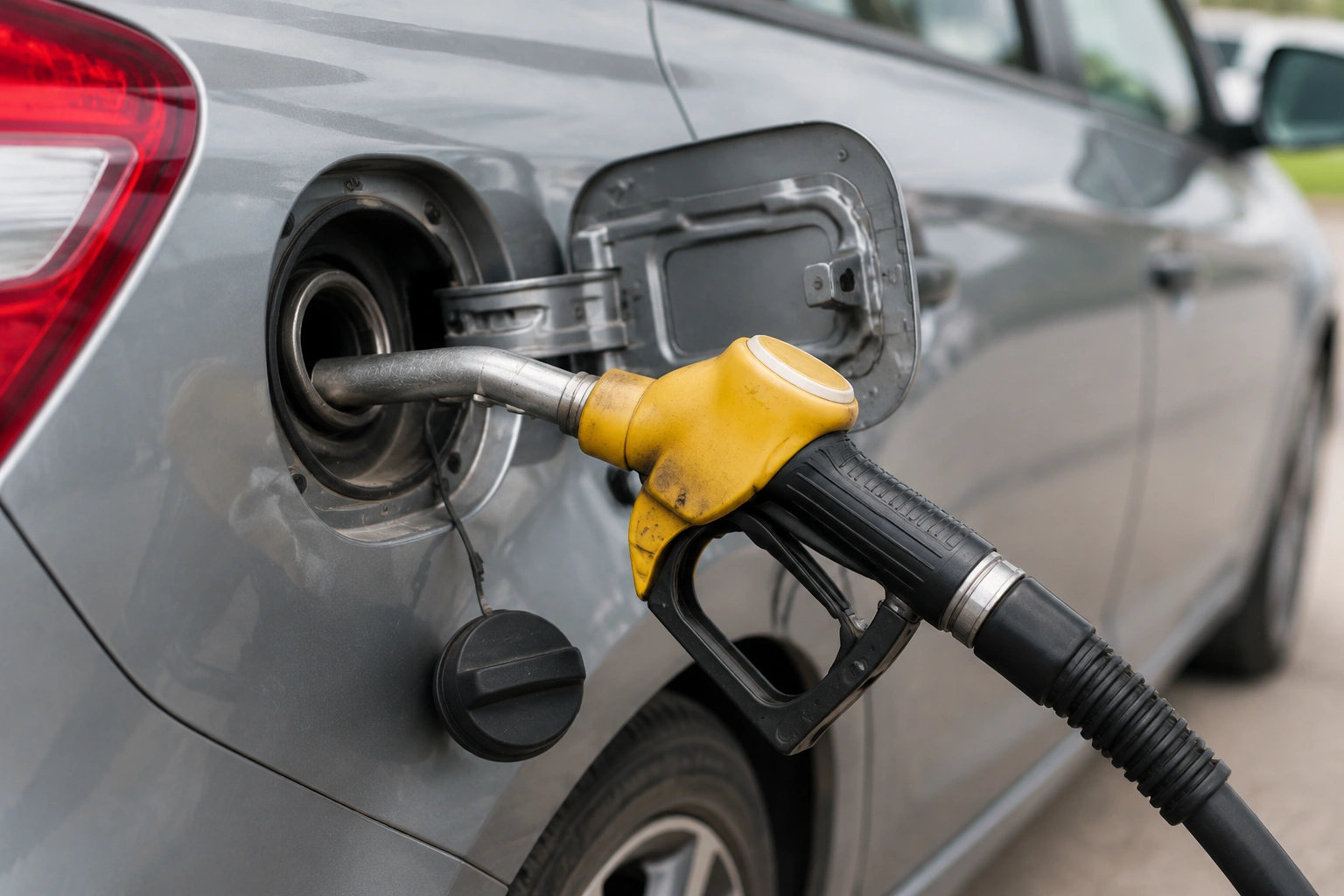
Some monitors also require a particular fuel level or a period of time with the vehicle parked. An EVAP test can be especially sensitive to temperature, fuel level, vapor pressure, and leaks. Filling the tank to the top, driving immediately after refueling, or repeatedly opening the fuel cap can interfere with the intended conditions on some vehicles.
Common monitors that remain incomplete
Catalyst monitor not ready
The catalyst monitor evaluates whether the catalytic converter and related oxygen-sensor signals are operating within the expected range. It may require the engine and exhaust to reach a specific temperature and the vehicle to experience particular speed and load changes.
A catalyst monitor that is not ready does not prove the catalytic converter is bad. It may simply have not completed, or a sensor, exhaust leak, fuel-control problem, wiring issue, temperature problem, or other fault may be preventing the test. If the monitor remains incomplete after appropriate conditions, scan for stored and pending codes and request an emissions diagnosis.
EVAP monitor not ready
The evaporative-emissions monitor checks portions of the fuel-vapor system for leaks and operating faults. The test may need a particular fuel level, ambient temperature, pressure condition, and soak period. A loose or damaged fuel cap, vapor leak, purge-valve problem, vent-valve fault, charcoal-canister issue, or wiring concern may interfere with the test.
Do not replace the fuel cap or another EVAP component based only on a not-ready message. If a check-engine code is present, the code and test results should guide the diagnosis. Do not use smoke-testing equipment or open fuel-system components without proper training and fire-safety precautions.
Oxygen-sensor and oxygen-sensor-heater monitors
These monitors evaluate oxygen-sensor operation and, on applicable vehicles, the sensor-heater circuits that help the sensors reach operating temperature. A monitor may need a cold start, stable temperature, and particular engine conditions. Wiring, a heater circuit, exhaust leaks, air-fuel problems, or the sensor itself can be involved.
A not-ready monitor is not the same as a confirmed sensor failure. The vehicle should be scanned for codes and tested according to the manufacturer’s diagnostic procedure before parts are replaced.
Misfire, fuel, and comprehensive-component monitors
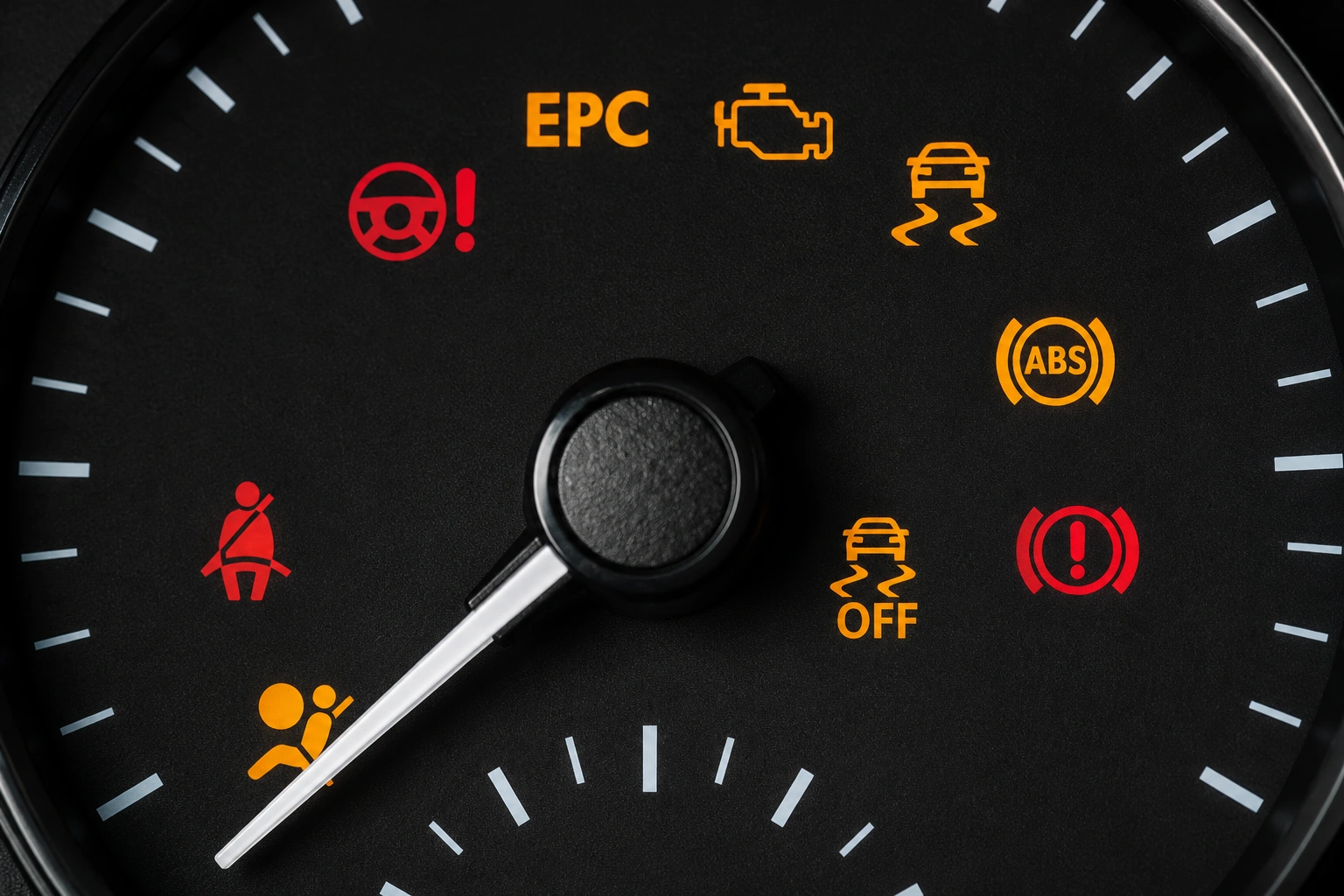
Some OBD monitors run continuously or are evaluated differently from non-continuous monitors. A vehicle may show a monitor as ready while another emissions fault remains stored or pending. A completed readiness screen should not be treated as a clean bill of health if the check-engine light is on or the vehicle is running poorly.
What to check before returning for a California Smog Check
Ask the inspection station or repair shop which exact monitors are not ready and record the vehicle’s model year, engine, fuel type, stored codes, pending codes, permanent codes, and malfunction-indicator-light status. If the battery or codes were recently reset, confirm how long the vehicle must operate before retesting.
Check the owner’s manual for the manufacturer’s drive-cycle information. Make sure the vehicle has adequate fuel, proper tire inflation, no obvious fluid or exhaust leaks, and no warning condition that makes driving unsafe. Do not disconnect the battery, clear codes, or replace parts solely to change the readiness display.
Before scheduling the test, use a capable scan tool to check readiness without clearing the data. A readiness check is different from erasing codes. If a monitor is still incomplete, asking a licensed Smog Check station or qualified emissions technician for guidance can prevent an unnecessary retest.
When to stop driving and seek diagnosis
Do not continue a drive cycle if the check-engine light is flashing, the engine is misfiring severely, the vehicle is overheating, the exhaust smells strongly of fuel, the engine loses power, or the car is unsafe to control. A flashing malfunction light can indicate a condition that may damage the catalytic converter or create a safety concern.
If the light is steady and the vehicle runs normally, the readiness issue may not require emergency towing, but it still needs to be handled before the inspection. If the light returns after repairs, the monitor never sets, or the vehicle has poor performance, schedule emissions diagnostics rather than repeatedly driving and hoping the message clears.
How a technician diagnoses monitors that will not set
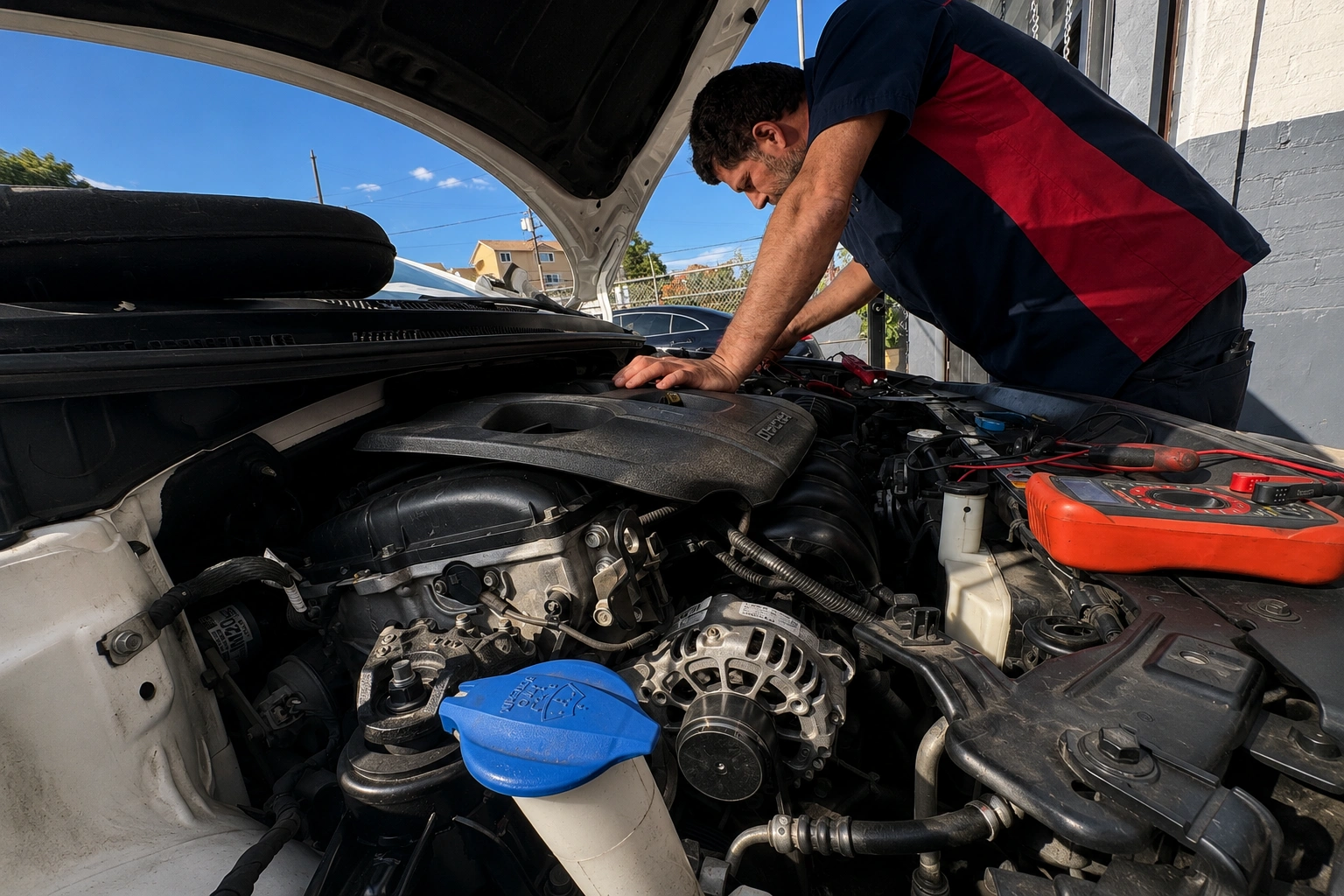
A technician begins by verifying the monitor status and checking current, pending, and permanent diagnostic trouble codes. The shop may inspect battery voltage, cooling-system temperature data, fuel level, sensor readings, fuel trims, oxygen-sensor activity, EVAP valves, vapor-system integrity, exhaust leaks, wiring, and software or calibration updates as appropriate.
The technician then compares the vehicle’s enabling conditions with the manufacturer’s service information. If a drive cycle is required, it should be performed in a controlled, lawful, and safe manner. If the monitor is blocked by a real fault, the shop should diagnose and repair the enabling problem before repeating the verification process.
For Los Angeles drivers, contact Speedway Tire & Service to ask about current emissions diagnostics and Smog Check preparation. The shop’s auto repair services page provides additional service information. Confirm current capabilities, appointment availability, and whether the shop performs the specific emissions testing or repair your vehicle needs.
California readiness-monitor rules and why current guidance matters
California Smog Check criteria can depend on model year, fuel type, applicable monitors, vehicle design, and implementation updates. BAR’s OBD reference lists historical or current criteria for incomplete monitors by vehicle category, while its fall 2025 update explains that the new regulatory framework is being implemented gradually and that the existing pass/fail criteria remain unchanged while BAR collects data.
This means an article should not promise that every gasoline vehicle fails with one not-ready monitor or that every vehicle is allowed one incomplete monitor. The applicable rule may change, and a unique vehicle-design issue may be handled differently. Check BAR’s current On-Board Diagnostic Test Reference, ask the Smog Check station, or consult the Smog Check Referee when a vehicle has a documented monitor-setting difficulty.
This article is general educational information, not a guarantee of inspection results or legal advice. A repair shop can help diagnose the vehicle, but only the applicable California program rules and inspection results determine the outcome.
Frequently asked questions
What does smog monitors not ready mean?
It means one or more applicable OBD-II emissions self-tests have not completed. The status can result from a battery disconnect, cleared codes, recent repairs, incomplete operating conditions, a vehicle-specific drive-cycle requirement, or a fault that prevents the monitor from running.
Can I fix smog monitors not ready by driving 100 miles?
Not necessarily. The OBD system requires specific conditions rather than a particular mileage total. A 100-mile drive may not include the cold start, fuel level, temperature, speed, engine load, pressure, or soak conditions needed for every monitor.
How long do monitors take to become ready after a battery change?
The time varies by vehicle and monitor. Some may complete during normal driving, while others require several trips or a manufacturer-specific sequence. Check the owner’s manual or service information and verify readiness with a scan tool without clearing the data again.
Why is my catalyst monitor not ready?
The required temperature, speed, load, or fuel-control conditions may not have occurred, or a related fault may be preventing completion. A not-ready catalyst monitor does not by itself prove that the catalytic converter has failed. Diagnosis should consider codes, oxygen-sensor data, exhaust leaks, fuel control, wiring, and the vehicle’s service procedure.
Why is my EVAP monitor not ready?
The EVAP test may require a particular fuel level, ambient temperature, pressure condition, and time parked. A fuel-cap problem, vapor leak, purge or vent fault, canister issue, wiring problem, or simply incomplete conditions can be involved. Do not replace parts based on the status alone.
Do I need to drive in a specific way for a Smog Check?
Possibly. The manufacturer’s procedure may specify a cold soak, idle period, steady speed, acceleration, deceleration, and other conditions. There is no universal procedure that guarantees every monitor will set. Follow lawful and safe instructions from the owner’s manual, OEM service information, or a qualified technician.
Can clearing the check-engine light make my car pass?
No. Clearing codes can erase readiness data and leave monitors incomplete. It also does not repair the underlying fault. The vehicle should be diagnosed, repaired when necessary, and operated long enough for the applicable monitors to verify the repair.
Can I pass California Smog Check with one monitor not ready?
The answer depends on current California criteria, model year, fuel type, applicable monitors, and the vehicle’s circumstances. BAR’s current guidance should be checked because readiness requirements and implementation can change. Do not rely on a fixed rule from an old article or assume that driving more miles will solve the issue.
Where can I get help with monitors not ready in Los Angeles?
Look for a licensed shop or emissions professional that can read readiness status, interpret stored and pending codes, follow vehicle-specific service information, and explain whether it performs diagnosis, repair, drive-cycle assistance, or Smog Check inspection. Confirm the service before scheduling.
Conclusion
When smog monitors not ready appears before a California Smog Check, driving farther is not always the answer. The OBD system needs specific operating conditions, and a battery reset, cleared codes, recent repair, interrupted drive cycle, fuel-level condition, or unresolved emissions fault can keep a monitor incomplete.
Check which monitors are affected, follow vehicle-specific instructions, do not erase codes again, and avoid unsafe or unlawful attempts to manipulate the system. If the monitor will not set after normal driving or the vehicle has a warning light or performance problem, a professional emissions diagnosis can identify whether the issue is incomplete testing or a repair that still needs attention.
Looking for an honest Auto Repair Shop in Los Angeles? Call Speedway Tire and Service Today
Whether you’re driving through LA traffic or cruising the freeways, your car deserves expert care. Located in Los Angeles, Speedway Tire and Service offers reliable oil changes, brake repairs, tire services, and more—all backed by experienced technicians and honest pricing.