Rust on Brake Rotors After Rain - Normal Surface Rust or a Brake Problem?
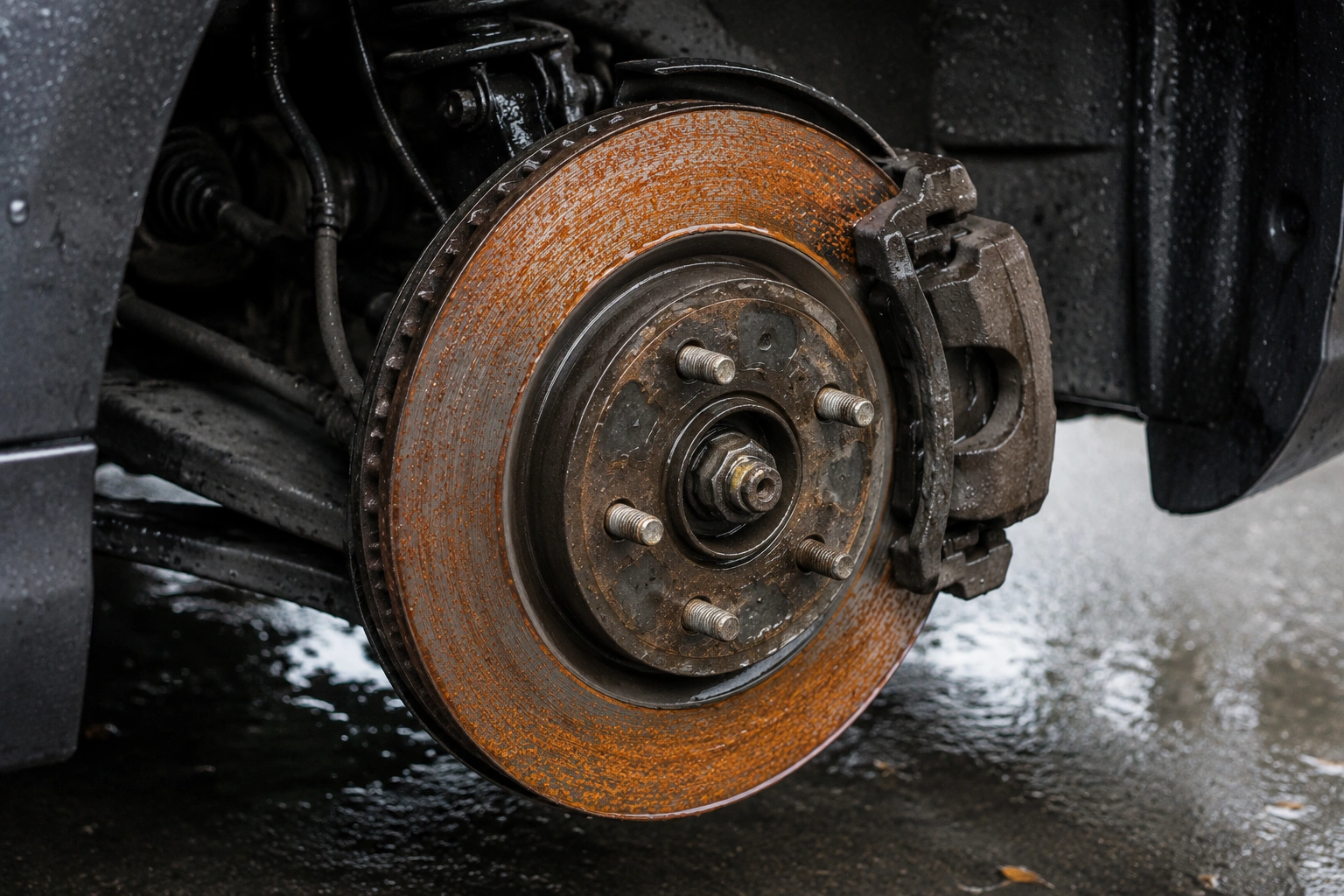
Seeing rust on brake rotors after rain or a car wash is usually not a reason to panic. Most exposed cast-iron brake rotors can develop a thin orange or brown film when moisture contacts the metal. Light surface rust often reduces after normal, gentle driving and braking as the pads contact the rotor.
The important distinction is between a temporary surface film and corrosion or brake symptoms that do not go away. Persistent grinding, weak braking, a spongy pedal, pulling, pulsation, a hot wheel, deep pitting, or a warning light should not be dismissed as ordinary rain rust. Los Angeles drivers can still see flash rust after rain, washing, overnight moisture, or parking near damp conditions even though the area is generally dry.
Is rust on brake rotors after rain normal?
A thin, fairly even film of surface rust after rain or washing is common. It may create brief scraping or squeaking during the first few brake applications and often becomes less noticeable once the braking surfaces are clean and warm. Firestone explains that rain, humidity, and overnight moisture can create light surface rust and temporary brake noise.
Rust becomes more concerning when it is thick, deeply pitted, uneven across the friction surface, or accompanied by a change in braking. Surface rust alone is not a diagnosis of brake failure, and a grinding noise is not proof that rust is the only problem. A technician should inspect the pads, rotors, calipers, hardware, and related wheel-end components when symptoms persist.
|
What you see or feel |
More likely explanation |
Recommended response |
|
Thin orange film after rain or washing |
Temporary surface oxidation on exposed rotor metal |
Drive normally and brake gently only if the vehicle feels safe; monitor whether the film and brief noise reduce. |
|
Brief scraping or squeaking on the first few stops |
Moisture-related film, pad material, or temporary contact noise |
Do not use aggressive braking; seek inspection if the noise persists. |
|
Deep grooves, heavy pitting, or flaking corrosion |
Advanced corrosion or damaged friction surface |
Arrange a professional brake inspection before relying on the vehicle. |
|
Persistent grinding or scraping |
Worn pads, debris, sticking caliper, rotor damage, or another brake fault |
Stop driving if braking is affected and request prompt service. |
|
Pedal pulsation or steering shake while braking |
Rotor thickness variation, runout, hub or installation issue, tire, suspension, or other fault |
Schedule a complete brake and wheel-end diagnosis. |
|
Vehicle pulls when braking |
Caliper, hydraulic, pad, tire, suspension, alignment, or friction problem |
Have the braking system inspected promptly. |
|
Weak or spongy pedal, warning light, or hot wheel |
Hydraulic, friction, caliper, fluid, or overheating problem |
Stop when safe and arrange professional assistance; do not continue driving if braking is unreliable. |
This table is a screening guide, not a diagnosis. Brake symptoms can have more than one cause.
Why brake rotors rust after rain
Brake rotors are exposed metal components. When water and oxygen contact an uncoated cast-iron friction surface, a thin layer of iron oxide can form quickly. The rotor may look rusty even if the brake system was operating normally before the rain.
The film may be more visible after a car wash because water remains on the rotor and wheel area while the vehicle is parked. It can also appear after overnight humidity or when a car sits for an extended period. The corrosion on the friction surface is different from the painted or coated areas of some newer rotors, which may be designed to resist rust cosmetically but do not eliminate all oxidation on the pad-contact area.
Rusty rotors after a car wash - is it normal?
Usually, yes, if the rust is a light film and the vehicle brakes normally. A brief scraping or squeaking sound during the first few stops can occur as the pads remove the film. The noise should generally become less noticeable after normal braking, but there is no universal number of miles or brake applications that applies to every vehicle.
Use normal, gentle braking in a safe area if the vehicle feels normal. Do not repeatedly make hard stops just to clean the rotors, and do not accelerate aggressively to test the brakes. If the noise continues, becomes a grind, or is accompanied by a pedal or handling change, arrange an inspection.
When surface rust is usually harmless
Light surface rust is more likely to be routine moisture-related oxidation when it forms as a thin, even coating, appears after rain or washing, and reduces as the vehicle is driven normally. The brake pedal should feel firm, the vehicle should stop straight, and there should be no persistent grinding, severe vibration, burning smell, or overheating wheel.
Even when the film is harmless, visually inspect the vehicle only when the brakes are cool and the car is parked safely. Never touch a rotor or caliper immediately after driving; brake components can remain extremely hot.
When rust on a brake rotor may signal a problem
Rust deserves professional attention when it is deep, flaky, heavily pitted, or concentrated in areas where the brake pad should be contacting the rotor. A vehicle that has been stored for a long time may develop corrosion that normal driving will not remove evenly. Rust can also coexist with a sticking caliper, worn pad, seized hardware, a damaged dust shield, water or road debris, or a rotor that is already below service limits.
A rotor’s appearance cannot confirm its thickness, runout, friction condition, or compatibility with the brake pads. Do not sand, grind, machine, or spray lubricant on the friction surface as a DIY fix. The technician should determine whether cleaning, brake service, resurfacing where permitted and appropriate, or replacement is suitable for the vehicle.
Brakes grinding after rain- what could it mean?
A brief scrape during the first few stops may be related to moisture and light surface rust. Persistent grinding is different. It may indicate worn friction material, a pad backing plate contacting the rotor, a sticking caliper, trapped debris, damaged hardware, severe rotor corrosion, or another brake fault.
Do not assume that a grinding brake noise will disappear safely with more driving. If braking performance changes, the sound is severe, the vehicle pulls, the pedal feels abnormal, a wheel is hot, or smoke or a burning smell appears, stop when safe and arrange professional assistance.
Brake pulsation, vibration, and pulling after rain
A pulsing brake pedal or steering-wheel shake during braking should not be automatically blamed on surface rust. Possible causes include rotor thickness variation, excessive runout, hub or wheel installation problems, uneven pad deposits, caliper problems, tire or wheel issues, suspension wear, or an alignment condition.
Pulling to one side can result from uneven brake friction, a sticking caliper, a hydraulic issue, tire pressure or tire condition, suspension damage, or alignment. A technician should compare the affected wheel areas and test the braking system instead of replacing rotors solely because they look orange after rain.
How to minimize brake-rotor surface rust
Surface rust cannot be eliminated completely because the friction surface is exposed to moisture. Regular, normal vehicle use helps keep the pad-contact area active, but do not drive only to remove rust if the vehicle has been stored or if braking feels abnormal. After a car wash, allow the brakes to dry through careful normal driving and gentle stops when the vehicle is safe to operate.
If the vehicle will be stored, follow the owner’s manual or manufacturer storage guidance. Keep the car in a dry, ventilated location when possible, avoid leaving it in standing water, and address sticking brakes or leaks before storage. A cover or garage may reduce moisture exposure but does not replace brake inspection or maintenance.
Safe checks before visiting a brake shop
When the brakes are completely cool, look through the wheel openings for obvious cracks, deep pitting, severe flaking, missing hardware, or a rotor surface that appears substantially different from the others. Check the brake pedal feel during a very slow, controlled stop only if the vehicle is otherwise safe and the area is free of traffic. Do not crawl under the vehicle or remove wheels without proper equipment and training.
Pay attention to whether the vehicle pulls, the pedal pulses, the stopping distance feels different, or one wheel produces heat or odor. Do not touch the wheel or rotor immediately after driving to compare temperatures. If a tire is low, a wheel is visibly damaged, or braking is unreliable, do not drive to the shop.
Do not apply WD-40, oil, grease, rust remover, or other chemicals to a brake rotor or pad. Contamination can reduce friction and create a serious safety hazard.
How a technician inspects rusty brake rotors
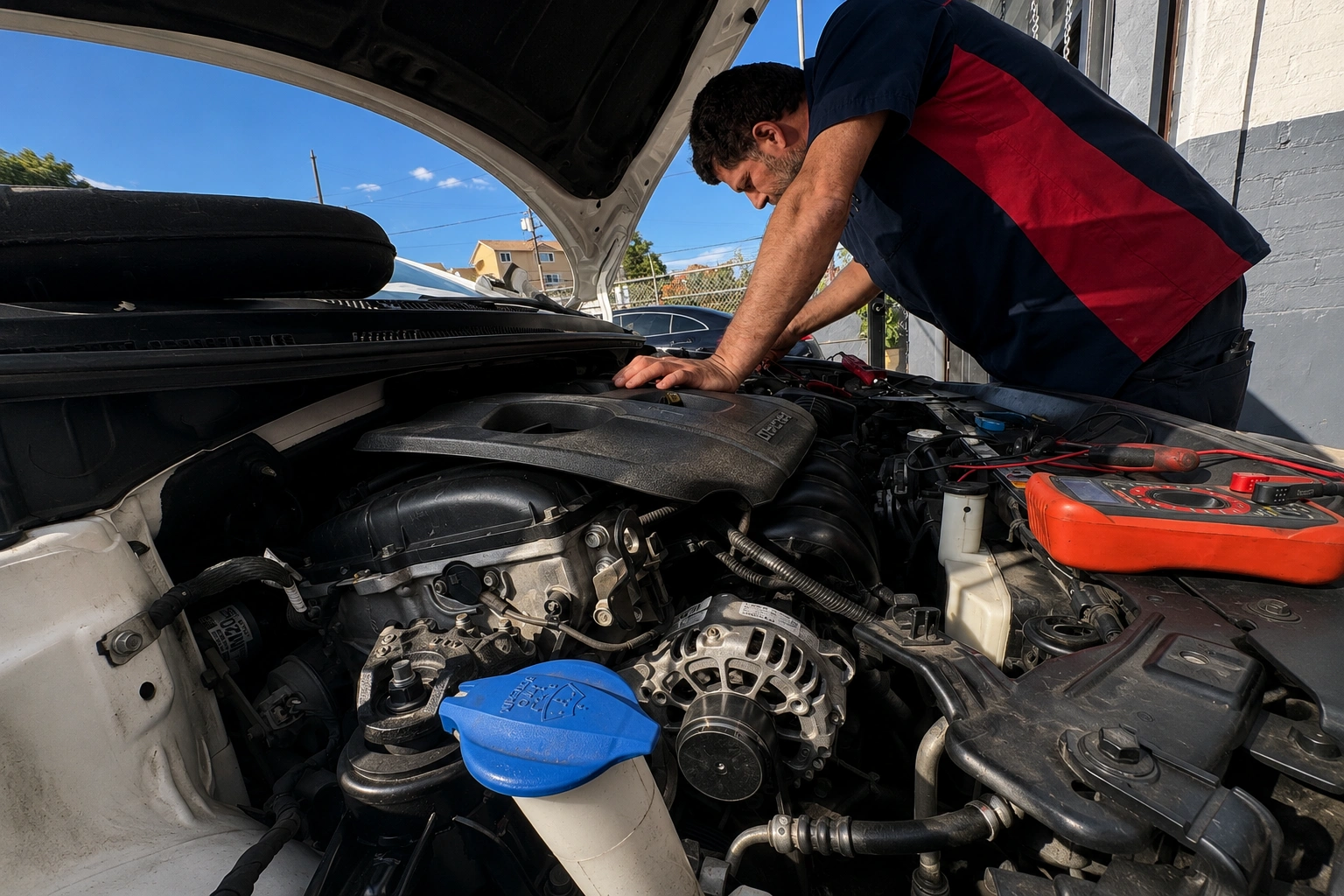
A professional brake inspection may include measuring pad thickness, rotor thickness, rotor runout, surface condition, and wheel-end temperature; inspecting caliper movement, slide pins, pistons, brake hardware, hoses, dust shields, and wheel bearings; and checking the brake fluid and hydraulic system when symptoms suggest it. The technician may also evaluate tires, wheels, suspension, and alignment when vibration or pulling is present.
The appearance of rust alone does not determine the repair. Light film may require no parts replacement, while deep pitting, excessive wear, heat damage, cracks, or a rotor below specification may require replacement. If a caliper is sticking or hardware is corroded, replacing only the rotor may not correct the underlying issue.
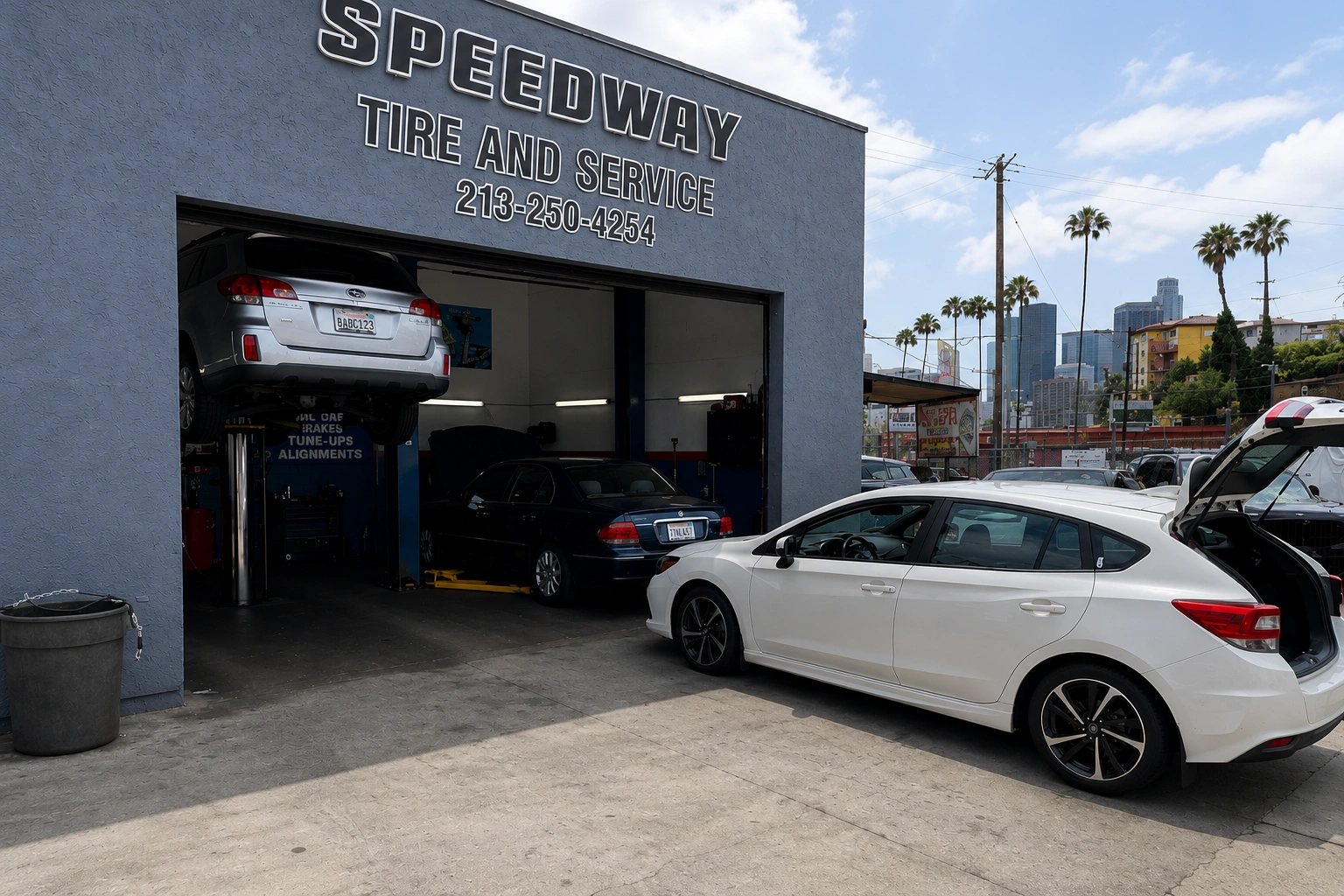
For Los Angeles drivers, contact Speedway Tire & Service to ask about current brake inspection and repair availability. The shop’s auto repair services page provides additional service information. Confirm current capabilities before driving a vehicle with weak braking, persistent grinding, a spongy pedal, or an overheated wheel.
When to visit a local auto repair shop in Los Angeles
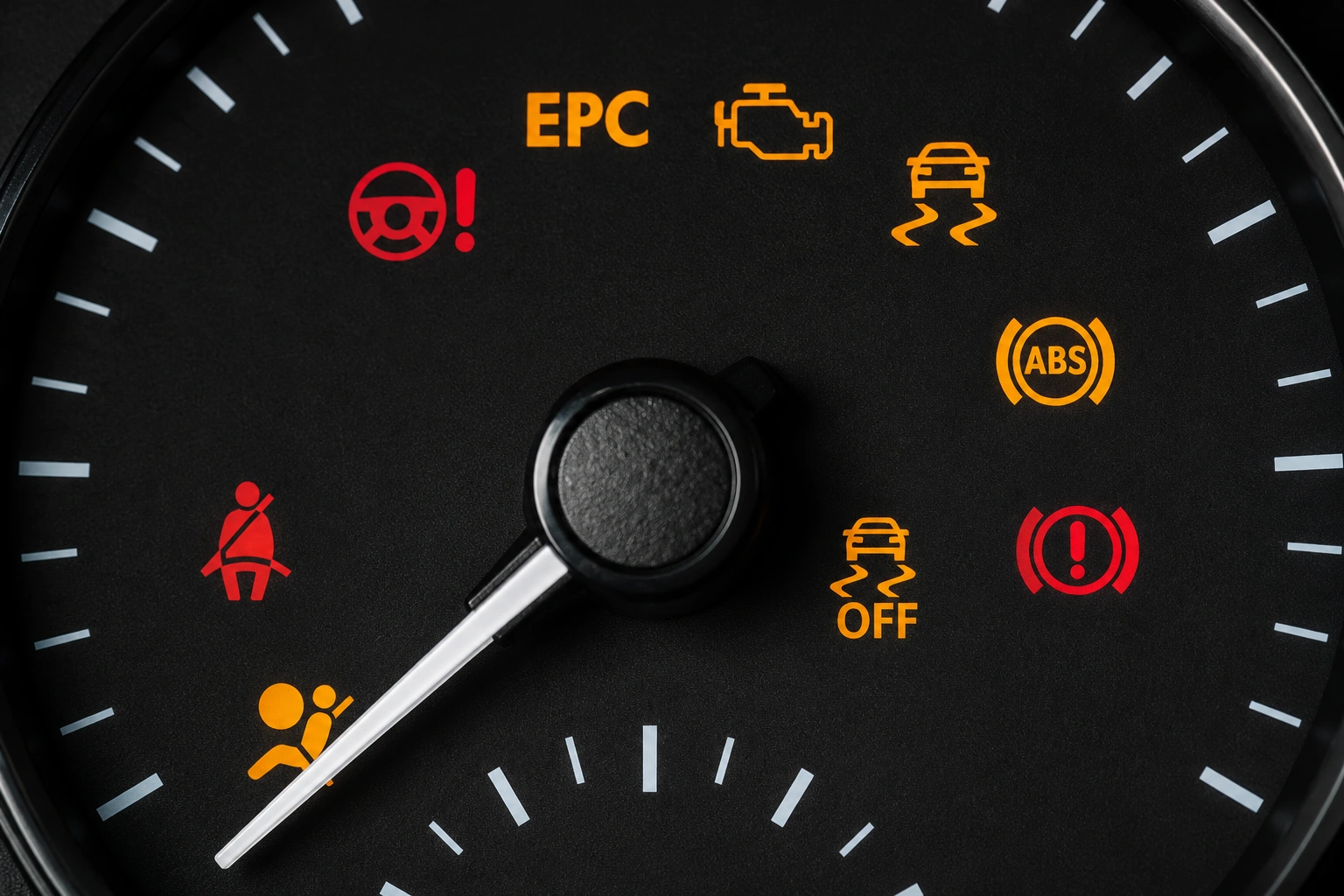
Arrange prompt service if rust on brake rotors after rain is accompanied by persistent grinding, brake pulsation, steering shake, pulling, a soft or spongy pedal, reduced braking, a burning smell, a hot wheel, or a brake warning light. These symptoms may involve the rotor, pads, caliper, hydraulic system, wheel, tire, suspension, or another component.
Stop driving and request professional assistance if the vehicle does not stop normally, the pedal drops unusually low, the brakes smoke, a wheel is extremely hot, the car pulls sharply, or a warning indicates a brake-system problem. A brief noise from a light surface film is not the same as a brake system that feels unreliable.
Frequently asked questions
Is rust on brake rotors after rain normal?
A thin, even film after rain, washing, or humidity is common on exposed brake rotors. It often becomes less visible after normal, gentle braking if the brake pedal feels firm and the vehicle stops normally. Persistent corrosion or any braking symptom requires inspection.
How long does surface rust on brake rotors last?
There is no fixed duration for every vehicle. A light film may reduce after the first several normal stops, but weather, storage time, rotor material, pad condition, and corrosion severity all matter. If scraping, grinding, vibration, pulling, or weak braking continues, do not wait for the rust to disappear.
Can rust make brakes squeak after rain?
Yes. Moisture and a thin surface film can create brief squeaking or scraping during initial braking. The noise should not be assumed to be harmless if it persists, becomes a grind, or appears with a pedal, steering, stopping, or wheel-temperature change.
Can rusted brake rotors cause brake failure?
A light surface film alone usually does not cause brake failure. Deep corrosion, severe pitting, cracks, excessive wear, a sticking caliper, damaged pads, or hydraulic problems can reduce braking performance. Have the system inspected if the rotors are heavily corroded or the brakes feel different.
Should I drive to remove rust from my rotors?
Only if the vehicle feels safe, the rust appears to be a light surface film, and there are no warning lights, unusual braking symptoms, or visible damage. Use normal, gentle braking; do not perform repeated hard stops. If braking is weak, noisy, unstable, or unreliable, arrange a tow or professional assistance.
Should I replace brake rotors just because they look rusty?
Not necessarily. A technician should evaluate rotor thickness, runout, pitting, cracks, friction-surface condition, pad contact, caliper operation, and the manufacturer’s service limits. Light surface rust may not require replacement, while deep corrosion or related damage may.
Do Los Angeles cars get rust on brake rotors after rain?
Yes, any vehicle with exposed metal brake surfaces can develop a light moisture film after rain, washing, or humidity. Los Angeles’s generally dry climate does not prevent temporary rust, but it also does not by itself indicate a serious corrosion problem. The vehicle’s symptoms and rotor condition matter more than location alone.
Conclusion
Rust on brake rotors after rain is often a temporary surface film caused by moisture contacting exposed metal. A brief scrape or squeak that reduces during normal, gentle braking can be routine. Deep pitting, heavy flaking, persistent grinding, brake pulsation, pulling, weak braking, a spongy pedal, overheating, or a warning light points to a condition that should be professionally evaluated.
Do not use aggressive braking, abrasive tools, lubricants, or chemicals to remove rotor rust. Inspect only when the brakes are cool, and stop driving if the vehicle does not brake normally. A complete brake inspection can determine whether the rotor is safe to use or whether the vehicle needs pad, caliper, hardware, hydraulic, rotor, tire, suspension, or alignment service.
Looking for an honest Auto Repair Shop in Los Angeles? Call Speedway Tire and Service Today
Whether you’re driving through LA traffic or cruising the freeways, your car deserves expert care. Located in Los Angeles, Speedway Tire and Service offers reliable oil changes, brake repairs, tire services, and more—all backed by experienced technicians and honest pricing.