OEM vs Aftermarket Parts - When Cheaper Repairs Cost More in Los Angeles
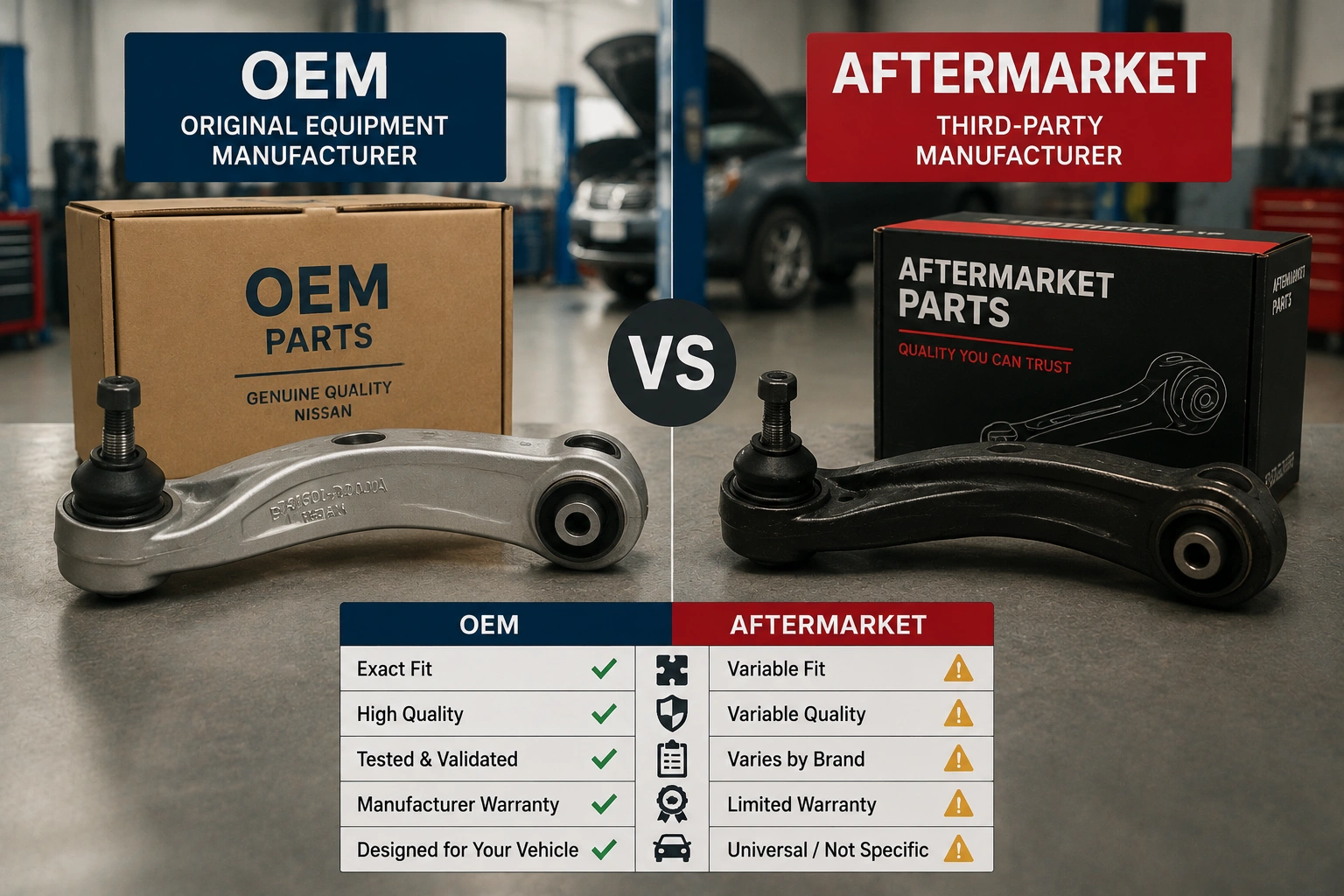
When a repair estimate gives you a choice between original-equipment and third-party components, the decision is not simply about choosing the most expensive or cheapest option. Understanding OEM vs aftermarket car parts can help you compare fitment, specifications, quality control, warranty coverage, availability, installation, and total cost over the life of the repair.
OEM parts are made by the vehicle manufacturer or by a supplier producing parts to the manufacturer’s requirements. Aftermarket parts are made by companies other than the vehicle manufacturer. The aftermarket category includes a wide range of products, from budget replacements to highly engineered components that meet or exceed applicable specifications. The specific brand and part matter more than the label alone.
A good repair decision starts with the vehicle, the system being repaired, the part’s specifications, the safety consequences of failure, the warranty, and the shop’s ability to verify fitment. Los Angeles drivers may also need to consider part availability, downtime, traffic demands, and the consequences of a repeat repair.
Which is better, OEM or aftermarket?
Neither option is automatically better for every repair. OEM parts may offer predictable fitment, vehicle-specific design, dealer-backed support, and a familiar warranty. A reputable aftermarket part may provide comparable performance, broader availability, a longer warranty, or a lower installed cost. A poorly specified part in either category can create problems.
For safety-critical, electronically integrated, highly specialized, or difficult-to-access components, ask why the proposed part is appropriate and what evidence supports the recommendation. For routine or non-critical repairs, a quality aftermarket part may be a sensible choice when its fitment, specifications, warranty, and supplier reputation are clear.
|
Decision factor |
OEM part |
Aftermarket part |
|
Source |
Vehicle manufacturer or supplier producing to the manufacturer’s requirements |
Independent manufacturer or supplier |
|
Fitment |
Often designed for a specific vehicle application, but still requires correct part verification |
Ranges from vehicle-specific direct-fit parts to broader applications; verify part number and fitment |
|
Quality |
Usually consistent within the manufacturer’s part program |
Varies significantly by brand, product line, materials, testing, and manufacturing controls |
|
Price |
Often carries a higher purchase price, though not always |
May cost less, but premium products can equal or exceed OEM pricing |
|
Availability |
May need dealer or manufacturer sourcing |
May be more widely available, but availability and supply quality vary |
|
Warranty |
Depends on the manufacturer, seller, and repair context |
Depends on the brand, seller, and repair context; compare part and labor coverage |
|
Best decision method |
Confirm vehicle specification and support needs |
Confirm specification, brand, evidence, warranty, and installer approval |
This comparison is general. The correct part depends on the vehicle and repair, not the category label alone.
What are OEM car parts?
OEM stands for Original Equipment Manufacturer. In everyday repair discussions, an OEM replacement part generally refers to a component supplied through the vehicle manufacturer or made to the vehicle manufacturer’s requirements for that application. The exact supply arrangement can differ by brand and part.
OEM parts may be attractive when exact application, dealer support, software integration, design consistency, or a documented manufacturer warranty is important. They are not automatically the only parts that fit or the only parts that meet safety or performance requirements. Ask for the part number and confirm whether the estimate refers to a genuine branded part, an OEM supplier part, or another classification.
OEM pricing can also vary between a dealer, independent shop, online supplier, and repair network. Compare the installed price and warranty rather than assuming that a higher part price represents a complete repair or longer service life.
What are aftermarket car parts?
Aftermarket parts are produced by companies other than the vehicle manufacturer. This is a broad category. Some aftermarket companies make direct-fit replacement parts for a specific application, while others sell performance, specialty, universal, remanufactured, or budget products.
Quality may differ based on materials, tolerances, testing, design, manufacturing controls, documentation, supplier traceability, and warranty support. A reputable aftermarket part can be appropriate for many repairs, but “aftermarket” alone does not tell you whether a part is suitable. Ask for the brand, part number, application, specifications, warranty, and reason for the recommendation.
Do not rely only on online reviews or a low price. A part that appears inexpensive may have a shorter warranty, more difficult returns, uncertain fitment, or a lower price that does not include installation, calibration, or related hardware.
OEM vs aftermarket car parts for safety-critical repairs
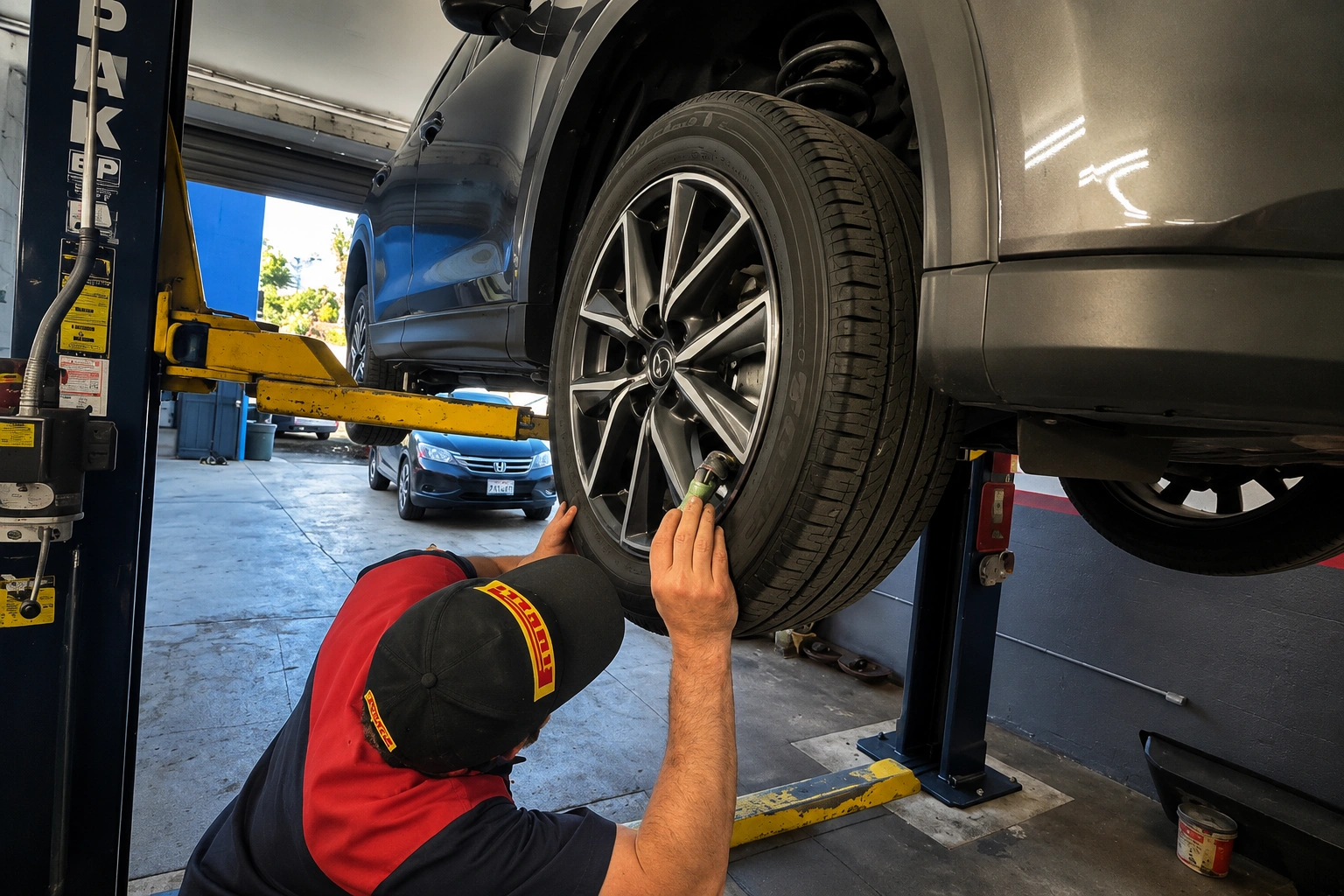
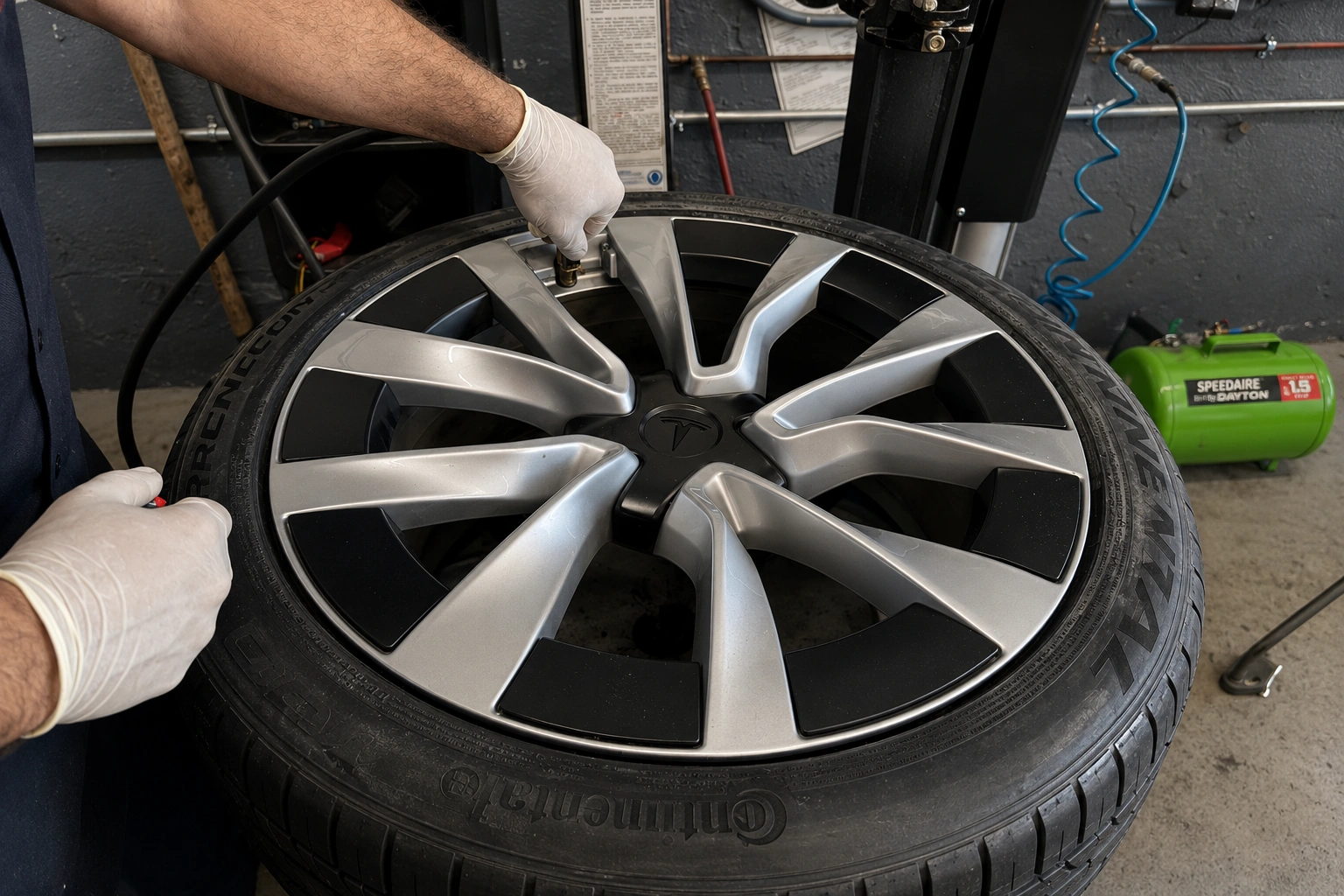
Brake, steering, suspension, restraint, lighting, tire, fuel, and electronic safety systems deserve careful part selection. The right replacement must meet the vehicle’s requirements and be installed according to the appropriate procedure. A non-OEM part is not automatically unsafe, and an OEM-labeled part is not a substitute for correct installation or a complete inspection.
Ask the repair shop whether the part meets applicable specifications, whether additional hardware is required, whether calibration or programming is needed, and how the part’s warranty handles defects. For brakes, tires, suspension, airbags, seat belts, and steering components, the technician should explain how the proposed part fits the vehicle and supports safe operation.
For systems regulated by emissions or safety requirements, confirm that the part is legal and appropriate for the vehicle’s application. Do not substitute a universal or low-cost part solely because it is available if the vehicle requires a specific design, sensor, rating, or certification.
Engine, transmission, and electronic parts
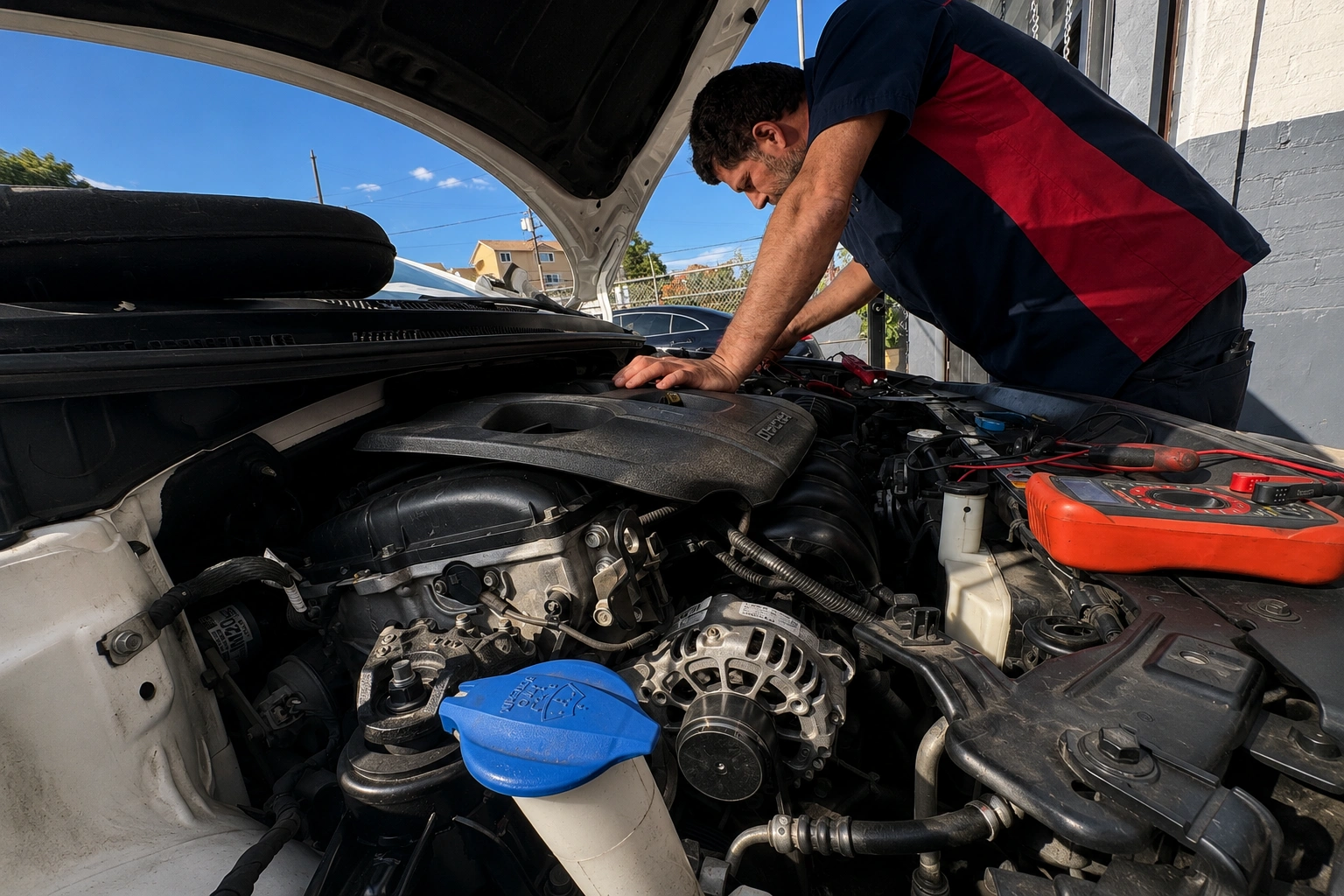
Complex parts can involve more than physical fitment. Sensors, modules, fuel-system components, cooling parts, ignition components, transmission parts, and engine-control equipment may require programming, relearning, calibration, testing, or related hardware. The lowest part price may not be the lowest total repair cost if the part creates repeat diagnosis or additional labor.
Ask whether the estimate includes programming, calibration, fluid, gaskets, seals, one-time-use fasteners, core charges, testing, and final verification. A quality aftermarket part may work well, but compatibility should be confirmed using the vehicle’s year, make, model, engine, transmission, VIN when necessary, and applicable service information.
A repair shop should not recommend a part solely because it is cheaper or more familiar. It should be able to explain the part’s role in the repair and what happens if it fails.
When can a cheaper part cost more?
A lower-priced part can cost more over time when it has incorrect fitment, premature failure, poor corrosion resistance, inadequate performance, limited warranty support, or a return process that leaves the customer paying repeated diagnostic or labor charges. However, cheaper does not automatically mean inferior. A well-chosen aftermarket part may be durable and appropriate.
Compare the complete repair rather than the part price alone. Ask about expected service life only when the shop can support the comparison, and distinguish a manufacturer-backed warranty from a guarantee of actual longevity. Consider downtime, labor to access the part, towing, calibration, related hardware, and the consequences of a repeat failure.
|
Question |
Why it matters |
|
Is the part correct for this exact vehicle and system? |
Similar-looking parts can have different connectors, dimensions, ratings, or software requirements. |
|
What brand and part number are proposed? |
Brand and part number provide more useful information than “aftermarket” alone. |
|
Is it new, rebuilt, reconditioned, recycled, or used? |
Condition can affect price, service life, warranty, and installation decisions. |
|
What warranty covers the part? |
Part coverage may differ from labor coverage, and exclusions may apply. |
|
Is programming, calibration, or special hardware included? |
A part may not operate correctly without required setup or related materials. |
|
What happens if the part fails? |
Clarify diagnostic, removal, replacement, shipping, and labor responsibilities. |
Customer-supplied parts: what to ask first
Some repair shops install customer-supplied parts, while others decline them. A shop may refuse because it cannot verify fitment, quality, source, warranty, or return eligibility. If the part is wrong or defective, the customer may be responsible for additional diagnosis, delays, shipping, or repeat labor. The shop’s own warranty may also exclude a customer-supplied part.
Ask before purchasing or scheduling the repair. Confirm the exact part number, brand, condition, warranty, return policy, and who pays labor if the part fails. If the repair is safety-critical or the component requires programming or calibration, relying on an unverified part can create additional risk.
Parts warranties and vehicle warranties
A part warranty and a vehicle warranty are separate questions. Ask who backs the part, how long coverage lasts, whether labor is included, whether installation must be performed by a particular provider, and what documentation is required. The repair shop may offer a labor warranty that differs from the part manufacturer’s warranty.
Using an aftermarket or recycled part does not automatically void a vehicle warranty. The Federal Trade Commission states that a vehicle warranty stays in effect when aftermarket or recycled parts are used; a manufacturer or dealer may deny coverage for a damaged part if it can establish that the aftermarket or recycled part caused the damage.
That rule does not mean every warranty claim will be accepted. Keep the estimate, authorization, part information, repair order, diagnostic results, and warranty terms. If a warranty issue arises, ask the manufacturer, dealer, part supplier, and repair shop to explain the specific basis for the decision.
How to compare an OEM and aftermarket estimate
Ask the shop to put the alternatives on the estimate when both are suitable. Compare the part brand and number, classification, availability, warranty, labor, related materials, programming, calibration, and final installed price. Ask whether the technician recommends one option because of fitment, quality evidence, safety, availability, warranty, or personal preference.
Do not compare an OEM part price with an aftermarket installed total that uses different labor or omits related work. If one estimate includes a new gasket, programming, alignment, or final test and the other does not, the totals are not equivalent. A clear estimate should identify the proposed parts and labor and explain what is included.
California drivers can also review the Bureau of Automotive Repair’s consumer guidance. BAR says repair customers are entitled to an estimate before work, must authorize repairs, should be contacted about additional repairs, and should receive a final invoice listing supplied parts and total parts and labor costs.[2]
Questions to ask before authorizing parts
Ask the service advisor to explain the repair in plain language and record the answers. Useful questions include: What failed? What evidence confirms the failure? Is the part new, OEM, aftermarket, rebuilt, reconditioned, recycled, or used? What brand and part number will be installed? Is the part appropriate for my exact vehicle? What warranty covers the part and labor? Does the repair include programming, calibration, fluids, seals, or related hardware? What is the total authorized amount? How will additional work be approved?
If the estimate is expensive or the diagnosis is uncertain, consider a second opinion. Give the second shop the symptoms and relevant test results, and ask it to compare the same repair scope. A lower price is useful only if the part, labor, warranty, and final outcome are comparable.
When to visit a local auto repair shop in Los Angeles
Professional guidance is especially valuable when a part is safety-critical, electronically integrated, difficult to access, or connected to a warranty or emissions requirement. A qualified technician can verify the diagnosis, confirm fitment, compare part options, and explain the risks and benefits of each repair.
For Los Angeles drivers, contact Speedway Tire & Service to ask about current diagnostic and parts-selection procedures. You can also review the shop’s auto repair services before scheduling. Confirm current services, parts policies, warranties, and appointment requirements directly with the shop.
Frequently asked questions
Are OEM parts always better than aftermarket parts?
No. OEM parts may offer predictable application, manufacturer support, and familiar warranty terms, while a reputable aftermarket part may offer suitable specifications, availability, or value. Quality varies within the aftermarket category, and the correct choice depends on the vehicle, repair, part documentation, safety requirements, warranty, and installation.
Will aftermarket parts void my car warranty?
No, not automatically. The FTC says a vehicle warranty stays in effect when aftermarket or recycled parts are used. A manufacturer or dealer may deny coverage for a damaged part if it can establish that the aftermarket or recycled part caused the damage.[1] Review the vehicle warranty and keep repair records.
What aftermarket parts are safest for brakes and suspension?
Choose parts that are appropriate for the exact vehicle, meet applicable requirements, come from a reputable manufacturer, and are installed correctly. Aftermarket is a broad category, so ask about brand, part number, specifications, warranty, related hardware, and any required inspection or alignment. Do not select solely by price.
Can aftermarket parts be higher quality than OEM parts?
Some aftermarket products may meet or exceed applicable specifications or offer design features that suit a particular use, but that cannot be assumed from the label. Ask for objective documentation, brand information, fitment confirmation, warranty terms, and the technician’s reason for recommending the part.
Can I bring my own parts to a repair shop?
Some shops allow customer-supplied parts and others do not. Confirm the policy before buying anything. Ask who is responsible for fitment, returns, part defects, diagnostic time, repeat labor, and warranty coverage if the part is wrong or fails.
Should I choose OEM or aftermarket parts for an engine repair?
It depends on the part and the repair. Complex engine, fuel, emissions, cooling, ignition, sensor, and electronic components may require precise fitment, programming, calibration, or specific specifications. Compare the part’s documentation, warranty, availability, installation requirements, and total repair cost rather than choosing by category alone.
Why do OEM parts cost more?
The price may reflect vehicle-specific design, manufacturer distribution, branding, support, sourcing, warranty administration, or limited availability. A higher price does not guarantee that the overall repair will last longer, so compare the part, labor, warranty, and evidence supporting the recommendation.
How should I compare two repair estimates with different parts?
Compare the diagnosis, part brand and number, classification, condition, labor, related materials, programming, calibration, warranty, taxes, and final testing. Ask each shop to explain why its proposed part is suitable and what happens if it fails. Compare equivalent repair scopes, not only the headline totals.
Conclusion
When evaluating OEM vs aftermarket car parts, focus on the specific component and the complete repair rather than assuming that OEM is always superior or aftermarket is always a compromise. The right decision depends on fitment, specifications, quality evidence, safety, warranty, availability, installation, and total cost over the expected life of the repair.
Ask for the brand and part number, understand whether the component is new or remanufactured, confirm what the warranty covers, and make sure programming, calibration, fluids, hardware, and final testing are included when required. A transparent Los Angeles repair shop should explain the alternatives and obtain your approval before installing a different part or performing additional work.
Looking for an honest Auto Repair Shop in Los Angeles? Call Speedway Tire and Service Today
Whether you’re driving through LA traffic or cruising the freeways, your car deserves expert care. Located in Los Angeles, Speedway Tire and Service offers reliable oil changes, brake repairs, tire services, and more—all backed by experienced technicians and honest pricing.