Car Sat for Months in LA? What to Check Before You Drive It Again
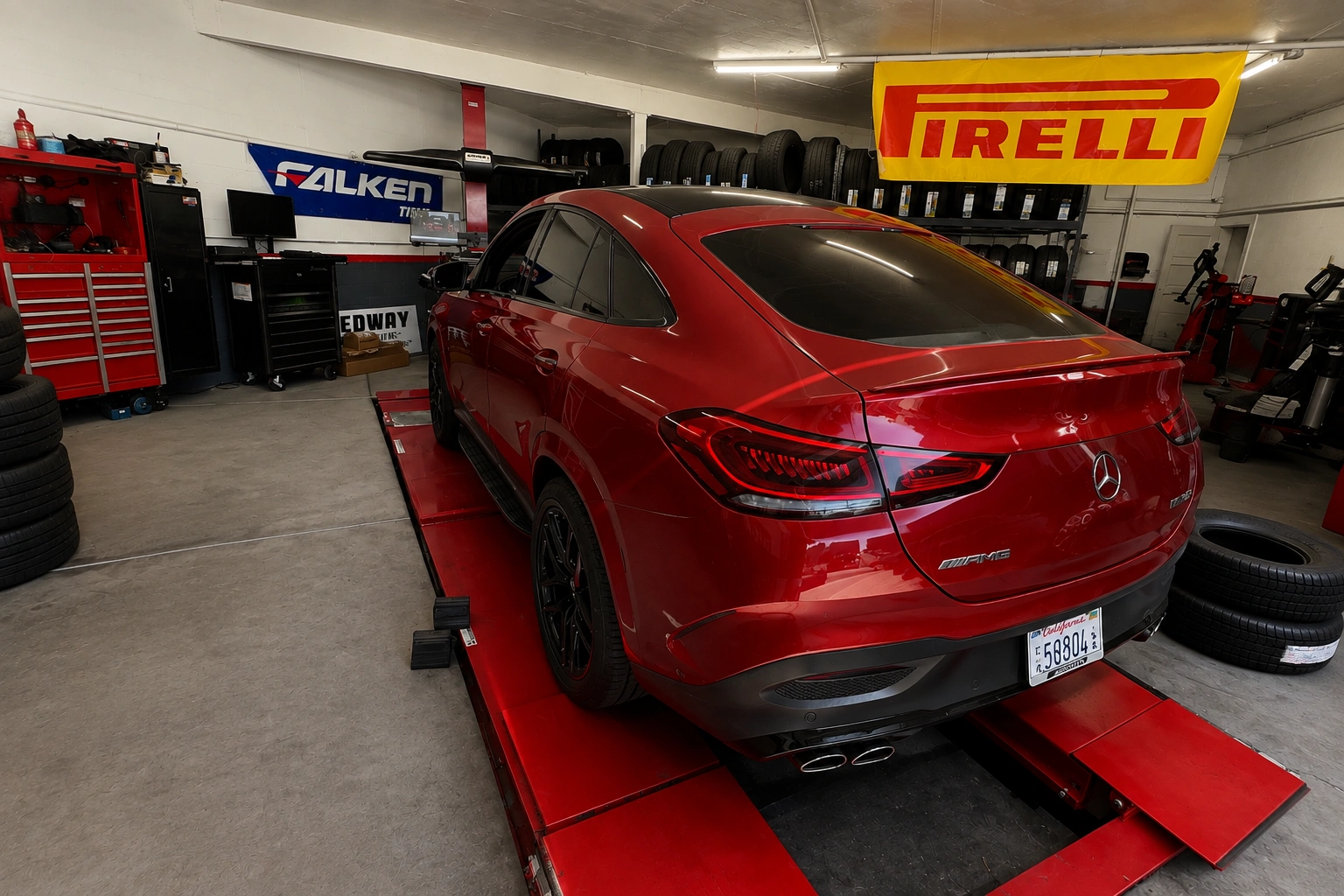
If your car sat for months what to check is probably the question you are asking before turning the key. A vehicle that has been parked for an extended period needs more than a jump-start and a quick trip around the block. The battery may be discharged, tires may have lost pressure or developed flat spots, brake components may be corroded, fluids may leak, and rodents may have damaged wiring or created an obstruction.
Before returning the vehicle to Los Angeles traffic, inspect it carefully in a safe, well-ventilated location. Firestone identifies flat tires or flat spots, a discharged battery, fluid or hose problems, and rodent activity as important risks after prolonged parking. The correct inspection depends on how long the car sat, where it was parked, its maintenance history, its age, and the condition it was in before storage.
What should you check after a car has sat for months?
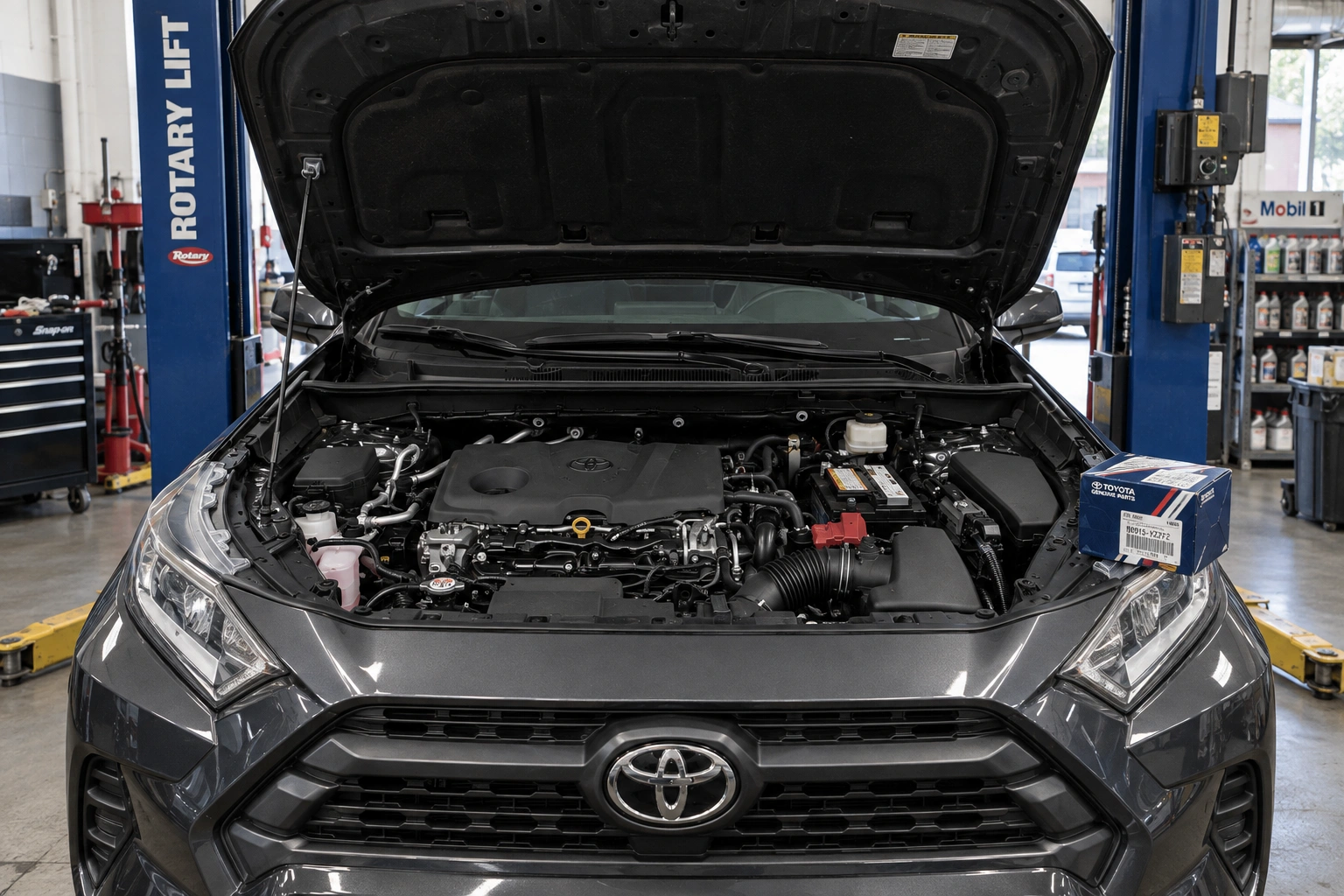
Begin outside the vehicle and work inward. Look for leaks, tire damage, nesting material, chewed wires, a blocked exhaust, and anything under the hood that could make starting unsafe. Check tire pressure against the vehicle’s door-jamb placard or owner’s manual, inspect the battery and terminals, verify essential fluid levels, and examine the belts, hoses, brakes, lights, and wipers.
Do not start the engine if you see a fuel leak, smell strong gasoline, find a nest or obstruction in the engine bay or exhaust, see serious wiring damage, or notice a tire with a bulge, deep crack, exposed cord, or severe loss of pressure. Arrange professional assistance first. If the vehicle passes the initial inspection, start it in an open, ventilated area and monitor warning lights, noises, idle quality, leaks, and temperature before considering a controlled test drive.
|
Area to inspect |
What to look for |
When not to drive |
|
Exterior and parking area |
Leaks, debris, tire marks, broken glass, rodent evidence, or an obstructed exhaust |
Fuel, coolant, brake-fluid, or significant oil leak; blocked exhaust; unsafe surroundings |
|
Tires and wheels |
Correct pressure, cracks, bulges, flat spots, tread condition, and wheel damage |
Bulge, exposed cord, severe crack, very low pressure, damaged wheel, or strong vibration |
|
Battery and wiring |
Corrosion, loose terminals, damaged cables, chewed harnesses, nests, and battery case damage |
Severe wiring damage, leaking or swollen battery, active nest, or electrical smell |
|
Fluids |
Oil, coolant, brake fluid, transmission or power-steering fluid where applicable, and fuel odor |
Unknown or significant leak, low brake fluid, overheating risk, or strong fuel smell |
|
Brakes |
Surface rust, stuck brakes, pedal feel, parking-brake release, and wheel heat after a cautious check |
Soft pedal, poor stopping, pulling, persistent grinding, seized brake, or hot wheel |
|
Belts and hoses |
Cracks, fraying, brittleness, rodent damage, loose clamps, and leaks |
Damaged drive belt, leaking hose, or anything contacting a moving component |
|
First start and test drive |
Warning lights, engine noise, exhaust, idle, temperature, steering, and braking |
Warning remains on, engine runs poorly, overheating, smoke, abnormal noise, or unsafe handling |
This is a general screening checklist, not a substitute for a complete inspection.
Step 1- Inspect the vehicle before starting it
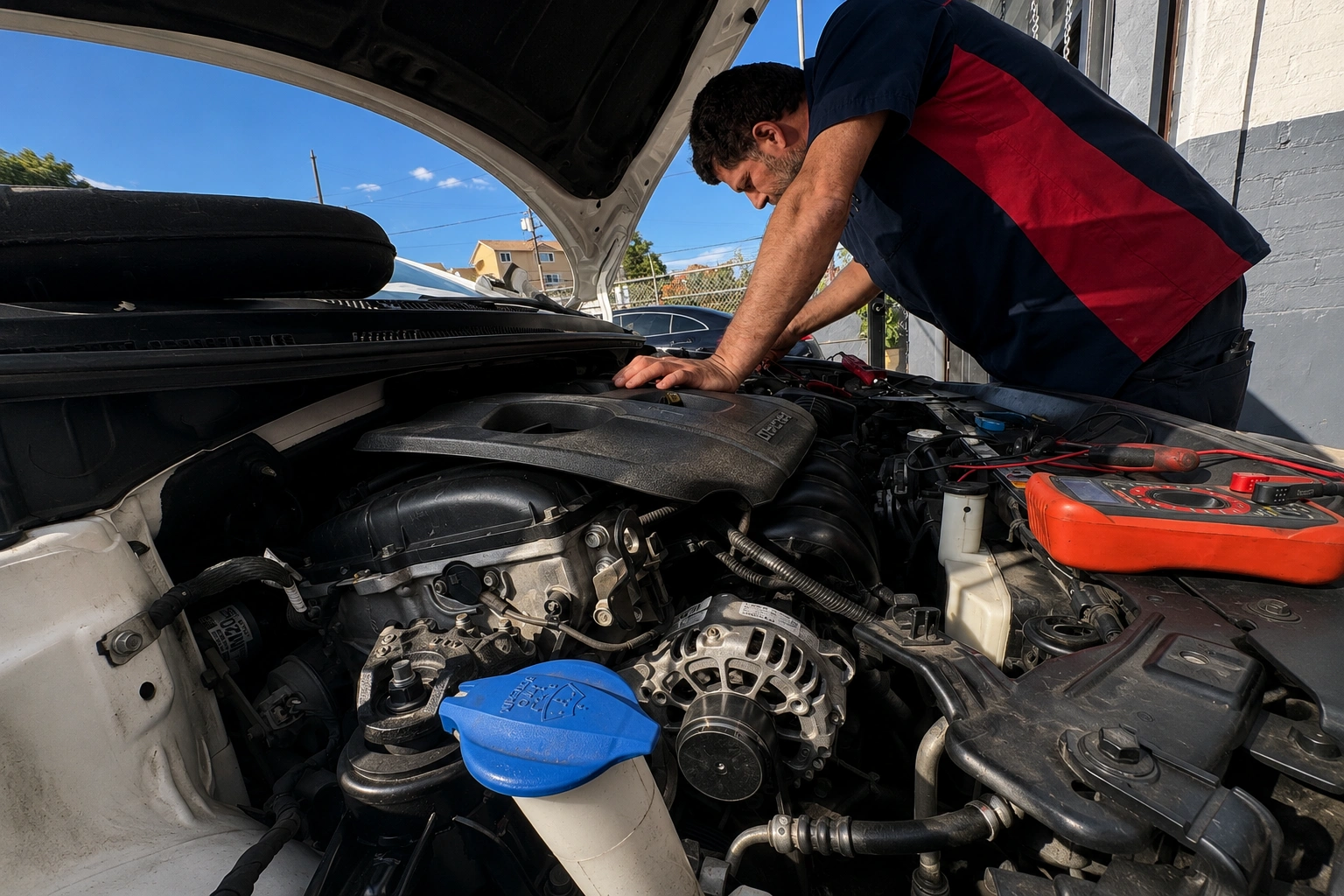
Walk around the vehicle and check the ground underneath for fresh spots or puddles. Fluid color is not a reliable diagnosis by itself because products and vehicle systems vary, but an unexplained leak deserves attention. Look under the hood for nests, droppings, chewed insulation, damaged connectors, leaves, and other debris.
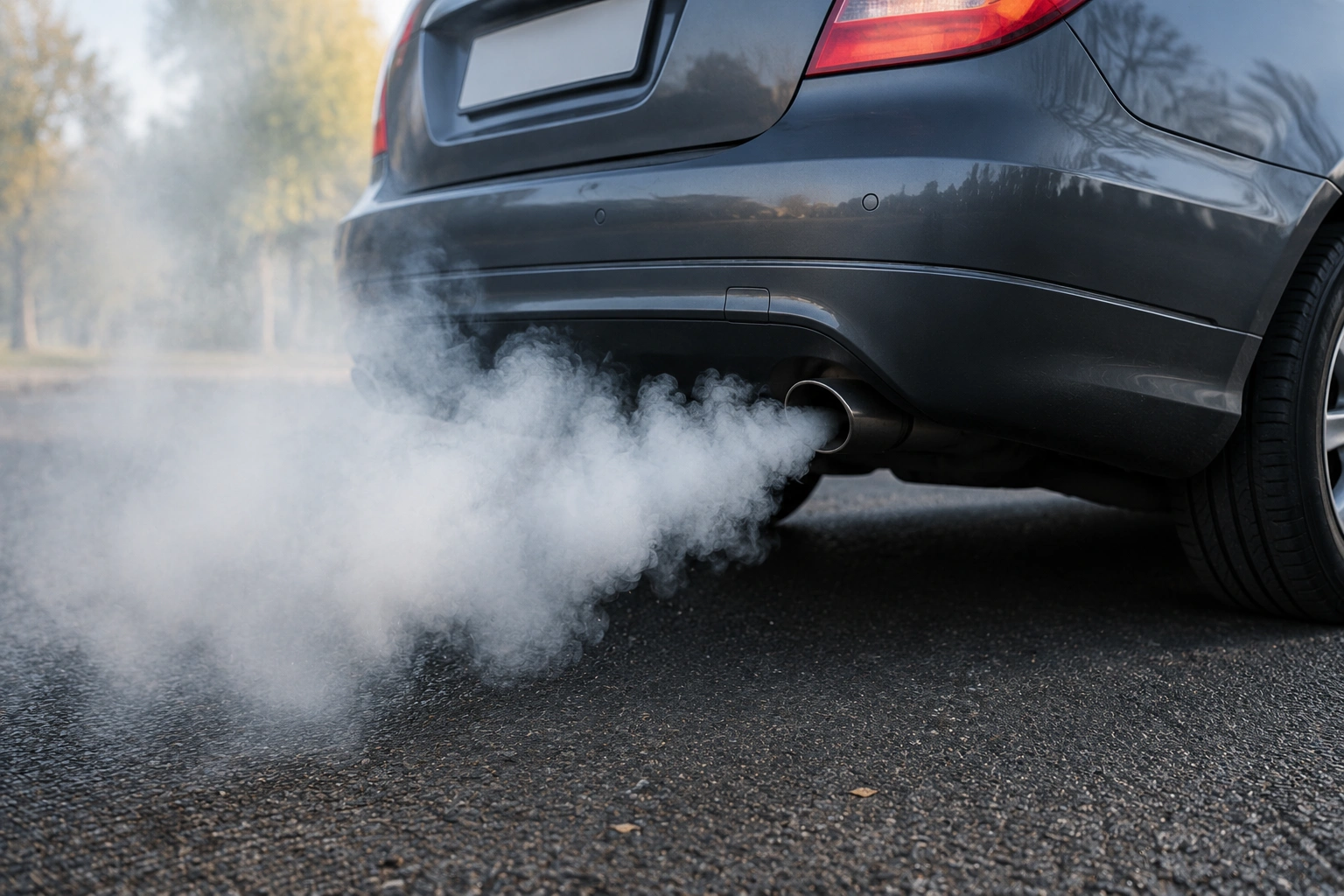
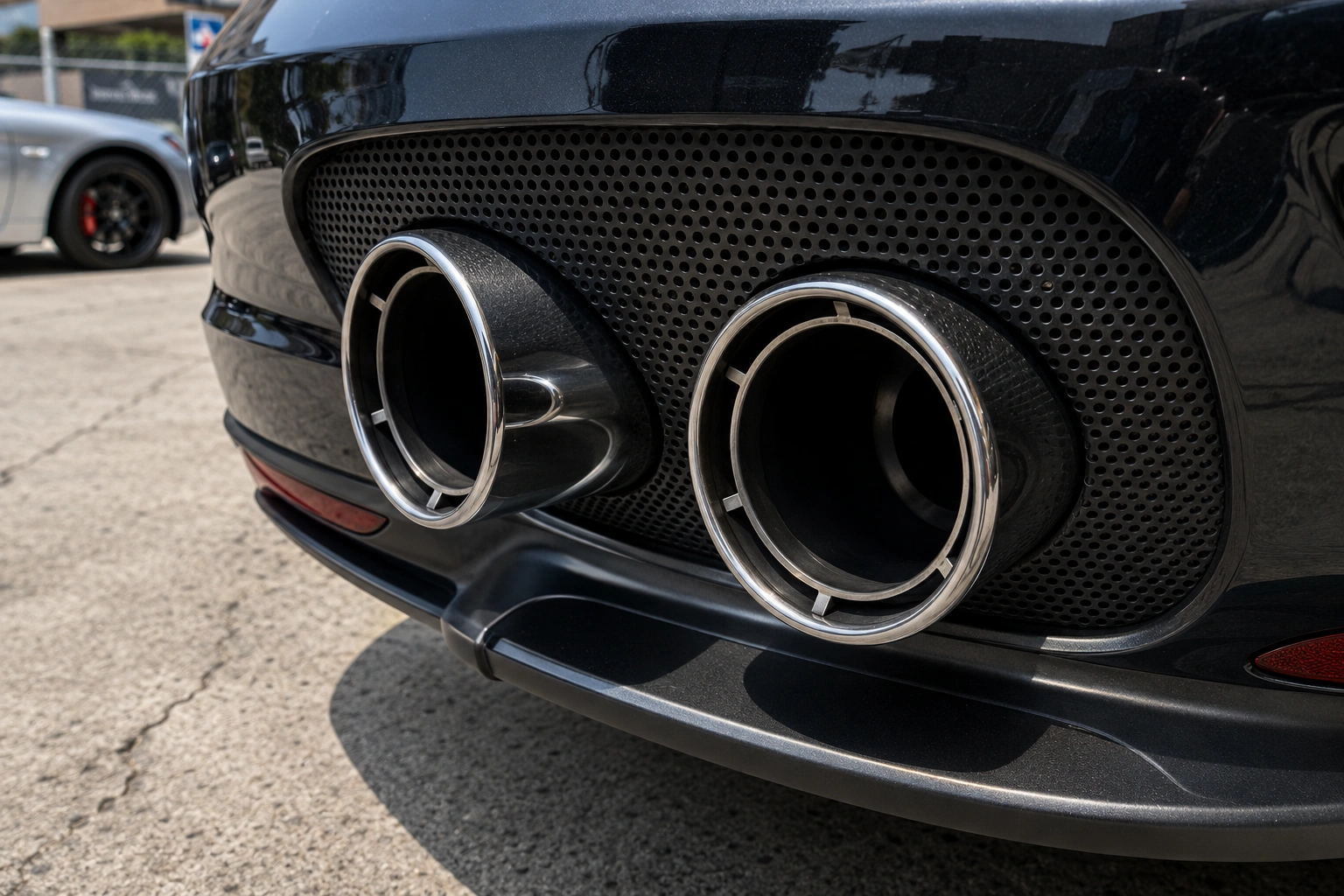
Inspect the tailpipe and nearby area for blockage. A covered or obstructed exhaust can create a dangerous condition when the engine runs. Remove only loose, visible debris from outside the vehicle; do not reach into a potentially unsafe area or disturb an active nest. If there is significant nesting, a dead animal, damaged wiring, or an unknown obstruction, have the vehicle handled by a qualified professional.
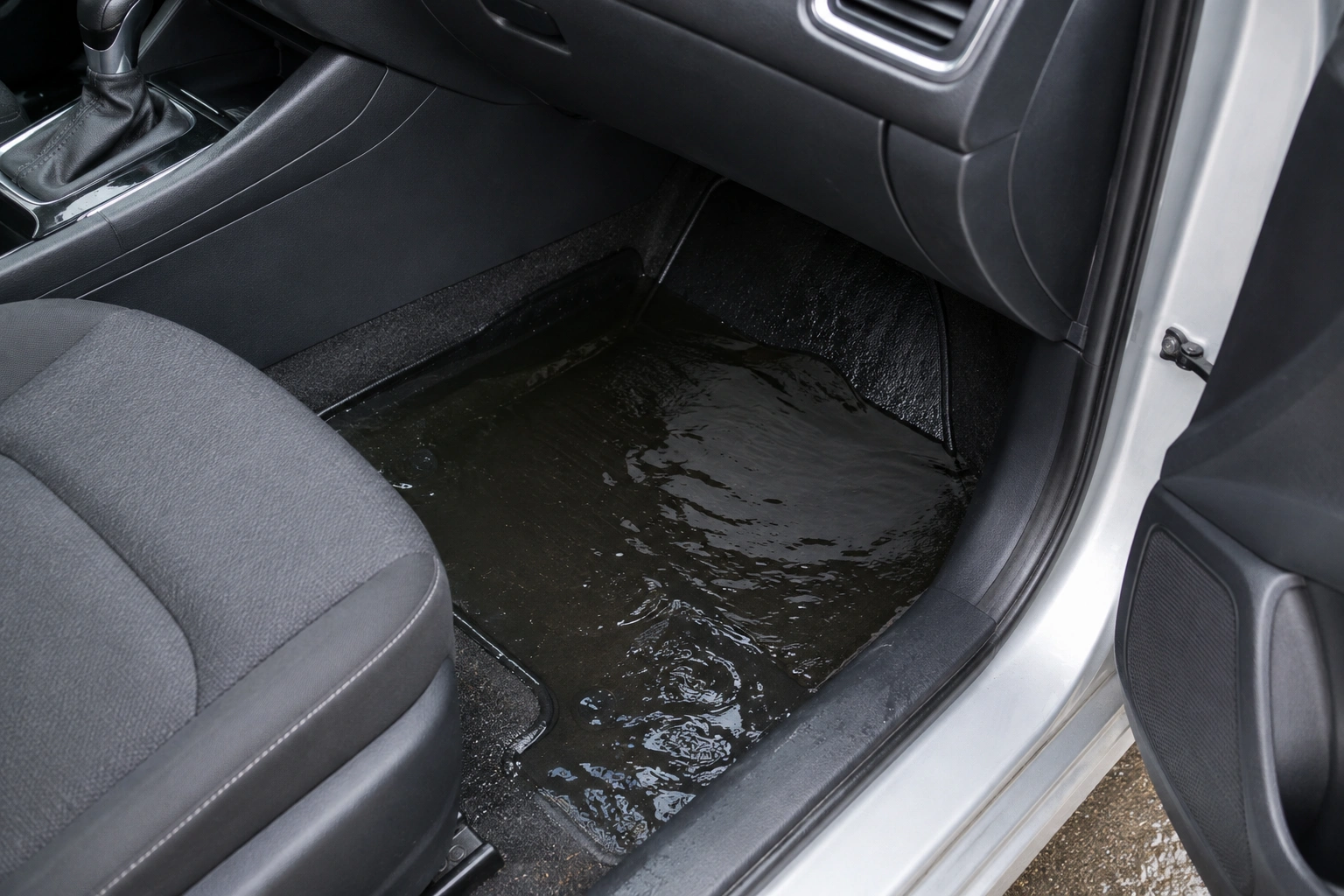
Check that the hood, doors, trunk, fuel door, and windows operate normally. Confirm that no warning sign, fluid smell, or visible damage suggests the car should remain off. If the car was parked outdoors, also look for water intrusion, sun damage, insects, and debris around the air intake and windshield-wiper area.
Step 2- Check the battery and electrical system
A parked vehicle’s battery can lose charge gradually because the alternator is not running to replenish it. The rate depends on battery age, temperature, parasitic electrical draw, condition, and whether the vehicle was connected to a maintainer. A warm climate can contribute to battery aging, but there is no universal number of weeks after which every battery will be dead.
Inspect the battery case, terminals, cables, and visible ground connections. Corrosion, a swollen case, leakage, or chewed wiring should be addressed before using a jump pack or charger. If the engine starts with a jump, that does not prove the battery or charging system is healthy. Have the battery and alternator tested if the battery is old, the car needed assistance, the lights were dim, or the engine stalls after starting.
Use the owner’s manual for jump-starting or charging instructions. Connect equipment only as specified, keep sparks and flames away from the battery, and stop if the battery is damaged or leaking. A professional battery test can distinguish a discharged battery from one that no longer holds a charge.
Step 3- Inspect tires, wheels, and tire pressure
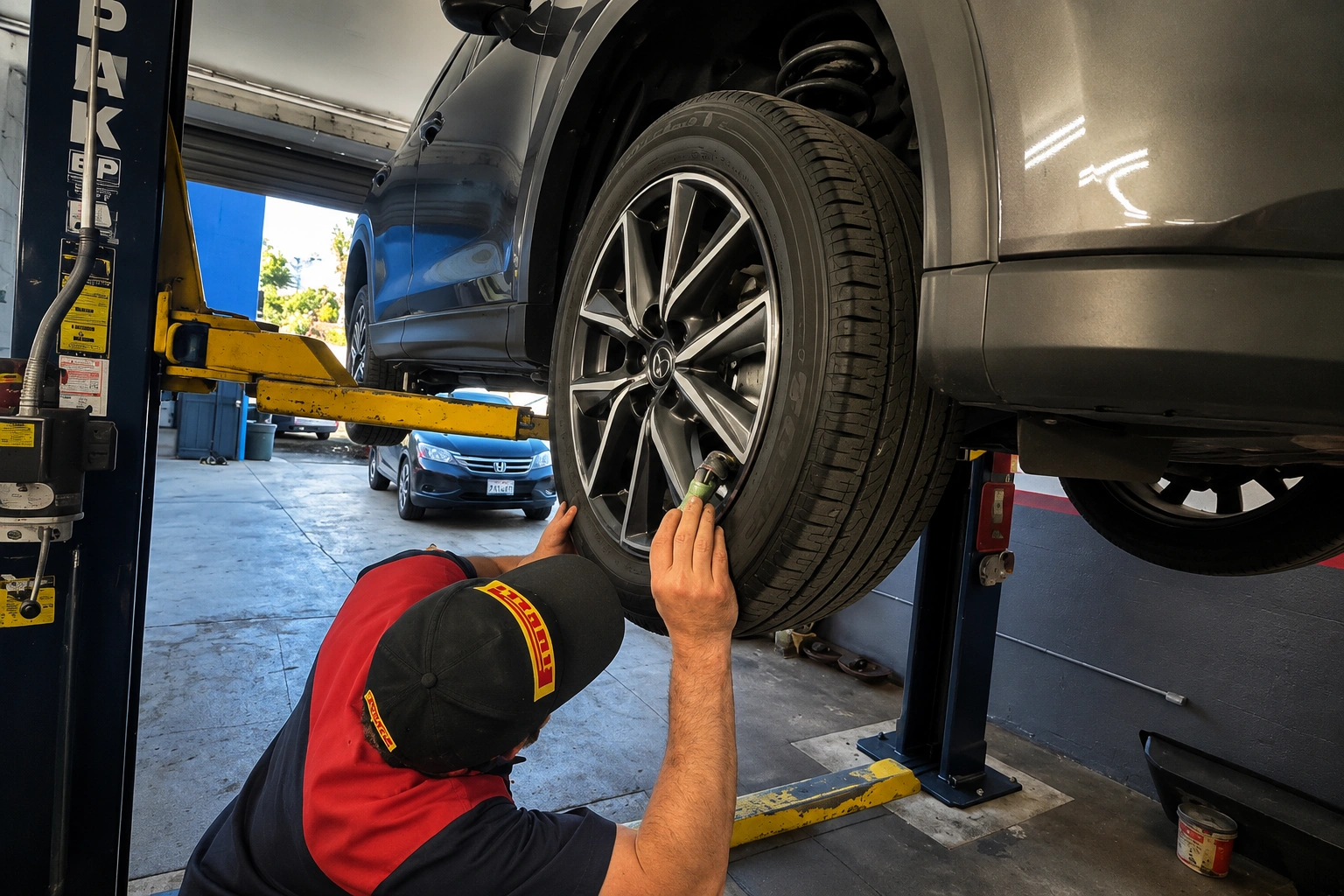
Tires can lose air while parked and may develop temporary or permanent flat spots. Firestone advises checking the pressure against the vehicle’s owner’s manual or driver’s-side door-jamb label and inspecting the tires for visible wear before driving. Do not inflate to the maximum pressure printed on the tire sidewall unless that is also the vehicle manufacturer’s specified pressure.
Look for bulges, cuts, cracks, exposed cords, uneven wear, embedded objects, and sidewall damage. Inspect the wheels for bends or cracks. If the vehicle has been sitting for months, a flat spot may create a vibration that improves with careful use, but a severe or persistent vibration can indicate tire damage, a wheel problem, or another issue.
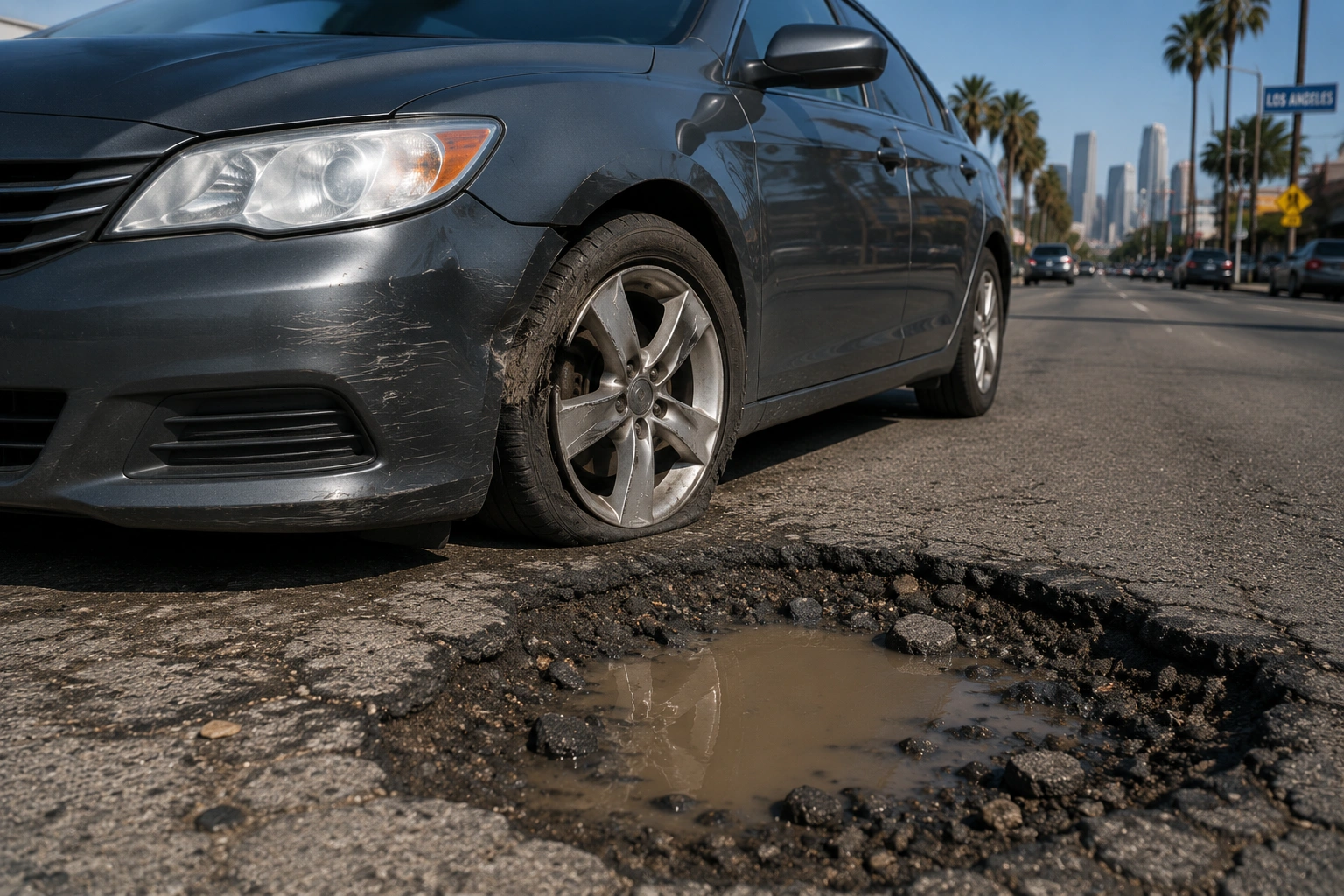
Do not drive on a tire with a bulge, exposed cord, deep crack, severe pressure loss, or visible structural damage. Inflate a serviceable tire to the correct pressure only when the tire is safe to use. If in doubt, have a tire professional inspect it before the vehicle enters traffic.
Step 4- Check the engine oil, coolant, and other fluids
Before starting, check the engine oil and other accessible fluids according to the owner’s manual. Oil, coolant, brake fluid, transmission fluid, power-steering fluid, and windshield washer fluid have different procedures and requirements. Some vehicles do not have a transmission dipstick, and some fluid levels must be checked at a specified temperature or service position.
Do not assume that every fluid must be flushed merely because the car was parked. A fluid may need service because of age, contamination, a missed maintenance interval, a leak, or the manufacturer’s storage instructions. An oil change may be appropriate depending on the service schedule and storage conditions, but the vehicle should not be overfilled or given an incompatible product.
Inspect hoses, seals, the oil filter area, the radiator and coolant reservoir, the brake-fluid reservoir, and the ground beneath the vehicle for evidence of leakage. Never remove a hot cooling-system cap. If coolant is low, the engine overheated previously, or a leak is visible, diagnose the cause before driving.
Step 5- Evaluate gasoline and fuel-system condition
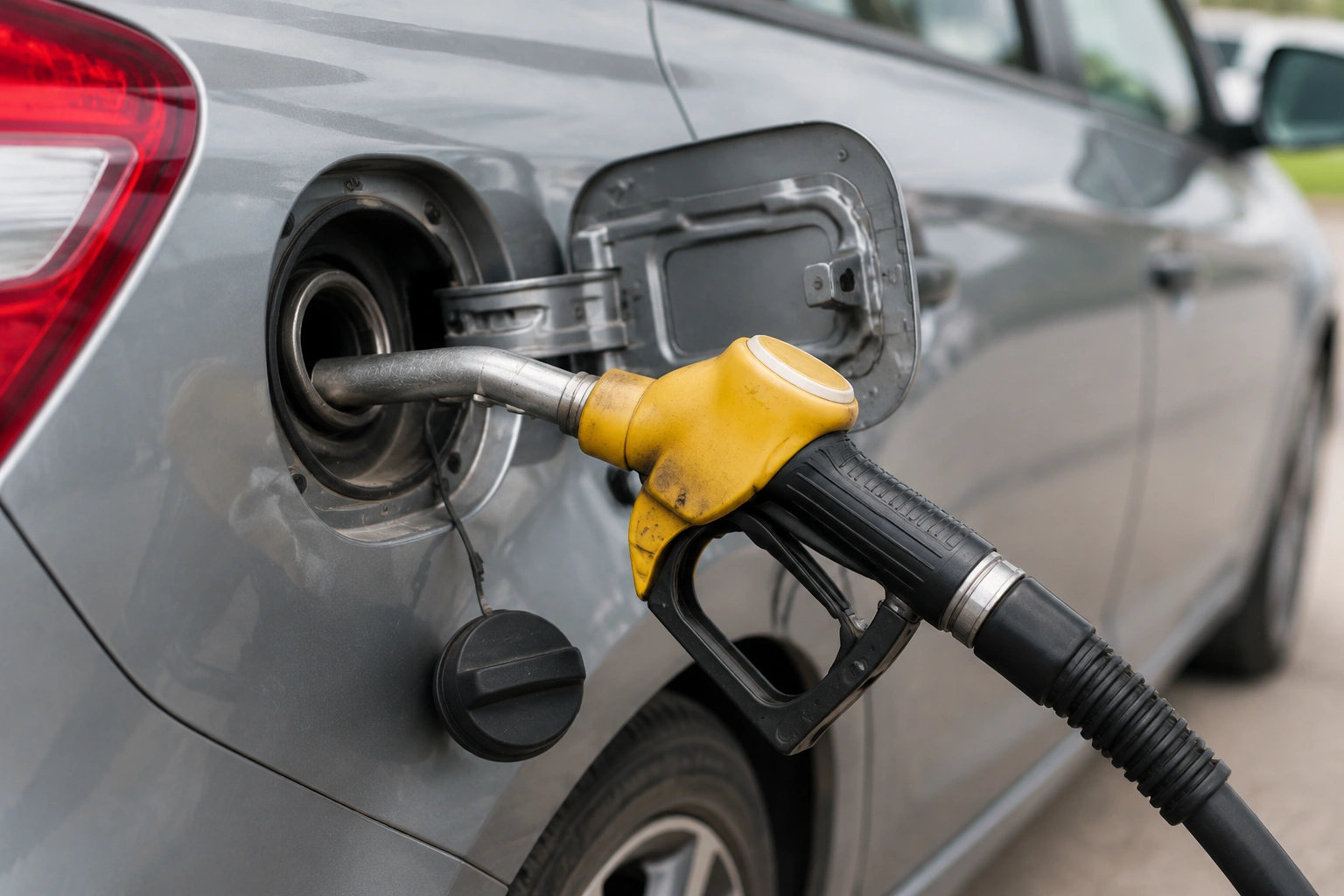
Gasoline can become less suitable for use over time, especially when exposed to heat, air, moisture, or long storage. The effect depends on the fuel, tank condition, storage duration, vehicle, and whether stabilizer was used. Do not assume every car that sat for several months needs its fuel drained, and do not drain fuel at home without the equipment, training, and fire controls required.
If the vehicle has a strong gasoline odor, visible fuel, trouble starting, repeated stalling, or contaminated fuel, do not keep cranking the engine. Gasoline vapors are flammable. Move away from ignition sources and arrange professional fuel-system diagnosis and service. A technician can determine whether the problem is stale fuel, a leak, a fuel-pump issue, an injector concern, or another fault.
Follow the owner’s manual for fuel type and storage recommendations. Do not add random additives in an attempt to correct a starting problem, and do not mix products unless the manufacturer or qualified technician says the product is appropriate.
Step 6- Inspect brakes before entering traffic
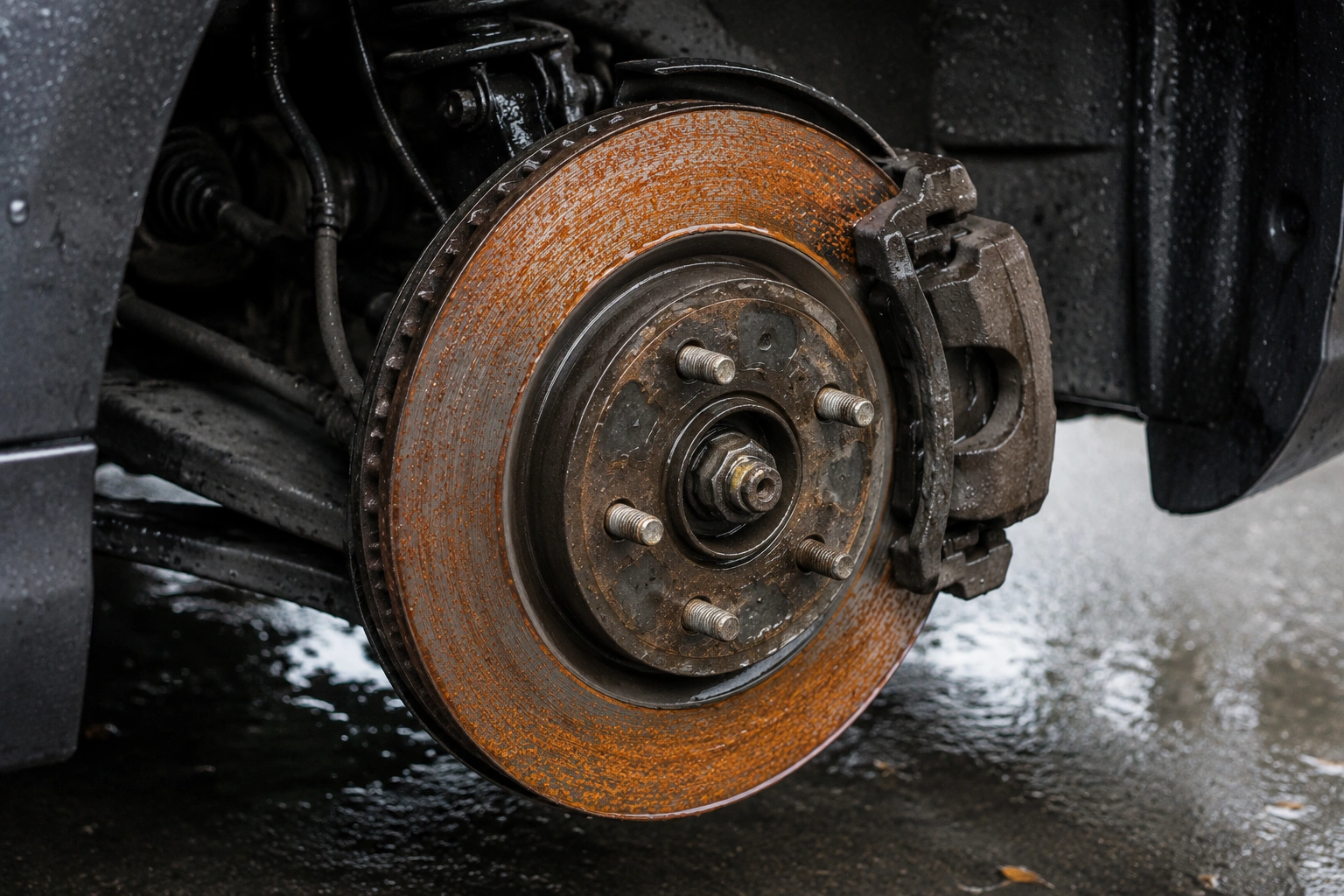
Brake discs may develop light surface rust after sitting, while calipers, parking-brake mechanisms, pads, shoes, hardware, and brake hoses can also be affected by corrosion or inactivity. Before moving the vehicle, press the brake pedal with the engine off and then as directed by the owner’s manual. The pedal should not sink unusually or feel soft.
If the vehicle moves safely in a controlled location, use gentle braking at low speed and listen for abnormal grinding. Stop if the vehicle pulls, the pedal feels spongy, braking is weak, a wheel becomes hot, or a grinding noise persists. Do not assume that hard braking will free a seized component or remove serious corrosion.
A brake warning light, low brake-fluid level, visible leak, seized parking brake, persistent grinding, or abnormal pedal feel requires inspection before normal driving. If the vehicle cannot stop reliably, arrange towing rather than attempting to reach a shop.
Step 7- Check belts, hoses, and wiring for age or rodent damage
Long-term parking can give rodents and other pests time to enter the engine bay or cabin. Look for nesting material, droppings, chewed insulation, damaged hoses, and disconnected or exposed wiring. A car can start while still having damage that affects charging, fuel control, sensors, lights, airbags, or other safety systems.
Inspect visible drive belts for fraying, cracks, missing ribs, or contamination, and look for brittle or swollen hoses and loose clamps. Do not place hands near belts, fans, pulleys, or other moving parts while the engine is running. Have serious wiring or belt damage repaired before starting or driving.
If you find a live animal, an active nest, or significant contamination, use appropriate pest and professional-cleaning help. Avoid reaching into hidden spaces where an animal may be present.
Step 8- Start the engine safely after the inspection
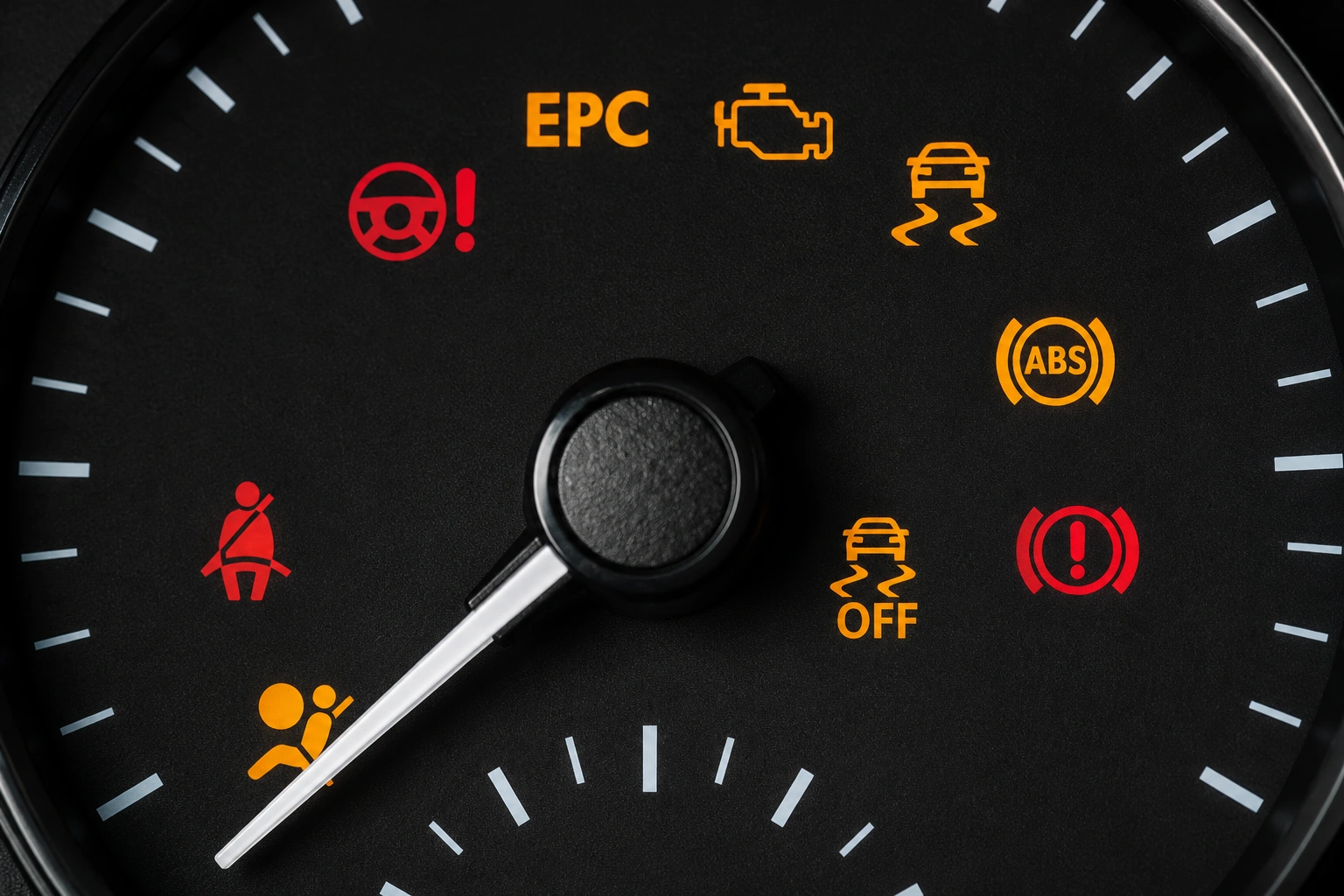
Start the engine outdoors or in a well-ventilated area, never in a closed garage. Keep the gear selector, parking brake, and brake pedal position consistent with the owner’s manual. Observe the dashboard for warning lights and listen for new ticking, knocking, squealing, grinding, hissing, or belt noise.
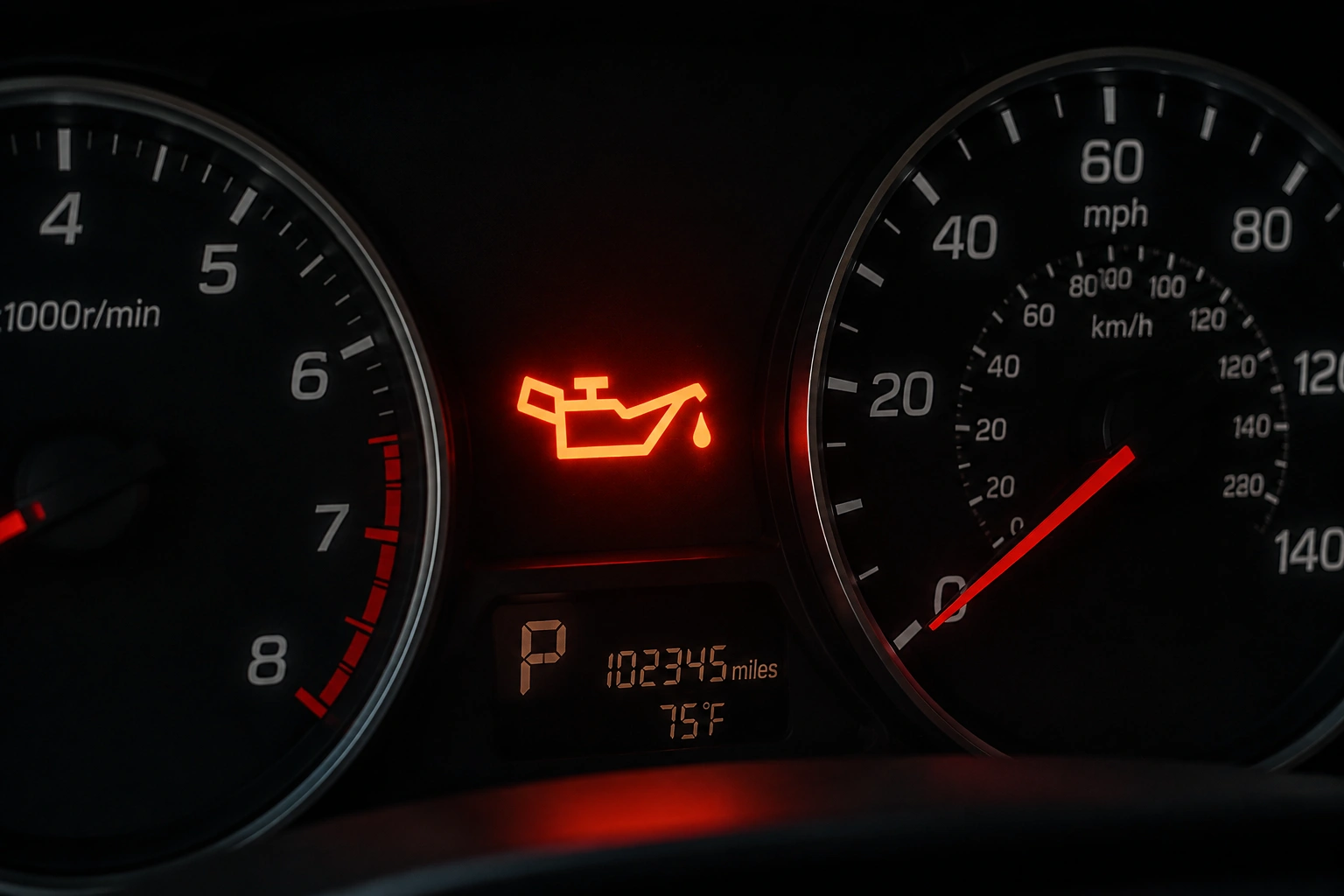
Watch the temperature gauge and look for smoke, strong fuel odor, fluid leaks, misfires, severe shaking, or an unstable idle. Do not let the engine run unattended, and do not rev it repeatedly to “clear out” old fuel or test the vehicle. If a serious warning remains on, the engine overheats, oil pressure is low, fuel odor is strong, or the engine runs poorly, switch it off and arrange diagnosis.
A successful restart does not prove that the vehicle is ready for highway driving. The battery, charging system, brakes, tires, steering, fluids, and warning-light status still need to be evaluated.
Step 9- Take a controlled test drive only when safe
If the vehicle starts normally, has no serious warning lights or leaks, and passes the initial brake and tire checks, begin in a quiet, legal, low-speed area. Test acceleration, steering, braking, turn signals, headlights, wipers, and transmission engagement gently. Keep the first drive short and avoid heavy Los Angeles traffic, freeways, steep grades, or long distances until the vehicle proves reliable.
Stop immediately if you feel vibration, pulling, brake fade, delayed engagement, misfiring, overheating, unusual noise, or a change in steering. Recheck for leaks after parking. A problem that appears only after the vehicle warms up or moves can still be significant.
When not to start or drive a car that sat for months
Do not start the vehicle if you see a fuel leak, smell strong gasoline, find a blocked exhaust, discover severe rodent damage, see a leaking or swollen battery, or find a tire with a bulge or exposed cord. Do not drive if the brake pedal is soft, braking is weak, the parking brake is seized, a wheel is overheating, the vehicle pulls sharply, or the steering feels unstable.
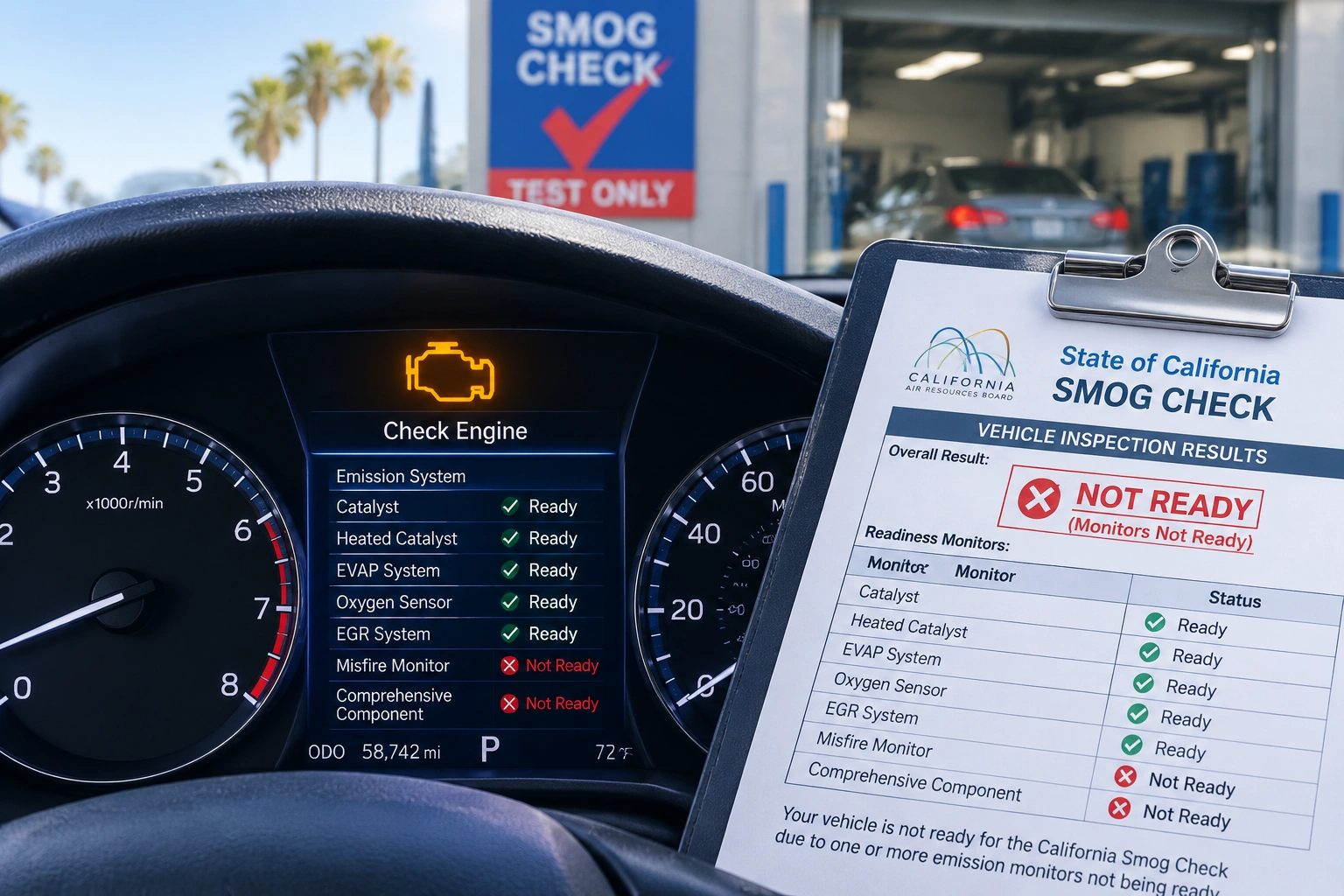
Arrange professional assistance for an active warning light, severe engine noise, smoke, overheating, repeated stalling, fluid loss, or a no-start condition that is not clearly limited to a discharged battery. If the vehicle’s condition is uncertain, a tow and inspection are safer than a long “test drive.”
When to visit a local auto repair shop in Los Angeles
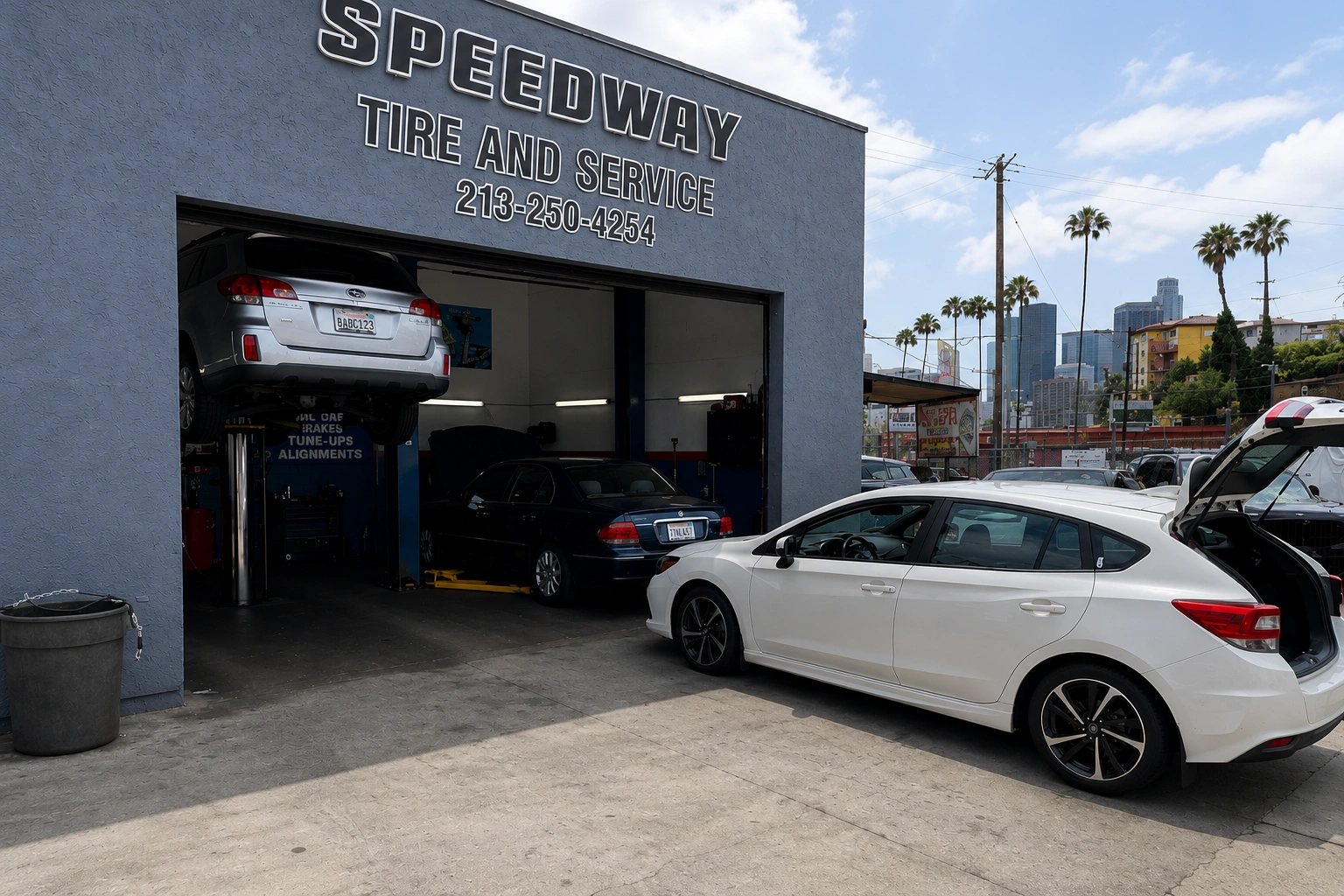
A complete inspection is worthwhile when a vehicle has been stored outside, parked for many months, exposed to heat or moisture, left with an aging battery, or returned with unknown maintenance history. A technician can test the battery and charging system, inspect tires and brakes, check fluids and leaks, scan for warning codes, examine wiring, and assess whether the vehicle is safe for regular driving.
For Los Angeles drivers, contact Speedway Tire & Service to ask about current vehicle inspections, battery testing, tire, brake, fluid, and engine-service availability. You can also review the shop’s auto repair services before scheduling. Confirm current capabilities and towing arrangements directly with the shop.
Frequently asked questions
Car sat for months—what should I check first?
Start with the parking area, tires, leaks, exhaust, battery, wiring, nests, and visible damage before turning the key. Then check accessible fluids, brakes, belts, hoses, lights, and warning conditions. Do not start if there is a fuel leak, blocked exhaust, severe wiring damage, an active nest, or unsafe tire damage.
Is it safe to start a car that has been sitting for months?
It may be safe after a careful inspection, but not if there is fuel odor, a leak, blocked exhaust, severe rodent damage, a leaking battery, major tire damage, or another hazard. Start only outdoors in a ventilated area and monitor warning lights, temperature, leaks, noise, and engine behavior.
Does a car battery die after sitting for months?
It may discharge or lose capacity, but the result depends on battery age, temperature, parasitic draw, and condition. Test the battery and charging system rather than assuming a jump-start solved the problem. A battery that starts the engine may still fail soon afterward.
Can tires get flat spots after a car sits?
Yes. Tires can lose air and develop temporary or permanent flat spots during prolonged parking. Check pressure, tread, cracks, bulges, sidewalls, and wheels before driving. Do not attempt to drive on a tire with structural damage or severe vibration.
Should I change the oil after a car sits for months?
Follow the manufacturer’s maintenance and storage guidance. Check the oil level and look for leaks before starting. An oil change may be appropriate because of the vehicle’s service interval, oil condition, or storage history, but do not assume every fluid requires a flush.
Can old gas damage a car that sat for months?
Old fuel can contribute to starting, drivability, or fuel-system problems, but the effect varies. Do not drain fuel yourself without proper equipment and fire controls. If the fuel smells unusual, the engine will not start, the vehicle stalls, or there is a gasoline odor, request professional diagnosis.
Do brakes rust when a car is parked for months?
Light surface rust can form on exposed brake discs, while longer storage may allow more serious corrosion or brake components to stick. Test pedal feel and braking carefully in a controlled area only when the vehicle is otherwise safe. Persistent grinding, pulling, a soft pedal, poor stopping, or a hot wheel requires inspection.
How long should I let a car idle after it has been stored?
Do not rely on a fixed idle time as a substitute for inspection or a test drive. Start the vehicle outdoors, follow the owner’s manual, monitor warning lights and temperature, and avoid extended unattended idling. If the engine runs poorly or a warning remains on, switch it off and seek diagnosis.
Should I drive the car directly into Los Angeles traffic after it starts?
No. Begin with a controlled, low-speed test only after the tires, brakes, steering, fluids, battery, and warning lights have been checked. Avoid freeways and heavy traffic until the vehicle proves reliable. Stop if it vibrates, pulls, overheats, misfires, or develops an abnormal noise.
Conclusion
When asking car sat for months what to check, begin with the items that can create an immediate safety risk: leaks, fuel odor, tires, brakes, battery damage, rodent-chewed wiring, and a blocked exhaust. Then verify fluids, belts, hoses, lights, warning messages, engine operation, steering, and transmission behavior before returning to regular driving.
A jump-start and successful ignition do not prove that a stored vehicle is road-ready. Start only after a careful inspection, use a controlled test drive when the vehicle feels safe, and stop if braking, steering, temperature, engine operation, or warning lights are abnormal. When the vehicle’s condition is uncertain, a professional inspection can help you return it to Los Angeles roads more safely.
Looking for an honest Auto Repair Shop in Los Angeles? Call Speedway Tire and Service Today
Whether you’re driving through LA traffic or cruising the freeways, your car deserves expert care. Located in Los Angeles, Speedway Tire and Service offers reliable oil changes, brake repairs, tire services, and more—all backed by experienced technicians and honest pricing.