LA Heat vs. Your Car Battery - How to Prevent Summer No-Starts in Downtown LA
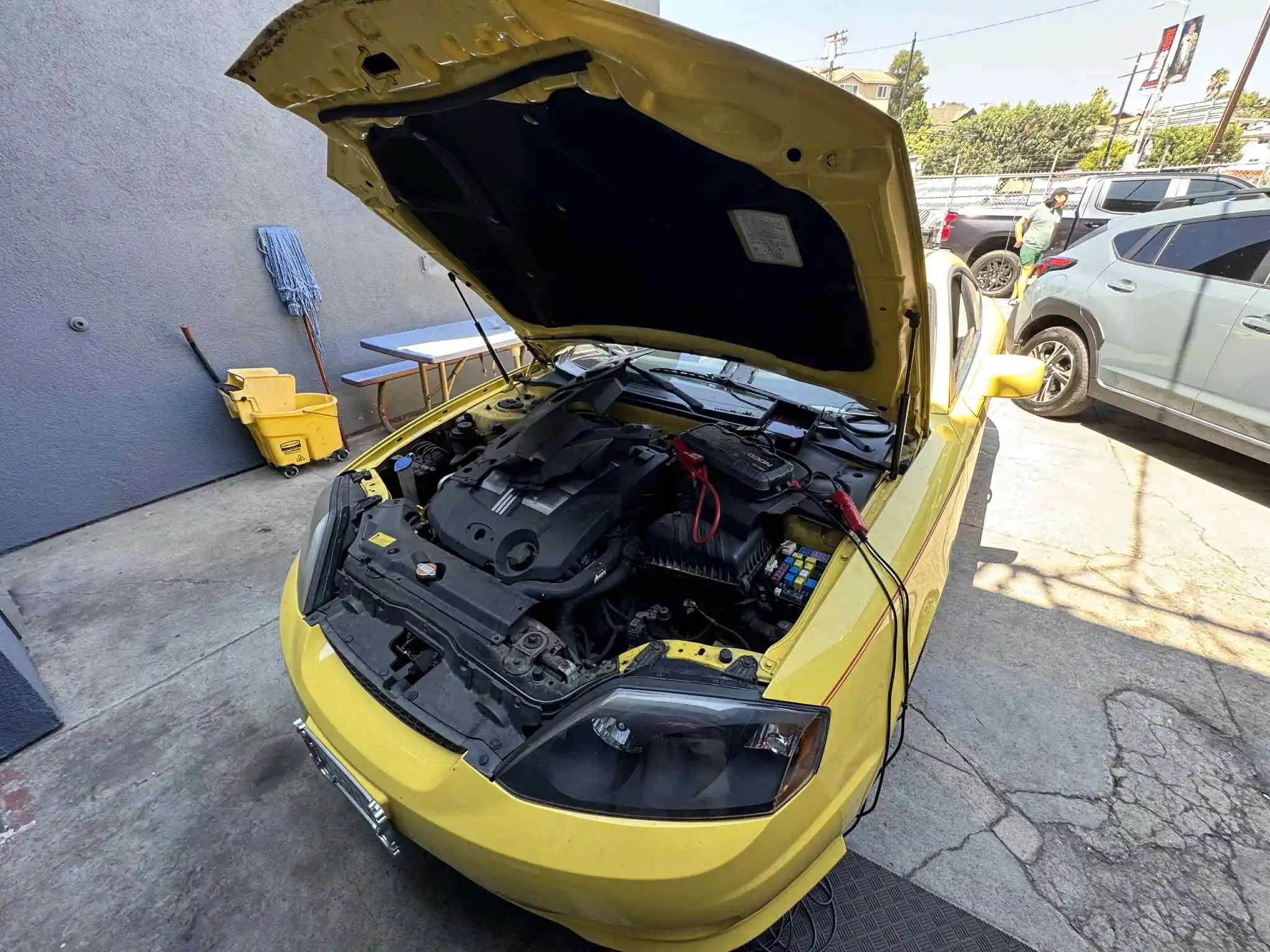
It is a familiar Downtown LA scene. The sun is intense, the pavement is hot, and you are ready to leave after a long day. You turn the key and hear only clicking. A dead battery is one of the most common vehicle problems, and high Los Angeles temperatures are a major reason batteries fail prematurely.
Many drivers associate battery trouble with winter, but heat can be even more damaging. High temperatures accelerate chemical reactions, evaporate electrolyte fluid, increase corrosion, and shorten the useful life of the battery. Proactive testing can prevent an unexpected no-start and the disruption that follows.
How Extreme Heat Damages a Car Battery
A conventional battery uses an electrolyte solution and lead plates to create electrical power. High heat accelerates the internal chemical reaction and can cause overcharging or permanent damage to the battery structure.
Accelerated Chemical Reactions
Heat speeds up the battery's chemical activity. While this can temporarily increase output, it also accelerates internal wear and can shorten battery life.
Fluid Evaporation
Intense heat can cause electrolyte water to evaporate. As fluid levels fall, lead plates become exposed, corrosion increases, and irreversible damage may occur.
Shorter Battery Life
A battery that might last several years in a moderate climate may last fewer years in Southern California, particularly when it is exposed to extreme under-hood temperatures, frequent short trips, or heavy accessory use.
Proactive Steps to Maximize Battery Life
Get a Professional Battery Load Test
A load test measures whether the battery can deliver its rated power when the starter demands significant current. A simple voltage reading is not enough because a weak battery may show a normal resting voltage but fail under load.
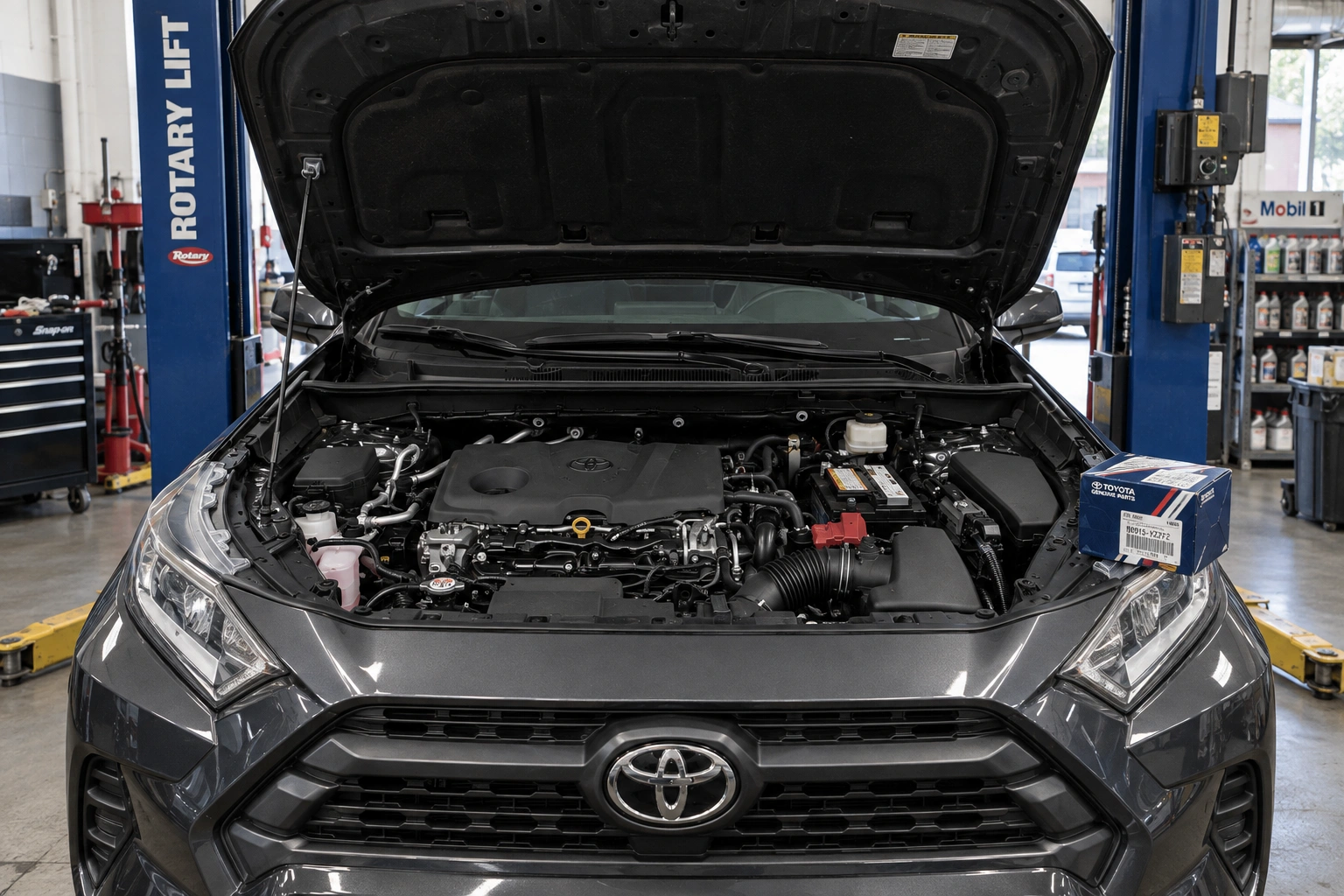
Consider testing the battery before summer and annually once the battery is several years old. Speedway's battery testing and replacement service can evaluate starting performance and remaining capacity.
Check the Alternator
The battery starts the engine, while the alternator powers electrical systems and replenishes the battery during driving. If the alternator is not producing the correct voltage, the battery may remain undercharged, work harder, and fail sooner.
An alternator check should be performed when testing the battery, especially if headlights dim, warning lights appear, or the vehicle struggles to start.
Look for Parasitic Drain
A parasitic drain occurs when an electrical component continues drawing power after the vehicle is turned off. Common causes include faulty alarms, aftermarket stereos, glove-box or trunk lights that remain on, and failing control modules.
If the battery repeatedly dies even after replacement, a technician should perform a drain test to isolate the component rather than replacing batteries repeatedly.
Battery Warning Signs
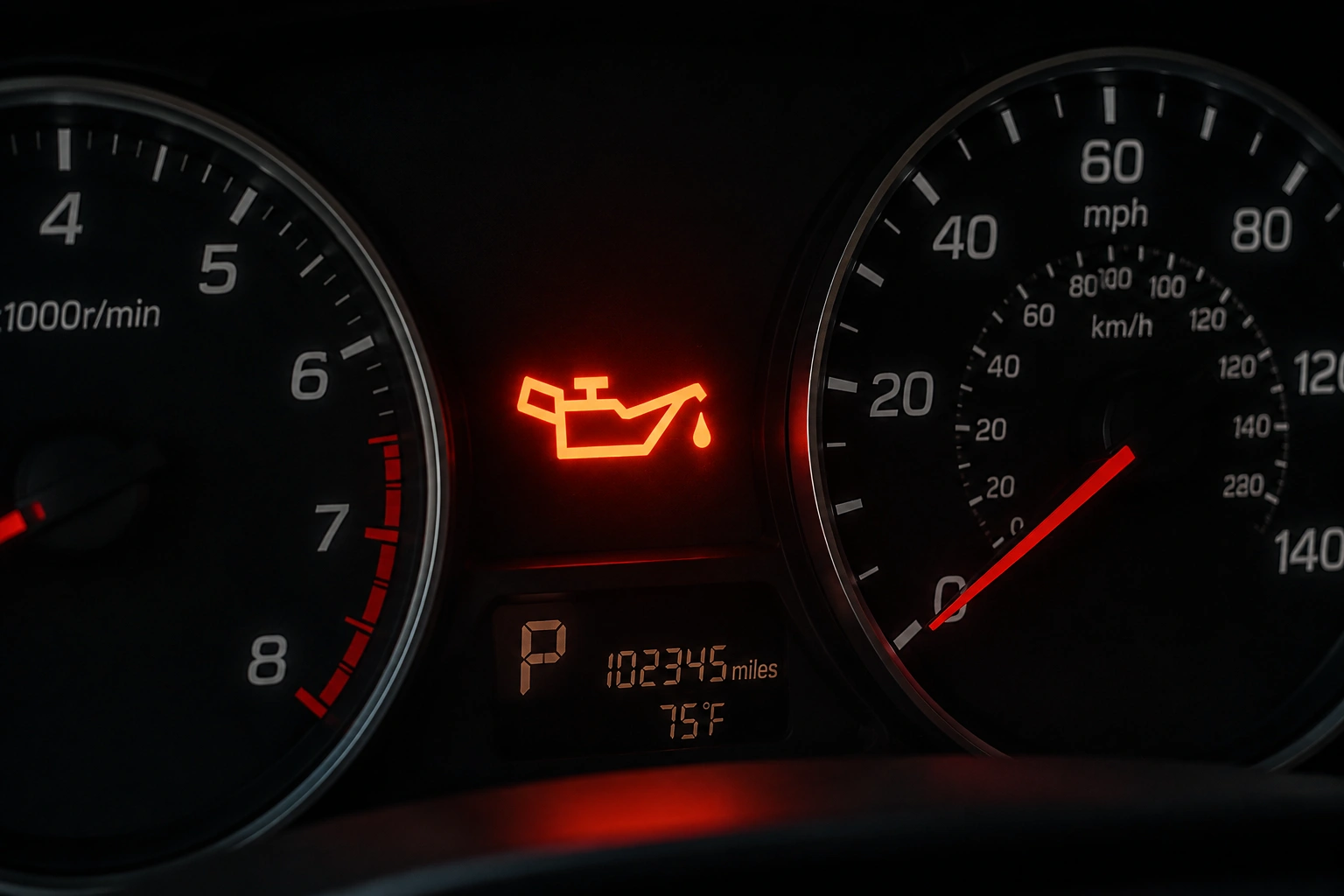
Watch for slow engine cranking, clicking when starting, dim headlights, flickering interior lights, weak electrical accessories, a battery warning light, swollen battery housing, corrosion around terminals, or repeated no-starts after short periods of parking.
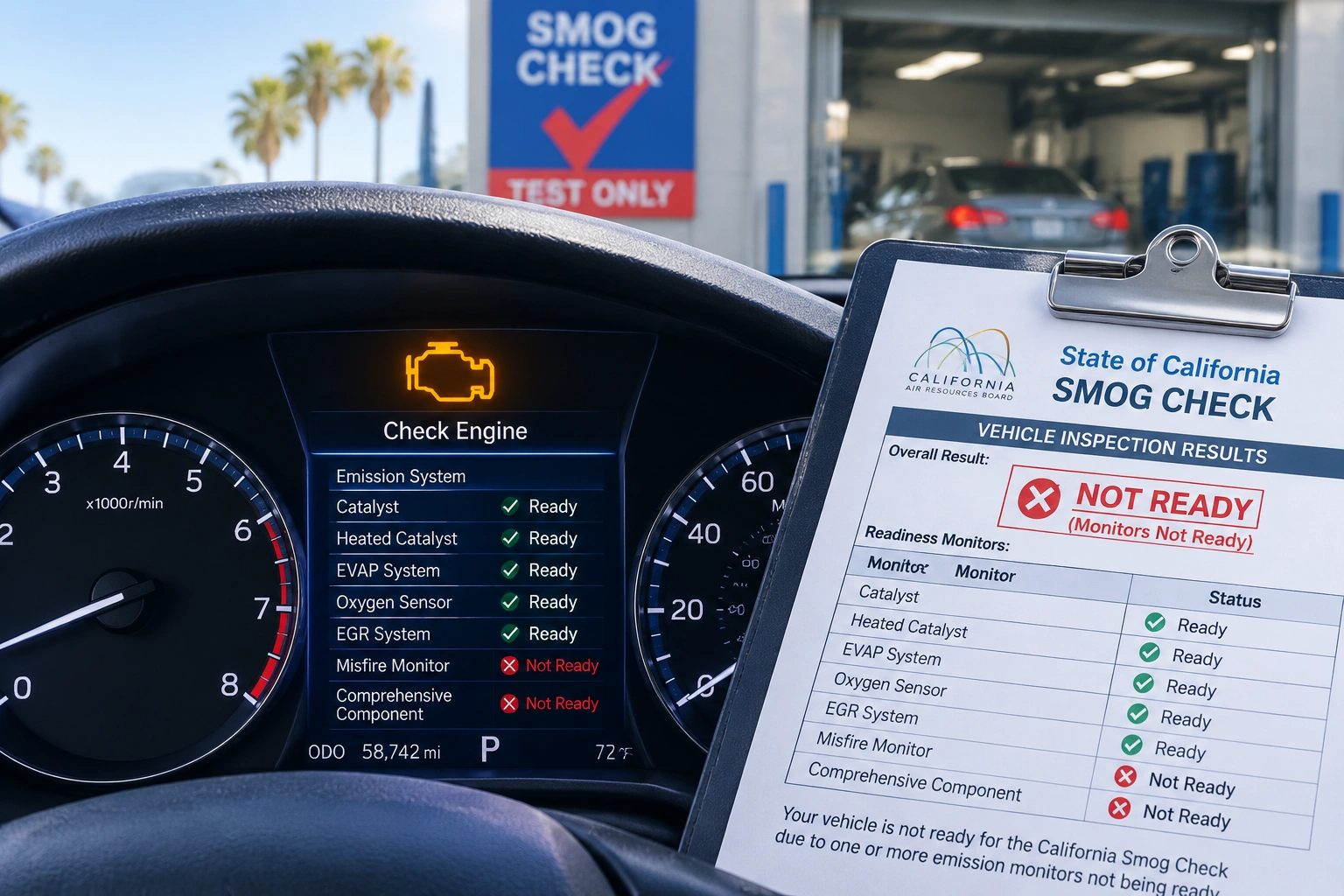
A battery problem can overlap with engine, charging, or belt concerns. If starting trouble comes with a check-engine light or drivability symptoms, engine diagnostic service can help identify the actual cause.
Heat and Other Vehicle Systems
High temperatures also affect coolant, belts, hoses, tires, air conditioning, and engine oil. A vehicle that has been operating in heavy LA traffic may need a broader inspection rather than a battery replacement alone.
When routine service is due, an oil change and maintenance inspection can provide an opportunity to check fluids, belts, hoses, tire pressure, and other components that affect reliability.
How to Protect a Battery During LA Summer
Park in shade or a covered area when practical, keep battery terminals clean and secure, avoid leaving accessories on when the engine is off, drive long enough to recharge the battery after starting, and address warning signs before the battery fails.
Short trips and repeated starts can leave the battery undercharged. If a vehicle is used mainly for short city trips, schedule regular battery testing and do not wait for the first extreme-heat day to discover a problem.
Prepare for Every LA Season
Summer heat is a major battery challenge, but seasonal preparation should also include tire pressure, tread, wipers, lights, brakes, and fluids. This guide to preparing your car for LA weather explains how to plan for changing conditions.
Do Not Let the Heat Win
In Downtown LA, a dead battery can disrupt work, errands, and travel. A load test, alternator check, and parasitic-drain diagnosis can provide useful information before a no-start leaves you stranded.
Speedway Tire and Service helps drivers in Downtown LA, Silver Lake, Echo Park, and surrounding communities with battery testing, replacement, diagnostics, and general maintenance. We are located at 1165 West Sunset Blvd.
Call (213) 250-4254 to schedule a battery check.
About Speedway Tire and Service
Speedway Tire and Service provides honest automotive maintenance and repair for Los Angeles drivers. Our technicians handle batteries, engine diagnostics, oil changes, tires, brakes, suspension, wheel alignment, and general vehicle service.
Looking for an Honest Auto Repair Shop in Los Angeles?
Whether you are driving through LA traffic or cruising the freeways, your car deserves expert care. Located in Los Angeles, Speedway Tire and Service offers reliable oil changes, brake repairs, tire services, and more, backed by experienced technicians and honest pricing.
Looking for an honest Auto Repair Shop in Los Angeles? Call Speedway Tire and Service Today
Whether you’re driving through LA traffic or cruising the freeways, your car deserves expert care. Located in Los Angeles, Speedway Tire and Service offers reliable oil changes, brake repairs, tire services, and more—all backed by experienced technicians and honest pricing.