How to Read an Auto Repair Estimate - Labor Hours, Parts Markup, and Shop Supplies
If you are searching for “how to read auto repair estimate,” you probably want to know whether the recommended work is necessary, how labor hours were calculated, what type of parts will be installed, and why fees appear at the bottom. An estimate should give you enough information to understand the proposed repair before you authorize the work. It is not the same as a final invoice: an estimate describes expected work and cost, while the final invoice records what was actually performed and charged.
A clear estimate should identify the vehicle and the condition being addressed, list the proposed repairs, show parts and labor separately, disclose diagnostic or other charges, identify taxes or fees when applicable, and explain how additional work will be approved. California drivers also have specific consumer protections. The California Bureau of Automotive Repair says a repair shop must provide an estimate before work begins, obtain authorization, and contact the customer for approval if additional repairs are found.
How do you read an auto repair estimate?
Start by confirming that the estimate describes the problem you brought the vehicle in for and separates diagnosis, parts, labor, taxes, shop supplies, and other charges. Then ask what labor method the shop uses, whether the part is new, aftermarket, original-equipment, rebuilt, reconditioned, or used, what warranty applies, and what amount requires your approval before work continues.
Do not compare estimates by total price alone. A lower estimate may omit diagnosis, use a different part, assume less labor, exclude a warranty, or describe a narrower repair. A higher estimate is not automatically excessive if it includes a more complete diagnosis, a different repair scope, better coverage, or necessary related work. Compare equivalent line items and ask questions before authorizing anything.
|
Estimate section |
What it generally means |
Questions to ask |
|
Customer concern or diagnosis |
The condition or fault the shop is addressing |
What testing confirmed the diagnosis, and what remains uncertain? |
|
Labor hours and labor rate |
The shop’s charge for the repair work or estimated technician time |
Are the hours flat-rate, published guide time, or actual time? What tasks are included? |
|
Parts |
Components expected to be installed |
Is each part new, OEM, aftermarket, rebuilt, reconditioned, or used? What is the warranty? |
|
Diagnostic charge |
Time or equipment used to identify the cause |
Is diagnosis separate from repair labor, and is it credited if I authorize the repair? |
|
Shop supplies or materials |
Consumables used during the repair |
What does it cover, how is it calculated, and is there a cap? |
|
Taxes and other charges |
Government taxes or disclosed service-related fees |
Which charges are included, excluded, or estimated? |
|
Authorization limit |
The amount or scope the shop may proceed with |
How will approval for additional work be recorded? |
The exact layout varies by shop and software, but the estimate should be understandable enough for you to make an informed decision.
Step 1- Confirm the diagnosis and repair scope
Before evaluating price, make sure you understand what the shop believes is wrong and what repair it is proposing. An estimate for “brake noise” may include inspection, pads, rotors, hardware, and cleaning, while an estimate for “check-engine light” may include diagnosis but not a repair until testing identifies the failed system.
Ask the technician to explain the evidence: test results, fault codes, measurements, visible damage, or symptoms that support the recommendation. Ask whether the repair is necessary for safety, required for reliable operation, recommended maintenance, or an optional improvement. Also ask what could happen if the repair is delayed and whether the vehicle is safe to drive.
A diagnostic finding is not always the same as a parts diagnosis. A code may identify a system or condition rather than prove which component must be replaced. A strong estimate connects the recommended part or service to the confirmed problem.
Step 2- Understand auto repair labor hours
Labor hours represent the work assigned to a repair. Some shops use published flat-rate or industry labor times, while others charge for actual technician time. The labor hours shown on an estimate may therefore be a pricing unit rather than a promise that a technician will spend exactly that number of clock hours on the vehicle. The Federal Trade Commission advises consumers to ask how a shop prices labor and to request a written estimate before authorizing work.
The labor rate is the shop’s price per hour or labor unit. Multiply the applicable rate by the quoted hours only when the shop uses that type of calculation; some repair software displays a combined labor price instead. Labor can include removal and installation, testing, cleaning, calibration, programming, road testing, access procedures, and disposal tasks, depending on the repair.
If the estimate seems high, do not ask only whether the hourly rate can be reduced. Ask whether the same scope, labor method, parts, warranty, and diagnostic work are included in another estimate. A shop with a higher posted rate may include more diagnostic time, training, equipment, overhead, or warranty support. The useful comparison is the expected outcome and documented scope, not a single number.
Step 3- Review parts and parts pricing
The parts line should tell you what component is expected to be supplied and how much it costs. Depending on the repair and shop policy, the estimate may identify a brand, part number, description, condition, or classification. The FTC distinguishes new, remanufactured, rebuilt, reconditioned, and salvage parts and notes that prices, quality, and warranty coverage can vary.
OEM usually refers to a part made for or to the vehicle manufacturer’s specification, but the term should be discussed in context. Aftermarket parts are made by other suppliers and range widely in design, quality, and warranty. Rebuilt, reconditioned, or used parts may be appropriate for some repairs and less appropriate for others. Ask why the proposed part is suitable for your vehicle and what coverage applies to both the part and labor.
A shop’s parts price may be higher than the shop’s acquisition cost. Parts pricing can account for sourcing, inventory, shipping, warranty administration, returns, and business overhead. There is no universal parts-markup percentage that applies to every repair shop or part. Instead of assuming a markup is improper, ask for the part description, warranty, and an equivalent comparison if you are considering another estimate.
Step 4- Understand a shop-supplies or materials fee
A shop-supplies fee may cover small consumables used during service, such as cleaners, lubricants, towels, clips, protective materials, or other items that are difficult to assign individually. Policies differ. Some shops use a percentage, some use a fixed amount, and some cap the fee or include materials within labor or parts pricing.
A shop-supplies fee is not automatically a problem, but it should be disclosed clearly before authorization. Ask what the fee covers, how it is calculated, whether it has a maximum, and whether it applies to every repair. Do not assume that a stated percentage is an industry-wide standard or that every consumable should be billed separately.
If the fee is unclear, ask the service advisor to explain it in writing. A transparent estimate should make it possible to understand the total without guessing which charges may appear later.
Step 5- Look for diagnostic charges and teardown fees
Diagnosis is skilled work and may be billed separately from the repair. A shop may charge for scan-tool testing, electrical testing, pressure testing, measurements, road testing, or time spent isolating an intermittent fault. Ask whether the diagnostic fee is due even if you decline the repair and whether any portion is credited toward approved work.
Some repairs require partial disassembly, sometimes called a teardown, before the shop can determine the complete scope. California BAR warns that a teardown may carry a charge even if the customer chooses not to proceed with the repair. Ask what authorization is needed before disassembly, what information the teardown will provide, and what happens if the vehicle is not repaired at that shop.
Do not treat a diagnostic charge as proof that the shop is adding an unnecessary fee. The important questions are what work is included, what result you will receive, and whether the charge was disclosed before authorization.
Step 6- Check taxes, shop fees, and the total
Review whether the estimate includes sales tax, environmental or disposal charges, shop supplies, sublet work, core charges, programming, calibration, towing, or other disclosed fees. Some amounts may be estimated until parts are sourced or the final scope is confirmed. Ask what is included in the total and what is excluded.
The final total should be compared with the authorized scope, not just with the original headline number. Keep a copy of the estimate, any text or email approvals, diagnostic results, and the final invoice. These records help clarify what was authorized and what was completed.
Step 7- Confirm repair authorization and approval limits
Before work begins, decide exactly what you are authorizing. You can ask the shop not to perform additional work without contacting you, or you can set a written maximum amount for additional diagnosis or repair. California BAR states that customers must authorize repairs before work begins and must authorize additional repairs if the shop finds more problems after starting the work.
Ask how authorization will be documented. Depending on the shop and applicable rules, approval may be written, oral, or electronic, including by email or text. A written or electronic record is often the clearest way to preserve the agreed scope, amount, and conditions.
Do not authorize a vague instruction such as “fix everything” if you need control over the scope. Ask the shop to identify the repair, expected total, diagnostic limit, parts type, warranty, and any work that requires a new approval.
What to ask when a mechanic estimate seems too high
If you think the estimate is too high, stay specific and compare equivalent proposals. Ask the shop to explain the diagnosis, labor hours, labor method, part brand and condition, warranty, shop-supplies fee, taxes, and any work marked as recommended rather than required. Ask which items affect safety or drivability and which can be deferred.
You may seek a second opinion for expensive or complicated repairs. Tell the second shop that you want a comparison of the same symptoms and proposed scope, not simply a lower total. The Federal Trade Commission recommends shopping around, comparing repair warranties, and asking whether diagnostic time will be charged if you use another shop. A second opinion can also help identify whether a proposed repair is incomplete, whether further testing is required, or whether two shops are using different parts or labor assumptions. Do not authorize duplicate disassembly or testing without asking whether the previous results can be shared.
How to compare two auto repair estimates
Place the estimates side by side and compare the following items: diagnosis, repair description, labor hours, labor rate or combined labor price, parts brand and classification, warranty, shop supplies, taxes, disposal or core charges, programming, calibration, and the amount of work authorized. Check whether both estimates address the same cause and include the same final testing.
|
Comparison point |
Why it matters |
|
Same diagnosis |
Two shops may be quoting different repairs for the same symptom. |
|
Same labor scope |
One estimate may include testing, calibration, or access work that another omits. |
|
Same part type |
OEM, aftermarket, rebuilt, reconditioned, and used parts can have different prices and warranties. |
|
Same warranty |
Coverage may differ for parts, labor, time, mileage, and exclusions. |
|
Same fees and taxes |
A low headline total may exclude disclosed supplies, disposal, programming, or tax. |
|
Same authorization terms |
Confirm how additional work will be approved and documented. |
The goal is not always to choose the cheapest estimate. It is to choose a clearly explained repair from a qualified shop whose scope, parts, warranty, and communication meet your needs.
California auto-repair estimate rights to remember
This article provides general consumer information, not legal advice. California drivers can review current guidance from the Bureau of Automotive Repair. BAR states that consumers are entitled to an estimate before work, may authorize repairs, must be contacted about additional repairs, may request replaced parts before authorizing the work, and should receive a final invoice listing repairs, supplied parts, and total parts and labor costs.
The details of an individual transaction can depend on the repair, authorization, warranty, insurance involvement, and current law. If a dispute cannot be resolved with the shop, consult BAR’s current consumer resources rather than relying on an older article or a general assumption about fees.
When to visit a local auto repair shop in Los Angeles
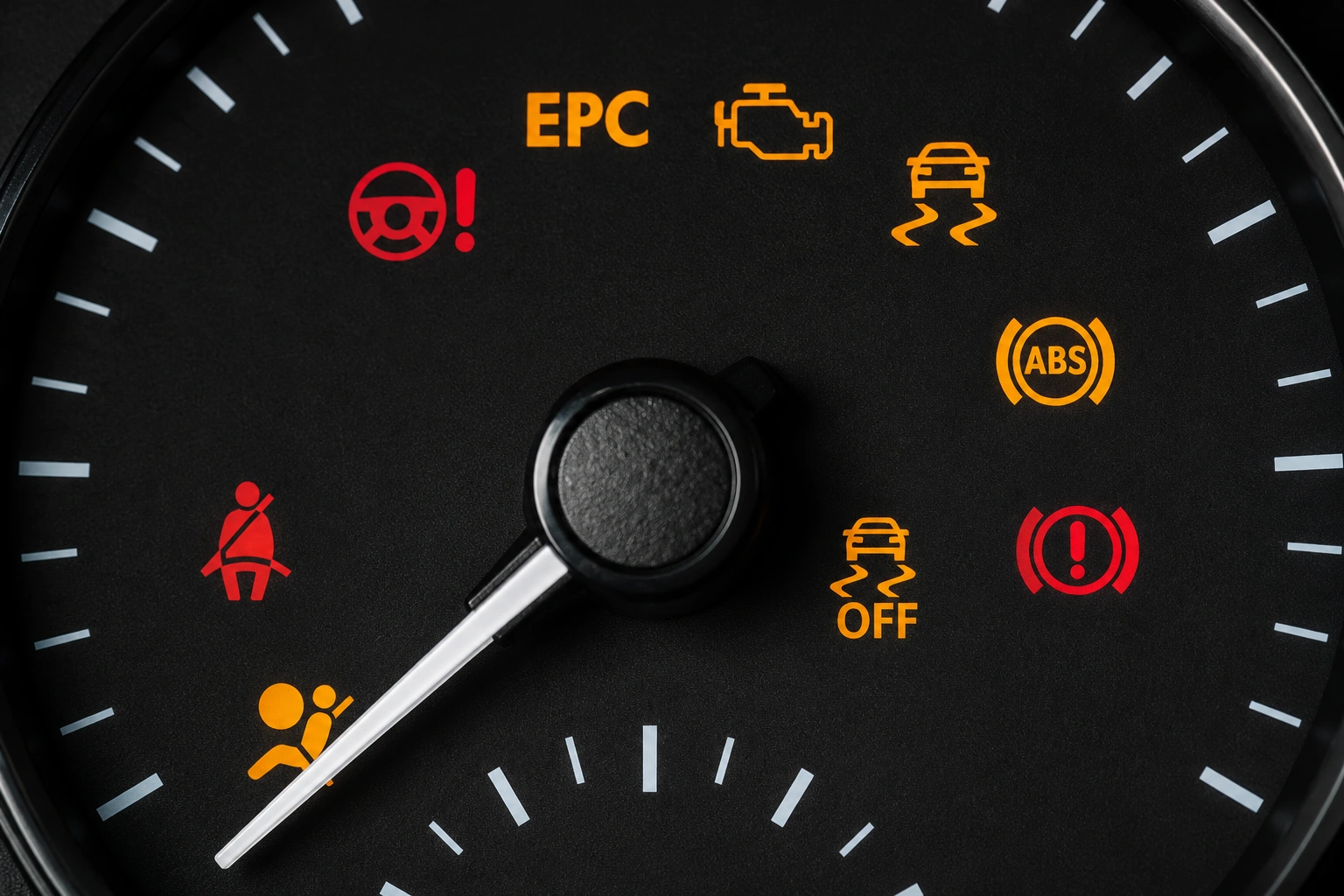
An estimate is most useful when it is based on a proper diagnosis. If your vehicle has a warning light, unusual noise, fluid leak, braking problem, overheating, poor handling, or a recurring performance issue, ask for a documented inspection and a written estimate before authorizing repairs.
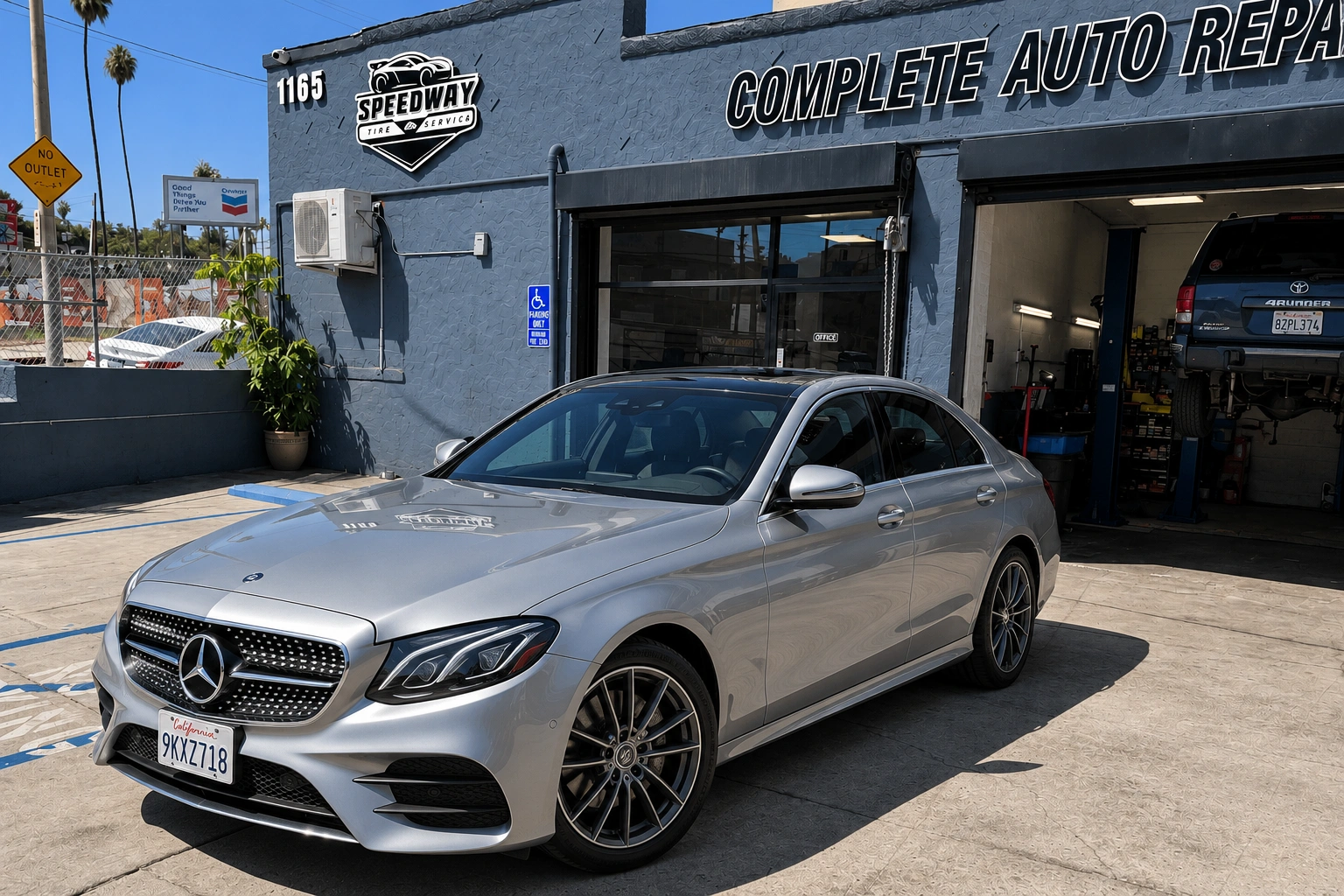
Los Angeles shops may have different labor rates, equipment, parts sources, warranties, and overhead. Those differences can affect an estimate without proving that one shop is overcharging. For Los Angeles drivers, contact Speedway Tire & Service to ask about current diagnostic and repair-estimate procedures. You can also review the shop’s auto repair services before scheduling.
Confirm the shop’s current services, licensing information, warranty terms, payment policies, and estimate requirements directly with the business. If the vehicle is unsafe to drive, ask about towing or roadside assistance rather than driving it to obtain another estimate.
Frequently asked questions
How to read auto repair estimate line by line?
Start with the diagnosis and repair description, then review labor hours, labor rate, parts, part type, diagnostic charges, shop supplies, taxes, warranty, total, and authorization limit. Ask what is included, what is excluded, and how additional work will be approved before signing or giving electronic authorization.
Why do auto repair labor hours seem longer than expected?
Labor hours may come from a flat-rate or published labor guide rather than the technician’s exact clock time. The estimate may also include access, testing, calibration, cleaning, road testing, and other required tasks. Ask which labor method the shop uses and whether the quoted hours cover the complete repair.
Is parts markup on an auto repair estimate normal?
A shop may charge more for a part than its acquisition cost because the price can reflect sourcing, inventory, shipping, warranty handling, returns, and overhead. There is no universal markup percentage for every shop or part. Compare the part description, classification, warranty, and installed total instead of focusing only on markup.
Is a shop-supplies fee mandatory?
Shop policies differ, and a fee may be fixed, percentage-based, capped, or included elsewhere in the estimate. Ask what it covers and how it is calculated. It should be disclosed clearly before you authorize the work; do not assume that a particular percentage is universal.
What if the final bill is higher than the estimate?
Ask the shop to explain the difference and compare the final work with the approved estimate. In California, BAR says the shop must contact the customer and receive authorization for additional repairs found after work begins. Keep copies of the original estimate and any written, oral, or electronic approvals.
Can I bring my own parts?
Some shops may allow customer-supplied parts, while others decline them because of fitment, quality, warranty, and liability concerns. Ask before scheduling. If a shop installs a customer-supplied part, clarify who covers the part, labor, diagnosis, and any repeat repair if the part fails or is incorrect.
Should I get a second opinion on an expensive repair?
A second opinion can be useful for expensive, complicated, or uncertain repairs. Give the second shop the symptoms and relevant test results, and ask it to quote the same scope with comparable parts and warranty coverage. Also ask whether you will be charged for diagnosis or disassembly.
Conclusion
Learning how to read auto repair estimate documents helps you compare repairs based on diagnosis, labor, parts, fees, warranty, and authorization terms—not just the final number. Review the proposed work line by line, ask what is necessary and what can wait, and confirm how additional repairs will be approved.
A clear estimate should leave you with a practical understanding of the problem, the recommended solution, the expected cost, the parts being used, and the protection available after the repair. Keep the estimate and final invoice together, ask questions before authorizing work, and use current California Bureau of Automotive Repair resources if you need consumer-rights information.
Looking for an honest Auto Repair Shop in Los Angeles? Call Speedway Tire and Service Today
Whether you’re driving through LA traffic or cruising the freeways, your car deserves expert care. Located in Los Angeles, Speedway Tire and Service offers reliable oil changes, brake repairs, tire services, and more—all backed by experienced technicians and honest pricing.