Put the Wrong Fuel in Your Car? What to Do Before You Start the Engine
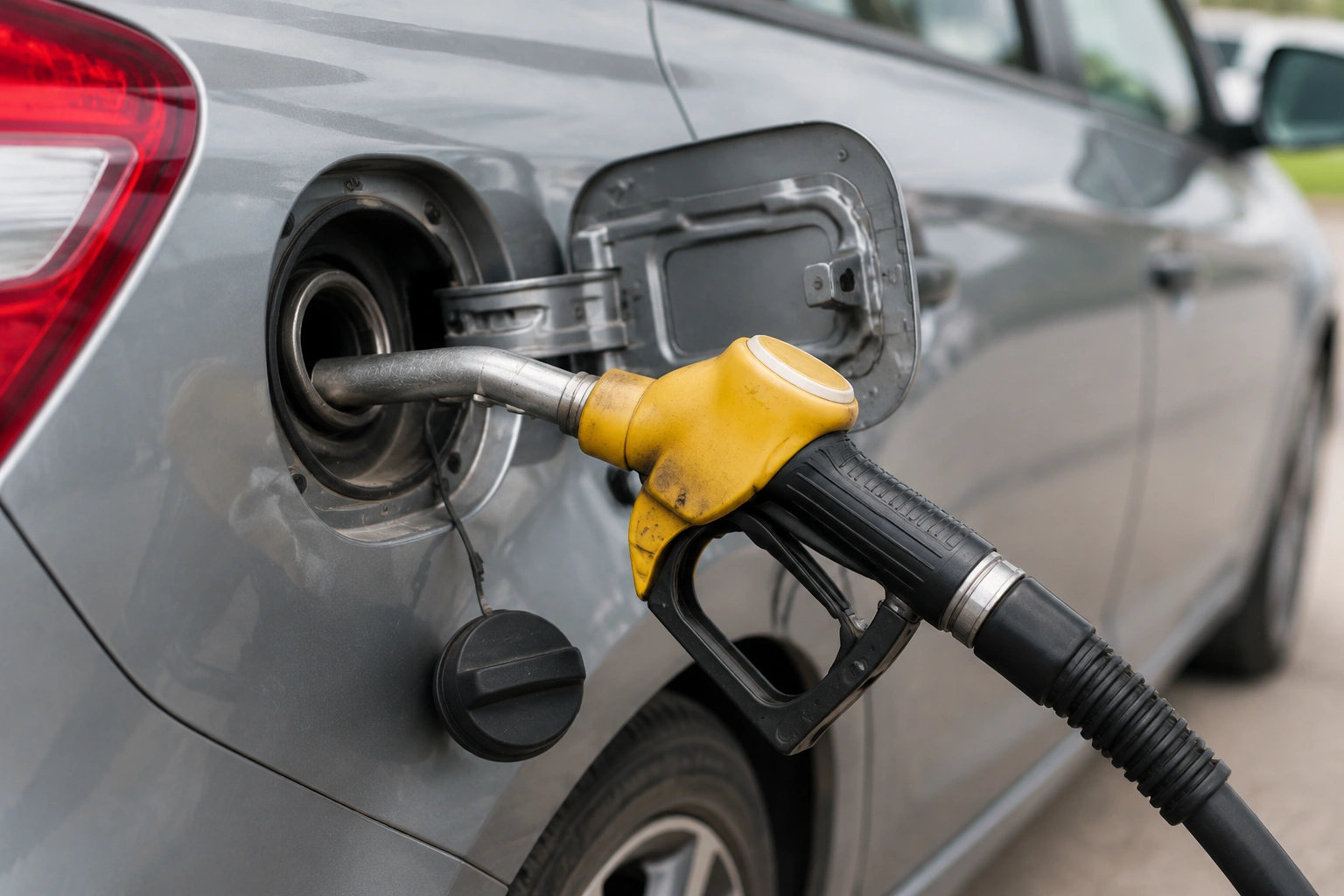
Putting the wrong fuel in your car can be stressful, but the first response is simple: do not start the engine and do not drive away. If you have added gasoline to a diesel vehicle or diesel to a gasoline vehicle, stop at the fuel pump, keep the ignition off, and arrange professional assistance. Starting the engine can circulate the contaminated fuel through the pump, lines, injectors, and engine, potentially turning a relatively contained fuel-drain job into a more extensive repair.
If you are in Los Angeles, tell the station staff if the vehicle is blocking a pump, move it only with safe assistance and without starting it, and contact roadside assistance, a towing service, or an auto repair shop that handles fuel-system contamination. The amount of wrong fuel, whether the ignition was switched on, whether the engine ran, and the vehicle’s fuel-system design all affect the next steps.
What should I do after putting the wrong fuel in my car?
If you realize there is wrong fuel in your car, follow this order:
- Do not start the engine. Do not crank it, press the accelerator, or switch the ignition on unnecessarily. On some vehicles, turning the ignition on can activate the electric fuel pump and begin moving contaminated fuel through the system.
- If the engine is already running, switch it off as soon as it is safe. Do not continue driving to the repair shop.
- Move the vehicle away from the pump only without starting it. Ask station staff or trained assistance about the safest way to move it. Do not push the car into traffic or an unsafe area.
- Call roadside assistance, a tow provider, or a qualified repair shop. Explain the vehicle’s fuel type, the fuel added, the approximate amount, and whether the ignition or engine was turned on.
- Do not attempt a roadside fuel drain unless you have the correct equipment, training, ventilation, spill controls, and disposal plan. Gasoline and diesel are flammable, and the procedure varies by vehicle.
The AA and Delphi Automotive both emphasize not starting the vehicle after misfuelling and recommend professional fuel removal or recovery assistance.
Gasoline in a diesel car versus diesel in a gasoline car
The two common fuel mix-ups do not carry identical risks. Diesel fuel provides important lubricating properties for many diesel fuel-pump and injection systems. Gasoline is less lubricating and can act as a solvent in those systems, increasing wear when the contaminated mixture is circulated—particularly in modern high-pressure diesel systems.
Diesel in a gasoline vehicle may prevent proper combustion because diesel is less volatile than gasoline. The engine may misfire, lose power, stall, or fail to start. If the vehicle is driven with the wrong fuel, unburned or poorly burned fuel can also affect spark plugs, emissions components, and the catalytic converter. The actual risk depends on the vehicle, the amount added, and how long the engine operated.
|
Fuel mistake |
Why it matters |
What to do |
|
Gasoline in a diesel vehicle |
Gasoline can reduce lubrication in the diesel pump and injection system and may cause severe wear once circulated. |
Keep the engine and ignition off. Arrange professional draining and vehicle-specific inspection. |
|
Diesel in a gasoline vehicle |
Diesel may not combust correctly, which can cause misfires, low power, stalling, or a no-start condition. |
Do not drive it. Arrange fuel removal and inspection before restarting. |
|
Diesel exhaust fluid, often called DEF or AdBlue, in a fuel tank |
DEF is not a motor fuel and can damage fuel-system components if it is circulated. |
Do not start or switch on the ignition. Request specialized recovery and tell the provider exactly what was added. |
|
Incorrect gasoline grade or octane |
A different gasoline octane is not the same as gasoline-versus-diesel misfuelling, although the vehicle manufacturer’s requirements still apply. |
Check the owner’s manual or ask a technician; do not assume every fuel mistake requires the same repair. |
This comparison is general information, not a diagnosis. Hybrid, turbocharged, direct-injection, diesel, and commercial vehicles may require different procedures.
Why you should not start the engine after misfuelling
The fuel system may begin operating as soon as the ignition is switched on, even before the engine starts. Depending on the vehicle, the electric fuel pump can pressurize the system and move the incorrect fuel toward the filter, rail, pump, and injectors. Once the engine starts, the contaminated fuel is more likely to circulate through additional components.
Gasoline in a diesel vehicle is particularly concerning because many diesel systems depend on fuel lubrication at the pump and injectors. Diesel in a gasoline vehicle is often less damaging if the engine is never started, but it still needs to be removed and the system may need to be flushed or checked. “Less damaging” does not mean safe to drive.
If you have already started the vehicle, do not panic and do not keep driving to see whether the symptoms improve. Turn the engine off as soon as you can do so safely and tell the repair provider exactly how long it ran, whether you drove, and what symptoms appeared.
What to do immediately at a gas station
If the mistake is noticed while the vehicle is still at the pump, leave the vehicle parked and notify the station attendant. If the car is obstructing the pump, ask for help moving it to a safe location without starting the engine. Some vehicles can be rolled in neutral, but the steering, brakes, slope, traffic conditions, and number of people available all matter. Do not attempt to push a vehicle alone or into an active traffic lane.
Keep the fuel receipt if available. Write down the fuel selected, the estimated amount added, the vehicle’s normal fuel type, whether the ignition was switched on, and whether the engine was started. This information helps the roadside provider or technician select the correct recovery procedure.
Do not smoke, use an open flame, create sparks, or remove fuel-system components in a parking lot. Do not pour contaminated fuel onto the ground, into a drain, or into an unapproved container. Fuel handling and disposal must follow applicable safety and environmental requirements.
What if the engine was already started or driven?
The repair may be more involved if the engine ran or the vehicle was driven, but the outcome cannot be determined from the fuel type alone. A technician will consider the amount of incorrect fuel, the fuel remaining in the tank, operating time, distance driven, fuel pressure, symptoms, and the vehicle’s design.
Possible symptoms include rough running, hesitation, misfires, reduced power, smoke, warning lights, stalling, unusual pump noise, or a no-start condition. These symptoms do not prove that a particular part has failed. Avoid repeated restart attempts because each attempt may circulate more contaminated fuel.
When you call for help, say whether the engine started, whether the car moved, whether it stalled, and whether any warning lights appeared. If the vehicle is running poorly or has stopped in an unsafe location, prioritize personal safety and request towing or roadside recovery.
How a professional shop handles a wrong-fuel incident
A repair facility will first confirm the vehicle’s correct fuel type and document what was added. Depending on the vehicle and exposure, the work may include draining the tank, removing contaminated fuel from accessible lines, replacing a fuel filter, flushing or cleaning relevant components, testing fuel pressure, inspecting the pump and injectors, scanning for fault codes, and checking engine operation after the correct fuel is installed.
The exact process is not identical for every car. Some modern fuel systems require additional testing or component replacement if contaminated fuel has been pressurized through the system. A shop should explain what it found and why a proposed repair is necessary rather than promising that every incident can be solved with a simple tank drain.
If you are looking for help in Los Angeles, contact Speedway Tire & Service to ask whether the shop currently handles misfuelled vehicles and what information is needed before arranging service. You can also review the shop’s engine and vehicle diagnostic services before calling. Confirm availability and the exact scope of work before making travel arrangements.
When should you seek professional help?
Seek assistance immediately if you put gasoline in a diesel car, diesel in a gasoline car, DEF in a fuel tank, or any unknown liquid into the vehicle. Professional help is particularly urgent if the ignition was turned on, the engine started, the vehicle was driven, the engine stalled, a warning light appeared, or the car is leaking fuel.
Do not rely on the idea that a small amount is automatically harmless. A small amount may produce different results depending on the tank level, fuel-system design, and whether the mixture was circulated. Only a technician or recovery provider with the correct vehicle information can determine the appropriate next step.
How to prevent putting the wrong fuel in your car
Before inserting the nozzle, read the label on the pump and the fuel designation inside the fuel door or on the cap. Do not rely only on hose or nozzle color because station layouts and colors can vary. Keep your attention on the fueling process, avoid using your phone while filling, and do not refuel when you are rushed or distracted.
If you regularly drive more than one vehicle, pause to confirm whether you are driving a gasoline or diesel model. A small reminder inside the fuel door can help, especially for rental cars, borrowed vehicles, fleet vehicles, and cars that look similar but use different fuels.
Frequently asked questions
What should I do if I put the wrong fuel in my car but have not started it?
Keep the ignition off, do not drive, and arrange professional fuel removal or towing. If the vehicle is at a fuel pump, ask station staff for help moving it safely without starting the engine. Give the recovery provider the vehicle’s fuel type and the amount and type of fuel added.
Is gasoline in a diesel car worse than diesel in a gasoline car?
Gasoline in a diesel vehicle can be especially damaging because gasoline provides less lubrication for many diesel fuel pumps and injection systems. Diesel in a gasoline car can still cause misfires, poor performance, stalling, or emissions-system damage if the vehicle is started or driven. Neither mix-up should be driven without professional assessment.
Can I turn the key to check whether the car starts?
No. Avoid switching the ignition on unnecessarily because some vehicles may activate the fuel pump before the engine starts. If you already turned the key or pressed the start button, tell the technician; the next step still depends on the vehicle and the amount of contaminated fuel.
Can I drain the fuel tank myself?
DIY fuel draining is not recommended as a general solution. Fuel is flammable, vapors can ignite, and contaminated fuel must be captured and disposed of properly. Modern vehicles may also require specialized access, testing, and flushing. Use a qualified fuel-drain or repair service instead.
What if I already drove after putting in the wrong fuel?
Stop driving as soon as it is safe, switch off the engine, and request recovery or towing. Tell the technician how far you drove, how long the engine ran, what fuel was added, and which symptoms or warning lights appeared. Do not keep restarting the vehicle to test it.
Does a different gasoline octane count as putting the wrong fuel in my car?
Using the wrong gasoline octane is different from putting gasoline in a diesel vehicle or diesel in a gasoline vehicle. A single tank of a lower or higher octane may not require the same emergency response, but the correct action depends on the owner’s manual and the vehicle. Ask a technician if you are unsure.
Conclusion
If you have wrong fuel in your car, the most important action is to keep the engine off and arrange professional help. Gasoline in a diesel vehicle can reduce fuel-system lubrication, while diesel in a gasoline vehicle can cause poor combustion and drivability problems. Starting or driving the vehicle can circulate the incorrect fuel and increase the chance of component damage.
Do not guess, repeatedly restart the engine, or attempt an unsafe fuel drain at the roadside. Keep the vehicle in a safe location, provide accurate details to the recovery provider, and have the contaminated fuel removed and the system inspected before returning to normal driving.
Looking for an honest Auto Repair Shop in Los Angeles? Call Speedway Tire and Service Today
Whether you’re driving through LA traffic or cruising the freeways, your car deserves expert care. Located in Los Angeles, Speedway Tire and Service offers reliable oil changes, brake repairs, tire services, and more—all backed by experienced technicians and honest pricing.