Stuck Brake Caliper in Los Angeles - Signs and Causes
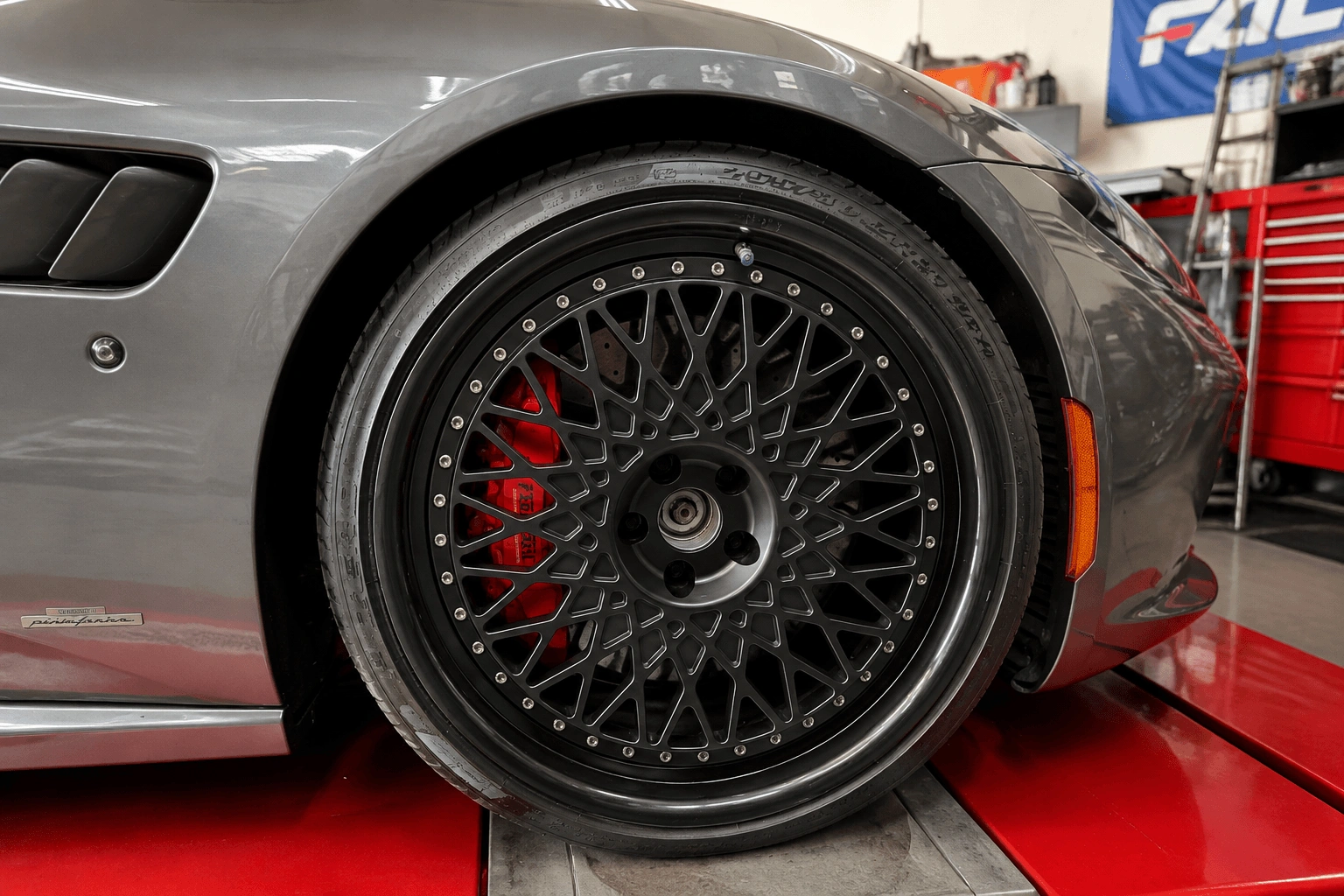
A stuck brake caliper can affect how your vehicle brakes, handles, and responds to traffic, making it an issue Los Angeles drivers shouldn't ignore. When the caliper fails to release properly, the brake pad can remain pressed against the rotor, creating constant friction, excess heat, uneven wear, and what drivers may describe as dragging brakes LA or brake pulling to one side LA.
What Is a Stuck Brake Caliper?
A brake caliper is part of the disc-brake system that applies pressure to the brake pads when you press the pedal. Once you release the pedal, the pads should move away from the rotor enough to prevent continuous contact. With a stuck brake caliper, the piston or another component may fail to retract correctly. In some cases, the caliper's slide pins can seize, preventing the caliper from moving as designed. The result is brake drag. Instead of rotating freely, the affected wheel experiences constant resistance, generating additional heat every time you drive.
Signs of a Stuck Brake Caliper
The symptoms aren't always dramatic at first. You may notice a small change in how the vehicle drives before the problem becomes more obvious. Common warning signs include:
Car Pulls to One Side
If one brake is applying more force than the other, the vehicle may pull toward one side when braking. This can make stopping feel less predictable, particularly in heavy LA traffic.
One Wheel Feels Much Hotter
Excessive friction generates heat. After normal driving, one wheel or rotor may be noticeably hotter than the others. Avoid touching brake components directly because they can become extremely hot.
Burning Smell
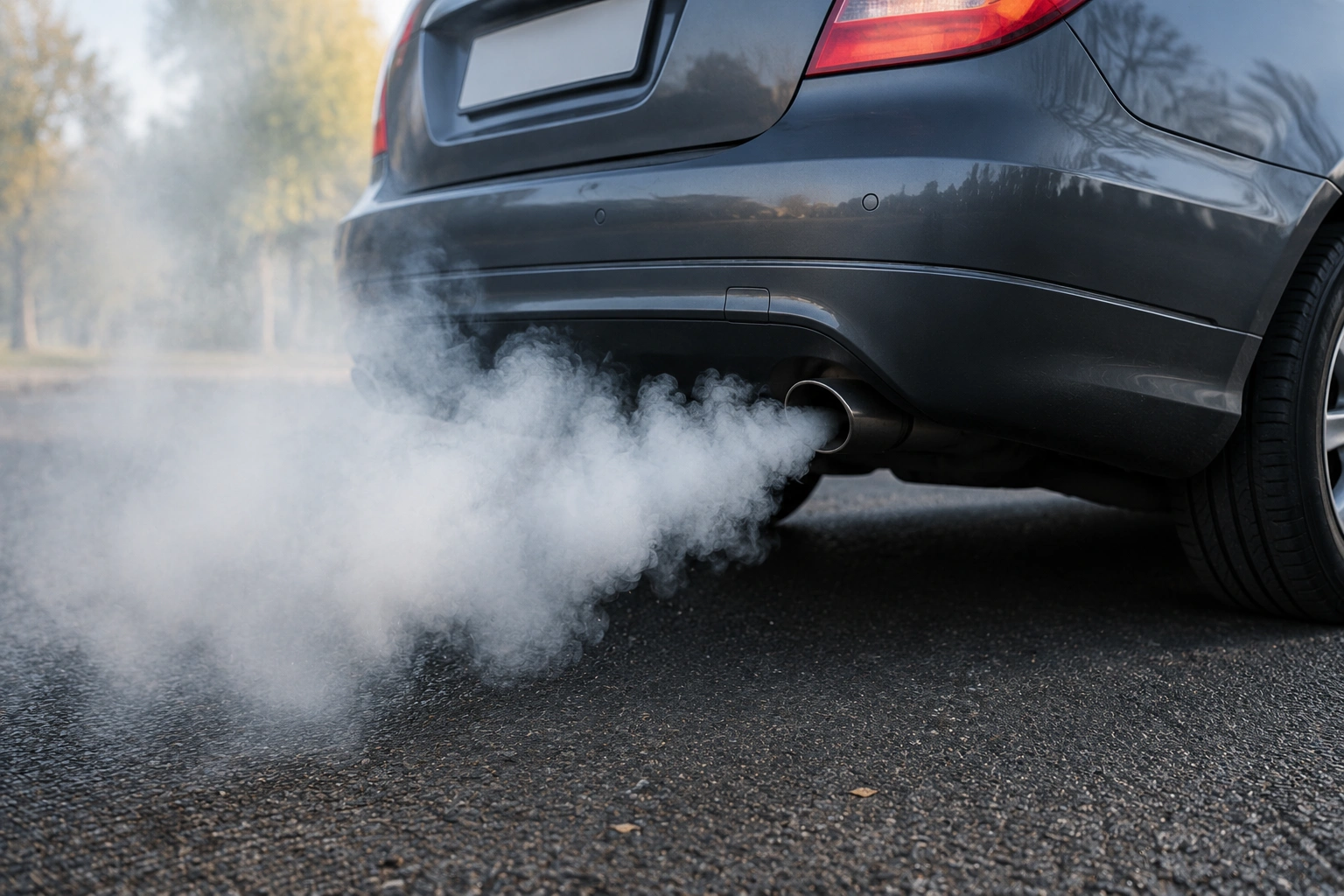
A persistent burning odor near one wheel can indicate overheated brake pads or other components. If the smell becomes intense or you see smoke, stop driving as soon as it is safe and have the vehicle inspected.
Uneven Brake Pad Wear
A caliper that isn't moving correctly can cause one brake pad to wear significantly faster than its counterpart. Uneven wear is an important clue because simply replacing the worn pad may not address the underlying problem.
Reduced Fuel Economy
Brake drag creates additional resistance, which can force the engine to work harder to move the vehicle. A sudden unexplained decrease in fuel economy can therefore be another symptom worth investigating.
Squealing, Grinding, or Other Brake Noise
Constant contact between the pad and rotor can produce unusual sounds. However, brake noise can have many causes, so the sound alone isn't enough to confirm a caliper problem.
What Causes a Brake Caliper to Stick?
Several components can prevent the brake system from releasing normally:
Corroded Caliper Components
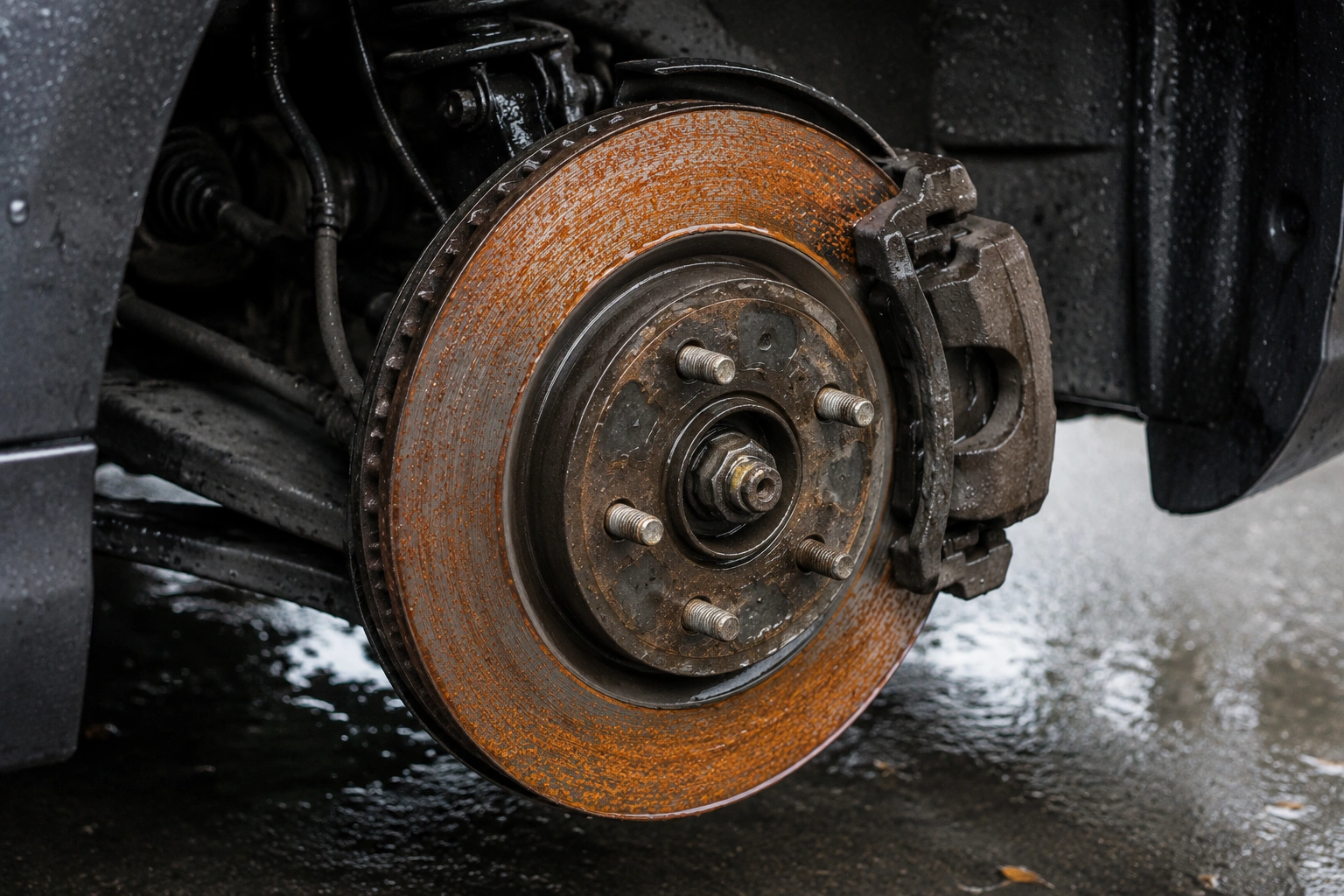
Moisture and corrosion can affect the piston, slide pins, and other hardware. Corrosion can restrict movement and eventually cause the caliper to seize.
Seized Slide Pins
Many floating calipers rely on slide pins to move properly. If these pins become contaminated, dry, or corroded, the caliper may not move freely. This can cause uneven pressure on the brake pads and accelerate wear.
Damaged Piston Seal
The piston seal helps maintain hydraulic pressure and protects the piston from contamination. If the seal becomes damaged or deteriorated, piston movement can be affected.
Damaged Brake Hose
An internally damaged brake hose can sometimes restrict the return of brake fluid pressure. This can leave pressure applied to the caliper even after the driver releases the brake pedal.
Worn Brake Hardware
Clips, brackets, and other brake hardware can interfere with proper pad movement when they're damaged, corroded, or incorrectly installed.
Neglected Brake Maintenance
Old brake fluid, worn pads, neglected hardware, and delayed inspections can contribute to brake-system problems over time. Regular inspections can help identify these issues before they develop into more serious repairs.
Why Los Angeles Driving Can Make the Problem Worse
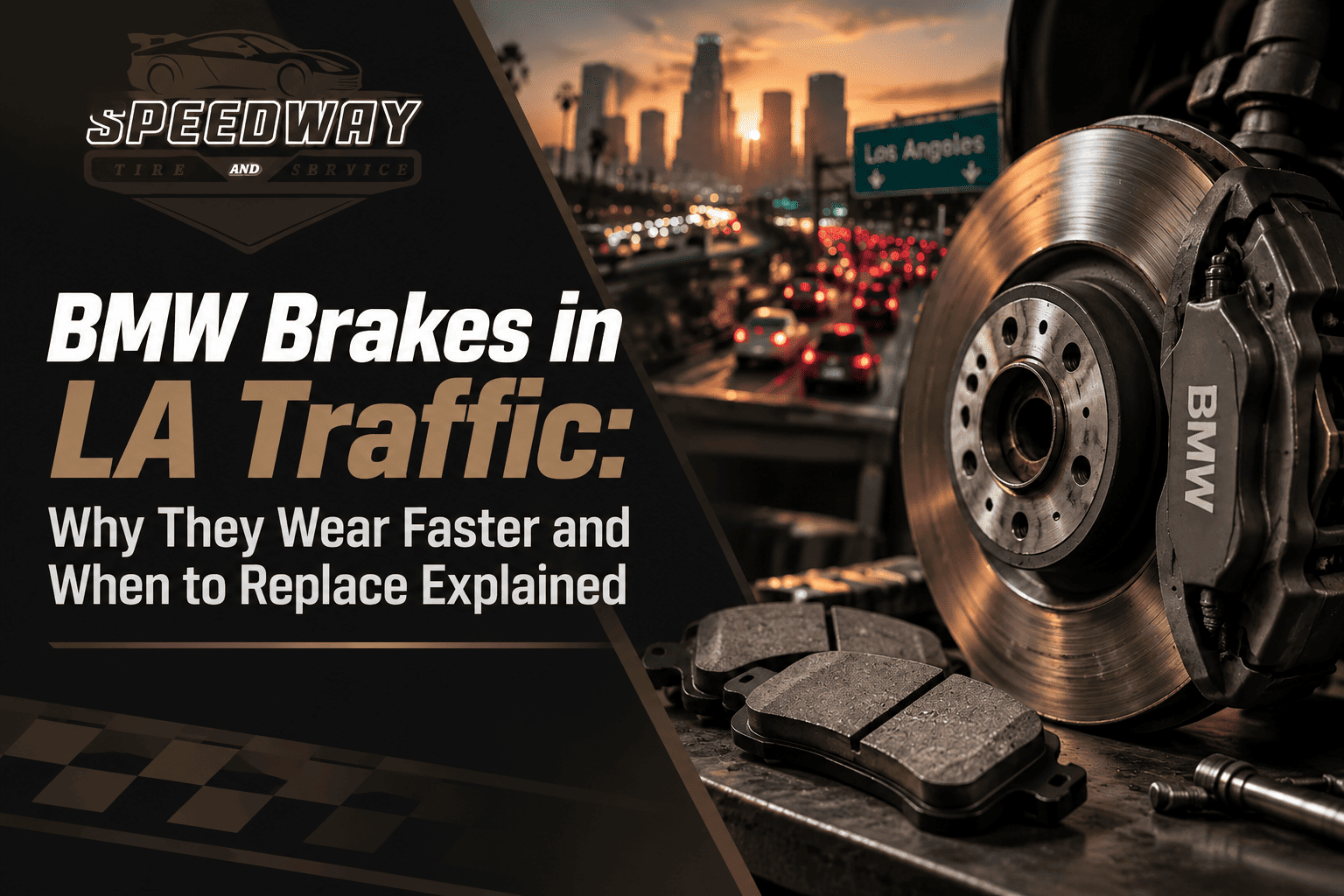
Los Angeles driving can put frequent demands on the braking system. Stop-and-go traffic means repeated brake applications, while hills require additional braking when traveling downhill. This matters because a brake that is already dragging can generate even more heat when the vehicle continues to encounter repeated braking situations.
If you regularly drive through hilly areas such as Silver Lake, the condition of your brake system becomes especially important. Speedway brake services highlights the additional demands that local hills can place on braking components.
Is a Stuck Brake Caliper Dangerous?
Yes. Continuing to drive with a stuck brake caliper can create several problems beyond premature pad wear. Excessive heat can affect the brake pad, rotor, caliper, and other nearby components. Uneven braking can also affect vehicle stability, particularly during emergency stops.
Potential consequences include:
- Uneven braking
- Brake fade from excessive heat
- Premature pad and rotor wear
- Increased fuel consumption
- Damage to additional brake components
- Reduced braking performance
If the vehicle is pulling severely, producing smoke, or generating an intense burning smell from one wheel, it's better to stop driving and arrange for an inspection.
Can You Drive With a Stuck Brake Caliper?
It's generally not a problem you should continue driving on. A mildly dragging brake may allow the vehicle to move normally at first, but the heat and friction can increase as you drive. If you notice a severely overheated wheel, smoke, strong burning odor, significant pulling, or changes in braking performance, don't attempt to complete a long drive just to reach a repair shop. The safest option may be professional assistance or towing.
How Is a Stuck Brake Caliper Diagnosed?
A proper inspection should determine why the brake is staying engaged rather than simply replacing the caliper immediately.
A technician may check:
- Brake-pad thickness
- Rotor condition
- Caliper piston movement
- Slide pins
- Brake hose
- Brake fluid
- Brake hardware
- Wheel temperature
- Uneven wear patterns
The technician may also compare the affected wheel with the opposite side to identify abnormal heat or movement. Speedway's brake inspection covers components including pads, rotors, drums, fluid, hoses, lines, and ABS-related systems.
Does Every Stuck Caliper Need to Be Replaced?
Not necessarily. The correct repair depends on what's actually causing the problem. For example, a caliper with contaminated or seized slide pins may require different work from one with a severely damaged piston or extensive corrosion. In some cases, cleaning, lubricating, or replacing specific components may resolve the problem. A badly damaged or seized caliper may need complete replacement. If excessive heat has already damaged the rotor or brake pads, those components may also need to be replaced.
Brake Caliper Replacement Cost in Los Angeles
The stuck brake caliper repair cost can vary considerably depending on the vehicle and the extent of the damage.
Factors that can affect the final price include:
- Vehicle make and model
- Caliper type
- Parts quality
- Labor time
- Brake-pad condition
- Rotor condition
- Brake-fluid service
- Additional diagnostic work
A basic caliper replacement is very different from a repair that also requires new pads and rotors. Rather than focusing only on the price of the caliper itself, ask for a complete estimate showing the parts and labor included.
What Happens If You Only Replace the Brake Pads?
Replacing the pads without diagnosing the cause of uneven wear can allow the problem to return. For example, if a seized slide pin is causing one pad to wear faster, installing a new pad without addressing the seized component doesn't solve the underlying issue. That's why unusual or uneven brake wear should be investigated before new parts are installed.
When Should You Get a Brake Inspection?
You should arrange an inspection if you notice:
- Your vehicle pulling when braking
- One wheel becoming unusually hot
- Burning brake odor
- Uneven brake-pad wear
- Persistent squealing or grinding
- Reduced fuel economy
- A feeling that the vehicle is dragging
- Changes in brake-pedal behavior
Early diagnosis can prevent a relatively contained brake problem from damaging additional components.
Keep Brake Problems From Becoming Bigger Repairs
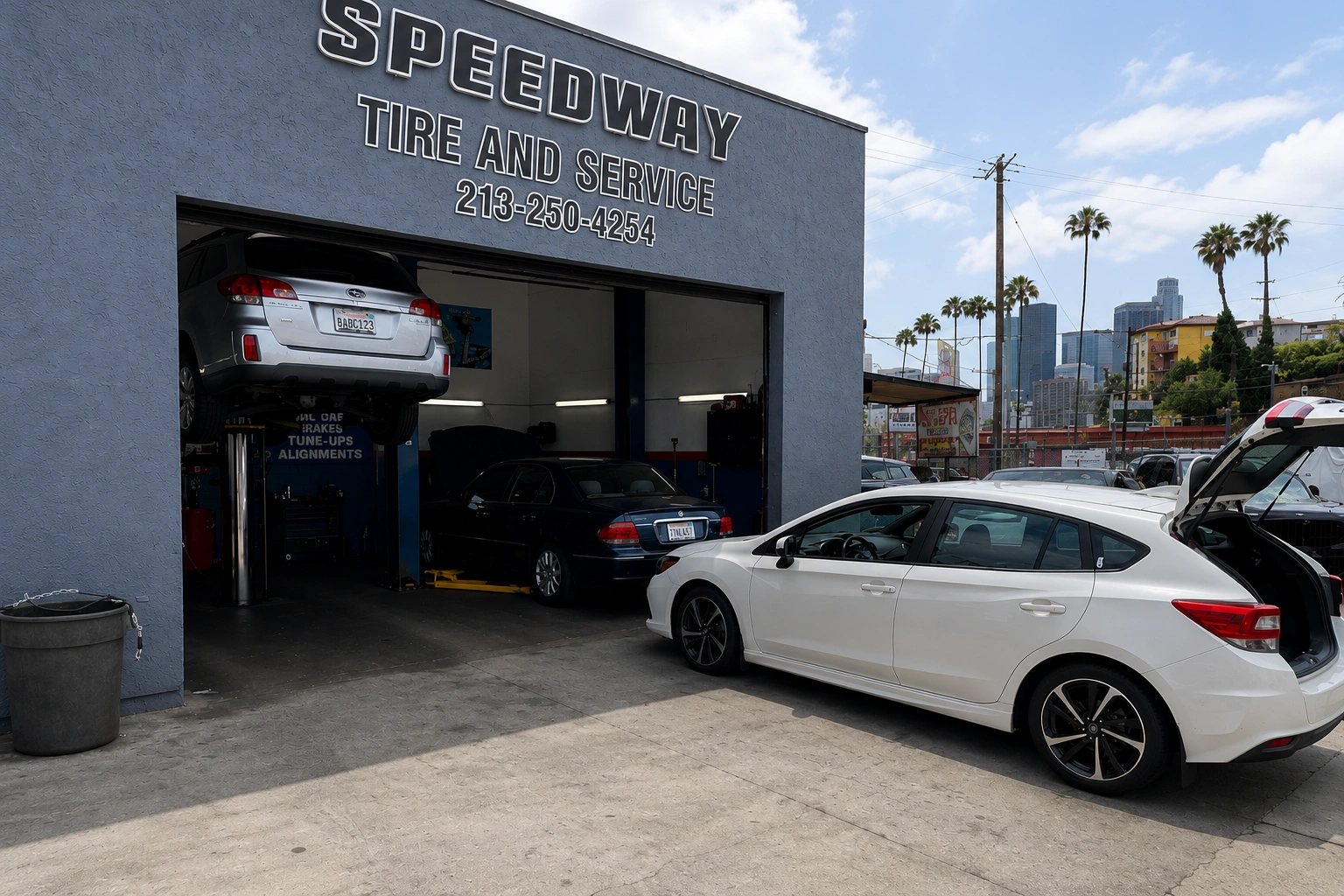
A stuck brake caliper shouldn't be treated as a minor noise or maintenance issue. The longer a dragging brake remains in service, the more heat and friction it can create. For Los Angeles drivers, addressing the problem early can help protect the brake pads, rotors, tires, and other components while maintaining predictable braking performance, contact Speedway Tire & Service to schedule a brake inspection.
Frequently Asked Questions About Stuck Brake Calipers
What causes a brake caliper to stick?
Common causes include corrosion, seized slide pins, damaged piston seals, brake-hose problems, worn hardware, and neglected brake maintenance. The exact cause should be confirmed through an inspection.
How do I know if my brake caliper is stuck?
A stuck brake caliper can cause the vehicle to pull during braking, produce a burning smell, create unusual brake noise, cause one wheel to become hotter than the others, or result in uneven pad wear.
Can I drive with a seized brake caliper?
Driving with a seized brake caliper isn't recommended because continued friction can generate excessive heat and reduce braking performance. If you notice smoke, severe pulling, or a strong burning odor, stop driving when safe and have the vehicle inspected.
How much does a brake caliper replacement cost in Los Angeles?
The cost depends on the vehicle, parts, labor, and whether the pads or rotors also need replacement. A repair estimate should show exactly which components are being replaced and what labor is included.
Can a sticking brake caliper be repaired?
Sometimes. If the problem involves slide pins or certain hardware, servicing those components may resolve the issue. A severely corroded or damaged caliper may require replacement.
Should brake calipers be replaced in pairs?
It depends on the vehicle and the condition of the calipers. A technician should inspect both sides and determine whether replacing one caliper or both is appropriate.
Looking for an honest Auto Repair Shop in Los Angeles? Call Speedway Tire and Service Today
Whether you’re driving through LA traffic or cruising the freeways, your car deserves expert care. Located in Los Angeles, Speedway Tire and Service offers reliable oil changes, brake repairs, tire services, and more—all backed by experienced technicians and honest pricing.