Failed Your Smog Check Top Causes and Fixes for LA Drivers
Failing a smog check is frustrating, especially for Los Angeles drivers who rely on clean emissions results to keep their vehicles compliant. Understanding common smog check failure causes can help you identify what went wrong and choose the correct repair instead of replacing parts based on guesswork.
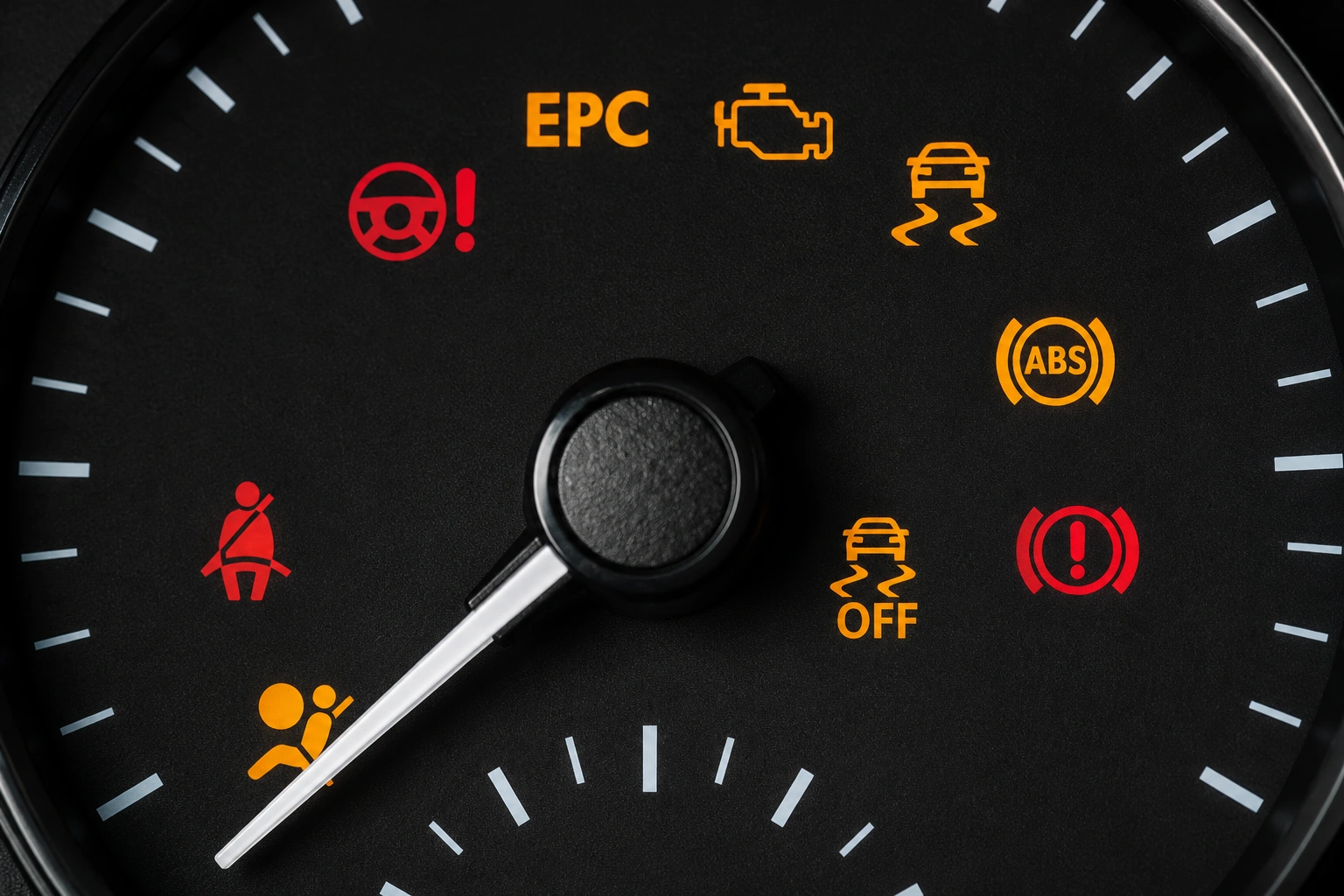
Common causes include an EVAP leak, a faulty oxygen sensor, incomplete readiness monitors, engine misfires, a restricted air filter, or poor catalytic-converter efficiency. A diagnostic inspection should begin with the vehicle’s test report and current warning lights.
Why Vehicles Fail Smog Checks in Los Angeles
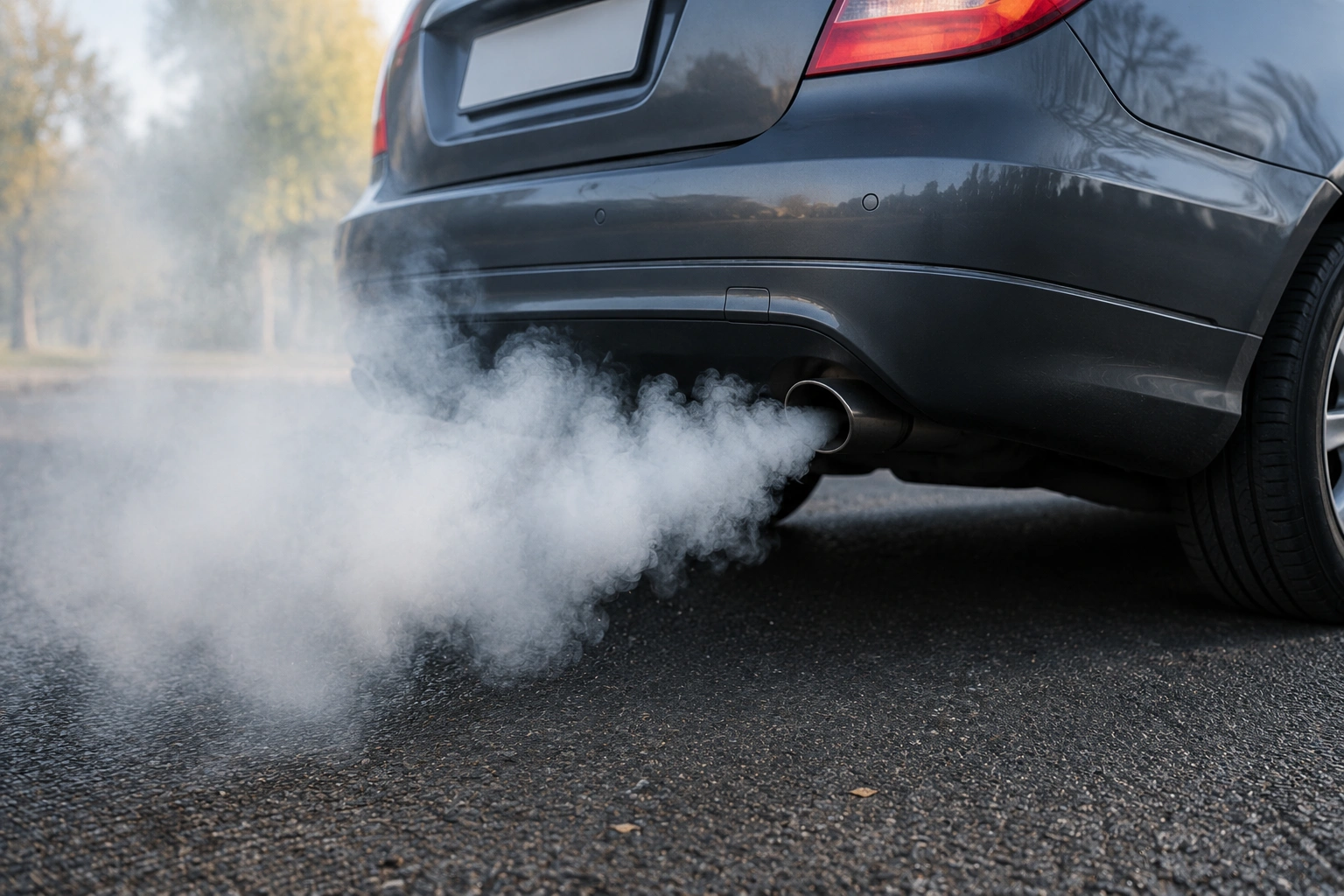
Modern vehicles use sensors, valves, fuel controls, and exhaust-treatment components to manage combustion and reduce emissions. When one of these systems malfunctions, emissions may rise or the vehicle computer may report a fault that prevents a passing result.
California emissions requirements are strict, so a small problem can matter. Do not clear codes immediately before testing because that may reset readiness monitors and leave the vehicle unable to complete the inspection.
EVAP Leaks
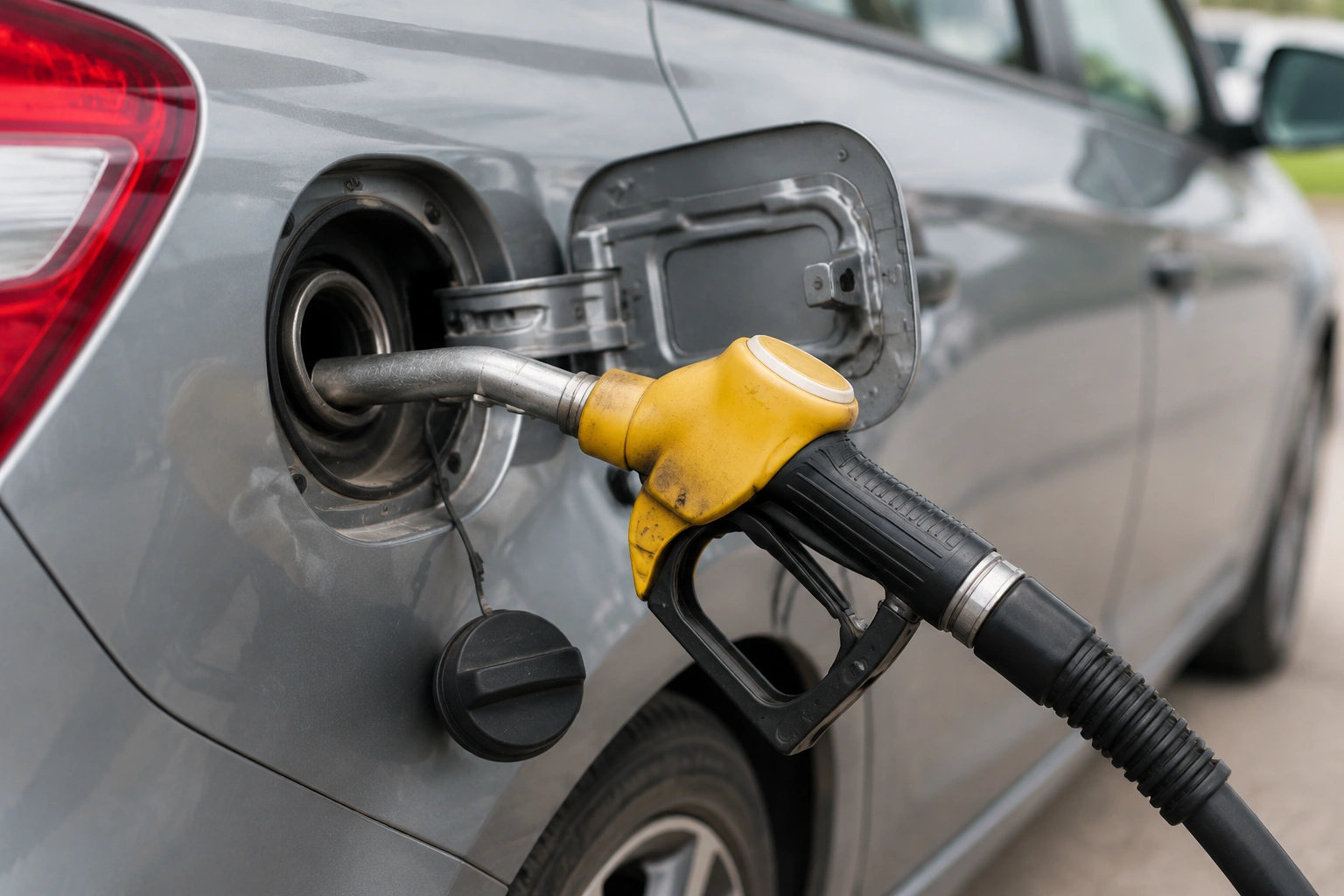
The evaporative-emissions system captures fuel vapors so they do not escape into the atmosphere. A small leak can trigger a check-engine light and cause a smog failure.
Possible causes include a loose or damaged gas cap, cracked vapor hose, leaking seal, faulty purge valve, or vent-valve problem. Technicians may use scan data and smoke testing to locate a leak.
Faulty Oxygen Sensors
Oxygen sensors monitor the exhaust and help the engine computer adjust the fuel mixture. A slow or inaccurate sensor may cause the engine to run too rich or too lean, increasing emissions and reducing fuel economy.
Common symptoms include rough idle, poor fuel economy, a check-engine light, hesitation, or a strong exhaust odor. A diagnostic test should confirm the sensor or circuit problem before replacement.
Catalytic Converter Efficiency Problems
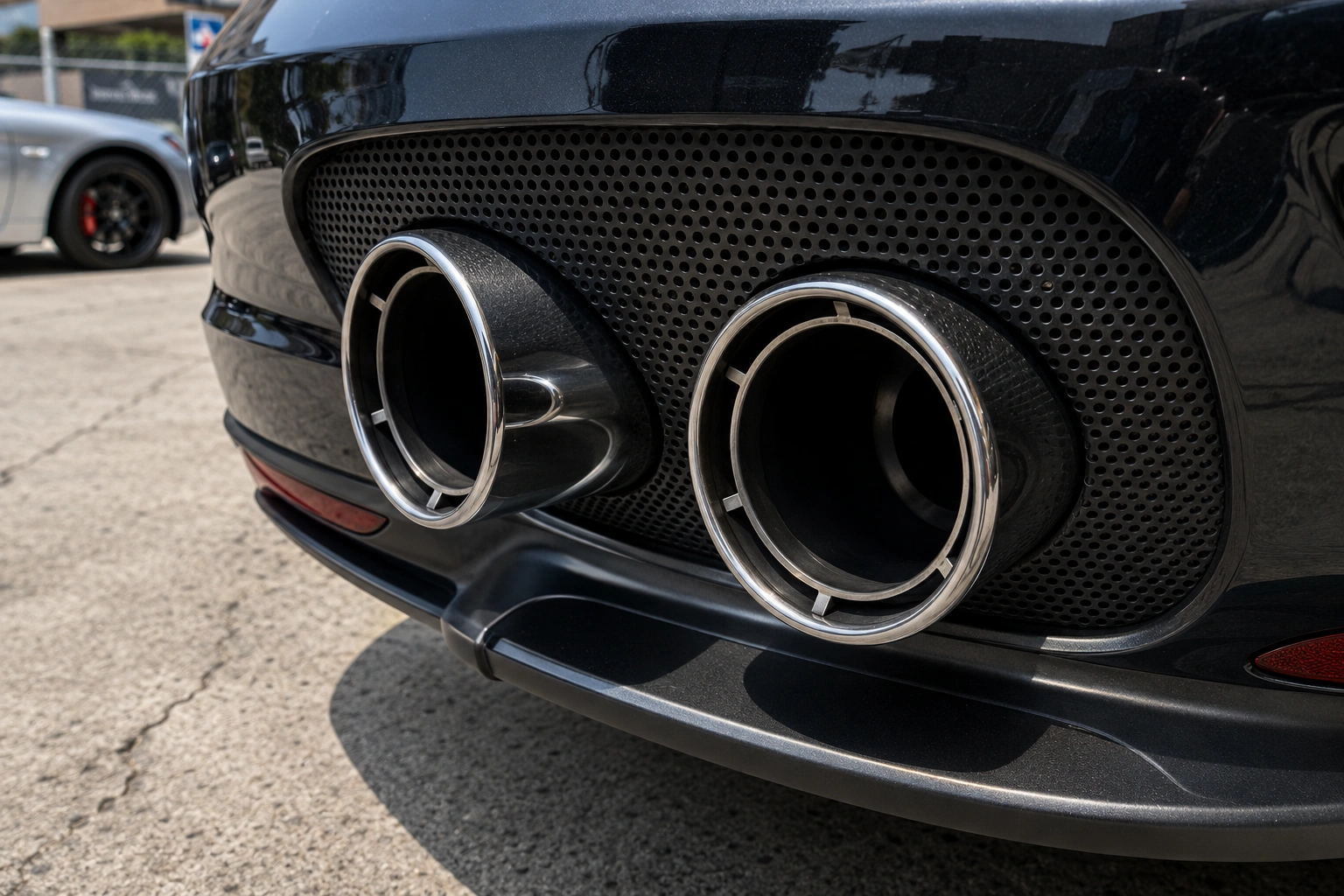
The catalytic converter treats exhaust gases and converts pollutants into less harmful compounds. Low efficiency may result from an aging converter, engine misfires, coolant or oil contamination, exhaust leaks, or unburned fuel entering the exhaust.
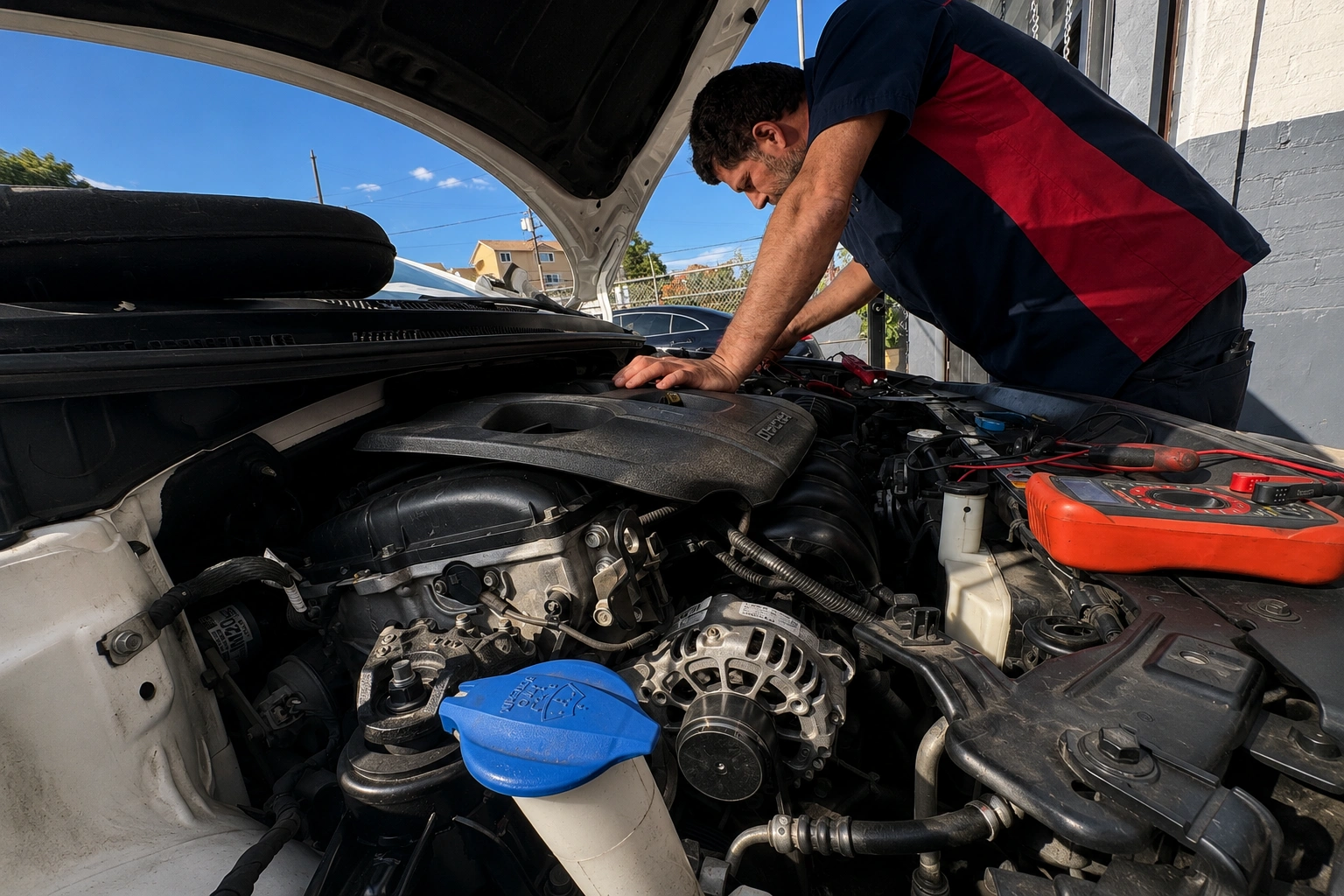
Replacing a converter without repairing the cause can lead to another failure. A complete engine and emissions diagnostic can evaluate fuel trims, misfires, sensor data, exhaust leaks, and catalytic performance.
Incomplete Readiness Monitors
Readiness monitors are self-checks performed by the vehicle computer. They may be incomplete after a battery disconnect, code clearing, recent repair, or extended time with a dead battery.
A vehicle may fail or receive an incomplete result even when the check-engine light is off. The required drive cycle varies by vehicle, so follow the manufacturer’s procedure and confirm monitor status before returning for a retest.
Misfires and Poor Combustion
Misfires send unburned fuel into the exhaust and can damage the catalytic converter if ignored. Causes may include worn spark plugs, ignition-coil problems, vacuum leaks, fuel-delivery issues, compression problems, or incorrect fuel trims.
Do not continue driving with a flashing check-engine light. If the vehicle also has starting trouble, review this guide to battery, starter, and alternator symptoms and arrange a complete diagnosis.
Dirty or Restricted Air Filters
A heavily restricted air filter can reduce airflow and affect the fuel mixture. It is a relatively simple maintenance item, but it should be checked alongside sensors, fuel trims, ignition, and intake leaks when emissions are high.
An oil change and maintenance inspection provides an opportunity to review filters, fluid levels, belts, hoses, warning lights, and other conditions that may affect emissions and reliability.
Battery Disconnects and Recent Repairs
Disconnecting the battery or clearing diagnostic codes can erase readiness-monitor data. The car may need a specific combination of cold starts, highway driving, stop-and-go operation, and fuel-level conditions before the monitors become ready.
Hybrid vehicles may require additional system checks. This guide to hybrid maintenance in Silver Lake explains how engine, battery, inverter, and regenerative systems differ from those in a conventional gas car.
How to Fix a Failed Smog Check
- Review the official smog-test report and diagnostic codes.
- Confirm whether the failure involves emissions levels, readiness monitors, or visible equipment.
- Diagnose the specific EVAP, oxygen-sensor, misfire, fuel, intake, exhaust, or catalytic issue.
- Repair the root cause rather than replacing unrelated parts.
- Drive the vehicle as required to complete readiness monitors.
- Confirm the check-engine light remains off and monitors are ready.
- Return for a retest when the vehicle is prepared.
If a vehicle overheats, has a coolant leak, or runs excessively hot, the problem can affect combustion and emissions. Review these Los Angeles overheating warning signs and repair the cooling-system issue before retesting.
Warning Signs That Need Prompt Diagnosis
- Check-engine light, especially when flashing.
- Rough idle or engine misfire.
- Reduced fuel economy.
- Strong fuel or exhaust odor.
- Hesitation or poor acceleration.
- Difficulty starting.
- Overheating or unusual coolant loss.
- Repeated readiness-monitor resets.
A burning smell may indicate an emissions, engine, brake, electrical, or fluid problem. This guide to burning smells while driving in DTLA explains why the source should be identified promptly.
Frequently Asked Questions
What is the most common reason for failing a smog check?
Common causes include EVAP leaks, oxygen-sensor faults, misfires, catalytic-converter inefficiency, high emissions, and incomplete readiness monitors. The official test report is needed to identify the actual issue.
Can I pass smog after clearing the check-engine light?
Usually not immediately. Clearing codes can reset readiness monitors, and the vehicle may need a specified drive cycle before it is ready for testing.
Will a new gas cap fix a failed smog check?
A damaged or loose gas cap can cause an EVAP leak, but a new cap will not fix every EVAP fault. The system should be tested if the warning remains.
Can low battery voltage affect a smog check?
Yes. A battery disconnect or low-voltage event can reset readiness monitors. Battery condition and charging performance may need inspection if the vehicle has starting or electrical symptoms.
Can I drive with a flashing check-engine light?
A flashing light may indicate an active misfire that can damage the catalytic converter. Reduce driving and arrange prompt diagnosis.
Get Ready for a Smog Retest
A failed smog check does not have to be overwhelming. The most effective approach is to use the test report, diagnose the specific cause, repair the underlying issue, complete the required drive cycle, and verify readiness before retesting.
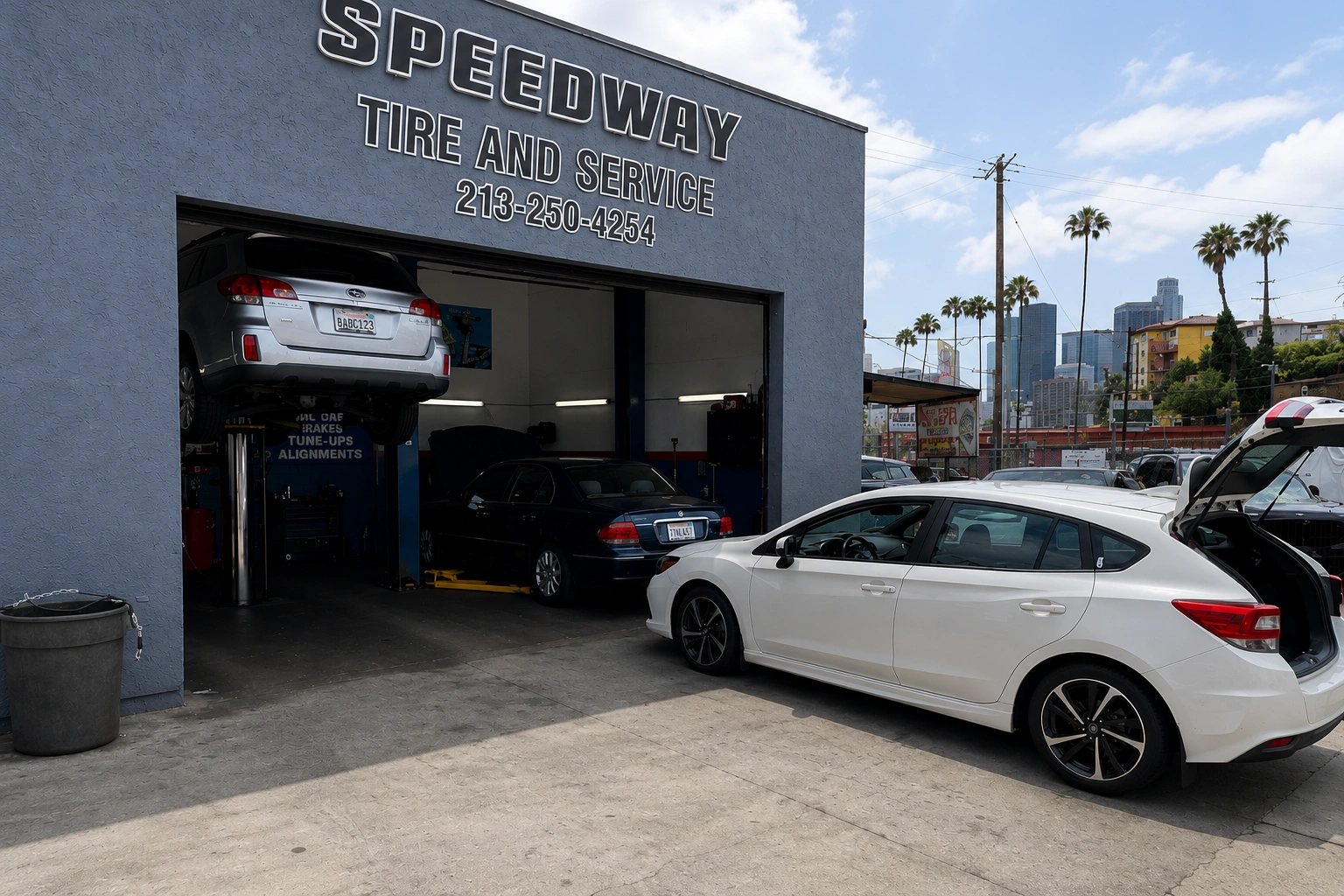
Need help after a failed smog check? Speedway Tire & Service can inspect emissions-related symptoms, diagnose warning lights, and explain the repair needed for your vehicle.
Visit Us: 1165 West Sunset Blvd, Los Angeles, CA 90012
Call Now: (213) 250-4254
Looking for an Honest Auto Repair Shop in Los Angeles? Call Speedway Tire and Service Today
Whether you are driving through LA traffic or cruising the freeways, your car deserves expert care. Located in Los Angeles, Speedway Tire and Service offers reliable oil changes, brake repairs, tire services, and more, backed by experienced technicians and honest pricing.
Looking for an honest Auto Repair Shop in Los Angeles? Call Speedway Tire and Service Today
Whether you’re driving through LA traffic or cruising the freeways, your car deserves expert care. Located in Los Angeles, Speedway Tire and Service offers reliable oil changes, brake repairs, tire services, and more—all backed by experienced technicians and honest pricing.