Overheating in Los Angeles Traffic? 9 Cooling-System Checks Before You Damage the Engine
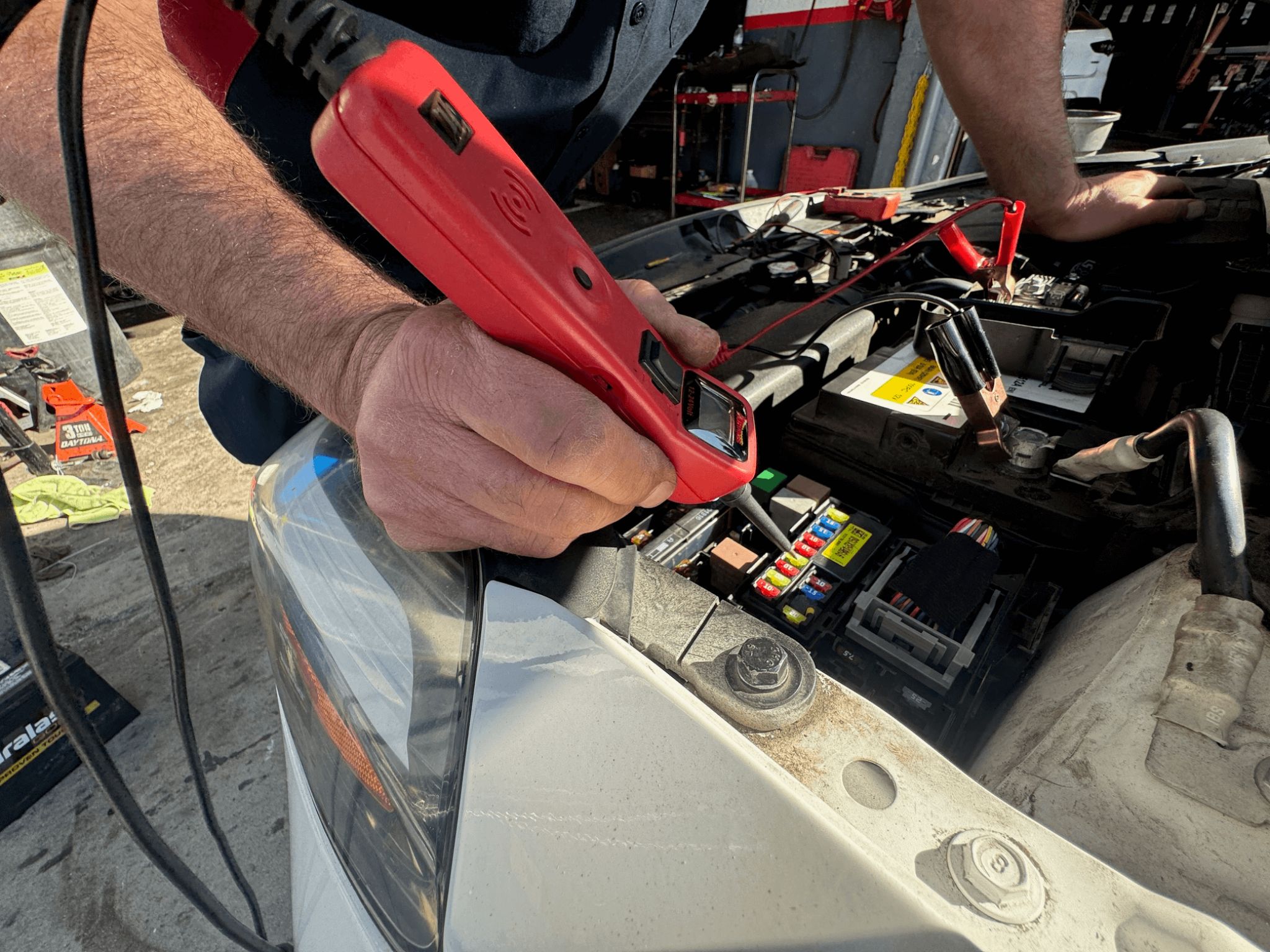
If you’ve ever watched your temperature gauge climb while crawling on the 101, 110, or Sunset Blvd, you already know how quickly overheating in Los Angeles traffic can turn a normal commute into a roadside problem.
Here’s the good news: most overheating issues don’t “come out of nowhere.” Your car usually gives warnings—small leaks, weak airflow, a tired radiator cap, or coolant that’s past its prime. The key is knowing what to check before that heat spike becomes a blown hose, warped head, or expensive engine repair.
Below are 9 cooling-system checks (the same areas technicians inspect) that help you prevent engine damage—especially with LA’s stop-and-go driving, steep neighborhood streets, and long idle times at lights.
First: What counts as “overheating” (and what doesn’t)
Your engine is designed to run hot—but within a controlled range. You may be dealing with a real overheating issue if you notice:
-
Temperature gauge climbing above normal
-
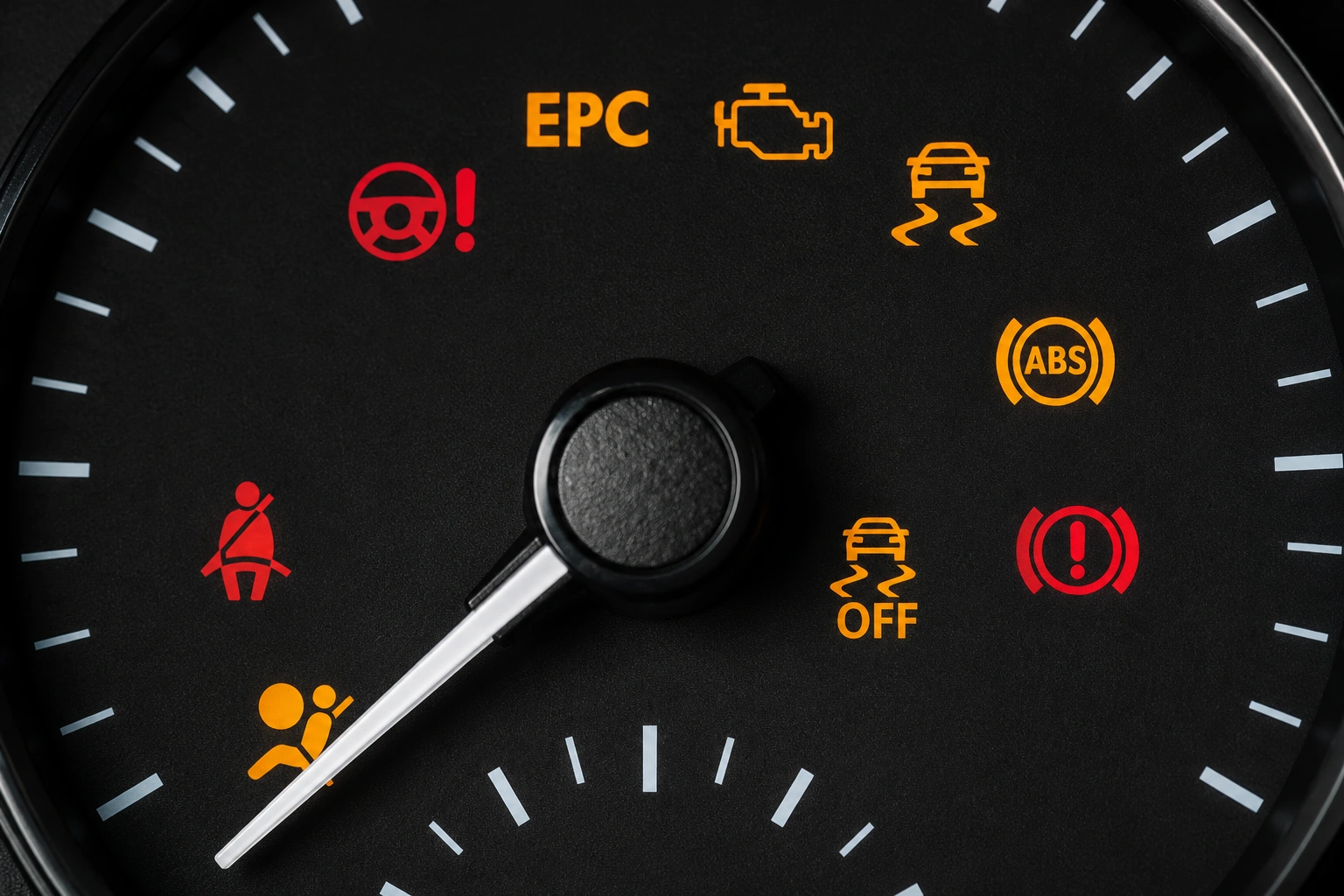
Warning light for engine temperature
-
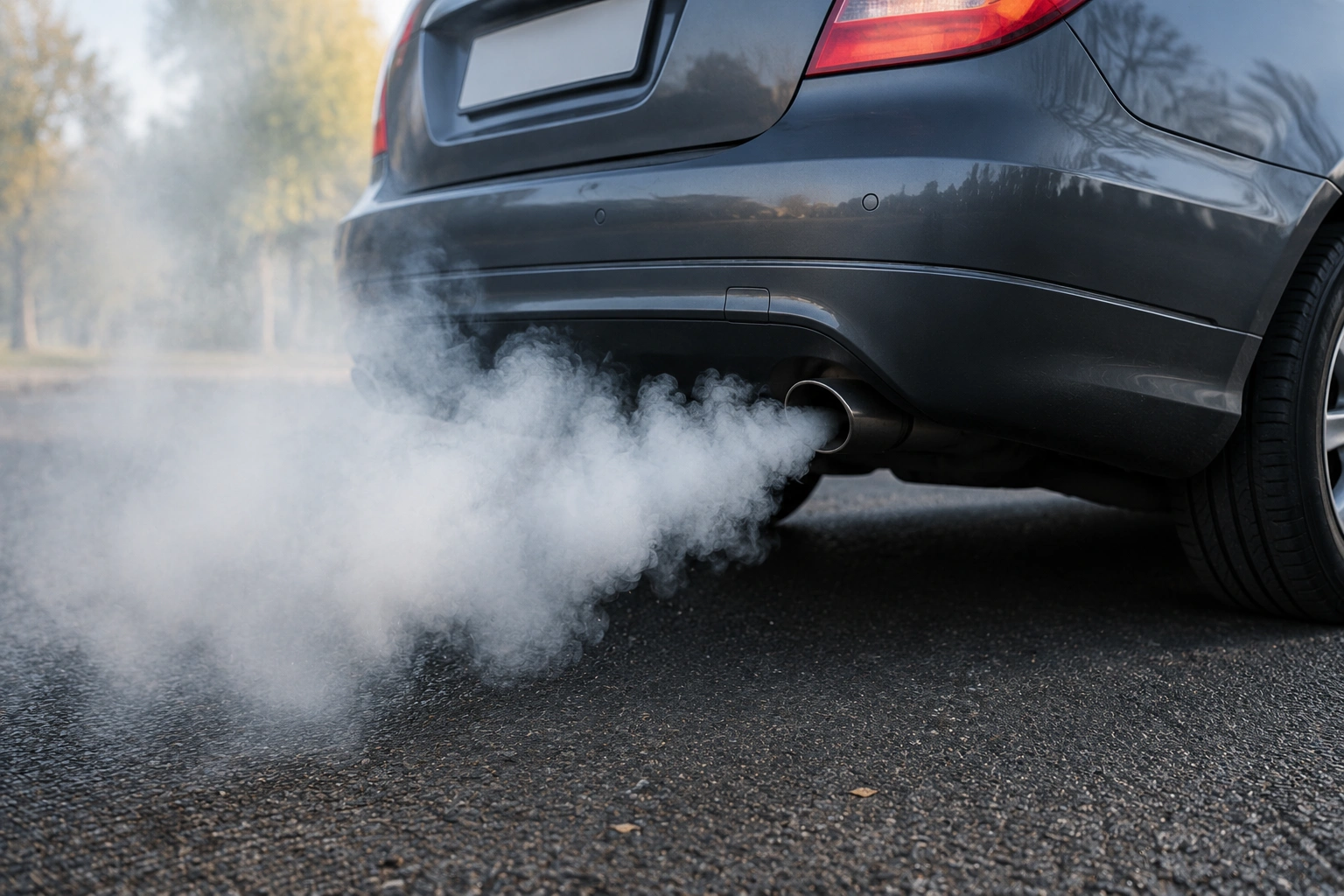
Steam from the hood
-
Sweet smell (coolant)
-
Heater suddenly blowing cold air (sometimes a low-coolant sign)
If your gauge is just a little higher than usual on a hill but drops quickly once you’re moving again, it’s still worth inspecting—because that’s often how overheating starts.
What to do right now if your car starts overheating
If your gauge shoots up or you see steam:
-
Safely pull over as soon as you can.
-
Turn off the A/C. If needed to reduce heat load, turn the heater on briefly.
-
Shut the engine off and let it cool.
-
Do not open the radiator cap while hot (serious burn risk).
-
If you’re unsure, follow AAA’s guidance on what to do when a car overheats.
Once you’re safe, the real question becomes: why did it happen? That’s where the 9 checks below come in.
9 cooling-system checks that prevent overheating (especially in LA traffic)
1) Coolant level (in the reservoir) + “empty but no puddle” clue
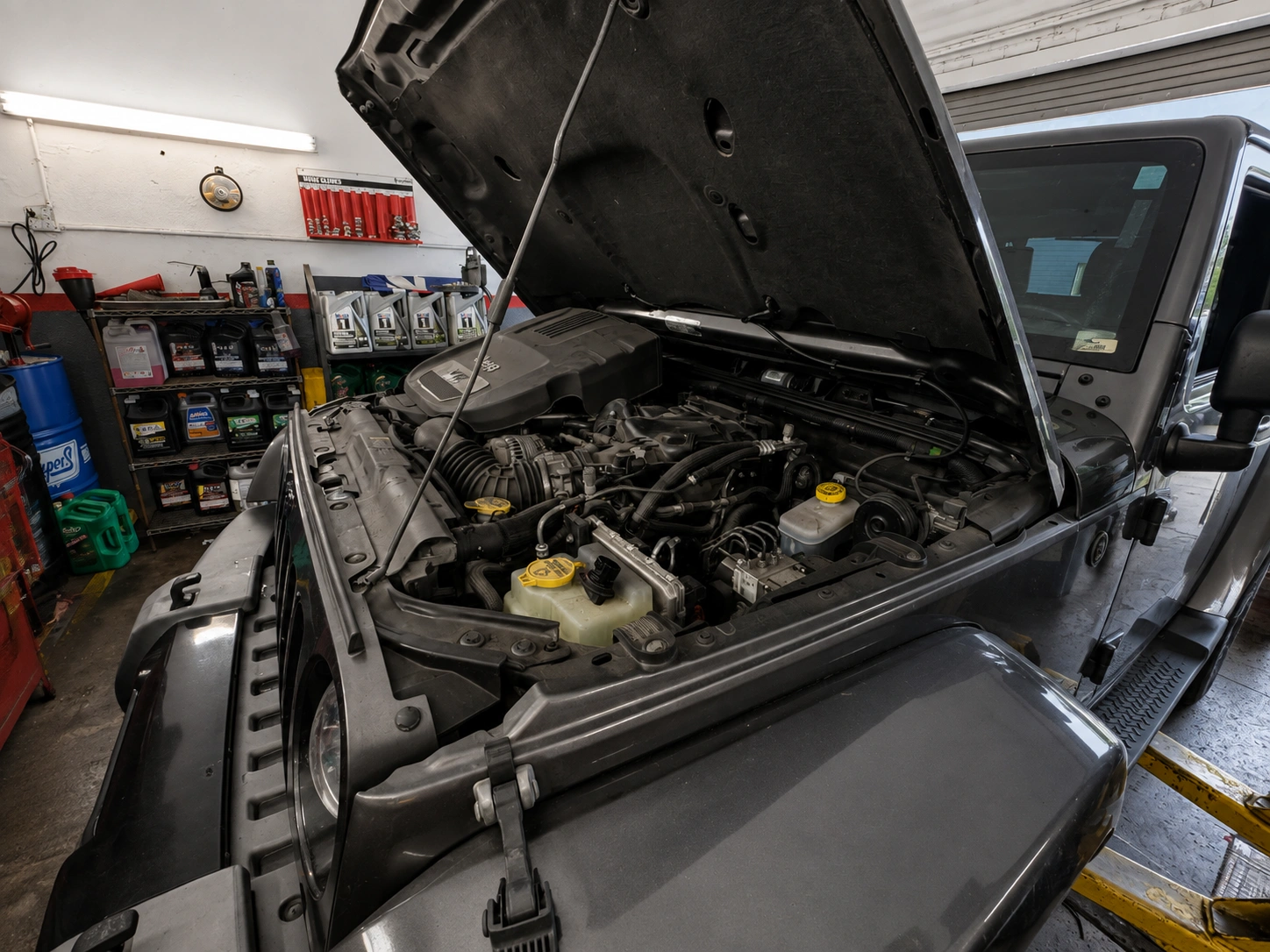
Start simple: check the coolant level in the plastic overflow reservoir when the engine is cool.
-
Low reservoir level often means a leak (or gradual loss over time).
-
If it’s consistently low but you don’t see a puddle, you could have a slow leak, evaporation, or a pressure issue.
Pro tip: If you keep topping off and it keeps dropping, don’t ignore it—small leaks become big failures fast in stop-and-go heat.
2) Coolant condition (color + contamination)
Coolant isn’t “forever fluid.” Over time it breaks down, loses corrosion protection, and can contribute to overheating.
Look for:
-
Rusty or muddy color
-
Oily film
-
Floating debris
If coolant is old or contaminated, you’re risking restricted flow through the radiator and engine passages. In many cases, a flush and refill is the preventative move (especially before warmer months).
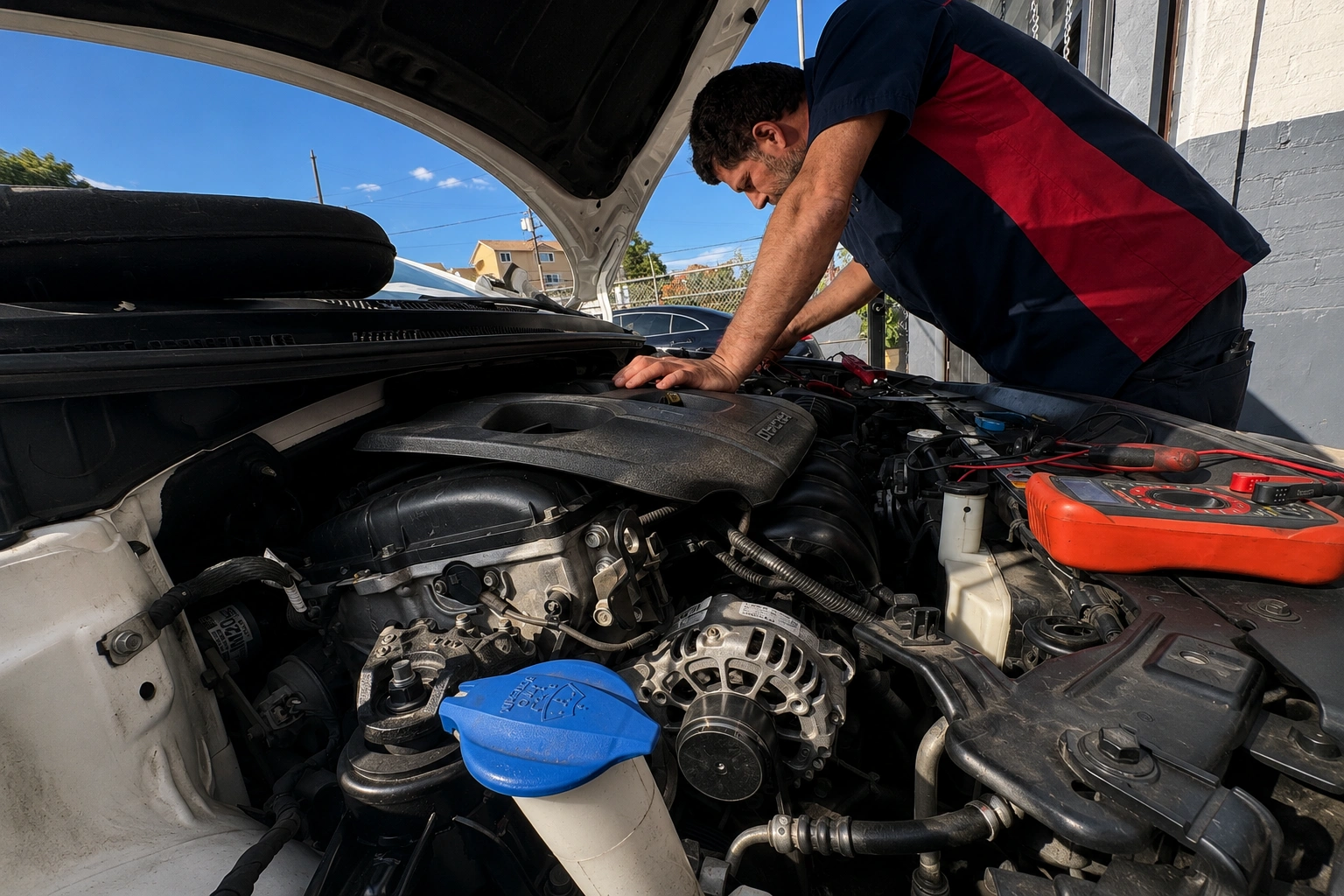
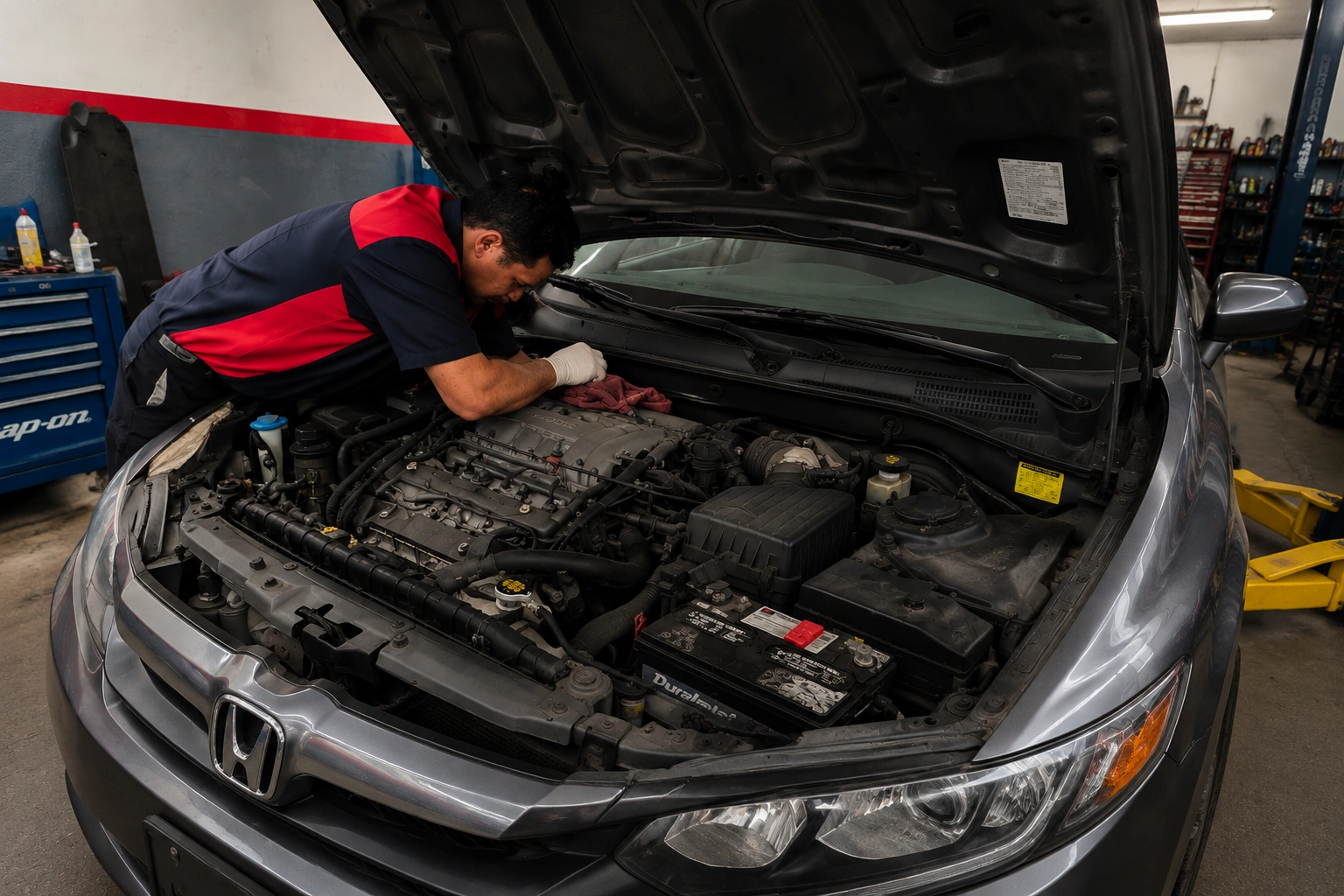
If you want a full inspection tied to real diagnostic testing, book a check through engine diagnostics and repairs so the root cause is found—not just the symptom.
3) Radiator cap (it’s a pressure control device—not “just a cap”)
A weak radiator cap can cause overheating even if everything else looks fine.
Why? Cooling systems rely on pressure to raise the boiling point of coolant. If the cap can’t hold pressure:
-
Coolant can boil sooner
-
You can lose coolant into the overflow
-
The engine runs hotter in traffic and at idle
This is one of the most overlooked causes of overheating in Los Angeles traffic, because it often happens only when you’re stuck idling.
4) Hoses + clamps (soft spots, cracks, swelling)
Cooling system hoses work hard in LA: heat cycles, long idle, and freeway runs all stress rubber.
Check:
-
Soft spots when squeezed (once cool)
-
Cracks near the ends
-
Swelling or bulging
-
Crusty residue near clamps (dried coolant)
A hose can look “fine” until it fails under pressure. Replacing a tired hose early is far cheaper than towing and engine overheating damage.
5) Radiator airflow + blocked fins (the outside matters too)
Your radiator needs airflow to shed heat. In traffic, airflow is already limited—so any restriction hurts.
Inspect the front of the radiator (and A/C condenser):
-
Leaves, plastic bags, grime, road debris
-
Bent fins restricting air passage
Even moderate blockage can push temperatures up during slow driving or long lights. This is a common “LA symptom”: fine on freeway speeds, overheats when creeping.
6) Cooling fans (fan motor, fan relays, or fan control issues)
In LA traffic, your fans do most of the work—because you’re not getting strong natural airflow.
If the engine overheats mainly at idle or low speed, suspect fans. Signs include:
-
Fans not running when the gauge rises
-
Fans running inconsistently
-
A/C performance dropping when stopped
Fan issues are a top reason people overheat in parking lots and at lights.
7) Thermostat (stuck closed, stuck partially, or reacting too slowly)
The thermostat regulates coolant flow. If it sticks closed (or opens too late), temps rise quickly—especially on hills or during long idle.
Common clues:
-
Temperature spikes suddenly instead of gradually
-
Heat in cabin changes unpredictably
-
Overheats and then drops again (intermittent sticking)
This isn’t a part you want to “wait and see” on—thermostat failures can escalate fast.
8) Water pump performance (flow + seepage)
The water pump circulates coolant through the engine and radiator. If it’s weak or leaking, you may see:
-
Coolant loss near the front of the engine
-
Whining noise (bearing)
-
Overheating at higher load (hills, accelerating, long drives)
A failing water pump often starts subtle—then becomes catastrophic when it finally gives out.
9) Belt condition + tension (the hidden overheating trigger)
Many vehicles rely on a belt to drive the water pump. If the belt is:
-
Worn
-
Cracked
-
Slipping
-
Under-tensioned
…the pump may not spin fast enough, especially under load. That can cause overheating that seems “random,” but is actually mechanical.
And because belts also affect other systems, it’s smart to combine this with routine maintenance like a professional oil change with a multi-point inspection so small issues are caught early.
LA driving habits that quietly increase overheating risk
Even a healthy cooling system gets stressed by:
-
Long idle with A/C blasting
-
Stop-and-go for extended periods
-
Steep streets + low-speed climbs
-
Underinflated tires (more rolling resistance = more load/heat)
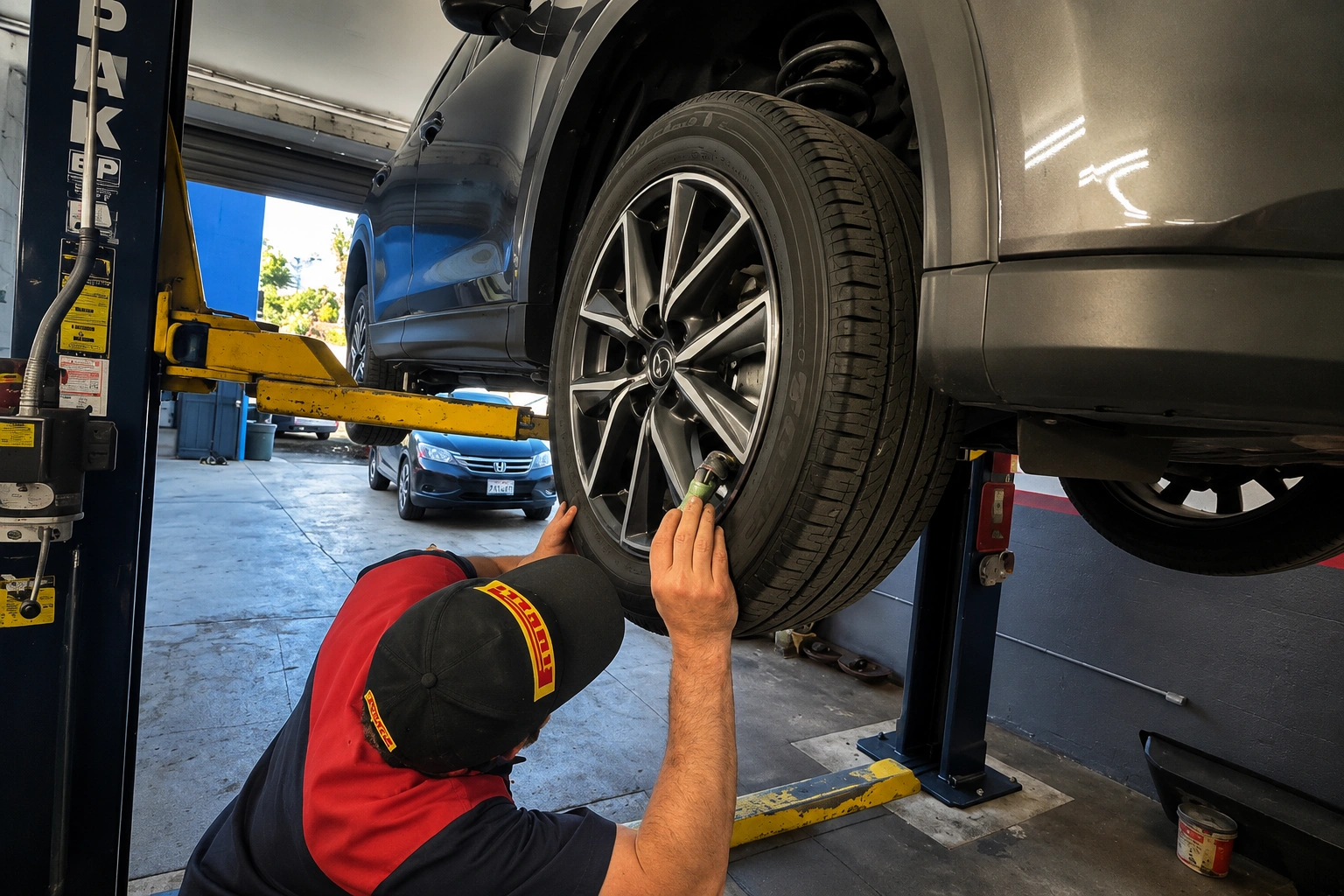
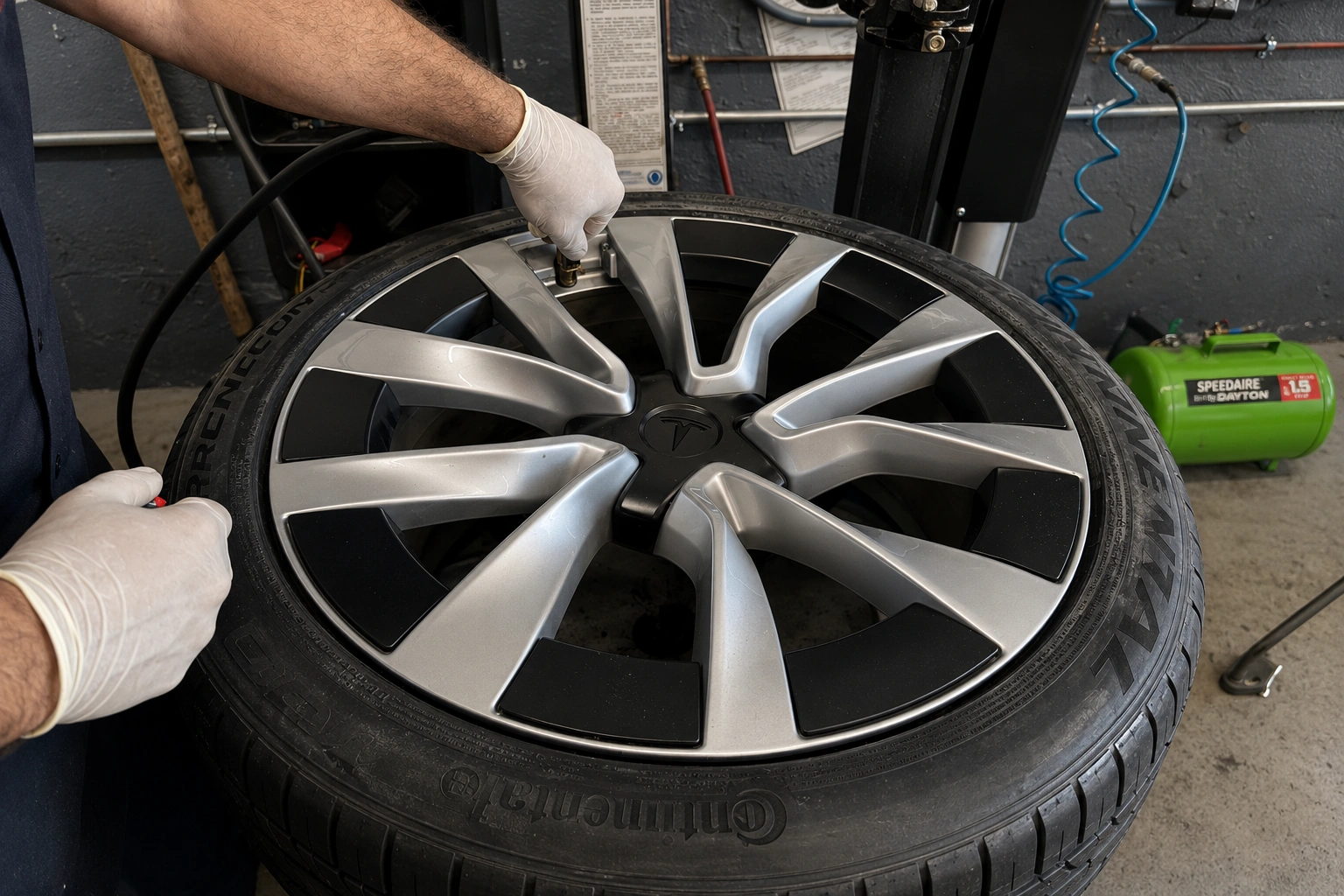
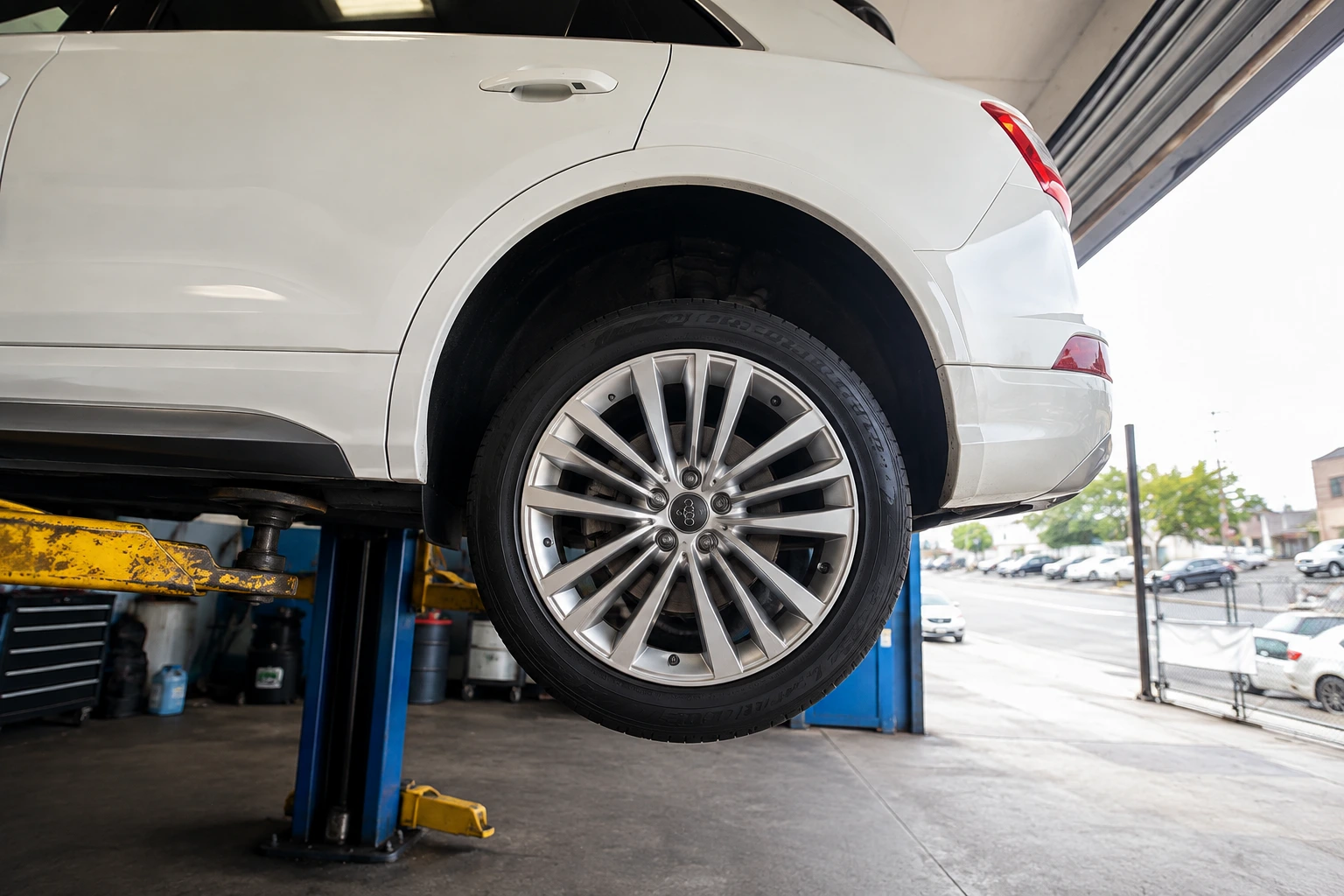
If you’re prepping for a road trip or just want the safest daily commute, make sure your tires are in good shape too—start with a quick check through tire service in Los Angeles (pressure, condition, and overall safety).
When to stop driving immediately (no “one more mile”)
Stop and get the car checked if you notice:
-
Steam from hood
-
Temperature gauge entering red zone
-
Coolant smell + rising gauge
-
Repeated overheating episodes
Driving while overheated can warp components and lead to major engine damage.
If you want the fastest path to a clear answer, schedule a cooling system inspection and diagnostic evaluation through contacting our shop—especially if overheating happens at idle or only in traffic.
Quick FAQ
Can I just add water if coolant is low?
In an emergency, a small amount of water can help temporarily—but it’s not a fix. You still need to identify the leak and restore proper coolant mix.
Why does my car overheat only in traffic but not on the freeway?
That pattern often points to cooling fans, airflow restriction, or a pressure issue (like a weak radiator cap).
Is it safe to open the radiator cap when the engine is hot?
No. Hot coolant under pressure can cause severe burns. Always let the engine cool fully first.
Final takeaway
If you’re dealing with overheating in Los Angeles traffic, don’t treat it like a one-time fluke. It’s usually a warning that one of these 9 areas is failing—coolant level/condition, cap pressure, hoses, airflow, fans, thermostat, water pump, or belts.
Catching it early can mean a small repair instead of major engine damage.
Looking for an honest Auto Repair Shop in Los Angeles? Call Speedway Tire and Service Today
Whether you’re driving through LA traffic or cruising the freeways, your car deserves expert care. Located in Los Angeles, Speedway Tire and Service offers reliable oil changes, brake repairs, tire services, and more—all backed by experienced technicians and honest pricing.