Brake Pedal Feels Soft? What Low Brake Fluid Really Means and Why It Is Urgent
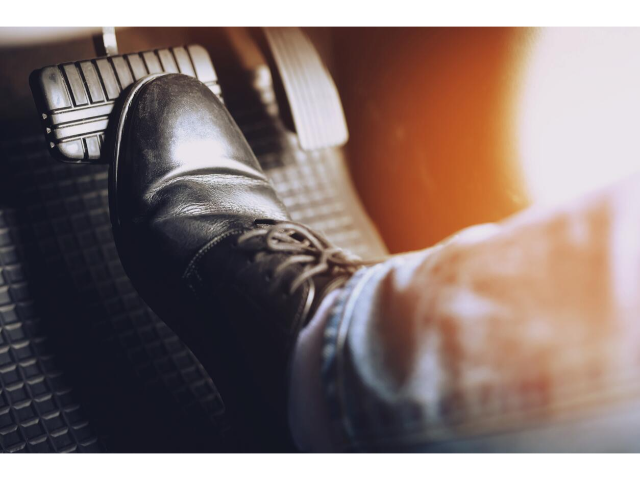
It can be alarming when you press the brake pedal and, instead of feeling firm and responsive, it feels soft or spongy and sinks closer to the floor than expected. A soft brake pedal is more than an uncomfortable sensation. It is a warning that the braking system may not be producing normal hydraulic pressure.
Low brake fluid is one possible cause, but air in the brake lines, worn components, leaks, or a failing master cylinder can create similar symptoms. Because braking performance is directly related to safety, a soft pedal should be inspected promptly.
The Critical Role of Brake Fluid
Most modern vehicles use a hydraulic braking system. Brake fluid transfers the force from your foot on the pedal to the calipers or wheel cylinders that apply the brakes.
When you press the pedal, pressure travels through the brake fluid and activates the brakes at the wheels. Brake fluid is designed to transmit this pressure efficiently. If the fluid level is too low or air enters the system, pedal feel and braking performance can change.
What Causes a Soft Brake Pedal?
Air in the Brake Lines
Air is compressible, unlike brake fluid. If air enters the brake lines, pressing the pedal may compress the air before sufficient pressure reaches the brakes. This can create a soft or spongy pedal.
Low Brake Fluid
Low brake fluid may occur because of worn brake pads, a leak, poor maintenance, or another braking-system concern. If the level drops far enough, air may enter the system and reduce hydraulic pressure.
Because a low level can indicate more than a simple need to refill, arrange a professional brake inspection and repair evaluation rather than topping off the reservoir without checking the cause.
Worn Brake Pads or Shoes
As brake pads wear, the caliper may need to move farther to bring the pad into contact with the rotor. This can contribute to a lower pedal feel and may be accompanied by grinding, squealing, vibration, or reduced braking performance.
Brake Fluid Leaks
A leak in a brake line, caliper, hose, master cylinder, or wheel cylinder can reduce fluid level and hydraulic pressure. Fluid under the vehicle, wet areas near a wheel, or a rapidly sinking pedal requires immediate attention.
Failing Master Cylinder
The master cylinder generates hydraulic pressure for the braking system. Worn internal seals can allow fluid to bypass internally, causing a pedal that slowly sinks while pressure is applied.
How to Check Your Brake Fluid Safely
You can perform a basic visual check when the vehicle is parked safely and the engine bay is cool. Do not attempt repairs or continue driving if the pedal feels unsafe.
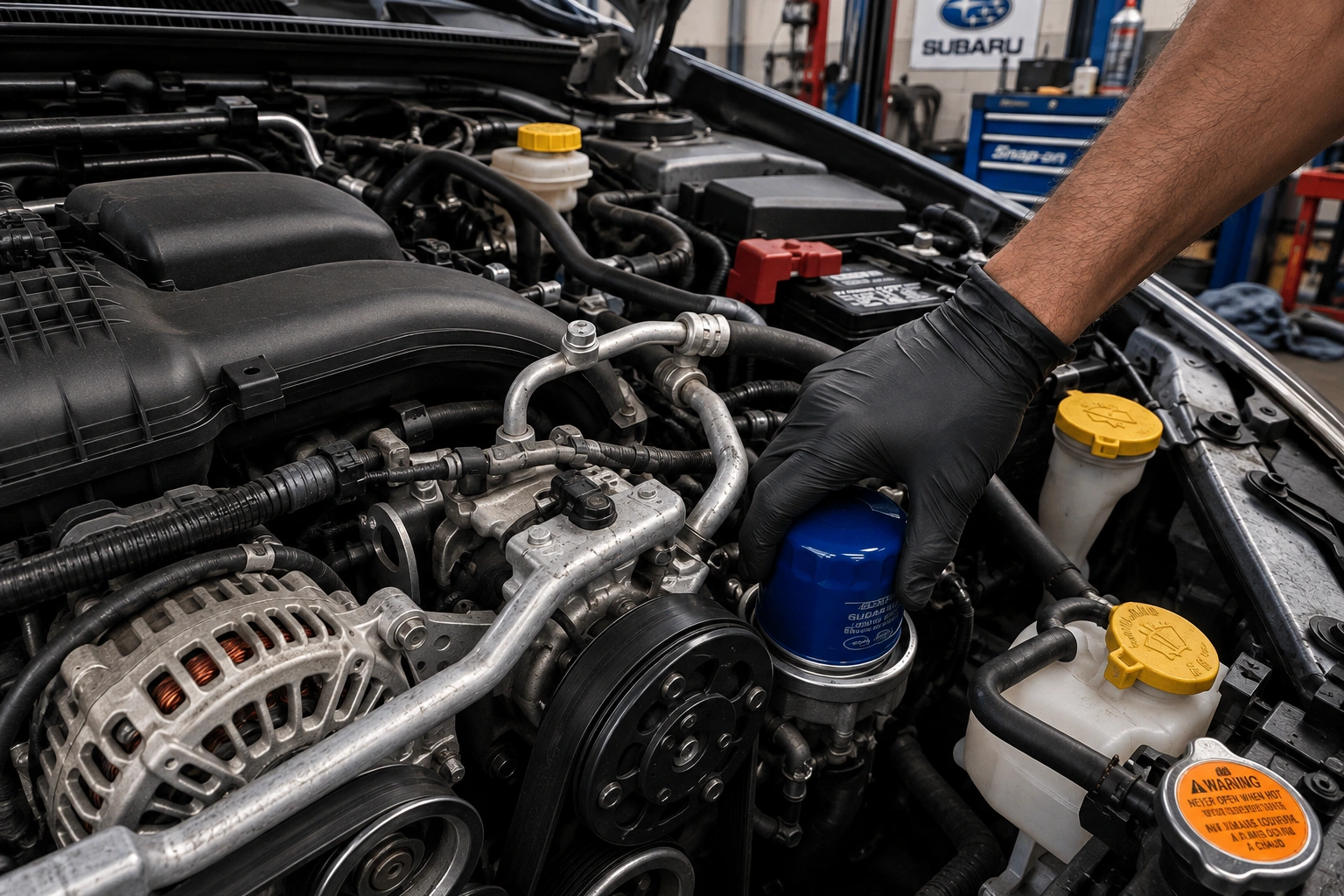
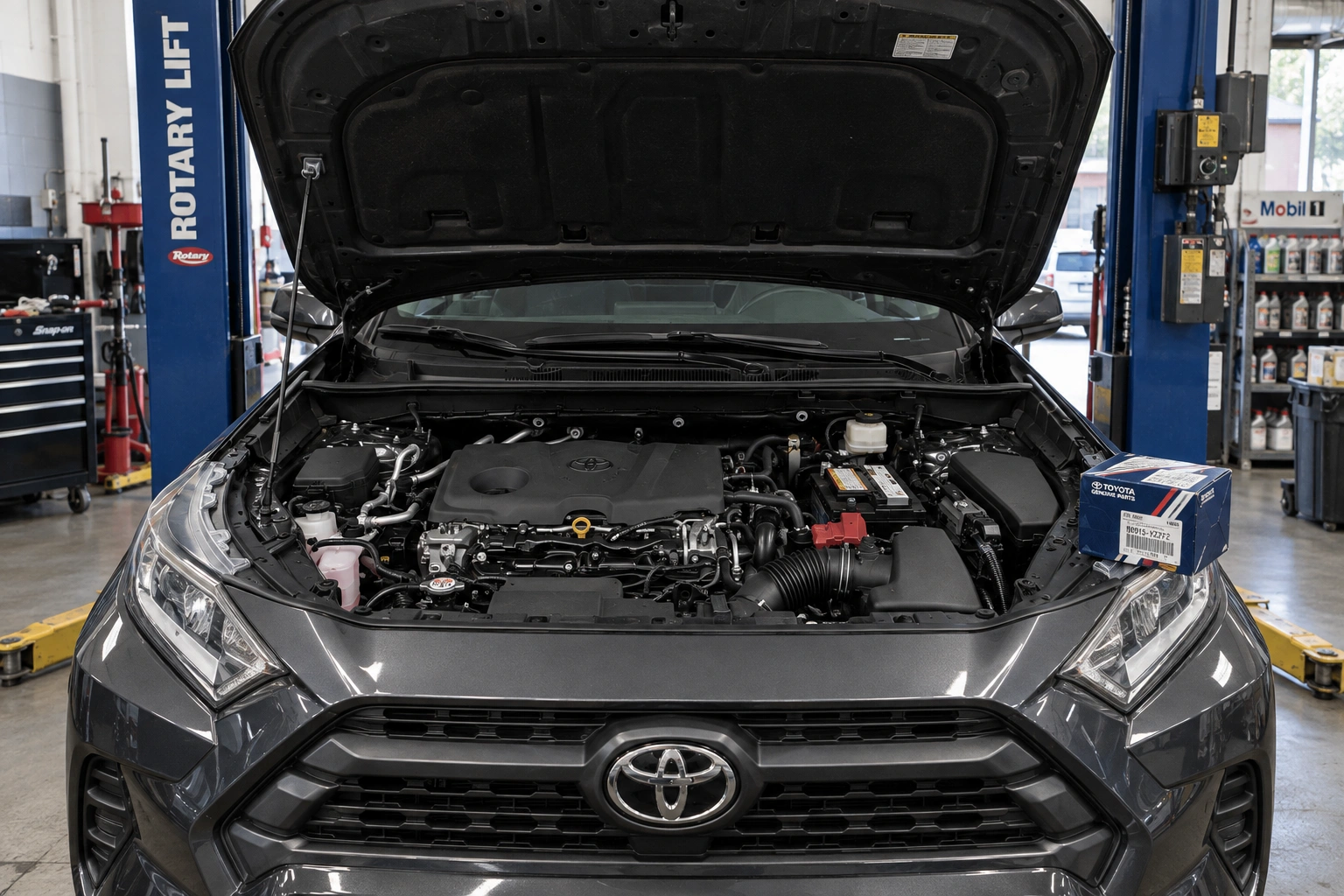
- Locate the reservoir: The master-cylinder reservoir is usually a translucent container in the engine bay, often on the driver’s side.
- Check the level: Confirm that the fluid is between the marked minimum and maximum lines.
- Observe the condition: Clean brake fluid is commonly clear to light amber. Dark or contaminated fluid may require service.
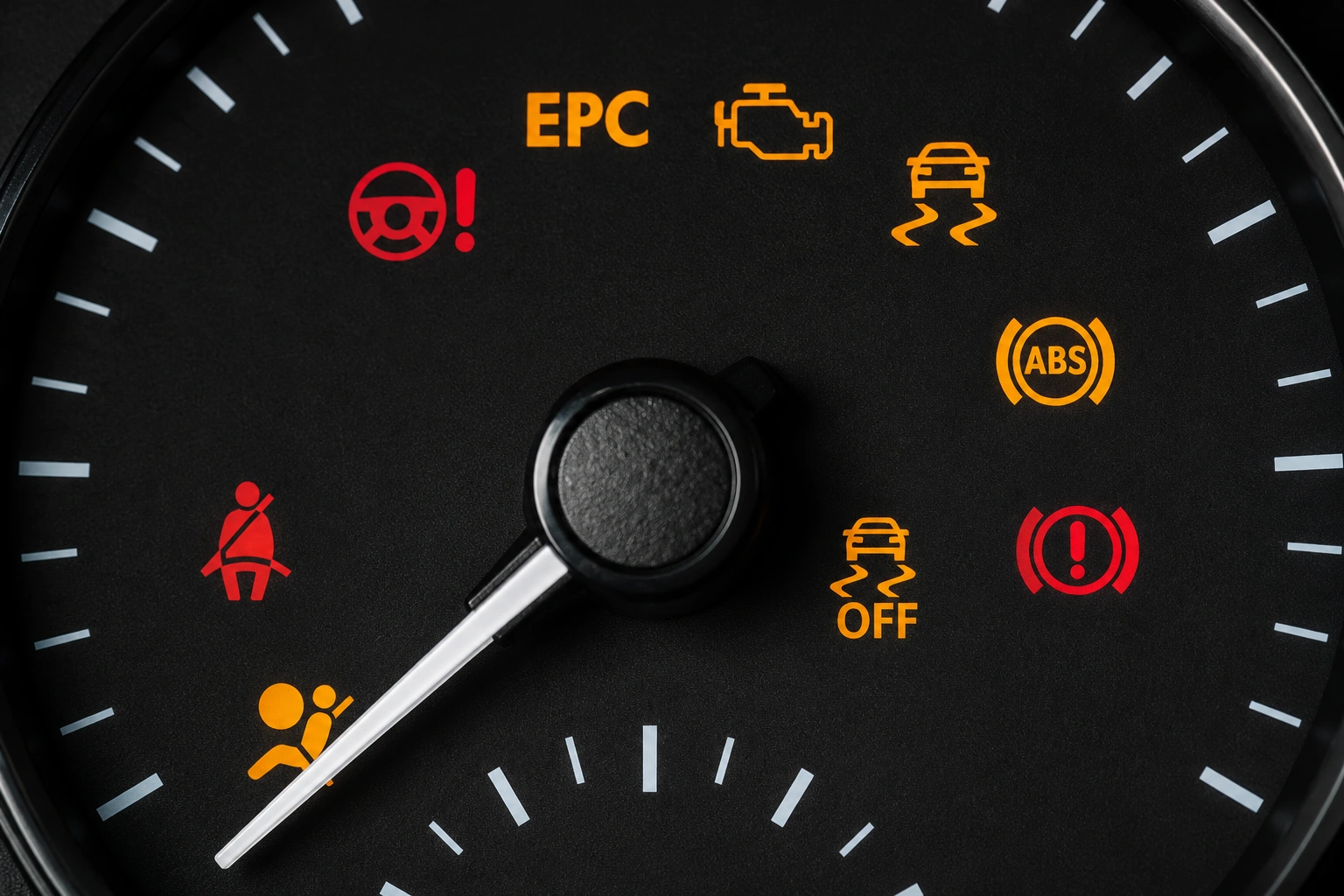
- Look for warning signs: Check for visible leaks, a brake warning light, unusual odor, or fluid around the wheels.
Use only the fluid type specified by the vehicle manufacturer. Do not open or service a hot system, and never substitute another fluid.
Why a Soft Brake Pedal Is Urgent
A soft pedal may indicate that the braking system is compromised and that stopping distance or control could be affected. Ignoring the symptom can allow a leak, worn component, or hydraulic failure to become more serious.
If the pedal suddenly becomes soft, sinks to the floor, requires pumping, or is accompanied by a warning light, do not continue normal driving. Pull over safely and arrange professional assistance or towing.
What About Brake Rotor Scoring?
Brake rotor scoring refers to grooves or scratches on the rotor surface. It is not usually the direct cause of a soft pedal, but it can indicate significant wear. If brake pads wear through completely, the metal backing plate may contact the rotor and damage it.
A soft pedal combined with grinding noise, vibration, or reduced braking performance should receive an immediate brake-warning inspection to determine whether pads, rotors, calipers, or hydraulic components require repair.
When to Stop Driving
Stop driving and request assistance if:
- The brake pedal reaches close to the floor.
- The pedal becomes suddenly soft or requires pumping.
- The vehicle takes longer than usual to stop.
- The car pulls strongly while braking.
- The brake warning light appears.
- You see brake fluid leaking near a wheel or under the vehicle.
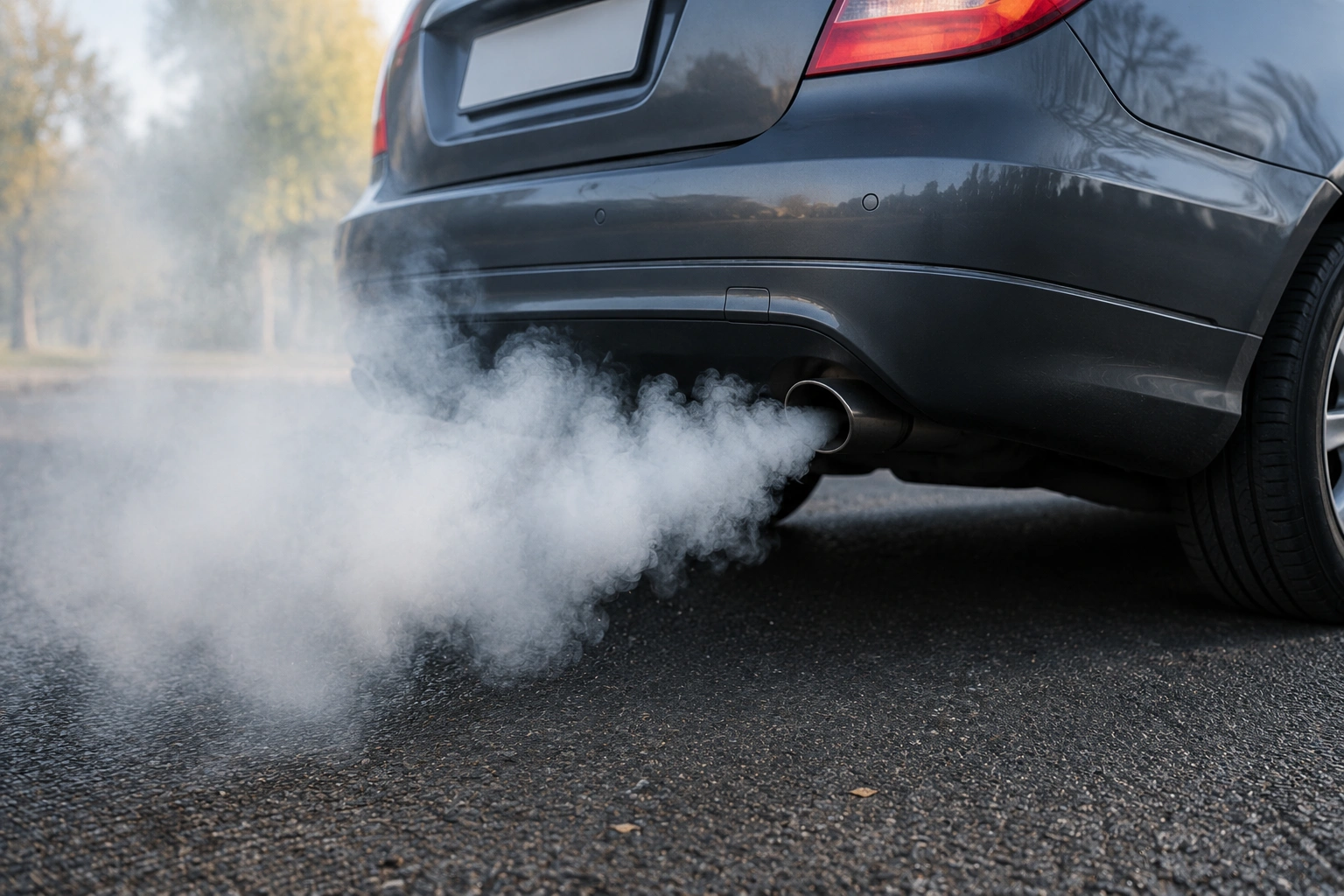
- You hear grinding or notice smoke from a wheel.
Do not test a questionable brake system in traffic. A professional inspection is the safest way to determine whether the issue is fluid, air, wear, leakage, or a failed component.
How a Brake Inspection Helps
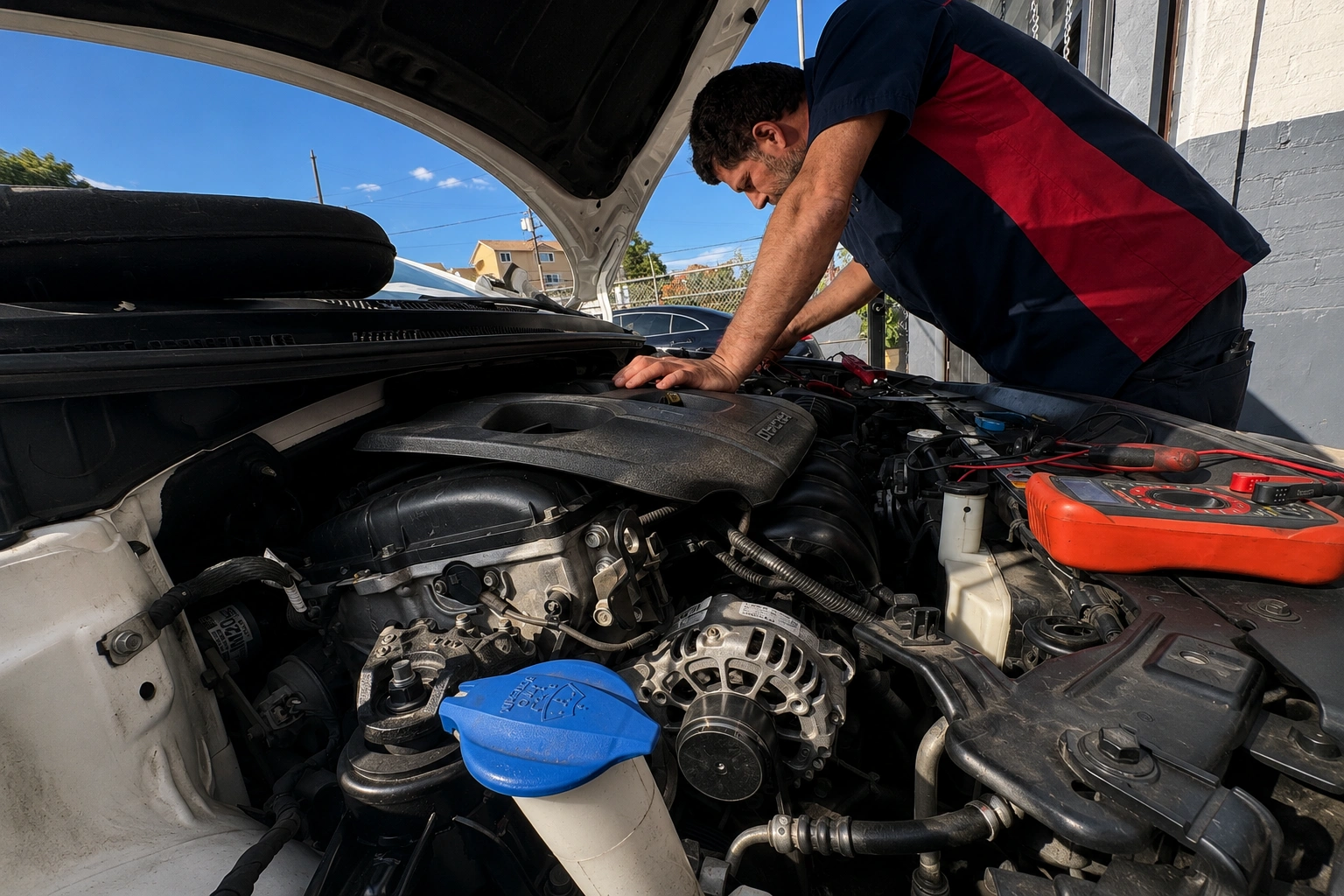
A technician may inspect the fluid level and condition, brake lines and hoses, pads and rotors, calipers, wheel cylinders, master cylinder, and the parking-brake system. The system may also need a pressure test, leak check, or bleeding procedure when air is present.
If the vehicle also has vibration or unusual tire wear, the technician can assess related wheel alignment and handling concerns after the braking system is made safe.
Frequently Asked Questions
Can low brake fluid cause a soft pedal?
Yes. Low fluid may allow air into the hydraulic system or indicate a leak or worn brake components. The reason for the low level should be identified before the vehicle is returned to normal driving.
Can I just add brake fluid?
Adding the manufacturer-specified fluid may temporarily raise the level, but it does not repair a leak or worn component. Have the braking system inspected promptly.
Why does my brake pedal sink slowly?
A slowly sinking pedal may indicate internal master-cylinder bypass, a hydraulic leak, or another pressure problem. It should be inspected immediately.
Can air in the brake lines make the pedal spongy?
Yes. Air compresses under pedal pressure, reducing the firm hydraulic response expected from the braking system.
Is it safe to drive with a soft brake pedal?
No. Because braking performance may be compromised, avoid driving the vehicle until a qualified technician determines the cause and confirms that the system is safe.
Schedule Your Brake Service
A soft brake pedal and low brake fluid should never be ignored. Prompt inspection can identify leaks, air, worn components, or master-cylinder problems before braking performance deteriorates further.
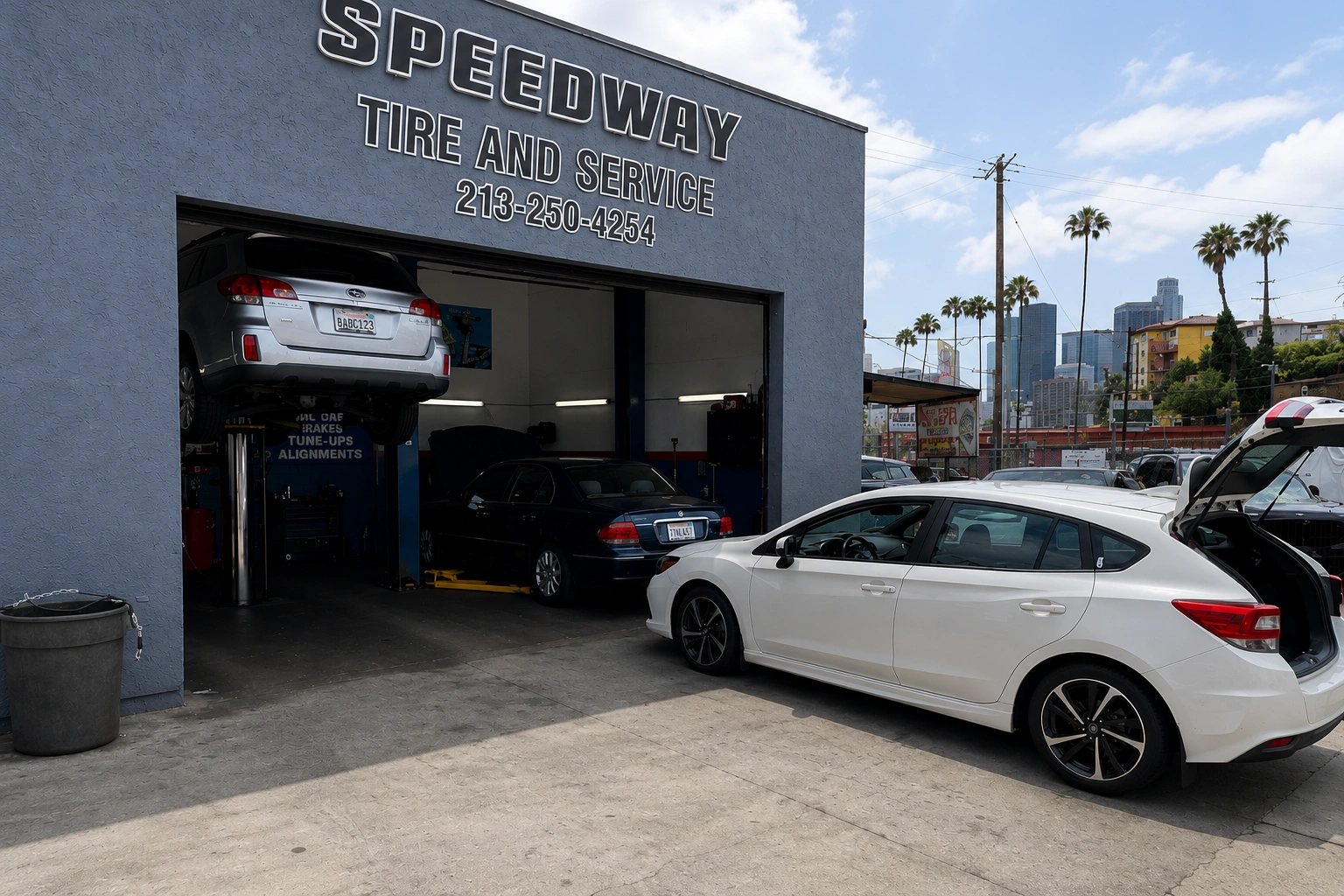
Experiencing a soft or spongy brake pedal? Speedway Tire & Service can inspect the braking system and explain the recommended repair.
Visit Us: 1165 West Sunset Blvd, Los Angeles, CA 90012
Call Now: (213) 250-4254
Looking for an Honest Auto Repair Shop in Los Angeles? Call Speedway Tire and Service Today
Whether you are driving through LA traffic or cruising the freeways, your car deserves expert care. Located in Los Angeles, Speedway Tire and Service offers reliable oil changes, brake repairs, tire services, and more, backed by experienced technicians and honest pricing.
Looking for an honest Auto Repair Shop in Los Angeles? Call Speedway Tire and Service Today
Whether you’re driving through LA traffic or cruising the freeways, your car deserves expert care. Located in Los Angeles, Speedway Tire and Service offers reliable oil changes, brake repairs, tire services, and more—all backed by experienced technicians and honest pricing.