Burning Smell While Driving in DTLA Traffic? Here’s What It Means
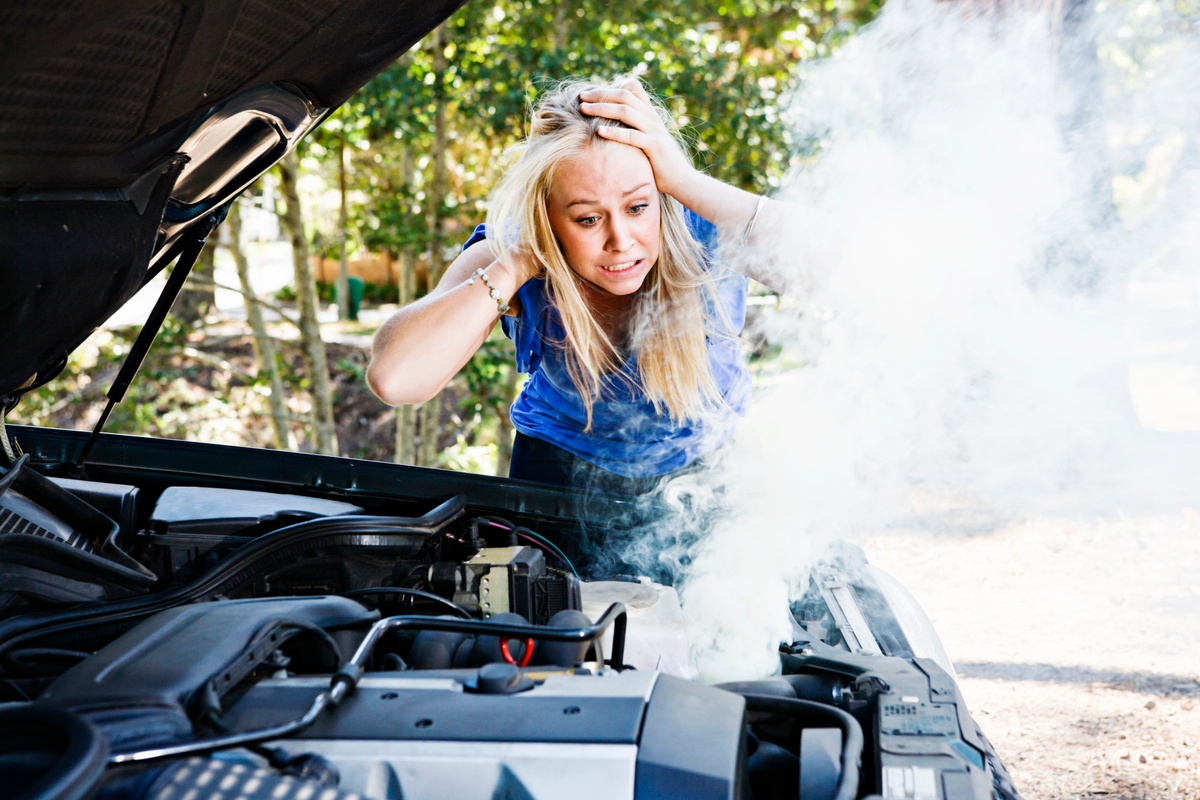
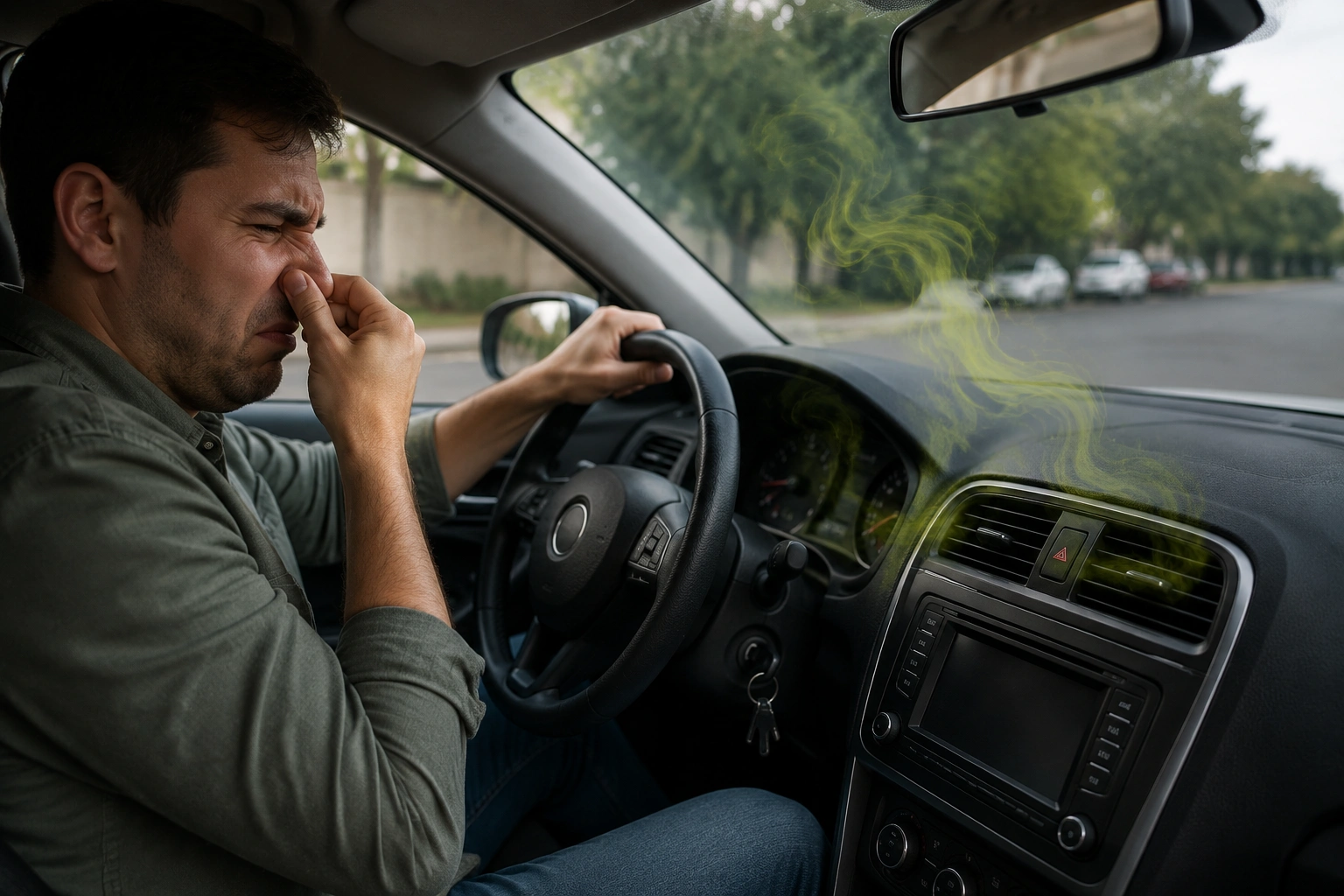
If you have noticed a burning smell while driving in DTLA, especially while sitting in traffic on the 110 or moving through Downtown streets, it is not something to ignore. A strange odor from your vehicle can be an early warning sign that something is overheating, wearing out, leaking, or working harder than it should.
In heavy DTLA traffic, your car spends more time idling, braking, and operating under heat stress. These conditions can expose hidden problems quickly. The smell may appear suddenly or develop gradually, and the type of odor can help identify what may be happening under the hood or around the wheels.
Understanding the most common causes of burning rubber, burning oil, overheated brakes, and electrical odors can help you act before a small problem becomes a major repair.
Why Burning Smells Are More Common in DTLA Traffic
Downtown driving is demanding on vehicles. Stop-and-go movement, frequent braking, tight parking, and slow congestion all generate heat. Components that normally cool down on open roads may not receive the same airflow in traffic, which can make developing problems noticeable sooner.
You might detect a burning smell:
- After sitting at a red light.
- While driving uphill in traffic.
- After repeated braking.
- When idling for a long period.
- After parking and walking around the vehicle.
1. Burning Rubber Smell from a Belt or Hose
A burning rubber smell is often linked to rubber components under the hood. One possible cause is a slipping or worn belt. Belts drive important engine systems, and if one becomes loose, damaged, or misaligned, friction can build up and produce a strong burnt-rubber odor.
The smell can also occur when a rubber hose gets too close to a hot engine component. These conditions require professional engine diagnostics to identify the source before a belt or hose fails completely.
2. Burning Oil Smell from a Leak
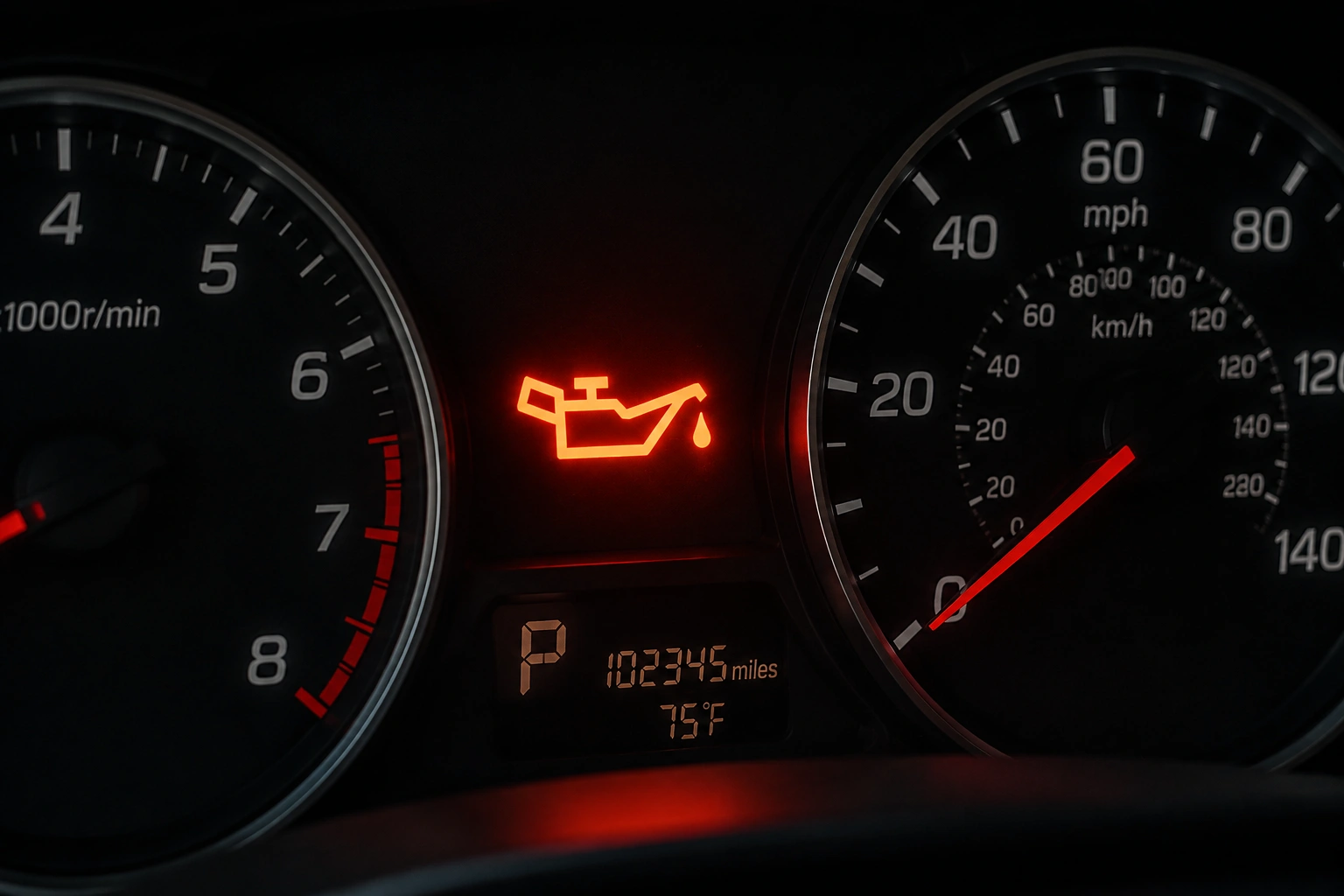
A burning oil smell is another common cause, especially in older vehicles. It may occur when engine oil leaks onto hot components such as the exhaust manifold. Oil residue, smoke, or a strong odor after driving should be inspected rather than ignored.
Regular oil change service can help technicians notice leaks, low oil levels, and other maintenance concerns before they become more serious. An oil change does not repair an active leak, so ask for an inspection if the smell keeps returning.
3. Overheated Brakes in Stop-and-Go Traffic
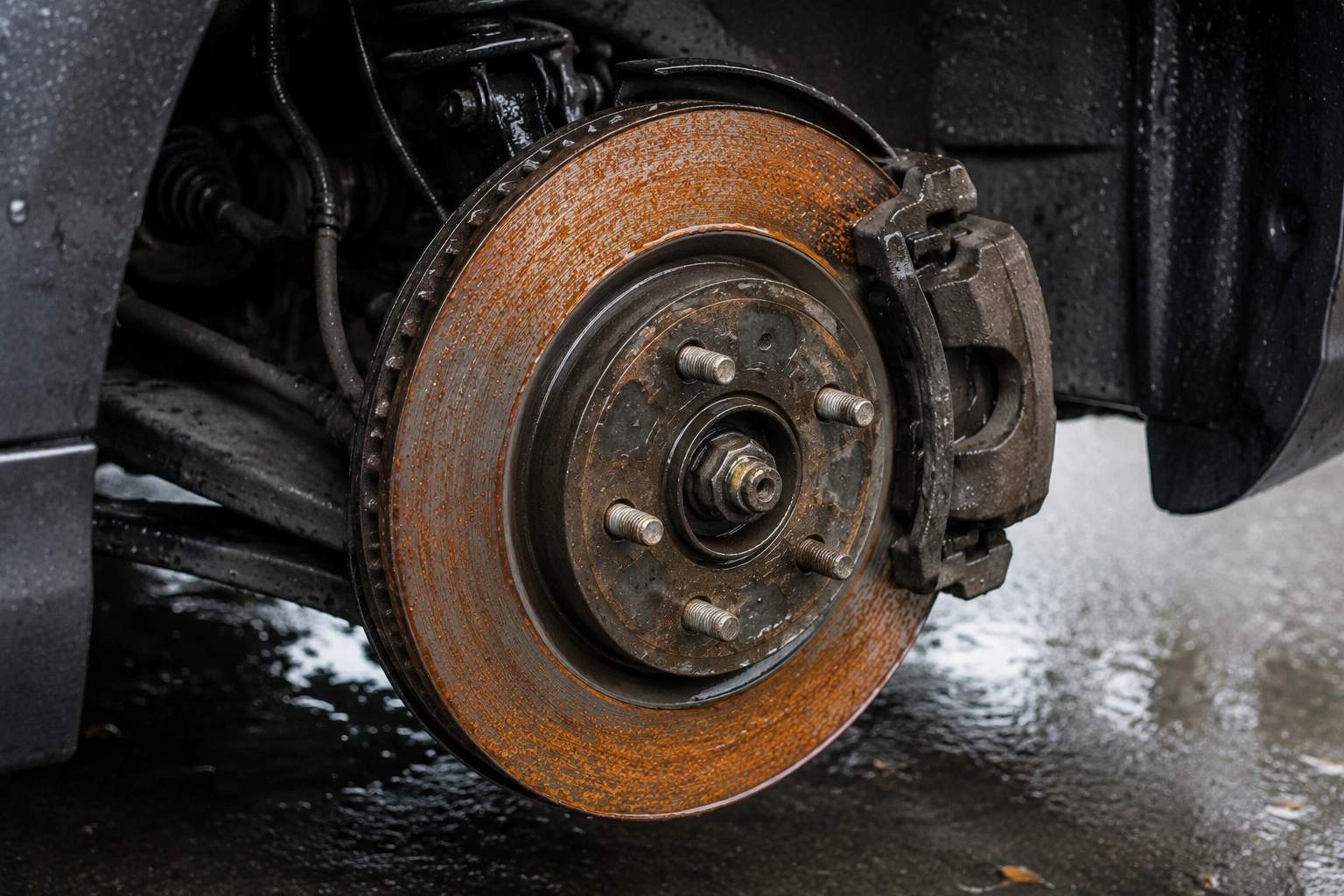
If you notice a strong hot or chemical-like smell after frequent braking, the brake system may be overheating. This is common in Downtown driving, where constant stopping generates heat in the pads, rotors, calipers, and related components.
If the smell returns repeatedly, the vehicle should receive a complete brake inspection and repair evaluation. Worn pads, sticking calipers, dragging brakes, or other conditions can intensify the odor and affect safety.
4. Clutch or Transmission Friction Smells
In some vehicles, a burning smell can come from the clutch or transmission system. This may feel like a hot, sharp odor that appears during acceleration, hill driving, repeated shifting, or heavy traffic.
Slipping, delayed engagement, unusual noises, or changes in shifting should be inspected promptly. A technician can determine whether the odor comes from the transmission, clutch, engine, brakes, or another heat-affected component. Learn more about professional transmission service when shifting symptoms accompany the smell.
5. Electrical Burning Smell
An electrical issue can produce a plastic-like burning smell. This may indicate overheated wiring, a failing connector, a damaged component, or a short circuit. If the odor appears with flickering lights, dashboard warnings, smoke, or electrical features that stop working, turn off the vehicle when it is safe and arrange an inspection.
When Should You Be Concerned?
A brief, faint smell that disappears may not be an emergency, but you should have the vehicle inspected if:
- The smell returns regularly.
- The odor becomes stronger over time.
- You notice smoke or visible fluid.
- The vehicle’s performance or handling changes.
- A warning light appears.
- The brakes feel different or the vehicle pulls while braking.
If smoke is visible, the temperature rises, or the odor is intense, pull over safely and turn off the engine. Do not continue driving until the cause has been evaluated.
Why Diagnostics Matter
A burning smell does not always point to one obvious part. It may come from belts, hoses, oil leaks, brakes, transmission components, or electrical wiring. A proper inspection can identify the source and help prevent more serious damage during daily Downtown driving.
A shop offering comprehensive auto repair services can evaluate related systems when the smell does not clearly come from one component.
Frequently Asked Questions
What does a burning rubber smell indicate?
It can indicate a slipping belt, a hose touching a hot surface, or another rubber component overheating. An inspection is needed to identify the exact source.
Is it safe to keep driving if I smell something burning?
It depends on the cause and severity. A brief smell may not be urgent, but repeated or strong burning odors should be inspected quickly. Stop driving if you see smoke, the vehicle overheats, or performance changes.
Can low oil cause a burning smell?
Yes. Low oil levels or leaks can allow oil to contact hot engine components and create a strong odor. Check the oil according to the vehicle manufacturer’s instructions and arrange an inspection if the level drops.
Why do brakes smell after driving in traffic?
Frequent braking generates heat. Worn pads, sticking calipers, dragging brakes, or demanding driving conditions can intensify the smell.
The Good News
In many cases, the burning smell drivers notice in DTLA traffic comes from a maintenance-related issue rather than a major failure. Once the source is identified, the appropriate repair or maintenance can restore safer and more predictable driving.
Notice a burning smell while driving in DTLA? Speedway Tire & Service can inspect the engine, brakes, transmission, and related components and explain the recommended next step.
Visit Us: 1165 West Sunset Blvd, Los Angeles, CA 90012
Call Now: (213) 250-4254
Looking for an Honest Auto Repair Shop in Los Angeles? Call Speedway Tire and Service Today
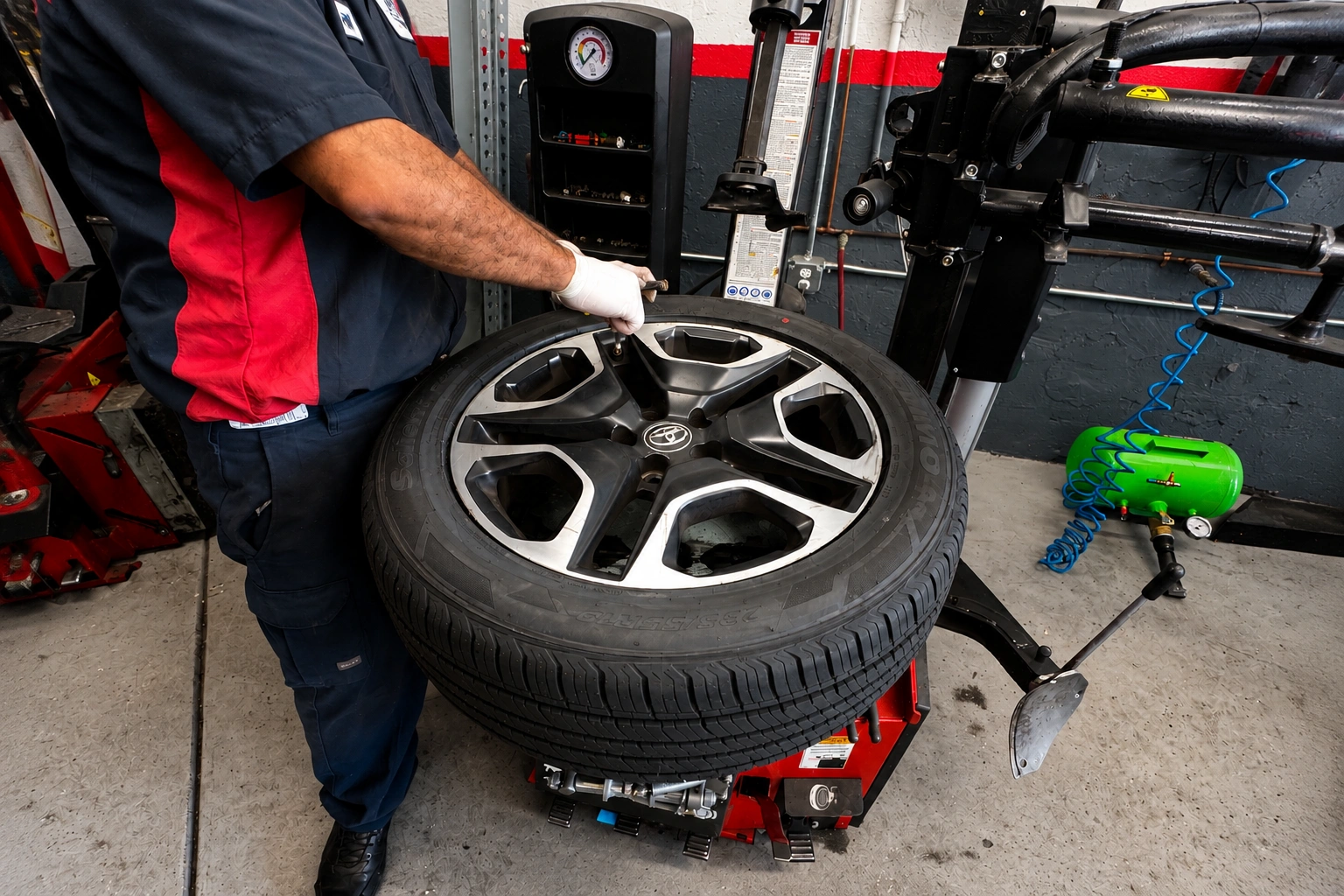
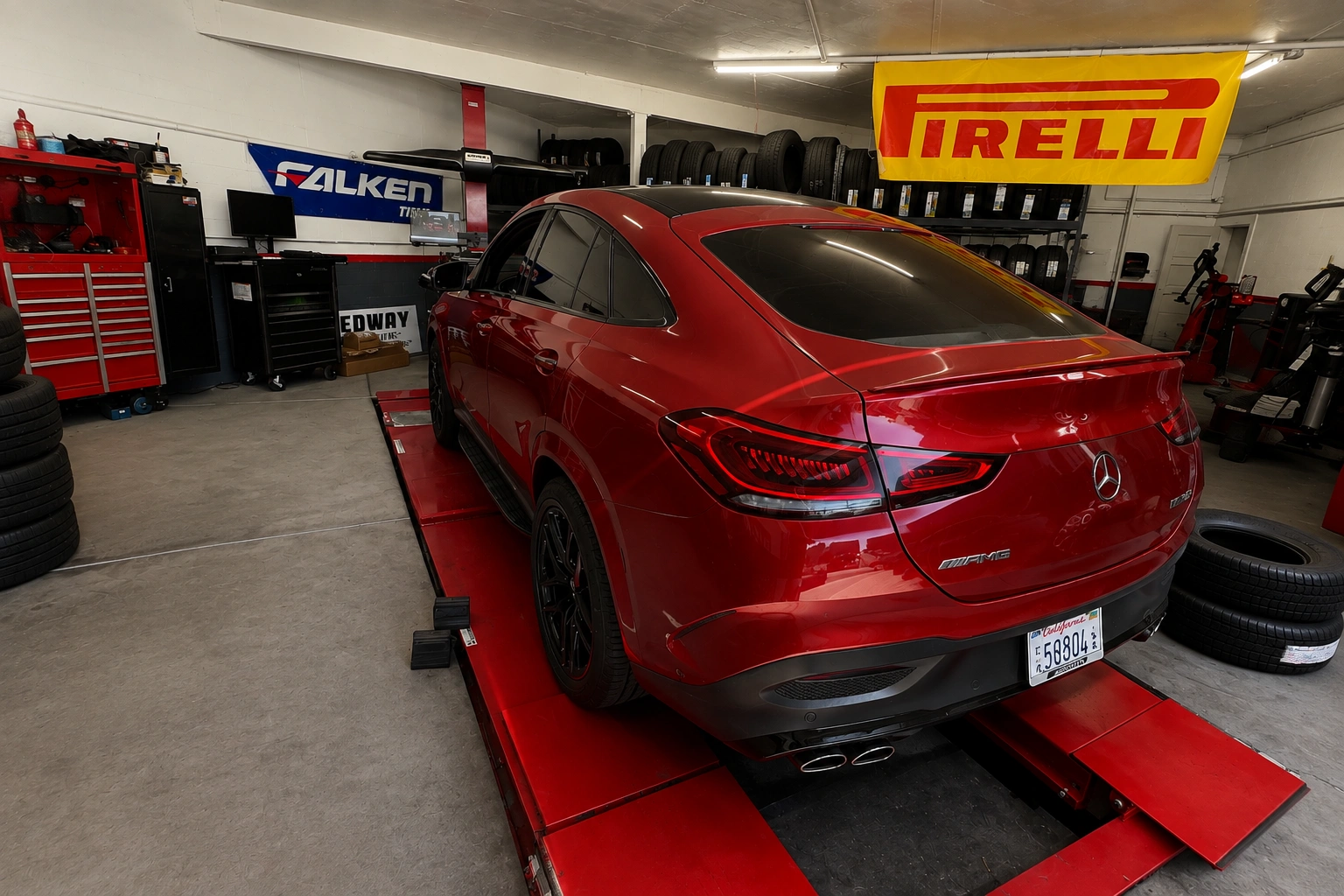
Whether you are driving through LA traffic or cruising the freeways, your car deserves expert care. Located in Los Angeles, Speedway Tire and Service offers reliable oil changes, brake repairs, tire services, and more, backed by experienced technicians and honest pricing.
Looking for an honest Auto Repair Shop in Los Angeles? Call Speedway Tire and Service Today
Whether you’re driving through LA traffic or cruising the freeways, your car deserves expert care. Located in Los Angeles, Speedway Tire and Service offers reliable oil changes, brake repairs, tire services, and more—all backed by experienced technicians and honest pricing.