Foggy Headlights Restoration vs Replacement for LA Drivers
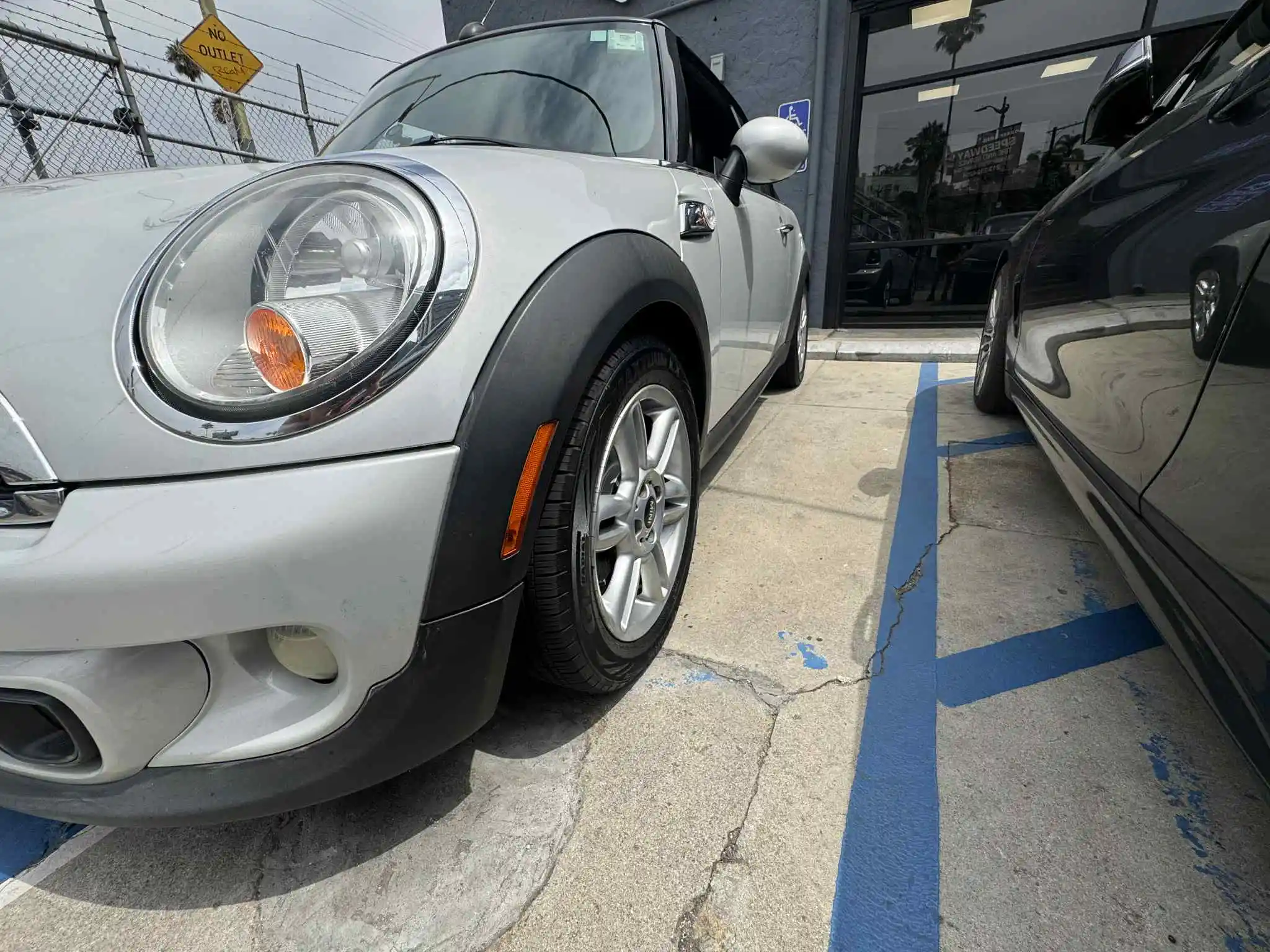
If your headlights look hazy, yellow, or cloudy, you are not alone. Los Angeles drivers face intense sunlight, UV exposure, road debris, pollution, and frequent outdoor parking. Over time, these conditions can damage the clear outer lens and reduce nighttime visibility.
The important question is whether the lens needs professional restoration or complete replacement. The answer depends on whether the damage is limited to the outer surface or has affected the housing, seal, structure, or beam output.
What Causes Foggy Headlights
Most modern headlight lenses are made from polycarbonate plastic. The material is durable, but its protective coating can wear away under UV exposure. Oxidation then creates a cloudy or yellow appearance.
Other causes include:
- Road debris and minor abrasions.
- Weather exposure and temperature changes.
- Exhaust residue, dust, and pollution.
- Harsh car-wash chemicals.
- Moisture entering through a damaged seal.
- Cracks, chips, or deep surface pitting.
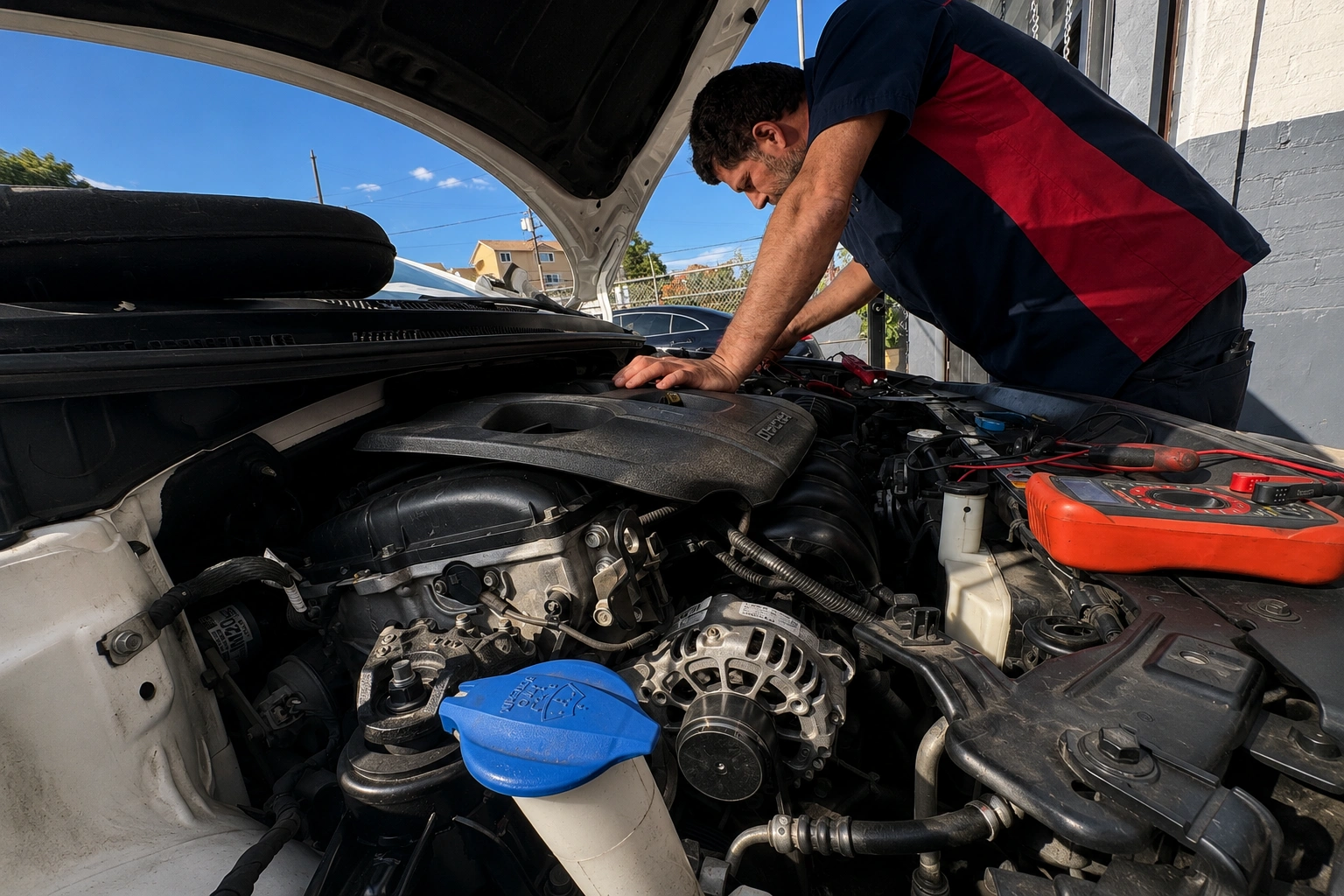
Mild to moderate outer haze may respond well to restoration. Deep damage, internal moisture, or a deteriorated housing may require replacement. An inspection through engine diagnostics and vehicle service can help identify the right approach.
How Headlight Restoration Works
Professional restoration is designed to remove surface oxidation and improve lens clarity. The process may include:
- Cleaning and surface preparation.
- Careful sanding to remove UV-damaged layers.
- Polishing to restore transparency.
- Applying a UV-resistant protective sealant.
- Checking the final light output and beam appearance.
Restoration is often appropriate for outer-surface oxidation, light to moderate cloudiness, and lenses that remain structurally intact. A UV sealant is important because polishing alone may allow haze to return more quickly.
When Replacement Is Better Than Restoration
Replacement may be recommended when you notice:
- Moisture or water droplets inside the housing.
- Deep cracks, chips, or structural damage.
- Warping or severe lens deterioration.
- Deep pitting that cannot be polished out.
- Major loss of light output after restoration.
- A damaged seal that continues to let water inside.
- A broken mounting point that prevents proper alignment.
Replacing the assembly can restore lens clarity, sealing, beam alignment, and light output when the existing housing is too damaged for surface work.
How Foggy Headlights Affect Night Visibility
Cloudy lenses scatter and block light, reducing how far the headlight beam reaches. This can affect reaction time, visibility of lane markings, recognition of pedestrians, and confidence on dark roads.
Foggy headlights are especially concerning during rain, when glare and reflections can further reduce visibility. These tips for rainy-season driving in Echo Park explain why visibility and tire traction should both be checked before wet weather.
Why Los Angeles Conditions Make Haze Worse
Strong sunlight accelerates UV oxidation. Smog, traffic pollutants, dust, coastal moisture, and long commutes can add additional wear. Drivers who park outdoors or spend many hours on the road may notice lens deterioration sooner.
Routine cleaning can remove surface dirt, but it cannot reverse oxidation or repair cracks. Avoid abrasive household products that may damage the lens further.
Headlight Restoration vs Replacement Comparison
| Consideration | Restoration | Replacement |
|---|---|---|
| Best for | Outer haze and mild to moderate oxidation | Cracks, moisture, deep damage, or failed restoration |
| Work performed | Surface correction and UV protection | Removal and installation of a new assembly |
| Cost | Usually lower than replacement | Usually higher, depending on the vehicle |
| Result | Improved clarity when the housing is sound | New lens, seal, mounting, and beam alignment potential |
The right option should be based on lens condition and safe light output, not appearance alone.
Other Vehicle Conditions That Affect Visibility
Headlights are only one part of nighttime safety. Worn wipers, a dirty windshield, poor tire traction, brake problems, and suspension instability can also affect control and visibility. A professional brake inspection can address reduced stopping confidence during nighttime driving.
Have tires checked through professional tire service when wet-weather grip, pressure, tread, or uneven wear is a concern.
If a strong burning odor appears near the front of the vehicle, do not assume it comes from the headlights. Review these signs of burning smells while driving in DTLA and arrange a diagnosis.
How to Protect Headlights After Restoration
- Park in shade or a garage when practical.
- Keep the lens clean with products safe for polycarbonate plastic.
- Use a quality UV-resistant sealant after restoration.
- Avoid harsh abrasives and unapproved solvents.
- Inspect for cracks, loose seals, and internal moisture.
- Keep the windshield and exterior mirrors clean for better visibility.
- Use properly aimed bulbs and replace failed bulbs promptly.
Frequently Asked Questions
Is headlight restoration worth it?
Restoration can be worthwhile when the haze is on the outer surface and the housing remains intact. It may improve clarity at a lower cost than replacing the assembly.
When should foggy headlights be replaced?
Replacement is more appropriate when there is internal moisture, deep cracking, severe pitting, structural damage, failed restoration, or inadequate light output.
How long does headlight restoration last?
Results vary with UV exposure, weather, product quality, preparation, and maintenance. A durable UV-protective sealant can help extend the result.
Can I polish headlights at home?
Some mild haze may improve with a proper kit, but improper sanding, polishing, or sealing can create uneven clarity or allow faster re-oxidation. Professional service is useful when visibility is significantly reduced.
Can foggy headlights cause a failed inspection?
Requirements vary by location and inspection program, but severely reduced output, damaged lenses, poor beam alignment, or nonfunctional lights can create safety and compliance concerns.
Improve Night Visibility in Los Angeles
Foggy headlights are more than a cosmetic issue. They can reduce night visibility and make rain, glare, traffic, and dark roads more difficult to handle. Restoration is often suitable for surface oxidation, while replacement is needed for structural damage, internal moisture, or inadequate output. If visibility concerns occur alongside overheating in traffic, review these Los Angeles overheating warning signs and arrange a complete inspection.
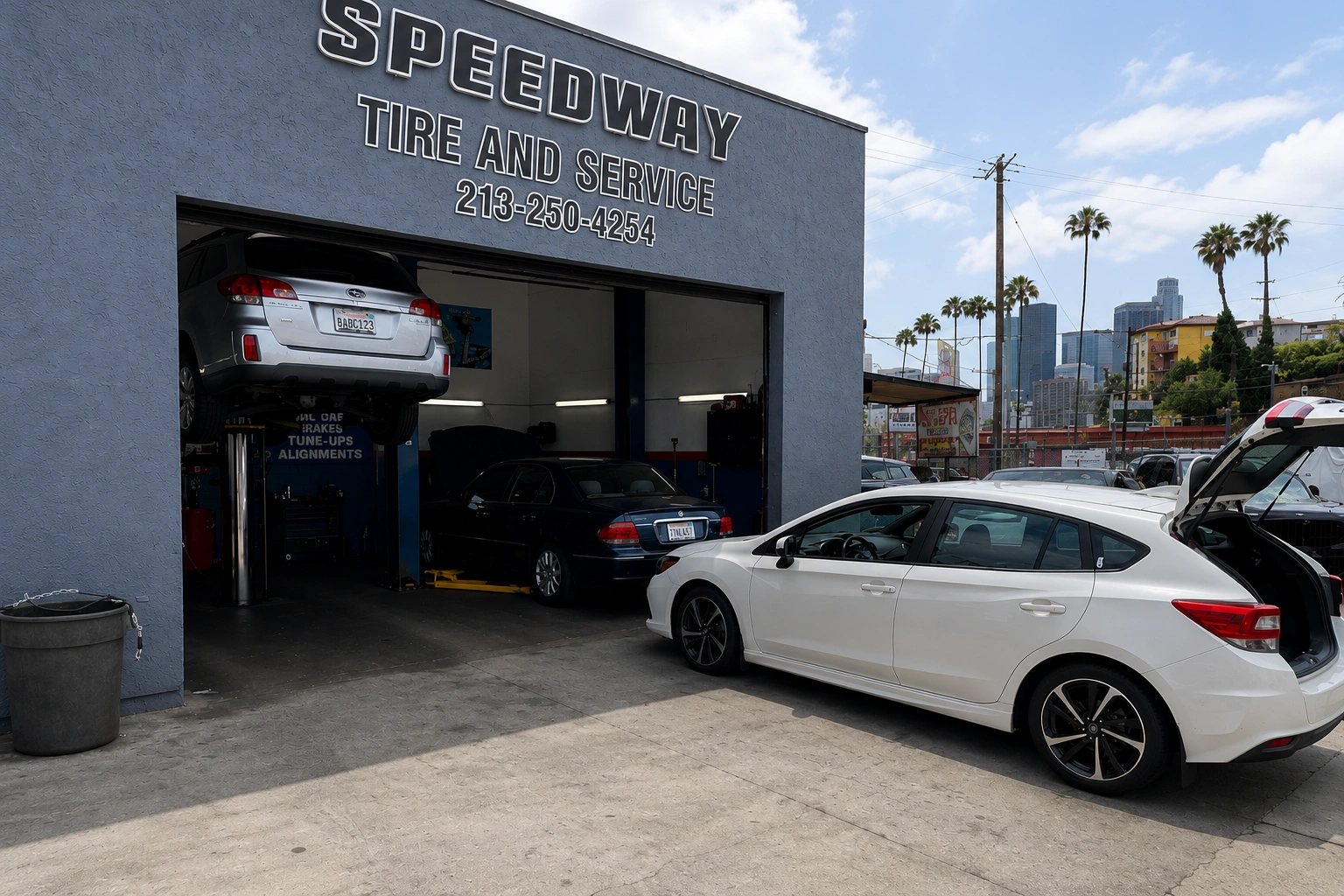
Need help choosing restoration or replacement? Speedway Tire & Service can inspect the lenses, assess visibility, and explain the appropriate next step.
Visit Us: 1165 West Sunset Blvd, Los Angeles, CA 90012
Call Now: (213) 250-4254
Looking for an Honest Auto Repair Shop in Los Angeles? Call Speedway Tire and Service Today
Whether you are driving through LA traffic or cruising the freeways, your car deserves expert care. Located in Los Angeles, Speedway Tire and Service offers reliable oil changes, brake repairs, tire services, and more, backed by experienced technicians and honest pricing.
Looking for an honest Auto Repair Shop in Los Angeles? Call Speedway Tire and Service Today
Whether you’re driving through LA traffic or cruising the freeways, your car deserves expert care. Located in Los Angeles, Speedway Tire and Service offers reliable oil changes, brake repairs, tire services, and more—all backed by experienced technicians and honest pricing.