Power Steering Fluid Leak Symptoms and Fixes for DTLA Drivers
Driving through Downtown Los Angeles requires responsive steering for tight parking spaces, sharp turns, busy intersections, and crowded freeways. A power steering fluid leak can make the vehicle harder to control and may lead to pump, rack, hose, or seal damage if it is ignored.
Recognizing the warning signs early helps you protect steering performance and decide when to stop driving and arrange professional service.
What the Power Steering System Does
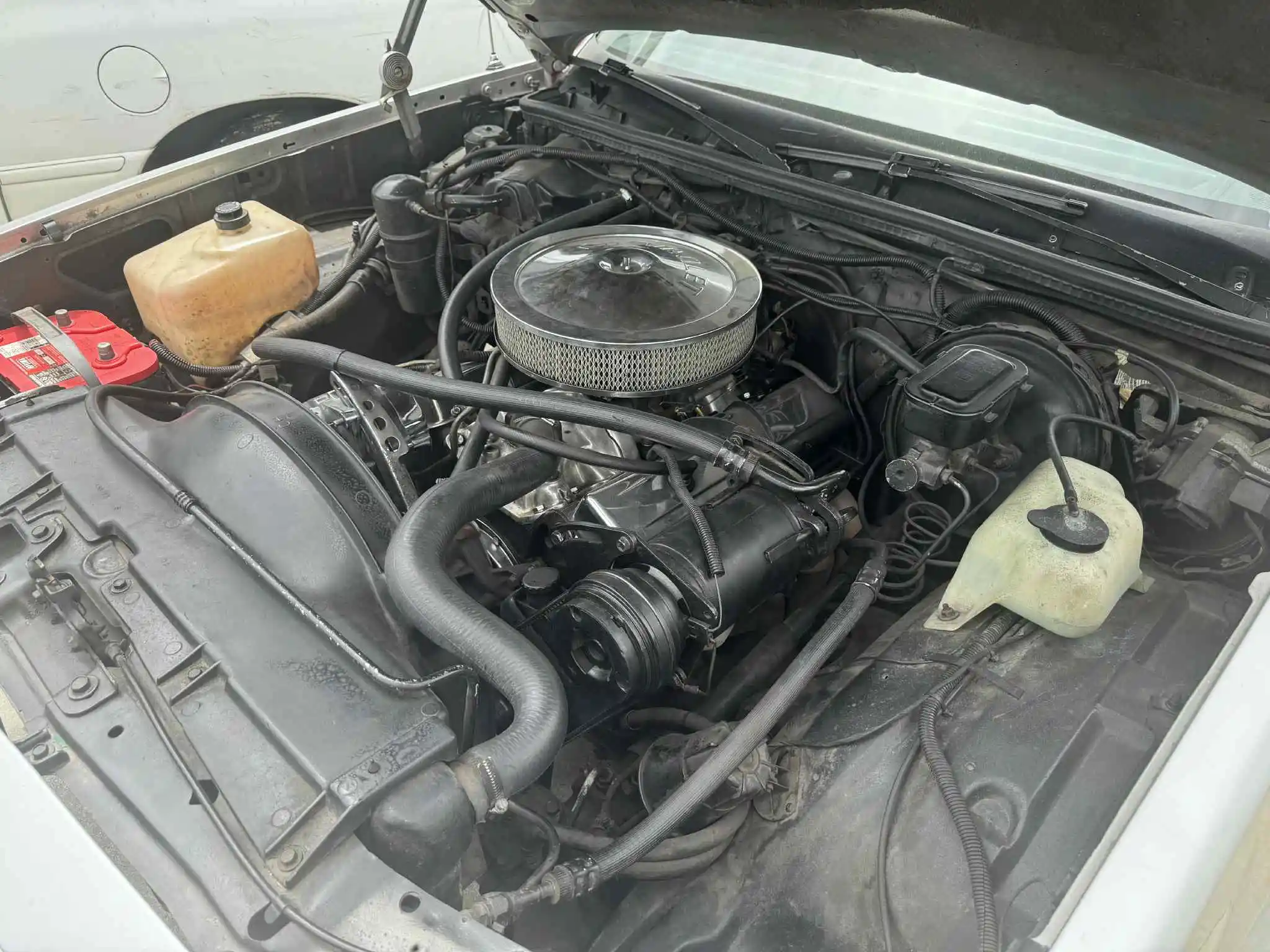
Hydraulic power steering uses fluid pressure to help the driver turn the wheels. The system may include a pump, reservoir, hoses, seals, steering rack, steering gear, and related fittings. Some newer vehicles use electric power steering and may not have hydraulic fluid at all.
Check the owner’s manual before adding fluid. Using the wrong fluid in a hydraulic system can damage seals and components, while adding fluid to an electric system will not address the actual problem.
Three Symptoms of a Power Steering Fluid Leak
1. Steering Pump Noise
A whining, groaning, or moaning sound that becomes louder while turning can indicate low fluid or air entering the hydraulic system. The pump may cavitate when the fluid level is low, creating noise and increasing wear.
Noise can also come from a worn pump, belt, pulley, bearing, or another component. A professional inspection is needed before assuming the reservoir is the only problem.
2. Hard Steering
Power steering is designed to make turning easier. If the steering wheel suddenly feels heavy or requires much more effort, hydraulic pressure may be low because of fluid loss, a failing pump, a damaged belt, a blocked line, or a steering-rack problem.
Hard steering is a safety concern, especially in DTLA traffic. Reduce driving and arrange an inspection if steering assistance is intermittent or significantly reduced.
3. A Visible Fluid Leak
A reddish, pink, or brown oily puddle near the front of the vehicle may be power steering fluid, although fluid color varies and can overlap with transmission or other fluid types. Place cardboard under the vehicle when parked to help identify the drip location, but avoid touching unknown fluid.
Leaks may originate from hoses, fittings, seals, the pump, or the steering rack. A steering and suspension inspection can help locate the source and evaluate related handling symptoms.
What Power Steering Fluid Color Can Indicate
Fresh fluid may be clear, pink, or red depending on the vehicle and fluid type. Fluid can darken as it ages and collects debris. Dark brown or black fluid may indicate contamination or deterioration, while foamy or milky fluid can suggest air or water in the system.
Color alone does not confirm a leak or determine whether a flush is required. The technician should check the fluid level, condition, leak source, pump operation, hoses, seals, and steering response.
Common Causes of a Power Steering Fluid Leak
Cracked or Deteriorated Hoses
High-pressure and return hoses can harden, crack, or leak at fittings. Heat, age, vibration, and fluid exposure can weaken hose material and seals.
Worn Seals and O-Rings
Seals and O-rings can shrink, harden, or crack over time. A small seep may gradually become a larger leak as pressure and temperature increase.
Failed Pump
A worn pump may leak, whine, or fail to produce sufficient pressure. Continuing to operate a failing pump with low fluid can accelerate damage.
Leaking Steering Rack or Gear
A steering rack or gear can leak internally or externally. Rack leaks may leave fluid near the ends of the assembly or inside protective boots and can be associated with hard steering or fluid loss.
Loose Fittings or Reservoir Problems
A loose connection, cracked reservoir, damaged cap, or failed return-line fitting can allow fluid to escape or air to enter the system.
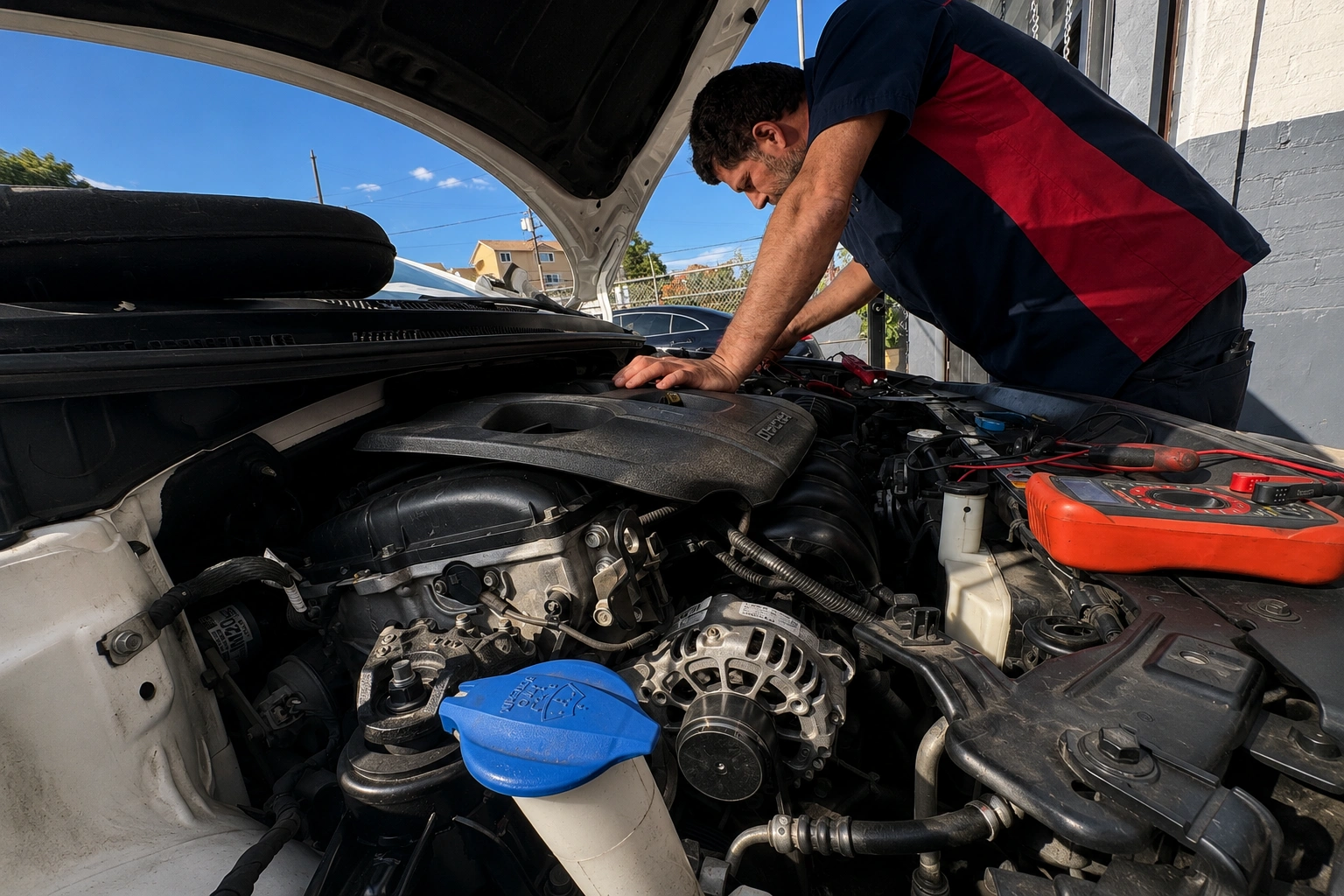
How a Professional Diagnosis Works
Diagnosis may include:
- Checking fluid level and identifying the correct fluid type.
- Inspecting hoses, fittings, seals, pump, rack, and reservoir.
- Looking for fresh fluid and dried residue.
- Testing steering effort and pump noise.
- Checking belt, pulley, and related drive components.
- Using a pressure test or cleaning and rechecking the system when appropriate.
- Evaluating tires, alignment, suspension, and steering for related problems.
Front-end noises and handling concerns can overlap. This guide to clunking noises and suspension components explains why a full inspection may be needed when steering symptoms occur with bumps or looseness.
How to Fix a Power Steering Fluid Leak
The repair depends on the source and severity of the leak:
- Leaking hose: Replace the damaged hose, seal, clamp, or fitting and refill with the correct fluid.
- Worn seal: Replace the seal or the component if the seal is not separately serviceable.
- Failed pump: Replace or repair the pump and flush or bleed the system according to the vehicle procedure.
- Leaking steering rack: Repair or replace the rack and verify alignment and steering operation.
- Contaminated fluid: Flush or exchange fluid only when appropriate for the vehicle and repair.
Do not rely on stop-leak products as a permanent solution. They may not repair damaged components and can complicate later diagnosis.
Is It Safe to Drive with a Power Steering Leak
A very small seep may not immediately change steering effort, but the vehicle should still be inspected. Do not continue driving if the steering becomes hard, the pump is loudly whining, fluid is leaking rapidly, smoke or burning odor appears, or steering control feels unpredictable.
If you notice an unexplained burning smell, review this guide to burning smells while driving in DTLA and have the source identified.
Other Problems That Can Resemble a Power Steering Leak
Hard steering, noise, or fluid near the front of the vehicle can also involve electric steering faults, a damaged belt, low tire pressure, alignment problems, suspension wear, transmission fluid, engine oil, or a coolant leak.
If fluid loss occurs with a rising temperature gauge or steam, stop safely and review these Los Angeles overheating warning signs. Cooling-system problems should be diagnosed separately from steering concerns.
After a steering or rack repair, the vehicle may need alignment. If the vehicle pulls, wanders, or develops uneven wear, ask for an alignment and tire evaluation. Related vibration concerns may also require a wheel-balancing and tire-rotation assessment.
Frequently Asked Questions
What color is power steering fluid?
It may be clear, pink, red, or brown depending on the fluid and age. Color alone cannot identify the fluid or confirm a leak.
Can low power steering fluid cause noise?
Yes. Low fluid can allow air into the system and cause pump whining or groaning, but a worn pump, belt, pulley, or another problem can create similar noise.
Can I just add power steering fluid?
Adding the correct fluid may temporarily restore the level, but it does not repair the leak. Repeatedly topping off can hide a worsening safety problem.
Can a power steering leak damage the pump?
Yes. Operating with low fluid can reduce lubrication and allow air into the pump, increasing noise and wear.
Does every car use power steering fluid?
No. Some vehicles use electric power steering and do not have a hydraulic fluid reservoir. Check the owner’s manual before adding anything.
Schedule a Steering Inspection in DTLA
A power steering fluid leak can begin as a small seep, pump noise, or slightly heavier steering and develop into a serious handling problem. Early diagnosis can protect the pump, steering rack, hoses, and your ability to control the vehicle.
Hearing steering noise or seeing fluid? Speedway Tire & Service can inspect the steering system, identify the leak source, and explain the repair required through our vehicle diagnostic service.
Visit Us: 1165 West Sunset Blvd, Los Angeles, CA 90012
Call Now: (213) 250-4254
Looking for an Honest Auto Repair Shop in Los Angeles? Call Speedway Tire and Service Today
Whether you are driving through LA traffic or cruising the freeways, your car deserves expert care. Located in Los Angeles, Speedway Tire and Service offers reliable oil changes, brake repairs, tire services, and more, backed by experienced technicians and honest pricing.
Looking for an honest Auto Repair Shop in Los Angeles? Call Speedway Tire and Service Today
Whether you’re driving through LA traffic or cruising the freeways, your car deserves expert care. Located in Los Angeles, Speedway Tire and Service offers reliable oil changes, brake repairs, tire services, and more—all backed by experienced technicians and honest pricing.