EV Tires vs Regular Tires: Do Electric Cars Really Need Special Tires?
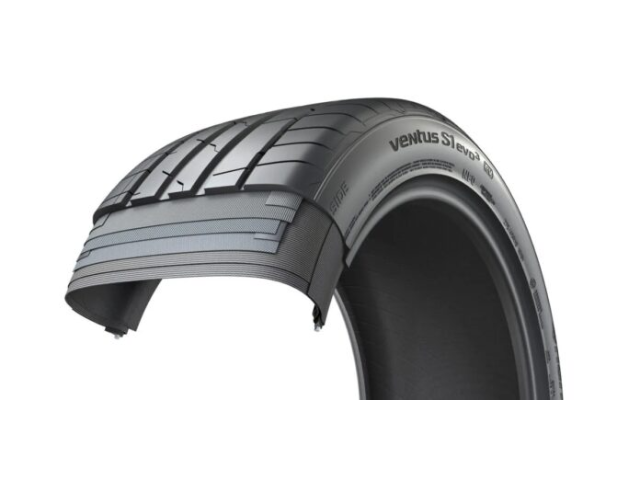
The question of EV tires vs regular tires comes up more often as electric vehicles become common on Los Angeles roads. An electric vehicle does not necessarily require a completely unique type of tire, but its weight, instant torque, noise characteristics, and efficiency goals can influence tire selection.
The safest approach is to choose a tire that matches the vehicle manufacturer’s specifications rather than assuming every product labeled “EV” is automatically the best choice.
Why Can Electric Vehicles Be Harder on Tires?
Electric vehicles can have substantial curb weight because of their battery packs, and they produce strong torque immediately. Aggressive acceleration can contribute to faster tread wear, particularly when combined with incorrect tire pressure, poor alignment, or infrequent rotation.
That is why EV owners should include regular tire inspection and service in their vehicle-maintenance routine.
What Makes an EV Tire Different?
EV-oriented tires may be engineered with several goals in mind:
- Lower rolling resistance: This may support efficiency and driving range.
- Appropriate load capacity: Some EVs require tires designed to carry the vehicle’s weight.
- Reduced road noise: Without a traditional engine masking tire noise, road sound can be more noticeable inside an EV.
- Torque-friendly construction: Tread compounds and internal construction may be selected for the vehicle’s acceleration characteristics.
- Vehicle-specific fitment: Size, speed rating, load index, and wheel dimensions must all be correct.
Does Every EV Need an EV-Rated Tire?
Not necessarily. The correct tire depends on the vehicle’s specifications and the manufacturer’s requirements. Before buying tires, verify the tire size, load index, speed rating, original-equipment specifications, and wheel dimensions.
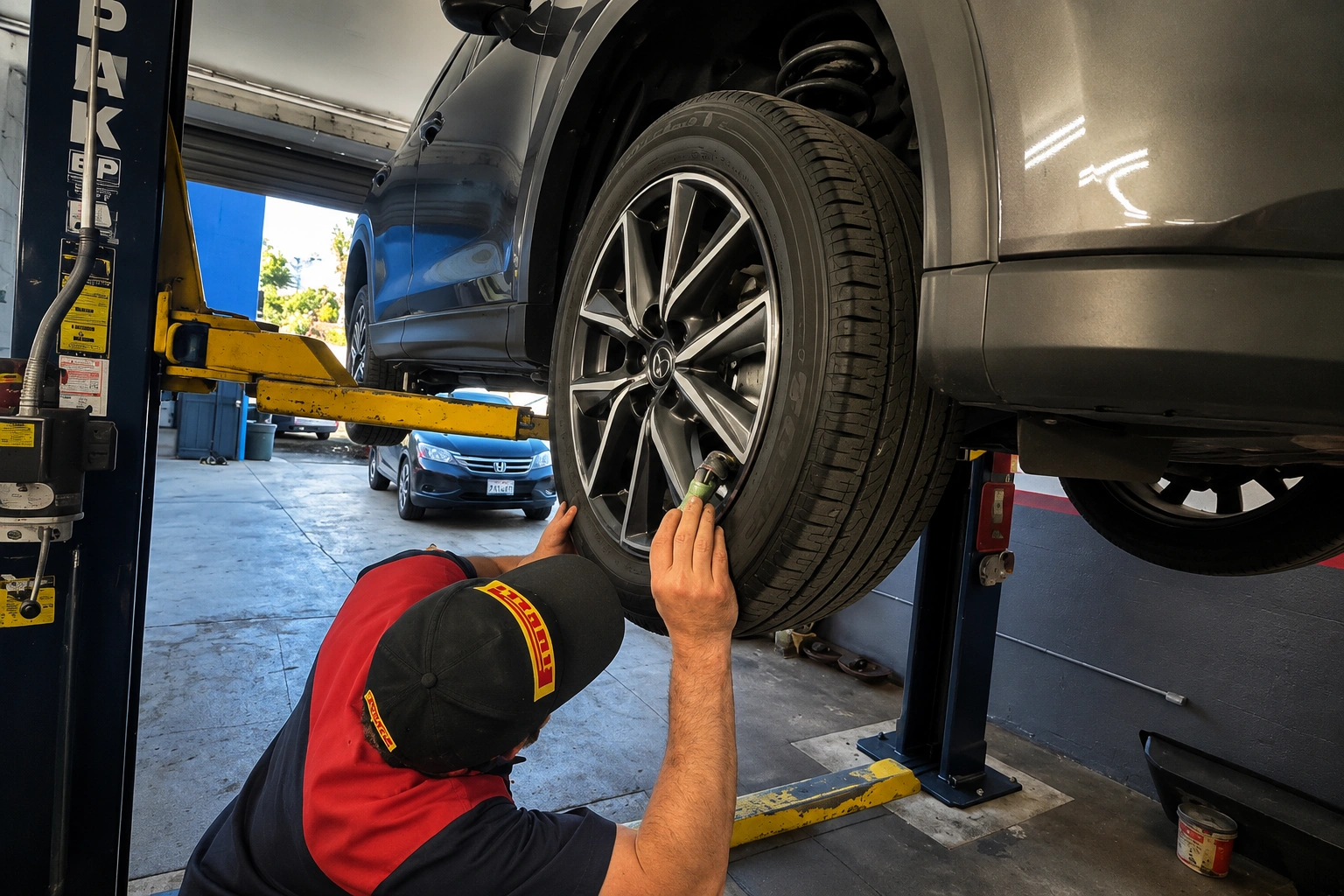
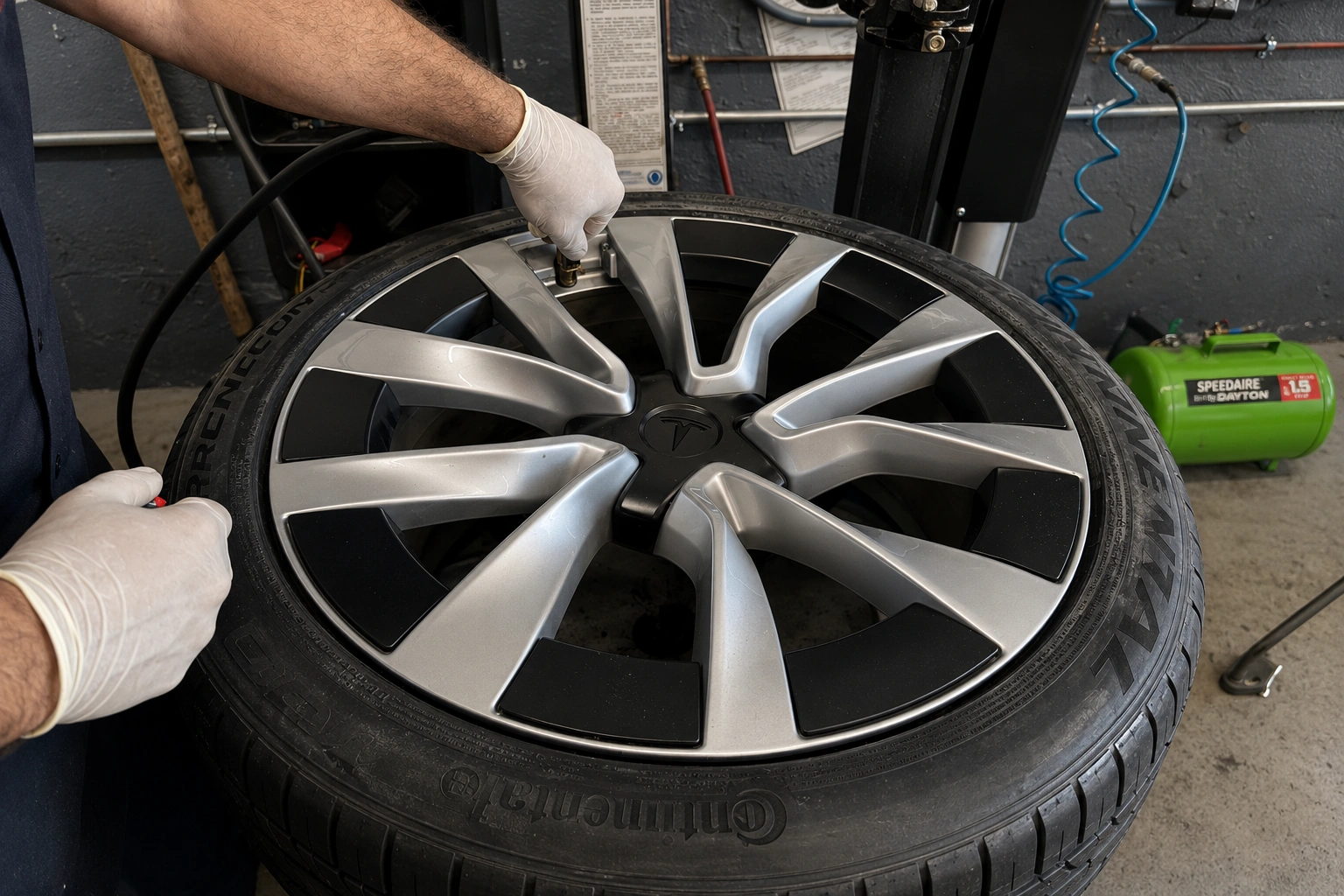
A tire professional can compare compatible options and explain whether a particular EV-rated tire offers a meaningful advantage for your vehicle. The broader vehicle service team can also help identify related maintenance needs before installation.
Can You Put Regular Tires on an EV?
Sometimes a conventional tire can be compatible with an EV if it meets all required specifications. However, “it fits the wheel” is not enough. The tire must have suitable load capacity, speed rating, dimensions, handling characteristics, and clearance.
Do not choose a tire based only on price or appearance. Confirm compatibility with the vehicle manufacturer’s information and ask a qualified tire technician to check the fitment.
Why Tire Pressure Matters on EVs
Correct tire pressure affects range, handling, tread wear, ride comfort, and rolling resistance. Underinflation can increase heat and rolling resistance, while overinflation can affect ride quality and the tire’s contact with the road.
Use the pressure recommended by the vehicle manufacturer, not the maximum pressure printed on the tire sidewall. Check pressure when the tires are cold and inspect them after significant temperature changes or a road impact.
Tire Rotation Is Still Important
EVs still benefit from appropriate tire rotation when the vehicle and tire design allow it. Rotation can help distribute wear more evenly, but some EVs use staggered tire sizes or directional tires that limit rotation options.
Always follow the vehicle and tire manufacturer’s instructions. If you notice uneven wear, vibration, or unusual noise, request a tire inspection before simply rotating or replacing the tires.
Alignment Can Affect EV Tire Life
An alignment problem can wear through an expensive set of EV tires prematurely. Watch for inner-edge wear, feathering, pulling, an off-center steering wheel, or a vehicle that feels unstable at speed.
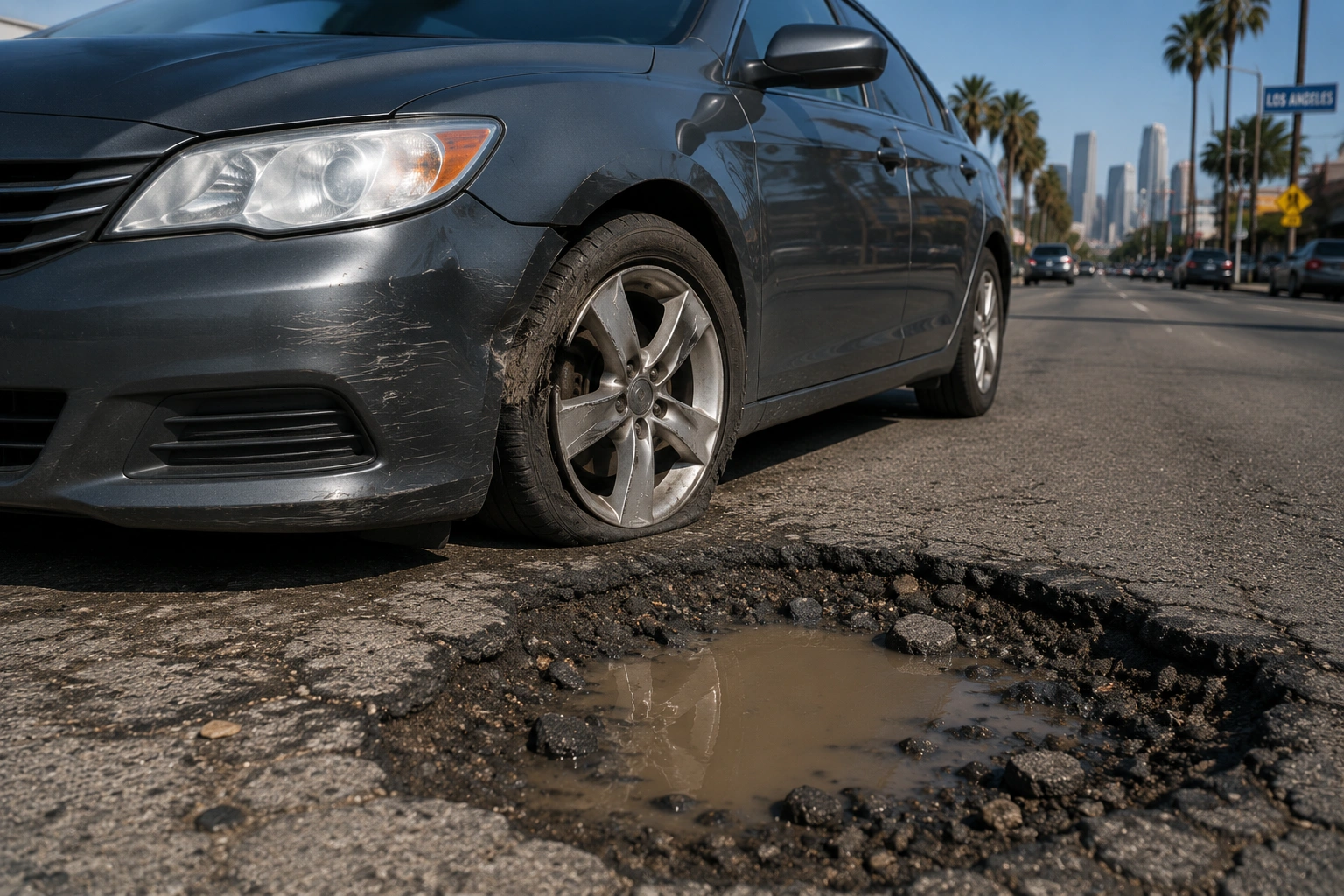
A professional wheel alignment service checks the applicable camber, caster, and toe angles. Alignment should also be considered after a pothole impact, suspension repair, or change in handling.
Suspension Condition Matters Too
Worn suspension components can affect tire contact with the road and create irregular wear. Shocks, struts, bushings, ball joints, and other parts may need inspection when the vehicle bounces, clunks, pulls, or develops cupped tread.
A suspension inspection can help determine whether tire wear is caused by the tire itself or by a worn component affecting the vehicle’s geometry and stability.
EV Tires Do Not Eliminate Maintenance
Electric vehicles may have fewer traditional powertrain maintenance requirements, but tires remain wear items. EV owners should monitor tread depth, pressure, sidewall condition, alignment, rotation eligibility, and road noise.
Brake systems also deserve attention. Regenerative braking can reduce use of the friction brakes in some driving conditions, but the pads, rotors, calipers, and brake fluid still require inspection. A professional brake inspection can identify corrosion, wear, or other safety concerns.
When Should You Replace EV Tires?
Replace tires based on actual condition and the manufacturer’s guidance rather than a fixed mileage number. Look for:
- Low tread depth.
- Cracks, bulges, or sidewall damage.
- Punctures or repeated air loss.
- Uneven or rapidly increasing tread wear.
- Vibration, pulling, or excessive road noise.
- Age-related deterioration.
If tires are wearing unusually quickly, inspect alignment and suspension before installing another set. Replacing tires without correcting the underlying cause may repeat the same wear pattern.
Frequently Asked Questions
Are EV tires different from regular tires?
Some EV tires are designed for lower rolling resistance, greater load capacity, reduced noise, or higher torque. However, the correct choice depends on the vehicle’s specifications.
Can I use regular tires on an electric car?
Possibly, if the tires meet the required size, load index, speed rating, clearance, and manufacturer specifications. Confirm compatibility before installation.
Do EVs wear tires faster?
They can, especially when higher vehicle weight and instant torque are combined with aggressive acceleration, incorrect pressure, poor alignment, or infrequent rotation.
Does tire pressure affect EV range?
Yes. Incorrect pressure can increase rolling resistance, affect handling, and reduce efficiency. Follow the manufacturer’s recommended cold pressure.
Why are my EV tires wearing unevenly?
Possible causes include incorrect pressure, alignment problems, worn suspension components, improper rotation, tire imbalance, or a tire defect. A complete inspection can identify the cause.
The Bottom Line
The EV tires vs regular tires question should not be reduced to “electric vehicles always need special tires.” Some EVs benefit from tires engineered for their weight, torque, range, and noise characteristics, while others can use appropriately rated conventional products.
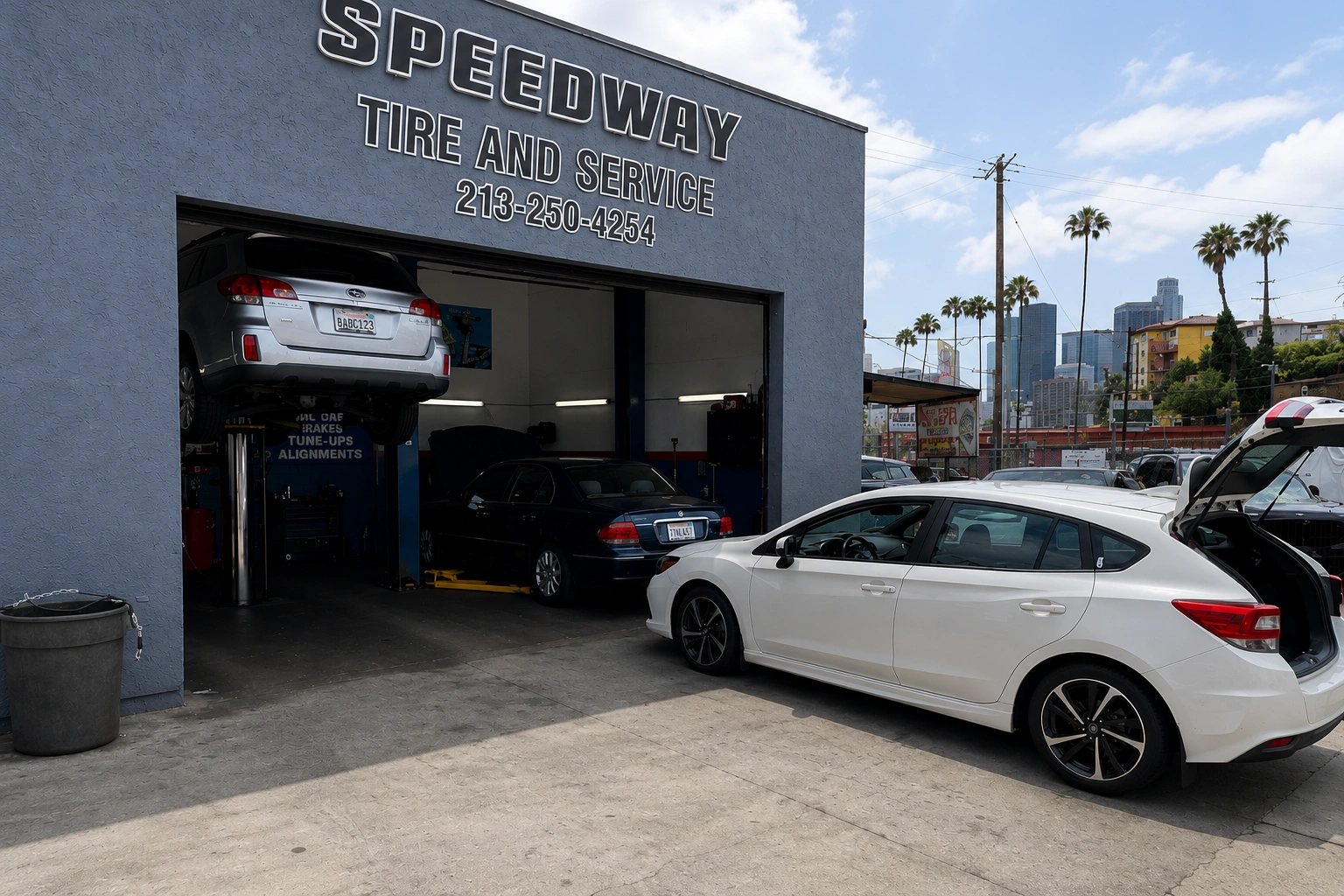
The safest approach is to match the tire to the vehicle’s load, size, speed rating, performance needs, and manufacturer specifications. Speedway Tire & Service can help inspect your tires and explain compatible options for driving in Los Angeles.
Need help choosing or maintaining EV tires? Schedule a professional tire inspection and ask about pressure, rotation, alignment, suspension, and compatible replacement options.
Visit Us: 1165 West Sunset Blvd, Los Angeles, CA 90012
Call Now: (213) 250-4254
Looking for an Honest Auto Repair Shop in Los Angeles? Call Speedway Tire and Service Today
Whether you are driving through LA traffic or cruising the freeways, your car deserves expert care. Located in Los Angeles, Speedway Tire and Service offers reliable oil changes, brake repairs, tire services, and more, backed by experienced technicians and honest pricing.
Looking for an honest Auto Repair Shop in Los Angeles? Call Speedway Tire and Service Today
Whether you’re driving through LA traffic or cruising the freeways, your car deserves expert care. Located in Los Angeles, Speedway Tire and Service offers reliable oil changes, brake repairs, tire services, and more—all backed by experienced technicians and honest pricing.