Nitrogen vs Air in Tires - Is It Worth It for a DTLA Commute?
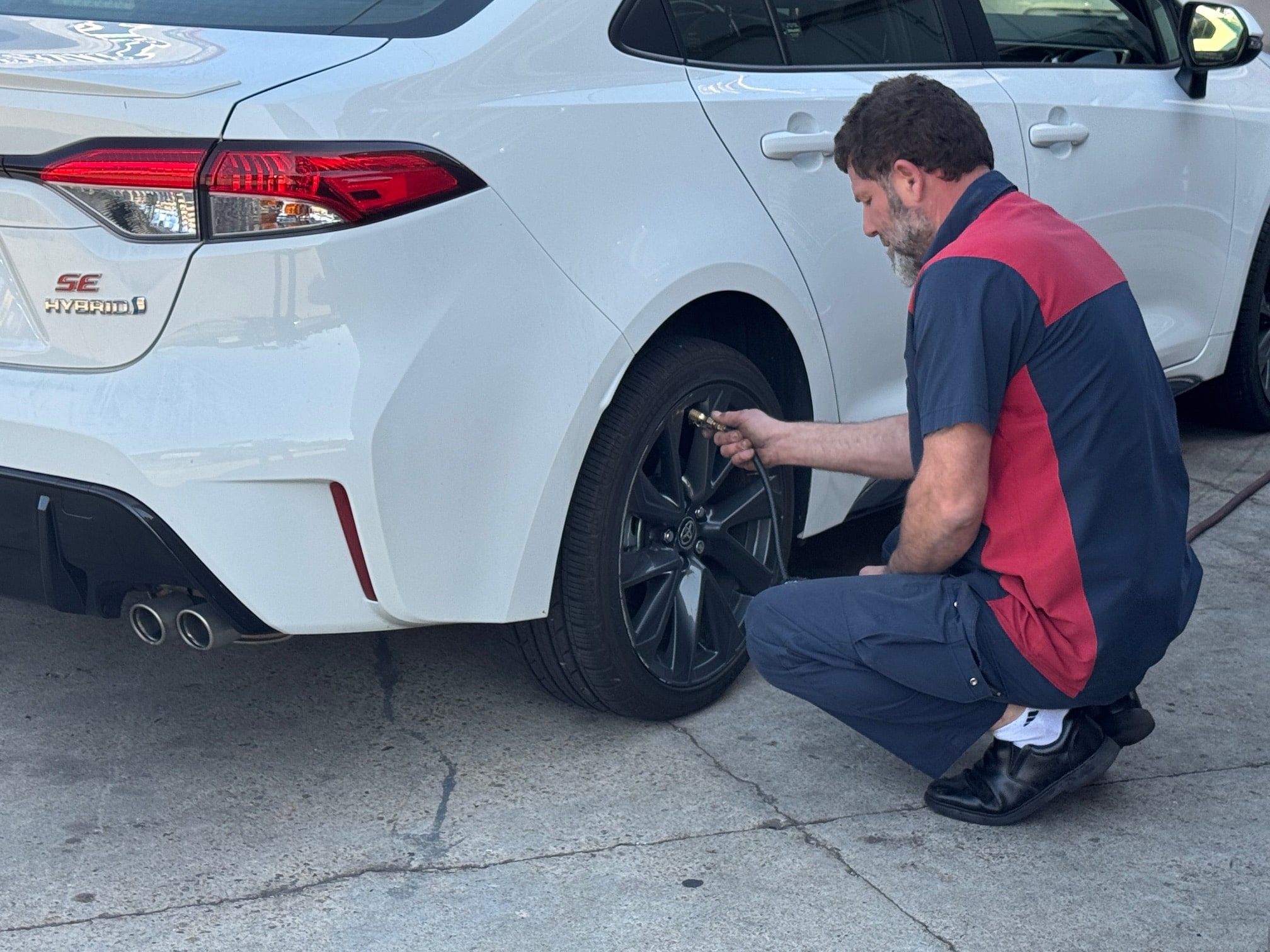
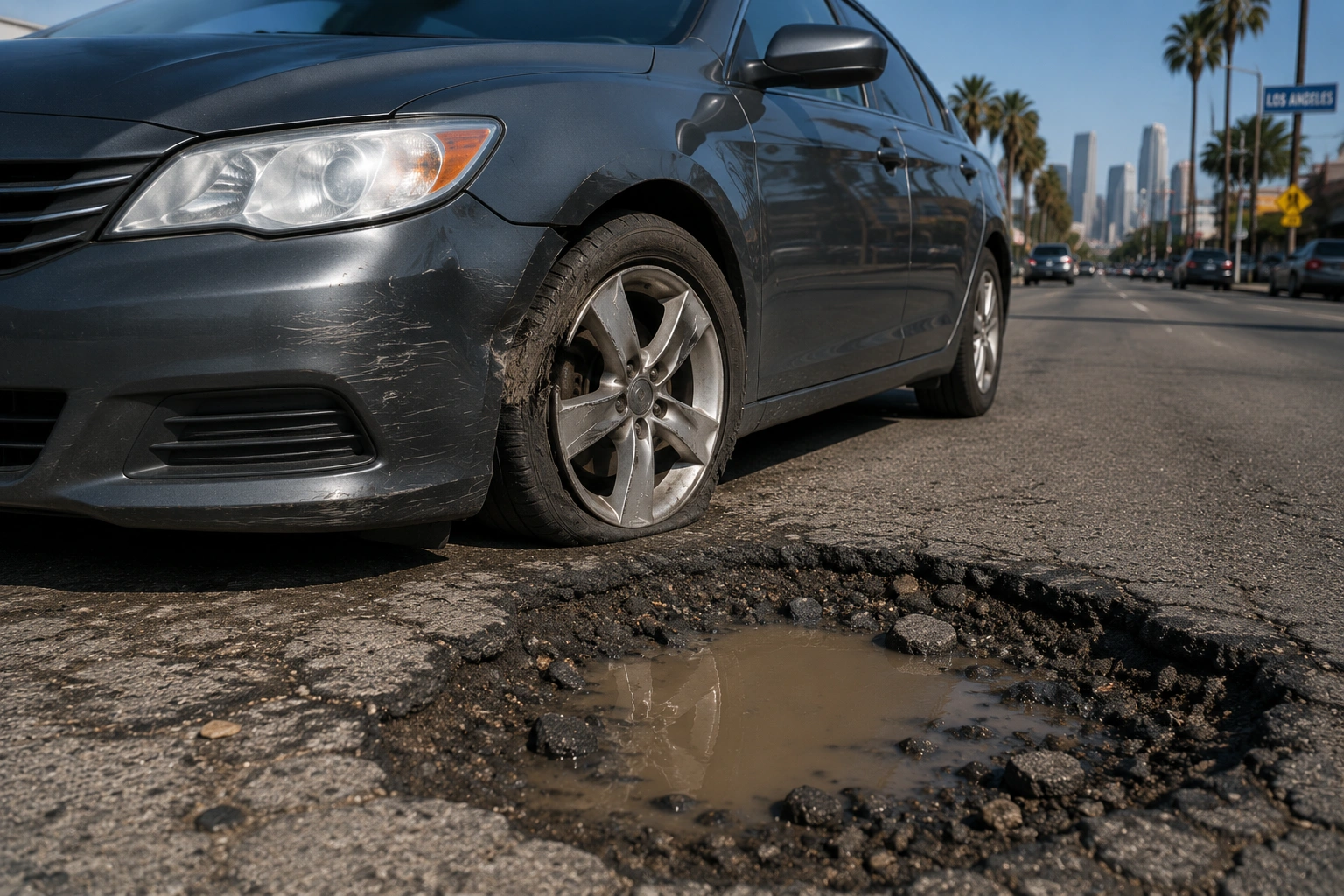
If you commute through Downtown Los Angeles, your tires deal with potholes, construction debris, stop-and-go traffic, long red lights, and repeated heat cycles. When a shop offers nitrogen-filled tires, it can sound like a useful upgrade. But is nitrogen vs air in tires really worth paying extra for a DTLA commute?
For most drivers, the biggest benefit comes from maintaining the correct tire pressure and checking it regularly. Nitrogen can provide some advantages in specific situations, but it is not a substitute for tire maintenance.
Quick Answer for DTLA Drivers
For most Downtown LA commuters, nitrogen is optional rather than essential. Regular compressed air is already mostly nitrogen, and the practical difference is usually smaller than the benefit of consistent pressure checks.
Nitrogen may make sense when:
- It is free or inexpensive with a tire purchase.
- You want somewhat slower pressure loss over time.
- You drive long highway distances, tow, or use performance tires.
- You manage a fleet and want standardized maintenance.
- You rarely check pressure and want an additional margin against slow pressure loss.
For a typical daily commute, the best investment is usually a reliable pressure gauge, regular checks, correct inflation, and professional tire service in Los Angeles.
What Is the Difference Between Nitrogen and Regular Air?
Regular compressed air is already approximately 78% nitrogen, along with oxygen and small amounts of other gases. A nitrogen fill generally uses higher-purity nitrogen and may introduce less moisture, depending on the equipment and process.
Those differences may contribute to somewhat slower pressure loss or more consistent pressure behavior. However, temperature changes, leaks, driving conditions, and the time between pressure checks still have a much larger effect on tire safety for most city drivers.
Benefit 1- Tire Pressure Stability
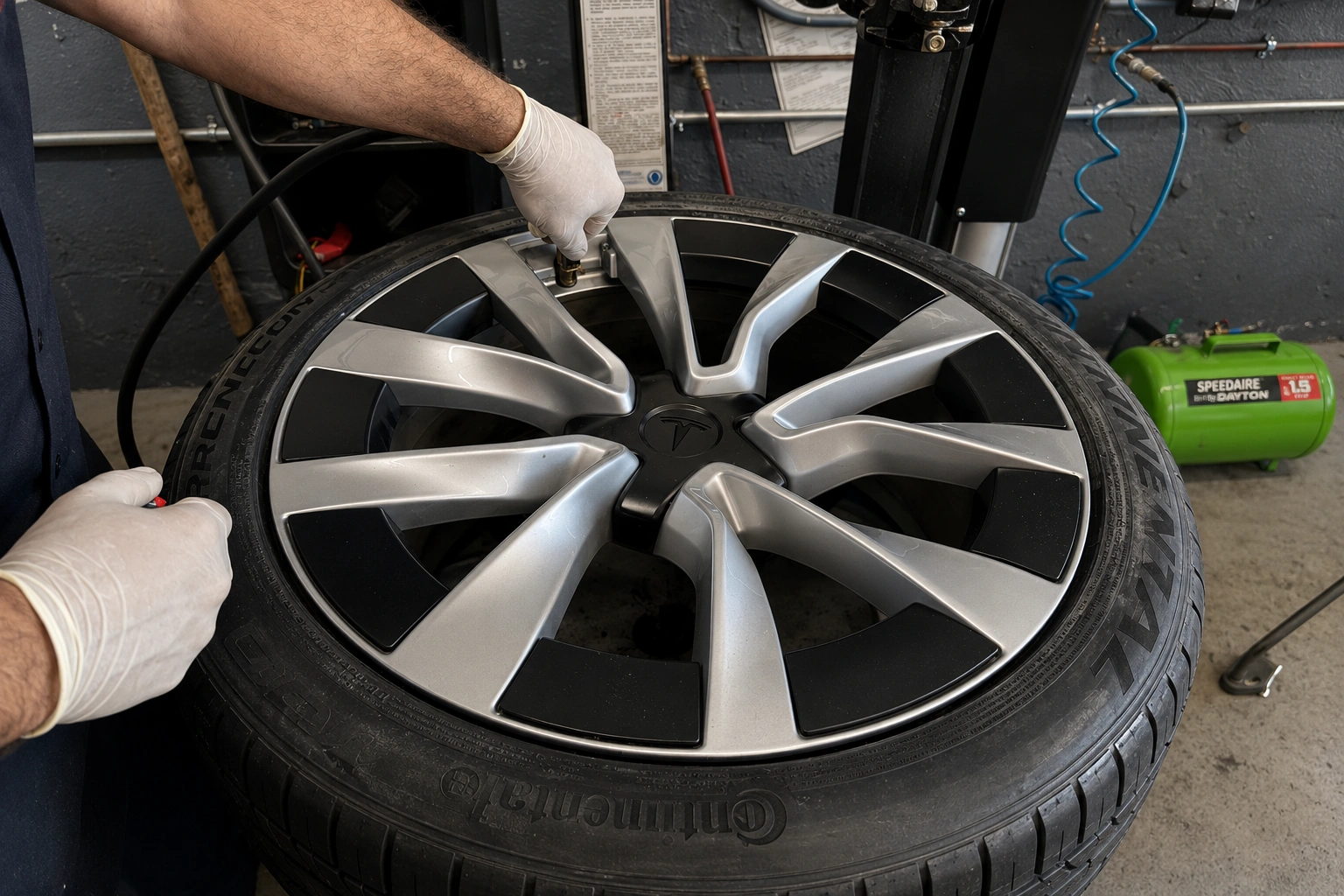
Nitrogen may lose pressure slightly more slowly than compressed air in some conditions. That can be useful for drivers who travel long distances or maintain specialized tires.
In DTLA, tire pressure is affected by morning and afternoon temperatures, heat from stop-and-go driving, road impacts, and the time between checks. Nitrogen will not prevent underinflation if a tire has a puncture, bead leak, damaged valve, or other problem.
Check tires when they are cold and follow the pressure listed on the vehicle’s door-jamb label. A TPMS warning or repeated need to add air should be treated as a reason for an inspection, not simply a reason to buy more nitrogen.
Benefit 2- Tire Life and Fuel Economy
Correct pressure can support tread life, fuel economy, handling, and ride comfort. Underinflation increases rolling resistance and heat, while overinflation can affect the tire’s contact with the road.
The improvement comes primarily from correct inflation rather than nitrogen itself. Regular pressure checks, rotations, and tread inspections are more important for most commuters than the gas used to fill the tire.
Drivers who notice irregular wear should request a wheel alignment inspection because alignment drift can damage tires much faster than the choice between air and nitrogen.
What About Moisture and Corrosion?
Some nitrogen systems introduce less moisture than certain compressed-air systems. Lower moisture may reduce internal corrosion risk in particular wheels or tire-pressure monitoring components over long periods.
For a typical commuter vehicle, this is not usually the deciding factor. Tire condition, correct pressure, proper repairs, and regular inspection have a more direct effect on safety and performance.
The Main Downside - Cost and Convenience
Nitrogen prices vary. Some shops include it with tire purchases or maintenance plans, while others charge per tire or sell packages.
Convenience is another consideration. If tire pressure is low and a nitrogen station is not nearby, adding regular air is better than continuing to drive underinflated while searching for nitrogen. Once air is added, the tire contains a mixture, which is safe and practical for normal use.
The important rule is simple: add the correct pressure when needed. Do not delay a pressure correction because you want to preserve a particular gas mixture.
When Nitrogen May Be Worth It
Nitrogen may be worth considering if it is free or inexpensive, easy to refill, and compatible with your maintenance routine. It can also be useful for long highway driving, towing, performance applications, or fleet operations where pressure consistency is closely managed.
For a daily DTLA commute with occasional freeway driving, regular air is generally sufficient when the tires are properly inflated and inspected.
What Matters More Than Nitrogen?
1. Correct Cold Tire Pressure
Check pressure before driving or after the vehicle has been parked for several hours. Use the manufacturer’s recommended PSI rather than the maximum number printed on the sidewall.
2. Fix Slow Leaks Early
If you repeatedly add air, the tire may have a puncture, bead leak, damaged valve, or wheel problem. Ask about a routine maintenance inspection so related tire concerns can be identified early.
3. Maintain Alignment
Potholes and curb impacts can change alignment angles. Watch for pulling, an off-center steering wheel, vibration, or uneven tread wear. Correcting alignment can protect tires and improve handling.
4. Inspect Suspension Components
Worn shocks, struts, bushings, or other suspension components can create cupping and irregular tire wear. A suspension inspection may be needed when tire wear returns after pressure and alignment are corrected.
5. Choose the Right Tire
Tire selection matters in city driving. Consider the manufacturer’s specifications, load capacity, tread design, sidewall characteristics, and expected driving conditions. A tire professional can help compare compatible products.
Practical Decision Guide
Choose Regular Air If:
- You check pressure monthly or use a reliable TPMS.
- You want maximum convenience.
- You do not want to pay extra for a modest potential benefit.
- You can maintain the recommended PSI consistently.
Consider Nitrogen If:
- It is included at no additional cost.
- It is easy to refill near your normal routes.
- You drive long distances, tow, or need closely managed pressure.
- You understand that pressure checks are still necessary.
For help with pressure, tread, TPMS, wear patterns, and tire selection, the complete vehicle service team can assess what your commute actually requires.
Frequently Asked Questions
Is nitrogen better than air for tires?
Nitrogen may reduce pressure loss slightly and introduce less moisture in some conditions, but regular air is adequate for most drivers when tire pressure is checked and maintained properly.
Can I add regular air to nitrogen-filled tires?
Yes. Adding regular air is safe when pressure is low. Safety and correct inflation matter more than preserving a gas mixture.
Does nitrogen improve fuel economy?
Correct tire pressure supports fuel economy. The improvement generally comes from proper inflation rather than nitrogen itself.
Does nitrogen stop tire leaks?
No. Nitrogen does not repair punctures, bead leaks, valve problems, or wheel damage. A leaking tire needs inspection and appropriate repair.
How often should I check nitrogen-filled tires?
Check them as often as regular tires, preferably monthly and before long trips, while following the vehicle manufacturer’s pressure recommendations.
The Bottom Line
For most DTLA commuters, nitrogen is an optional tire service rather than a necessity. The priorities are correct PSI, regular inspections, timely leak repair, alignment, suspension condition, and appropriate tire selection.
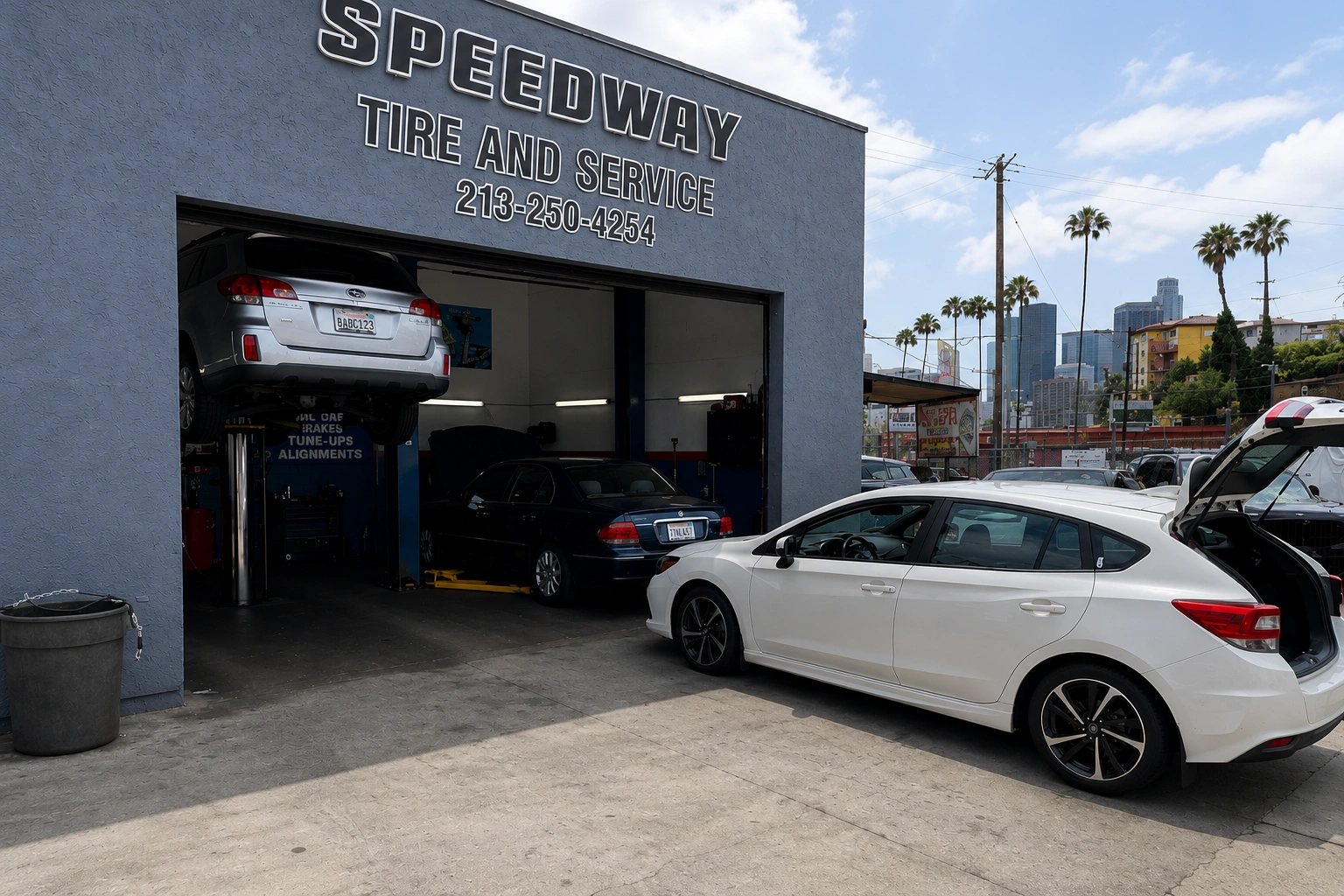
Need a tire-pressure or wear inspection? Speedway Tire & Service can check your tires and explain whether nitrogen, regular air, repair, rotation, alignment, or replacement is appropriate.
Visit Us: 1165 West Sunset Blvd, Los Angeles, CA 90012
Call Now: (213) 250-4254
Looking for an Honest Auto Repair Shop in Los Angeles? Call Speedway Tire and Service Today
Whether you are driving through LA traffic or cruising the freeways, your car deserves expert care. Located in Los Angeles, Speedway Tire and Service offers reliable oil changes, brake repairs, tire services, and more, backed by experienced technicians and honest pricing.
Looking for an honest Auto Repair Shop in Los Angeles? Call Speedway Tire and Service Today
Whether you’re driving through LA traffic or cruising the freeways, your car deserves expert care. Located in Los Angeles, Speedway Tire and Service offers reliable oil changes, brake repairs, tire services, and more—all backed by experienced technicians and honest pricing.