Car Won’t Start Battery, Starter, or Alternator? A Simple LA Driver’s Checklist
That Sinking Feeling - Your Car Will Not Start in Los Angeles
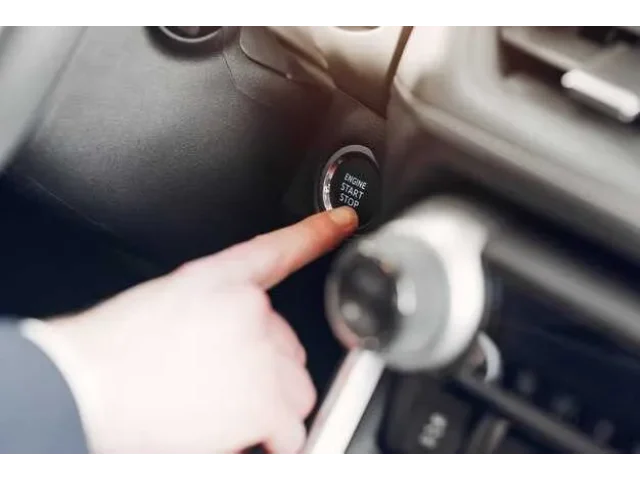
There is nothing worse than turning the key or pressing the start button and hearing silence. Whether you are leaving Downtown Los Angeles or trying to get home after a long day, a car that will not start is more than an inconvenience.
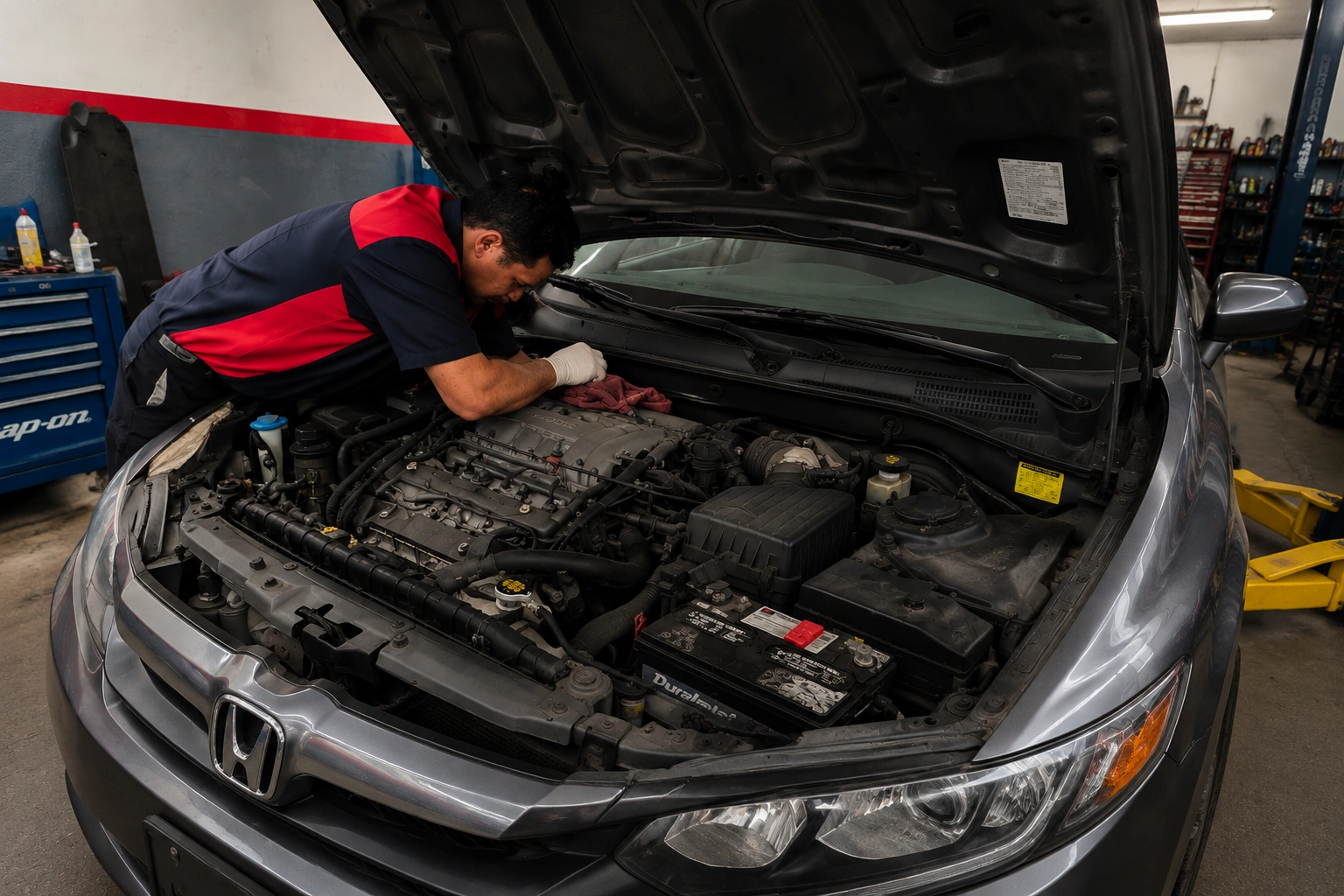
The immediate question is usually the same: is the problem the battery, the starter, or the alternator? These components work together in the starting and charging system, so a failure in one can create symptoms that resemble a problem in another.
Understanding the Starting and Charging System
Think of the three main components as a team:
- The battery: Stores electrical energy needed to start the vehicle and power accessories when the engine is off.
- The starter: Uses battery power to turn the engine over so it can begin running.
- The alternator: Generates electricity after the engine starts and recharges the battery while powering the vehicle’s electrical systems.
A weak alternator may leave the battery discharged. A dead battery may not supply enough power to the starter. A failed starter may not turn the engine even when the battery and alternator are working correctly. Finding the root cause is more reliable than replacing parts based on one symptom.
Symptoms - Is It the Battery, Starter, or Alternator?
Signs of a Weak or Dead Battery
A failing battery is one of the most common reasons a vehicle will not start. Possible signs include:
- Slow or sluggish engine cranking.
- Rapid clicking when you turn the key.
- Dim or flickering headlights and interior lights.
- No electrical power at all.
- Corrosion around the battery terminals.
- A vehicle that starts with a jump but struggles again later.
Los Angeles heat can accelerate battery wear by increasing fluid evaporation and internal corrosion. If the battery is several years old or the vehicle has shown slow-starting symptoms, request battery testing and charging-system service. You can also review these tips for protecting car battery life in Los Angeles heat.
Signs of a Failing Alternator
An alternator that is not charging properly may show symptoms while driving:
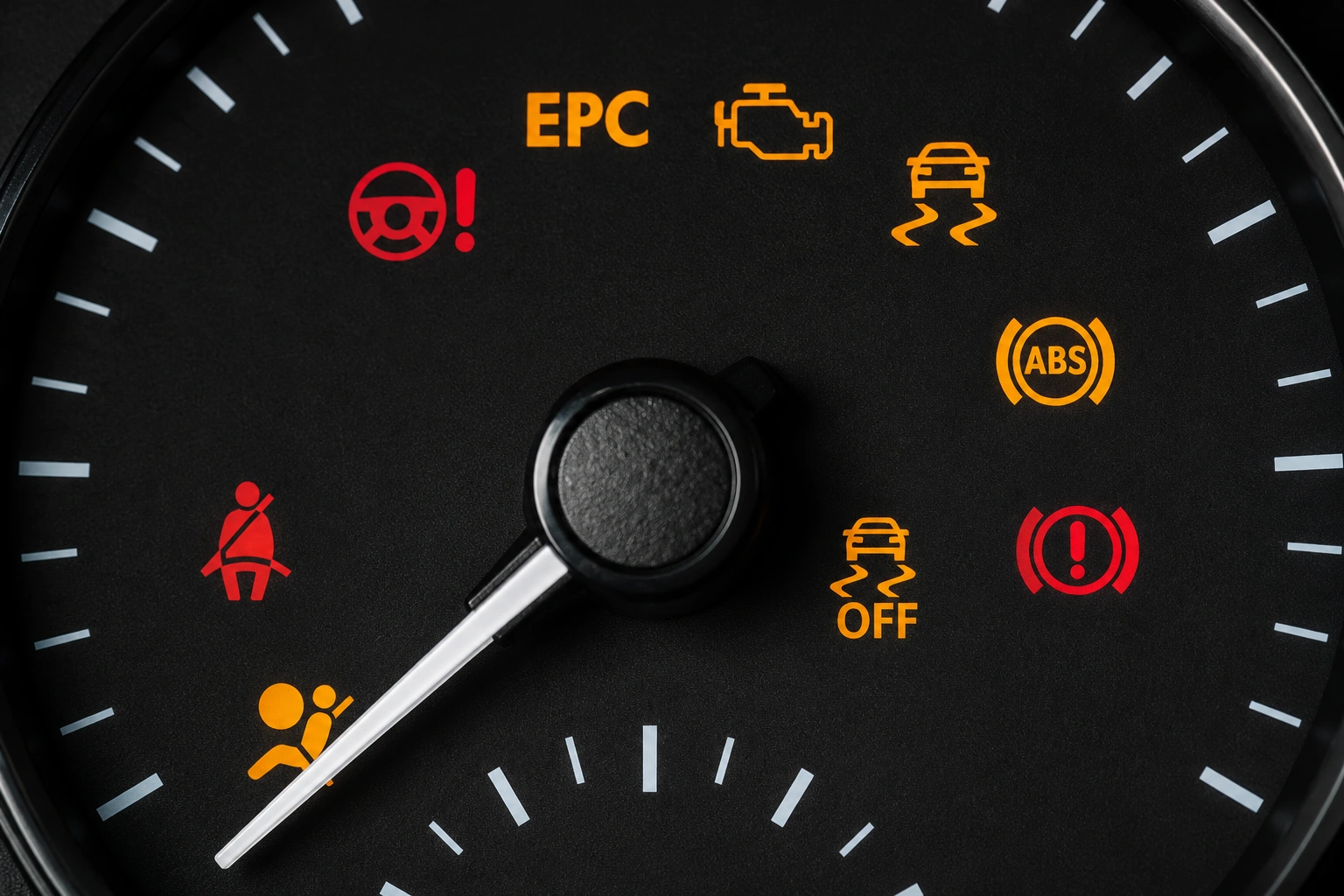
- A battery-shaped charging warning light on the dashboard.
- Headlights or dashboard lights that dim, flicker, or become unusually bright.
- Whining or grinding from the engine area.
- Power windows, radio, or other electrical features working intermittently.
- The vehicle starting with a jump and then dying soon afterward.
If the alternator cannot recharge the battery, installing a new battery alone may not solve the problem. A complete charging-system diagnosis should evaluate the alternator, battery, wiring, and connections.
Signs of a Bad Starter
If the battery and alternator appear to be working, the starter may be the concern. Common signs include:
- A single loud click with no engine cranking.
- A whirring or grinding sound when starting.
- Bright lights and working accessories, but no engine response.
- Intermittent starting that becomes more frequent.
- Smoke or a burning smell near the starter or engine area.
Starter problems can involve the starter motor, solenoid, cables, ignition circuit, or a poor electrical connection. A technician can test the circuit before recommending replacement. If you hear unusual sounds during startup, ask about a complete starting and drivetrain diagnostic.
The Jump-Start Test
A jump start may provide a clue, but it is not a complete diagnosis. Use jumper cables only according to the vehicle and cable manufacturer’s instructions, and do not attempt a jump if the battery is cracked, leaking, frozen, or visibly damaged.
- Connect the cables correctly and try to start the vehicle.
- If the vehicle starts immediately, the battery may be discharged or weak.
- After disconnecting the cables safely, observe whether the vehicle continues running.
- If it dies soon after the jump, the alternator or charging system may not be supplying enough power.
- If the vehicle still will not start with a proper jump, the starter, cables, connections, or another system may be involved.
A jump start can temporarily restore power without fixing the underlying issue. Have the starting and charging systems tested before relying on the vehicle for normal driving. If the battery repeatedly loses power, review the common causes of a battery that keeps dying overnight.
Other Reasons a Car May Not Start
Not every no-start condition comes from the battery, starter, or alternator. Other possibilities include:
- A damaged battery cable or corroded terminal.
- A blown fuse or failed relay.
- An ignition-switch or key-related problem.
- A fuel-delivery or fuel-pump issue.
- A failed crankshaft or camshaft sensor.
- A security or immobilizer-system problem.
- A transmission-range or neutral-safety switch concern.
If the engine cranks normally but does not start, the issue may be different from a no-crank battery or starter failure. A professional engine and electrical diagnostic inspection can help separate these possibilities. For related maintenance concerns, review the available vehicle maintenance services.
When to Stop Trying to Start the Vehicle
Stop repeated start attempts if you smell burning, see smoke, hear severe grinding, or notice a cable or component becoming hot. Repeatedly cranking a vehicle can drain the battery further or overheat the starter.
If the vehicle is stopped in an unsafe location, move to a safe area when possible and request roadside assistance. Do not work near traffic or attempt electrical repairs without proper equipment.
Why Professional Diagnosis Matters
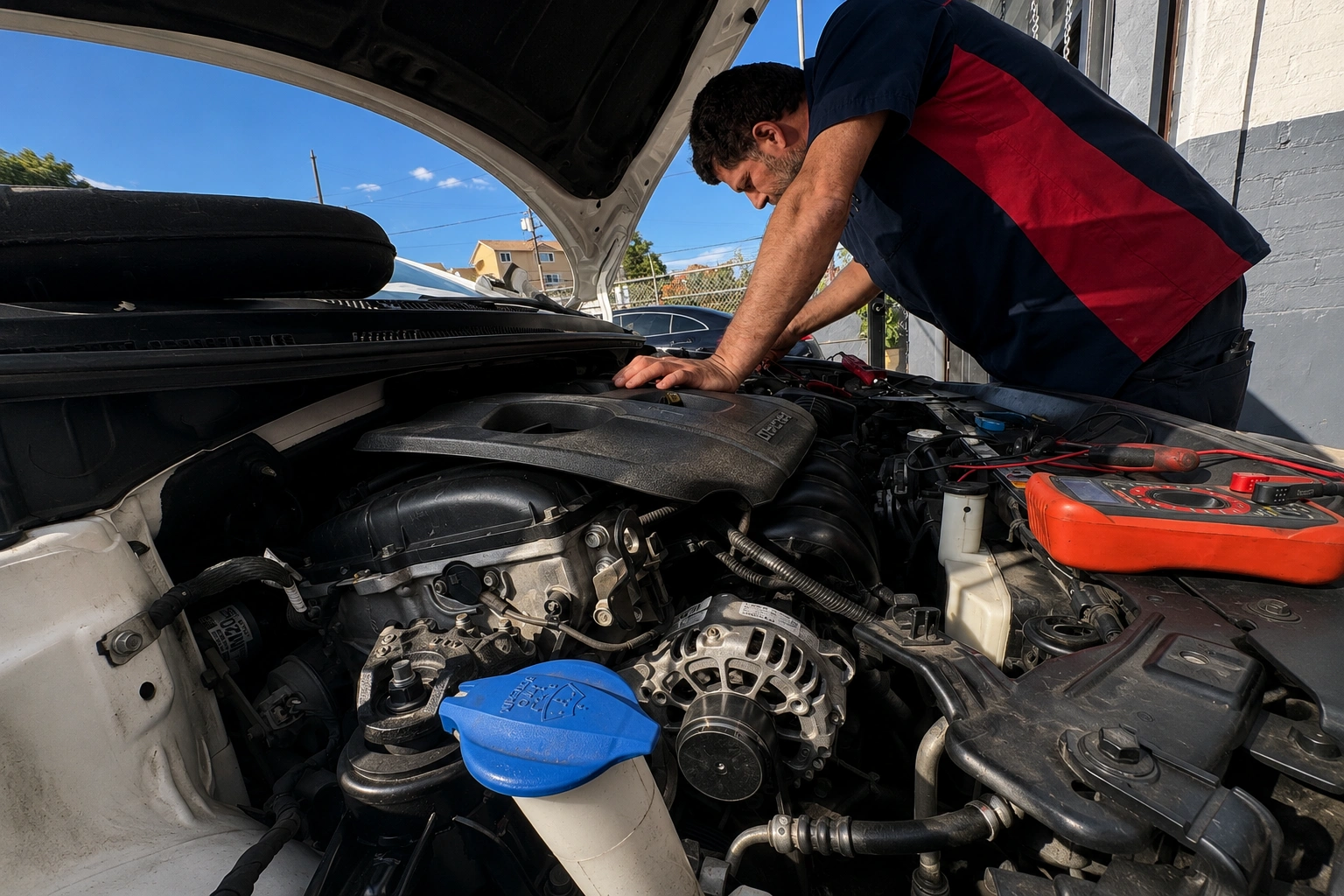
A no-start symptom can be caused by more than one issue. A technician can test battery state of charge, starting current, alternator output, voltage drop across cables, starter operation, and related electrical circuits.
This process helps avoid replacing a good battery when the alternator or starter is the real problem. It can also identify loose connections or wiring faults that might cause the vehicle to fail again.
Frequently Asked Questions
Why does my car click but not start?
Rapid clicking often indicates insufficient battery power or a poor connection. A single click may point toward the starter or starter circuit, but testing is needed to confirm the cause.
Why does my car start with a jump but die again?
The battery may be unable to hold a charge, or the alternator may not be recharging it. Both components and the related wiring should be tested.
Can Los Angeles heat damage a car battery?
Yes. High temperatures can accelerate fluid evaporation and internal wear, which may shorten battery life.
How do I know if the starter is bad?
A single click, no engine cranking despite bright lights, intermittent starting, or grinding during startup can indicate a starter or starter-circuit problem.
Should I replace the battery or alternator first?
Do not guess. Test the battery, alternator, starter, cables, and connections so the failed component is identified before replacement.
Get Back on the Road Safely
When a car will not start, the battery, starter, and alternator are the first systems to consider, but they are not the only possibilities. Pay attention to the sounds and electrical symptoms, use a jump start cautiously, and arrange a professional diagnosis when the cause is unclear. A complete vehicle systems inspection can help address related concerns discovered during diagnosis.
Car will not start? Speedway Tire & Service can test the starting and charging system and explain whether the vehicle needs battery service, starter repair, alternator replacement, or another diagnostic step.
Visit Us: 1165 West Sunset Blvd, Los Angeles, CA 90012
Call Now: (213) 250-4254
Looking for an Honest Auto Repair Shop in Los Angeles? Call Speedway Tire and Service Today
Whether you are driving through LA traffic or cruising the freeways, your car deserves expert care. Located in Los Angeles, Speedway Tire and Service offers reliable oil changes, brake repairs, tire services, and more, backed by experienced technicians and honest pricing.
Looking for an honest Auto Repair Shop in Los Angeles? Call Speedway Tire and Service Today
Whether you’re driving through LA traffic or cruising the freeways, your car deserves expert care. Located in Los Angeles, Speedway Tire and Service offers reliable oil changes, brake repairs, tire services, and more—all backed by experienced technicians and honest pricing.