Car Battery Keeps Dying Overnight in LA? The Parasitic Drain Problem Explained
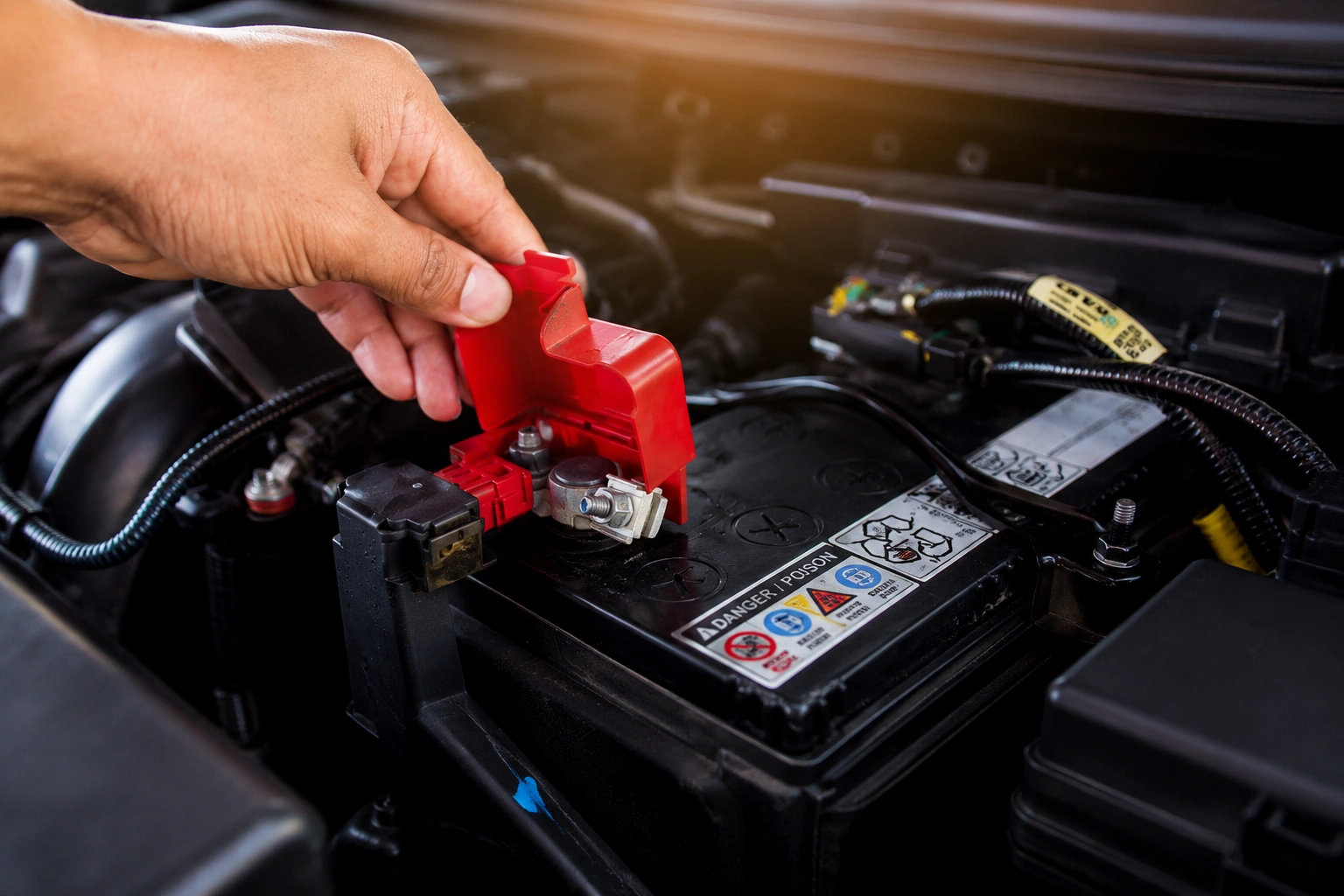
If your car battery keeps dying overnight, the cause is usually one of three things: a battery that can no longer hold a charge, a charging system that isn't refilling it, or a “parasitic drain”—something staying powered on after you shut the car off. A small amount of standby draw is normal; an excessive one will flatten the battery while you sleep. Because the fix is completely different for each cause, the reliable next step is testing rather than guessing. A shop can measure the battery, the charging system, and the draw to find what's actually emptying it overnight.
What is a parasitic battery drain?
Even when your car is off, a few systems keep drawing a tiny bit of power—the clock, the alarm, the radio presets, and the computer's memory. This small, normal draw is called parasitic draw, and a healthy battery handles it easily for days or weeks.
A parasitic drain is when something pulls far more than it should after shutdown—a light that stays on, a module that won't “sleep,” a faulty relay, or an accessory wired incorrectly. That excess draw can empty a good battery overnight, leaving you with a car that won't start in the morning.
Finding it takes proper testing, because the battery, the charging system, and a parasitic draw all produce the same symptom. Tire, brake, and engine issues should be diagnosed before parts are replaced, and the same is true here—battery testing and electrical service pinpoints which of the three is the real culprit.
Quick Answer - When do you need to investigate a battery that dies overnight?
Have the car tested when:
- The battery is dead in the morning after working fine the night before.
- You need a jump-start repeatedly, sometimes several days in a row.
- The car starts fine after a drive but dies again after sitting overnight.
- The battery is older, or you can't recall when it was last replaced.
- A jump gets you going, but the problem keeps coming back.
Recurring overnight deaths point to a battery, charging, or drain issue that won't fix itself. Testing tells you which one before you spend on a part.
What's actually draining the battery? Three common causes
Three different problems produce the same “dead in the morning” symptom. Testing tells them apart.
|
Cause |
What's happening |
How it's found |
Typical fix |
|
Worn-out battery |
Can't hold a charge anymore |
Battery load test |
Battery replacement |
|
Charging system fault |
Alternator isn't refilling it |
Charging system test |
Repair charging system |
|
Parasitic drain |
Something stays powered on |
Draw test on the circuits |
Repair the faulty circuit |
|
Loose/corroded terminals |
Weak connection |
Visual and voltage check |
Clean and tighten |
|
Frequent short trips |
Battery never fully recharges |
Review driving pattern |
Longer drives or a top-up charge |
Because the right fix is different for each, replacing the battery when the real issue is a drain or the charging system just leads to another dead morning. Accurate diagnosis helps reduce unnecessary repairs and delays.
What signs point to the cause?
The clues around the dead battery help narrow it down:
- Dies only after sitting overnight or for a day — points toward a parasitic drain.
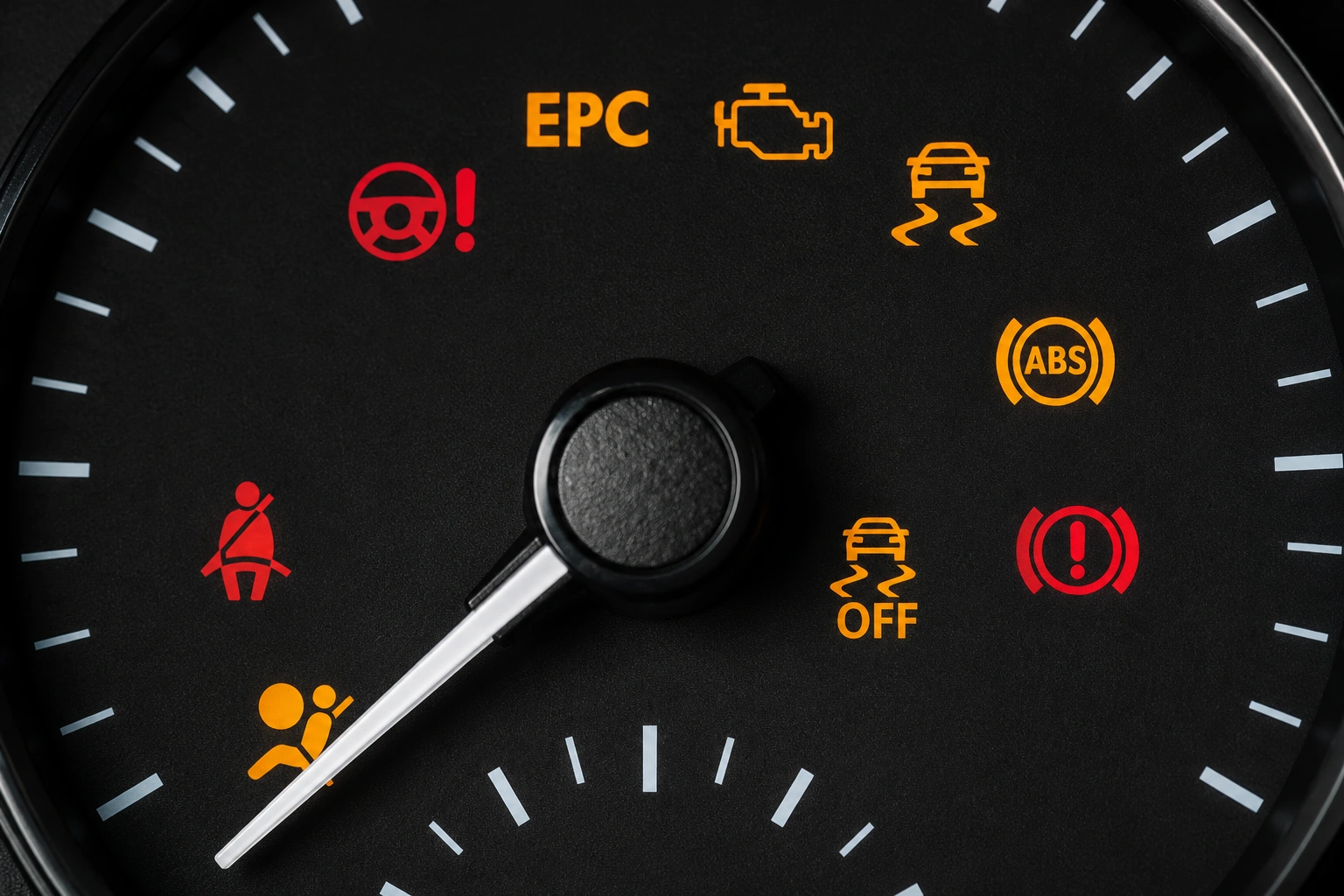
- A battery or charging warning light while driving — suggests the charging system.
- Slow, labored cranking that gets worse — often an aging battery.
- Corrosion or looseness at the battery terminals — a weak connection.
- Mostly short trips — the battery may never fully recharge between starts.
Matching the pattern to the likely cause helps the shop confirm it quickly with the right test.
What causes battery drain in Los Angeles driving conditions?
Local conditions in Echo Park, Silver Lake, and Downtown LA can shorten battery life and make a drain show up sooner. Heat and short-trip driving are the big factors.
LA heat is hard on batteries; high temperatures speed up the internal wear that reduces a battery's ability to hold a charge, so an older battery may fail faster here. Short hops around Silver Lake and Echo Park, plus crawling through stop-and-go traffic on the 101, don't always give the charging system enough run time to fully recharge between starts. Add a small parasitic drain on top of that, and an already-stressed battery gives up overnight. These conditions don't create the fault, but they often bring it to light sooner.
What can happen if you keep jump-starting instead of diagnosing it?
Relying on jump-starts treats the symptom, not the cause. Over time that can mean:
- Getting stranded when no jump is available.
- Repeated dead mornings that disrupt your schedule.
- A shortened battery life from running it flat again and again.
- An unaddressed electrical fault that may affect other systems.
- Wasted money on a new battery that dies again if the real cause is a drain.
A proper diagnosis ends the cycle by identifying what's actually emptying the battery.
What should you check before bringing your car in?
A few observations help the shop trace the problem faster. Before your visit, note:
- How often the battery dies and how long the car sat each time.
- Whether it dies only overnight or also during the day.
- Any warning lights (battery, charging) seen while driving.
- The battery's age, if you know when it was replaced.
- Recently added accessories like a dashcam, stereo, or alarm.
- Whether interior or trunk lights seem to stay on.
- Your typical trip length and how often you drive.
Sharing these details when you call helps match the right testing to the symptom.
How do you choose a trustworthy auto repair shop in Los Angeles?
Good auto service depends on clear inspection findings, honest recommendations, and matching the repair to the vehicle's needs. With a battery that keeps dying, you want a shop that tests before selling you a part.
Practical things to look for in a mechanic near Silver Lake or Echo Park:
- A clear diagnostic process that tests the battery, charging system, and draw.
- Transparent communication about what the testing shows before any work.
- Recommendations that match the symptom instead of an automatic battery sale.
- Quality parts and the correct battery specification for your vehicle.
- Local experience with LA heat and short-trip driving patterns.
- The option to call first and confirm timing and next steps.
A shop that diagnoses the cause first protects you from buying a battery that dies again. If you'd like to describe the pattern and ask about next steps, you can review the full range of auto repair and maintenance services or reach out directly.
How does Speedway Tire & Service help?
Speedway Tire & Service is a local tire and auto repair shop in Los Angeles, on West Sunset Boulevard, serving drivers in Echo Park, Silver Lake, Downtown LA, Chinatown, Lincoln Heights, and nearby neighborhoods.
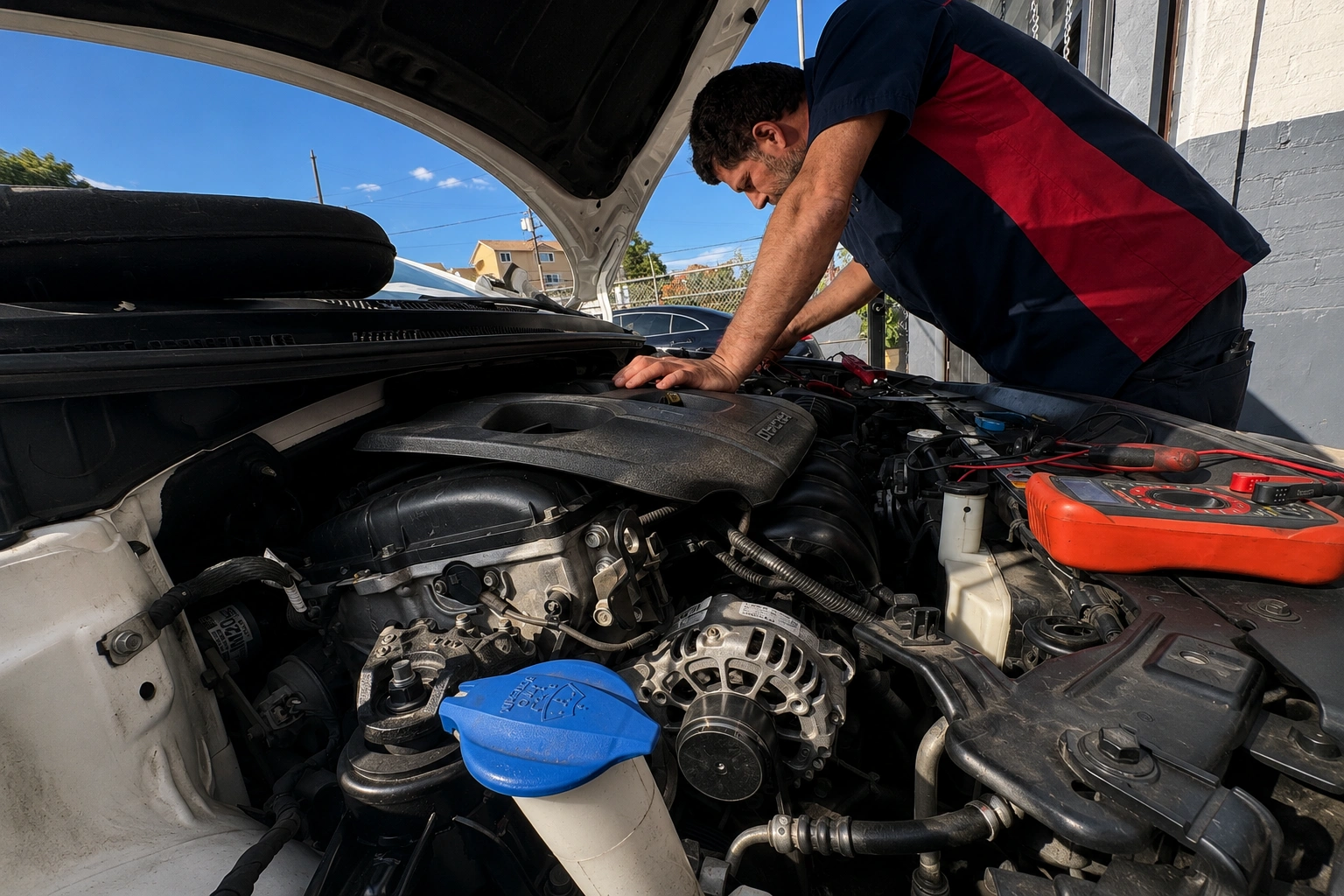
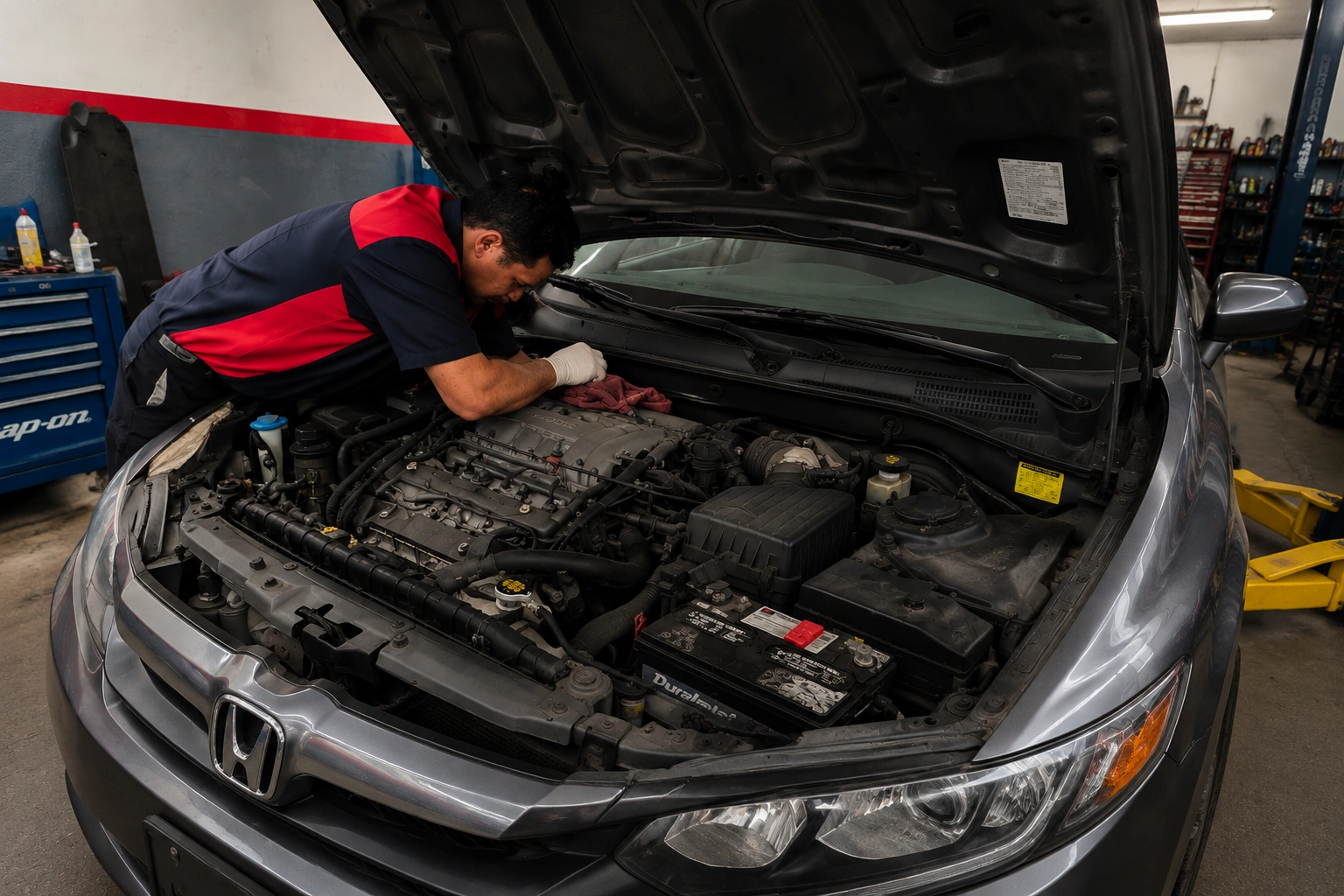
When a battery keeps dying overnight, the team can test the battery and charging system and check for a parasitic draw to confirm which of the three is the cause before recommending a fix. Where the issue is electrical, engine and electrical diagnostics help trace the circuit that's staying powered on, so the repair targets the real problem.
Repair scope, timing, and cost are confirmed after the vehicle is reviewed, and the recommended work is shared with you before anything is approved. Timing may vary depending on parts availability, shop workload, and the complexity of the issue, so calling first to confirm current availability is a good first step.
Steps to get service from Speedway Tire & Service
- Call the shop at (213) 250-4254 or review the relevant service page for your issue.
- Describe how often the battery dies, the car's sitting time, and any warning lights.
- Confirm the right testing for the battery, charging system, and draw.
- Bring the car in so the cause can be identified.
- Review the recommended work and estimate before approving it.
- Complete the repair or battery replacement and follow any after-service advice.
Frequently Asked Questions about a battery that keeps dying overnight
Why does my car battery keep dying overnight?
Usually one of three things: the battery is worn and can't hold a charge, the charging system isn't refilling it, or a parasitic drain is keeping something powered on after shutdown. A small standby draw is normal, but an excessive one flattens the battery while the car sits. Because each cause needs a different fix, testing the battery, charging system, and draw is the reliable way to find what's actually emptying it overnight.
What is a parasitic draw, and is some amount normal?
A parasitic draw is the small amount of power a car uses while off to keep the clock, alarm, and computer memory alive. A healthy battery handles that easily. The problem is a parasitic drain—something pulling far more than it should, like a light that stays on or a module that won't power down. That excess can empty a good battery overnight, and a draw test on the circuits is how it's located.
Should I just replace the battery if it keeps dying?
Not before testing. If the real cause is a parasitic drain or a charging-system fault, a new battery will simply die again, costing you twice. Testing the battery, the charging system, and the standby draw identifies which of the three is responsible, so the fix matches the cause. Replacing the battery is the right answer only when the battery itself is the confirmed problem, not a guess.
Does Los Angeles heat make battery problems worse?
Yes. High temperatures accelerate the internal wear that reduces a battery's ability to hold a charge, so LA heat can shorten battery life and make an aging battery fail sooner. Short trips around Silver Lake and Echo Park, plus stop-and-go traffic, may not give the charging system enough time to fully recharge between starts. Combined with any parasitic drain, these conditions often bring a battery problem to light faster.
Can short trips cause my battery to die?
They can contribute. Starting the engine uses a burst of power, and the charging system needs run time to replace it. If most of your driving is short hops, the battery may never fully recharge, leaving it low over time. Add LA heat or a small parasitic drain and it can go flat overnight. A test will show whether short trips, the battery, or a drain is the main factor in your case.
Do I need an appointment to test a battery drain?
Calling first is the best approach. It lets the shop confirm current availability, advise whether to bring the car in right away, and explain what the battery, charging, and draw testing involves for your vehicle. Walk-in availability can change based on shop volume, so a quick phone call helps you avoid waiting and ensures time is set aside to properly identify what's draining the battery overnight.
Call Speedway Tire & Service Today
If your car battery keeps dying overnight, the way to end the cycle is to test what's actually causing it rather than keep jump-starting. For drivers in Echo Park, Silver Lake, Downtown LA, or nearby neighborhoods, call Speedway Tire & Service at (213) 250-4254, review the services page, or contact the shop to describe the pattern and next steps. Diagnosing the battery, charging system, and draw helps you fix the real cause and start every morning with confidence.
Looking for an honest Auto Repair Shop in Los Angeles? Call Speedway Tire and Service Today
Whether you’re driving through LA traffic or cruising the freeways, your car deserves expert care. Located in Los Angeles, Speedway Tire and Service offers reliable oil changes, brake repairs, tire services, and more—all backed by experienced technicians and honest pricing.