New Tires - Should You Replace All Four or Just Two? (A Los Angeles Driver's Guide)
Deciding whether to replace all four tires or just two comes down to how worn your current tires are and what your car drives. If all four are worn similarly, replacing the set keeps handling balanced. If only two are worn—often after a flat or uneven wear—a matched pair can be fine, and the new tires generally go on the rear for stability. All-wheel-drive vehicles are the exception: they often need closely matched tires, sometimes all four. The right call depends on your tread depth and drivetrain, so a quick inspection gives you a clear, safe answer.
What does replacing in pairs or sets actually mean?
Tires work as a system. When their tread depths are close, the car grips, brakes, and handles predictably. When one or two tires are much newer—or much more worn—than the others, that balance shifts, which can affect handling, especially in the wet.
That's why tire replacement is usually discussed in pairs (both fronts or both rears) or as a full set, rather than a single tire. Replacing just one tire is sometimes possible if the others have plenty of tread left, but matching matters more than many drivers expect, particularly on all-wheel-drive vehicles.
Because the right answer depends on your specific tread depths and drivetrain, the decision should be matched to your car rather than a blanket rule. A quick tire inspection and tire service measures the tread and confirms whether two or four is the safe choice.
Quick Answer - Should you replace two or four tires?
Use this as a guide, then confirm with an inspection:
- All four worn similarly: replace all four to keep handling balanced.
- Only two worn (e.g., after a flat): a matched pair is often fine on a front- or rear-wheel-drive car.
- New pair placement: the new tires generally go on the rear for stability, even on front-wheel-drive cars.
- All-wheel drive: often needs closely matched tires, sometimes all four—check your owner's manual.
The deciding factors are how close the remaining tread is and what your vehicle drives. When in doubt, an inspection settles it safely.
Why are new tires usually put on the rear?
It surprises many drivers, but when you add two new tires to a car with two worn ones, the newer pair typically goes on the rear axle—even on front-wheel-drive cars where the fronts do the work.
The reason is stability. Tires with deeper tread handle water and grip better, and keeping the better grip at the rear helps the back of the car stay planted during hard braking or a slick corner. Worn tires up front are more predictable to manage than worn tires at the rear, which can lead to the back stepping out. This is a safety-based practice rather than a sales tactic, and a good shop will explain it before mounting.
When does your car need all four?
Certain situations point toward replacing the full set rather than a pair:
- All-wheel-drive vehicles often require closely matched tread on all four to avoid stressing the drivetrain.
- All four tires worn similarly — replacing the set keeps grip even.
- A big tread-depth gap between existing tires and new ones, which can unbalance handling.
- Mismatched sizes or types already on the car that should be corrected.
- Older tires with tread left that are aging and due regardless.
If you're unsure whether your vehicle needs matched tires, the owner's manual and a tread measurement give a clear answer.
How LA driving conditions factor into the decision
Local driving conditions in Echo Park, Silver Lake, and Downtown LA can accelerate and unbalance tire wear, which is often what brings up the two-or-four question in the first place.
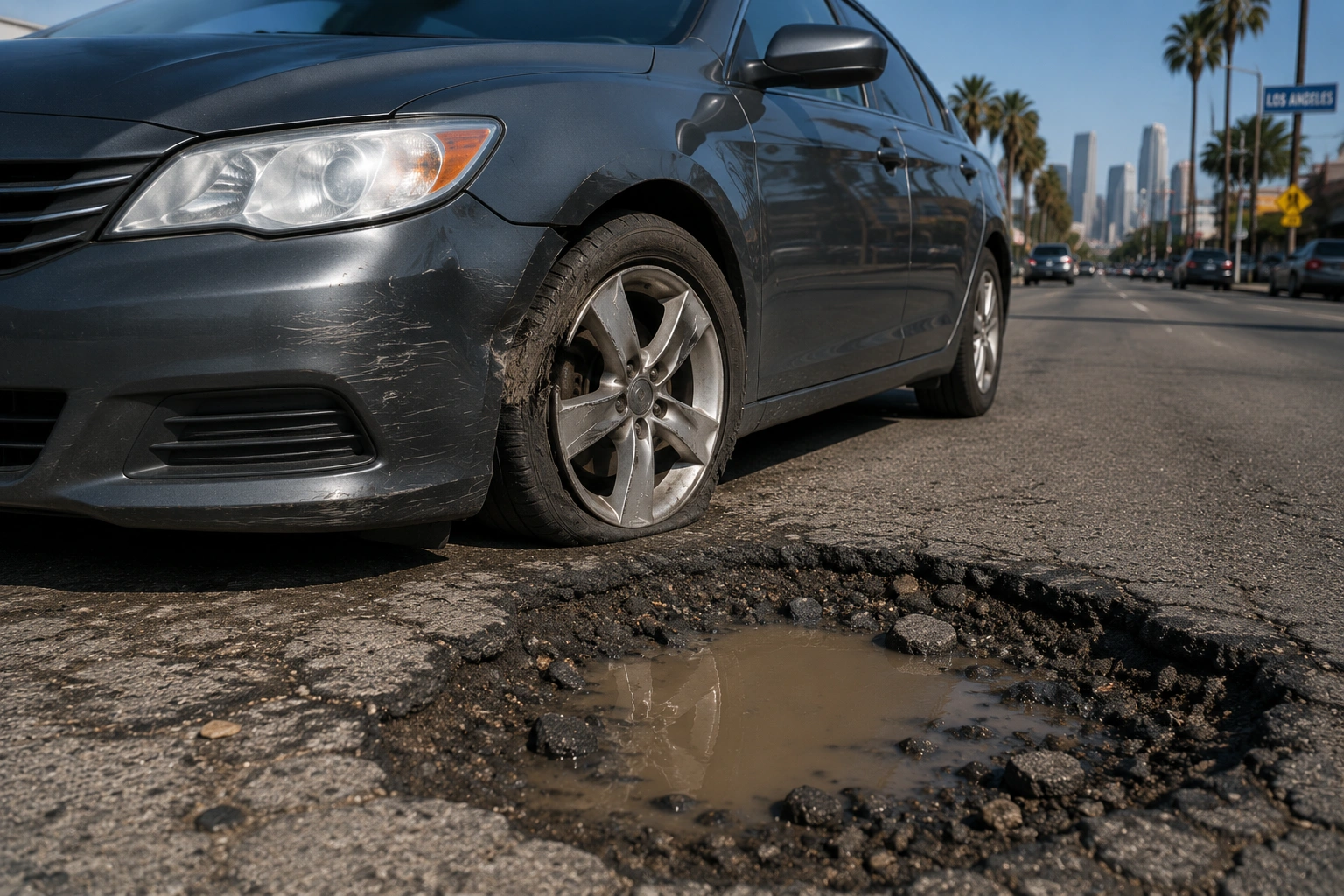
Potholes on older streets can damage a single tire, leaving you needing one or two while the others are fine. Stop-and-go traffic on the 101 and the steep hills around Silver Lake and Echo Park can wear front and rear tires at different rates, widening the gap between them. LA heat ages rubber faster, so older tires may be due even with tread remaining. And while LA is dry much of the year, the first rains make matched, good-tread tires especially important for safe stopping. These conditions make a tread measurement worthwhile before deciding.
What can happen if you mismatch tires the wrong way?
Getting the two-or-four decision wrong can affect safety and cost. Potential issues include:
- Reduced stability, especially if newer tires are placed on the front instead of the rear.
- Drivetrain strain on AWD vehicles running mismatched tread depths.
- Uneven handling and less predictable braking in the wet.
- Faster wear if an alignment issue isn't corrected at the same time.
- Wasted money if you replace more (or fewer) tires than you actually need.
A proper inspection avoids these by matching the recommendation to your tread depths and drivetrain.
What should you check before bringing your car in?
A little information helps the shop give you a clear two-or-four answer. Before your visit, note:
- Your drivetrain: front-, rear-, or all-wheel drive.
- Why you need tires: a flat, damage, or general wear.
- Any tire wear patterns — are some tires more worn than others?
- Your tire size and whether all four currently match.
- Vibration or pulling that might point to alignment.
- Recent pothole hits or curb strikes.
- Your budget and whether you'd consider a full set.
Sharing these when you call helps match the right recommendation to your car and driving.
How do you choose a trustworthy tire shop in Los Angeles?
Good auto service depends on clear inspection findings, honest recommendations, and matching the work to the vehicle's needs. With the two-or-four question, you want a shop that measures and advises rather than defaulting to selling four.
Practical things to look for in a tire shop near Silver Lake or Echo Park:
- A clear inspection that measures tread on all four tires.
- Transparent communication about whether two or four is right, and why.
- Recommendations that match your drivetrain and tread depths, not automatic upsells.
- Proper placement of new tires on the rear for stability when fitting a pair.
- Balancing and alignment checks so new tires wear evenly.
- The option to call first and confirm size, options, and pricing.
A shop that explains the trade-offs and follows safe placement practices helps you buy only what you need. You can review options through the full range of services if your visit involves more than tires.
How does Speedway Tire & Service help?
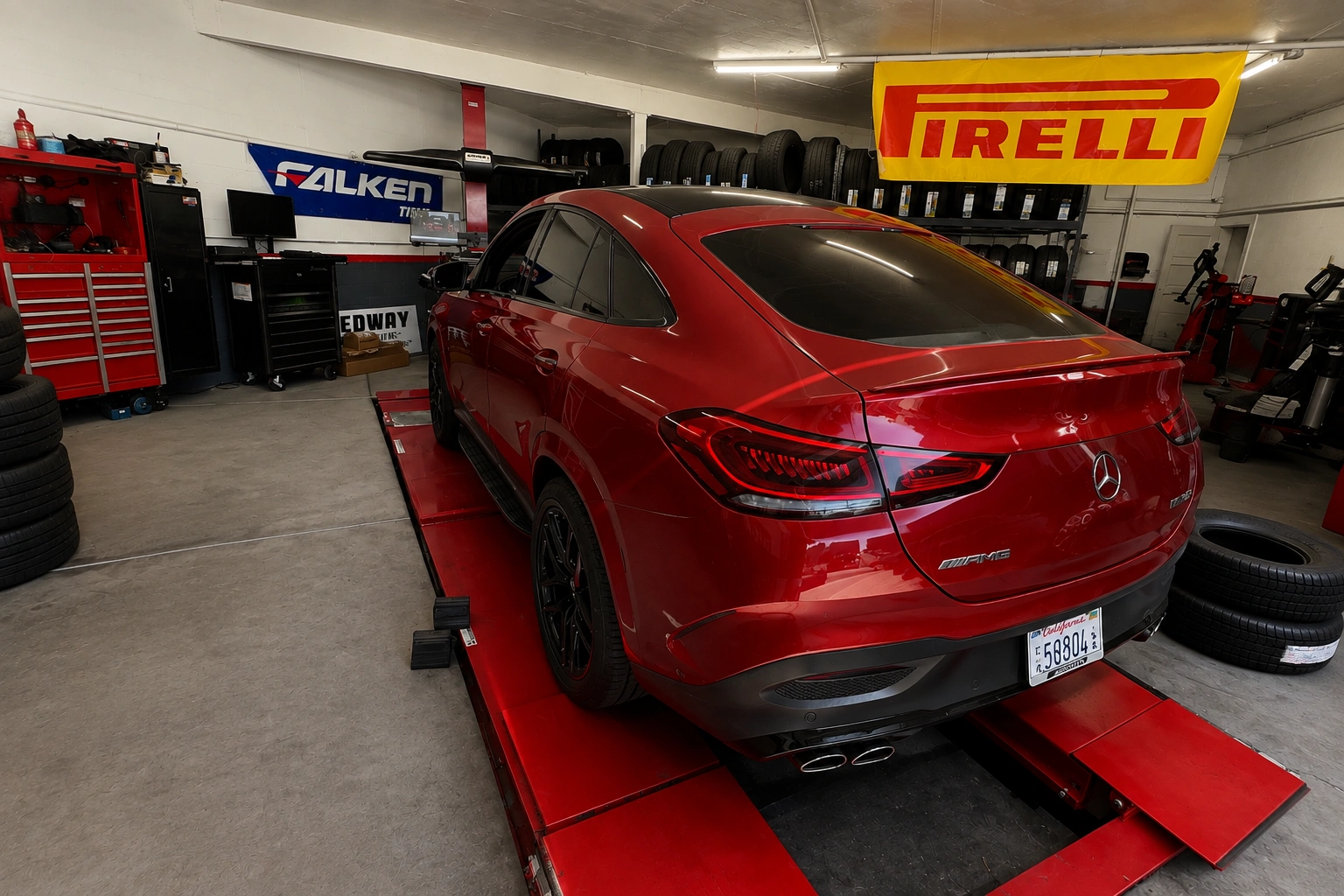
Speedway Tire & Service is a local tire and auto repair shop in Los Angeles, on West Sunset Boulevard, serving drivers in Echo Park, Silver Lake, Downtown LA, Chinatown, Lincoln Heights, and nearby neighborhoods.
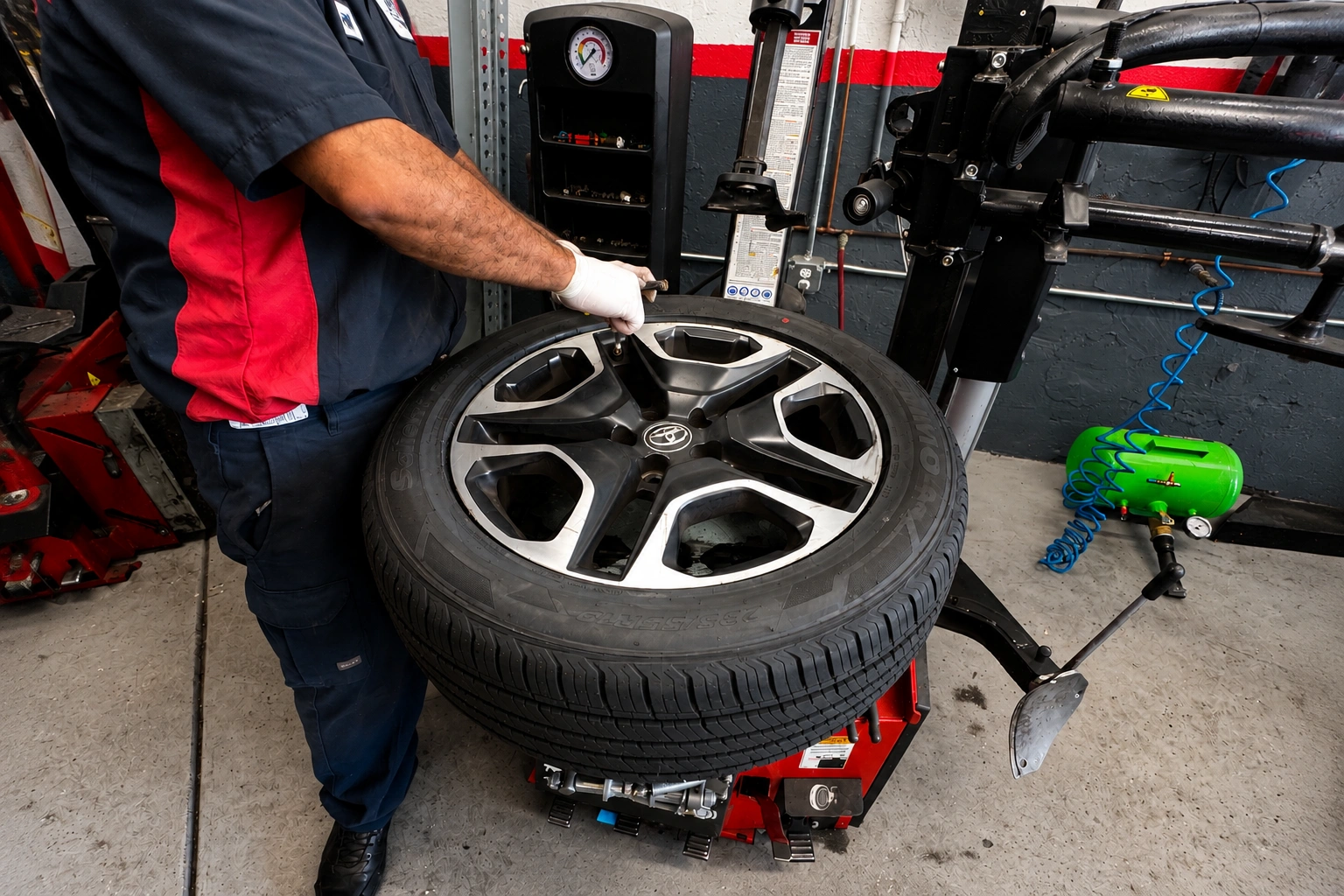
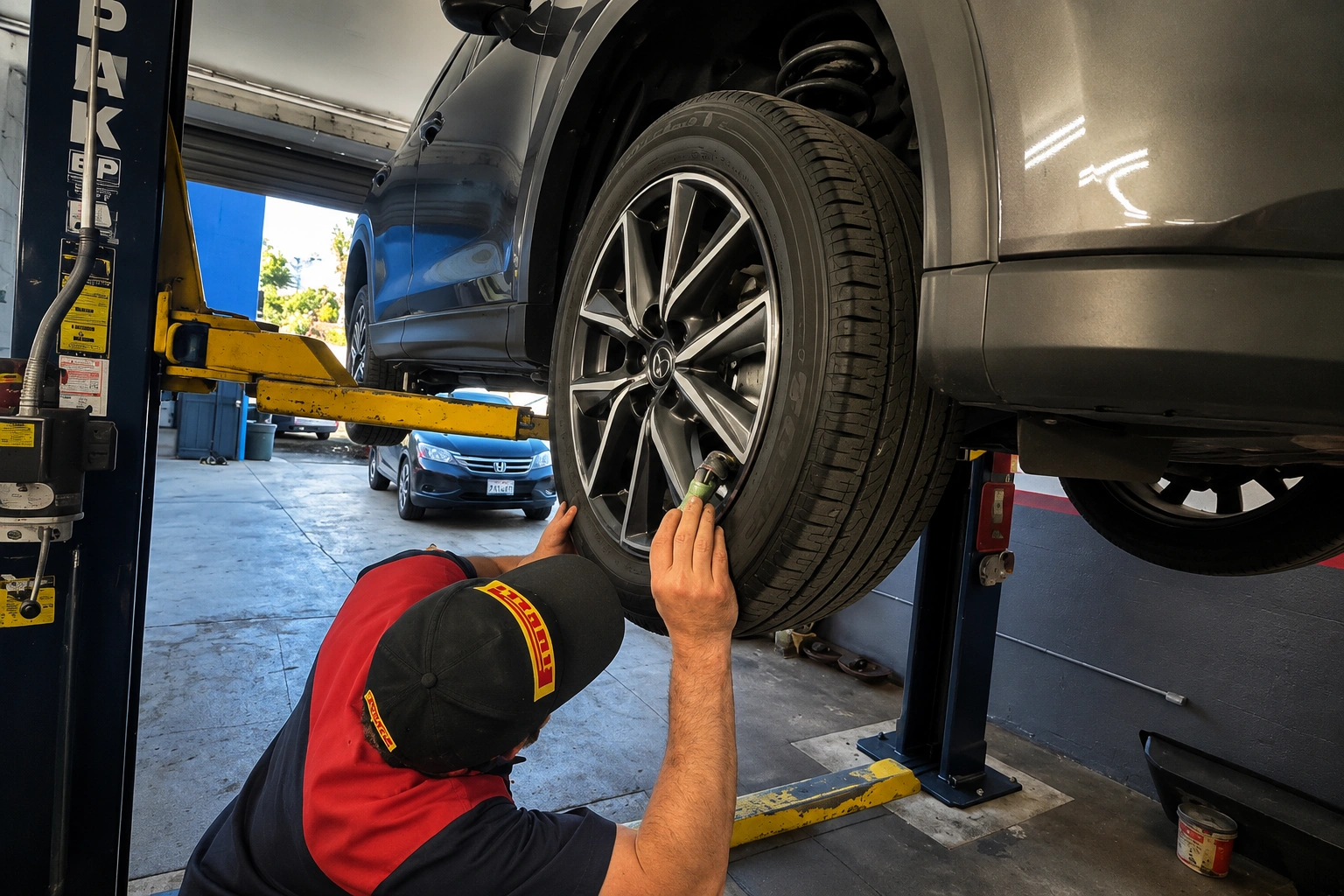
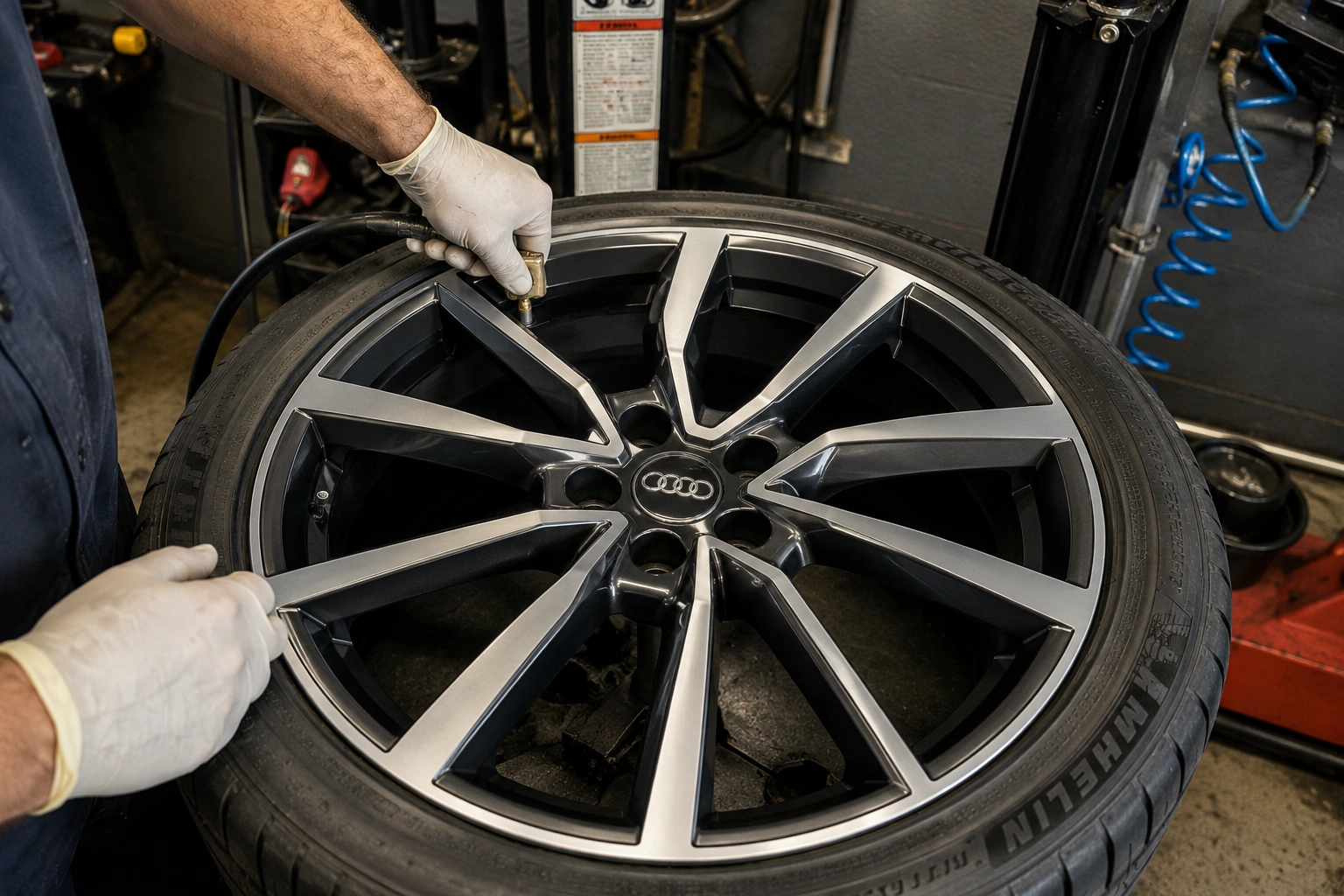
For the two-or-four decision, the team measures tread on all four tires, considers your drivetrain, and recommends whether a pair or a full set is the safe choice—then handles mounting, balancing, proper rear placement of new tires, and TPMS service. If a tire is damaged but repairable, tire repair in Los Angeles may be an option that saves you from replacing at all, depending on the damage.
Recommendations are based on what fits your vehicle and how you drive, and pricing on tires and installation is confirmed before any work begins. Timing and availability can vary depending on tire stock and shop volume, so calling first to confirm options is a good first step.
Steps to get service from Speedway Tire & Service
- Call the shop at (213) 250-4254 or review the tire service page for options.
- Share your drivetrain, why you need tires, and any wear or damage.
- Confirm the inspection — tread measurement and alignment check.
- Visit the shop so the two-or-four decision can be made based on real tread depths.
- Review the recommendation and pricing before approving it.
- Complete the installation and follow any after-service advice on rotation and pressure.
Frequently Asked Questions about replacing two or four tires
Should I replace all four tires or just two?
It depends on how worn your current tires are and what your car drives. If all four are worn similarly, replacing the set keeps handling balanced. If only two are worn—often after a flat or uneven wear—a matched pair can be fine on a front- or rear-wheel-drive car, with the new tires placed on the rear. All-wheel-drive vehicles often need closely matched tires, sometimes all four. A tread measurement confirms the safe choice for your car.
Why do new tires go on the rear, even on a front-wheel-drive car?
Because it's safer for stability. Newer tires with deeper tread grip and shed water better, and keeping that better grip on the rear helps the back of the car stay planted during hard braking or a wet corner. Worn tires up front are more predictable to manage than worn tires at the rear, which can cause the back to step out. This rear-placement practice is safety-based, not a sales tactic, and a good shop will explain it.
Can I replace just one tire?
Sometimes, if your other tires still have plenty of tread and the replacement closely matches them in size, type, and tread depth. But a single new tire among worn ones can create a mismatch that affects handling, and all-wheel-drive vehicles are especially sensitive to differences in tread depth. A tread measurement tells you whether one tire is acceptable or whether replacing in a pair is the safer choice for your vehicle.
Do all-wheel-drive cars really need four matching tires?
Often, yes. Many all-wheel-drive systems are sensitive to differences in tire diameter, which changes as tread wears, so mismatched tread depths can strain the drivetrain. Some manufacturers specify how closely the tires must match, so the owner's manual is the best reference. Because the requirement varies by vehicle, it's worth confirming before buying—an inspection and your manual together give a clear answer on whether two or four is appropriate.
Is it cheaper to just replace two tires?
Replacing two costs less upfront than four, and it can be the right call when only two tires are worn and the others have good tread. But matching matters: if the gap in tread depth is large, or your vehicle is all-wheel drive, a pair may not be appropriate, and buying the wrong combination can cost more later. The most cost-effective choice is the one matched to your tread depths and drivetrain, which an inspection confirms.
Do I need an appointment to have my tires checked?
Calling first is the best approach. It lets the shop confirm current availability, advise whether to come in right away, and set aside time to measure tread and check alignment. Walk-in availability can change based on shop volume, so a quick phone call helps you avoid waiting. It's also a good moment to confirm tire options and pricing in your size in case a pair or full set turns out to be needed.
Call Speedway Tire & Service Today
If you're deciding whether to replace all four tires or just two, the safe answer comes from measuring your tread and considering your drivetrain. For drivers in Echo Park, Silver Lake, Downtown LA, or nearby neighborhoods, call Speedway Tire & Service at (213) 250-4254, review the tire service page, or contact the shop to confirm your options and pricing. A quick inspection helps you buy only the tires you need and keep your car handling safely.
Looking for an honest Auto Repair Shop in Los Angeles? Call Speedway Tire and Service Today
Whether you’re driving through LA traffic or cruising the freeways, your car deserves expert care. Located in Los Angeles, Speedway Tire and Service offers reliable oil changes, brake repairs, tire services, and more—all backed by experienced technicians and honest pricing.