Transmission Flush vs Drain and Fill - Which Does Your LA Car Need
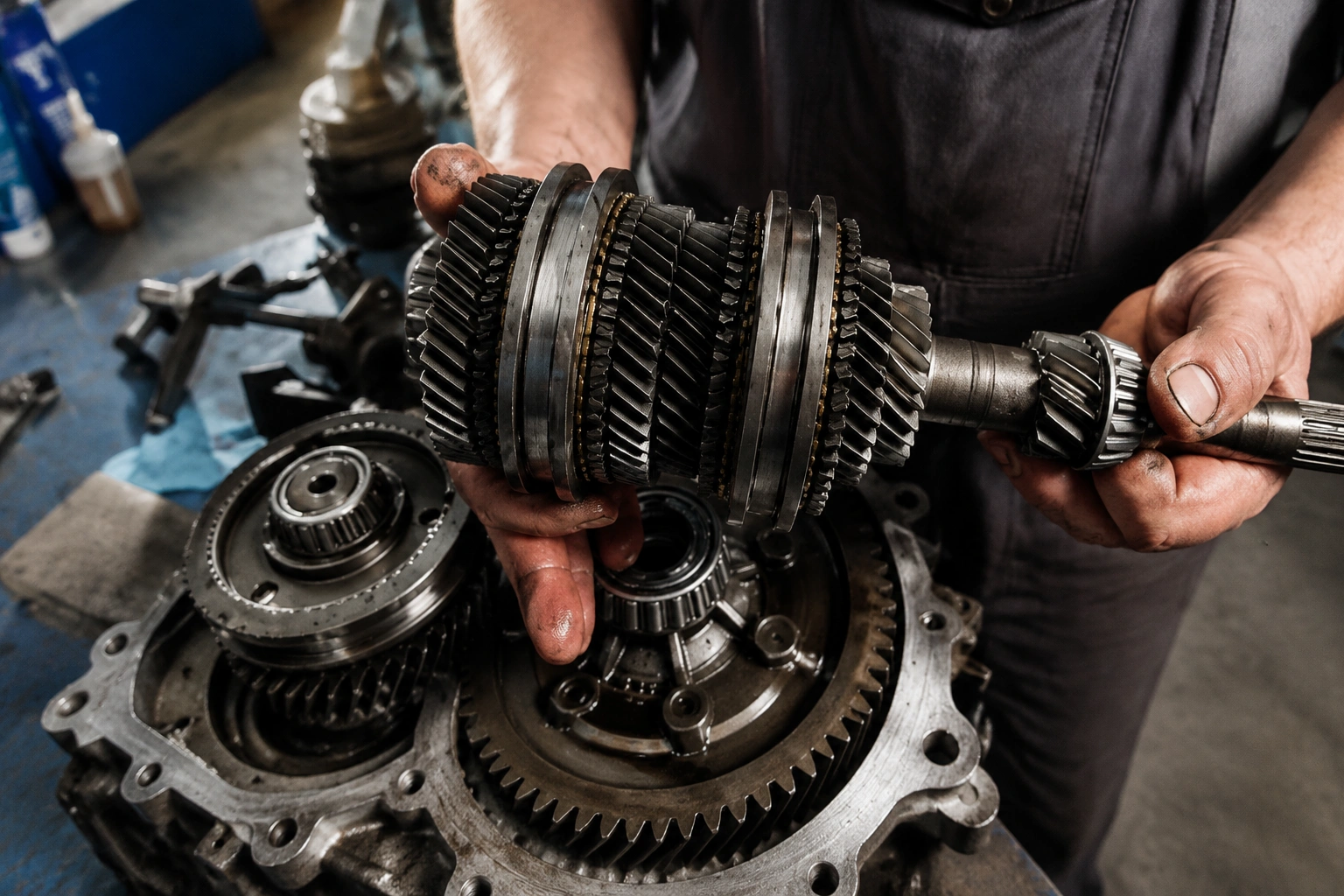
If you're comparing a transmission flush vs drain and fill, the most important question isn't which service is more thorough. It's whether your vehicle's transmission, mileage, fluid condition, and maintenance history make one option more appropriate than the other.
Los Angeles driving can put additional stress on transmissions. Stop-and-go traffic, frequent acceleration, long commutes, and summer heat can all contribute to higher operating temperatures. That makes transmission-fluid maintenance worth paying attention to, but it doesn't mean every vehicle automatically needs a full flush.
What Is a Transmission Drain-and-Fill?
A drain-and-fill removes the transmission fluid that can be drained from the transmission pan and replaces it with fresh fluid. Depending on the vehicle, the service may also include a filter and pan-gasket replacement. One important limitation is that a conventional drain-and-fill does not remove all of the old fluid. Some fluid remains inside components such as the torque converter and cooler lines. Speedway's existing transmission guide notes that a typical drain-and-fill may replace roughly 30–50% of the transmission's total fluid capacity.
What Is a Transmission Flush?
A transmission flush uses specialized equipment to circulate fresh fluid through the system while removing old fluid. The objective is to replace a much larger percentage of the existing fluid. That can sound automatically better, but more fluid replacement isn't always the deciding factor. The vehicle manufacturer's maintenance recommendations and the transmission's condition should come first.
When Transmission Flush vs Drain and Fill Is Better Choice?
A drain-and-fill may make sense when:
- The vehicle has been maintained regularly.
- The transmission fluid is still in reasonable condition.
- The manufacturer recommends a conventional fluid service.
- You're performing preventive maintenance.
- There are no serious shifting problems.
For many regularly maintained vehicles, routine fluid changes can be a straightforward way to keep the transmission operating properly. Speedway currently recommends drain-and-fill service for many regularly maintained vehicles and notes a general 30,000–40,000-mile interval as a useful maintenance reference for many LA drivers, while the exact interval should follow the vehicle's requirements.
When Might a Flush Be Appropriate?
A flush can be considered when the vehicle is compatible with the procedure and the transmission's maintenance history supports it. It may be especially relevant for vehicles that have accumulated significant mileage or have missed previous fluid services. However, a flush shouldn't be treated as a universal cure for transmission problems. If the transmission is already slipping, shifting violently, overheating, or showing signs of mechanical failure, changing the fluid doesn't repair worn internal components.
What If the Fluid Looks Dark?
Dark fluid doesn't automatically mean the transmission is failing. Fluid color should be evaluated alongside:
- Odor
- Consistency
- Mileage
- Service history
- Transmission behavior
- Manufacturer specifications
Burnt-smelling fluid or visible contamination deserves further inspection rather than simply choosing a more aggressive service.
Should You Flush a High-Mileage Transmission?
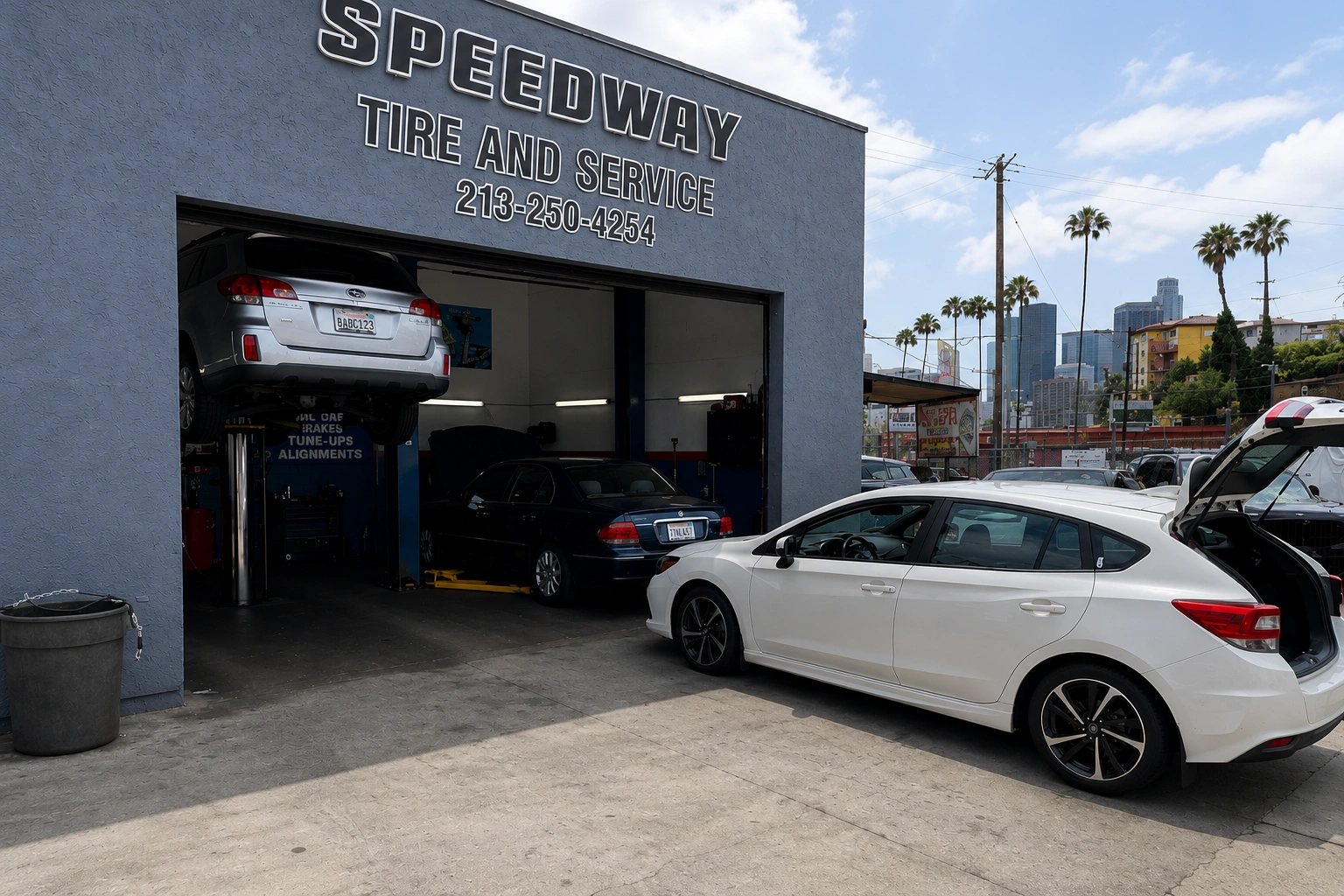
This is and transmission flush vs drain and fill are of the most common questions. The answer depends on the vehicle and its history. A high-mileage transmission that has been serviced consistently is very different from a high-mileage transmission that has never received proper maintenance. If you're unsure, a professional inspection can help determine whether the transmission needs maintenance, diagnostics, or a more extensive repair. Speedway's transmission service includes checking fluid condition, looking for leaks, evaluating shifting behavior, and recommending service based on the vehicle's condition.
Can Transmission Service Fix Shifting Problems?
Sometimes a fluid-related issue can contribute to poor shifting. But symptoms such as:
- Slipping
- Delayed engagement
- Hard shifting
- Grinding
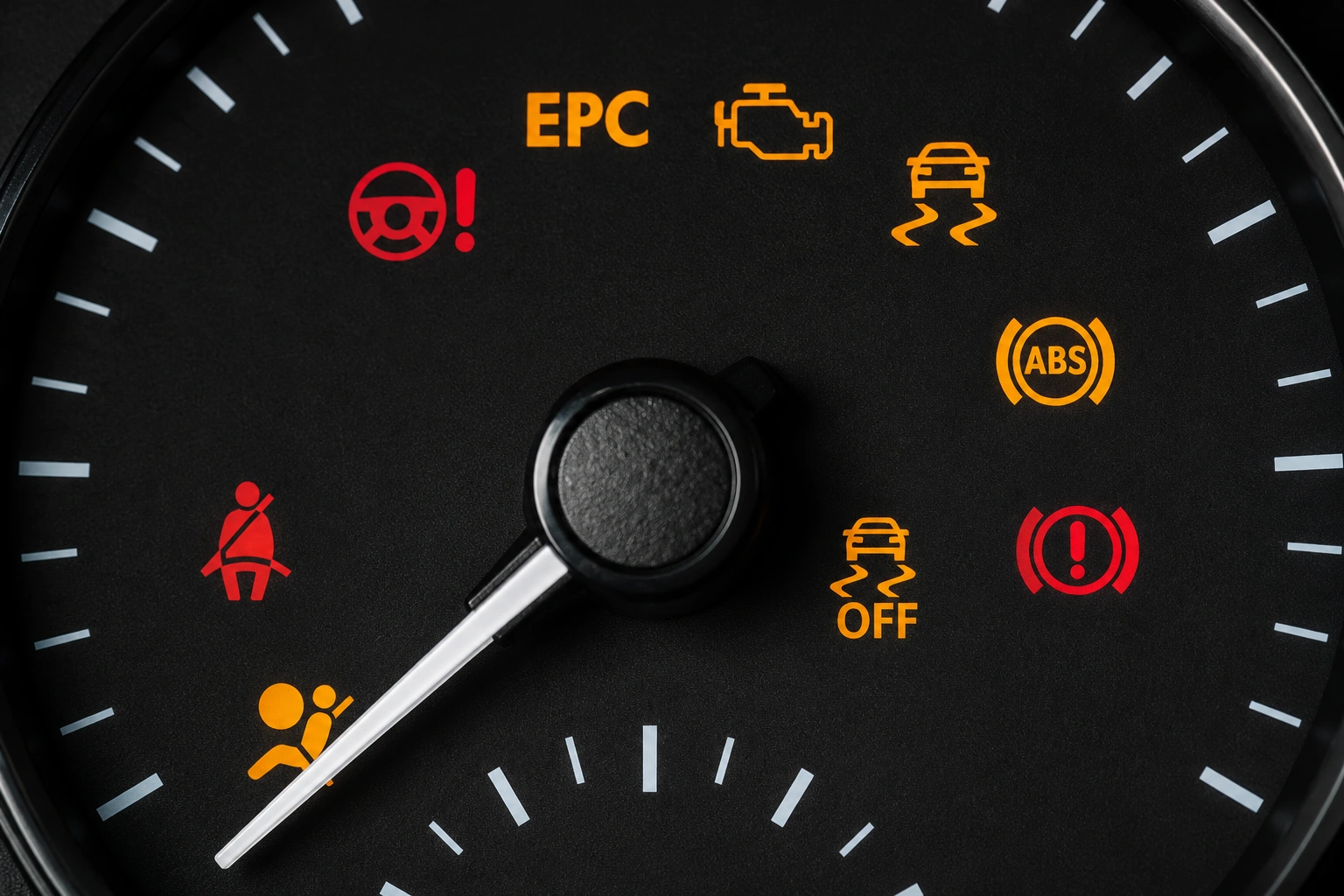
- Transmission warning lights
- Fluid leaks
- Can have mechanical, hydraulic, or electronic causes.
That's why diagnosing the symptom should come before assuming that a flush is the solution.
How Much Does Transmission Service Cost in Los Angeles?
Pricing varies according to the vehicle, fluid type, filter requirements, access to the transmission, and service procedure. A simple fluid service is generally less involved than a complete flush or a service requiring additional parts. Instead of choosing based solely on price, ask the shop exactly what is included.
The Best Transmission Service Is the One Your Car Actually Needs
The transmission flush vs drain-and-fill decision should be based on your manufacturer's requirements, maintenance history, fluid condition, and transmission performance. If you're experiencing shifting problems or you're simply due for transmission maintenance, explore Speedway's transmission service in Los Angeles or contact the shop for an evaluation.
Frequently Asked Questions About Transmission Flush vs Drain-and-Fill in Los Angeles
What is the main difference between a transmission flush and a drain-and-fill?
A transmission flush replaces nearly all the transmission fluid and cleans the entire system using specialized equipment, while a drain-and-fill removes only part of the fluid by draining it from the transmission pan and then adding new fluid.
Can a transmission flush damage an older vehicle?
Yes, in some cases a flush can dislodge debris and cause issues in older transmissions. That’s why drain-and-fill is often recommended for high-mileage or older vehicles to avoid potential damage.
How often should I have my transmission fluid changed in Los Angeles?
Follow your vehicle’s OEM maintenance schedule. Typically, transmission fluid changes occur every 30,000 to 60,000 miles, but check your owner’s manual or consult a trusted mechanic for your specific model.
Is a transmission flush worth it in Los Angeles’ stop-and-go traffic?
Stop-and-go traffic can increase transmission fluid wear. A flush can be beneficial if your vehicle is newer and shows signs of fluid contamination. However, always consult your mechanic to see if it’s right for your car’s condition.
Looking for an honest Auto Repair Shop in Los Angeles? Call Speedway Tire and Service Today
Whether you’re driving through LA traffic or cruising the freeways, your car deserves expert care. Located in Los Angeles, Speedway Tire and Service offers reliable oil changes, brake repairs, tire services, and more—all backed by experienced technicians and honest pricing.