Just Moved to Los Angeles? Here's What Your Car Needs to Survive LA Driving
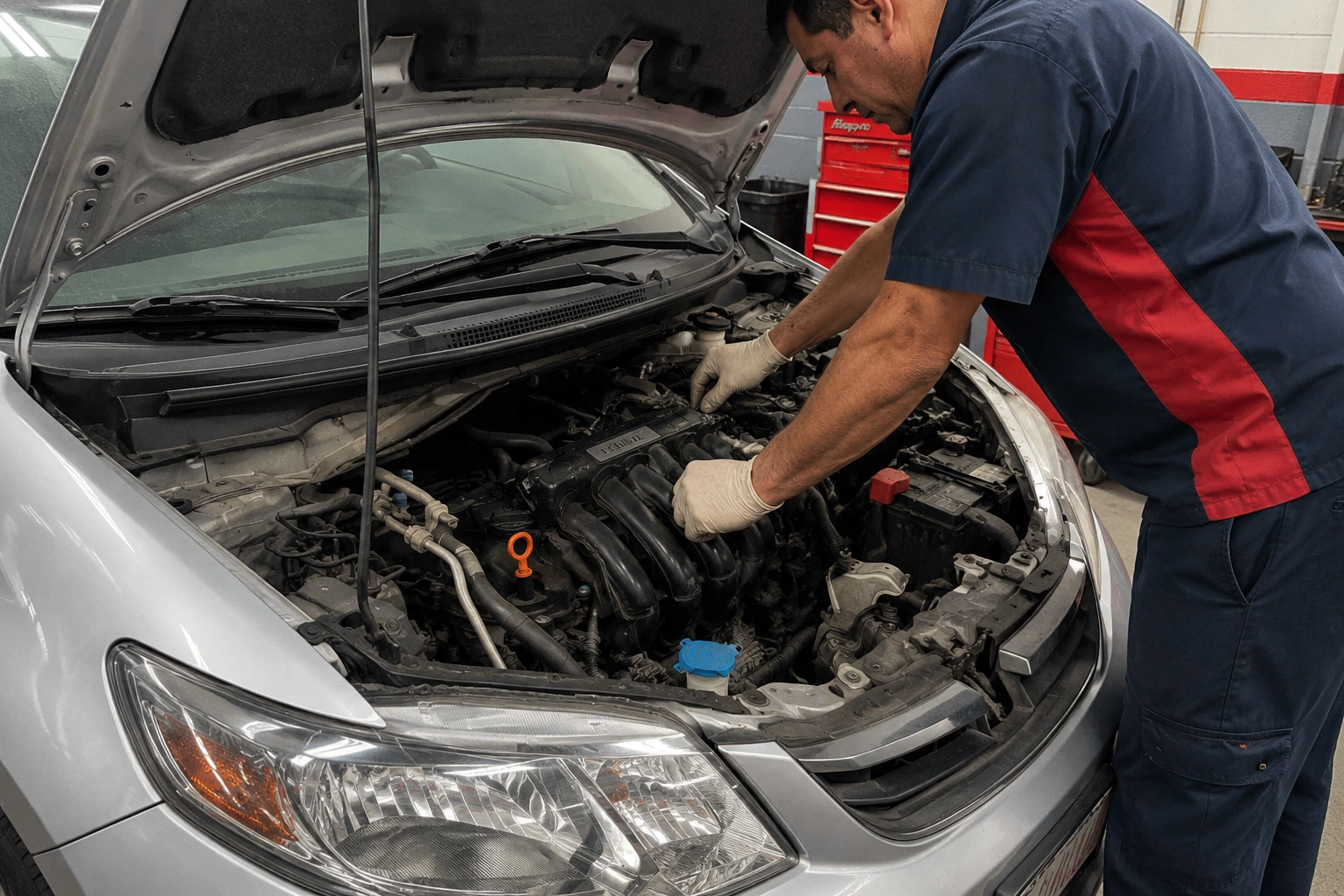
If you're new to Los Angeles, your car maintenance priorities shift the moment you start driving here. Stop-and-go traffic, steep hills, heat, and pothole-scarred streets are harder on a car than many places newcomers come from—so brakes, tires, fluids, and the battery all deserve a fresh look. A simple baseline inspection when you arrive helps you learn your car's condition and avoid surprises on the 101. The goal isn't to overspend; it's to know what your vehicle needs for LA conditions and to have a trusted local shop ready before something goes wrong.
What does “LA-ready” car maintenance mean?
Getting a car “LA-ready” means making sure the systems that take the most punishment here are in good shape: brakes for constant stop-and-go and hills, tires for hot pavement and potholes, fluids for heat, and the battery for high temperatures and short trips. It's less about a single big service and more about knowing your car's baseline.
For a newcomer, the most useful first step is an inspection that establishes where things stand. Local driving conditions in Echo Park, Silver Lake, and Downtown LA can accelerate wear on brakes, tires, suspension, and fluids, so a car that ran fine elsewhere may need attention sooner here.
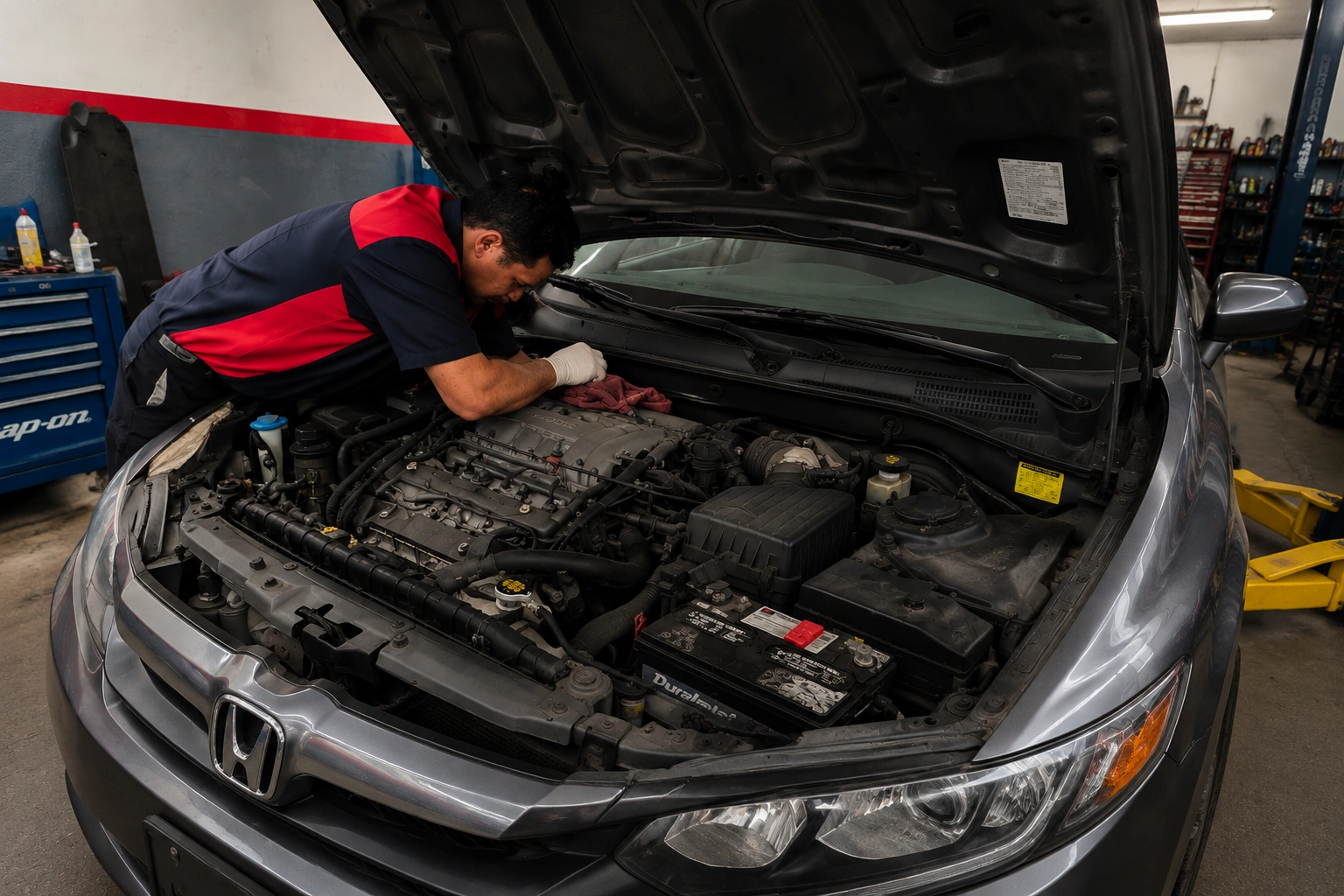
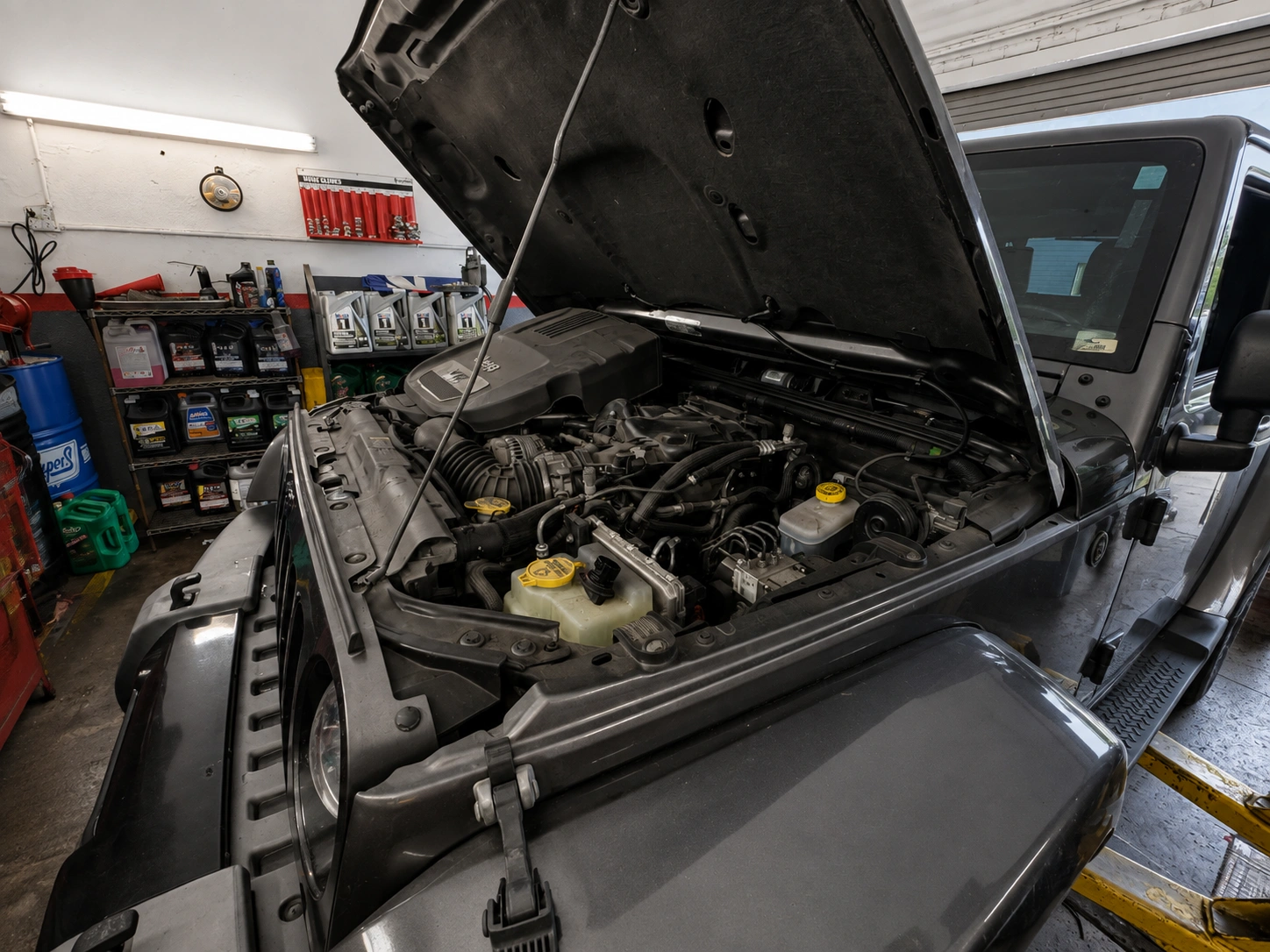
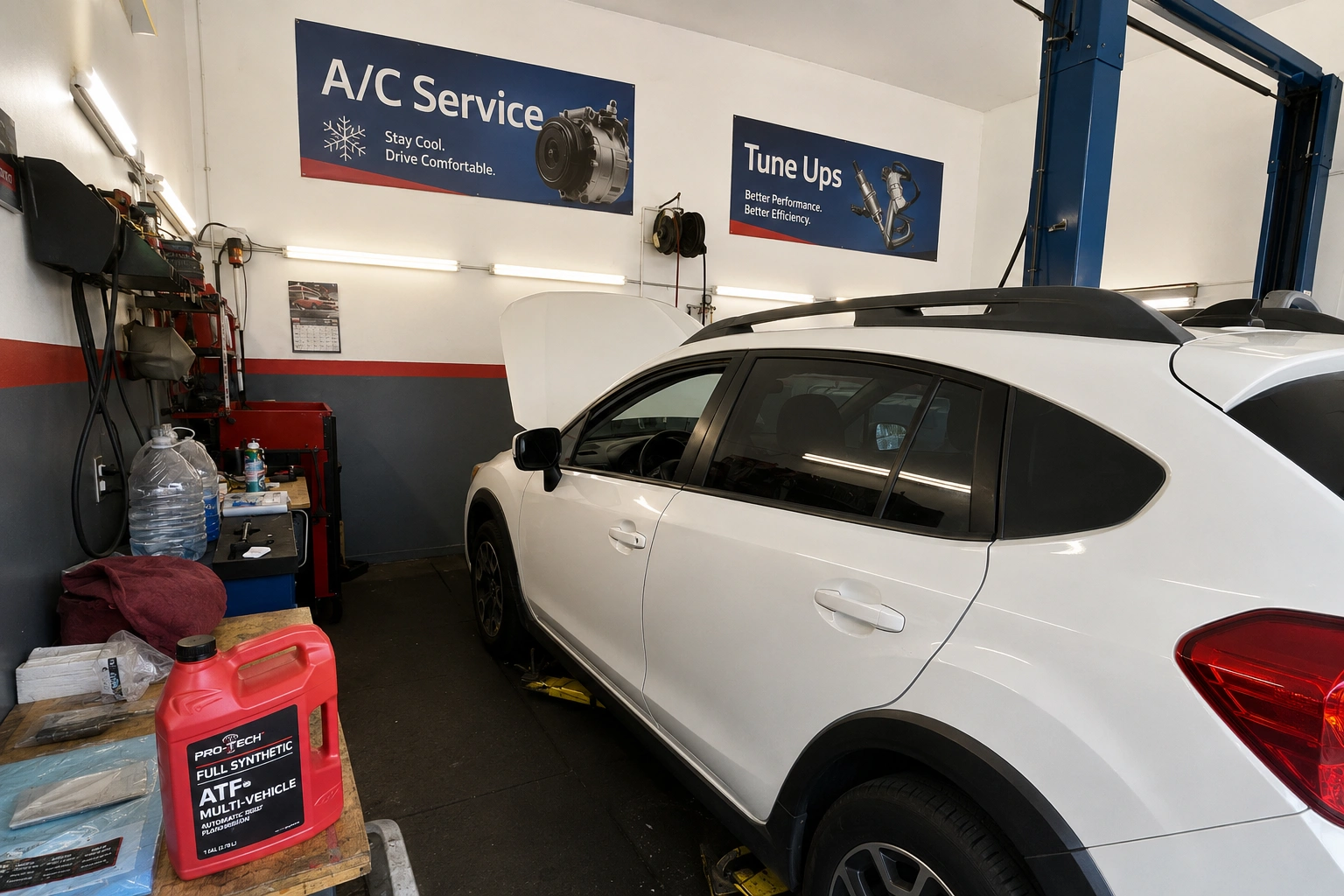
From there, you can prioritize. The right service depends on the actual condition of the car and how you drive it, so a baseline check through full-service auto repair and maintenance tells you what's needed now versus what can wait.
Quick Answer - What should a new LA driver check first?
Soon after settling in, it's worth checking:
- Brakes — pads and rotors, since LA's stop-and-go traffic and hills wear them faster.
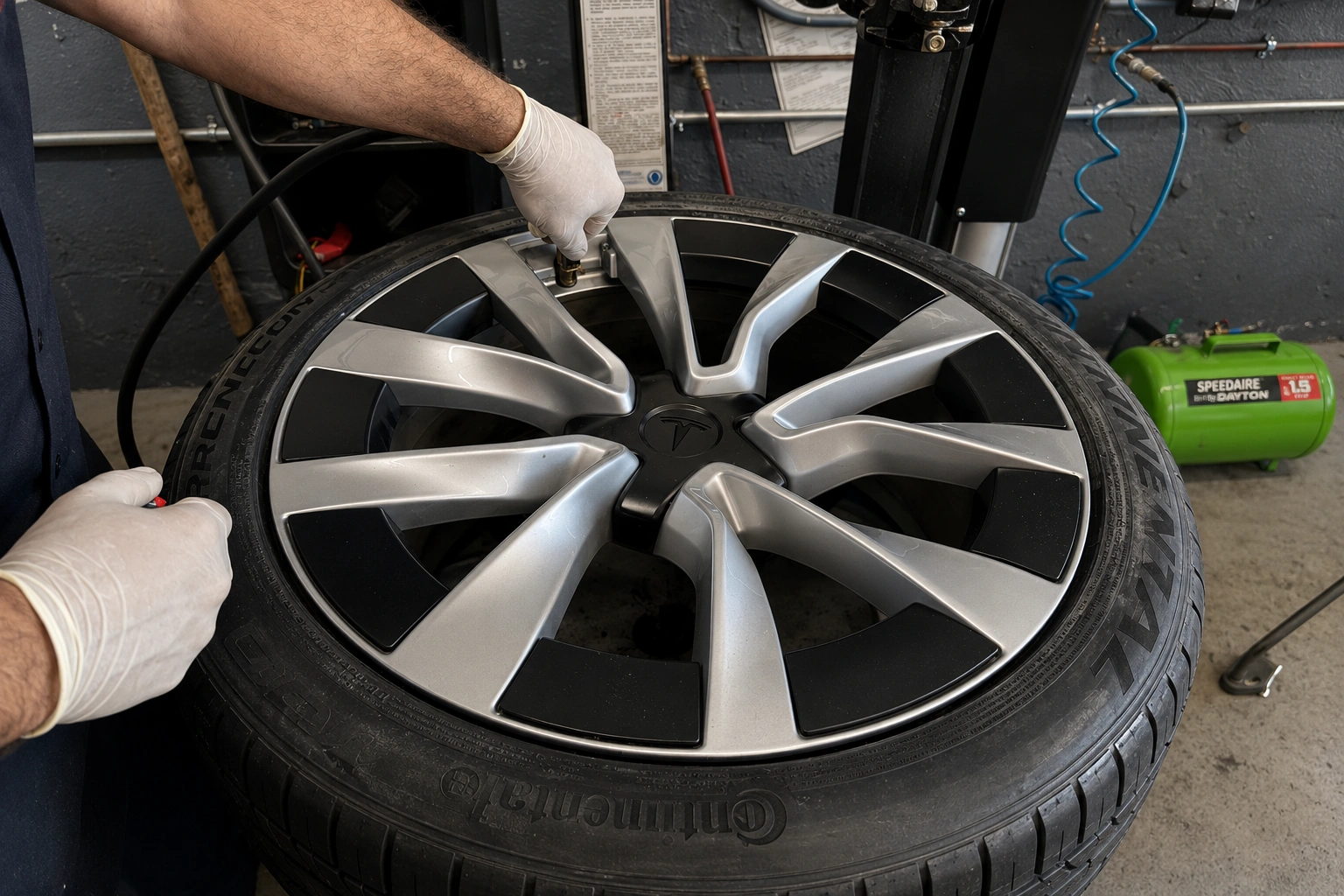
- Tires — tread, pressure, and alignment, given the heat and potholes.
- Fluids — oil and coolant especially, which work harder in the heat.
- Battery — LA temperatures are hard on batteries, particularly with short trips.
- A general inspection to establish your car's baseline condition.
You don't need to fix everything at once. A baseline check tells you what's a priority for LA conditions and what can wait.
What signs tell you your car needs attention in LA?
As you start driving locally, watch for early signs that something needs a look:
- Brake noise or a soft pedal — common as hills and traffic work the brakes.
- Vibration or pulling — often tied to tires, balance, or alignment after potholes.
- A low tire-pressure (TPMS) light — heat and potholes change pressure.
- Slow starts or a weak battery — LA heat and short trips take a toll.
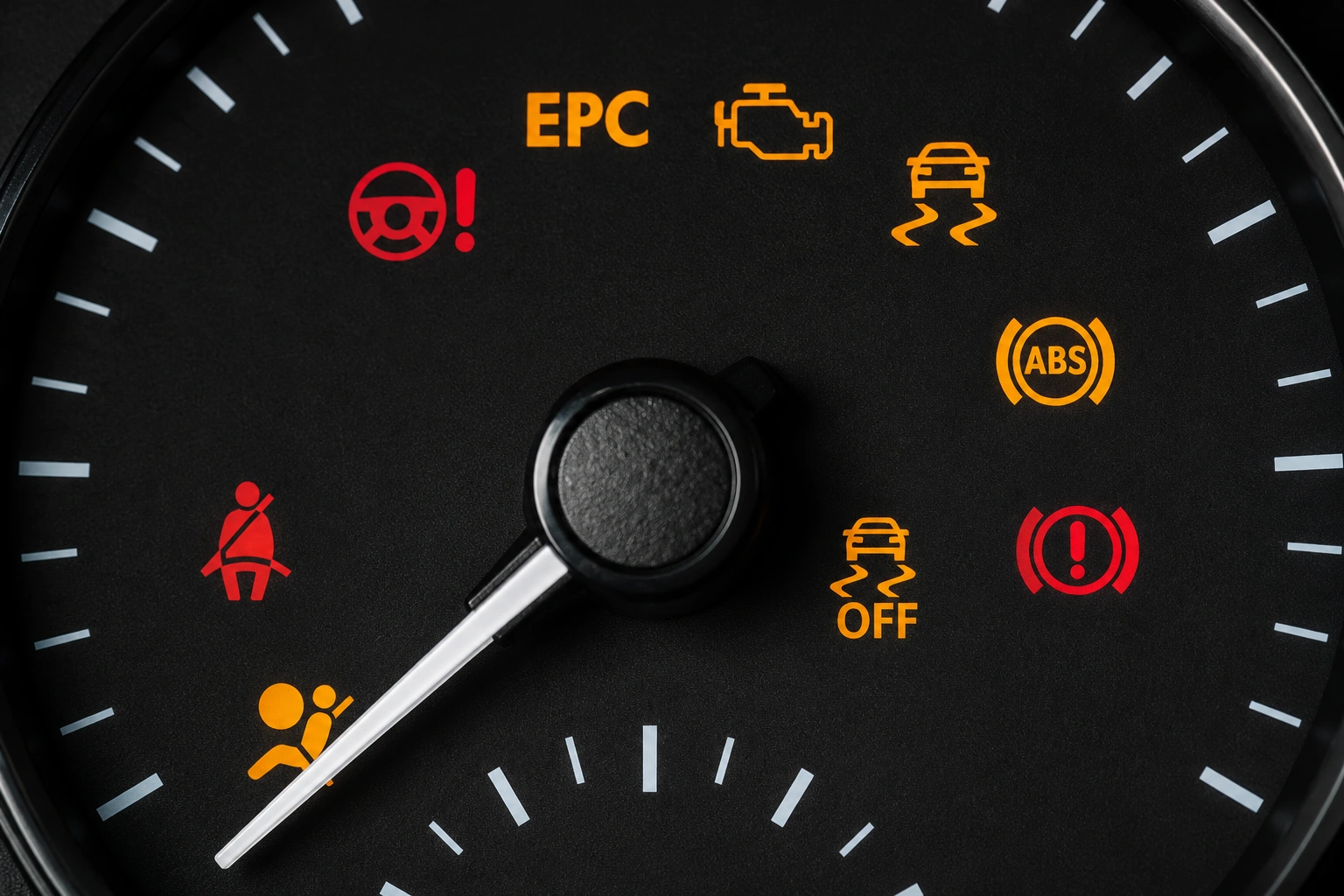
- Warning lights or odd smells — worth diagnosing before they grow.
Catching these early, soon after your move, keeps small issues from becoming roadside ones.
Why LA driving is harder on your car than you expect
Newcomers are often surprised by how much LA conditions ask of a vehicle. A few factors stand out.
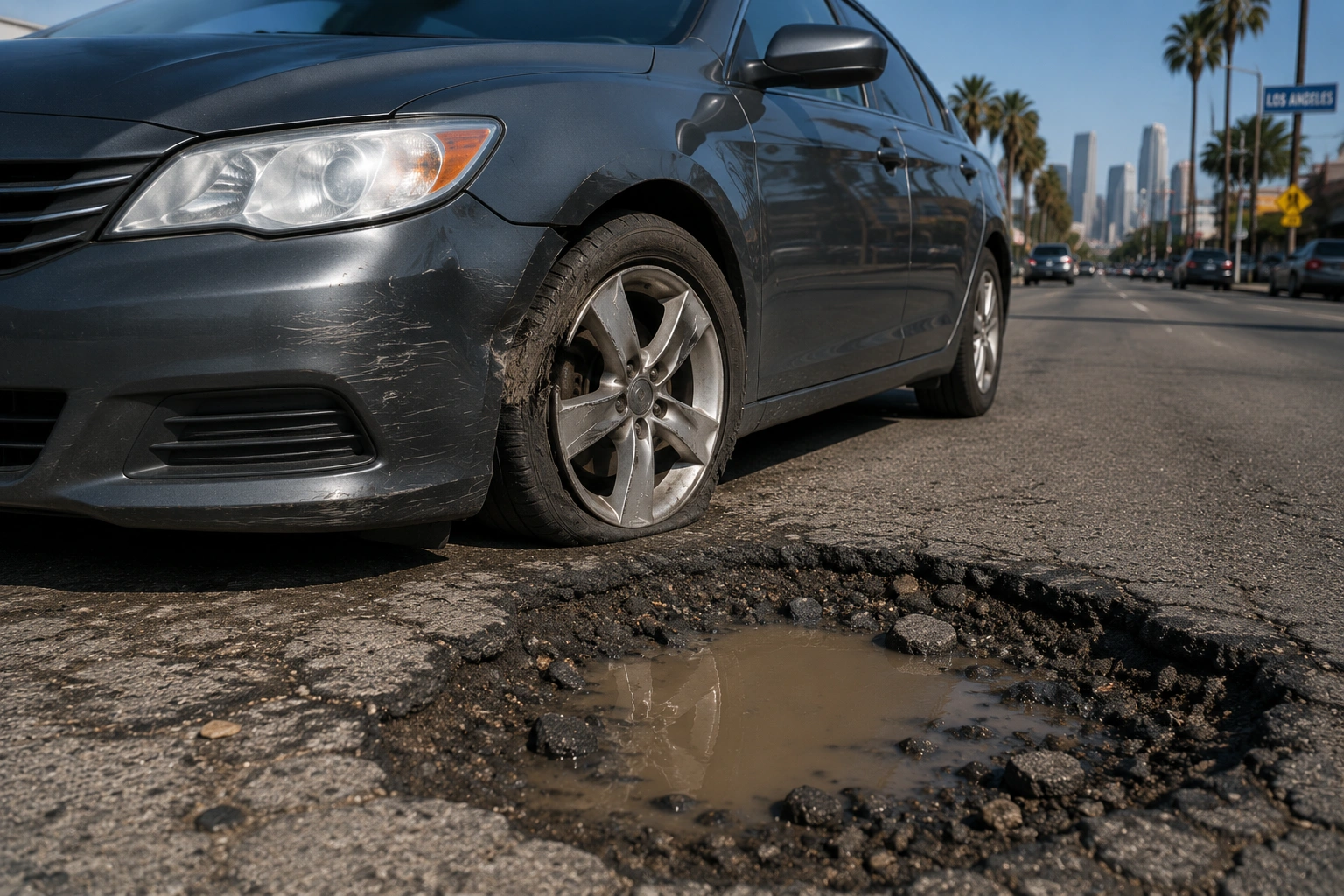
Stop-and-go traffic on the 101 and surface streets means constant braking and acceleration, which wears brakes and tires and stresses the cooling system. The steep hills around Silver Lake and Echo Park load the engine, transmission, and brakes more than flat-city driving. Potholes on older streets can knock wheels out of alignment and damage tires and suspension. And LA heat is hard on the battery, fluids, and tire rubber, speeding up wear across the board. None of this means your car is failing—it's simply a tougher environment, and knowing that up front helps you stay ahead of it.
What can happen if you skip the baseline check?
Putting off that first inspection can turn small, manageable items into bigger ones. Skipping it can lead to:
- Reduced safety if worn brakes or tires go unnoticed on hills and freeways.
- Unexpected breakdowns at inconvenient times in a new city.
- More expensive repairs when a minor issue is left to worsen.
- Uneven tire wear from alignment knocked off by potholes.
- Stress of finding a shop in a hurry rather than ahead of time.
A baseline check soon after moving gives you peace of mind and a plan, instead of surprises.
What should you check before bringing your car in?
A little preparation helps the shop give you a useful baseline. Before your visit, note:
- Any warning lights on the dashboard.
- Brake feel — noise, a soft pedal, or vibration when stopping.
- Tire condition — visible wear, low pressure, or pulling.
- Any noises, smells, or leaks you've noticed since arriving.
- The car's mileage and when it was last serviced.
- Service records from your previous location, if you have them.
- How you'll drive here — long commute, hills, mostly short trips.
Sharing these details when you call helps match the right inspection to your car and new driving routine.
How do you choose a trustworthy auto repair shop in Los Angeles?
Good auto service depends on clear inspection findings, honest recommendations, and matching the repair to the vehicle's needs. As a newcomer, finding a shop you trust before an emergency is one of the smartest moves you can make.
Practical things to look for in a mechanic near Silver Lake or Echo Park:
- A clear inspection process that explains what's needed now versus later.
- Transparent communication and a written estimate before work begins.
- Recommendations that match the car and your driving, not broad upsells.
- Quality parts and proper diagnostic tools.
- Local experience with LA traffic, hills, heat, and potholes.
- The option to call first and ask questions before visiting.
A shop that helps you understand your car and prioritize honestly is worth keeping. If you're new in town and want to ask questions first, you can contact the shop before booking anything.
How does Speedway Tire & Service help?
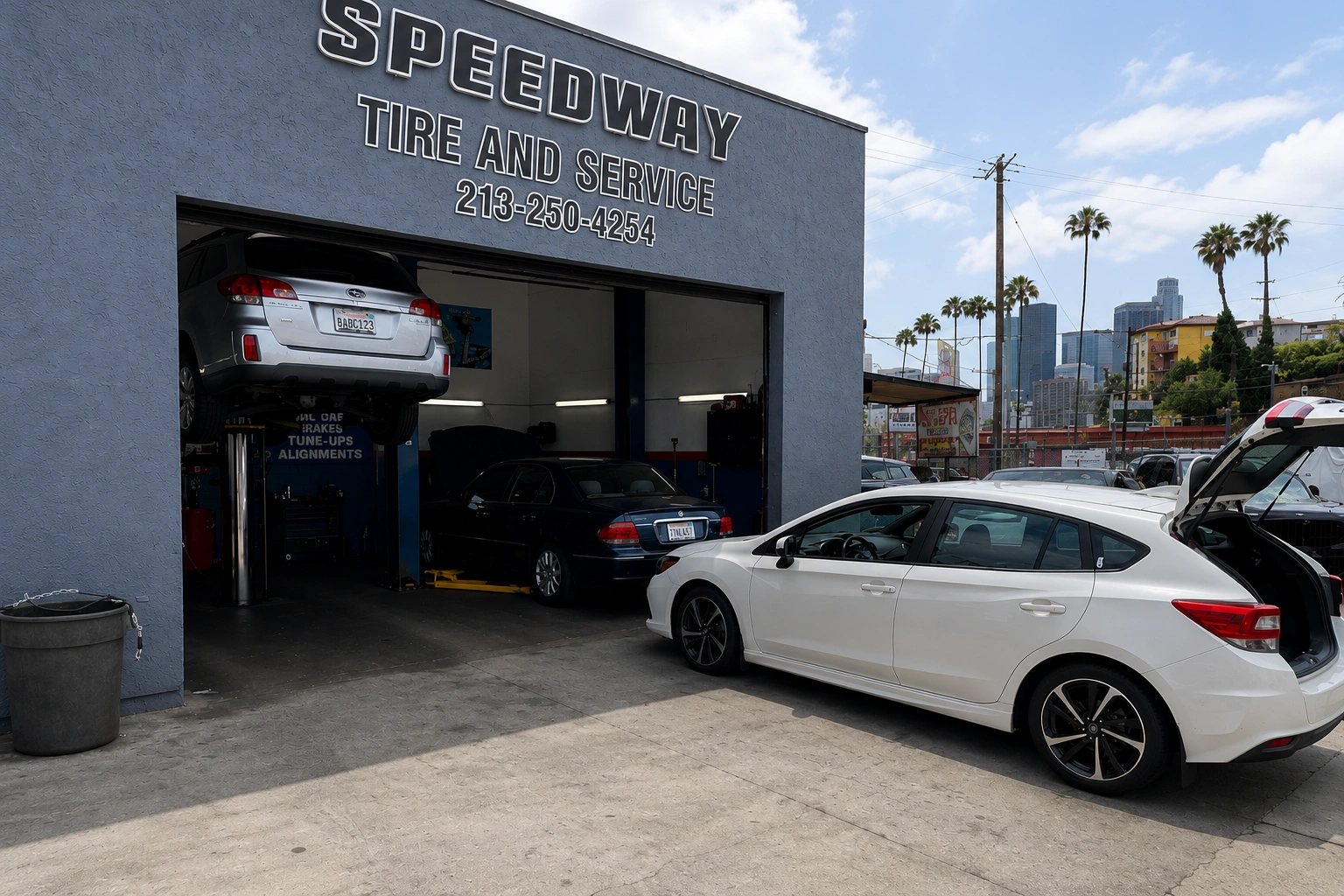
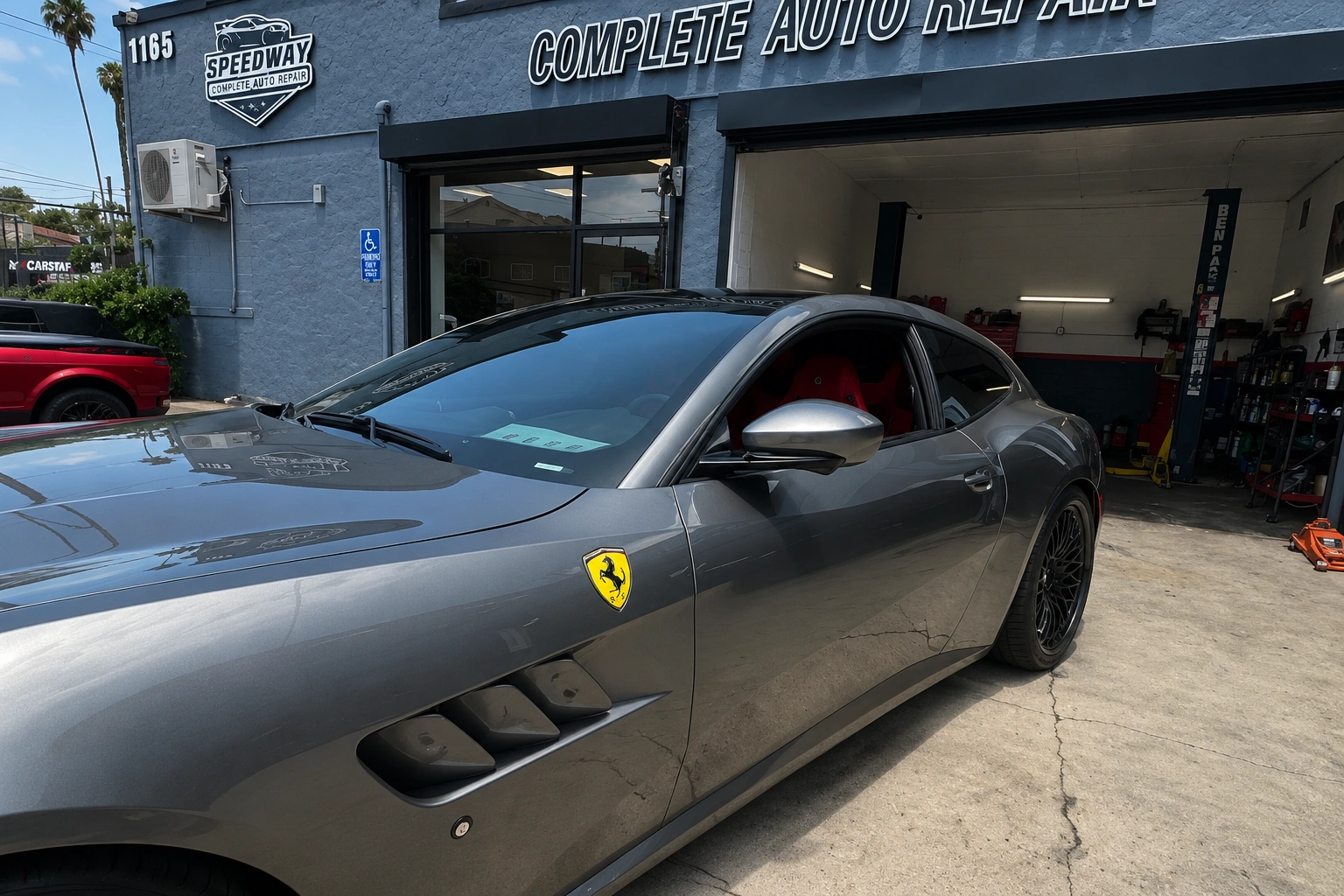
Speedway Tire & Service is a local tire and auto repair shop in Los Angeles, on West Sunset Boulevard, serving drivers in Echo Park, Silver Lake, Downtown LA, Chinatown, Lincoln Heights, and nearby neighborhoods.
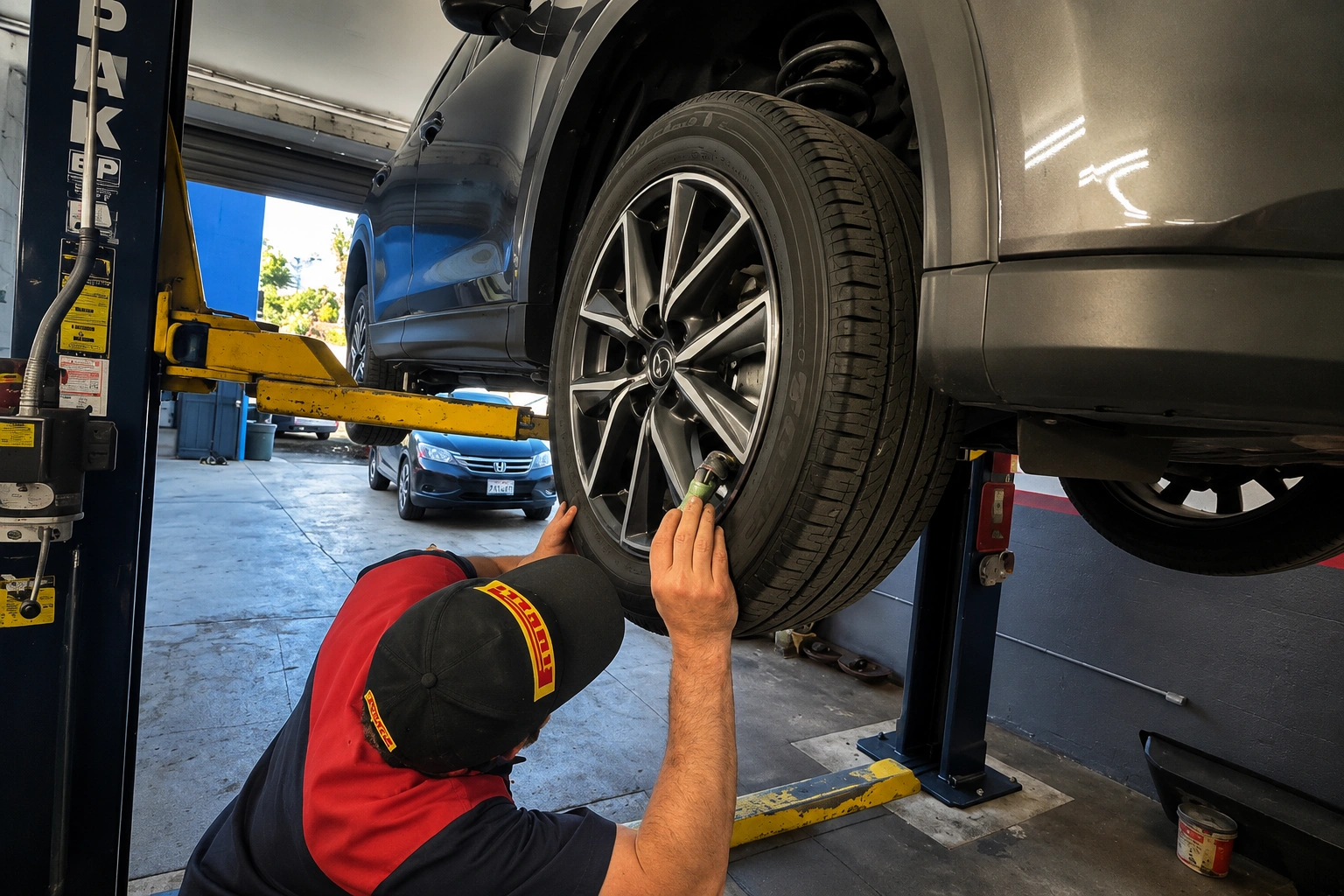
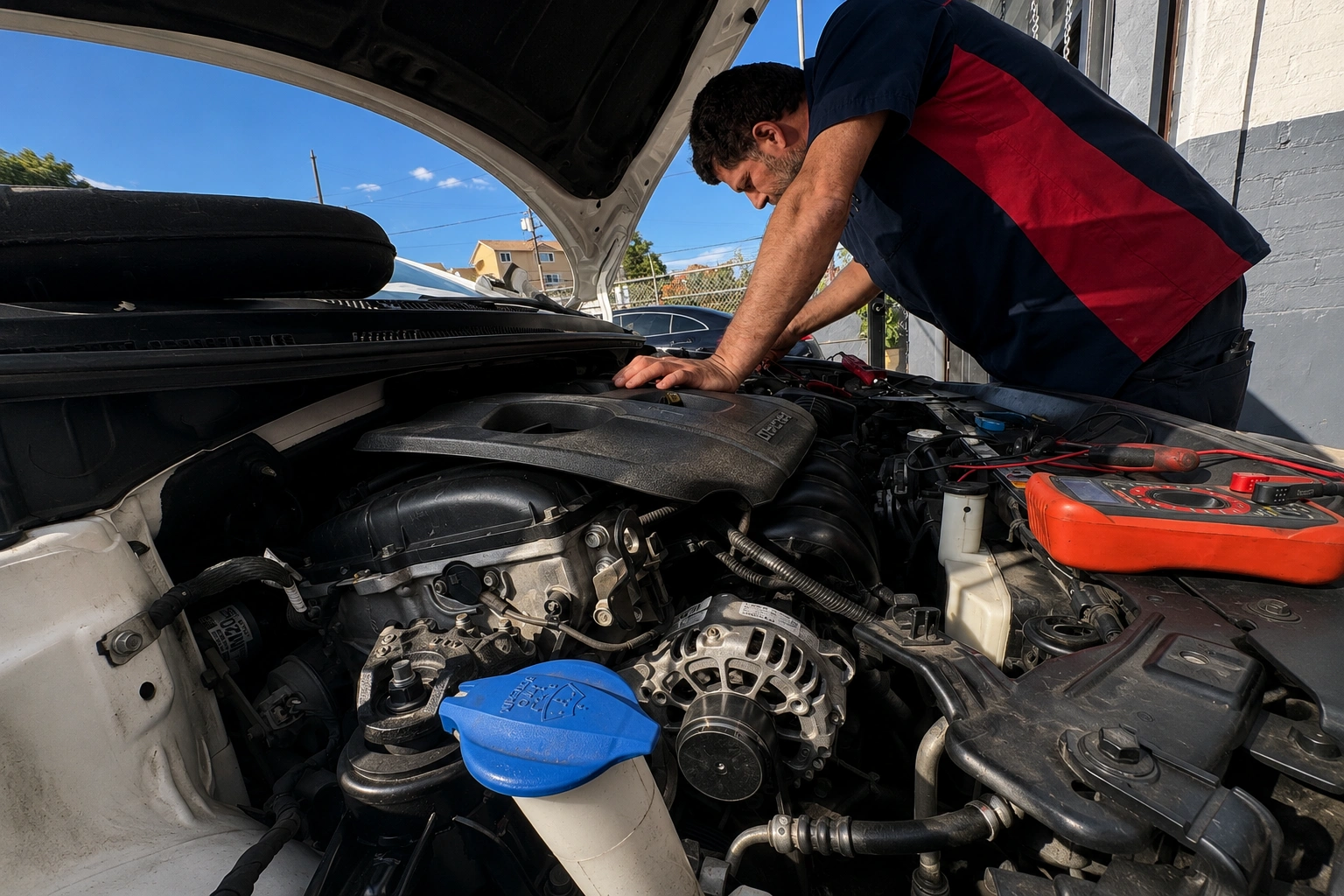
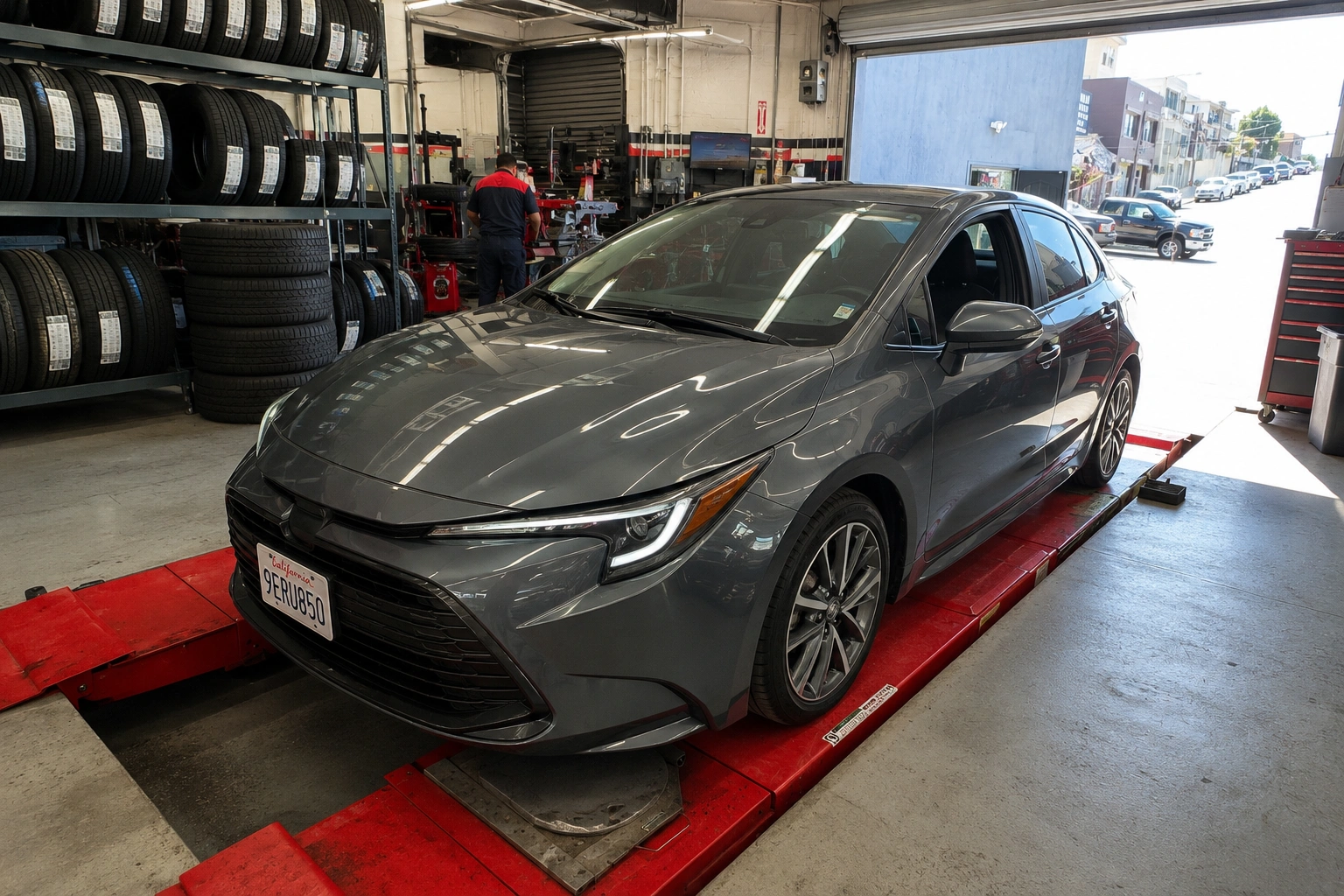
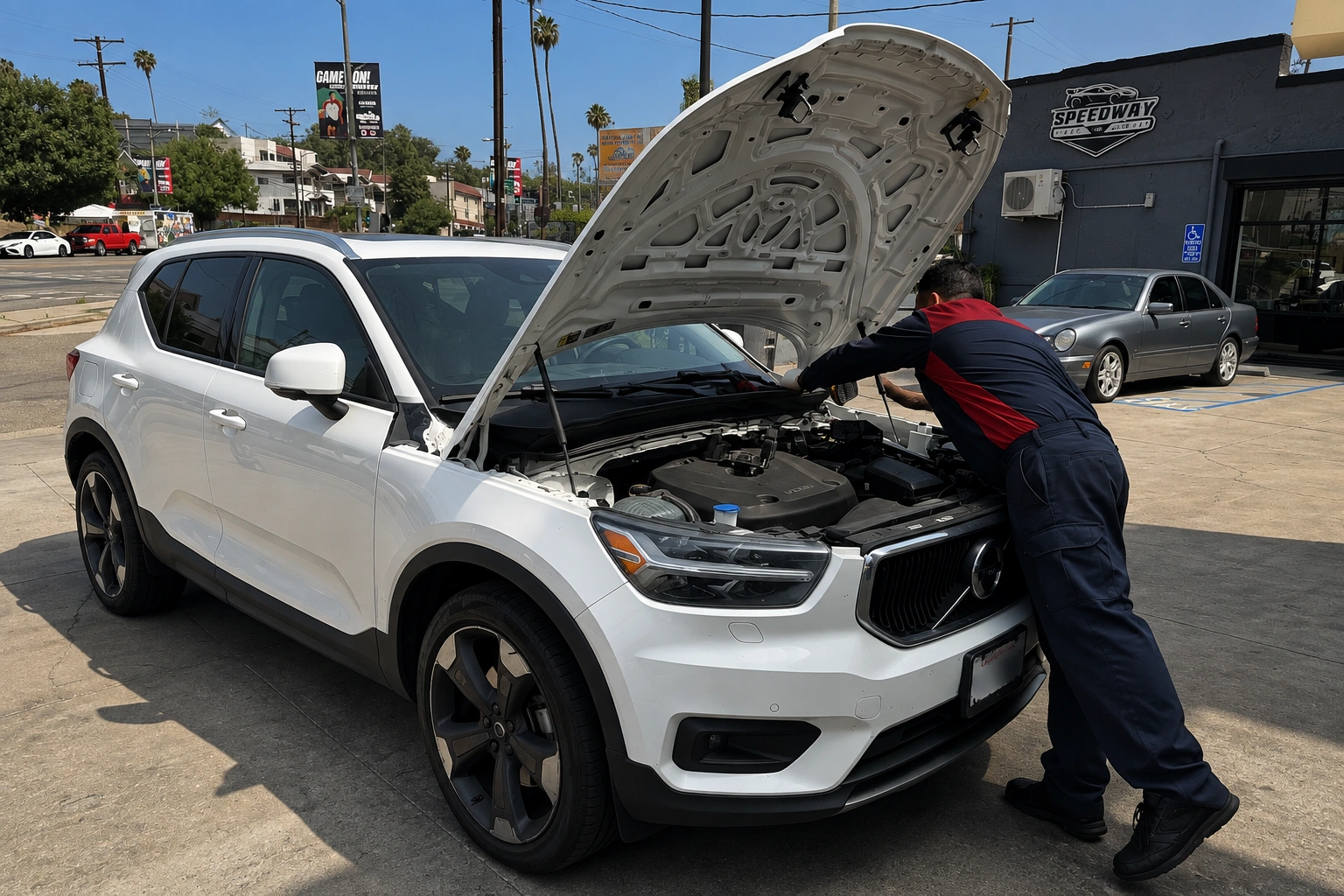
For newcomers, the team can run a baseline inspection—checking brakes, tires, fluids, and the battery—and explain what LA conditions mean for your specific car, in plain language. From there you get practical recommendations on what to handle now and what can wait, drawing on the full range of auto repair and maintenance services so you're set up for local driving.
Repair scope, timing, and cost are confirmed after the vehicle is reviewed, and the recommended work is shared with you before anything is approved. It's also worth checking the current service coupons as you settle in, since available offers can help with routine maintenance. Timing may vary depending on parts availability and shop volume, so calling first to confirm is a good idea.
Steps to get service from Speedway Tire & Service
- Call the shop at (213) 250-4254 or review the services page to see what's offered.
- Mention you're new to LA and want a baseline inspection.
- Share any warning lights, symptoms, or service history you have.
- Visit the shop for the inspection or service.
- Review what's a priority now and what can wait, with the estimate, before approving work.
- Complete any needed service and follow the recommended maintenance plan for LA driving.
Frequently Asked Questions about car maintenance when new to LA
I'm new to Los Angeles — what car maintenance should I prioritize?
Start with a baseline inspection covering brakes, tires, fluids, and the battery, since these take the most punishment in LA. Stop-and-go traffic and hills wear brakes and tires faster, heat is hard on fluids and the battery, and potholes affect tires and alignment. You don't need to fix everything at once—the inspection tells you what's a priority for local conditions and what can wait, so you can plan rather than be caught off guard.
Does LA driving really wear out a car faster?
It can, compared with milder, flatter places. Constant stop-and-go traffic works the brakes and cooling system, steep hills around Silver Lake and Echo Park load the engine and transmission, potholes damage tires and alignment, and heat ages the battery, fluids, and tire rubber. None of this means your car is failing; it's simply a tougher environment. Knowing that helps you stay ahead of wear with timely inspections and routine maintenance.
How soon after moving should I get my car checked?
A good time is shortly after you've settled in and started driving locally, especially before relying on the car for a daily commute. An early baseline inspection establishes your car's condition in LA conditions and flags anything that needs attention before it becomes a roadside problem. It also lets you find a trusted local shop ahead of an emergency, which is far less stressful than searching for one when something goes wrong.
What's the most common surprise for new LA drivers?
Many newcomers are surprised by how quickly brakes and tires wear in stop-and-go traffic and on hills, and by how hard the heat is on batteries—especially with lots of short trips. Potholes catching the alignment is another common one. These aren't signs of a bad car; they reflect LA's demanding conditions. A baseline inspection helps you understand which of these apply to your vehicle so there are fewer surprises.
Do I need an appointment for a baseline inspection?
Calling first is the best approach. It lets the shop confirm current availability, advise on timing, and set aside time to inspect brakes, tires, fluids, and the battery for your vehicle. Walk-in availability can change based on shop volume, so a quick phone call helps you avoid waiting. Mentioning that you're new to LA and want a baseline check helps the shop focus on the systems that matter most for local driving.
Will I be pressured to buy services I don't need?
A trustworthy shop won't do that. The goal of a baseline inspection is to give you clear findings and honest recommendations—what's needed now for safety, what can wait, and why. You should receive a written estimate and an explanation before any work begins, and you approve the work yourself. As a newcomer, look for a shop that helps you prioritize and explains its reasoning rather than pushing everything at once.
Call Speedway Tire & Service Today
If you're new to Los Angeles and sorting out car maintenance, a baseline inspection is the easiest way to learn what your car needs for LA driving. For drivers in Echo Park, Silver Lake, Downtown LA, or nearby neighborhoods, call Speedway Tire & Service at (213) 250-4254, review the services page, or contact the shop to set up a check and ask any questions. Knowing your car's condition up front means fewer surprises and a smoother start in your new city.
Looking for an honest Auto Repair Shop in Los Angeles? Call Speedway Tire and Service Today
Whether you’re driving through LA traffic or cruising the freeways, your car deserves expert care. Located in Los Angeles, Speedway Tire and Service offers reliable oil changes, brake repairs, tire services, and more—all backed by experienced technicians and honest pricing.