Car Heater Blowing Cold Air in LA Winter? Heater Core, Thermostat & Coolant Causes
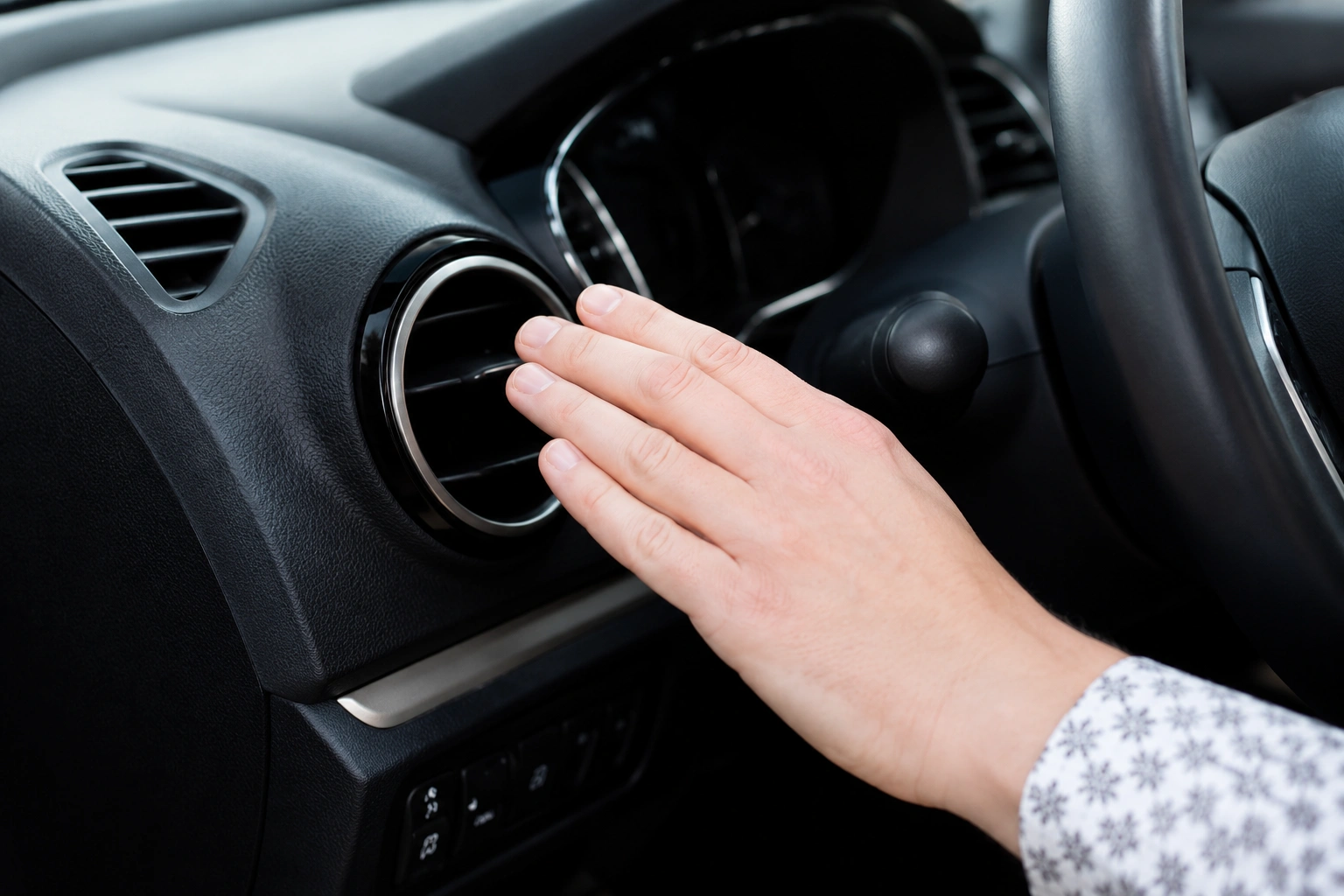
If your car heater is blowing cold air, the cause is almost always in the cooling system: low coolant, a thermostat stuck open, a clogged or leaking heater core, or air trapped in the system. The heater borrows heat from the engine's coolant, so when something disrupts that flow, you get cold air from the vents. Most of these point to a coolant or cooling-system issue worth checking, since the same problem can also affect engine temperature. On a chilly LA morning the fix matters for comfort and safety—and the reliable next step is a diagnosis, not a guess at the part.
How does your car's heater actually work?
Your car doesn't have a separate heater that makes its own warmth. Instead, it uses heat the engine already produces. As the engine runs, hot coolant circulates through a small radiator-like part called the heater core, and a fan blows air across it and into the cabin—that's your heat.
Because the heater depends on hot coolant flowing through the heater core, anything that disrupts that flow or that heat shows up as cold air from the vents. That's why a heating complaint is really a cooling-system question: low coolant, a thermostat that won't let the engine warm up, a blocked heater core, or trapped air can all cut off the heat.
Since the same coolant system controls engine temperature, a heater problem can share a cause with overheating or running-cold issues. Tire, brake, and engine issues should be diagnosed before parts are replaced, and engine and cooling-system diagnostics help pinpoint why the heat is missing before any repair.
Quick Answer - Why is your car heater blowing cold air?
The common causes are:
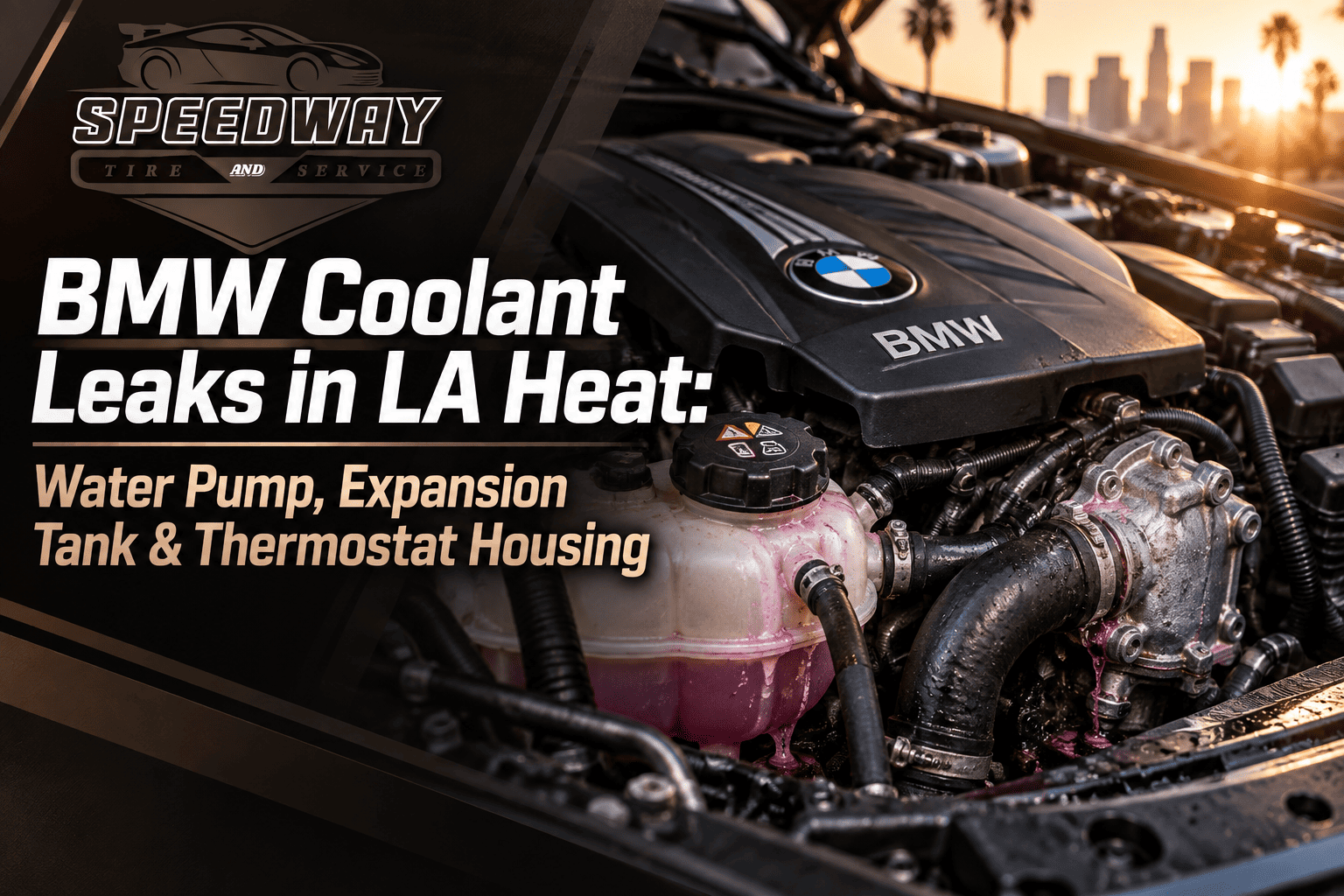
- Low coolant — often from a leak; there isn't enough hot coolant to feed the heater core.
- A thermostat stuck open — the engine never fully warms up, so there's little heat to share.
- A clogged or leaking heater core — hot coolant can't flow through it properly.
- Air trapped in the cooling system — an air pocket blocks coolant flow to the heater core.
- A failing water pump or blend-door issue — less common, but possible.
Because several of these involve coolant and overlap with engine-temperature problems, a diagnosis is the reliable way to find the real cause.
What signs come with a heater blowing cold air?
Clues alongside the cold air help point to the cause:
- The temperature gauge reads low or never warms up — often a thermostat stuck open.
- The gauge runs hot — may indicate low coolant or a cooling-system fault; don't keep driving if it overheats.
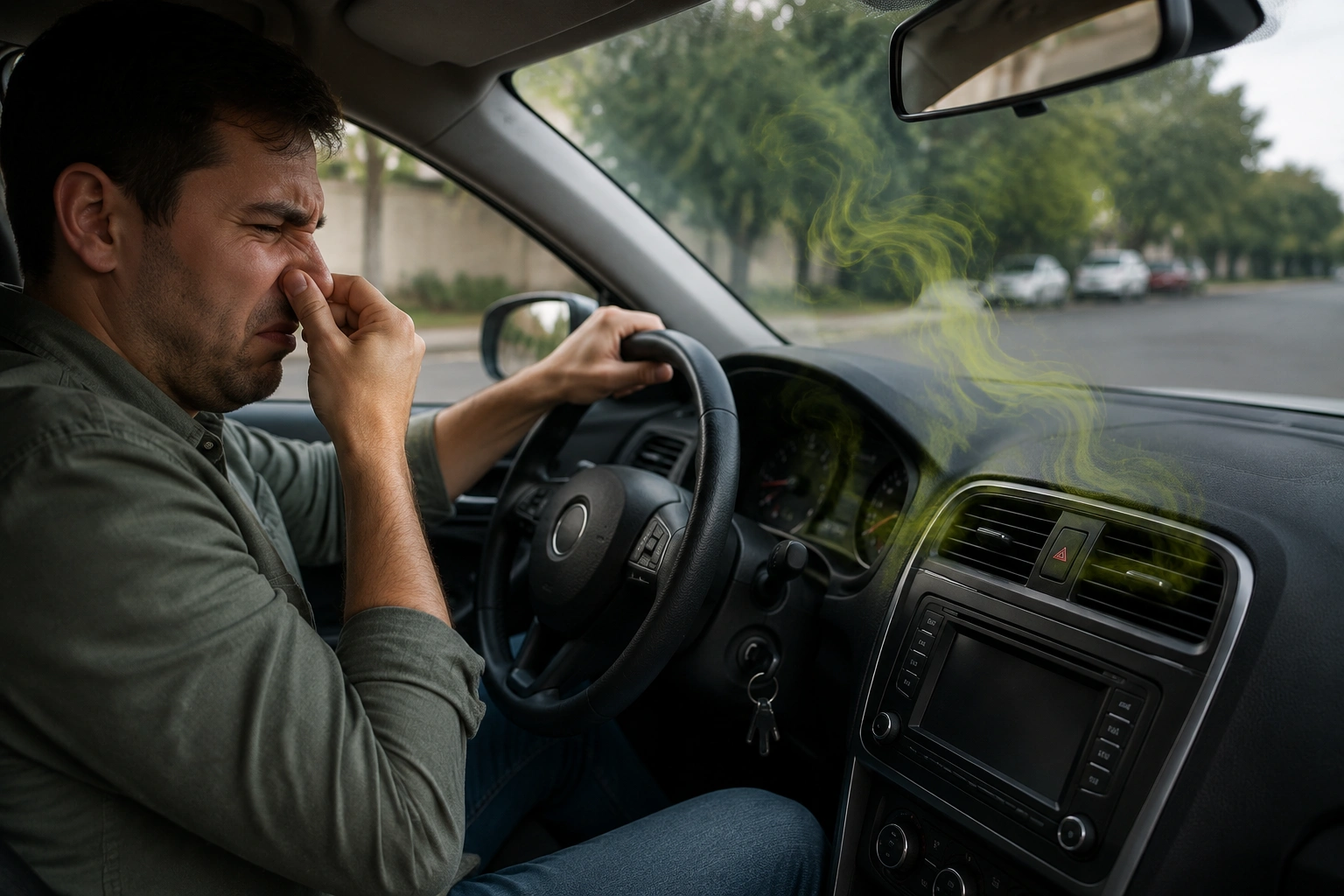
- A sweet smell or fog inside the cabin — can point to a leaking heater core.
- Coolant spots under the car or a dropping reservoir — a leak.
- Heat only at speed but not idling — can suggest low coolant or circulation issues.
Noting which clue accompanies the cold air helps the shop confirm the cause more quickly.
What's likely behind it? Common causes at a glance
This table summarizes the usual causes and what to do about each.
|
Likely cause |
Typical sign |
What to do next |
Why it matters |
|
Low coolant / leak |
Low reservoir, spots |
Check level; inspect |
Can lead to overheating |
|
Thermostat stuck open |
Gauge stays low |
Inspect thermostat |
Engine never fully warms |
|
Heater core clogged |
Cold air, maybe fog |
Diagnose core |
Blocks heat to the cabin |
|
Air in the system |
Heat comes and goes |
Bleed/inspect system |
Air pocket blocks flow |
|
Water pump issue |
Overheating too |
Diagnose pump |
Affects whole cooling system |
Several of these tie back to coolant, and some overlap with overheating, so the symptom alone doesn't confirm the part. Accurate diagnosis helps reduce unnecessary repairs and delays.
Does LA's mild winter still cause heater problems?
It might seem like heat barely matters in LA, but cold mornings in Echo Park, Silver Lake, and Downtown LA are exactly when drivers notice a heater that isn't working—often after months of not using it.
A few local factors play in. Because the heater sits unused through the warm months, a developing coolant leak or a thermostat problem can go unnoticed until the first cold morning, when you finally turn on the heat and get cold air. LA heat is also hard on the cooling system year-round, so coolant levels and hoses can degrade over time. And short, stop-and-go trips around Silver Lake and Echo Park don't always give the engine time to fully warm up, which can make a marginal heating issue more obvious. The underlying cause is usually a cooling-system item that's worth checking regardless of season.
What can happen if you ignore a heater problem?
A heater blowing cold air is often a window into the cooling system, so ignoring it can mean more than a chilly cabin. Risks include:
- Engine overheating if the underlying cause is low coolant or a cooling-system fault.
- A bigger, costlier repair if a small coolant leak worsens.
- Reduced safety and comfort, including a windshield that's harder to defog on cold or damp mornings.
- Engine damage in the worst case, if overheating goes unaddressed.
- Vehicle downtime at an inconvenient time.
Because the heater and engine share the cooling system, checking the cause early protects more than your comfort.
What should you check before bringing your car in?
A few observations help the shop diagnose the cause faster. Before your visit, note:
- The temperature gauge — does it stay low, read normal, or run hot?
- Any warning lights related to temperature or coolant.
- Your coolant level, if it's safe and easy to check (only when the engine is cool).
- A sweet smell or fog inside the cabin.
- Coolant spots under the car.
- Whether heat appears at speed but not at idle, or not at all.
- Mileage and any recent cooling-system work.
Important: never open the radiator or coolant cap while the engine is hot. If the gauge is running hot, don't keep driving—let it cool and call the shop.
How do you choose a trustworthy auto repair shop in Los Angeles?
Good auto service depends on clear inspection findings, honest recommendations, and matching the repair to the vehicle's needs. With a heater issue, you want a shop that diagnoses the cooling system rather than replacing the heater core on a guess.
Practical things to look for in a mechanic near Silver Lake or Echo Park:
- A clear diagnostic process that checks coolant, thermostat, and the heater core.
- Transparent communication and a written estimate before work begins.
- Recommendations that match the symptom instead of broad upsells.
- Quality parts and the correct coolant for your vehicle.
- Local experience with cooling-system wear in LA heat.
- The option to call first and confirm whether it's safe to drive in.
A shop that diagnoses the cooling system before replacing parts saves you from paying for the wrong fix—a heater core replacement is involved, so it's worth confirming first. You can see how diagnosis connects to repair across the shop's full range of auto repair services.
How does Speedway Tire & Service help?
Speedway Tire & Service is a local tire and auto repair shop in Los Angeles, on West Sunset Boulevard, serving drivers in Echo Park, Silver Lake, Downtown LA, Chinatown, Lincoln Heights, and nearby neighborhoods.
When the heater blows cold, the team can check the cooling system—coolant level and condition, the thermostat, the heater core, and for leaks or trapped air—and explain what's behind the cold air in plain language. Because it's a cooling-system question, engine and cooling-system service confirms the cause before any part is replaced, so the repair matches the actual problem.
Repair scope, timing, and cost are confirmed after the vehicle is reviewed, and the recommended work is shared with you before anything is approved. Timing may vary depending on parts availability, shop workload, and the complexity of the issue, so calling first—especially if the temperature gauge is running hot—is a good first step.
Steps to get service from Speedway Tire & Service
- Call the shop at (213) 250-4254 or review the services page for what's offered.
- Describe the cold air, the temperature gauge, and any leaks, smells, or warning lights.
- Confirm whether it's safe to drive in, and the right inspection.
- Bring the car in so the cooling system can be checked.
- Review the recommended work and estimate before approving it.
- Complete the repair and follow any after-service advice.
Frequently Asked Questions about a car heater blowing cold air
Why is my car heater blowing cold air?
The heater uses heat from the engine's coolant, so cold air usually points to a cooling-system issue: low coolant (often from a leak), a thermostat stuck open so the engine never fully warms, a clogged or leaking heater core, or air trapped in the system. Less commonly, a water pump or blend-door problem is involved. Because several causes overlap with engine-temperature issues, a diagnosis is the reliable way to find the real reason before replacing parts.
Is it safe to drive with the heater blowing cold air?
It depends on the temperature gauge. If the gauge reads normal and there are no other symptoms, careful short-term driving while you arrange an inspection is often fine—you'll just be cold. But if the gauge runs hot, you see coolant leaks, or there's fog or a sweet smell in the cabin, treat it as more serious: don't keep driving if it's overheating, let the engine cool, and call a shop. Defogging ability also matters for safety on damp mornings.
Can low coolant cause my heater to blow cold?
Yes—it's one of the most common causes. The heater core needs hot coolant flowing through it to produce heat, so if the level is low, often from a leak, there may not be enough to feed the heater. Low coolant can also lead to engine overheating, so it's worth addressing promptly. Check the level only when the engine is cool, never open a hot coolant cap, and have the source of any loss diagnosed rather than just topping off.
What is a heater core and is it expensive to replace?
The heater core is a small radiator-like part that hot coolant flows through; a fan blows air across it to warm your cabin. When it clogs or leaks, you get cold air, and sometimes fog or a sweet smell inside. Replacement can be more involved because of where the heater core sits in the dash, so cost varies by vehicle. That's exactly why diagnosing the real cause first matters—so you don't replace the core if the issue is actually coolant or a thermostat.
Does LA's mild winter really cause heater problems?
It can surface them. Because the heater sits unused through LA's warm months, a developing coolant leak or thermostat problem often goes unnoticed until the first cold morning, when you turn on the heat and get cold air. LA heat is also hard on the cooling system year-round, and short stop-and-go trips don't always let the engine fully warm up. The underlying cause is usually a cooling-system item worth checking regardless of the season.
Do I need an appointment to diagnose a heater problem?
Calling first is the best approach. It lets the shop confirm current availability, advise whether it's safe to drive in based on your temperature gauge, and explain what the cooling-system inspection involves. Walk-in availability can change based on shop volume, so a quick phone call helps you avoid waiting and ensures time is set aside to check coolant, the thermostat, and the heater core before any repair. If the gauge is running hot, call before driving.
Call Speedway Tire & Service Today
If your car heater is blowing cold air on a chilly LA morning, the reliable next step is a cooling-system diagnosis rather than a guess at the part. For drivers in Echo Park, Silver Lake, Downtown LA, or nearby neighborhoods, call Speedway Tire & Service at (213) 250-4254, review the services page, or contact the shop to describe the symptoms and next steps. And if your temperature gauge is running hot, let the engine cool and call before driving. Finding the cause early protects both your comfort and your engine.
Looking for an honest Auto Repair Shop in Los Angeles? Call Speedway Tire and Service Today
Whether you’re driving through LA traffic or cruising the freeways, your car deserves expert care. Located in Los Angeles, Speedway Tire and Service offers reliable oil changes, brake repairs, tire services, and more—all backed by experienced technicians and honest pricing.