Overheating in LA Traffic 9 Cooling-System Checks Before You Damage the Engine
If you have ever been stuck in heavy Los Angeles traffic, you know how demanding stop-and-go driving can be. Combine traffic with high temperatures, and overheating in Los Angeles traffic can become a serious concern. Many overheating problems begin in the cooling system, so regular checks can help identify issues before they lead to expensive engine damage.
1. Check Your Coolant Level and Condition
Coolant, also called antifreeze, helps control engine temperature, protect against corrosion, and support water-pump operation. Always wait until the engine is completely cool before checking the reservoir.
How to Check It
- Wait for the engine to cool down completely.
- Locate the coolant reservoir and check that the level is between the marked lines.
- If the coolant looks rusty, cloudy, contaminated, or unusually low, arrange an inspection.
Frequent low coolant levels may indicate a leak. A professional radiator and coolant leak inspection can help determine where the fluid is going.
2. Inspect for Coolant Leaks
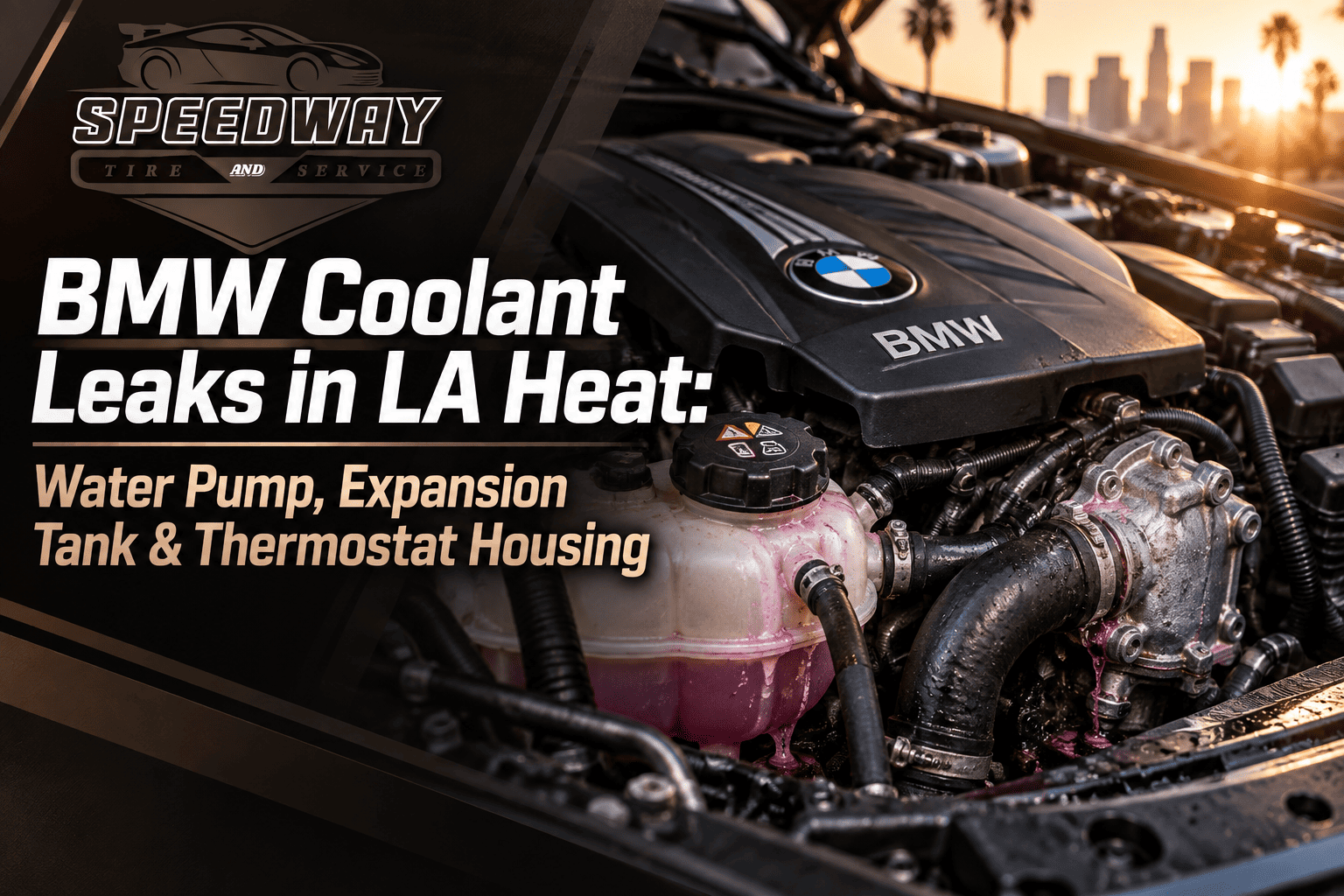
Coolant leaks are a common cause of overheating, especially in older vehicles navigating hot city streets. Leaks can occur in hoses, the radiator, the water pump, the thermostat housing, or other cooling-system components.
Signs of a Leak
- Green, orange, pink, or otherwise colored fluid under the vehicle.
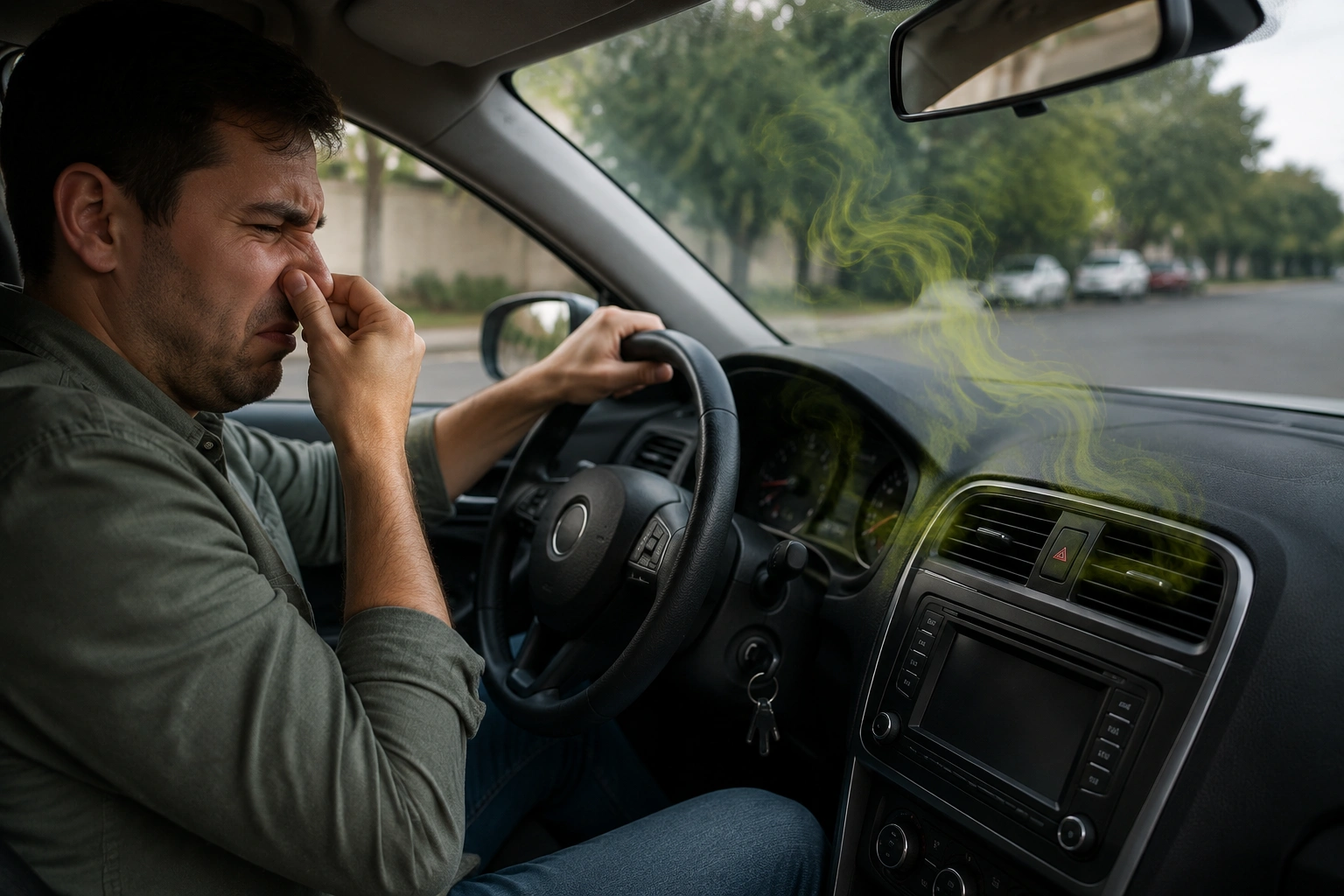
- A sweet smell coming from the engine bay.
- Visible drips, wet areas, or crusty residue around hoses or the radiator.
- A coolant reservoir that repeatedly drops below the recommended level.
If you suspect a leak, do not wait for the vehicle to overheat. A technician can test the system and identify the source before the condition becomes more serious.
3. Evaluate the Radiator
The radiator transfers heat from the coolant to the surrounding air. A blocked, corroded, or damaged radiator may not dissipate heat efficiently, especially when the vehicle is moving slowly or idling in traffic.
What to Look For
- Corrosion or rust on the radiator or nearby connections.
- Clogged, bent, or damaged cooling fins.
- Visible coolant residue or signs of a leak.
- Repeated overheating despite a full coolant reservoir.
A professional inspection can determine whether the radiator needs cleaning, repair, replacement, or further testing.
4. Test the Thermostat
The thermostat controls coolant flow between the engine and radiator. If it sticks closed, coolant may not circulate properly and the engine can overheat. A thermostat that remains open may also prevent the engine from reaching its intended operating temperature.
Possible Thermostat Symptoms
- Engine temperature changes quickly or behaves inconsistently.
- The cabin heater does not produce expected heat.
- The vehicle overheats during stop-and-go driving.
- Coolant flow does not behave as expected after the engine warms up.
Thermostat problems should be diagnosed rather than assumed because similar symptoms can come from other cooling-system components.
5. Listen to the Radiator Fan
In city driving, there is less natural airflow through the radiator, so the radiator fan must help move air through the cooling system. If the fan fails, the engine may overheat quickly while idling or moving slowly.
How to Check It
- Notice whether the fan engages when the engine reaches operating temperature.
- Listen for unusual fan noise or complete silence when the vehicle is hot.
- Have the fuse, relay, wiring, and fan motor tested by a professional.
6. Inspect the Water Pump
The water pump circulates coolant through the engine and radiator. A failing pump can cause coolant leaks, poor circulation, unusual noise, and rapid overheating.
Warning Signs
- Coolant leaking near the front of the engine.
- A whining or grinding noise from the engine area.
- Overheating at idle or low speeds.
- Visible coolant residue around the pump or belt area.
Water-pump concerns are best diagnosed by a qualified technician. An engine and cooling-system inspection can help identify the cause.
7. Check Hoses and Belts
Cracked, swollen, soft, or brittle hoses can lead to coolant leaks or restricted flow. A worn serpentine belt may also affect components driven by the belt, depending on the vehicle’s design.
When to Request an Inspection
- Hoses feel unusually soft or show visible cracks.
- There are wet areas or residue around hose connections.
- A belt is loose, damaged, frayed, or squealing.
- The vehicle begins overheating after routine service or a repair.
Hoses and belts can be inspected during routine maintenance, including an oil change service visit.
8. Check for Air Pockets in the Cooling System
Air trapped in the cooling system can interrupt coolant flow and create localized hot spots. This may happen after cooling-system work if the system was not filled and bled correctly.
If the vehicle begins overheating after a coolant service, return to the repair shop for an inspection. The system may need to be checked for trapped air, leaks, or another underlying problem.
9. Know When to Stop Driving and Call for Help
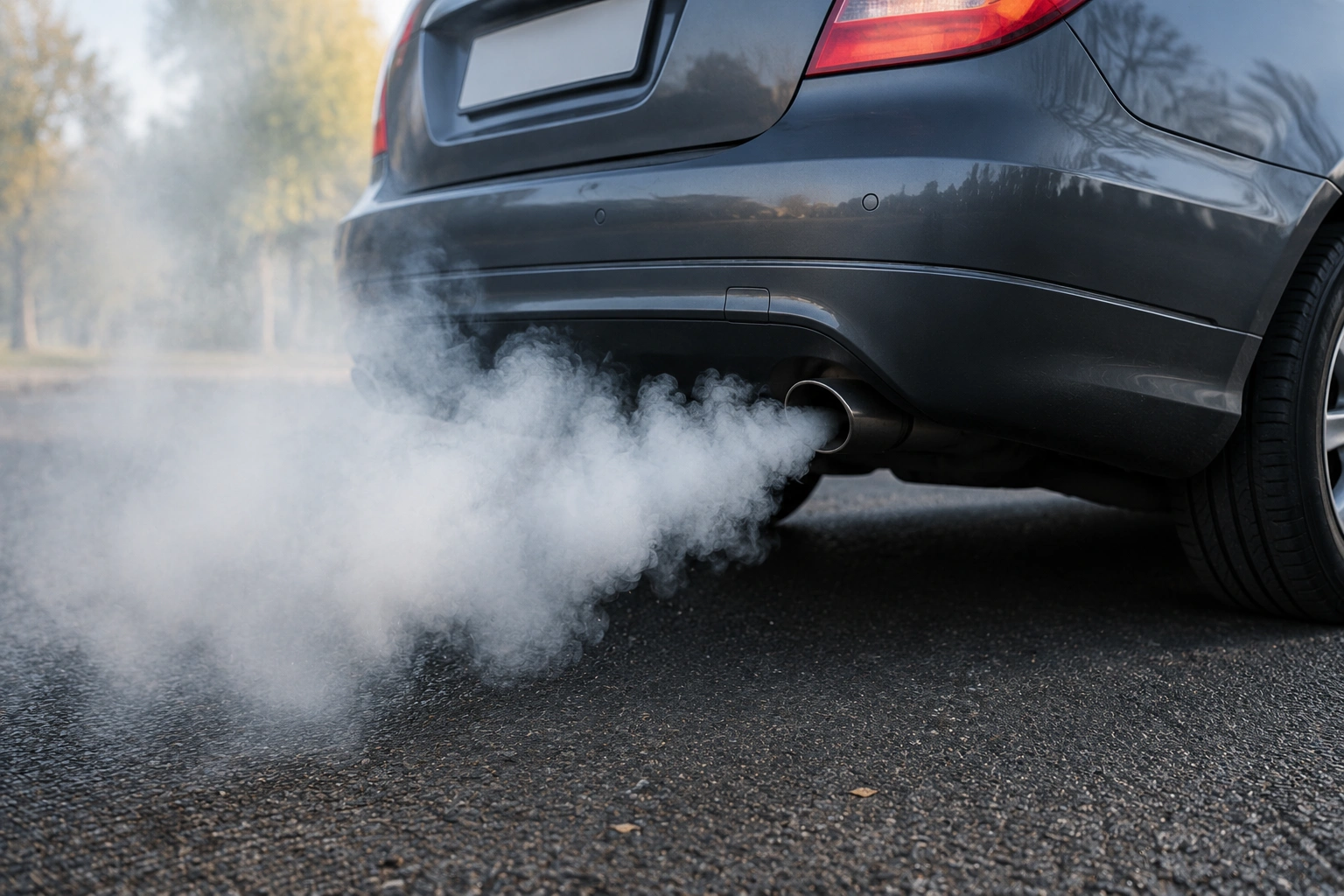
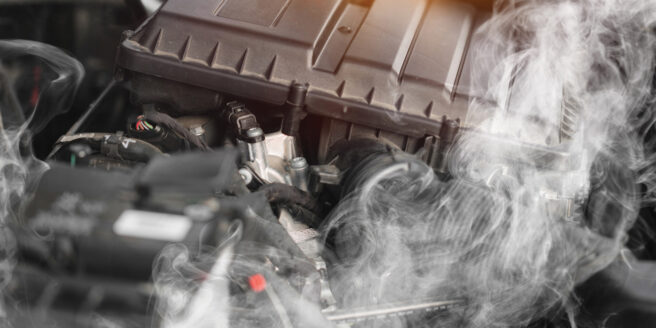
If the temperature gauge reaches the red zone or steam comes from under the hood, pull over as soon as it is safe. Continuing to drive while the engine is overheating can result in serious damage.
What to Do
- Turn off the air conditioning.
- Find a safe place to pull over.
- Turn off the engine and wait for it to cool.
- Never open the radiator cap while the engine is hot.
- Arrange towing or professional assistance if the vehicle remains hot or loses coolant.
When to Visit a Local Auto Repair Shop
If your vehicle consistently runs hot or shows any of the symptoms described above, it is time to visit a professional repair shop. A complete inspection may include the radiator, hoses, thermostat, fan, water pump, coolant condition, pressure, and engine temperature.
For broader repair needs discovered during the inspection, a shop offering comprehensive auto repair services can help coordinate the appropriate next steps.
Preventing Future Cooling-System Problems
- Follow the vehicle manufacturer’s coolant service recommendations.
- Inspect hoses and clamps during regular maintenance.
- Replace a thermostat or water pump when inspection confirms a problem.
- Monitor the temperature gauge during summer traffic.
- Do not ignore low coolant levels, warning lights, or repeated overheating.
A scheduled coolant flush and cooling-system check may be appropriate when the system requires maintenance or the coolant condition needs evaluation.
Conclusion Stay Cool in Los Angeles
Overheating in Los Angeles traffic is more than an inconvenience. It can lead to serious engine damage. By checking coolant, leaks, the radiator, thermostat, fan, water pump, hoses, belts, and air pockets, you can identify problems earlier and make safer decisions when the vehicle begins running hot.
Experiencing overheating? Speedway Tire & Service can inspect the cooling system and explain the recommended repair or maintenance step.
Visit Us: 1165 West Sunset Blvd, Los Angeles, CA 90012
Call Now: (213) 250-4254
Looking for an Honest Auto Repair Shop in Los Angeles? Call Speedway Tire and Service Today
Whether you are driving through LA traffic or cruising the freeways, your car deserves expert care. Located in Los Angeles, Speedway Tire and Service offers reliable oil changes, brake repairs, tire services, and more, backed by experienced technicians and honest pricing.
Looking for an honest Auto Repair Shop in Los Angeles? Call Speedway Tire and Service Today
Whether you’re driving through LA traffic or cruising the freeways, your car deserves expert care. Located in Los Angeles, Speedway Tire and Service offers reliable oil changes, brake repairs, tire services, and more—all backed by experienced technicians and honest pricing.