Overheating in LA Traffic? 9 Cooling-System Checks Before You Damage the Engine
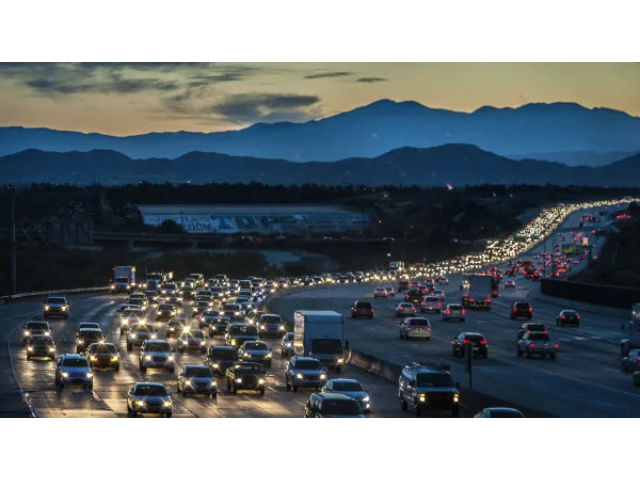
That Dreaded Temperature Gauge: Overheating on the 110 Freeway
You know the feeling.
You're inching along in bumper-to-bumper traffic on the 110, the sun is beating down, and you glance at your dashboard to see the temperature gauge creeping into the red. Panic sets in.
An overheating engine in the middle of Los Angeles traffic is more than just an inconvenience it's a recipe for a very bad day and potentially catastrophic engine damage.
At Speedway Tire & Service, we've been helping LA drivers navigate these exact scenarios for over 25 years.
We understand that our city's unique combination of intense heat and relentless stop-and-go traffic puts an incredible strain on your vehicle's cooling system.
When you're idling, there's no air flowing through the radiator to help cool the engine, and your car's cooling system has to do all the work.
This guide is your essential checklist for preventing and addressing overheating in LA traffic.
We'll walk you through 9 critical cooling-system checks you can perform to keep your engine safe, and we'll give you a step-by-step plan for what to do when you see that temperature needle start to climb. Let's keep you and your car cool, calm, and collected on the LA freeways.
Why Your Car Overheats in LA Traffic: The Perfect Storm
Overheating in traffic is a common problem for Los Angeles drivers, and it's usually caused by a combination of factors that create a perfect storm for your engine.
When you're driving at a steady speed, air is forced through the radiator, which helps to dissipate heat.
In stop-and-go traffic, there's no natural airflow, so your car has to rely entirely on its radiator fan to cool the engine.
Constantly starting and stopping puts a greater load on your engine than steady driving, which generates more heat that the cooling system has to manage.
Running your air conditioning on a hot day adds even more load to the engine and generates additional heat.
The A/C condenser is usually located in front of the radiator, which can restrict airflow and make it harder for the radiator to do its job.
The Southern California sun can raise under-hood temperatures to extreme levels, making it even harder for your cooling system to keep up.
When these factors combine, any small weakness in your cooling system can quickly become a major problem.
That's why regular maintenance is so critical for LA drivers.
The 9 Essential Cooling-System Checks for LA Drivers
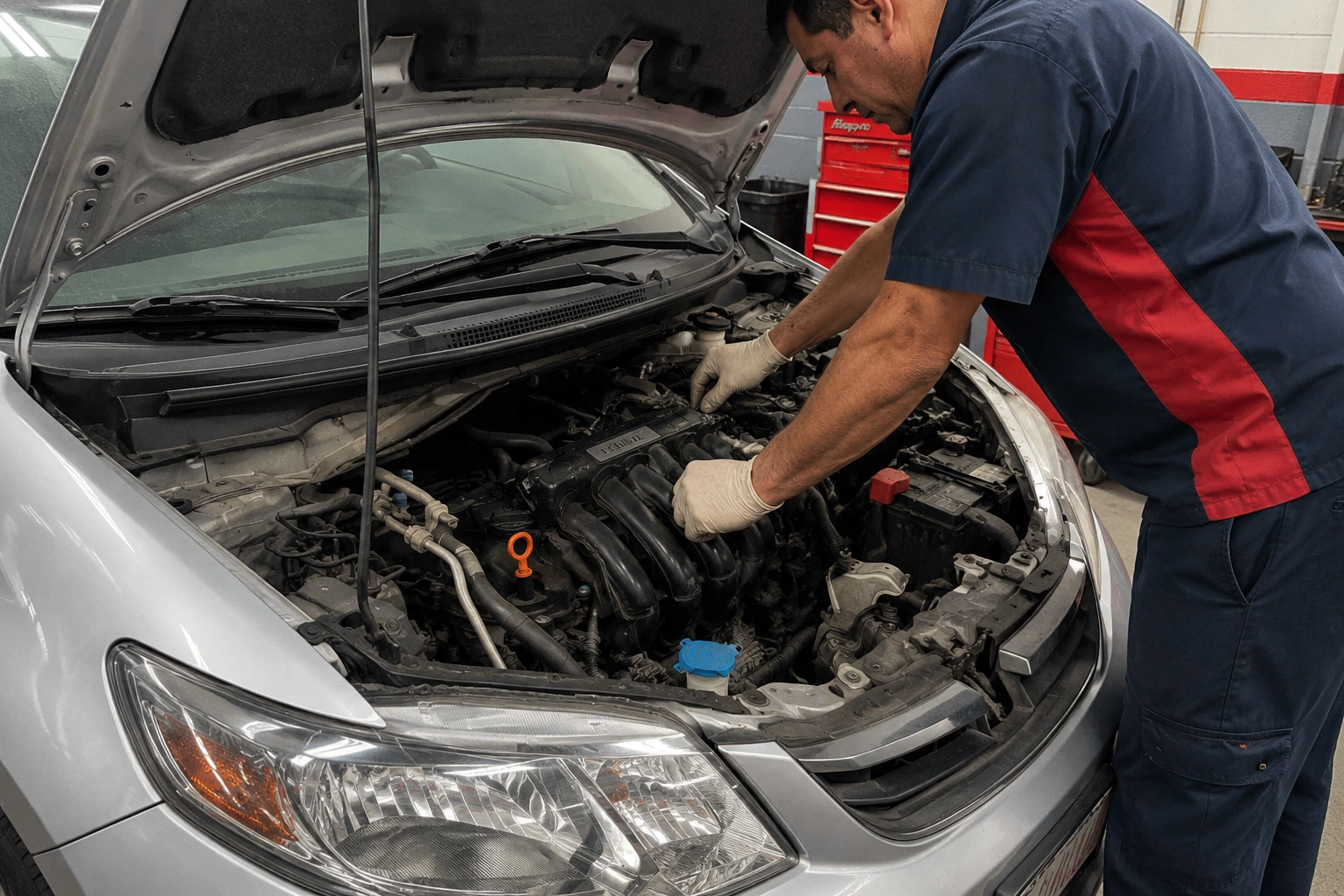
Before you get stuck on the side of the 405, here are 9 essential checks you can perform to ensure your cooling system is ready for the challenges of LA traffic.
As recommended by experts at speedway tire & service, these checks can help you identify potential problems before they lead to a breakdown.
Check 1: Verify the Coolant Level
This is the most basic and important check. Coolant (a 50/50 mix of antifreeze and water) is the lifeblood of your cooling system.
When the engine is cool, check the coolant level in the plastic reservoir.
It should be between the "MIN" and "MAX" lines. If you need to add coolant, make sure it's the correct type for your vehicle.
Low coolant is the #1 cause of overheating. Even a small leak can lead to a big problem over time.
Check 2: Inspect the Radiator Cap
The radiator cap does more than just seal the system it maintains the correct pressure, which raises the boiling point of the coolant.
When the engine is cool, remove the radiator cap and inspect the rubber seals for cracks or wear.
A pressure tester can be used to check if the cap is holding its rated pressure.
A faulty cap can cause the coolant to boil over at a lower temperature, leading to overheating.
Check 3: Examine Hoses and Connections
Coolant flows through a series of rubber hoses.
Over time, these hoses can become brittle, soft, or cracked.
Squeeze the main radiator hoses (when the engine is cool).
They should feel firm but not rock-hard. Look for any bulges, cracks, or signs of leaking at the connections.
A burst hose can cause a catastrophic loss of coolant and lead to rapid overheating.
Check 4: Test the Thermostat
The thermostat is a valve that controls the flow of coolant.
It stays closed when the engine is cold and opens up as it reaches operating temperature.
A stuck thermostat is a common cause of overheating.
If your car overheats quickly after starting, or if the temperature gauge fluctuates wildly, the thermostat could be to blame.
A professional technician can test it for you.
If the thermostat gets stuck closed, it will prevent coolant from circulating, causing the engine to overheat very quickly.
Check 5: Verify the Radiator Fans Are Working
When you're stuck in traffic, the radiator fans are your engine's best friend.
They pull air through the radiator to dissipate heat when the car is stationary.
Let your car idle with the A/C on. You should hear the radiator fans kick on.
If they don't, there could be a problem with the fan motor, relay, or temperature sensor.
This is the most common reason for a car overheating when idling in traffic.
If the fans aren't working, your engine has no way to cool itself down when you're not moving.
Check 6: Inspect the Drive Belts
The water pump is driven by a belt. If this belt is loose, worn, or broken, the water pump can't circulate coolant.
Look for cracks, fraying, or glazing on the drive belts.
A high-pitched squealing sound can also be a sign of a loose belt.
A broken water pump belt will cause your engine to overheat in a matter of minutes.
Check 7: Look for Coolant Leaks
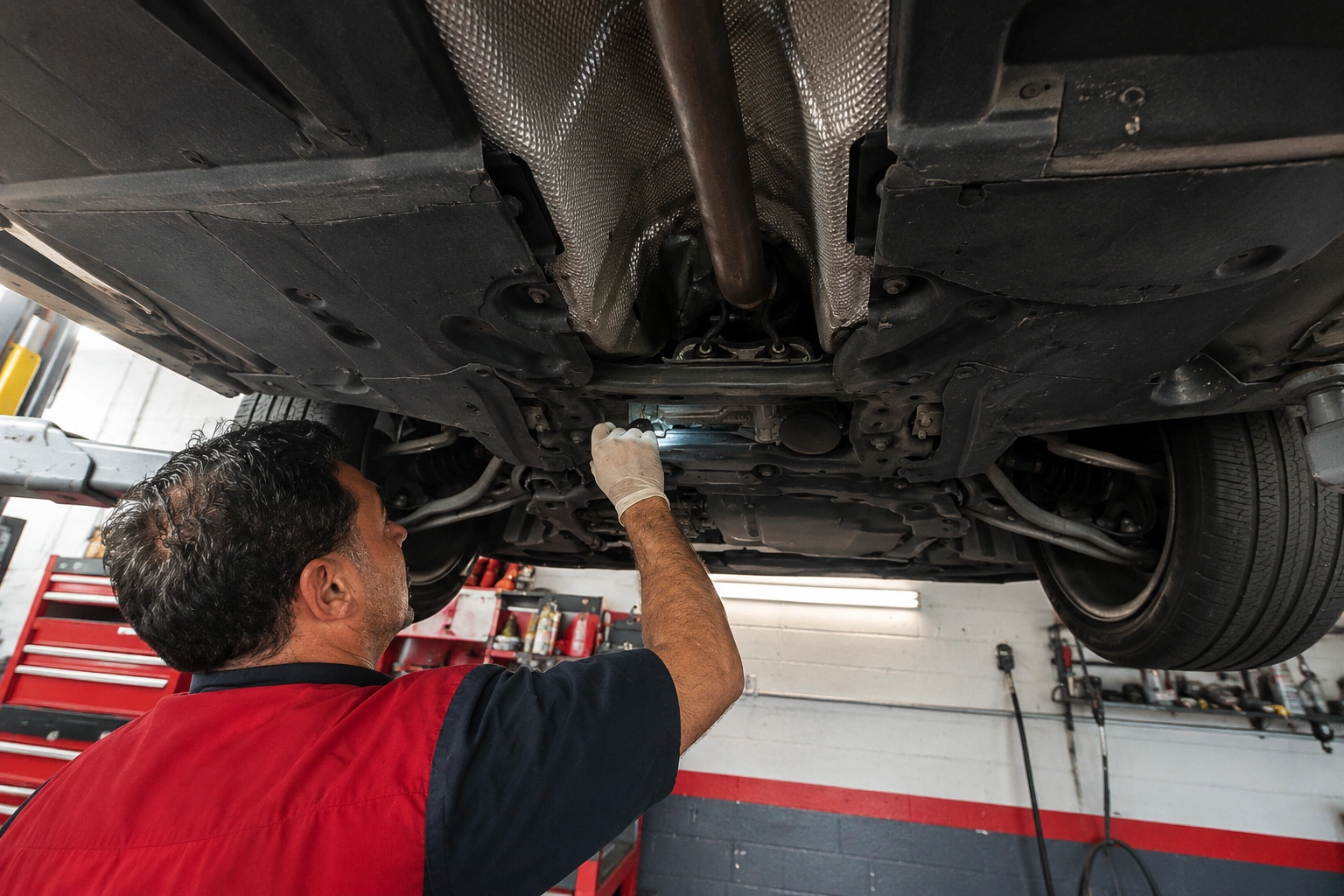
Coolant leaks can be tricky to find. They can come from the radiator, hoses, water pump, or even the engine itself.
Look for puddles of green, orange, or pink fluid under your car.
You can also use a cooling system pressure tester to find small leaks that may not be visible.
Any leak, no matter how small, will eventually lead to low coolant levels and overheating.
Check 8: Clean the Radiator Fins
The fins of the radiator can get clogged with dirt, bugs, and other debris, which can restrict airflow.
Visually inspect the front of the radiator. If it's dirty, you can gently clean it with a soft brush and water.
A blocked radiator can't dissipate heat effectively, especially at low speeds.
Check 9: Test the Coolant Quality
Over time, coolant can become acidic and lose its anti-corrosion properties.
This can lead to damage to the radiator, water pump, and other components.
You can use test strips or a hydrometer to check the quality of your coolant.
A professional coolant flush is recommended every 30,000 to 50,000 miles.
Old, contaminated coolant can cause expensive damage to your entire cooling system.
What to Do When You're Overheating in LA Traffic
If you see that temperature gauge climbing, don't panic.
Here's a step-by-step guide to what to do, as recommended by Speedway Tire and Service:
Step 1: Turn Off the A/C Immediately - This will reduce the load on the engine.
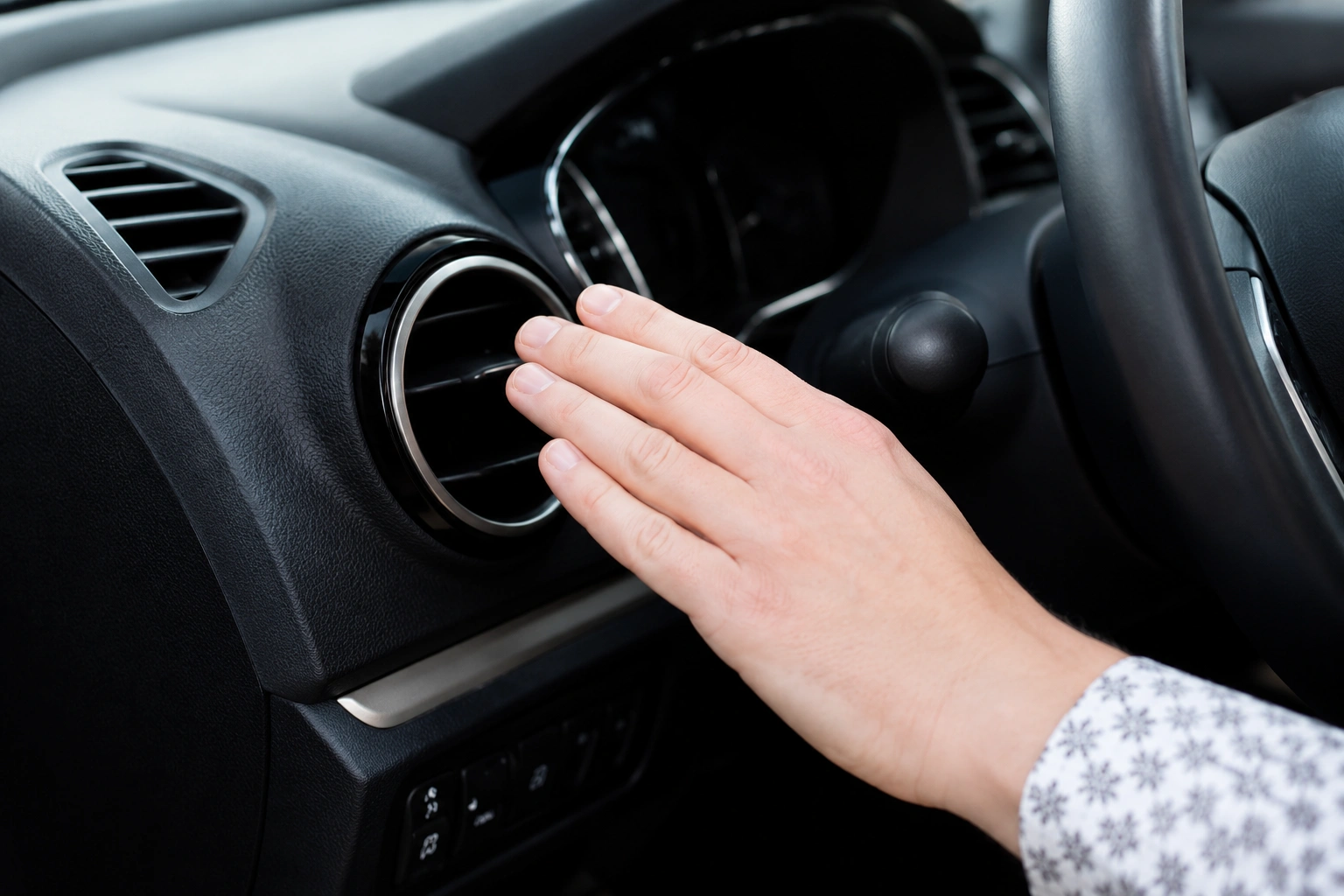
Step 2: Turn On the Heater - This may seem counterintuitive, but turning on the heater to full blast will help pull heat away from the engine and into the passenger compartment.
It's a temporary fix, but it can make a big difference.
Step 3: Pull Over Safely - As soon as you can, pull over to a safe location and shut off the engine.
Continuing to drive an overheating car can cause severe engine damage.
Step 4: Let the Engine Cool Down - Do not attempt to open the radiator cap while the engine is hot.
Pressurized steam and boiling coolant can cause serious burns.
Wait at least 30 minutes for the engine to cool down.
Step 5: Check the Coolant Level - Once the engine is cool, you can safely check the coolant level in the reservoir.
If it's low, you can add a 50/50 mix of coolant and water.
Step 6: Call for Professional Help - Even if you're able to add coolant and get the car started again, it's crucial to have your cooling system inspected by a professional.
There's a reason it overheated in the first place, and that problem needs to be fixed.
Don't Let LA Traffic Cook Your Engine: Professional Cooling System Service
Preventative maintenance is the key to avoiding overheating in Los Angeles.
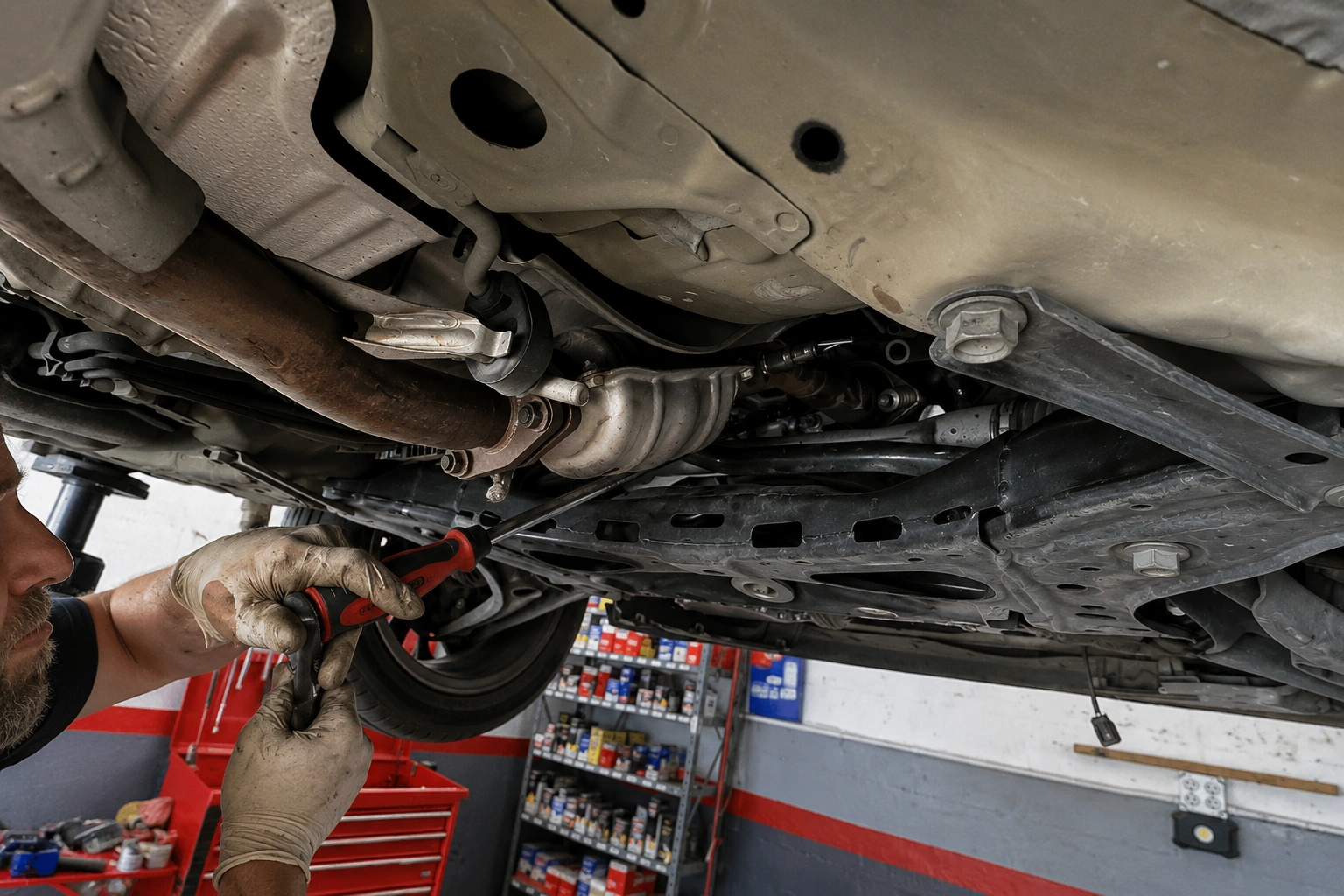
At Speedway Tire & Service, we offer a comprehensive cooling system service that includes complete system inspection, pressure testing for leaks, thermostat and fan operation checks, and coolant flush and replacement.
Our expert technicians know the unique challenges that LA drivers face, and we have the tools and experience to keep your engine running cool, even on the hottest days and in the worst traffic.
Your Trusted LA Auto Repair Shop
Don't wait until you're stranded on the side of the freeway. If you've noticed your car running hot, or if it's been a while since your last cooling system check, we're here to help.
Call us today at (213) 250-4254 or schedule an appointment online for a complete cooling system inspection.
Let our expert technicians give you the peace of mind you need to conquer LA traffic without breaking a sweat.
We're conveniently located at 1165 West Sunset Blvd, Los Angeles, CA 90012, and we're ready to keep you cool on the road.
Looking for an honest Auto Repair Shop in Los Angeles? Call Speedway Tire and Service Today
Whether you’re driving through LA traffic or cruising the freeways, your car deserves expert care. Located in Los Angeles, Speedway Tire and Service offers reliable oil changes, brake repairs, tire services, and more—all backed by experienced technicians and honest pricing.