Why Your Car Feels Slower Lately in Silver Lake and It May Not Be the Engine
If your car feels slow in Silver Lake lately, your first thought might be that the engine is going bad. In reality, true engine failure is only one possible explanation for sluggish performance. Many drivers experience hesitation or delayed throttle response because of small maintenance issues that build up over time, especially with Silver Lake’s stop-and-go traffic, steep hills, short trips, and warm temperatures.
Before you assume an expensive engine repair is needed, it is important to understand the common causes of slow acceleration and how a systematic inspection can identify the real issue.
Silver Lake Driving Conditions Can Make the Problem Worse
Frequent braking, crawling traffic, idling at lights, congestion, and hill climbs toward the reservoir force your vehicle to work harder than it would on an open highway. These conditions can reduce airflow efficiency, increase rolling resistance, and cause critical components to underperform before a warning light appears.
Local drivers may notice:
- Hesitation when pressing the accelerator.
- Slower response when merging onto the freeway.
- Reduced fuel efficiency.
- A heavy feeling while climbing Silver Lake’s hills.
- A drag or vibration sensation at certain speeds.
In many cases, the engine is still healthy. The slow feeling may come from airflow, maintenance, tire condition, alignment, or another issue that can be diagnosed.
1. A Clogged Air Filter Can Restrict Your Engine
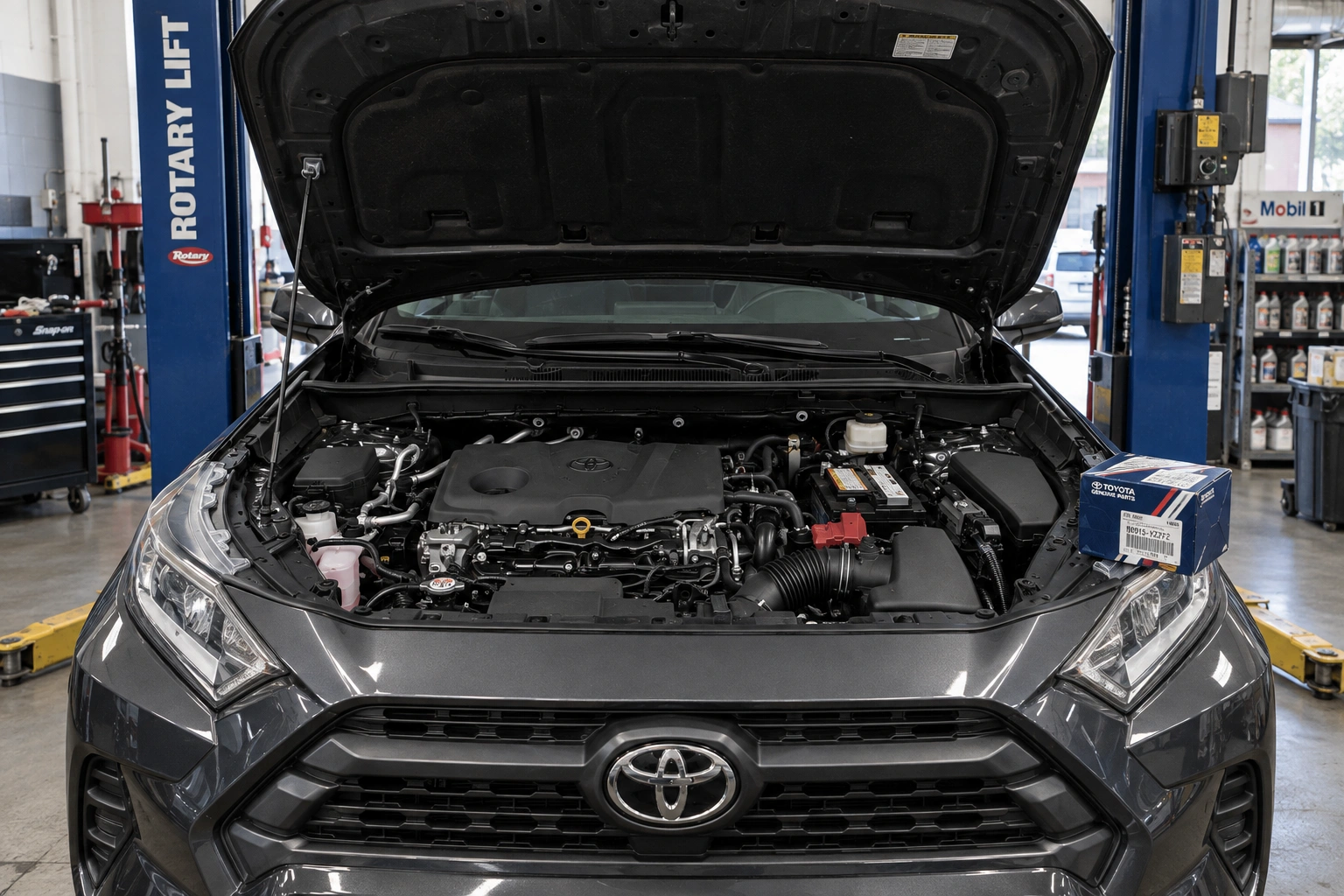
One common reason a car feels slow in Silver Lake is a clogged air filter. The engine needs an appropriate air-fuel mixture to run efficiently. When airflow is restricted, combustion may become less efficient, which can lead to hesitation, sluggish acceleration, and an uneven idle.
Dust, road debris, pollution, short trips, and extended idling can contribute to a filter becoming dirty. Learn about the benefits of air filter replacement and ask for an inspection if the filter is overdue.
2. A Dirty Throttle Body Can Create Hesitation
A dirty throttle body can restrict airflow near the point where the engine needs it most during acceleration. One classic symptom is a short delay between pressing the accelerator and feeling the vehicle respond.
This may be more noticeable in vehicles used for short trips, heavy stop-and-go traffic, and frequent idling. A professional inspection can determine whether cleaning is appropriate or whether another component is causing the hesitation.
3. Tire Resistance Can Make the Car Feel Heavy
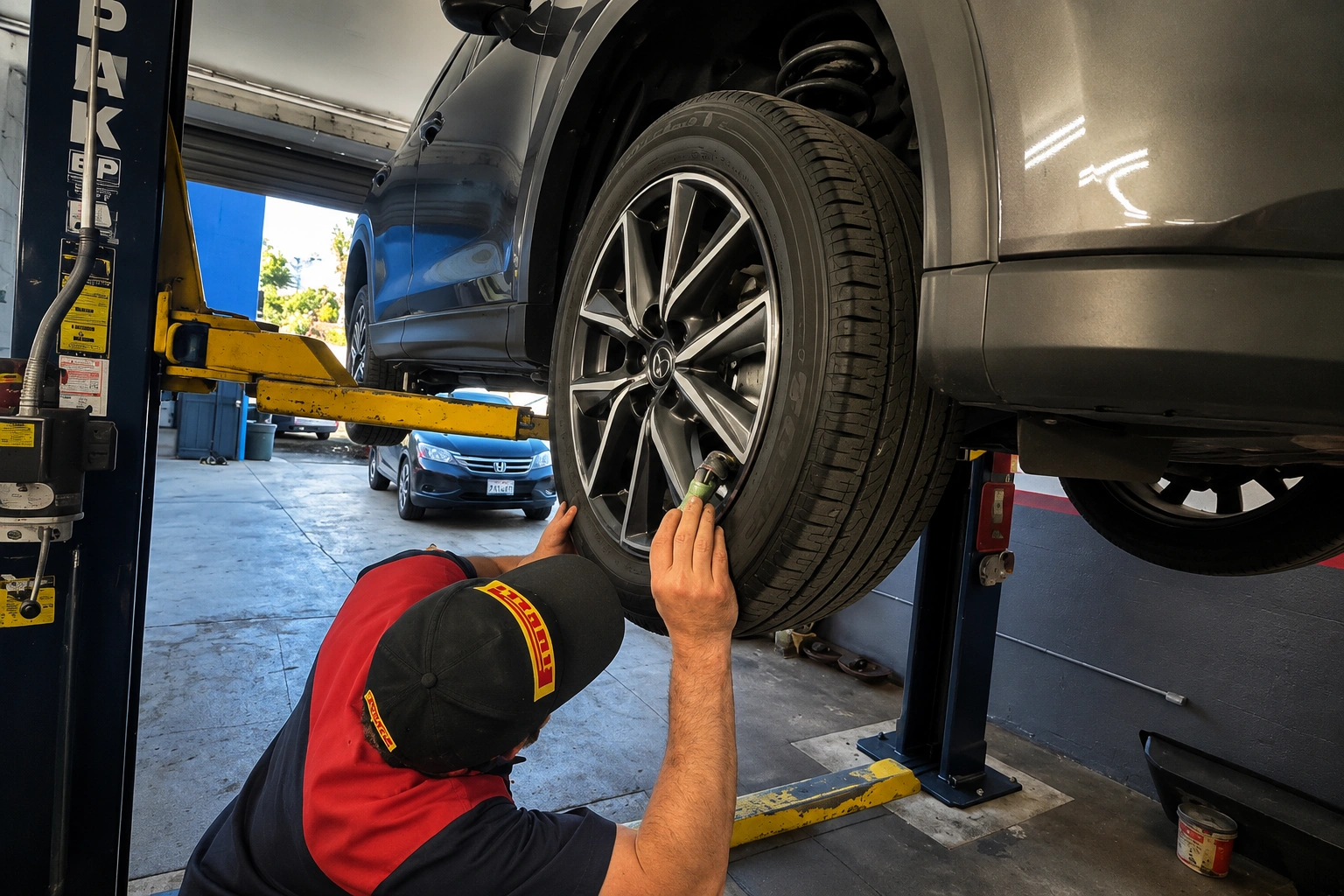
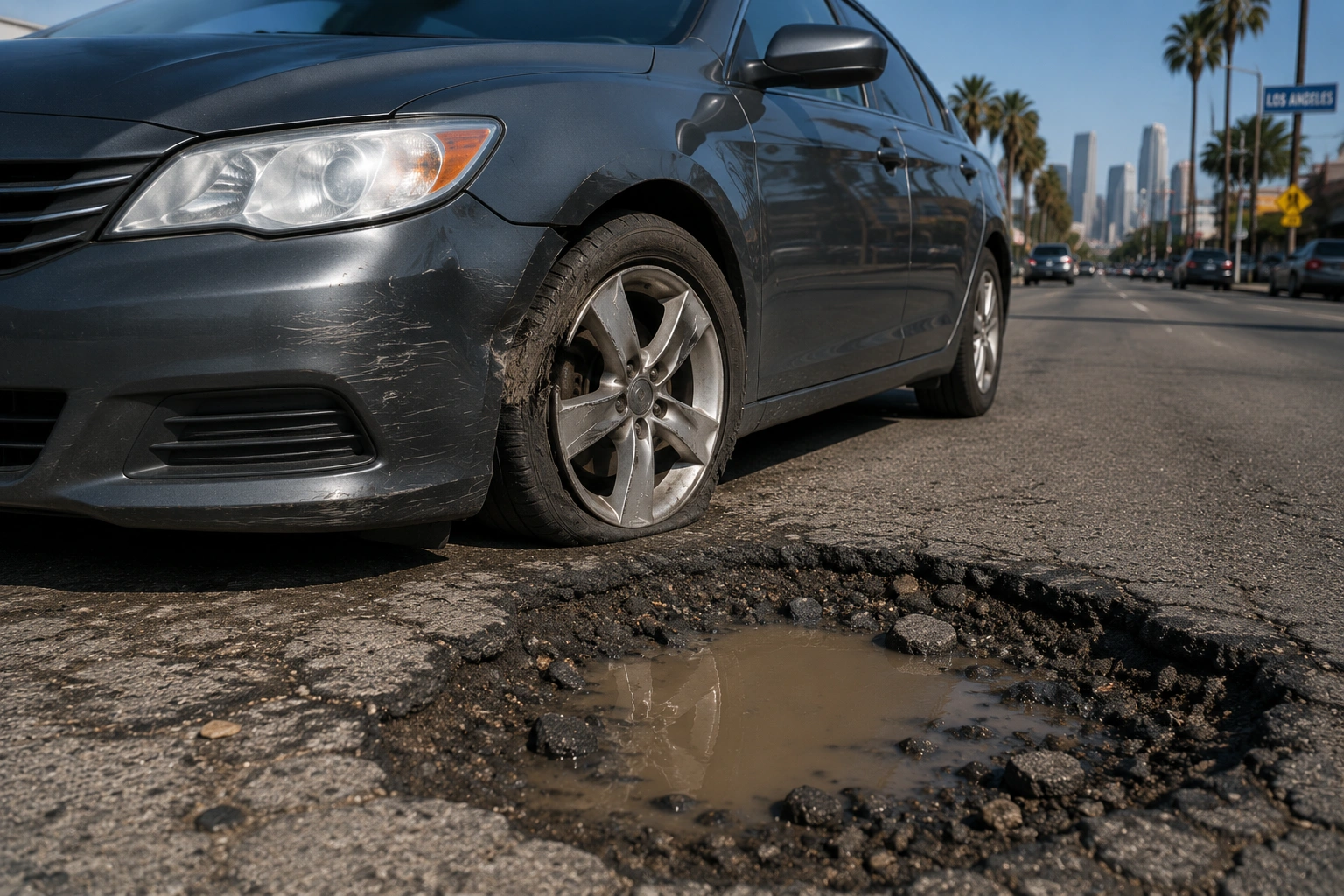
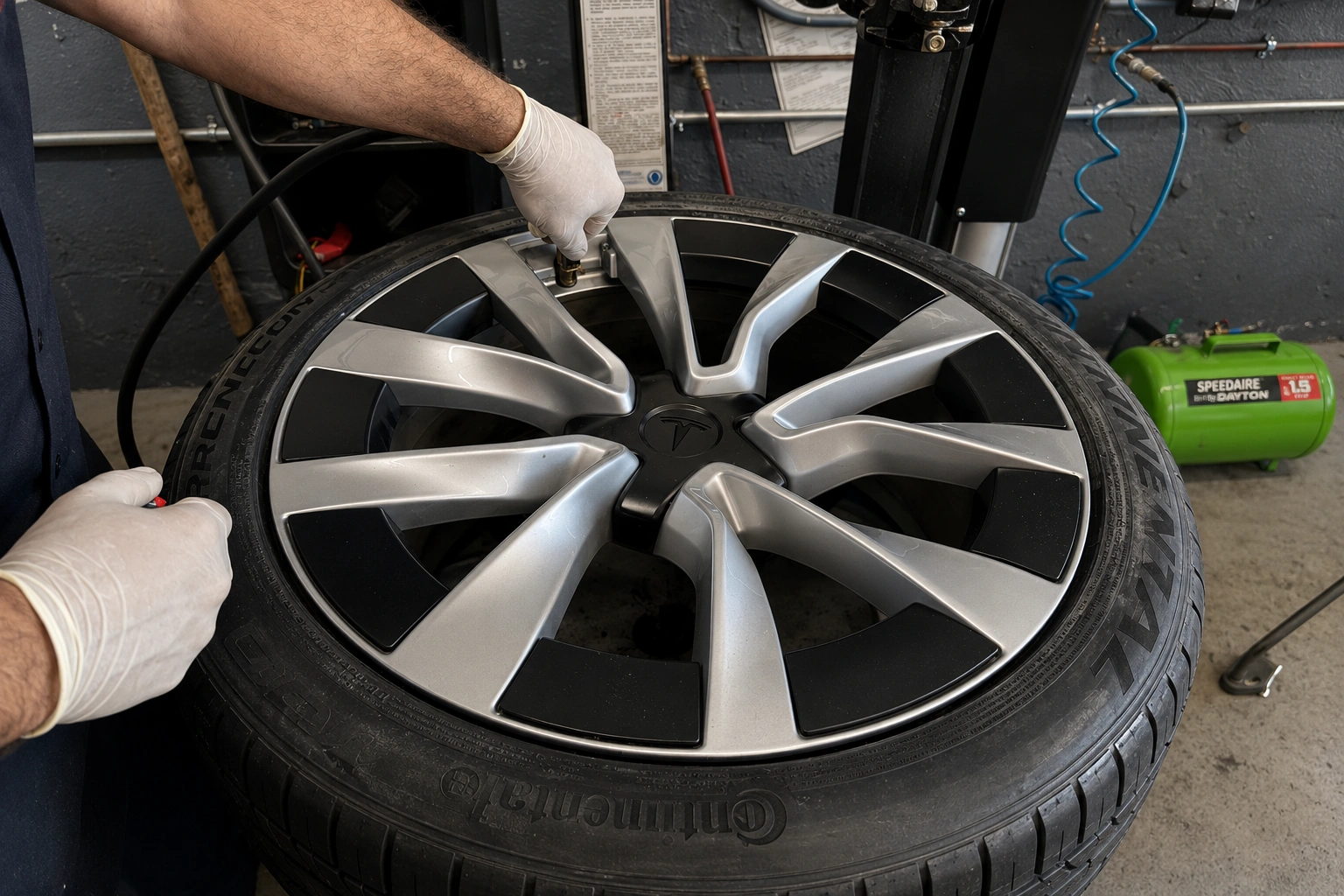
Your problem may not be under the hood. Uneven tread wear, incorrect tire pressure, damaged tires, or tires that have not been maintained can increase rolling resistance. When resistance rises, the vehicle can feel heavy, particularly on hills, because the drivetrain must work harder to move the car.
Look for a draggy feeling, weaker acceleration, mild vibration, or reduced fuel economy. A tire inspection and service can help identify pressure, tread, or condition issues that may affect performance.
4. Alignment Problems Can Quietly Reduce Performance
Even slight misalignment can make the vehicle feel slower because the tires are not tracking straight. The car may effectively fight the road, wasting energy through drag and tire scrub.
You may notice:
- An off-center steering wheel.
- Slight drifting on flat roads.
- Uneven tire wear.
- Less stability at speed.
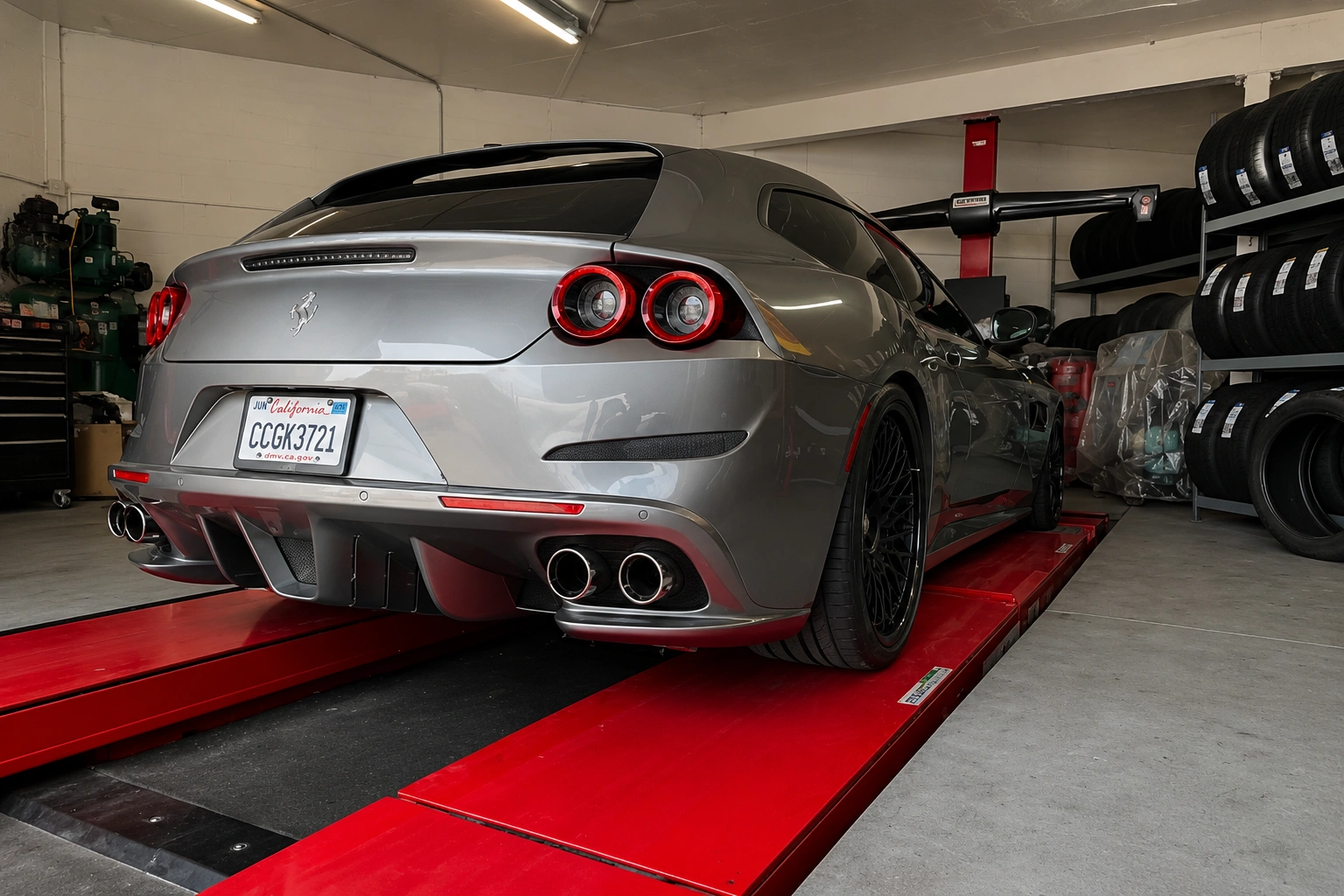
A proper wheel alignment service can help determine whether incorrect wheel angles are contributing to the heavy or less responsive driving feel.
5. Carbon Buildup Can Trigger Hesitation
Carbon buildup in the intake path may disrupt airflow and fuel delivery. This can appear as hesitation when accelerating from a stop, climbing a hill, or merging onto the freeway.
This symptom does not automatically mean the engine is failing. It means the system needs a proper diagnosis to determine whether cleaning, a sensor check, or another repair is appropriate.
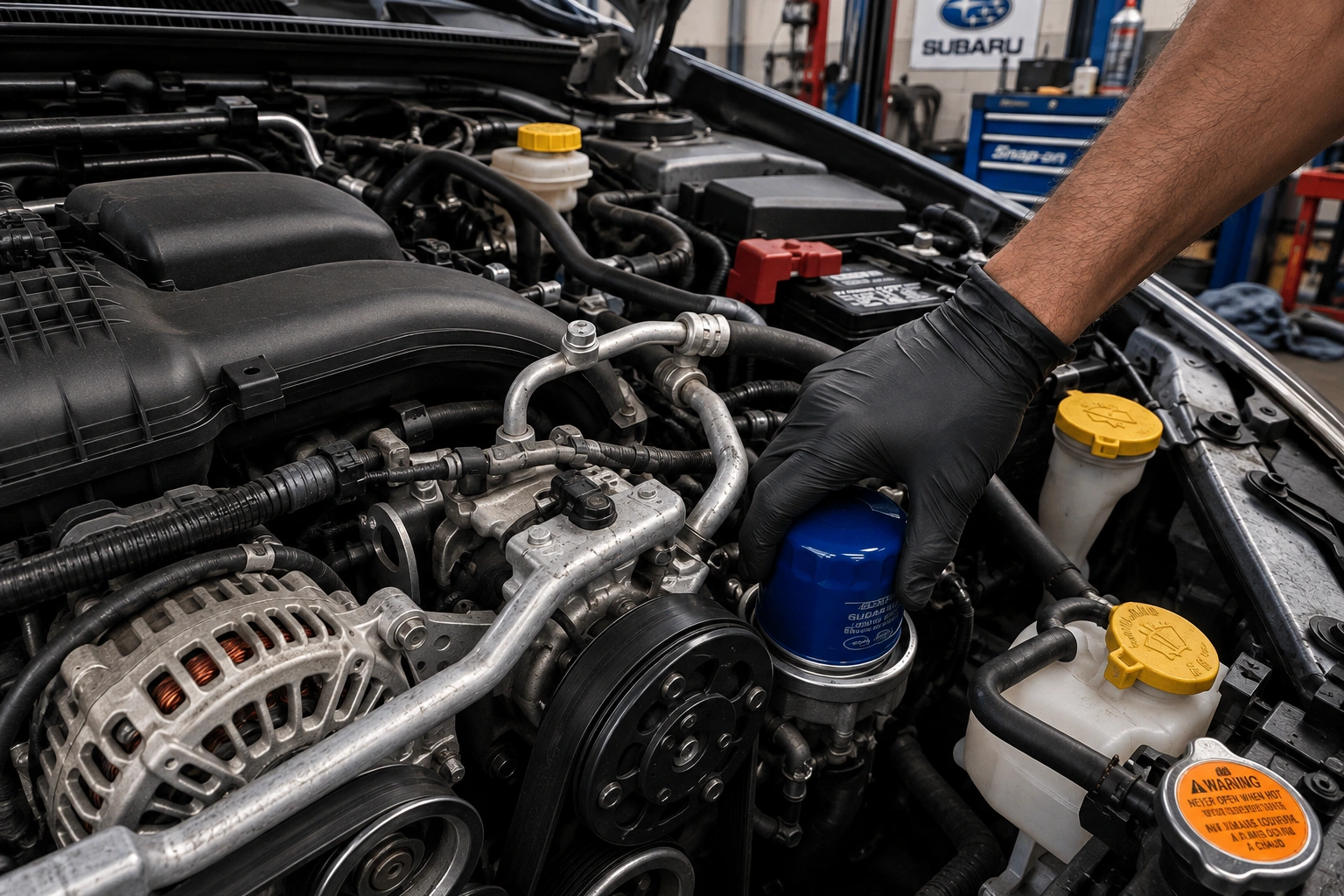
6. Old Oil Can Increase Friction
As oil degrades, it may lose protective properties and become contaminated. Increased internal friction can make the engine work harder and cause performance to feel duller.
Silver Lake driving, with short trips, heat, and traffic, can place demanding conditions on engine oil. Staying consistent with oil change service helps maintain lubrication and gives technicians an opportunity to notice related maintenance concerns.
When to Get a Diagnostic Instead of Guessing
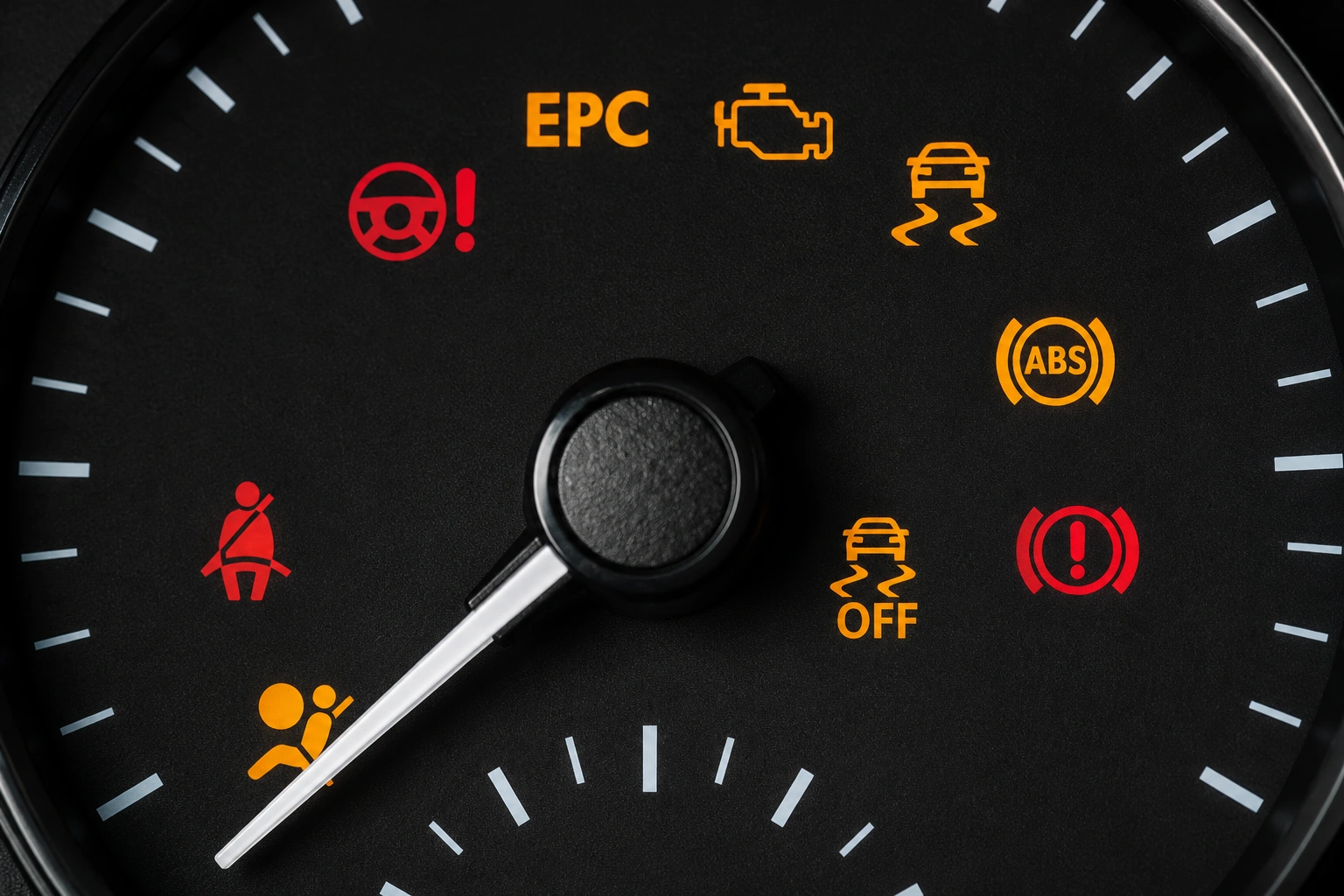
If your car feels slow in Silver Lake and you notice delayed acceleration, hesitation while merging, reduced fuel efficiency, sluggish hill climbing, or a new vibration, it is time for a diagnostic inspection.
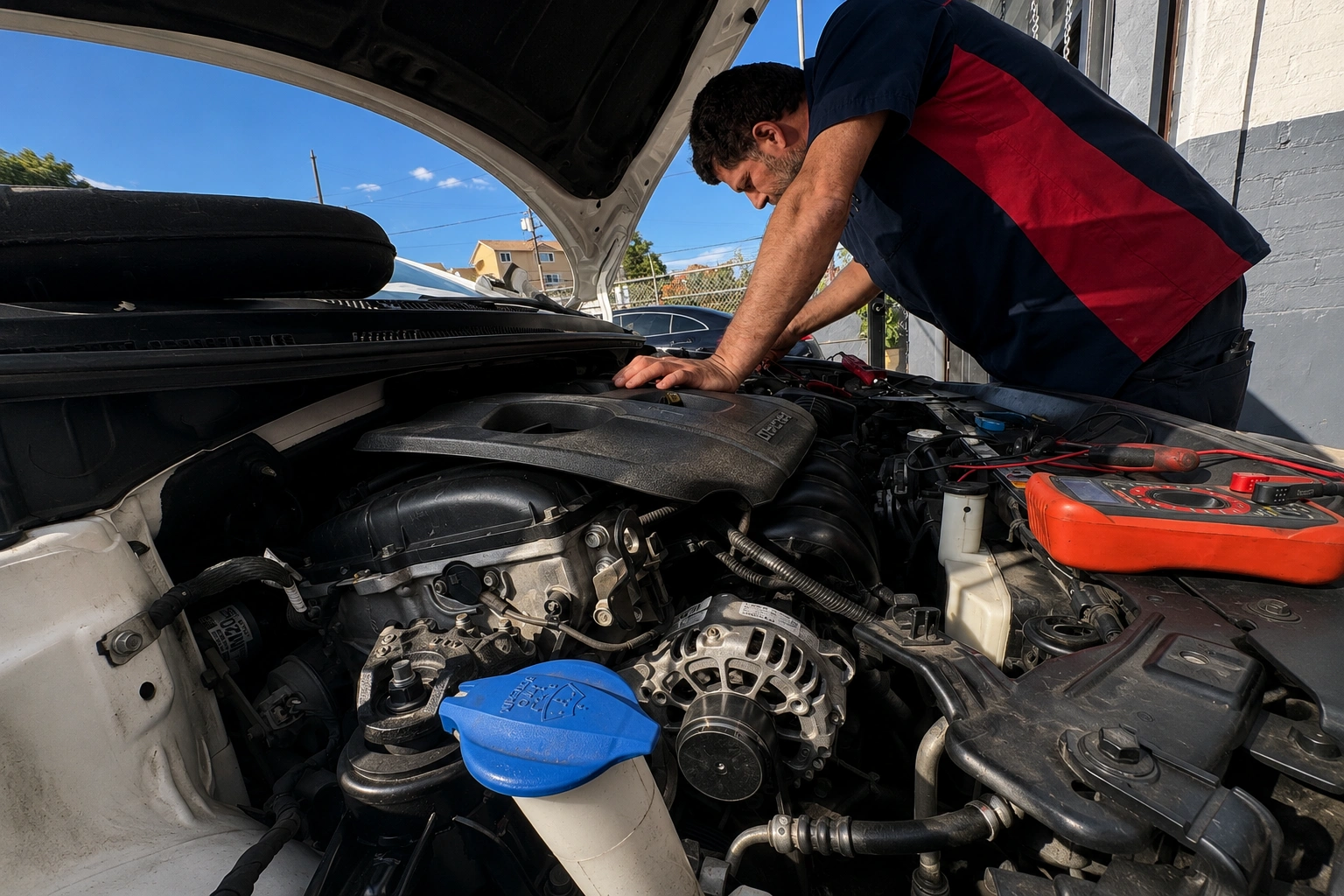
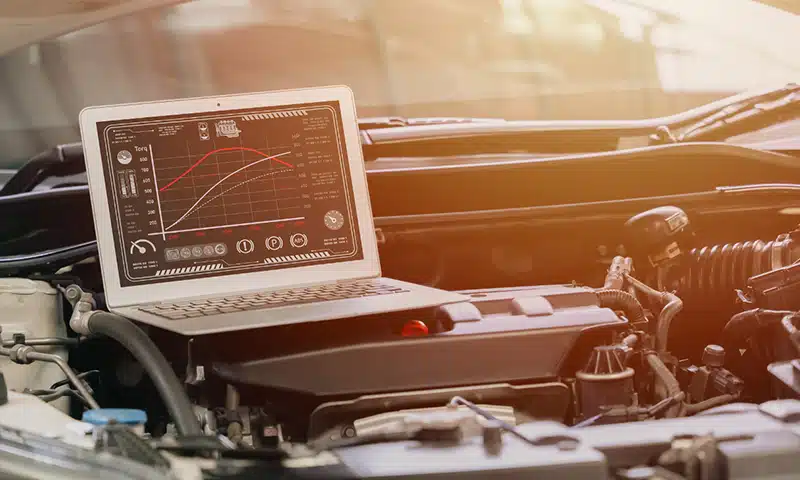
The goal is not to assume the worst. A technician can determine whether the issue involves airflow, tire pressure or wear, tire rotation, alignment drag, a sensor, the charging system, or another maintenance item. A professional engine diagnostic inspection can help identify the actual cause before parts are replaced unnecessarily.
The Good News
Many slow-car complaints are caused by maintenance or condition issues rather than major engine failure. Restoring airflow, correcting tire wear, checking alignment, and maintaining fluids can often improve throttle response and hill performance when those conditions are the cause.
Frequently Asked Questions
Why does my car feel slow even though the engine is fine?
Restricted airflow, tire resistance, misalignment, carbon buildup, old oil, and sensor or maintenance issues can all affect acceleration without indicating major engine damage.
Can a clogged air filter make my car feel sluggish?
Yes. A clogged filter can restrict airflow and affect the air-fuel mixture, which may cause weak acceleration or hesitation.
What does a dirty throttle body do to performance?
Deposits around the throttle plate can limit airflow when you press the accelerator and create a delayed response.
Can bad tires make my car feel slower?
Yes. Uneven wear, improper pressure, tire damage, and increased rolling resistance can make the vehicle feel heavy and reduce performance, especially on hills.
How does wheel alignment affect acceleration?
When the wheels are out of alignment, the tires may scrub against the road instead of tracking correctly. This can waste energy and make the vehicle feel less responsive.
Can overdue oil changes cause slow acceleration?
Old or contaminated oil can increase internal friction and make the engine work harder. An inspection can determine whether oil condition is contributing to the symptom.
What should be checked if maintenance does not fix the problem?
A diagnostic inspection should consider sensors, fuel and air delivery, ignition, exhaust restriction, transmission operation, tire condition, alignment, and suspension.
Schedule a Professional Inspection
When your car feels slow in Silver Lake, do not jump straight to the most expensive explanation. A careful inspection can separate airflow and maintenance concerns from tire resistance, alignment, suspension, or engine problems.
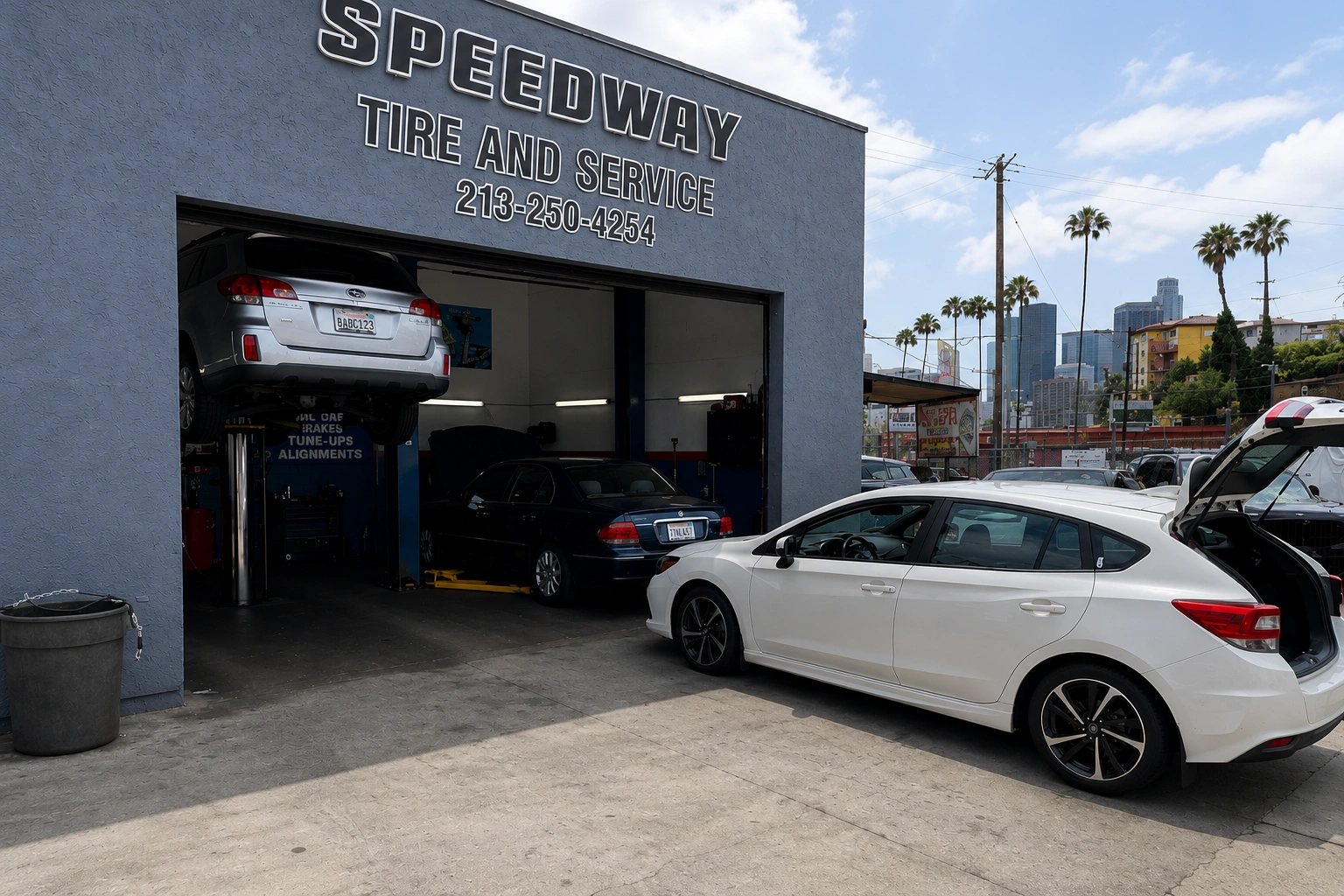
Noticing hesitation or slow acceleration? Speedway Tire & Service can evaluate the symptoms and explain the recommended next step.
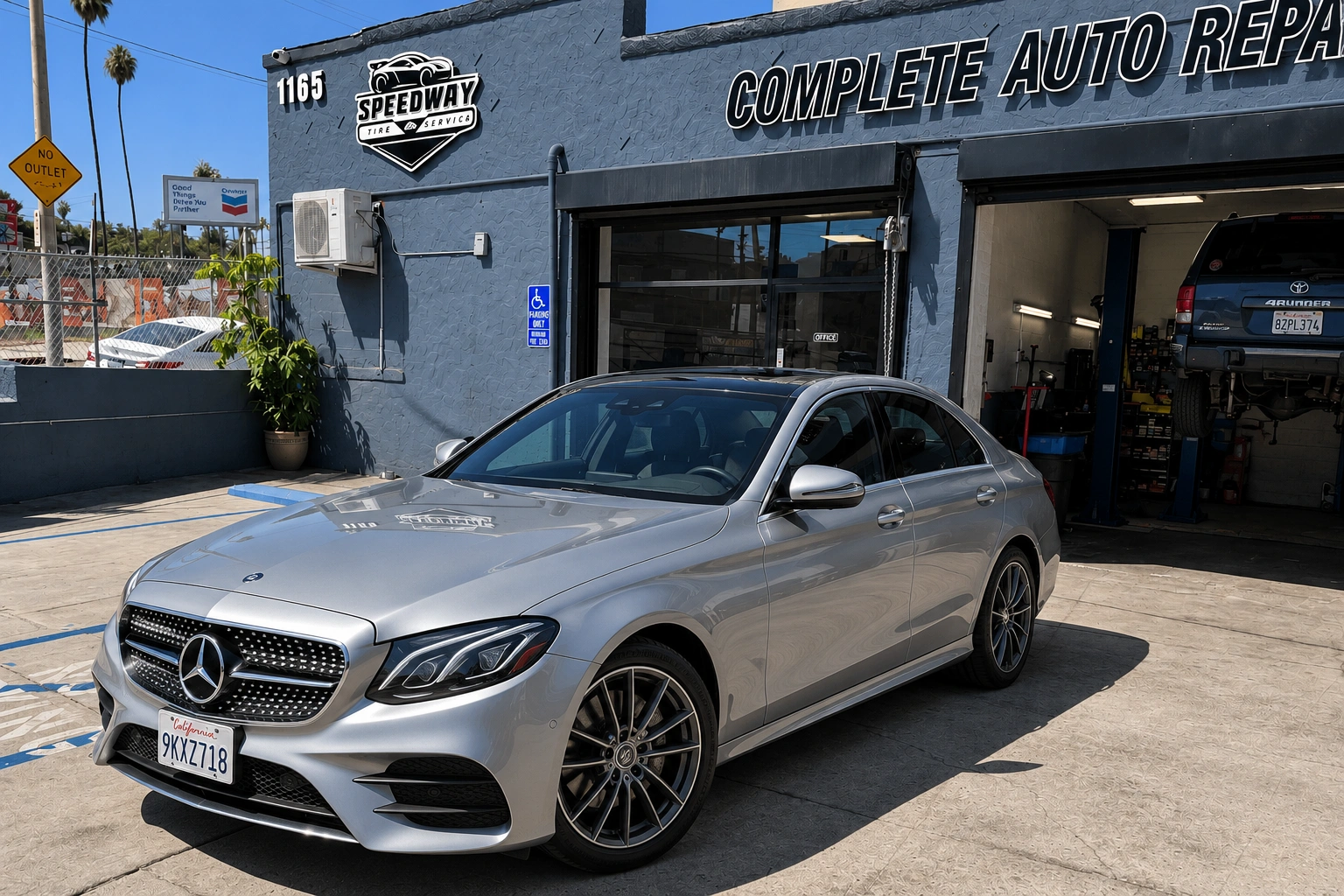
Visit Us: 1165 West Sunset Blvd, Los Angeles, CA 90012
Call Now: (213) 250-4254
Looking for an Honest Auto Repair Shop in Los Angeles? Call Speedway Tire and Service Today
Whether you are driving through LA traffic or cruising the freeways, your car deserves expert care. Located in Los Angeles, Speedway Tire and Service offers reliable oil changes, brake repairs, tire services, and more, backed by experienced technicians and honest pricing.
Looking for an honest Auto Repair Shop in Los Angeles? Call Speedway Tire and Service Today
Whether you’re driving through LA traffic or cruising the freeways, your car deserves expert care. Located in Los Angeles, Speedway Tire and Service offers reliable oil changes, brake repairs, tire services, and more—all backed by experienced technicians and honest pricing.