Cabin Air Filter vs Engine Air Filter - A/C & Allergy Guide
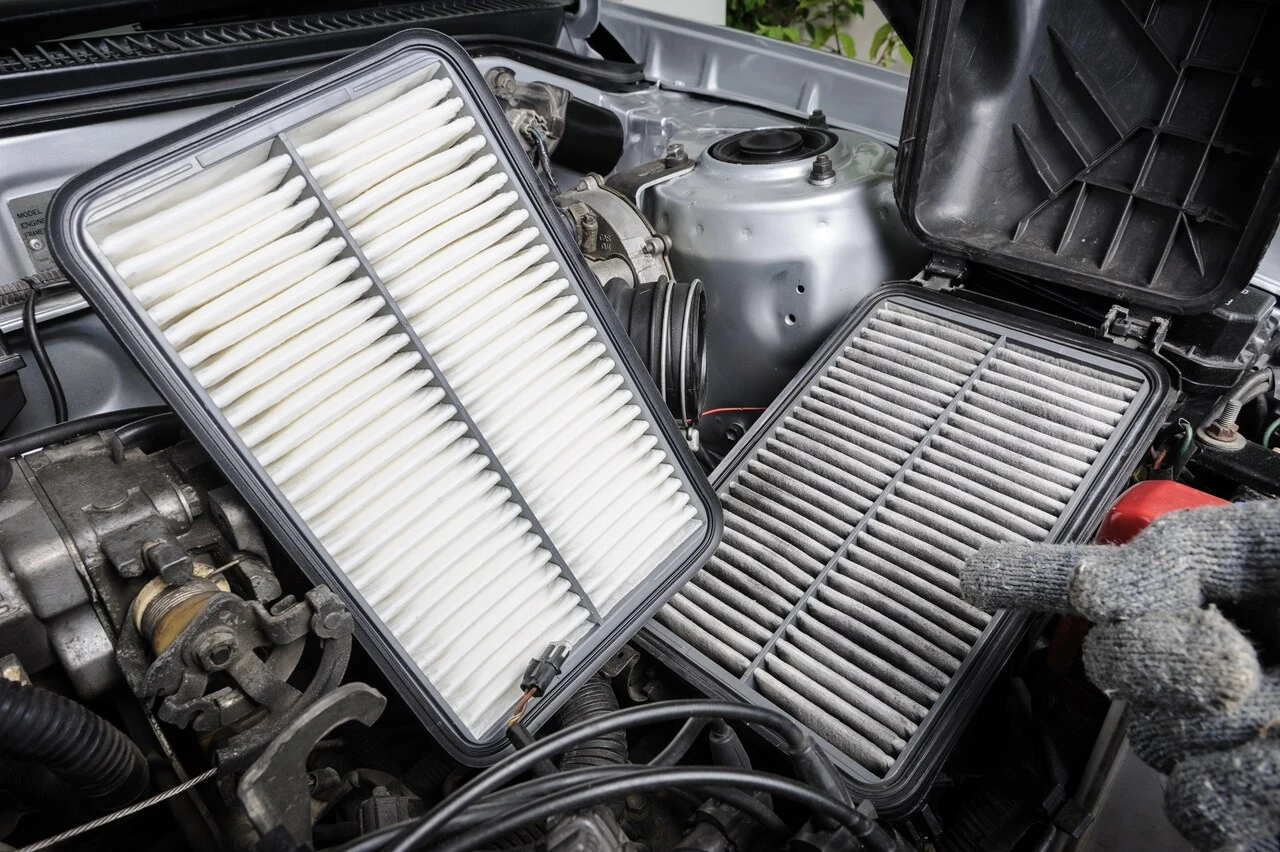
Cabin air filter vs engine air filter is an important distinction when you're dealing with weak A/C airflow, unpleasant odors, or poor air quality inside your car. While both filters keep contaminants out, they serve different purposes: the cabin air filter cleans the air entering your vehicle, while the engine air filter protects the engine. Understanding the difference can help you identify which filter may need attention.
Cabin Air Filter vs Engine Air Filter - What's the Difference?
Your vehicle may have both a cabin air filter and an engine air filter, but they perform completely different jobs. The easiest way to remember the difference is simple:
- The cabin air filter filters air entering the passenger compartment.
- The engine air filter filters air entering the engine.
Understanding this difference is important because replacing the wrong filter won't solve the problem you're experiencing. If your concern is A/C airflow, cabin air quality, or pollen entering the vehicle, the cabin filter is the component to focus on. If you're concerned about engine intake air and engine protection, the engine air filter is the relevant component.
What Does a Cabin Air Filter Do?
The cabin air filter is part of the vehicle's heating, ventilation and air-conditioning system. It filters air before it enters the passenger compartment through the HVAC system. Depending on the vehicle and filter design, it can help capture particles such as:
- Dust
- Pollen
- Dirt
- Soot
- Other airborne particles
Some cabin filters also use activated carbon or other materials designed to help reduce certain odors. This makes difference between Cabin air filter vs engine air filter, which the cabin air filter particularly important for drivers who want cleaner air inside the vehicle.
What Does an Engine Air Filter Do?
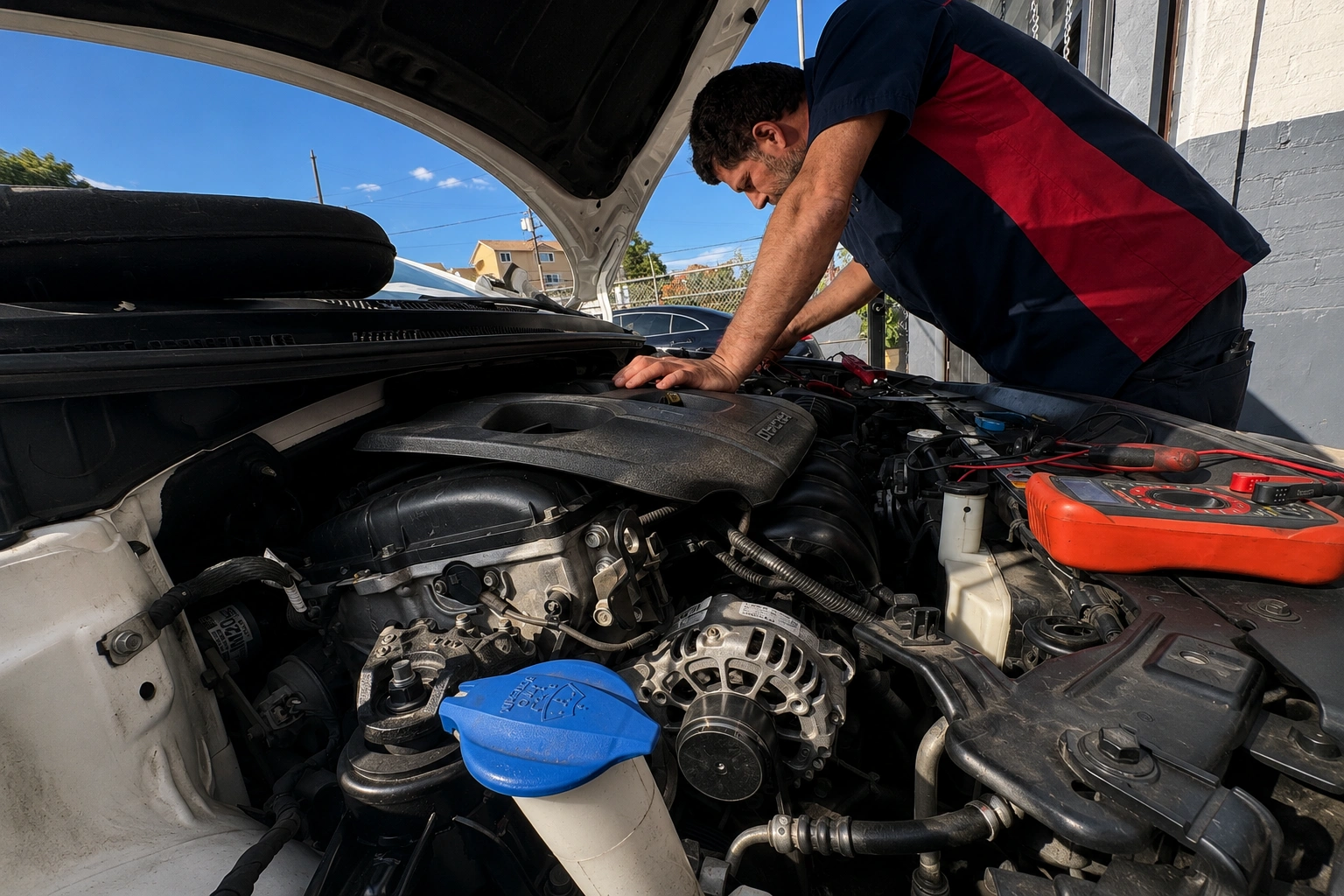
The engine air filter has a completely different purpose. It filters air entering the engine's intake system before that air is used during combustion. The engine requires a continuous supply of clean air, and the filter helps prevent dirt and other contaminants from entering the intake system. A heavily contaminated engine air filter can restrict airflow to the engine and may affect engine performance. However, it does not filter the air coming through your passenger vents.
Cabin Air Filter vs Engine Air Filter - Quick Comparison
| Feature | Cabin Air Filter | Engine Air Filter |
|---|---|---|
| Main purpose | Filters air entering the cabin | Filters air entering the engine |
| Protects | Passengers and HVAC airflow | Engine intake system |
| Connected to A/C? | Yes | No |
| Can affect cabin airflow? | Yes | No |
| Helps filter pollen entering cabin? | Yes | No |
| Filters engine intake air? | No | Yes |
| Common location | Behind glove box, dashboard or HVAC intake | Under the hood |
| Main concern | Cabin air quality and HVAC airflow | Engine protection and intake airflow |
The exact location and replacement interval depend on the vehicle.
Which Filter Affects Your Car A/C?
If you're asking does cabin air filter affect AC , the answer is yes. A cabin air filter can affect the amount of air moving through the HVAC system when it becomes heavily clogged. A restricted filter may reduce airflow from the vents, making the A/C feel weaker even when the cooling system itself is functioning correctly. The engine air filter does not control airflow through the cabin vents. This distinction is important when diagnosing A/C complaints. If the air coming from the vents is weak, the cabin filter is worth checking. If the airflow is strong but the air isn't cold, the problem may involve another part of the A/C system. In that situation, you can explore auto repair services for professional vehicle inspection and repair.
Which Filter Matters More for Allergies?
When it comes to allergies and cabin air quality, the cabin air filter is the relevant filter. It is designed to filter particles from air entering the passenger compartment, including contaminants such as dust and pollen. A dirty or low-quality cabin filter may reduce the effectiveness of the vehicle's cabin filtration system. The engine air filter does not clean the air you breathe inside the car. So if you're experiencing more in cabin air filter vs engine air filter, you know dust, pollen, or unpleasant particles inside the cabin, changing the engine air filter won't solve the problem.
Can a Cabin Air Filter Cause a Musty Smell?
Yes, a dirty cabin air filter can contribute to unpleasant odors. The filter collects dust and airborne particles over time. If it becomes heavily contaminated or exposed to moisture, it can become one possible source of a musty car AC smell . However, the cabin filter isn't always the only source. Moisture or microbial buildup deeper inside the HVAC system can also create a persistent odor. If your vehicle smells musty or moldy when you turn on the A/C, read our related guide: Car AC Smells Musty or Moldy in Los Angeles .
Does Changing the Engine Air Filter Improve A/C Performance?
Generally, no. The engine air filter and cabin HVAC system use separate airflow paths. Replacing a dirty engine air filter is important for engine maintenance, but it doesn't directly increase the amount of air coming from the cabin vents. If your A/C airflow is weak, the cabin air filter and HVAC airflow system should be considered. If the airflow is strong but the air is warm, the problem may involve the A/C system itself.
Where Is the Cabin Air Filter Located?
The exact location varies between vehicle makes and models. Common locations include:
- Behind the glove box
- Under the dashboard
- Near the HVAC intake
- Around the passenger-side area of the cabin
Some cabin filters are easy to access, while others require additional steps. Always check your vehicle's owner's manual or service information before attempting a replacement.
Where Is the Engine Air Filter Located?
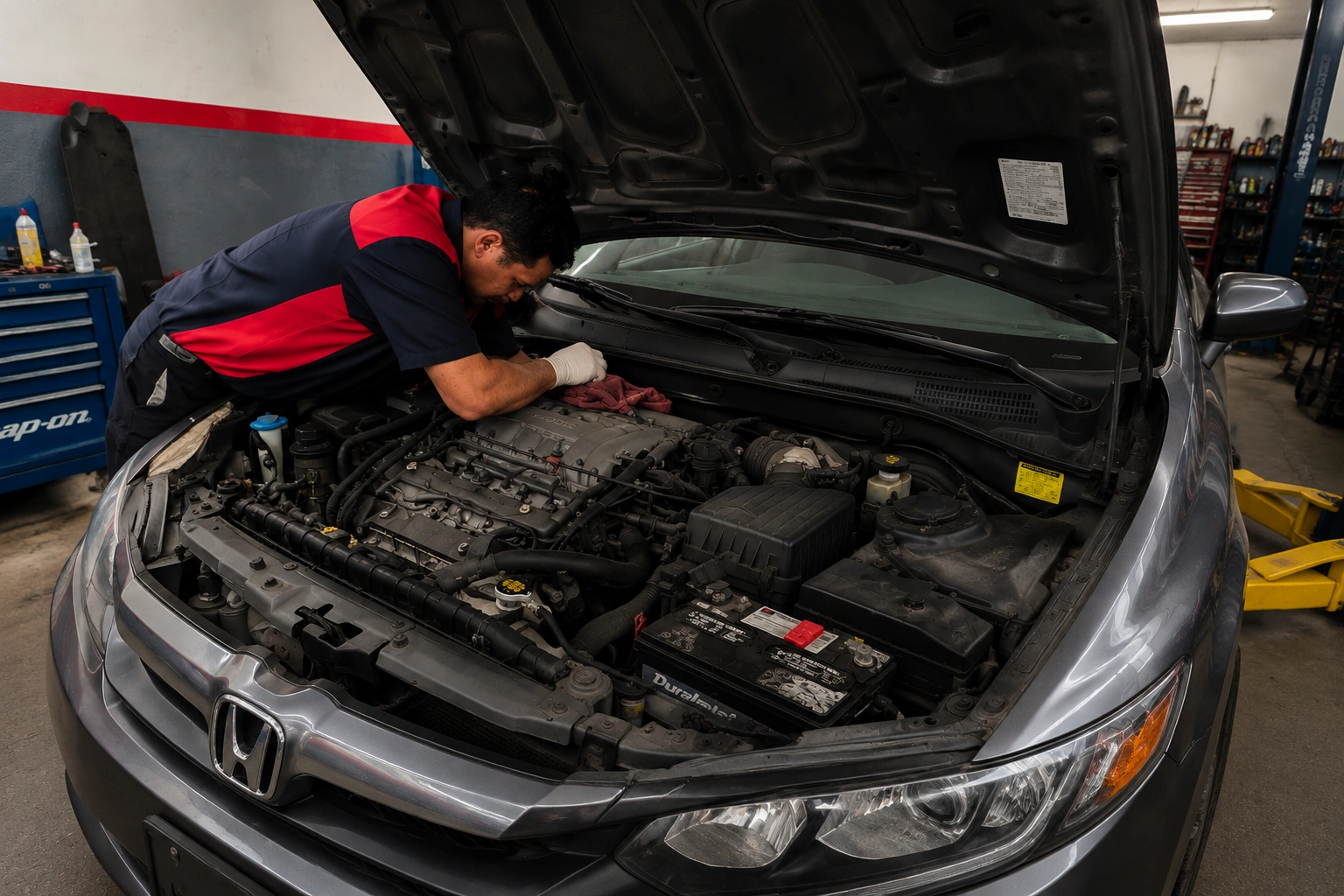
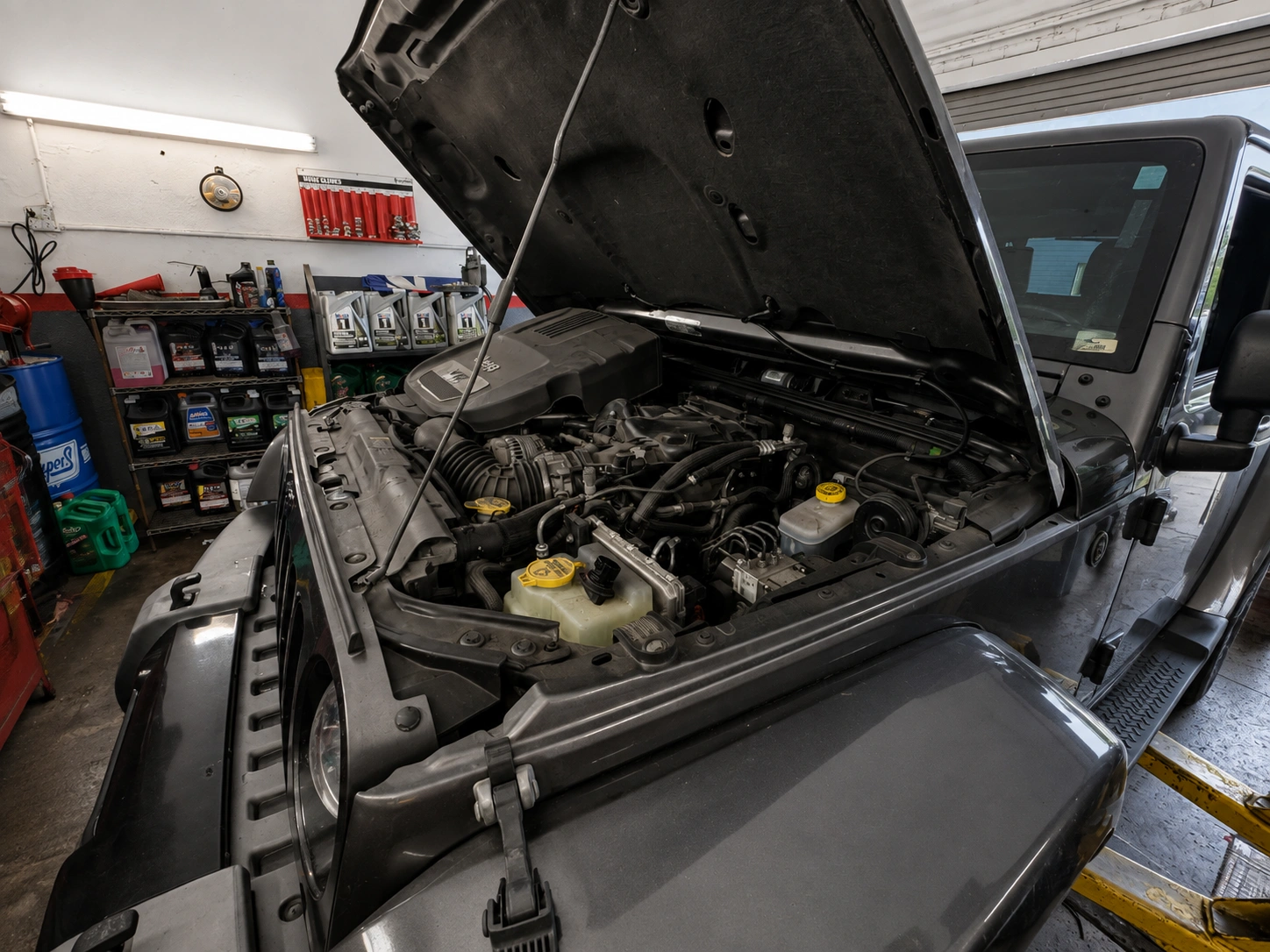
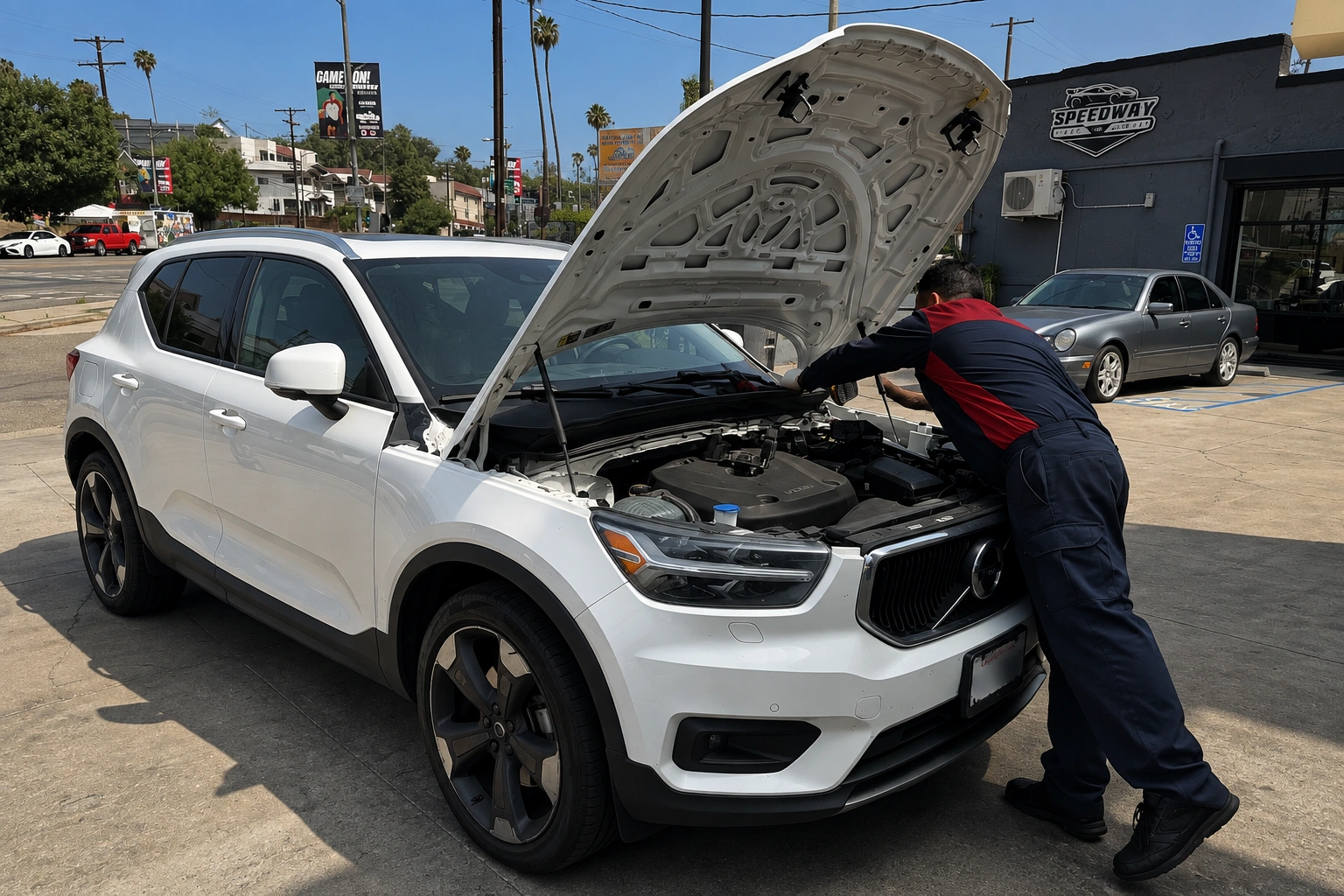
Cabin air filter vs engine air filter which is typically housed in the engine's air intake system under the hood. The filter housing is connected to the intake path that supplies air to the engine. Because the two filters serve different systems, finding the engine air filter does not mean you've found the cabin air filter.
When Should You Replace the Cabin Air Filter?
There isn't one universal replacement interval for every vehicle. The recommended interval depends on the manufacturer's maintenance schedule and driving conditions. Drivers who frequently encounter:
- Heavy traffic
- Construction dust
- Pollution
- Pollen
- Dirt roads
- Other airborne debris
May find that their cabin filter becomes dirty sooner. Common signs that a cabin air filter may need attention include:
- Reduced airflow from the vents
- Musty or unpleasant odors
- Increased dust inside the cabin
- Poor ventilation
- A noticeable reduction in HVAC airflow
For broader preventive vehicle care, see Speedway Tire & Service's complete auto maintenance services .
When Should You Replace the Engine Air Filter?
The engine air filter should generally be inspected and replaced according to the vehicle manufacturer's recommended maintenance schedule. Driving conditions also matter. Vehicles that operate in dusty environments may require more frequent inspection. A heavily contaminated filter can restrict the amount of air entering the engine, so it shouldn't be ignored when it reaches the end of its useful service life. For additional engine maintenance information, you can also explore Speedway's auto repair services .
Can You Replace Both Filters at the Same Time?
You can replace both filters during the same service visit, but they don't necessarily need to be replaced at the same time. They serve separate systems and can become dirty at different rates. For example, your cabin filter may be heavily contaminated while your engine air filter is still in acceptable condition. The opposite can also happen. The best approach is to inspect each filter and replace it according to its condition and the manufacturer's recommendations. Visit Speedway Tire & Service for auto repair, maintenance, tire services, and more in Los Angeles.
Cabin Air Filter vs Engine Air Filter: Which One Should You Replace?
The answer depends on the symptom:
If Your A/C Has Weak Airflow
Check the cabin air filter and HVAC airflow system.
If Your Cabin Smells Musty
Check the cabin air filter , but also consider moisture or contamination inside the HVAC system.
If You Have More Dust or Pollen in the Cabin
The cabin air filter is the relevant component.
If You're Concerned About Engine Air Intake
Check the engine air filter .
If Your A/C Blows Warm Air
Don't automatically blame either filter. Warm A/C can have several causes, and the vehicle may require an actual A/C inspection.
Why Regular Filter Maintenance Matters in Los Angeles?
Los Angeles driving can expose vehicles to traffic-related pollution, road dust and other airborne particles. Keeping the cabin air filter in good condition can help maintain HVAC airflow and cabin air quality. At the same time, keeping the engine air filter properly maintained helps protect the engine's intake system. Both filters matter, but for completely different reasons.
Final Answer- Which Filter Affects Your A/C and Allergies?
When comparing a cabin air filter vs engine air filter , remember this simple rule:
- Cabin air filter = cabin air, HVAC airflow and passenger comfort.
- Engine air filter = engine intake air and engine protection.
The cabin filter is the filter that matters for air entering the passenger compartment and can affect HVAC airflow when clogged. The engine air filter protects the engine's intake system and does not filter the air you breathe. If you're experiencing weak airflow, unusual odors, or A/C problems, identifying the correct filter is the first step toward finding the actual cause.
Need Help With Your Car's A/C or Air Filters?
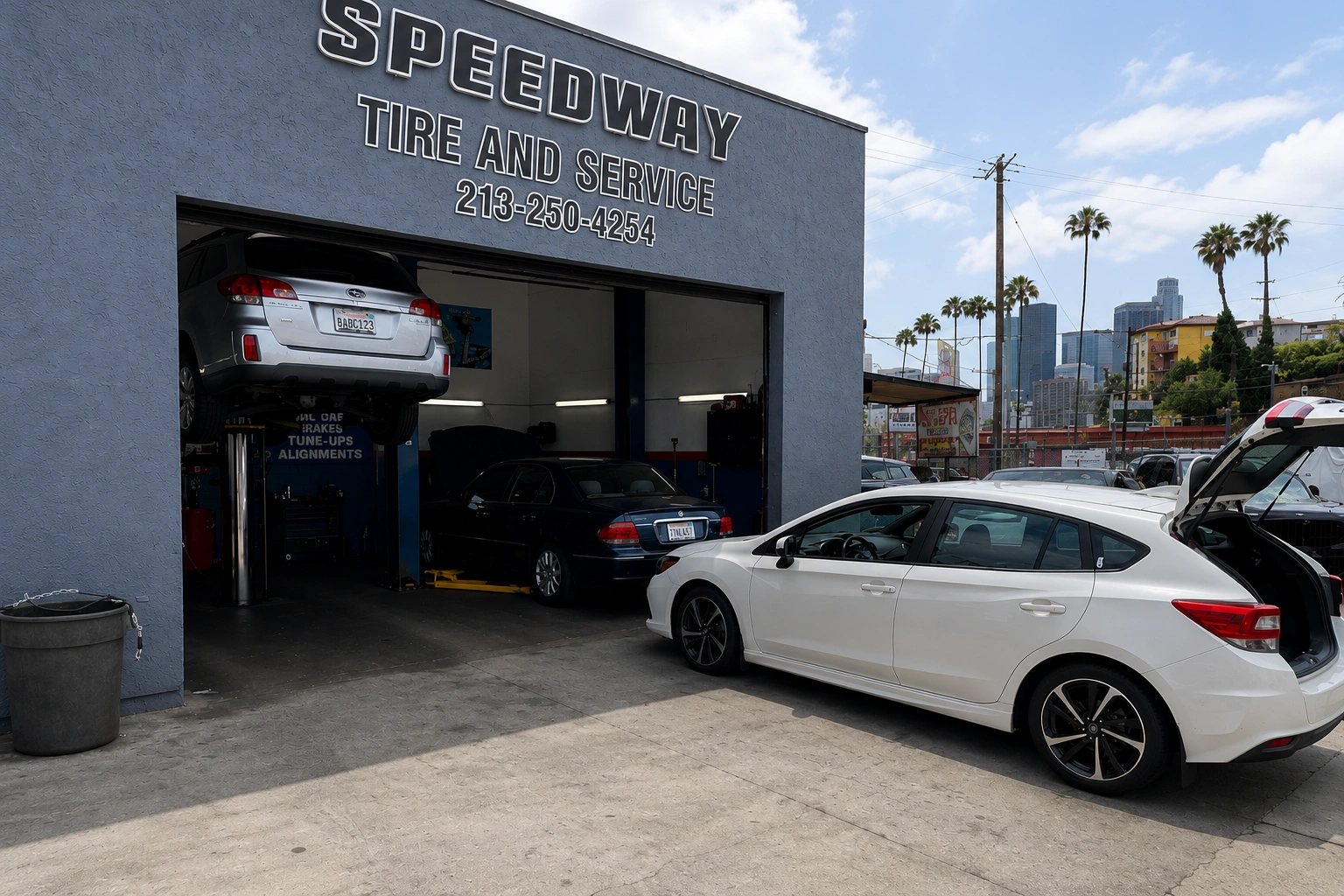
Not sure whether a dirty cabin air filter, an HVAC problem, or another issue is affecting your vehicle? Speedway Tire & Service provides auto repair and maintenance services in Los Angeles and can help inspect your vehicle and determine what needs attention. Call Speedway Tire & Service at (213) 250-4254 or contact the shop to schedule your visit.
Looking for an honest Auto Repair Shop in Los Angeles? Call Speedway Tire and Service Today
Whether you’re driving through LA traffic or cruising the freeways, your car deserves expert care. Located in Los Angeles, Speedway Tire and Service offers reliable oil changes, brake repairs, tire services, and more—all backed by experienced technicians and honest pricing.