Transmission Fluid - When to Change It for LA Stop-and-Go Driving
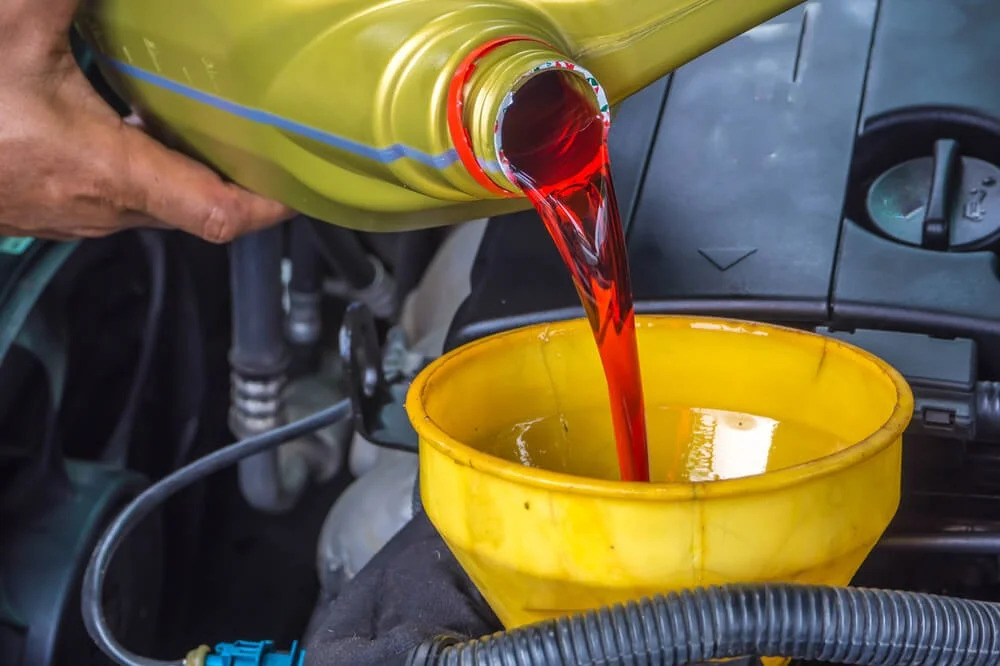
Los Angeles traffic places demanding conditions on a vehicle’s transmission. Long periods of idling, repeated acceleration and braking, hills, heat, and short trips can increase operating stress. For that reason, the right transmission-fluid service interval may be shorter than the schedule used for easy highway driving.
The Right Transmission-Fluid Interval for LA Drivers
The correct interval depends on the vehicle, transmission type, fluid specification, driving conditions, and manufacturer recommendations. Stop-and-go traffic is often considered severe service, so consult the owner’s manual and ask for a professional inspection when the service history is unknown.
| Transmission Type | Standard Interval | LA Severe Service Interval |
|---|---|---|
| Automatic | 60,000-100,000 miles | 30,000-50,000 miles |
| CVT (Continuously Variable) | 30,000-60,000 miles | 25,000-40,000 miles |
| Manual | 30,000-50,000 miles | 30,000-50,000 miles |
These ranges are general examples, not a substitute for the vehicle manufacturer’s schedule. A transmission service inspection can help determine which fluid and service method are appropriate for your vehicle.
Transmission Drain and Fill vs. Flush
When transmission service is due, you may be offered a drain and fill or a transmission flush. They are different procedures, and the appropriate option depends on the transmission, fluid condition, service history, and shop recommendations.
What Is a Drain and Fill?
A drain and fill removes fluid from the transmission pan and replaces it with new fluid. Depending on the vehicle, filter access, and design, this may replace only part of the total fluid because some fluid remains in the torque converter and cooler lines.
A drain and fill may be suitable for routine maintenance when the transmission has been serviced consistently and the fluid is in acceptable condition. The technician should use the correct fluid and follow the manufacturer’s procedure.
What Is a Transmission Flush?
A flush is a more comprehensive procedure intended to replace a larger percentage of the old fluid. It may be considered when the fluid is severely degraded or when the manufacturer specifically recommends that method.
A flush is not automatically better for every vehicle. Service history, transmission condition, fluid specification, and the manufacturer’s procedure should guide the decision. Ask the technician to explain the risks and benefits before approving the work.
Special Considerations for CVT Fluid
Continuously variable transmissions use a different operating design from traditional automatic transmissions. CVTs can be sensitive to fluid type and condition, so using the wrong fluid may contribute to shuddering, slipping, noise, or damage.
Always use the fluid specified by the manufacturer and follow the recommended service interval. If you notice CVT shuddering or inconsistent acceleration, request a diagnostic inspection rather than waiting for a scheduled service.
Warning Signs You Should Not Ignore
By the time symptoms appear, transmission wear may already be developing. Have the vehicle inspected if you notice:
- Delayed engagement when shifting into Drive or Reverse.
- Rough, harsh, or slipping shifts.
- Shuddering during acceleration.
- Whining, humming, or grinding sounds.
- Dark, contaminated, or burnt-smelling fluid.
- Fluid leaking under the vehicle.
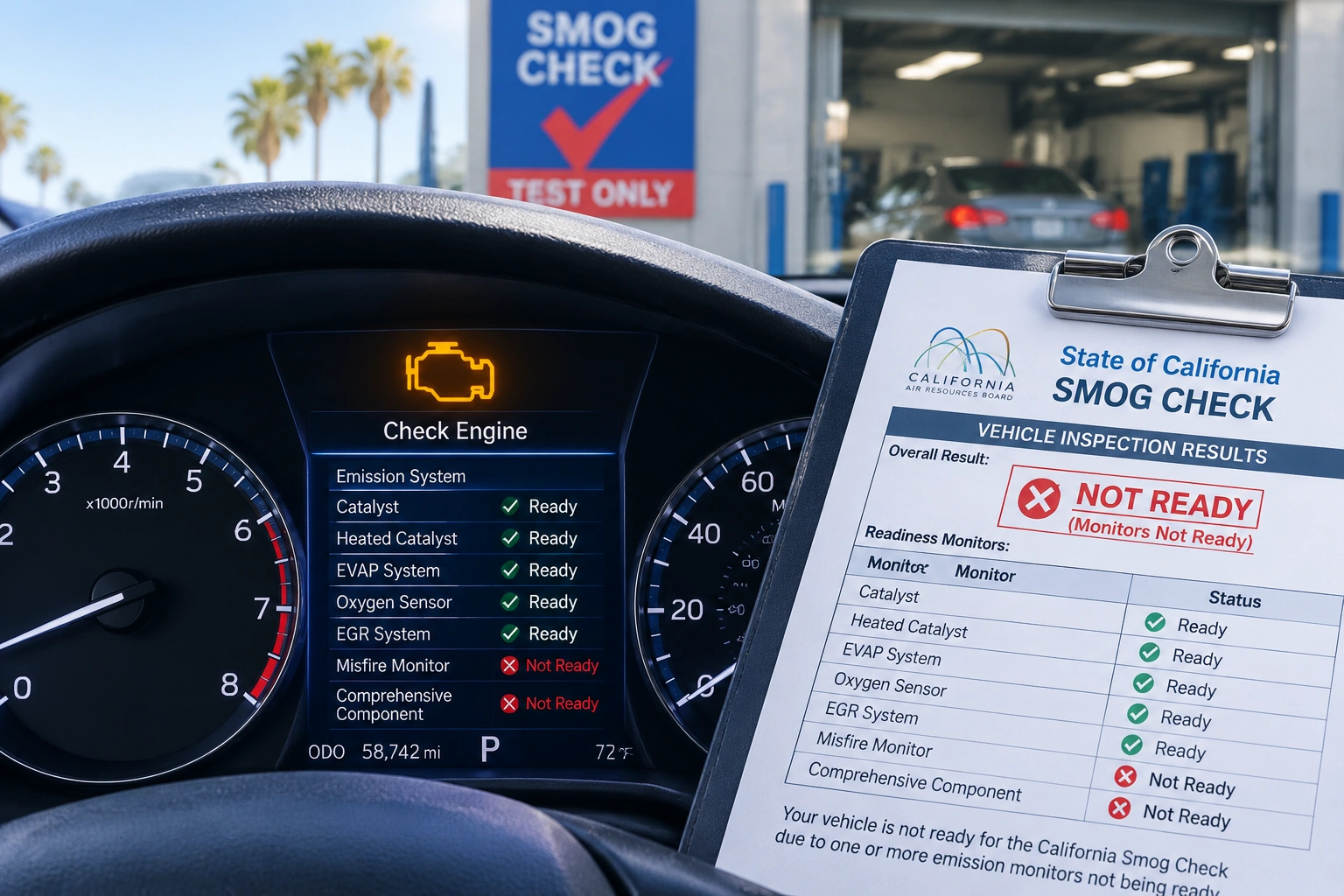
- A transmission or check-engine warning light.
Some symptoms can overlap with engine, electrical, or driveline problems. A complete engine and drivetrain diagnostic can help separate transmission concerns from other causes.
Why Stop-and-Go Driving Matters in Los Angeles
Heavy traffic increases the number of shifts, accelerations, and braking events the vehicle experiences. Heat from the engine compartment and transmission can also build during extended idling and slow movement. Hills and frequent short trips may add further stress.
These conditions do not guarantee transmission failure, but they make following the manufacturer’s severe-service guidance especially important. A broader auto maintenance plan can help keep transmission, engine, tires, brakes, and other systems on schedule.
Transmission Fluid Maintenance Tips
- Follow the vehicle manufacturer’s fluid type and interval.
- Keep records of drain-and-fill or flush services.
- Ask for an inspection when buying a used vehicle with unknown service history.
- Check for leaks during routine maintenance.
- Do not mix fluids unless the manufacturer explicitly allows it.
- Address slipping, shuddering, or delayed shifting promptly.
- Use qualified technicians and the correct service equipment.
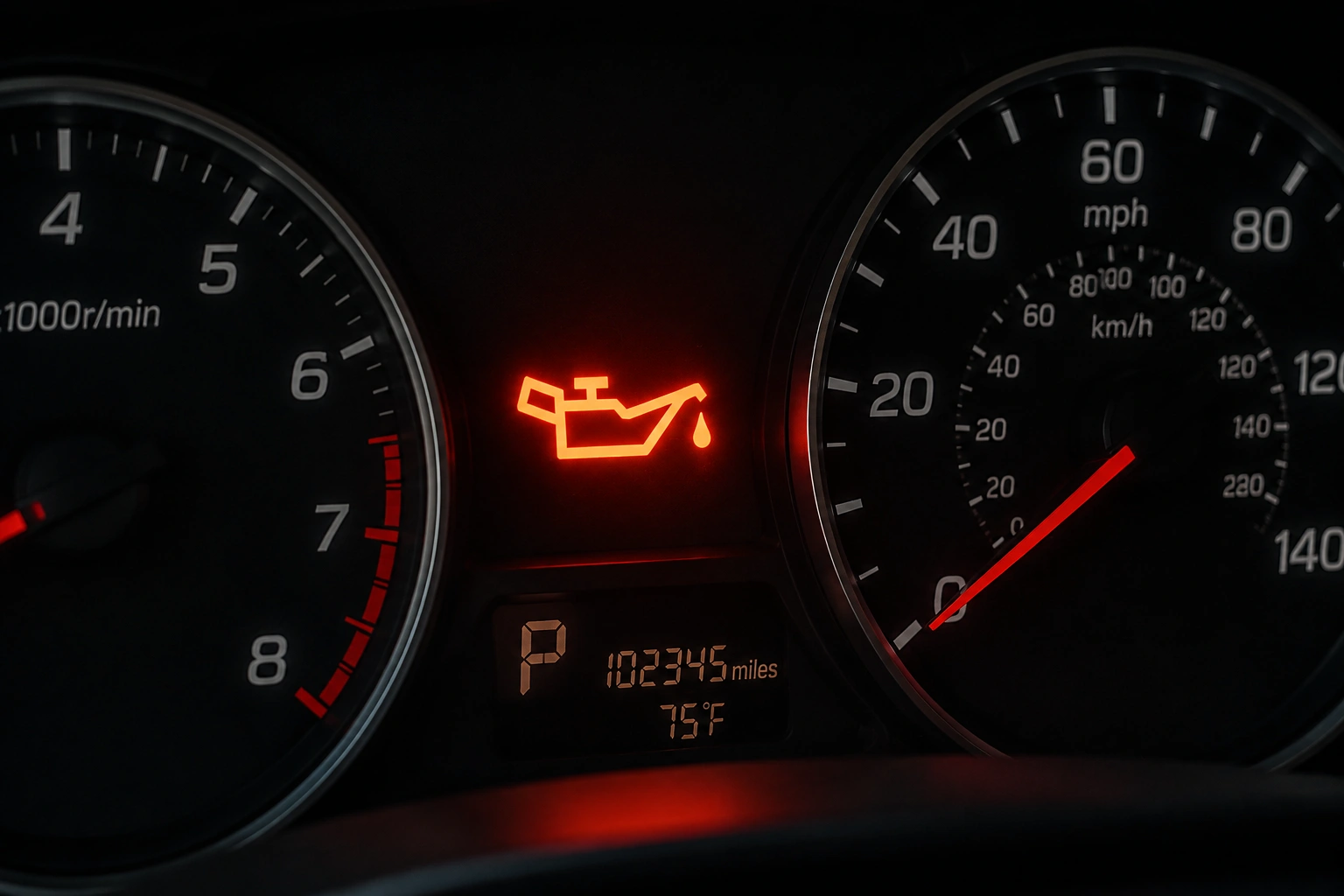
Routine maintenance should also include the engine oil and filter. Scheduling an oil change service gives you an opportunity to ask about transmission-fluid condition and leaks.
How a Professional Transmission Service Works
The technician may review the service history, scan for codes, inspect for leaks, evaluate fluid condition, check shift quality, and confirm the correct fluid specification. Depending on the vehicle, service may include a drain and fill, filter replacement, pan inspection, or another manufacturer-approved procedure.
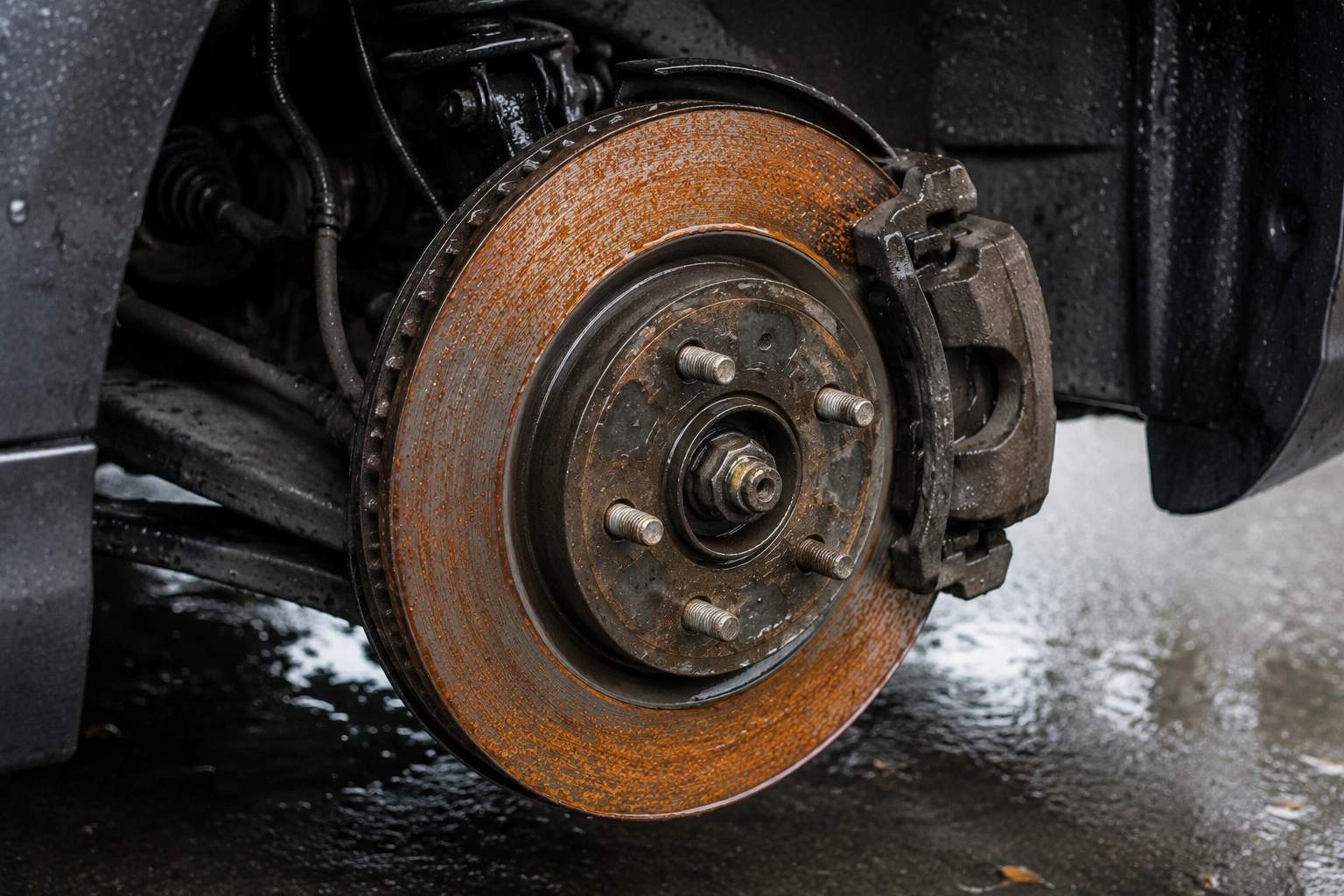
If the vehicle also has braking or handling symptoms, those should be evaluated separately. A brake inspection can identify safety issues that are unrelated to transmission fluid.
Frequently Asked Questions
How often should transmission fluid be changed in Los Angeles?
There is no single interval for every vehicle. Review the manufacturer’s severe-service schedule and consider traffic, heat, hills, towing, short trips, transmission type, and service history.
Is a transmission flush better than a drain and fill?
Not automatically. The correct method depends on the vehicle, fluid condition, service history, and manufacturer instructions. Ask for an explanation before choosing a procedure.
Can old transmission fluid cause rough shifting?
Degraded or incorrect fluid may contribute to shifting concerns, but rough shifting can also come from sensors, solenoids, mounts, internal wear, or other problems. Diagnosis is important.
What color should transmission fluid be?
Color varies by fluid type and age. Dark fluid, a burnt smell, metal particles, or a contaminated appearance should prompt professional evaluation rather than relying on color alone.
Should CVT fluid be changed differently?
CVTs require the manufacturer-specified fluid and procedure. Never substitute conventional automatic-transmission fluid unless the manufacturer specifically approves it.
Protect Your Transmission in LA Traffic
Transmission-fluid maintenance is an important part of keeping a vehicle reliable in Los Angeles stop-and-go driving. The best plan is to follow the manufacturer’s schedule, use the correct fluid, monitor warning signs, and have the system inspected when the history or condition is uncertain.
Need a transmission-fluid recommendation? Speedway Tire & Service can assess the vehicle’s condition and explain whether a drain and fill, flush, inspection, or additional diagnosis is appropriate.
Visit Us: 1165 West Sunset Blvd, Los Angeles, CA 90012
Call Now: (213) 250-4254
Looking for an Honest Auto Repair Shop in Los Angeles? Call Speedway Tire and Service Today
Whether you are driving through LA traffic or cruising the freeways, your car deserves expert care. Located in Los Angeles, Speedway Tire and Service offers reliable oil changes, brake repairs, tire services, and more, backed by experienced technicians and honest pricing.
Looking for an honest Auto Repair Shop in Los Angeles? Call Speedway Tire and Service Today
Whether you’re driving through LA traffic or cruising the freeways, your car deserves expert care. Located in Los Angeles, Speedway Tire and Service offers reliable oil changes, brake repairs, tire services, and more—all backed by experienced technicians and honest pricing.