Bouncy Ride or Nose-Dive? Suspension Wear Symptoms LA Drivers Shouldn’t Ignore
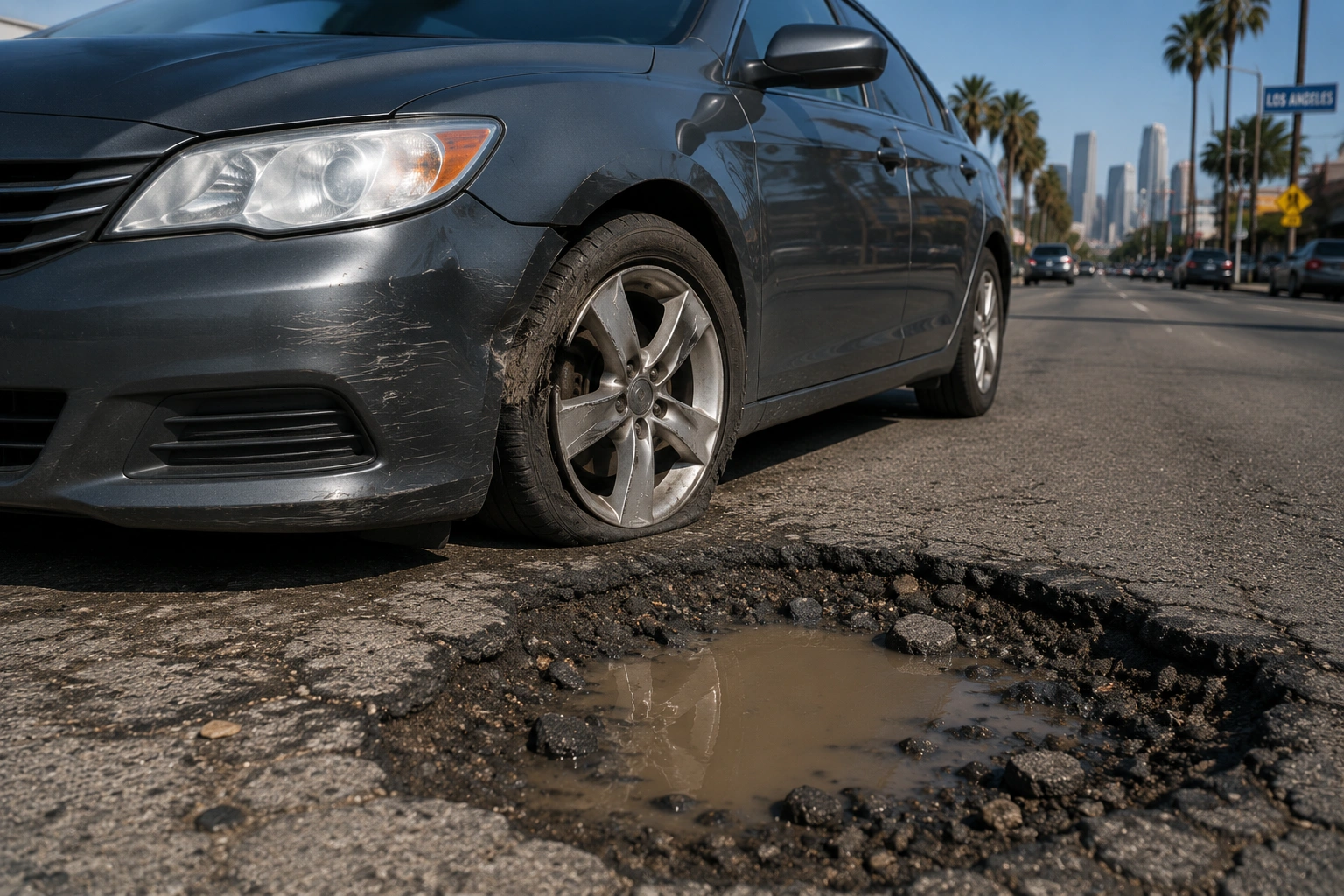
That bouncy feeling on the 101 or the sudden nose-dive when you brake in Downtown LA traffic isn’t just uncomfortable—it’s a critical warning from your vehicle. These are classic suspension wear signs, indicating that the system designed to keep your tires firmly on the road is failing. For Los Angeles drivers navigating potholes, uneven freeways, and constant stop-and-go conditions, a healthy suspension is non-negotiable for safety.
This guide, created by automotive experts with over 30 years of experience serving the LA area, breaks down the symptoms, the dangers, and the solutions. We’ll answer the questions every driver has about their car’s ride quality, helping you understand when it’s time for a professional suspension inspection.
Why Does My Car Feel So Bouncy and Unstable?
If your car feels like it’s floating, bouncing excessively after hitting a bump, or swaying on turns, you’re likely experiencing the most common of all suspension wear signs: worn-out shocks or struts.
Shocks and struts are hydraulic components that control your car’s spring movement. Their job is to absorb impacts and keep your tires in constant contact with the road. When they wear out, they lose their ability to dampen these movements.
- The “Bounce Test”: A simple way to check is to push down firmly on one corner of your parked car and release. If the car bounces more than 1-2 times, your shocks or struts are likely worn.
Ignoring this bounciness doesn’t just affect comfort; it severely compromises your car’s stability and your ability to control it during sudden maneuvers—a common necessity on LA freeways.
My Car Nose-Dives When I Brake. Is That a Suspension Problem?
Yes, absolutely. If you notice the front end of your car dipping sharply forward (a “nose-dive”) when you apply the brakes, it’s a clear sign that your front shocks or struts are worn. They are no longer able to properly manage the forward weight transfer that occurs during braking.
This isn’t just a minor issue; it directly impacts your safety by increasing your braking distance.
According to research by industry-leading suspension manufacturers, worn shocks can increase your car’s stopping distance by up to 10 feet from a speed of 60 mph. In the dense traffic of Silver Lake or Echo Park, those 10 feet can be the difference between a safe stop and a rear-end collision. A full brake system and suspension check is crucial if you experience this symptom.
I Hear a Clunking or Knocking Noise Over Bumps. What Is It?
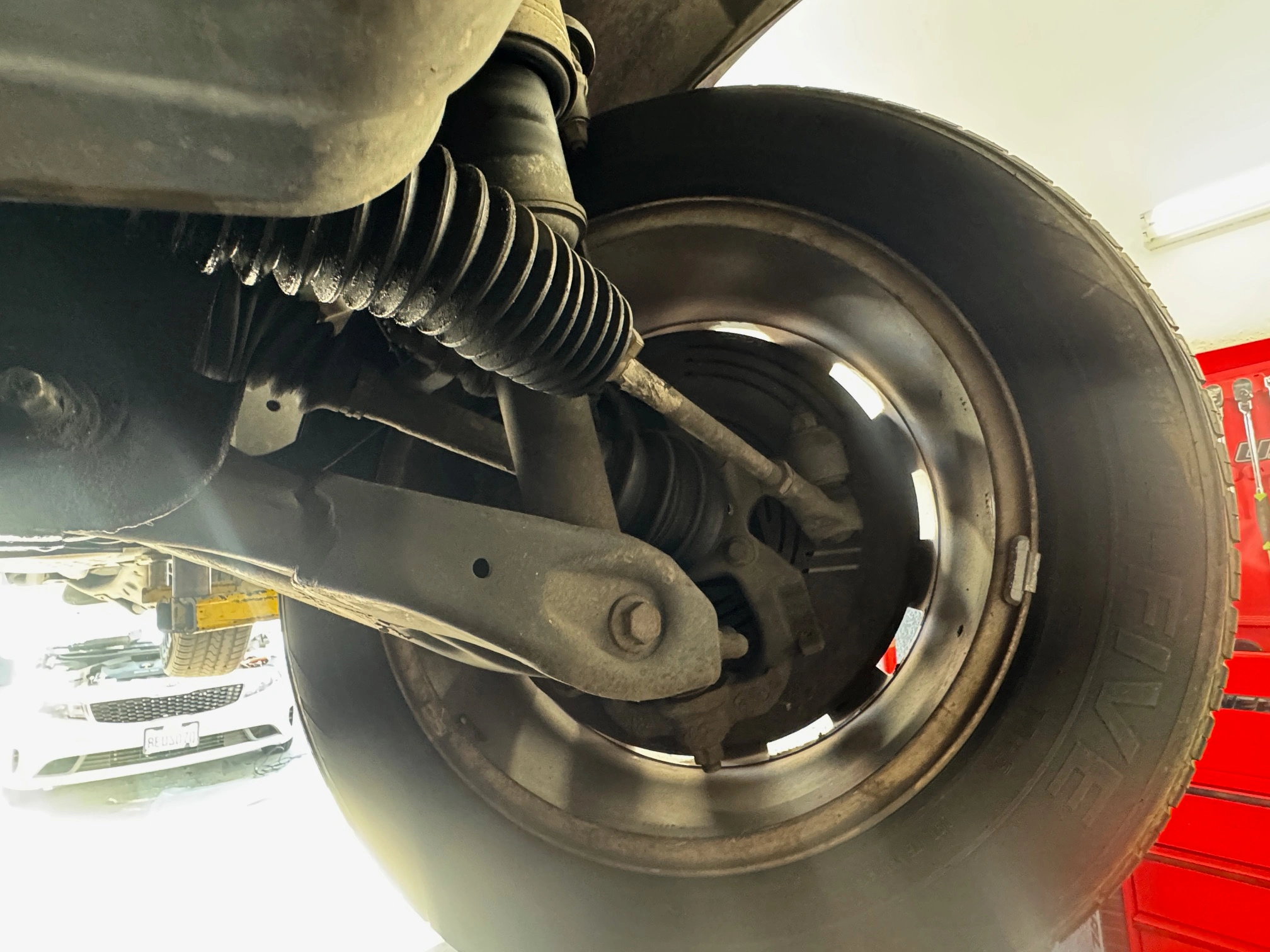
A clunking or rattling sound coming from a corner of your car when you drive over bumps, potholes, or uneven pavement is a tell-tale sign of worn suspension components. This noise is often caused by worn-out bushings or ball joints.
- What are bushings? Bushings are small rubber or polyurethane cushions that absorb vibrations and reduce friction between metal suspension parts. Over time, the rubber dries out, cracks, and fails. When this happens, you get metal-on-metal contact, resulting in a clunking sound.
Ignoring these noises can lead to more significant problems. Failed bushings put extra stress on other suspension parts, accelerating their wear and leading to more expensive repairs down the line. If you hear these sounds, it’s time to have your suspension and steering system inspected.
My Car Drifts or Pulls to One Side. Is It My Tires?
While uneven tire wear or poor alignment can cause a car to pull, it can also be a serious suspension wear sign. The suspension system is a key part of keeping your wheels aligned. If a component like a control arm, ball joint, or strut is bent or worn, it can throw your alignment out of specification.
If you’ve recently had a wheel alignment but your car still pulls to one side, a worn suspension part is the likely culprit. This issue causes uneven tire wear, forcing you to replace expensive tires sooner, and makes the vehicle harder to control, especially at highway speeds.
How Often Should I Replace My Shocks and Struts in Los Angeles?
There is no one-size-fits-all answer, but most automotive safety experts recommend a professional inspection of your shocks and struts every 50,000 miles.
- Typical Lifespan: For most vehicles, shocks and struts last between 50,000 and 100,000 miles.
- LA Driving Conditions: Due to LA’s notoriously rough roads, frequent potholes, and stop-and-go traffic, components may wear out closer to the 50,000-mile mark.
Waiting for them to fail completely is a safety risk. Proactive replacement based on mileage and regular inspections is the best approach. An experienced mechanic can identify signs of leaks, worn bushings, or reduced performance before they become a critical safety issue. Schedule a vehicle maintenance check to have your suspension evaluated by professionals.
What Are the Real Dangers of Ignoring Suspension Wear Signs?
Ignoring suspension wear signs is not just about tolerating a rough ride. It’s a serious safety gamble. The National Highway Traffic Safety Administration (NHTSA) consistently emphasizes that a vehicle's suspension is critical for safe handling.
Worn suspension components lead to:
- Increased Braking Distance: As mentioned, this can be up to 10 feet longer, which is a significant safety risk.
- Reduced Vehicle Control: Worn shocks and struts make it harder to control your car during emergency maneuvers, crosswinds, or on curved roads.
- Hydroplaning Risk: A bouncy suspension can’t keep tires pressed firmly on wet roads, increasing the chance of hydroplaning during LA’s rainy season.
- Accelerated Wear on Other Parts: A bad strut can ruin a new tire in just a few thousand miles. It also puts stress on brakes, axles, and other steering components.
For the safety of you and others on the road, it is essential to address these symptoms promptly. Our team of expert technicians can diagnose and resolve these issues efficiently.
Final Thoughts: Don’t Gamble with Your Safety
A smooth, stable ride is a key indicator of a healthy vehicle. If you’re experiencing a bouncy ride, nose-dives, strange noises, or pulling, don’t ignore these critical suspension wear signs. The safety systems in your car, from brakes to tires, can only function correctly if your suspension is doing its job.
With over 30 years of experience serving the Los Angeles, Silver Lake, and Echo Park communities, we provide honest, reliable diagnostics and repairs. Protect your investment and your safety by addressing suspension issues before they become dangerous.
Ready for a smooth, safe ride? Contact us today at (213) 250-4254 to schedule a comprehensive suspension inspection.
Frequently Asked Questions
Q: What’s the difference between shocks and struts?
A: Both shocks and struts dampen spring movement, but a strut is also a structural part of the suspension that supports the vehicle’s weight. Most modern cars have struts in the front and shocks in the rear. A professional can tell you exactly what your vehicle has.
Q: Can I replace just one shock or strut?
A: It is always recommended to replace shocks and struts in pairs (both front or both rear) to ensure even performance and vehicle stability. Replacing only one can lead to unpredictable handling.
Q: Is a suspension inspection expensive?
A: A visual inspection is often quick and affordable. At Speedway Tire & Service, we believe in honest assessments and will only recommend the auto repair services you truly need.
Q: How do I know if the noise is from my suspension or my brakes?
A: Suspension noises are typically related to road bumps, while brake noises occur during braking. However, the two systems are related. If you hear any unusual noises, it’s best to get a professional diagnostic.
Looking for an honest Auto Repair Shop in Los Angeles? Call Speedway Tire and Service Today
Whether you’re driving through LA traffic or cruising the freeways, your car deserves expert care. Located in Los Angeles, Speedway Tire and Service offers reliable oil changes, brake repairs, tire services, and more—all backed by experienced technicians and honest pricing.