Hybrid Maintenance vs Gas Cars What Is Different for a Silver Lake Driver
Hybrid vehicles are popular throughout Silver Lake because they can offer fuel efficiency, lower emissions, and smooth performance. They share many systems with traditional gas-powered vehicles, but they also include electric motors, power electronics, regenerative braking, and high-voltage battery systems.
Understanding hybrid vehicle maintenance helps extend vehicle life, protect efficiency, and prevent avoidable breakdowns. Hybrid service should follow the manufacturer’s schedule and be performed by technicians who understand both the gasoline and high-voltage portions of the vehicle.
Hybrid Cooling Systems and Engine Coolant
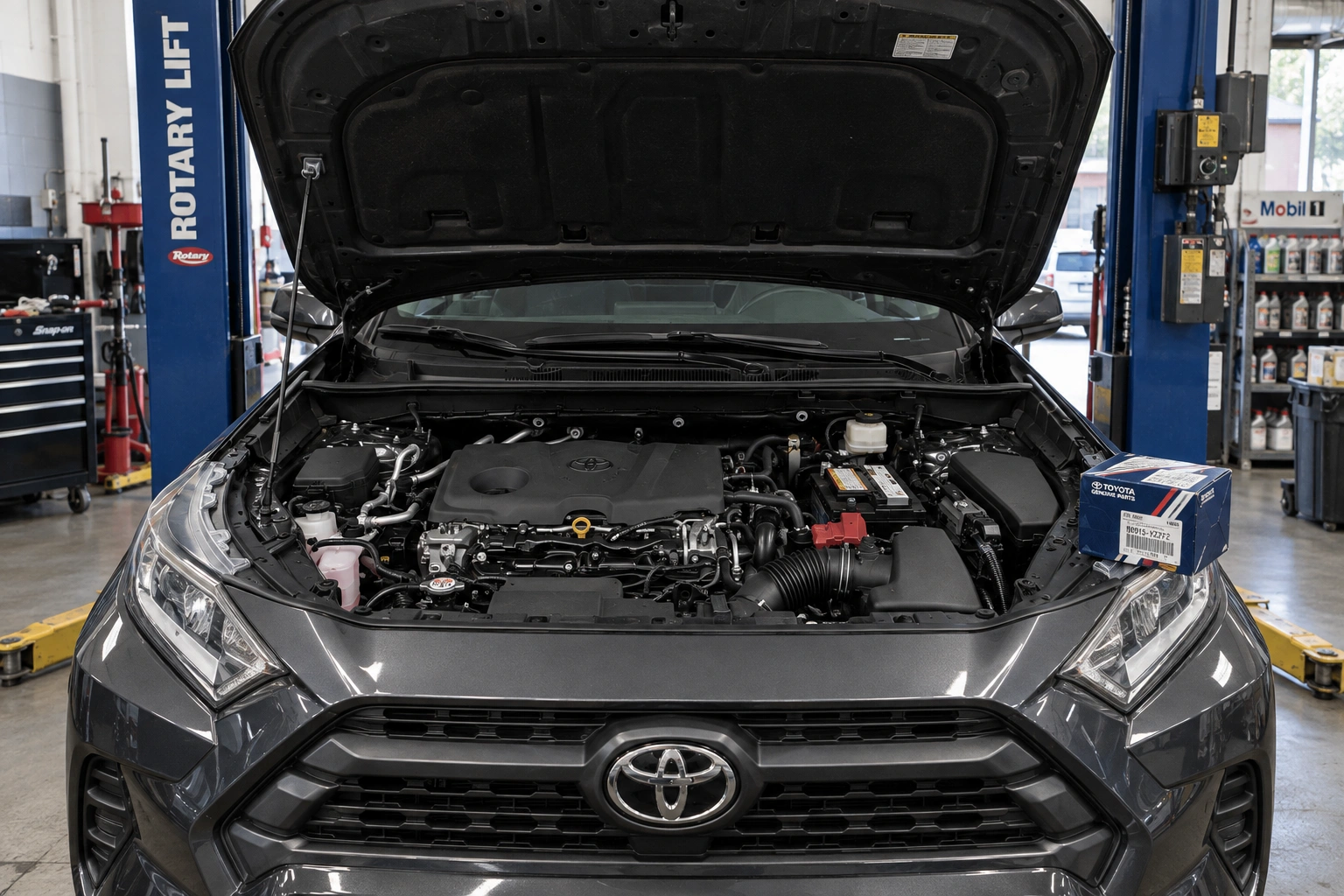
Many hybrids use more than one cooling circuit. The gasoline engine has a conventional cooling system, while the inverter and related power electronics may use a separate coolant circuit.
The inverter converts electrical power for the motor and can generate significant heat. Low, contaminated, or incorrect coolant may contribute to overheating, warning lights, or reduced hybrid-system performance.
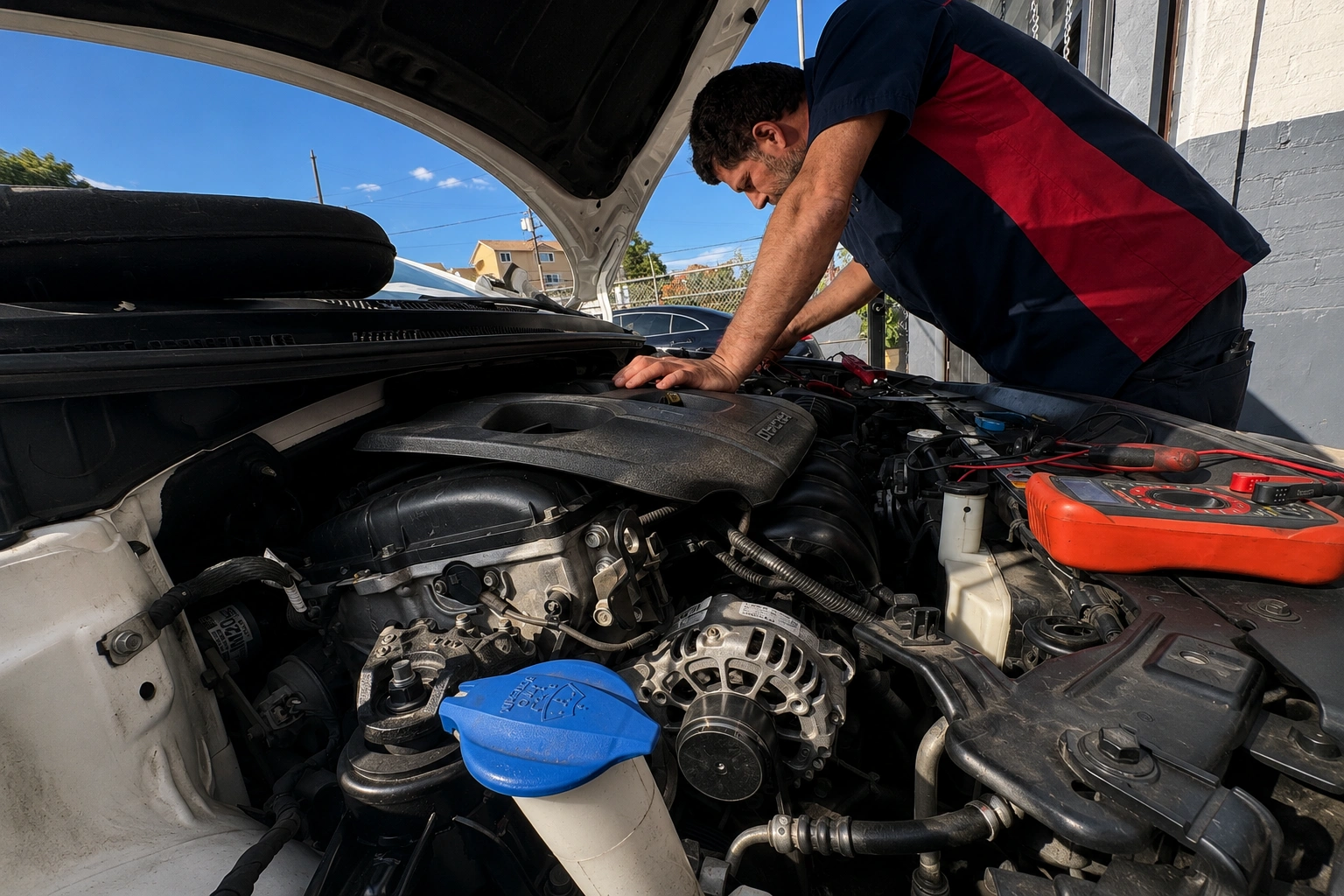
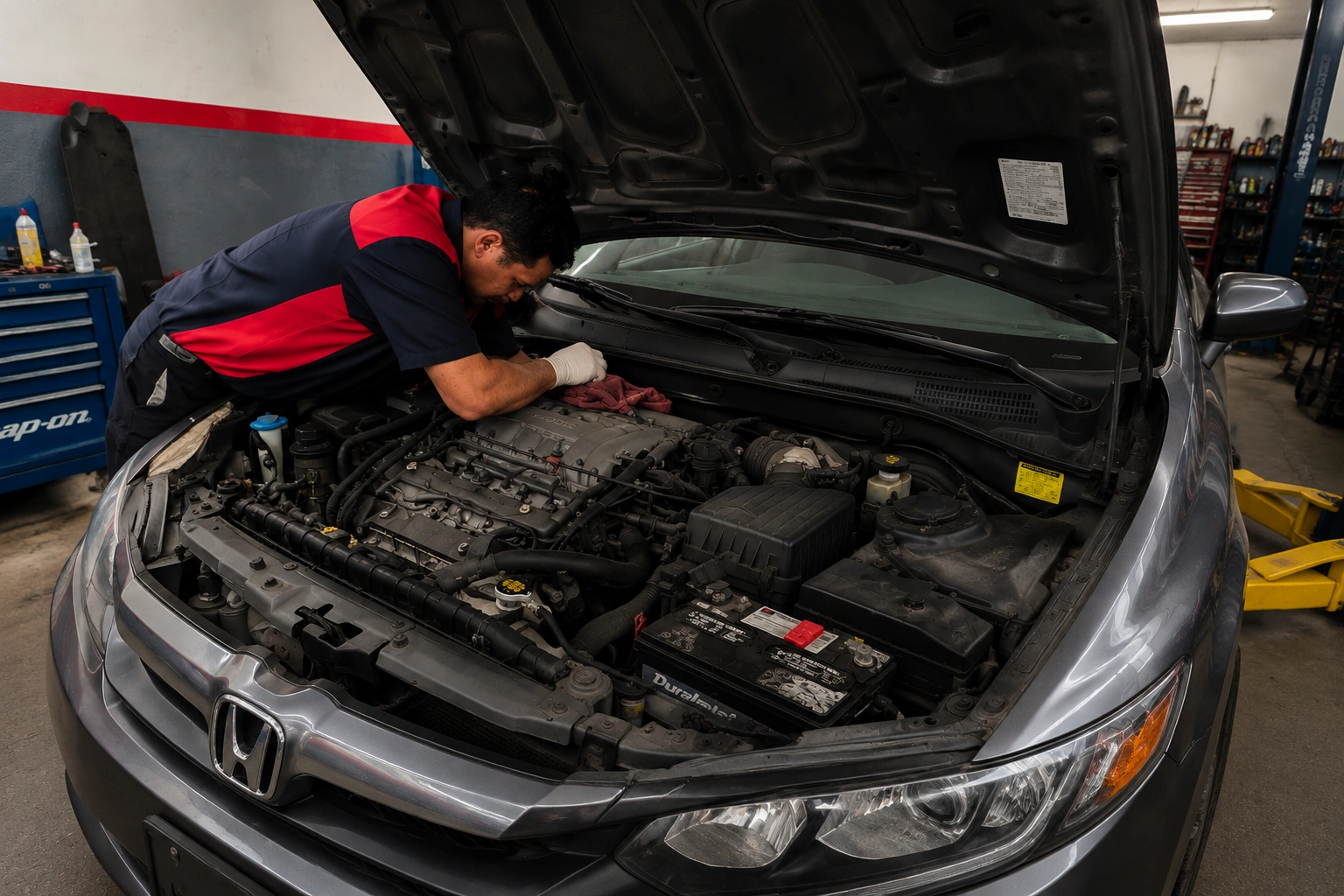
Engine and hybrid-system concerns can be evaluated through professional engine diagnostics and repair. Never assume that a coolant reservoir or fluid type is the same across all hybrid models.
Regenerative Braking and Traditional Brake Wear
Hybrids use regenerative braking to convert some braking force into electrical energy. This can reduce wear on friction brake pads and rotors, but it does not eliminate brake maintenance.
Hybrid brake service may include:
- Inspecting pads, rotors, calipers, and brake hardware.
- Checking brake fluid condition.
- Verifying the transition between regenerative and hydraulic braking.
- Checking electronic sensors and warning lights.
- Confirming consistent pedal feel and engagement.
A professional brake inspection is important even when the pads appear to last longer. Corrosion and low-use wear can still affect components.
Hybrid owners should also understand brake-fluid service. This guide to brake-fluid flush timing for LA drivers explains moisture, boiling point, and warning signs.
High-Voltage Battery Health and Cooling
The high-voltage battery is central to the hybrid system. Hybrid battery packs are designed to last many years, but temperature management, cooling fans, airflow, battery balancing, charging efficiency, and electronic health all matter.
Do not open, probe, or attempt to repair high-voltage components without the required training and equipment. Hybrid warning lights, reduced electric assist, unusual fan noise, or sudden changes in fuel economy should be professionally diagnosed.
Heat affects many vehicle systems. These tips about burning smells while driving in DTLA provide additional context for Silver Lake drivers.
Hybrids Need Oil Changes Too
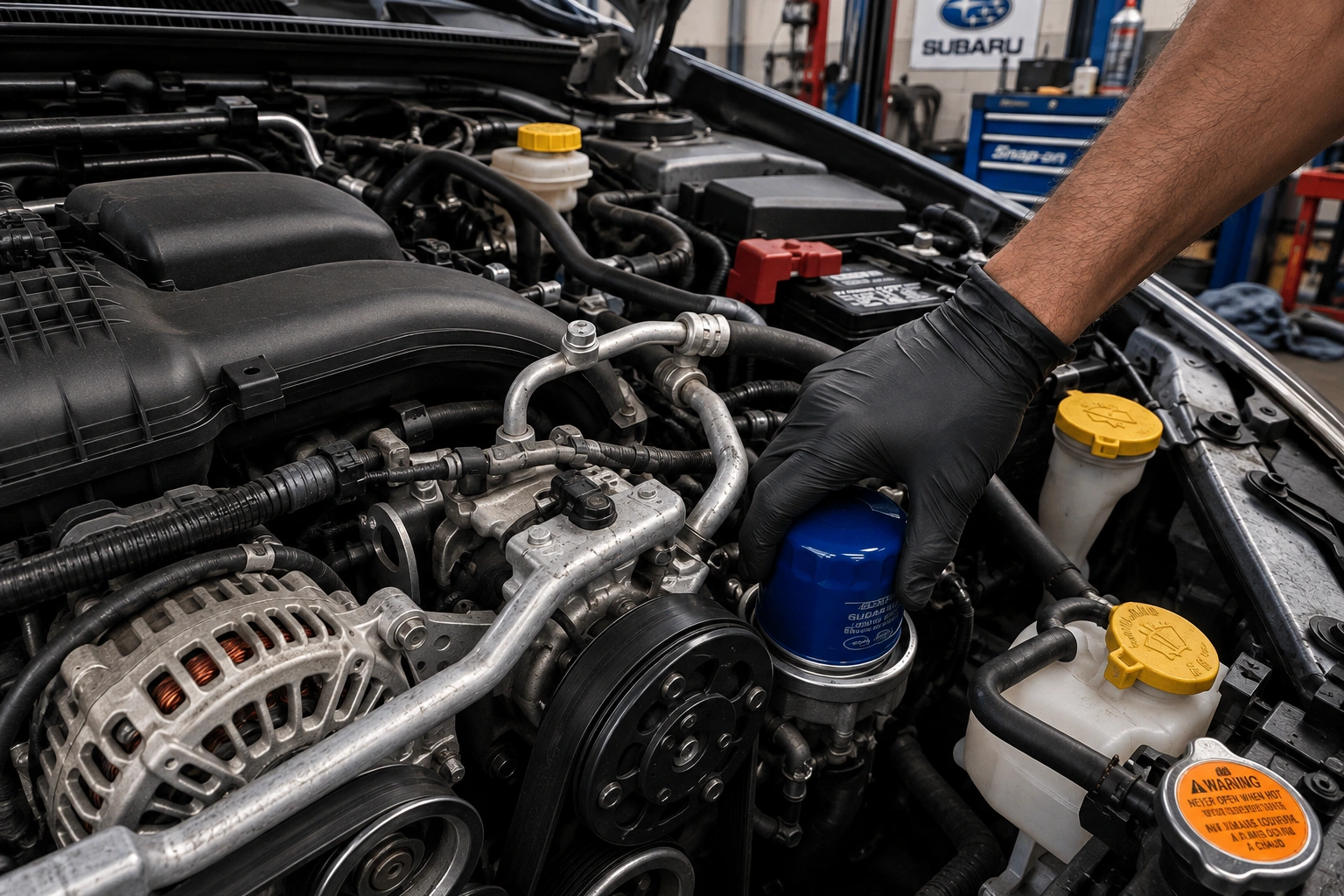
Hybrid engines may run less often than gas-only engines, which can extend some oil-change intervals. However, engine oil still breaks down through heat cycles, moisture, age, and contamination.
Follow the vehicle manufacturer’s oil specification and schedule. An oil change and maintenance inspection can help identify leaks, fluid concerns, belts, hoses, filters, and other developing problems.
Transmission and Hybrid Drivetrain Differences
Many hybrids use electronically controlled transmissions or power-split systems with different operating characteristics from conventional automatic transmissions. Service may involve fluid inspection, software updates, leak checks, cooling-system checks, or manufacturer-specific procedures.
Do not assume a hybrid transmission uses the same fluid or service method as a gas vehicle. Confirm the correct specification before adding fluid or scheduling service.
What Wears Less and What Needs More Attention
Components That May Experience Less Wear
- Brake pads in some driving conditions because of regenerative braking.
- Traditional starter components on certain hybrid designs.
- Some alternator-related components on systems that do not use a conventional alternator.
Systems That Need Specialized Attention
- Inverter and power-electronics cooling.
- High-voltage battery cooling fans and filters.
- Hybrid control modules and warning systems.
- Regenerative and hydraulic brake integration.
- Hybrid-specific transmission or drivetrain fluid.
When a hybrid begins overheating in traffic, review these Los Angeles overheating warning signs and arrange an inspection rather than continuing to drive with a rising temperature gauge.
How Silver Lake Driving Affects Hybrid Maintenance
Silver Lake hills, stop-and-go traffic, short trips, hot weather, potholes, and frequent braking can affect both hybrid and gasoline systems. Regenerative braking may change friction-brake wear, but it does not protect tires, suspension, cooling systems, or fluids from normal road stress.
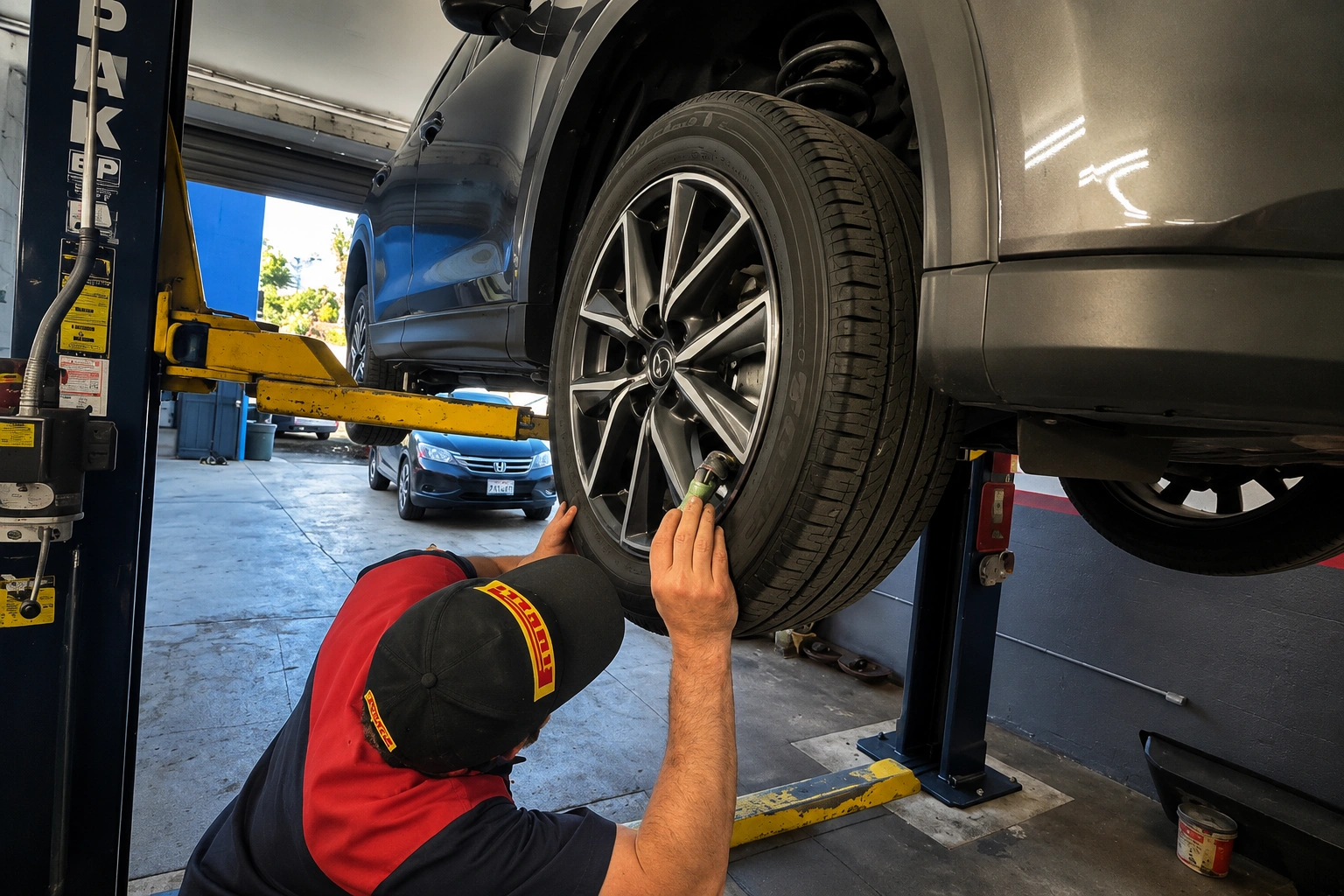
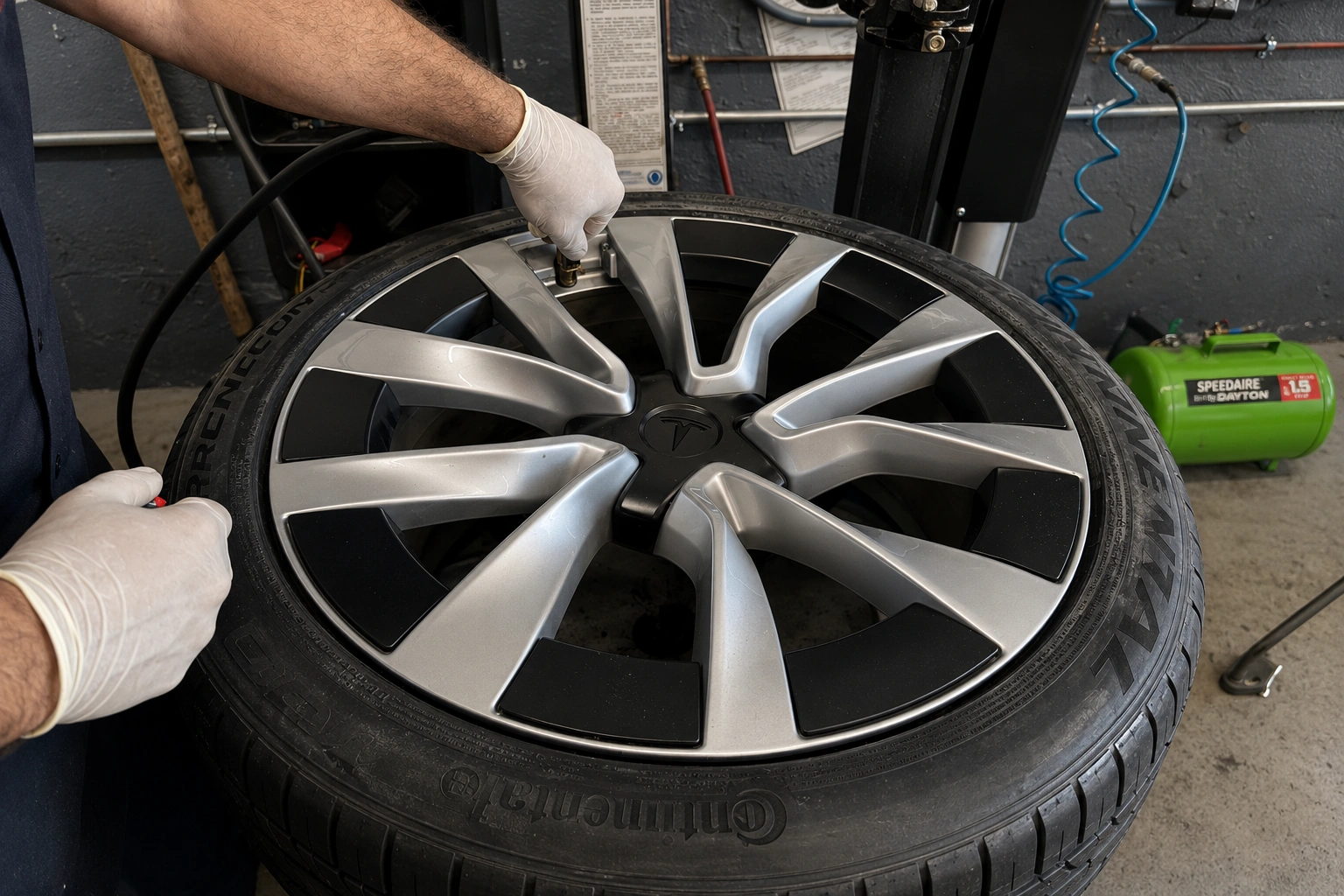
Hybrid drivers should monitor tire pressure, tread, alignment, and handling just as gas-car drivers do. If the vehicle is electric-assisted or has unusual load and torque characteristics, this comparison of EV tires and regular tires explains why tire specifications matter.
Hybrid Maintenance Best Practices
- Follow the manufacturer’s hybrid-specific maintenance schedule.
- Use the correct oil, coolant, brake fluid, and drivetrain fluid.
- Keep cooling vents, filters, and battery airflow paths clear.
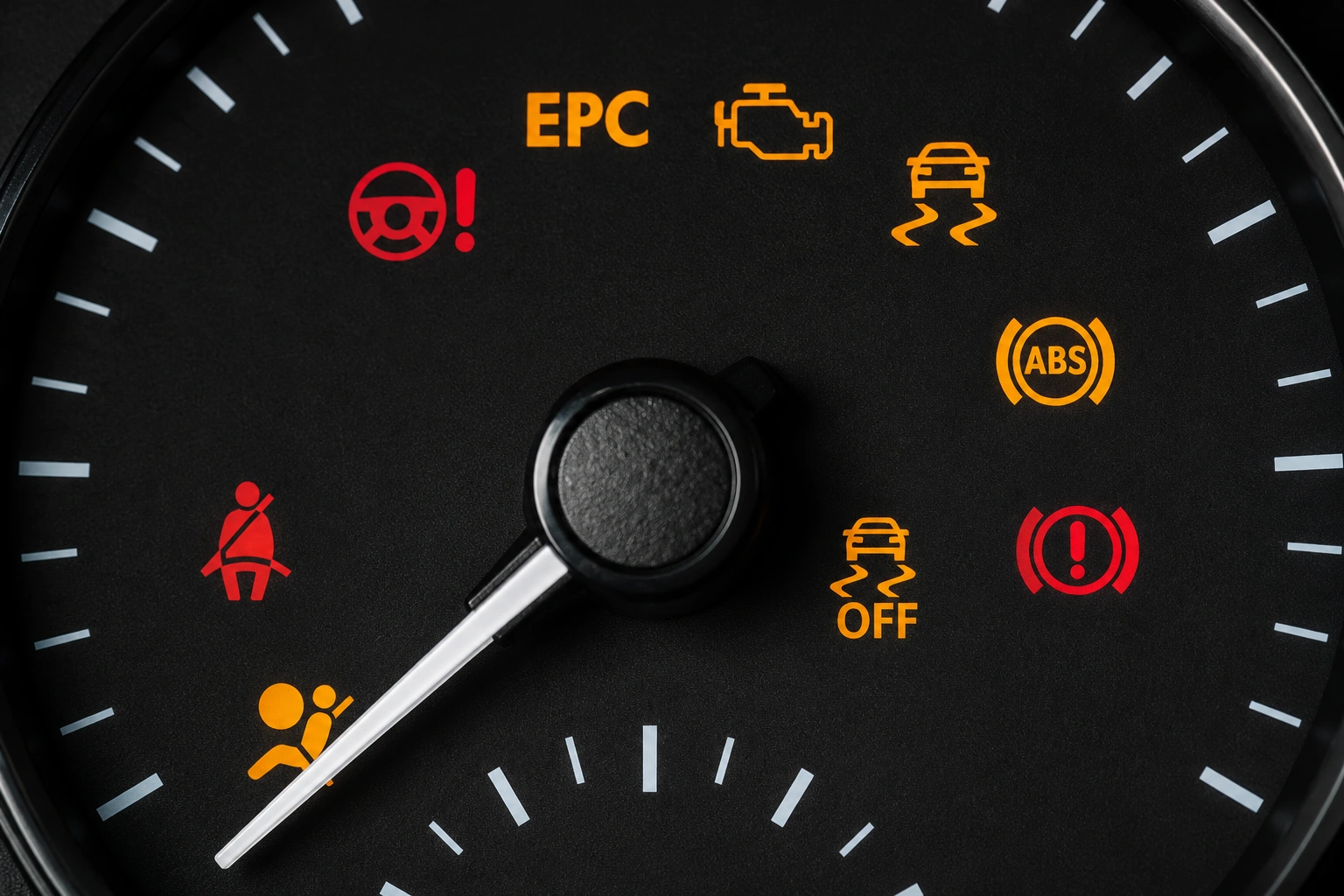
- Do not ignore hybrid-system, battery, ABS, or temperature warning lights.
- Have high-voltage systems serviced only by properly trained technicians.
- Inspect tires, brakes, suspension, and alignment regularly.
- Keep records of fluid services, software updates, and diagnostic work.
Frequently Asked Questions
Do hybrid cars need less maintenance than gas cars?
Some maintenance items may occur less often, but hybrids still require oil, coolant, brake, tire, suspension, and drivetrain service. They also have specialized high-voltage and power-electronics systems.
Do hybrids need oil changes?
Yes. The gasoline engine still uses engine oil, and the correct interval depends on the manufacturer, oil specification, age, mileage, and driving conditions.
Do hybrid brakes last longer?
Regenerative braking may reduce friction-brake use in some situations, but pads, rotors, calipers, fluid, sensors, and hardware still require inspection.
How often should hybrid coolant be changed?
The interval and fluid type vary by model and may differ between the engine and inverter circuits. Follow the manufacturer’s schedule and use the specified coolant.
Can any auto shop service a hybrid?
Basic maintenance may be widely available, but high-voltage diagnostics and repairs require appropriate training, equipment, and safety procedures. Ask whether the shop can perform the specific hybrid service required.
Schedule Hybrid Maintenance in Silver Lake
Hybrid maintenance combines familiar services with specialized care. The gasoline engine, brakes, tires, fluids, and suspension still need routine attention, while inverter coolant, high-voltage battery cooling, regenerative braking, and hybrid controls require model-specific knowledge.
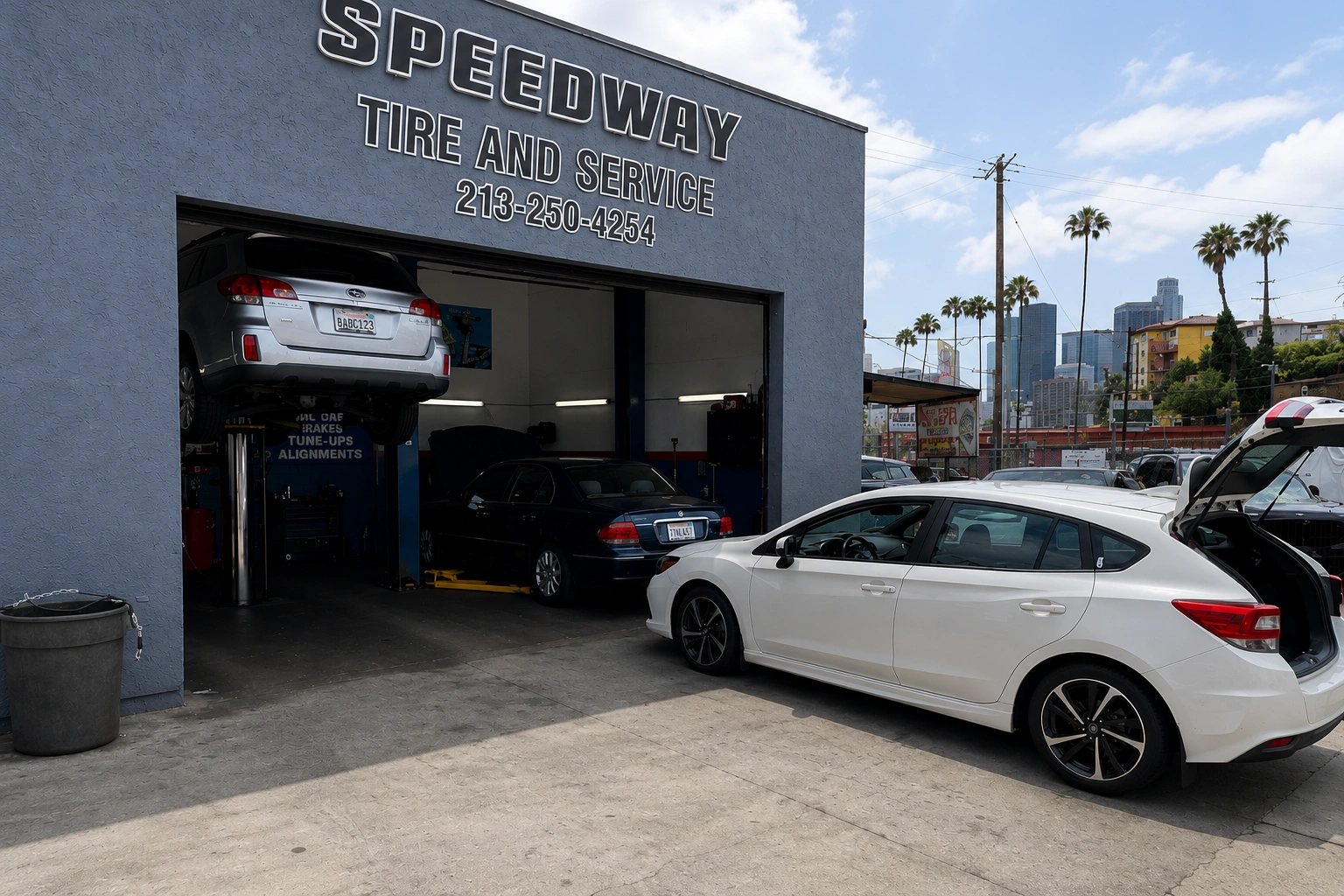
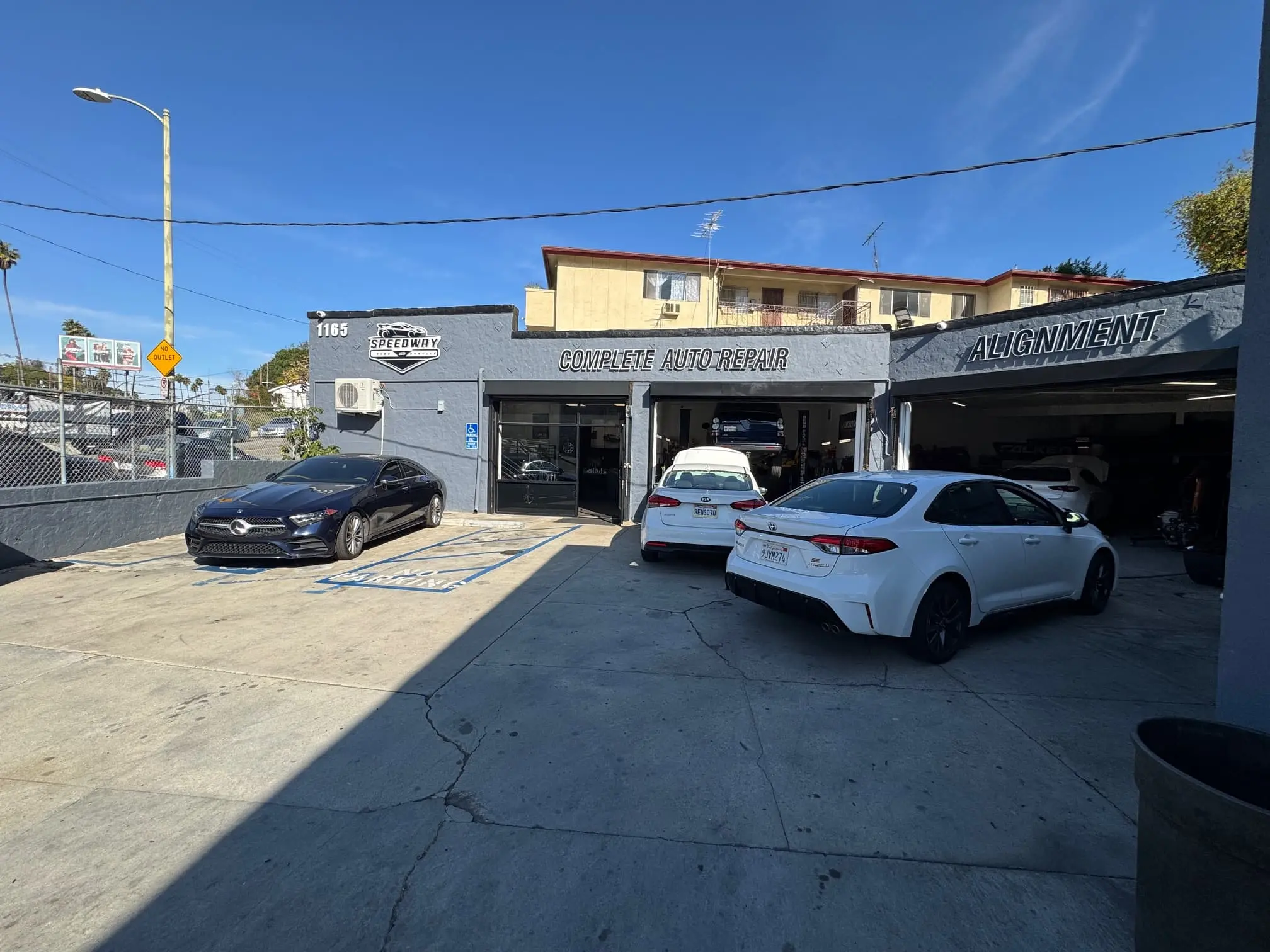
Need hybrid maintenance advice? Speedway Tire & Service can inspect the vehicle, review its service needs, and explain the appropriate next step.
Visit Us: 1165 West Sunset Blvd, Los Angeles, CA 90012
Call Now: (213) 250-4254
Looking for an Honest Auto Repair Shop in Los Angeles? Call Speedway Tire and Service Today
Whether you are driving through LA traffic or cruising the freeways, your car deserves expert care. Located in Los Angeles, Speedway Tire and Service offers reliable oil changes, brake repairs, tire services, and more, backed by experienced technicians and honest pricing.
Looking for an honest Auto Repair Shop in Los Angeles? Call Speedway Tire and Service Today
Whether you’re driving through LA traffic or cruising the freeways, your car deserves expert care. Located in Los Angeles, Speedway Tire and Service offers reliable oil changes, brake repairs, tire services, and more—all backed by experienced technicians and honest pricing.