When Should You Flush Your Brake Fluid A Timeline for LA Drivers
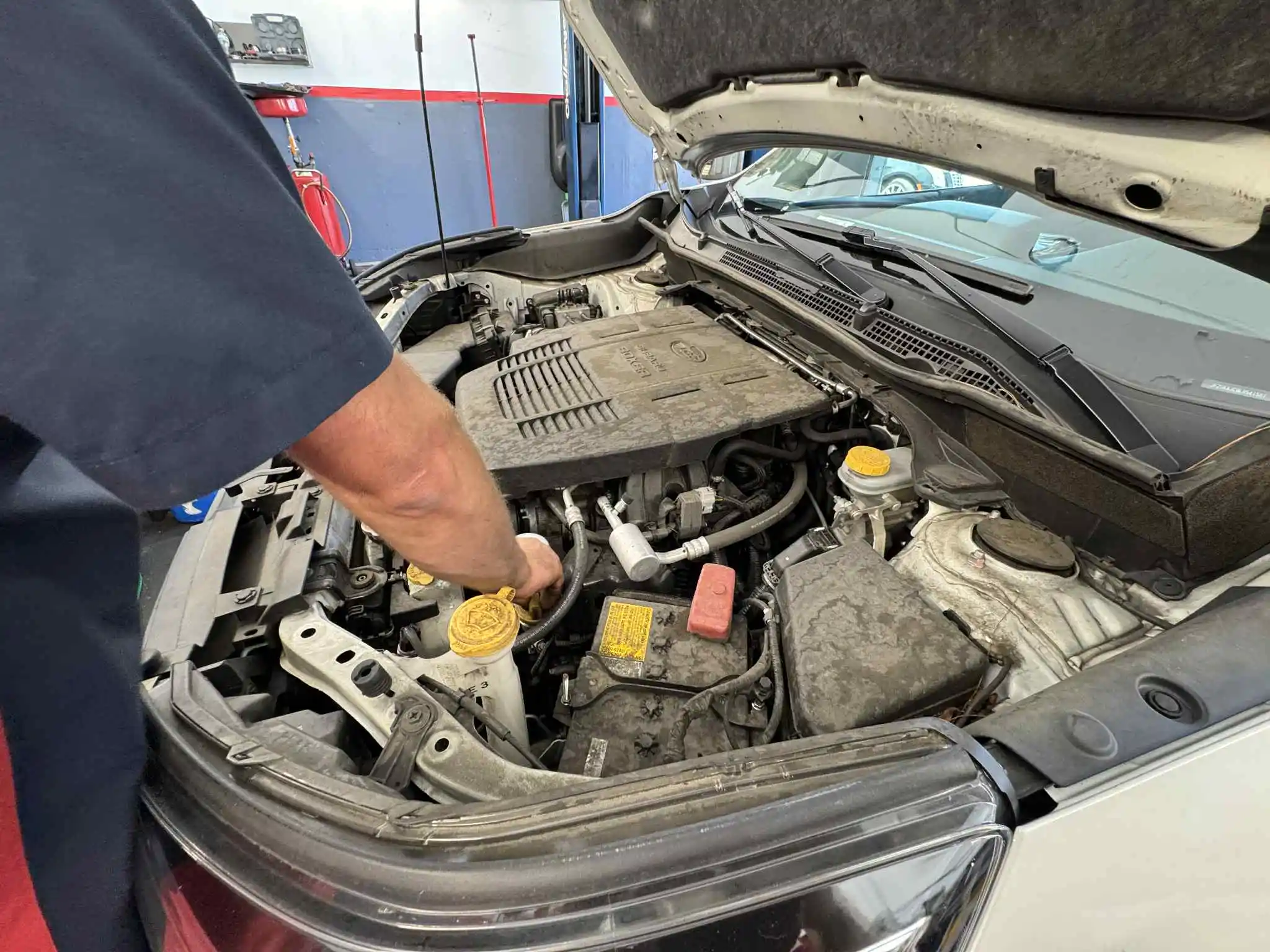
Brake fluid works quietly behind the scenes by transmitting the hydraulic pressure that helps your vehicle stop. Like other fluids exposed to heat and pressure, it degrades over time. For Los Angeles drivers facing stop-and-go traffic, hot pavement, steep streets, and frequent braking, understanding the right brake fluid flush interval is important for consistent brake performance and safety.
Brake fluid absorbs moisture from the air. As moisture increases, the fluid’s boiling point can drop, creating a greater risk of vapor formation and brake fade during hard stops or downhill driving.
Why Brake Fluid Breaks Down Over Time
Most brake fluid is hygroscopic, meaning it naturally absorbs moisture even when the hydraulic system is sealed. Moisture contamination lowers the fluid’s boiling point and can contribute to corrosion inside brake components.
If contaminated fluid boils, small vapor bubbles can form in the brake lines. Unlike liquid, vapor compresses, which may lead to:
- A soft or spongy brake pedal.
- Reduced stopping power.
- Longer braking distances.
- Brake fade during repeated or downhill braking.
- Corrosion or damage to hydraulic components over time.
A professional brake inspection and service can evaluate the fluid, pedal feel, visible components, and other parts of the braking system.
The Recommended Brake Fluid Flush Interval
Every vehicle manufacturer sets its own schedule, so the owner’s manual should be the first reference. As a general guideline, many vehicles benefit from a brake-fluid flush:
- Every two to three years under normal driving conditions.
- More frequently when exposed to heat, hills, heavy traffic, towing, or repeated hard braking.
- Immediately when fluid is dark, cloudy, contaminated, or tests with a low boiling point.
Age and condition matter more than mileage alone. A vehicle that is driven infrequently can still develop moisture contamination, while a heavily used LA commuter may need service sooner than a vehicle used mainly on open highways.
DOT 3 and DOT 4 Brake Fluid Differences
DOT 3 and DOT 4 are common brake-fluid classifications, but they are not interchangeable in every vehicle. DOT 4 generally has a higher dry and wet boiling point than DOT 3, but the correct fluid is determined by the vehicle manufacturer.
- DOT 3: Common in many passenger vehicles and designed for the manufacturer’s specified braking system.
- DOT 4: Often selected for systems requiring higher boiling performance, but it still absorbs moisture and requires maintenance.
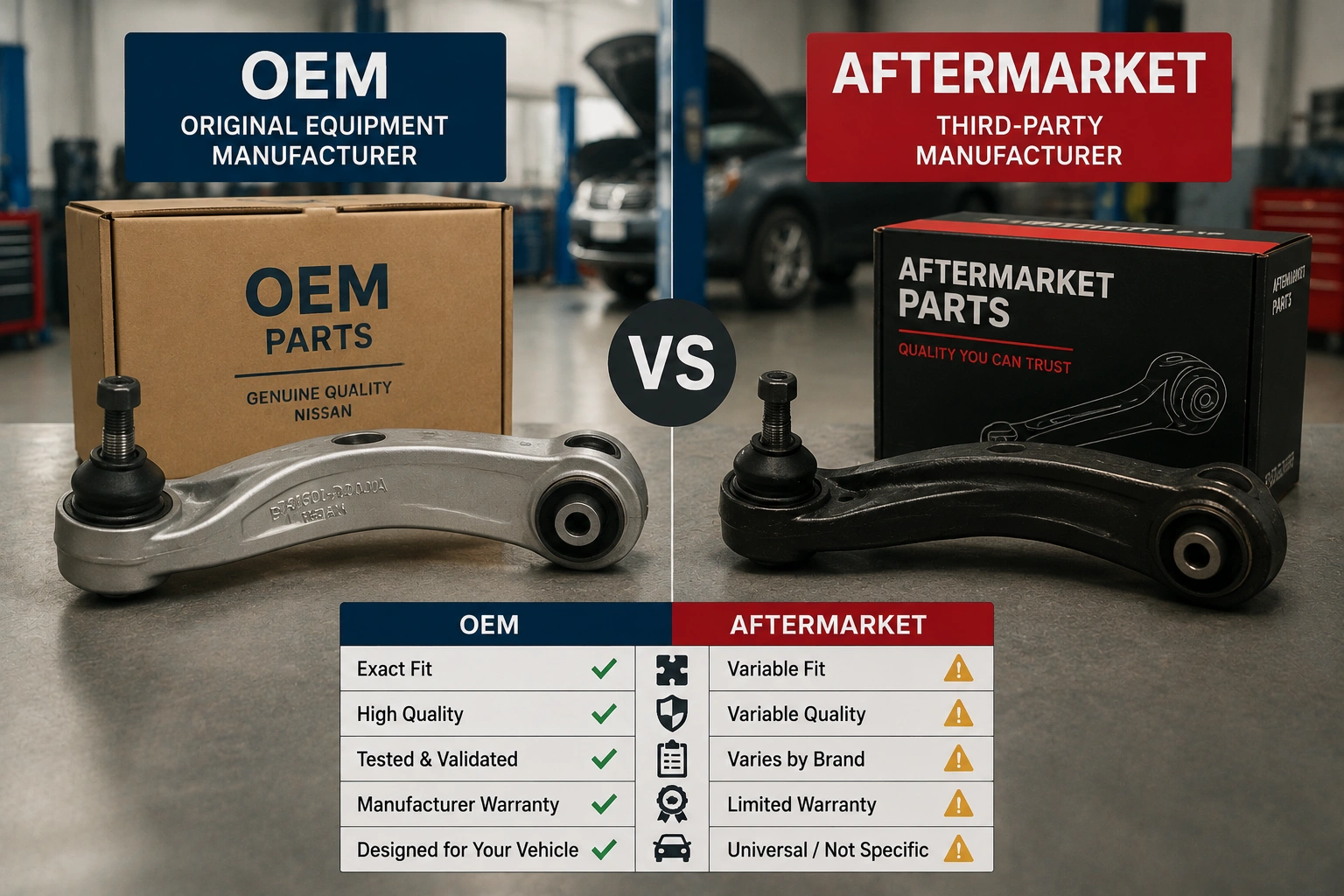
Never choose fluid based only on a higher number. Use the specification listed in the owner’s manual or on the vehicle’s reservoir cap.
Warning Signs Your Brake Fluid Needs Service
Do not wait for the scheduled interval if you notice:
- Dark, cloudy, or contaminated fluid.
- A soft, spongy, or sinking brake pedal.
- Longer stopping distances.
- Brake fade during repeated stops or downhill driving.
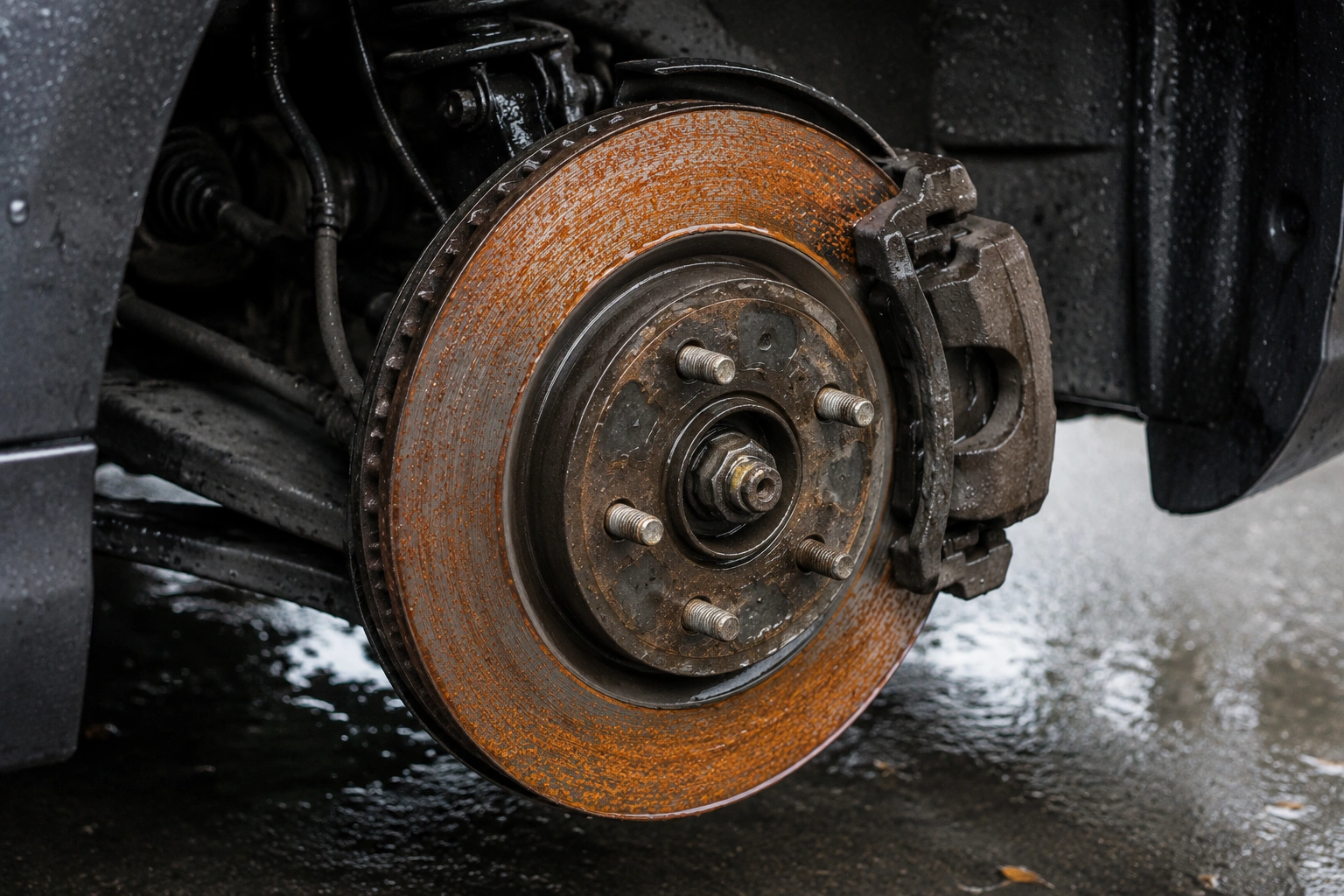
- Visible corrosion or fluid leakage.
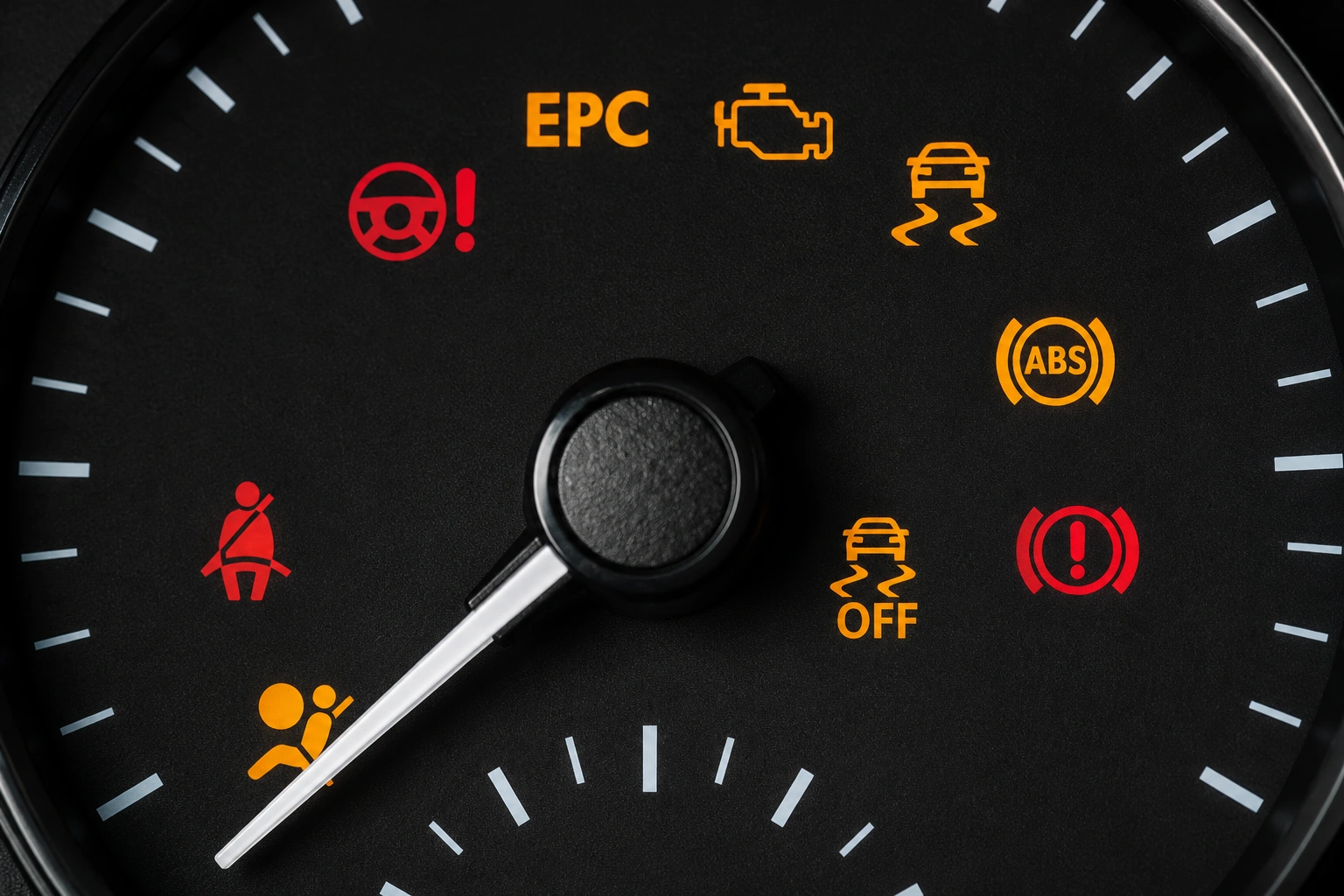
- A brake warning light or ABS warning light.
- Unusual brake noise, vibration, pulling, or odor.
A soft pedal is not always caused by old fluid. Air in the lines, a leak, worn components, a failing master cylinder, or another hydraulic problem can create similar symptoms. This guide to a soft brake pedal and low brake fluid explains why prompt inspection matters.
How a Brake Fluid Flush Works
A proper brake-fluid flush typically includes:
- Inspecting the system and confirming the correct fluid specification.
- Removing old fluid from the reservoir as appropriate for the vehicle.
- Flushing moisture-contaminated fluid from the lines.
- Refilling with fresh manufacturer-approved fluid.
- Bleeding the brake calipers or wheel circuits in the required sequence.
- Checking pedal firmness and inspecting for leaks.
- Verifying brake and ABS operation.
The exact procedure varies by vehicle, especially when an ABS module or electronic bleeding procedure is involved. A flush should not be confused with simply removing fluid from the reservoir and adding new fluid.
Why LA Driving Demands More Frequent Checks
Los Angeles driving can be tough on braking systems. Heavy traffic generates heat, steep roads increase braking load, warm temperatures accelerate moisture-related degradation, and frequent stops increase fluid and component stress.
Regular vehicle maintenance helps identify related problems early. Ask about brake-fluid condition during an oil change and maintenance inspection, particularly if the vehicle is used for daily commuting or frequent short trips.
Brake Fluid and Brake Fade
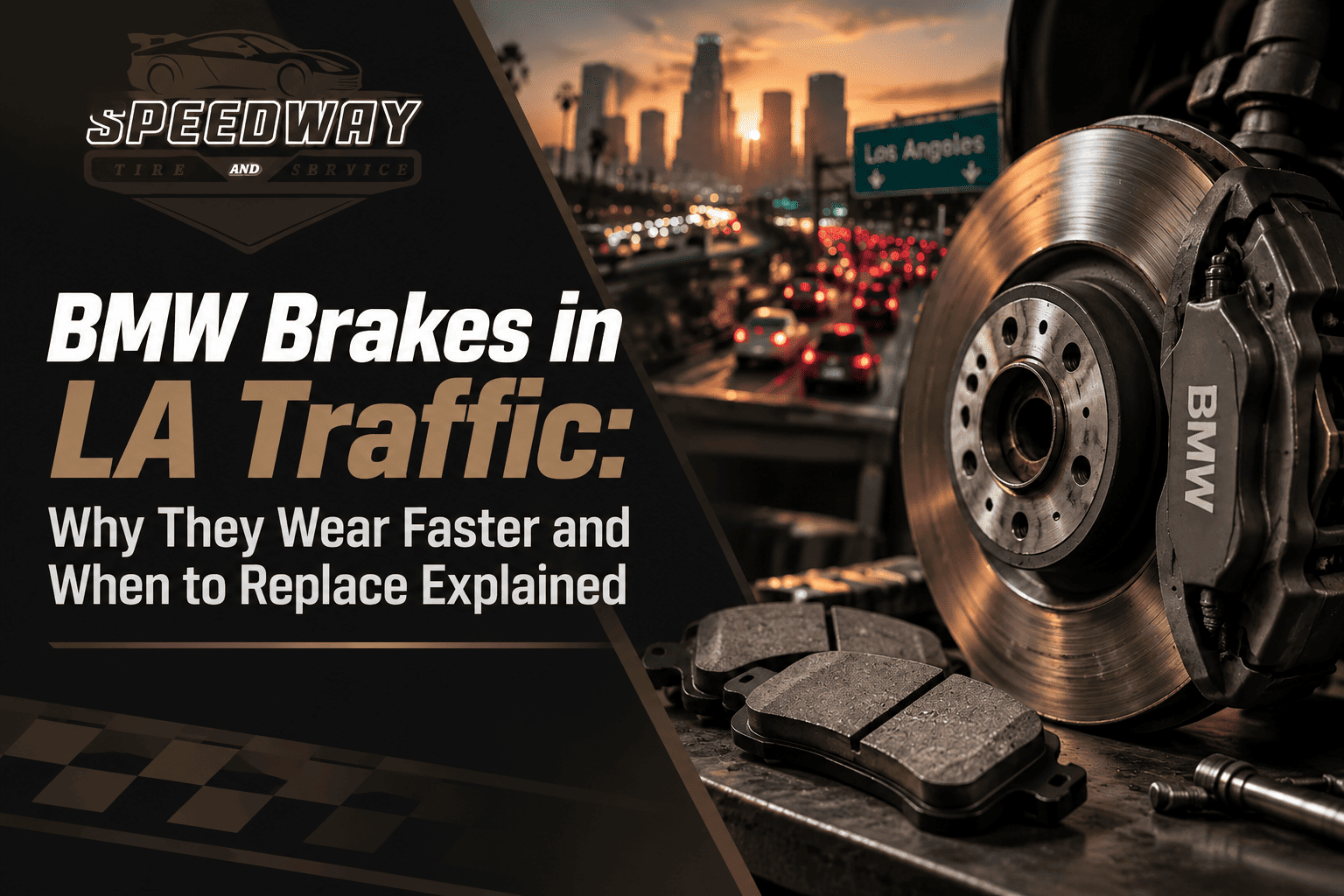
Brake fade describes reduced braking effectiveness after repeated or sustained braking. It can be caused by overheated pads, overheated rotors, contaminated fluid, or other brake-system conditions.
If the pedal becomes soft during a downhill drive or repeated stops, increase following distance, slow safely, and arrange an inspection. Do not assume the system will be fine after it cools down.
Other Symptoms That Need Attention
Brake-system issues can occur alongside other vehicle problems. A strong burning odor may come from overheated brakes, oil, wiring, belts, or other components. Review this guide to burning smells while driving in DTLA and have an unexplained odor diagnosed.
If braking symptoms appear with a rising temperature gauge or steam, stop safely and avoid continuing to drive an overheating vehicle. These Los Angeles overheating warning signs explain when engine temperature requires immediate attention.
Frequently Asked Questions
How often should brake fluid be flushed?
Many vehicles are serviced every two to three years, but the correct interval depends on the manufacturer, fluid condition, moisture content, climate, traffic, hills, and braking use.
Does brake fluid expire?
Brake fluid degrades after exposure to moisture, heat, and contamination. The fluid in a sealed new container also has storage limits, so use fresh fluid from a properly stored container.
What color should brake fluid be?
Color varies by fluid type and age. Dark, cloudy, contaminated, or visibly dirty fluid should be inspected, but color alone cannot determine whether a flush is required.
Can a brake-fluid flush fix a soft pedal?
It may help when moisture or air is the cause, but a soft pedal can also indicate a leak, worn component, master-cylinder problem, or another hydraulic issue. Diagnosis is essential.
Can I mix DOT 3 and DOT 4?
Only when the vehicle manufacturer permits it. Follow the specified fluid type and never mix fluids based only on their labels or boiling points.
Schedule Brake Fluid Service in Los Angeles
Brake fluid is a critical safety fluid. Following the manufacturer’s schedule, monitoring pedal feel, and responding to dark fluid, brake fade, warning lights, or longer stopping distances can help maintain dependable braking in Los Angeles traffic.
Need a brake-fluid inspection or flush? Speedway Tire & Service can test the system, confirm the correct fluid, and explain the service your vehicle needs.
Visit Us: 1165 West Sunset Blvd, Los Angeles, CA 90012
Call Now: (213) 250-4254
Looking for an Honest Auto Repair Shop in Los Angeles? Call Speedway Tire and Service Today
Whether you are driving through LA traffic or cruising the freeways, your car deserves expert care. Located in Los Angeles, Speedway Tire and Service offers reliable oil changes, brake repairs, tire services, and more, backed by experienced technicians and honest pricing.
Looking for an honest Auto Repair Shop in Los Angeles? Call Speedway Tire and Service Today
Whether you’re driving through LA traffic or cruising the freeways, your car deserves expert care. Located in Los Angeles, Speedway Tire and Service offers reliable oil changes, brake repairs, tire services, and more—all backed by experienced technicians and honest pricing.