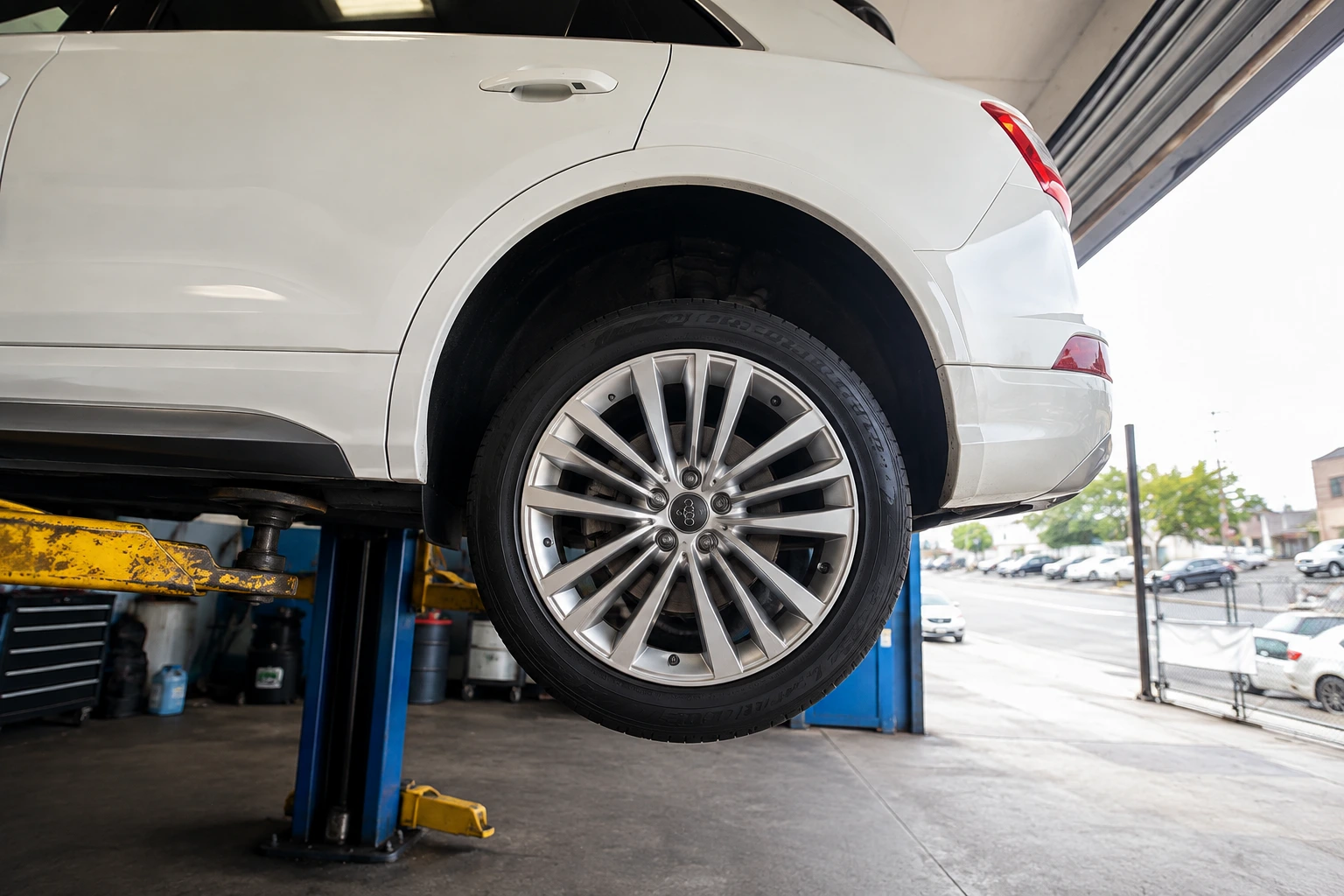
Ball Joint Failure: Warning Signs for Silver Lake Hilly Streets
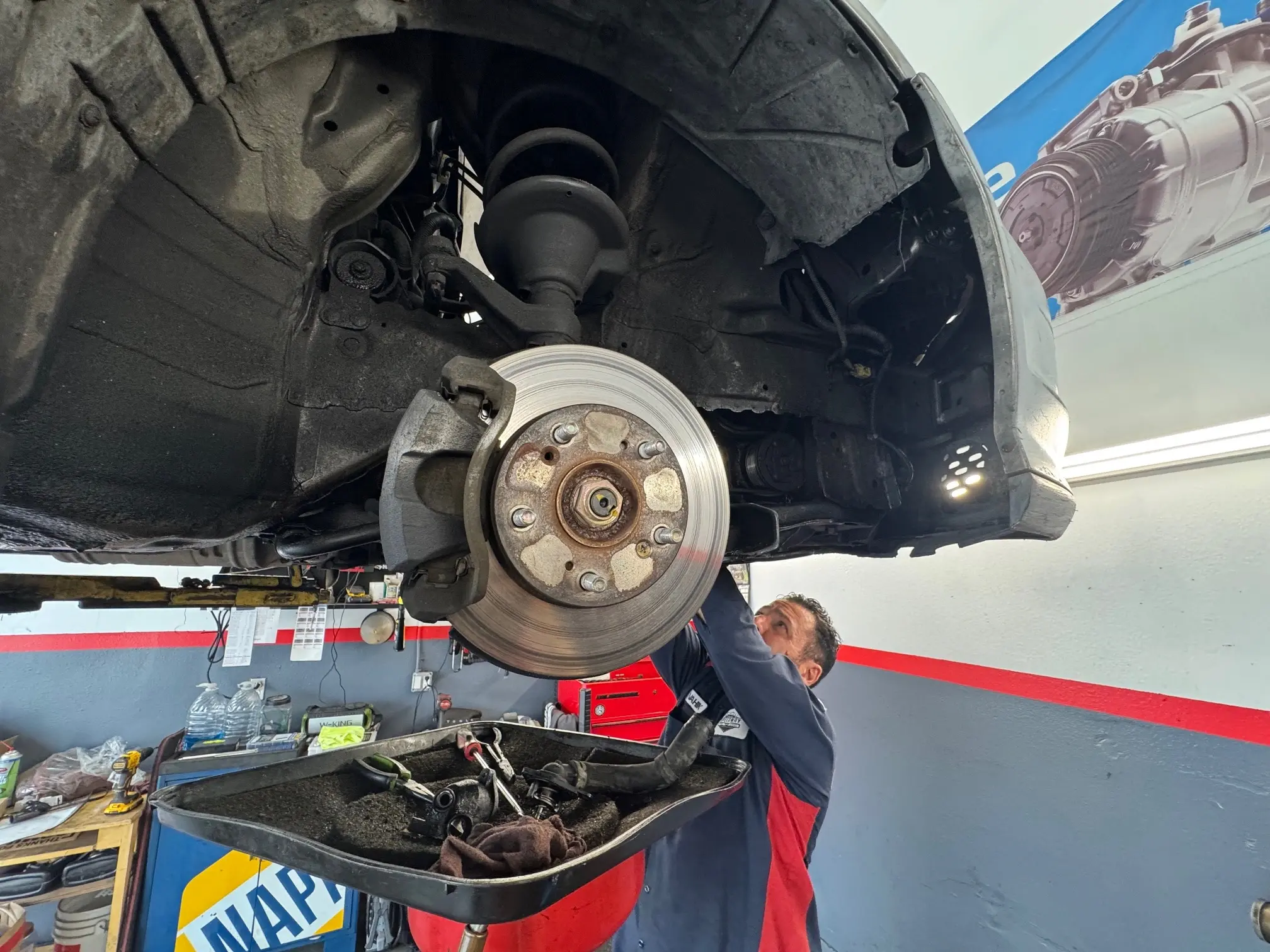
Driving on the steep, winding roads of Silver Lake puts unique stress on your vehicle’s suspension. One of the most critical components, the ball joint, works overtime on these hills. A failing ball joint isn’t just a minor issue—it’s a serious safety hazard that can lead to a wheel separating from your vehicle. Understanding the warning signs is essential for every Los Angeles driver.
This guide, created by an auto repair shop with over 30 years of experience serving the Silver Lake, Echo Park, and Downtown LA communities, explains the symptoms of ball joint failure and why immediate attention is critical. We believe in honest, transparent service, and our goal is to keep you safe on the road.
What is a Ball Joint and Why Does it Matter in Silver Lake?
A ball joint is a flexible ball-and-socket joint that connects your car’s steering knuckles to the control arms. Think of it as the human hip joint for your car’s suspension. It allows the wheels to move up and down over bumps and turn left or right.
On the hilly streets of Silver Lake, your ball joints are constantly under load, especially when turning on inclines or navigating sharp corners. This constant stress can accelerate wear and tear, making a ball joint replacement a more common repair for local drivers.
What Are the Warning Signs of a Failing Ball Joint?
Ignoring these symptoms can be dangerous. If you notice any of the following, it’s time to have your suspension inspected by a professional.
1. A Distinct “Clunking” Noise
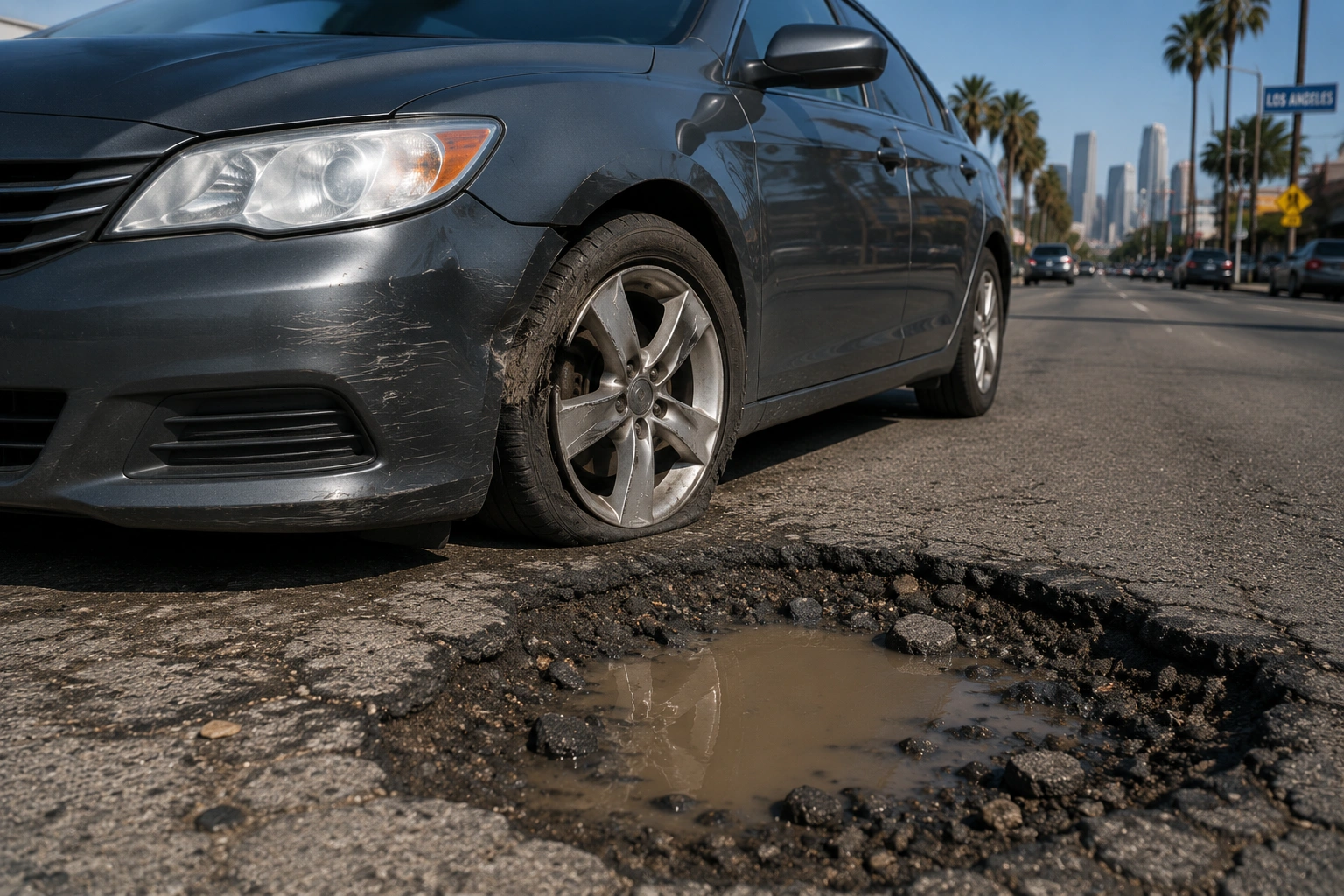
This is the most common symptom. You’ll hear a clunking noise or a knocking sound coming from one corner of your car, especially when going over bumps, potholes, or making sharp turns. This sound is the worn-out ball joint rattling inside its socket. Our suspension and steering services can diagnose this noise accurately.
2. Steering Wander or Vagueness
Does your car seem to have a mind of its own? Steering wander, where the vehicle drifts from side to side and requires constant correction, is a serious sign of a worn ball joint. The looseness in the joint prevents the steering from being precise and responsive.
3. Vibration in the Steering Wheel
A worn ball joint can cause vibrations that you feel through the steering wheel. This vibration may come and go or get worse at certain speeds. It’s a sign that the joint is loose and allowing excessive movement in the suspension.
4. Uneven or Premature Tire Wear
When a ball joint is worn, it can throw off your car’s alignment. This leads to alignment issues and causes your tires to wear unevenly, typically on the inner or outer edges. If you’ve recently had an alignment but your tires are still wearing out quickly, a failing ball joint could be the culprit. We recommend a wheel alignment check to confirm the cause.
Q&A: Common Questions About Ball Joint Replacement
Q: How serious is a failing ball joint?
A: Extremely serious. A complete ball joint failure will cause the suspension to collapse and the wheel to detach from the car, leading to a total loss of control. The National Highway Traffic Safety Administration has issued recalls for ball joint failures in the past due to this risk.
Q: Can I drive with a bad ball joint?
A: It is strongly advised not to. Every time you drive, you are putting more stress on the failing part and increasing the risk of a catastrophic failure. If you hear a clunking noise or experience steering wander, you should contact a repair shop immediately.
Q: How often should ball joints be replaced?
A: There is no set replacement interval. Ball joints can last 70,000 to 150,000 miles or more. However, driving conditions in Los Angeles—with its potholes and hilly areas like Silver Lake—can shorten this lifespan. We recommend a suspension inspection every 30,000 miles.
Q: What is involved in a ball joint replacement?
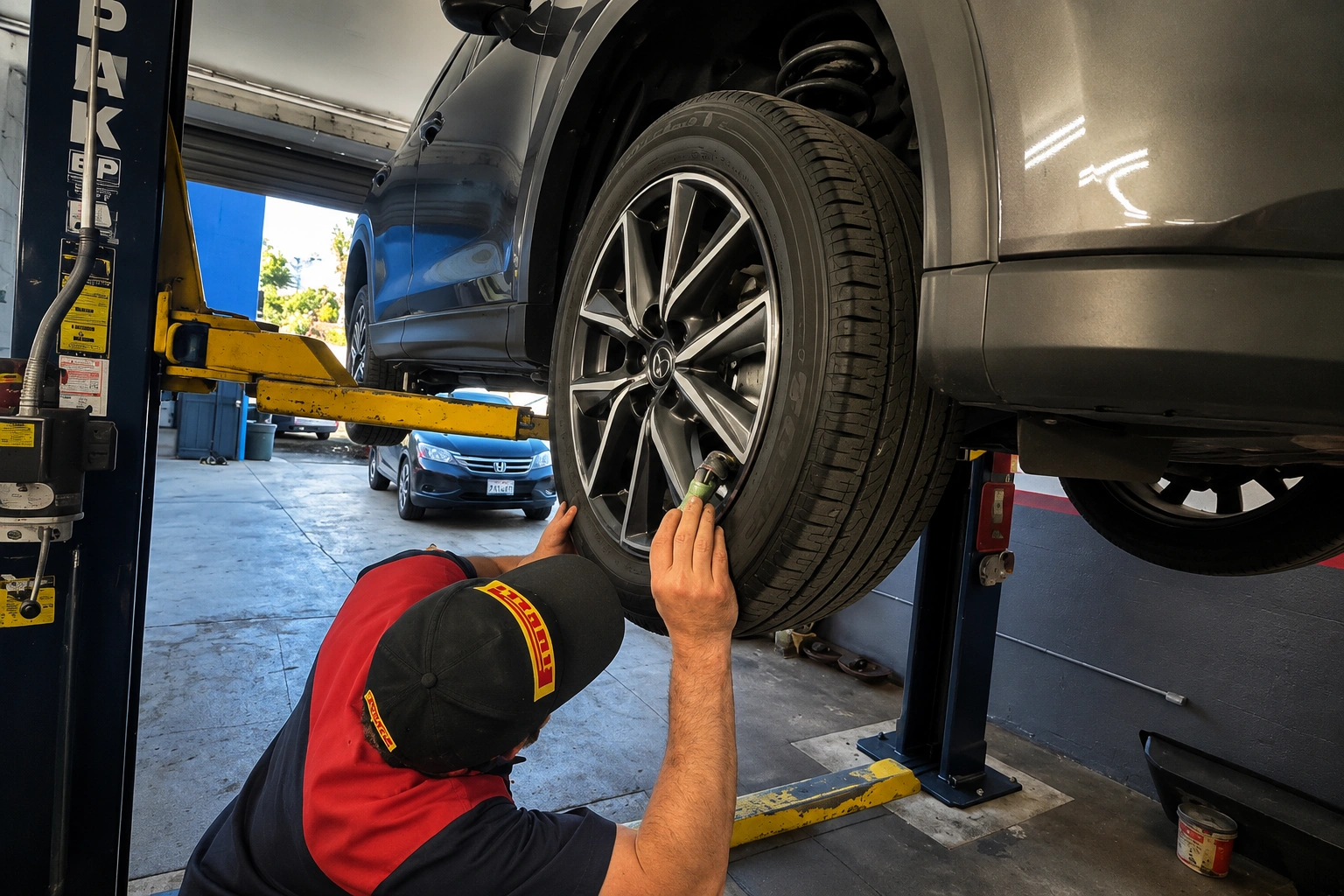
A: A ball joint replacement involves removing the wheel, disconnecting the control arm, pressing out the old ball joint, and pressing in a new one. After the replacement, a full four-wheel alignment is required to ensure the car drives straight and to prevent tire wear.
Final Thoughts: Don’t Ignore the Warning Signs
Your car’s suspension is a complex system, and a small part like a ball joint plays a huge role in your safety. The unique challenges of driving on Silver Lake’s hilly streets make it even more important to pay attention to warning signs like a clunking noise or steering wander.
With over three decades of experience, our team has the expertise to accurately diagnose suspension issues and perform a ball joint replacement correctly. We are committed to providing reliable, honest auto repair to our community.
If you suspect a problem with your suspension, don’t wait. Call us today at (213) 250-4254 to schedule a professional inspection. Your safety is our priority.
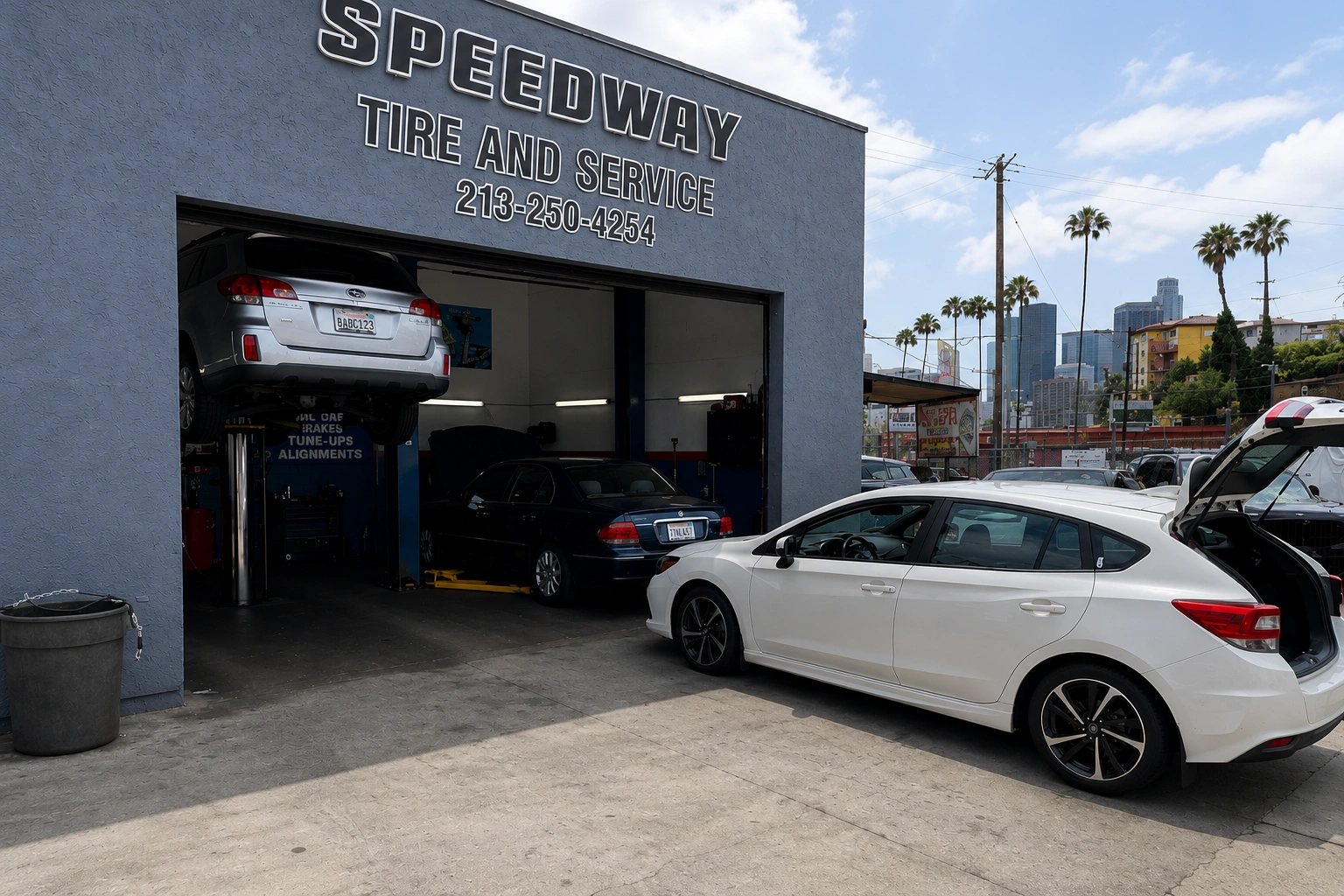
Looking for an honest Auto Repair Shop in Los Angeles? Call Speedway Tire and Service Today
Whether you’re driving through LA traffic or cruising the freeways, your car deserves expert care. Located in Los Angeles, Speedway Tire and Service offers reliable oil changes, brake repairs, tire services, and more—all backed by experienced technicians and honest pricing.