AutoZone Read My Codes for Free — Do I Still Need a Shop Diagnostic in LA?
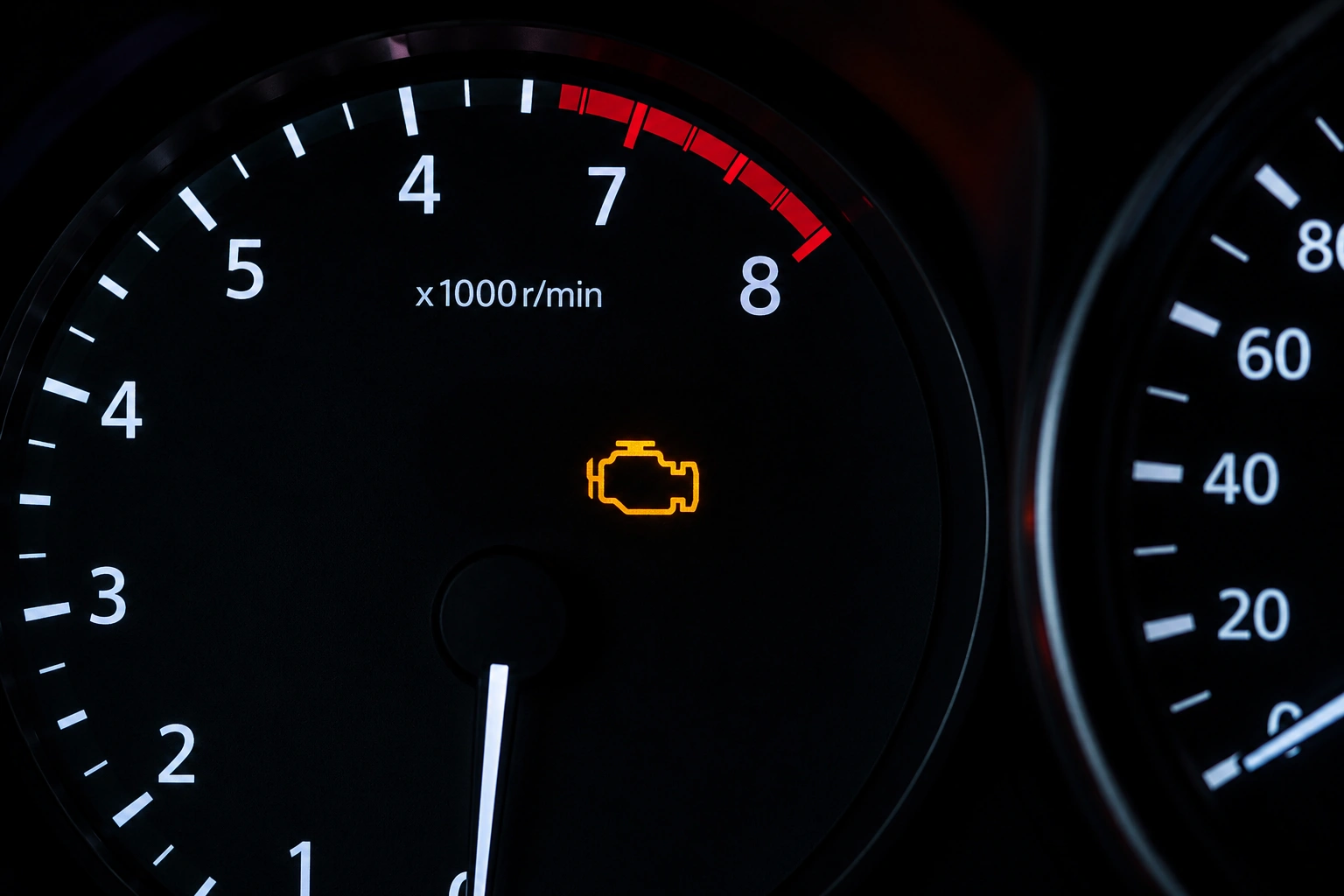
A free code read tells you a trouble code is stored, but it is not a full check engine light diagnostic in Los Angeles. The code points to a system or symptom—not the exact failed part—so it is a useful first clue, not a repair plan. If the light is steady and the car drives normally, the code is a good starting point. If the light is flashing, or the car is running poorly, you need a real diagnosis before replacing anything. Confirming the true cause first is what prevents buying parts that never fix the problem.
What does a free code read actually tell you?
When a parts store scans your car, it pulls the diagnostic trouble code (DTC) stored in the vehicle's computer. That code is a standardized label, like P0171 or P0300, that describes where the system noticed something out of range—for example, a lean fuel mixture or a misfire.
What the code does not tell you is which specific part failed or why. A single code can have several possible causes, and one underlying fault can trigger multiple codes. Reading the code is the easy part; interpreting it correctly is the work that follows.
That is the gap between a free scan and a real check engine light diagnostic. A proper diagnosis uses the code as a lead, then tests the components and circuits involved to confirm the true cause before any part is replaced.
Quick Answer: When do you need a check engine light diagnostic in Los Angeles?
A free code read may be enough when the light is steady, the car drives normally, and the code points to something simple like a loose gas cap. You likely need a full diagnosis when:
- The check engine light is flashing, which often signals a more serious issue.
- The car is running rough, stalling, hesitating, or losing power.
- The same code returns after you clear it or replace a part.
- Multiple codes are present, or the code is electrical or intermittent.
- You need to pass a smog check, or want a firm repair estimate.
If you are unsure which situation you are in, it is safer to have the car looked at rather than guess and start swapping parts.
Free code read vs. a full diagnostic: what's the difference?
Both have a role, but they answer different questions. This table shows how they compare.
|
Step |
What it gives you |
Best for |
What it doesn't do |
|
Free code read |
A stored trouble code |
A quick first clue |
Confirm which part actually failed |
|
Code read plus live data |
Codes and basic sensor data |
Narrowing the problem area |
Test components under load |
|
Full shop diagnostic |
A tested, confirmed root cause |
An accurate repair plan and estimate |
Rule out every future fault on an aging car |
The cost and time for a full diagnosis depend on the vehicle and how complex the fault is, so the most reliable answer comes after a technician reviews the car. Accurate diagnosis helps reduce unnecessary repairs and delays.
How accurate are AutoZone-style code readers?
Basic code readers are generally accurate at doing one thing: reporting the trouble codes the car's computer has stored. That part is reliable. The limitation is interpretation.
The reader cannot test whether a sensor is truly faulty, whether wiring is damaged, or whether a vacuum leak is causing a code somewhere else. It reports the symptom the computer logged, not the root cause. So the accuracy question is less about the tool and more about what happens next: a code is data, and a diagnosis is the conclusion drawn from testing that data.
Clearing the code without fixing the cause usually just resets the light until the problem trips it again. That is why a confirmed cause matters more than a cleared code.
What signs mean you should stop guessing and get a diagnosis?
A few patterns are clear signals to move past the free code read:
- A flashing check engine light, which can indicate an active misfire that may damage the catalytic converter.
- Noticeable performance changes such as stalling, rough idle, or hesitation.
- A code that keeps coming back after being cleared or after a part was replaced.
- Several codes at once, which can point to one deeper underlying issue.
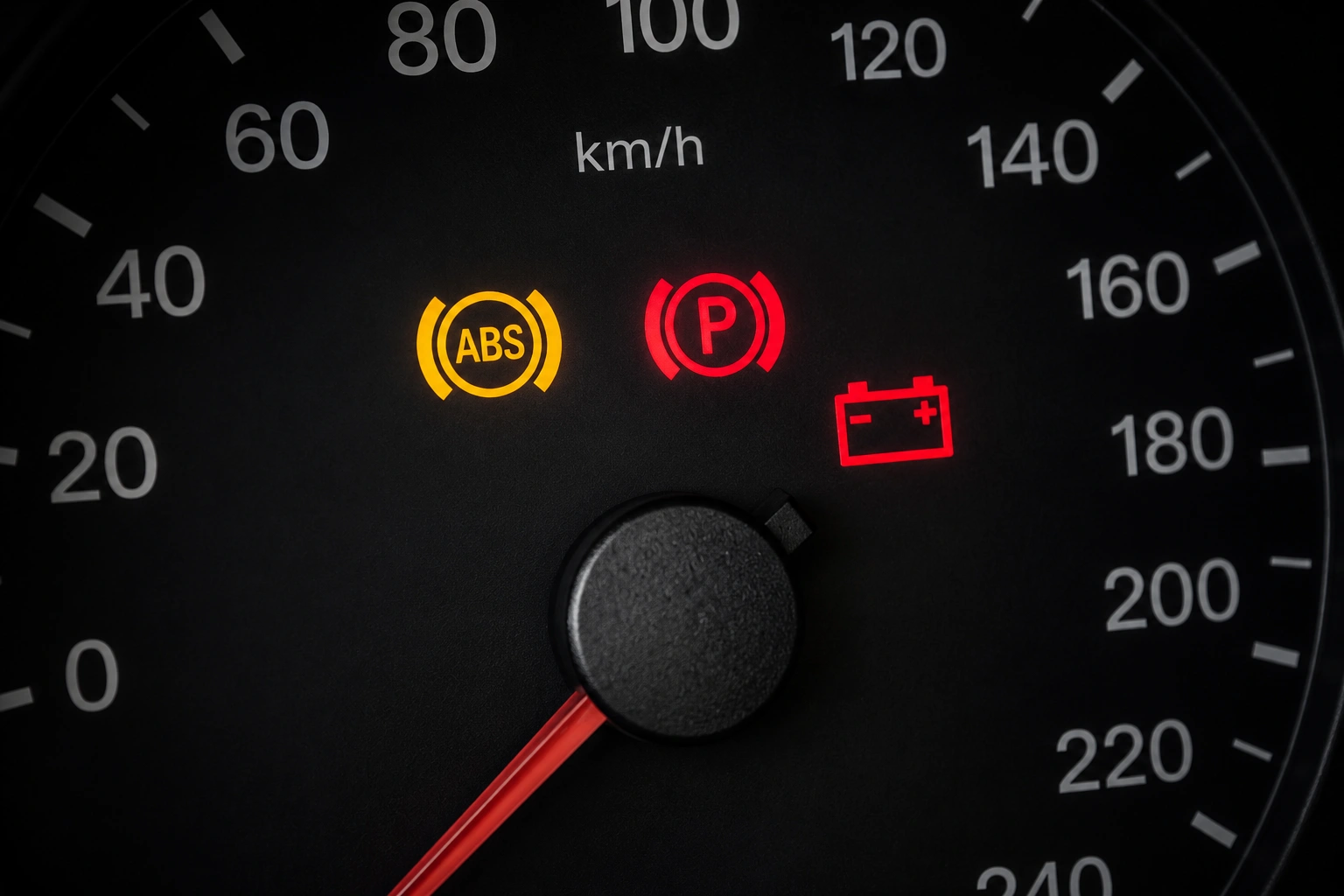
- Other warning lights appearing alongside the check engine light.
When you see these, testing beats guessing—both for safety and for your wallet.
How Los Angeles driving conditions factor in
Local driving conditions in Echo Park, Silver Lake, and Downtown LA can accelerate wear on engines, fluids, and emissions components, and that wear often shows up first as a check engine light.
Stop-and-go traffic on the 101 and surface streets keeps the engine cycling and heat-soaked, which can surface sensor and emissions faults. The steep hills around Silver Lake and Echo Park add load that may expose misfires or transmission-related codes. California's strict smog standards also mean a stored code or an illuminated light can stand between you and passing a smog check. A diagnosis that accounts for how and where you drive is more useful than a code read alone.
What can happen if you act on the code alone?
Replacing parts based only on a code—without confirming the cause—can backfire. The common outcomes are:
- Buying the wrong part and still having the same problem.
- A returning check engine light after a temporary reset.
- Reduced safety if a flashing-light condition is ignored.
- A failed smog check if the underlying emissions fault remains.
- Higher total cost once trial-and-error parts add up.
A confirmed diagnosis replaces guesswork with one accurate repair plan.
What should you check before bringing your car in?
A few notes make the diagnosis faster and the estimate clearer. Before your visit, note:
- The trouble code(s) if a store already read them for you.
- Whether the check engine light is steady or flashing.
- Any performance changes—stalling, rough idle, hesitation, or poor fuel economy.
- Noises, smells, or vibration and when they happen.
- The car's mileage and any recent repairs or parts already replaced.
- Whether the issue is constant or intermittent.
- Whether a smog check is coming up.
Sharing this when you call helps match the right diagnostic approach to your car's symptoms.
How do you choose a trustworthy auto repair shop in Los Angeles?
Good auto service depends on clear inspection findings, honest recommendations, and matching the repair to the vehicle's needs. With a check engine light, you want a shop that confirms the cause rather than reacting to the code alone.
Practical things to look for in a mechanic near Silver Lake or Echo Park:
- A clear diagnostic process that tests before recommending parts.
- Transparent communication about findings and cost before work begins.
- Recommendations that match the symptom instead of broad upsells.
- Quality parts and proper diagnostic tools.
- Local experience with stop-and-go traffic, hills, and California smog requirements.
- The option to call first and confirm timing and next steps.
The goal is a shop that turns a code into a clear answer. If you have a code in hand and questions about it, you can contact the shop and describe what your car is doing.
How does Speedway Tire & Service help?
Speedway Tire & Service is a local tire and auto repair shop in Los Angeles, on West Sunset Boulevard, serving drivers in Echo Park, Silver Lake, Downtown LA, Chinatown, Lincoln Heights, and nearby neighborhoods.
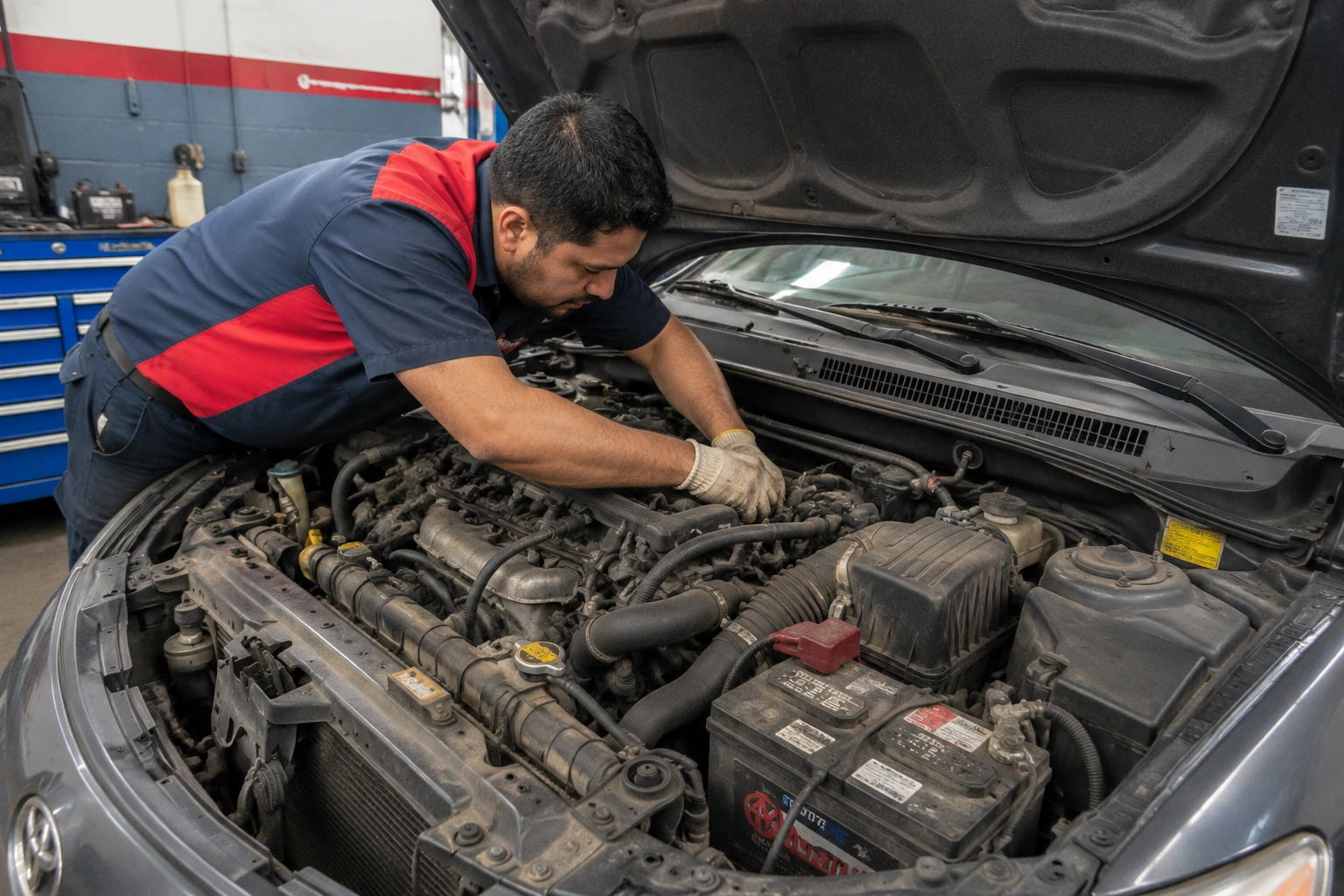
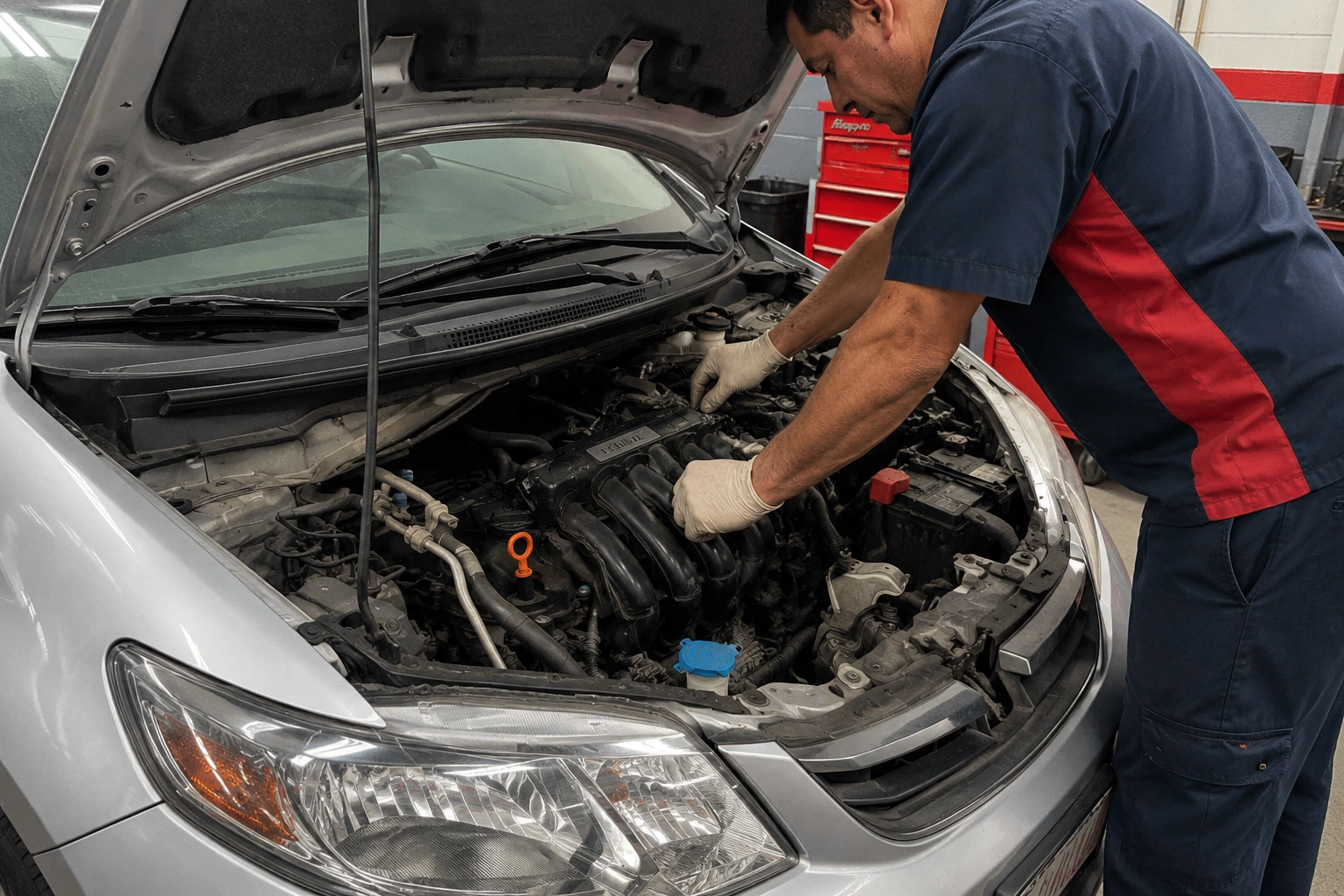
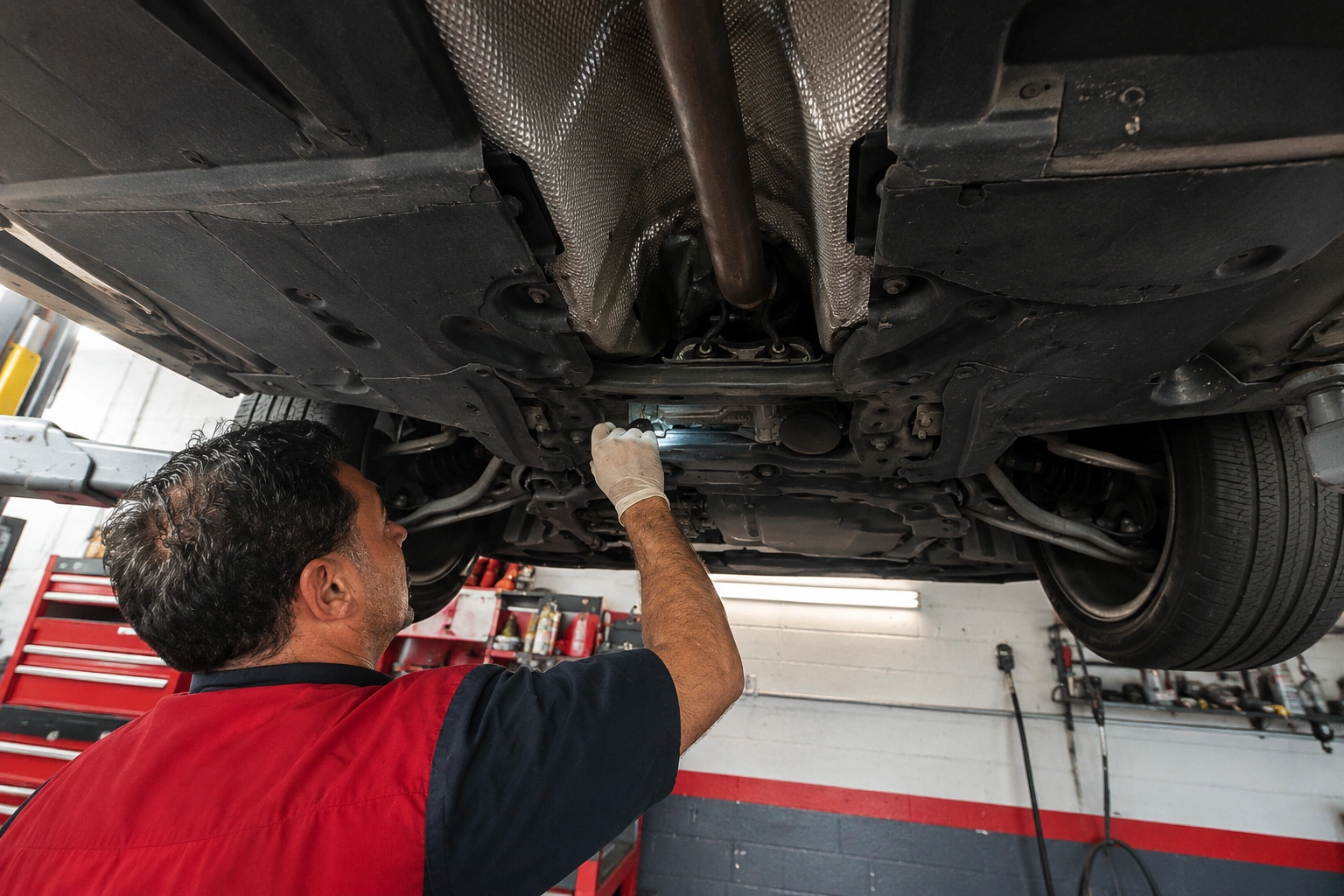
If you already have a code from a parts store, the team can take it from there—using diagnostic tools to test the systems involved and confirm the real cause through engine diagnostics, then explaining the findings in plain language. From there, you can see how the diagnosis connects to the right repair across the full range of auto repair and maintenance services.
Diagnostic scope, timing, and cost are confirmed after the vehicle is reviewed, and the recommended work is shared with you before anything is approved. Timing may vary depending on parts availability, shop workload, and how complex the fault is, so calling first to confirm current availability is a good first step.
Steps to get service from Speedway Tire & Service
- Call the shop at (213) 250-4254 or review the relevant service page for your issue.
- Share any trouble codes, the warning light behavior, and symptoms.
- Confirm the right diagnostic approach for your vehicle.
- Bring the car in so the cause can be tested and confirmed.
- Review the findings and the recommended repair estimate before approving it.
- Complete the repair, and follow any after-service advice to keep the light off.
Frequently Asked Questions about check engine light diagnostics
AutoZone read my codes for free, so do I still need a shop diagnostic in LA?
Often, yes. A free code read tells you which trouble code is stored, which is a helpful first clue, but it does not confirm the actual cause. A check engine light diagnostic in Los Angeles uses that code as a starting point, then tests the components and circuits to identify the real problem. If the light is flashing or the car is running poorly, a full diagnosis is the safer, more cost-effective next step.
What is the difference between an OBD2 code and a diagnosis?
An OBD2 code is a standardized label that shows where the car's computer detected something out of range. A diagnosis is the testing and reasoning that turns that code into a confirmed cause. One code can have several possible sources, and one fault can set multiple codes. Reading the code is quick; diagnosing it correctly takes a technician, tools, and sometimes a test drive to verify what truly needs repair.
Are AutoZone-style code readers accurate?
They are generally accurate at reporting the trouble codes a vehicle has stored. The limitation is that they do not test parts or confirm root cause. The reader reports the symptom the computer logged, not the failed component. So the code is reliable data, but acting on it without further testing can lead to replacing the wrong part. A full diagnosis interprets and verifies the code before any repair.
Can I just clear the code and keep driving?
Clearing a code without fixing the cause usually resets the light only until the problem trips it again. If the check engine light is steady and the car drives normally, careful short-term driving may be fine while you arrange a diagnosis. If the light is flashing or the car runs poorly, you should stop driving and get help promptly. Clearing codes also will not help you pass a smog check if the fault remains.
Does a check engine light affect a California smog check?
Yes. In California, an illuminated check engine light or certain stored codes can cause a smog check to fail, regardless of how the car feels to drive. Because emissions standards here are strict, it is worth diagnosing and resolving the underlying cause before a smog appointment. Confirming and fixing the real issue, rather than clearing the code, is what helps the vehicle pass and stay compliant.
Do I need an appointment for a check engine light diagnostic?
Calling first is the best approach. It lets the shop confirm current availability, advise whether to bring the car in right away, and explain how the diagnostic process works for your vehicle. Walk-in availability can change based on shop volume, so a quick phone call helps you avoid waiting and ensures enough time is set aside to test the car and identify the cause properly.
Call Speedway Tire & Service Today
If a parts store read your codes and you are unsure whether you still need a check engine light diagnostic in Los Angeles, the safest next step is to confirm the real cause before replacing anything. For drivers in Echo Park, Silver Lake, Downtown LA, or nearby neighborhoods, call Speedway Tire & Service at (213) 250-4254, review the services page, or contact the shop to discuss your codes and next steps. Turning a code into a confirmed diagnosis helps you avoid paying for parts your car never needed.
Looking for an honest Auto Repair Shop in Los Angeles? Call Speedway Tire and Service Today
Whether you’re driving through LA traffic or cruising the freeways, your car deserves expert care. Located in Los Angeles, Speedway Tire and Service offers reliable oil changes, brake repairs, tire services, and more—all backed by experienced technicians and honest pricing.