Why Did My Gas Mileage Suddenly Drop? Common Causes for Los Angeles Drivers
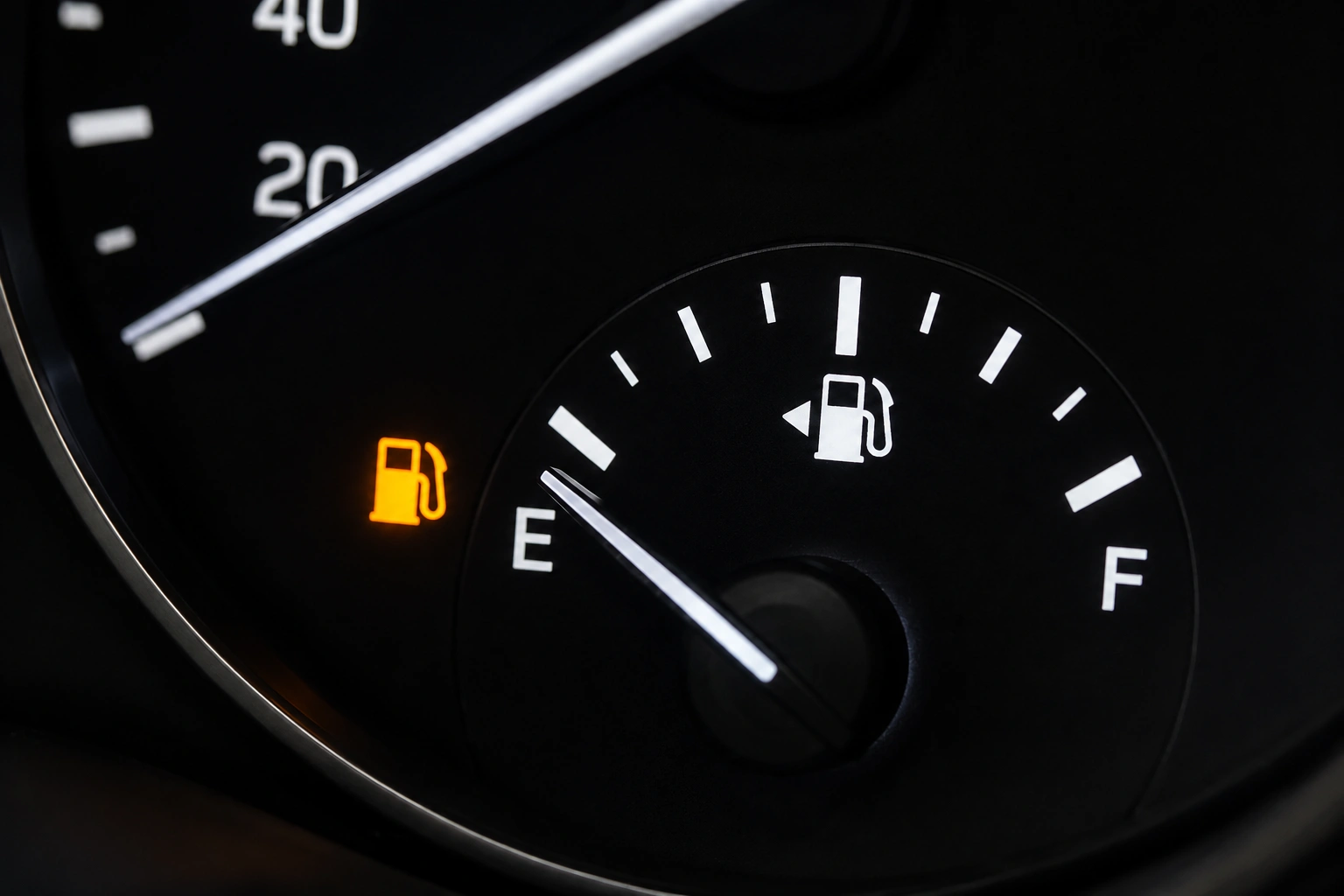
If you're asking why my gas mileage drop, the usual suspects are simple: underinflated tires, a dirty air filter, worn spark plugs, a failing sensor, dragging brakes, or just more stop-and-go traffic than usual. A sudden drop in fuel economy is your car's way of saying something changed. Some causes are easy maintenance fixes; others, like a sensor or emissions issue, show up as a check engine light. The reliable way to find out is an inspection that checks the common culprits in order, so you fix the real cause instead of guessing.
What does a drop in gas mileage actually mean?
Fuel economy reflects how efficiently your engine turns gasoline into motion. When mileage drops, it usually means the engine is working harder than it should, burning fuel it isn't fully using, or fighting extra resistance somewhere in the car.
A gradual decline over years is normal as a car ages. A sudden drop—noticeably more trips to the pump over a week or two—points to a specific change: a maintenance item that's overdue, a part that's wearing out, or a sensor feeding the engine bad information.
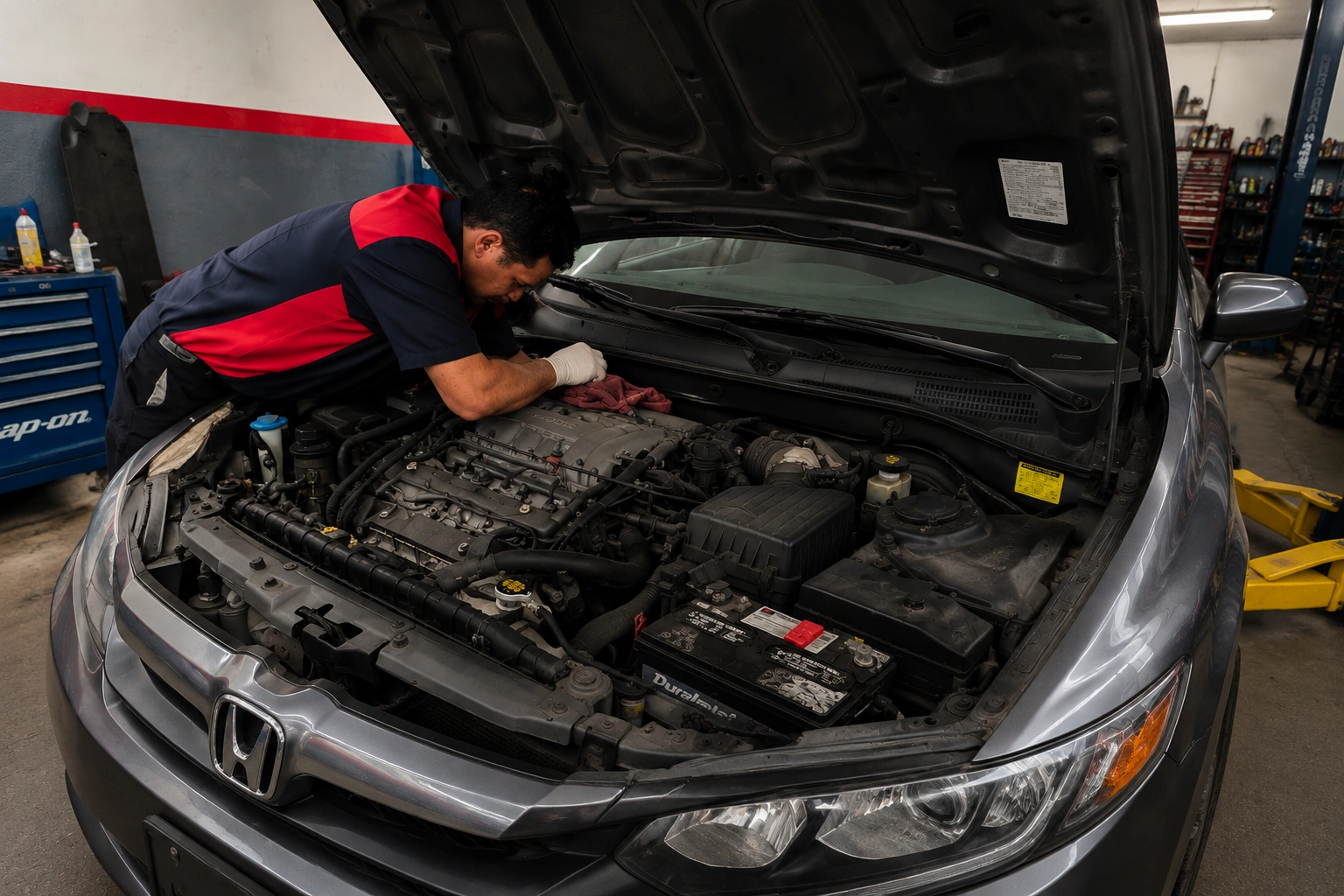
Because several systems affect fuel use, the smart approach is to check the common causes methodically rather than replace parts on a hunch. Tire, brake, and engine issues should be diagnosed before parts are replaced, and engine diagnostics can identify whether a sensor or emissions fault is behind the change.
When should you look into a gas mileage drop?
It's worth investigating when:
- Your fuel economy drops noticeably over a week or two with no change in driving.
- A check engine light appears around the same time the mileage falls.
- You're refueling more often on the same commute through Echo Park, Silver Lake, or Downtown LA.
- The drop comes with rough idling, hesitation, or reduced power.
- It's been a while since your last oil change, air filter, or tune-up.
A modest seasonal or traffic-related dip can be normal. A clear, sudden change is worth a look, since the cause is often an inexpensive maintenance item caught early.
What are the most common causes of a sudden mpg drop?
Several issues can quietly raise your fuel use. This table shows the common culprits and what to do about each.
|
Likely cause |
System |
What to do next |
Why it matters |
|
Underinflated tires |
Tires |
Check and set pressure |
Low pressure adds rolling resistance |
|
Dirty air filter |
Engine intake |
Inspect and replace |
Restricts airflow, richens fuel use |
|
Worn spark plugs |
Ignition |
Inspect at service |
Misfires waste fuel |
|
Failing O2 or MAF sensor |
Engine management |
Diagnose codes |
Bad data skews fuel mixture |
|
Dragging brakes |
Brakes |
Inspect calipers/pads |
Constant friction adds load |
|
Old engine oil |
Lubrication |
Change on schedule |
Thick, worn oil adds friction |
Notably, two of the most common causes—tire pressure and a dirty filter—are inexpensive to address. Keeping up with tire service and routine maintenance often restores lost mileage without a major repair.
What signs point to the cause of poor fuel economy?
The clues that come with the mileage drop help narrow things down:
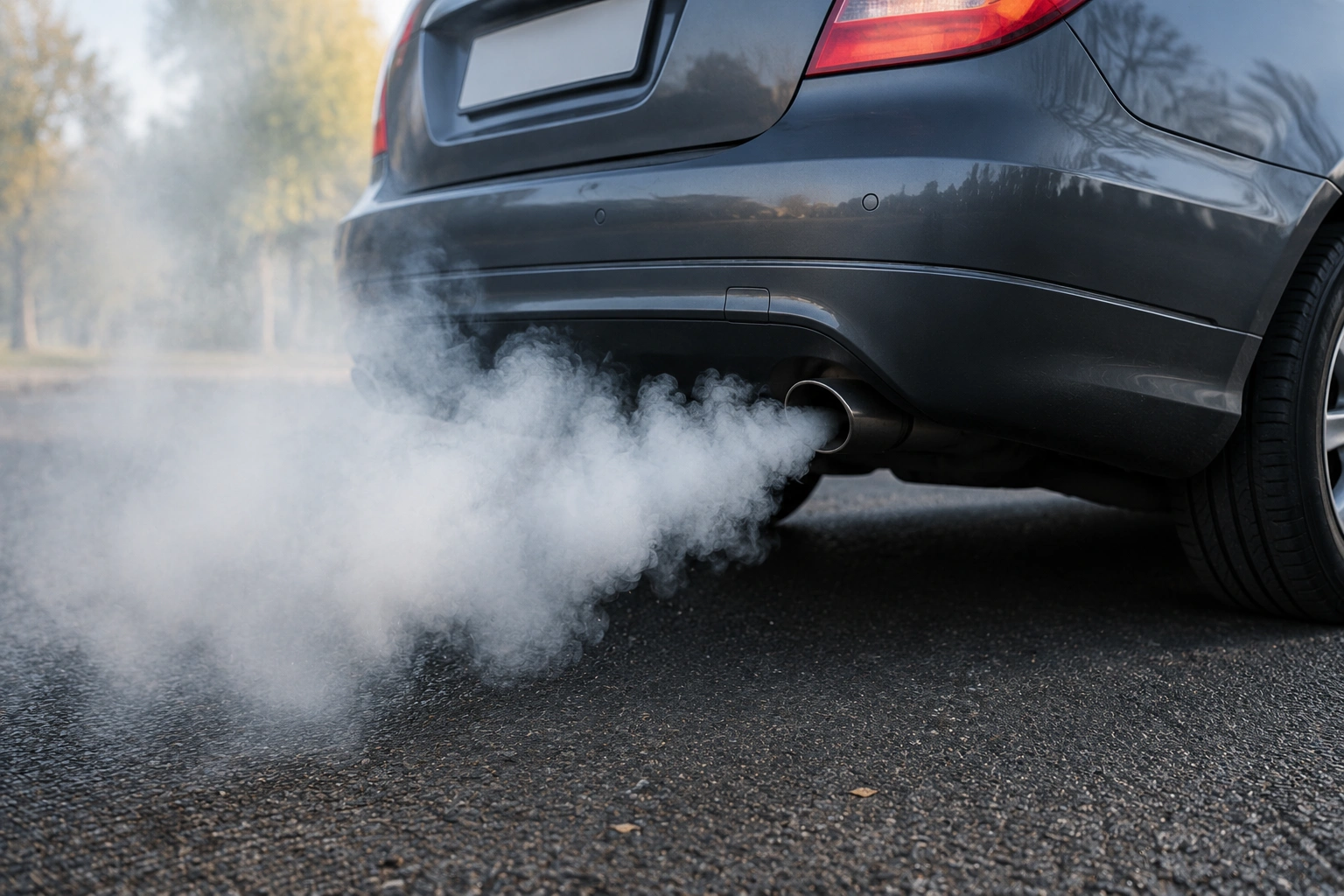
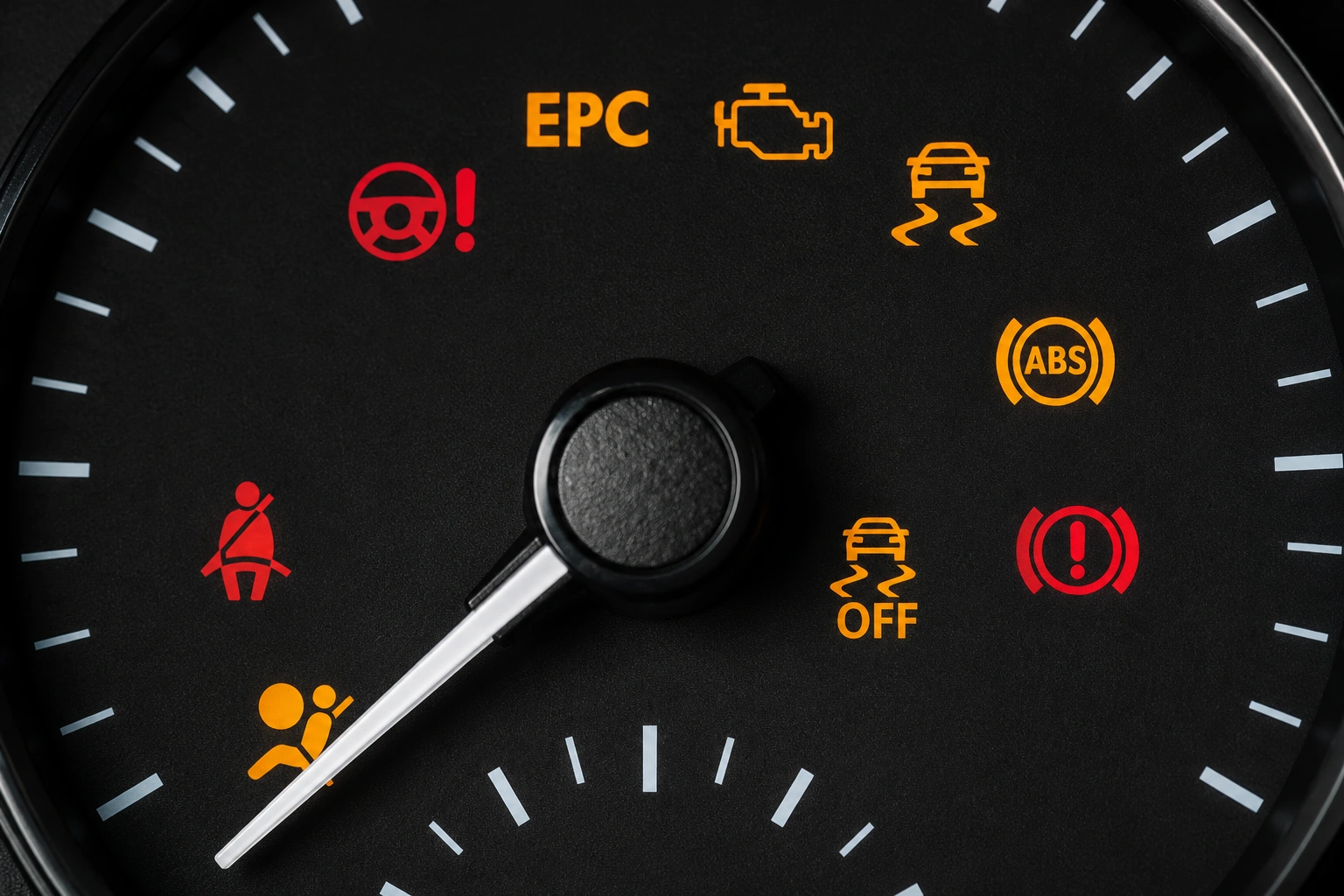
- A check engine light often points to a sensor, ignition, or emissions issue.
- Rough idling or hesitation can indicate spark plugs or fuel delivery.
- A low tire-pressure (TPMS) light suggests underinflation adding resistance.
- A car that feels sluggish may have a clogged air filter or dragging brakes.
- No symptoms at all, just more fuel use—often overdue maintenance.
Matching the symptom to the likely system helps the shop confirm the cause efficiently.
What causes mileage to drop in Los Angeles driving conditions?
Local driving conditions in Echo Park, Silver Lake, and Downtown LA can pull fuel economy down on their own, and they also accelerate the wear that hurts mileage over time.
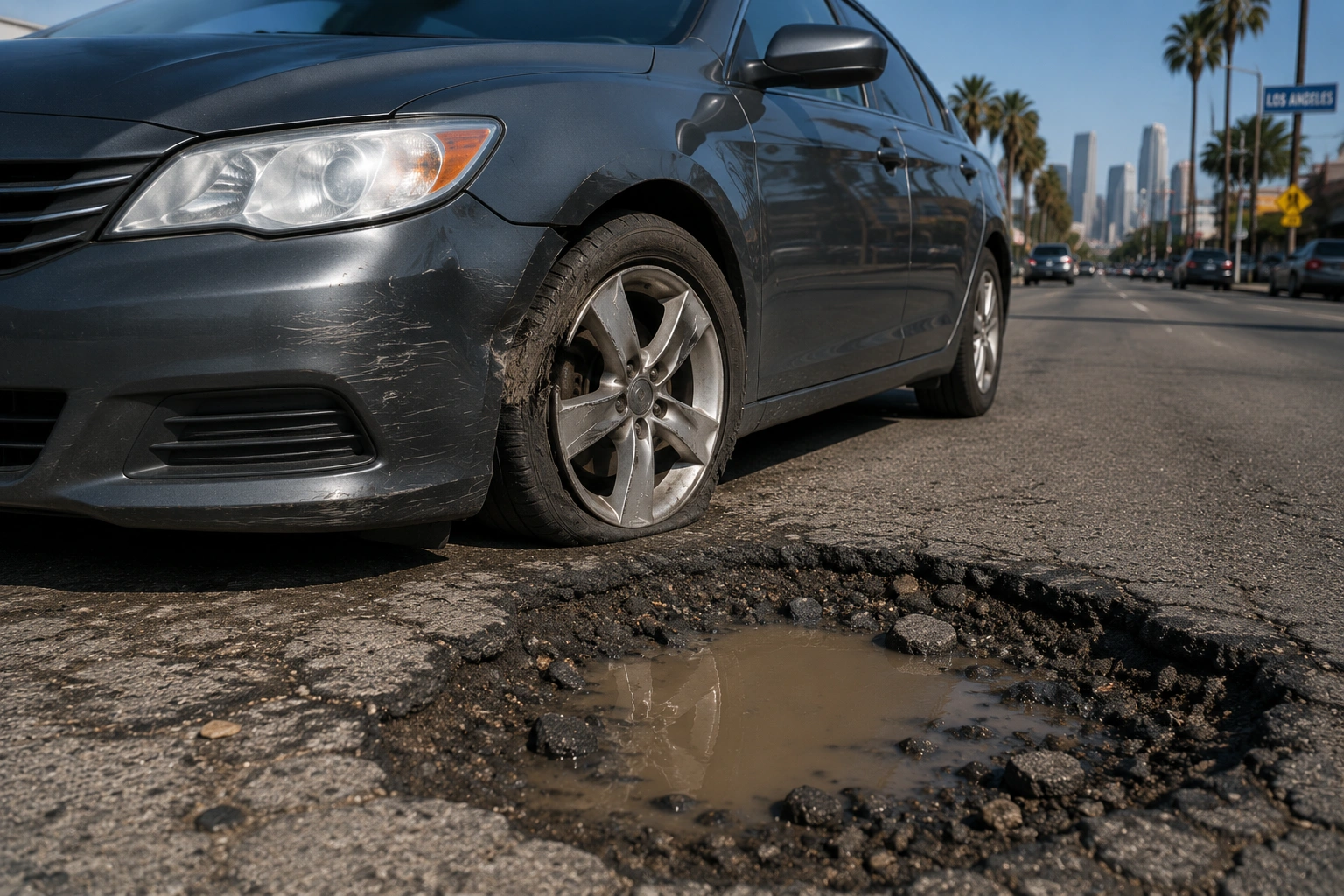
Stop-and-go traffic on the 101 and surface streets means constant acceleration and braking, which uses more fuel than steady cruising. The steep hills around Silver Lake and Echo Park demand more power, especially on short trips where the engine never fully warms up. LA heat affects tire pressure and makes the AC work harder, both of which nudge fuel use higher. Potholes can knock wheels out of alignment, adding rolling resistance. None of this means something is broken—but a sudden, lasting drop beyond what traffic explains is worth checking.
What can happen if you ignore a drop in fuel economy?
A mileage drop is often an early warning. Ignoring it can lead to:
- Higher fuel costs that add up quickly with daily LA commuting.
- A worsening problem if a misfire or sensor fault is left unaddressed.
- Reduced performance and rough running over time.
- Uneven tire wear if low pressure or alignment is the cause.
- A failed smog check if an emissions-related fault is behind it.
Because many causes are simple, addressing a mileage drop early is usually inexpensive and prevents a bigger repair later.
What should you check before bringing your car in?
A little information helps the shop find the cause faster. Before your visit, note:
- How much the mileage dropped and over what time frame.
- Any warning lights, including the check engine or low tire-pressure light.
- Changes in how the car runs: rough idle, hesitation, or lost power.
- Your tire pressure and any visible tire wear patterns.
- When the last oil change, air filter, or tune-up was done.
- The car's mileage and any recent repairs.
- Whether your commute or driving actually changed.
Sharing these details when you call helps match the right inspection to your situation.
How do you choose a trustworthy auto repair shop in Los Angeles?
Good auto service depends on clear inspection findings, honest recommendations, and matching the repair to the vehicle's needs. With a fuel economy issue, you want a shop that checks the common causes in order rather than jumping to an expensive part.
Practical things to look for in a mechanic near Silver Lake or Echo Park:
- A clear diagnostic process that rules out simple causes first.
- Transparent communication and a written estimate before work begins.
- Recommendations that match the symptom instead of broad upsells.
- Quality parts and proper diagnostic tools.
- Local experience with stop-and-go traffic, hills, and LA heat.
- The option to call first and confirm timing and next steps.
A shop that starts with tire pressure, filters, and a code check—before recommending major work—helps you avoid paying for the wrong fix.
How does Speedway Tire & Service help?
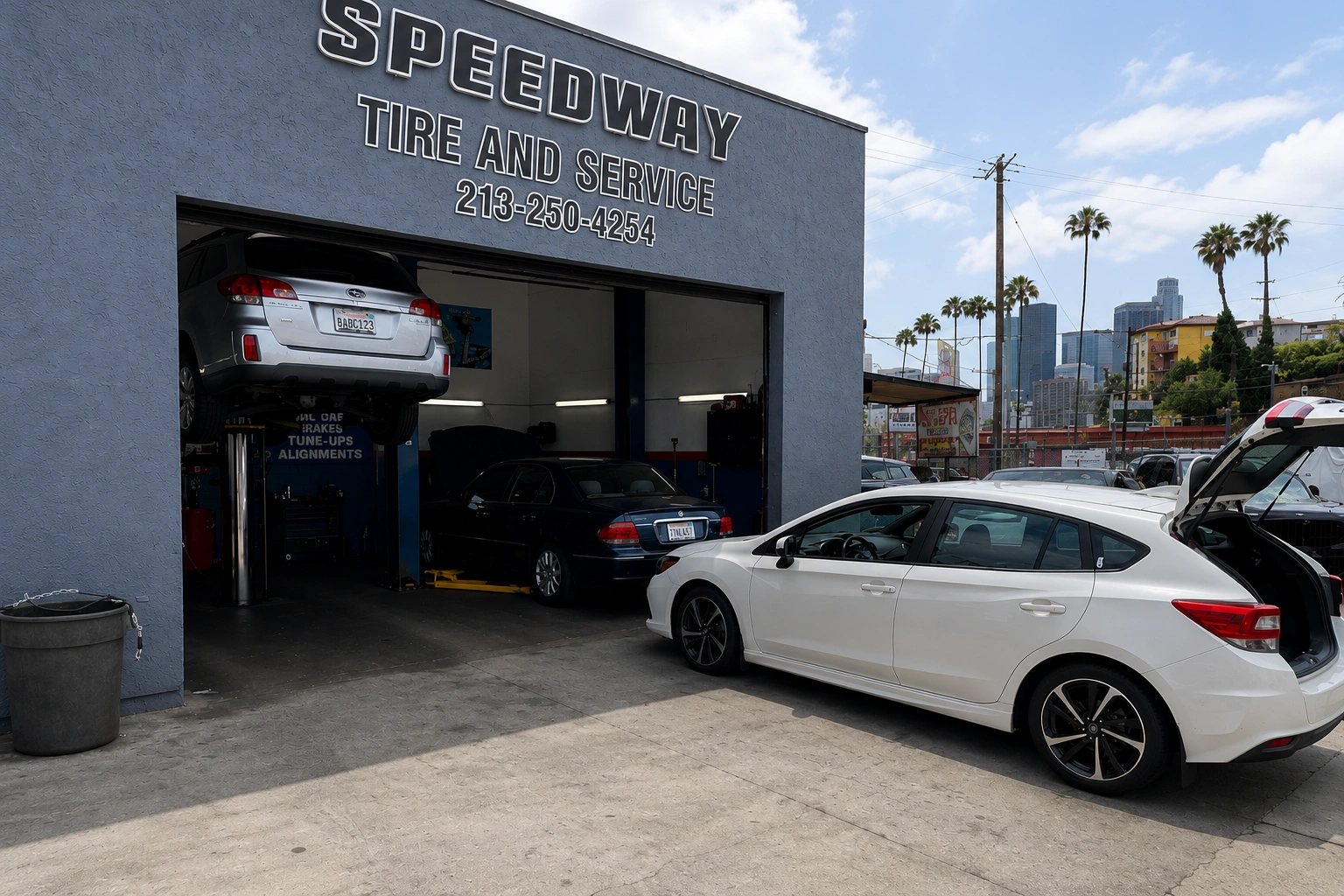
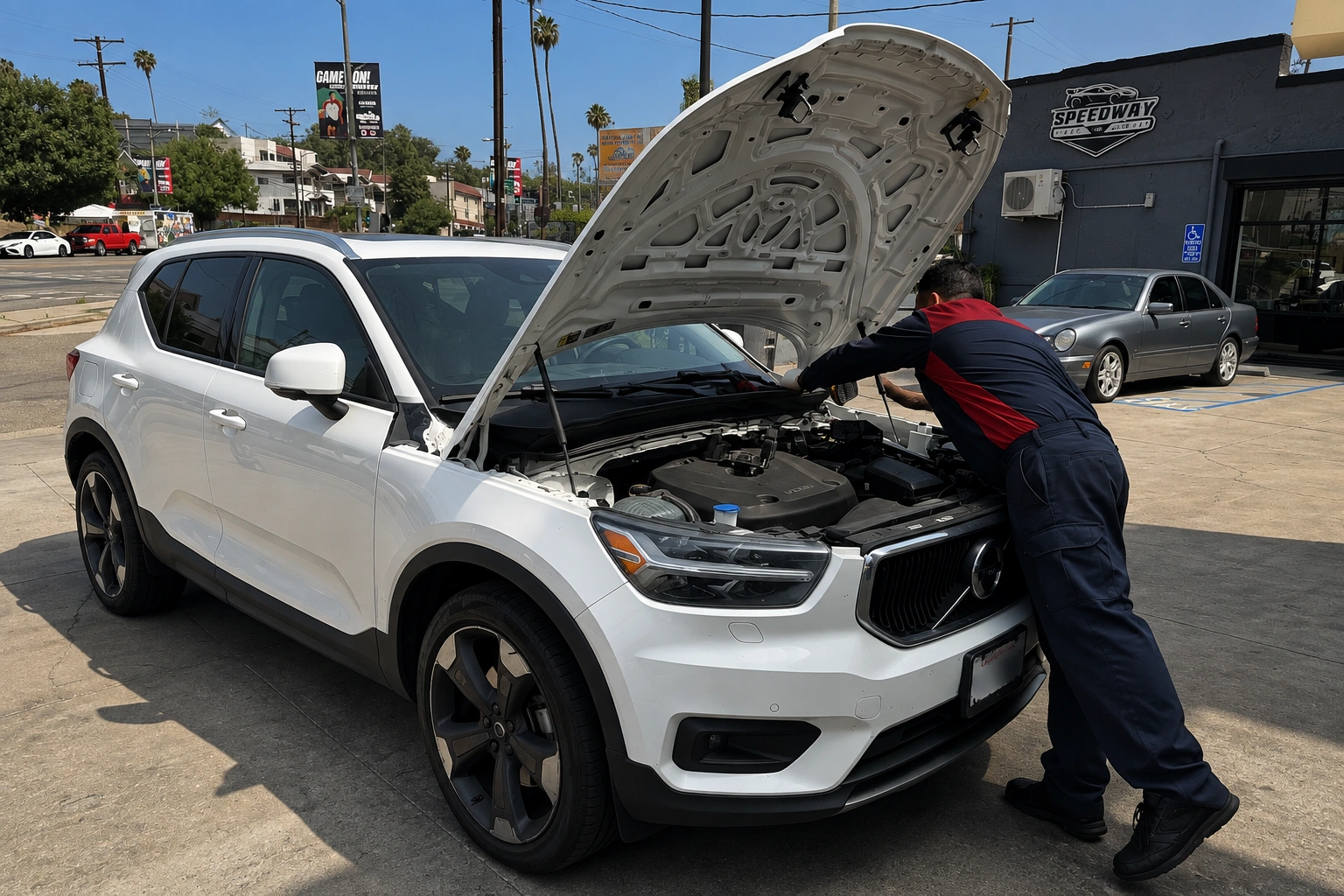
Speedway Tire & Service is a local tire and auto repair shop in Los Angeles, on West Sunset Boulevard, serving drivers in Echo Park, Silver Lake, Downtown LA, Chinatown, Lincoln Heights, and nearby neighborhoods.
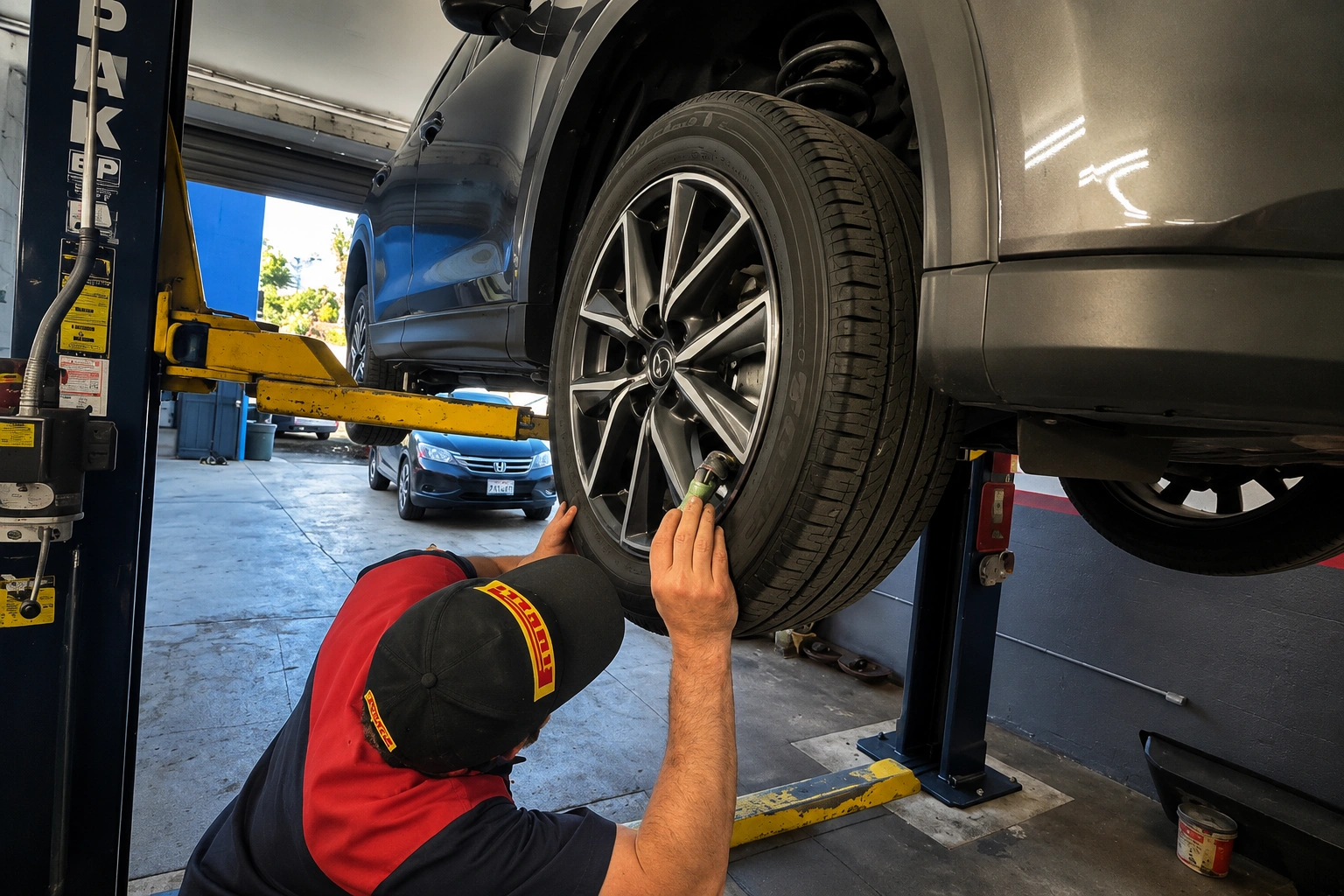
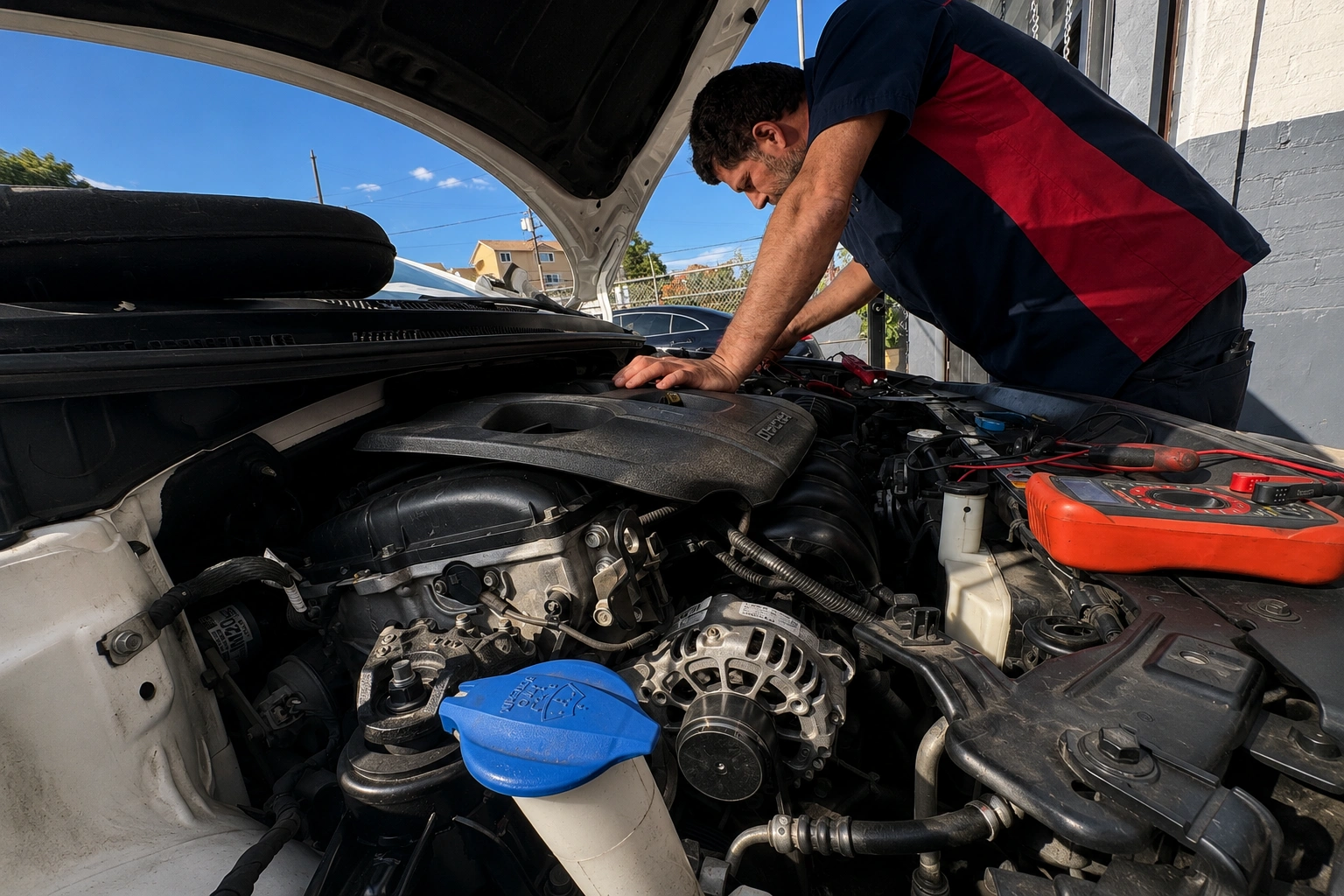
When fuel economy drops, the team can check the common causes—tire pressure and wear, air filter, spark plugs, sensors, brakes, and oil—and run diagnostics where a code is involved. You can see how these checks connect across the full range of auto repair and maintenance services, so the work is matched to what the inspection actually finds rather than guesswork.
Repair scope, timing, and cost are confirmed after the vehicle is reviewed, and the recommended work is shared with you before anything is approved. Timing may vary depending on parts availability, shop workload, and the complexity of the issue, so calling first to confirm current availability is a good first step.
Steps to get service from Speedway Tire & Service
- Call the shop at (213) 250-4254 or review the relevant service page for your issue.
- Describe the mileage drop, the time frame, and any warning lights or symptoms.
- Confirm the right inspection to check the common causes.
- Bring the car in so the cause can be identified.
- Review the recommended work and estimate before approving it.
- Complete the repair or maintenance and follow any after-service advice.
Frequently Asked Questions about a sudden gas mileage drop
Why did my gas mileage suddenly drop?
A sudden drop usually traces to a specific change: underinflated tires, a dirty air filter, worn spark plugs, a failing oxygen or mass-airflow sensor, dragging brakes, or overdue oil. Heavier stop-and-go traffic and LA heat can also play a part. Because several systems affect fuel use, the reliable approach is an inspection that checks the common causes in order, so you fix the real reason rather than replacing parts on a guess.
Can low tire pressure really lower my gas mileage?
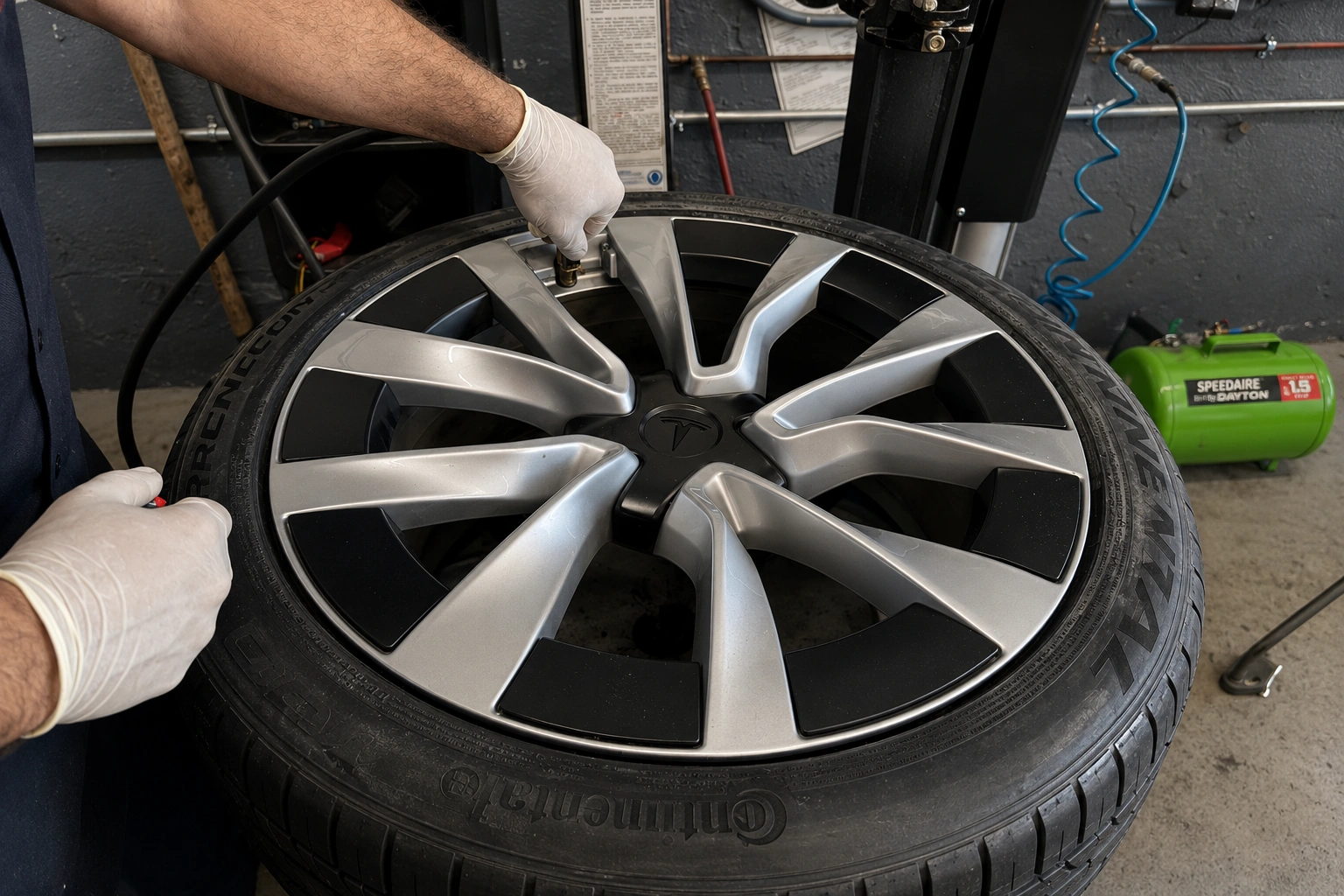
Yes. Underinflated tires increase rolling resistance, so the engine works harder and burns more fuel. It's one of the most common and least expensive causes of a mileage drop. LA heat and temperature swings can change tire pressure, and potholes can affect alignment, adding resistance too. Checking and setting the correct pressure—and inspecting tire wear and alignment—often restores lost fuel economy without any major repair.
Does a check engine light explain worse fuel economy?
It can. A check engine light often points to a sensor, ignition, or emissions issue—like a failing oxygen sensor or a misfire—that causes the engine to burn fuel inefficiently. If your mileage dropped around the time the light appeared, the two are likely related. A diagnostic scan and testing can confirm the cause. Addressing it also matters for passing a California smog check, where emissions faults can cause a failure.
Could Los Angeles traffic be the only reason for the drop?
Sometimes, yes. Stop-and-go traffic on the 101 and surface streets, steep hills in Silver Lake and Echo Park, short trips, and heavy AC use in LA heat all raise fuel consumption. If your commute or driving recently changed, that alone can explain a dip. But a clear, lasting drop beyond what traffic accounts for—especially with a warning light or rough running—is worth having checked to rule out a mechanical cause.
How long does it take to diagnose a fuel economy problem?
It depends on the cause. Simple checks like tire pressure, air filter, and a code scan are relatively quick, while tracing a sensor or intermittent fuel issue takes more testing. The most reliable timeframe comes after the shop reviews the car. Timing can also vary with parts availability and shop volume, so calling first to confirm availability and what to expect for your vehicle is a good idea.
Do I need an appointment to check a gas mileage issue?
Calling first is the best approach. It lets the shop confirm current availability, advise whether to bring the car in right away, and explain what the inspection involves for your vehicle. Walk-in availability can change based on shop volume, so a quick phone call helps you avoid waiting and ensures time is set aside to check the common causes of poor fuel economy and identify the real one.
Call Speedway Tire & Service Today
If you're wondering why my gas did mileage drop, the quickest path to an answer is an inspection that checks the common causes in order. For drivers in Echo Park, Silver Lake, Downtown LA, or nearby neighborhoods, call Speedway Tire & Service at (213) 250-4254, review the services page, or contact the shop to describe the change and next steps. Catching the cause early—often something as simple as tire pressure or a filter—helps restore your fuel economy and avoid a bigger repair.
Looking for an honest Auto Repair Shop in Los Angeles? Call Speedway Tire and Service Today
Whether you’re driving through LA traffic or cruising the freeways, your car deserves expert care. Located in Los Angeles, Speedway Tire and Service offers reliable oil changes, brake repairs, tire services, and more—all backed by experienced technicians and honest pricing.