We are Open: Call Now

Burning Smell While Driving in LA? What Each Type of Smell Actually Means

Burning Smell While Driving in LA? What Each Type of Smell Actually Means

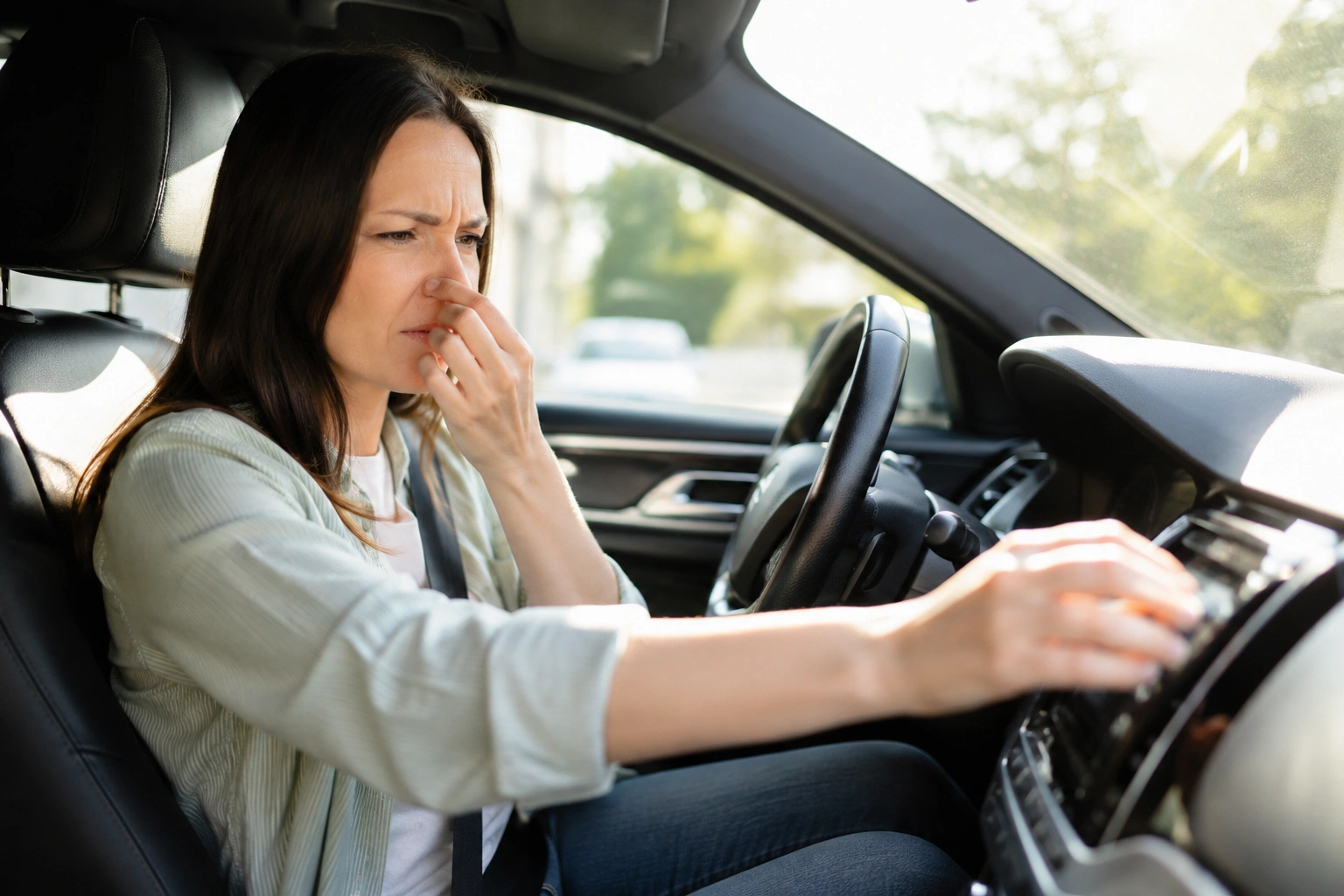
A burning smell while driving is your car telling you something is overheating, slipping, or wearing out—and the exact smell usually points to where. Burning rubber, hot oil, a sweet odor, and an electrical or “hot” smell each suggest different systems. Some are minor; others, like an electrical or burning-oil smell, deserve prompt attention. The safe move is not to guess but to note the type of smell and have the car inspected. If you ever see smoke or smell something electrical, pull over safely and stop driving. A quick diagnosis helps you fix the cause before it grows.

What does a burning smell from your car mean?

A burning smell means a material or fluid is getting hotter than it should—rubber rubbing where it shouldn't, oil or coolant landing on a hot surface, a clutch or brake overheating, or electrical insulation breaking down. The smell is a clue, and the type of smell narrows down the likely system.

Because several systems can produce heat-related odors, the smell alone doesn't confirm the exact part. Tire, brake, and engine issues should be diagnosed before parts are replaced, so the goal is to use the smell as a starting point and let an inspection confirm the cause.

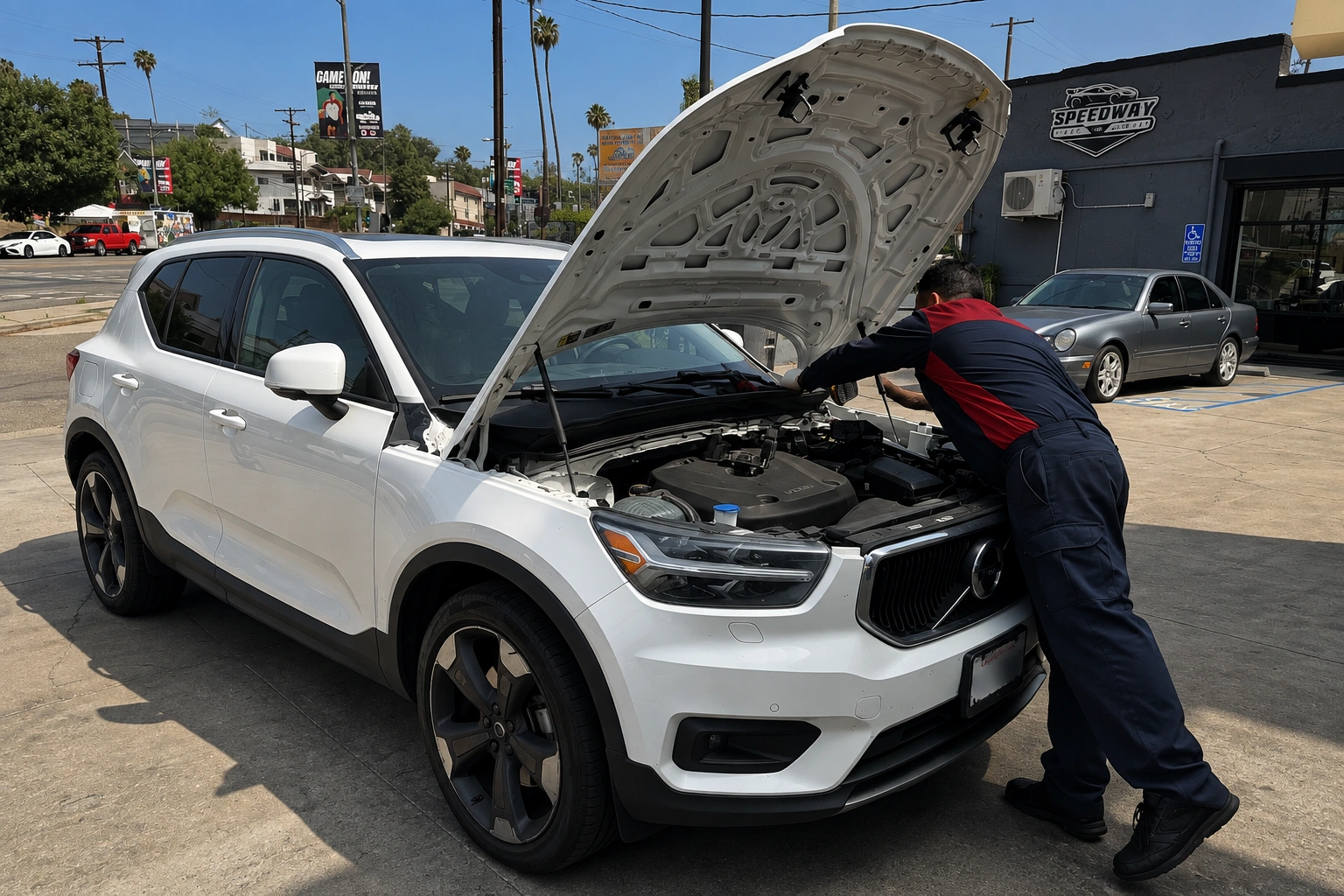
Some causes are urgent. If you notice an electrical or sharp “hot plastic” smell, see smoke, or the burning odor is strong and sudden, treat it as a safety issue, pull over when it's safe, and stop driving. For anything engine-related, engine diagnostics can help pinpoint the source.

Quick Answer: When do you need to act on a burning smell while driving?

Act right away—pull over safely and stop driving—if:

  • You see smoke from under the hood, the wheels, or the dashboard.
  • You smell burning plastic or an electrical, acrid odor.
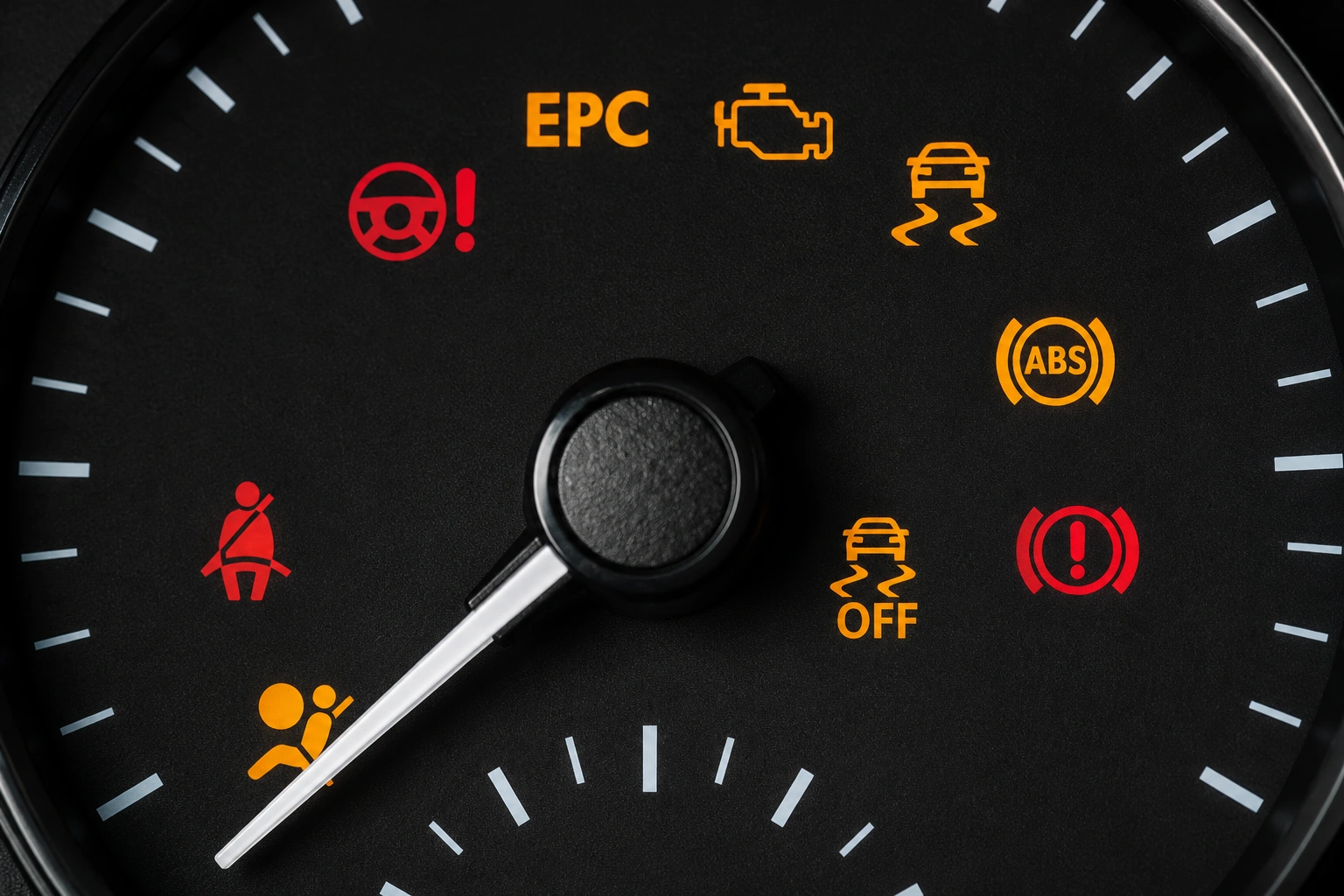
  • The smell is strong and sudden, or paired with a warning light or loss of power.

Get the car inspected soon, but it may be drivable carefully, if the smell is mild, intermittent, or clearly tied to something like new brake pads breaking in. When in doubt, call a shop, describe the smell, and confirm whether it's safe to drive in.

What does each type of burning smell mean?

Different odors point to different systems. Use this as a guide, then confirm with an inspection.

Smell

Likely system

What to do next

Why it matters

Burning rubber

Belt, hose, or a tire/trim contact

Have it inspected soon

A slipping belt or rubbing hose can fail

Hot oil

Oil leak onto hot engine parts

Check oil; inspect promptly

Leaks can worsen and risk engine damage

Sweet/syrupy

Coolant leak

Watch temp gauge; inspect

Can lead to overheating

Hot/acrid carpet

Overheating brakes or clutch

Slow down; inspect

Overheated brakes lose effectiveness

Electrical/plastic

Wiring or electrical fault

Stop driving; inspect now

Fire and failure risk

Burning paper

Clutch (manual) wearing

Inspect soon

Clutch wear affects drivability


Because these can overlap, the smell narrows the search but doesn't replace a proper diagnosis. Accurate diagnosis helps reduce unnecessary repairs and delays.

What signs tell you it's time for an inspection?

Beyond the smell itself, watch for clues that point to the source:

  • Smell after braking downhill or in heavy traffic—often points to hot brakes.
  • Smell with a temperature gauge climbing—can indicate coolant or cooling-system trouble.
  • Oil spots under the car or low oil on the dipstick alongside a hot-oil smell.
  • A squeal or chirp with a rubber smell—often a belt issue.
  • Dimming lights or blown fuses with an electrical smell.

Noting which clue accompanies the smell helps the shop zero in on the cause faster.

What causes burning smells in Los Angeles driving conditions?

Local driving conditions in Echo Park, Silver Lake, and Downtown LA can bring these smells on faster. Stop-and-go traffic, steep hills, heat, and daily commuting all add stress.

Riding the brakes down the steep hills around Silver Lake and Echo Park can overheat pads and produce a hot, acrid smell. Crawling through stop-and-go traffic on the 101 builds heat under the hood, so a small oil or coolant leak is more likely to be noticed. LA heat raises engine-bay temperatures overall, and long idle times give fluids and components less chance to cool. These conditions don't create problems out of nowhere, but they can surface a developing issue sooner—which is a good reason to have it checked early.

What can happen if you ignore a burning smell?

Ignoring a burning smell while driving can turn a manageable repair into a serious one. Risks include:

  • Reduced safety, especially if brakes overheat or an electrical fault develops.
  • Engine damage if an oil or coolant leak leads to overheating.
  • A belt or hose failure that can leave you stranded.
  • Higher repair costs as a small issue spreads to connected parts.
  • Vehicle downtime at a worse time than a planned visit.

Catching the cause early is almost always cheaper and safer than waiting for a breakdown.

What should you check before bringing your car in?

A few notes help the shop trace the smell quickly. Before your visit, note:

  • The type of smell: rubber, oil, sweet, electrical, or hot/acrid.
  • When it happens: while braking, climbing hills, idling, or at startup.
  • Any warning lights or a rising temperature gauge.
  • Smoke or haze from the hood, wheels, or vents.
  • Fluid leaks or spots under the car, and the oil level if easy to check.
  • Noises like squeals or chirps that come with the smell.
  • Mileage and any recent repairs (for example, new brakes).

If the smell is electrical or paired with smoke, don't keep driving to gather details—stop safely and call for guidance.

How do you choose a trustworthy auto repair shop in Los Angeles?

Good auto service depends on clear inspection findings, honest recommendations, and matching the repair to the vehicle's needs. With a burning smell, you want a shop that traces the source rather than replacing parts on a hunch.

Practical things to look for in a mechanic near Silver Lake or Echo Park:

  • A clear diagnostic process that confirms the cause before repairs.
  • Transparent communication and a written estimate before work begins.
  • Recommendations that match the symptom instead of broad upsells.
  • Quality parts and proper diagnostic tools.
  • Local experience with hill driving, stop-and-go traffic, and LA heat.
  • The option to call first and confirm whether the car is safe to drive in.

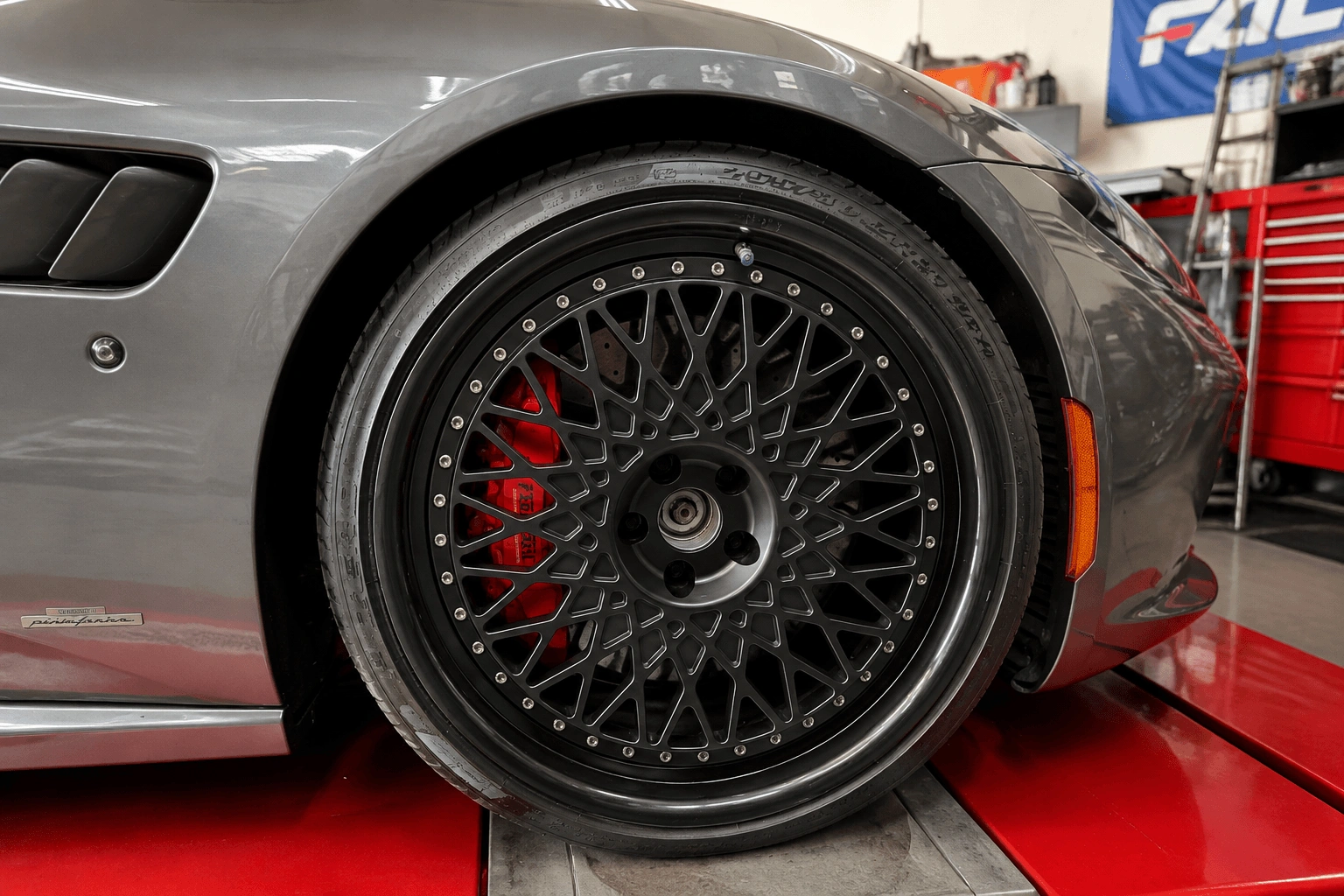
A shop that diagnoses before recommending parts saves you from paying for the wrong fix. If a hot-brake smell is your concern, brake repair starts with confirming why the brakes are overheating in the first place.

How does Speedway Tire & Service help?

Speedway Tire & Service is a local tire and auto repair shop in Los Angeles, on West Sunset Boulevard, serving drivers in Echo Park, Silver Lake, Downtown LA, Chinatown, Lincoln Heights, and nearby neighborhoods.

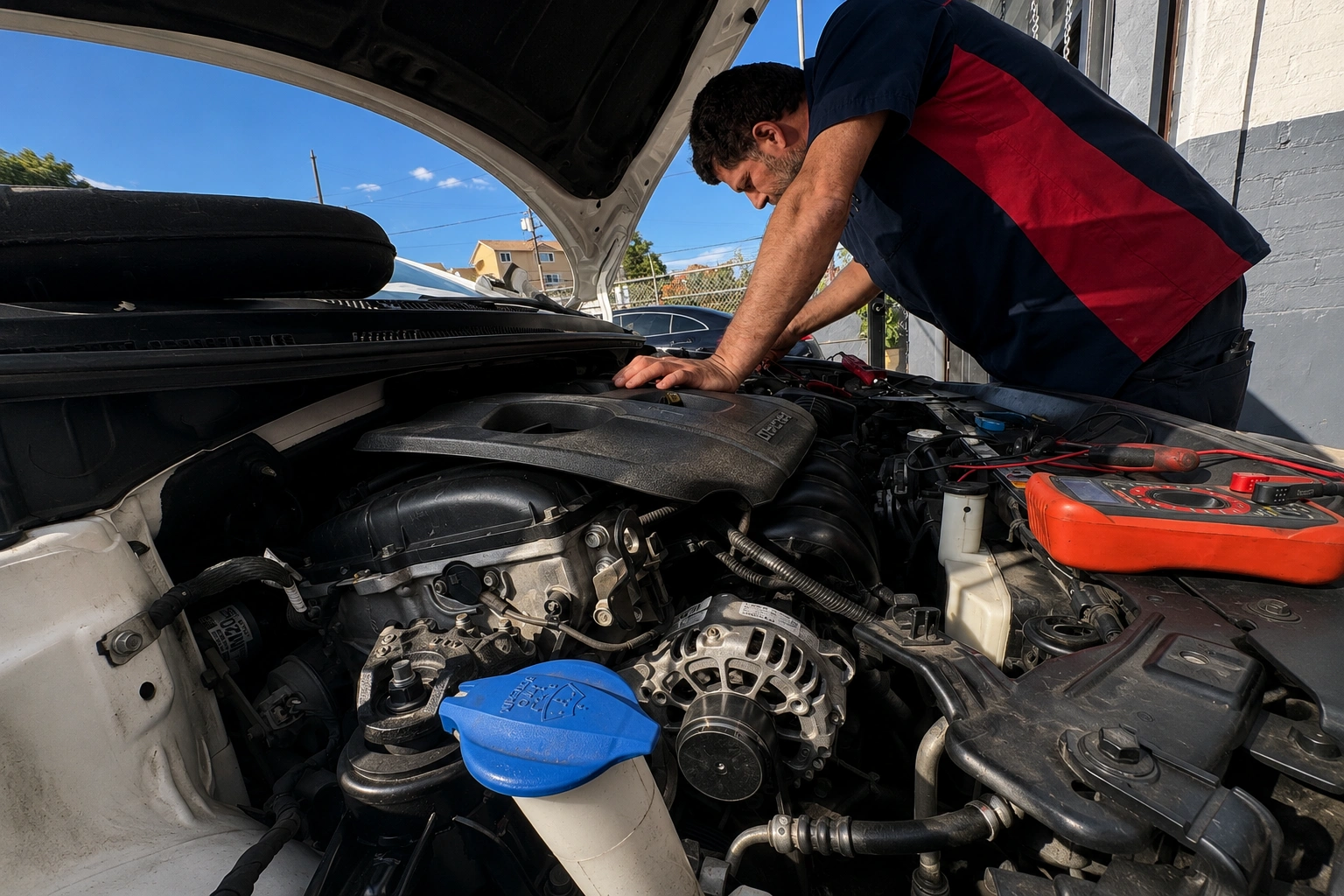
When a burning smell appears, the team can inspect the systems that commonly cause it—belts and hoses, oil and coolant leaks, brakes, and electrical components—and explain the findings in plain language. You can see how a diagnosis connects to the right repair across the full range of auto repair and maintenance services, from brakes to engine concerns.

Repair scope, timing, and cost are confirmed after the vehicle is reviewed, and the recommended work is shared with you before anything is approved. Timing may vary depending on parts availability, shop workload, and the complexity of the issue, so calling first—especially to confirm whether the car is safe to drive in—is a good first step.

Steps to get service from Speedway Tire & Service

  1. Call the shop at (213) 250-4254 or review the relevant service page for your issue.
  2. Describe the smell, when it happens, and any smoke, leaks, or warning lights.
  3. Confirm whether the car is safe to drive in, and the right inspection.
  4. Bring the car in so the source of the smell can be identified.
  5. Review the recommended work and estimate before approving it.
  6. Complete the repair and follow any after-service advice.

Frequently Asked Questions about a burning smell while driving

What does a burning smell while driving usually mean?

It means something is overheating or wearing out, and the type of smell points to the system. Burning rubber often suggests a belt, hose, or something contacting a tire; hot oil suggests a leak onto hot parts; a sweet smell points to coolant; a hot, acrid smell can mean overheated brakes; and an electrical or plastic smell suggests a wiring issue. The smell narrows the cause, and an inspection confirms it before any repair.

Is it safe to keep driving with a burning smell?

It depends on the smell. A mild, intermittent odor—or one from new brakes breaking in—may be drivable carefully while you arrange an inspection. But if you see smoke, smell burning plastic or an electrical odor, or notice the smell with a warning light or loss of power, pull over safely and stop driving. When unsure, call a shop, describe what you smell, and confirm whether it's safe to drive in.

Why do my brakes smell like burning after driving in LA hills?

Riding the brakes down the steep hills around Silver Lake and Echo Park, or braking hard in stop-and-go traffic, can overheat the pads and produce a hot, acrid smell. Occasional mild odor after steep descents can be normal, but a strong or persistent burning smell, reduced braking, or a pedal that feels different should be inspected promptly, since overheated brakes can lose effectiveness when you need them most.

What does an electrical burning smell in my car mean?

An electrical or “hot plastic” smell often signals overheating wiring, a failing component, or insulation breaking down, and it can come with dimming lights or blown fuses. Because of the fire and failure risk, this is one to treat seriously: stop driving when it's safe and have the car inspected before driving further. Describing the smell and any electrical symptoms when you call helps the shop prioritize the diagnosis.

Could a burning oil smell mean my car is low on oil?

It can. A hot-oil smell often means oil is leaking onto hot engine parts, and a leak can lower your oil level over time. If it's safe, check the dipstick, and watch for oil spots under the car. Driving with low oil or an unaddressed leak risks engine damage, so it's best to have the source found and fixed promptly rather than simply topping off and continuing to drive.

Do I need an appointment to diagnose a burning smell?

Calling first is the best approach. It lets the shop confirm current availability, advise whether the car is safe to drive in, and explain what the inspection involves. Walk-in availability can change based on shop volume, so a quick call helps you avoid waiting and ensures time is set aside to trace the smell. If the odor is electrical or paired with smoke, call before driving rather than after.

Call Speedway Tire & Service Today

If you notice a burning smell while driving in Echo Park, Silver Lake, Downtown LA, or a nearby neighborhood, the safest next step is a proper diagnosis rather than a guess. Call Speedway Tire & Service at (213) 250-4254, review the services page, or contact the shop to describe the smell and confirm next steps. And if you see smoke or smell something electrical, pull over safely, stop driving, and call before continuing. Finding the cause early keeps a small issue from becoming a costly one.

Looking for an honest Auto Repair Shop in Los Angeles? Call Speedway Tire and Service Today

Whether you’re driving through LA traffic or cruising the freeways, your car deserves expert care. Located in Los Angeles, Speedway Tire and Service offers reliable oil changes, brake repairs, tire services, and more—all backed by experienced technicians and honest pricing.
Image
With 25+ years of trusted experience, we repair all car makes and models, from new to classic. At Speedway, we offer competitive prices and precise service using the latest diagnostic technology.
Chat with us!
🏎️
Speedway Assistant
Online