TPMS Light Meaning and Safe Next Steps for Echo Park Drivers
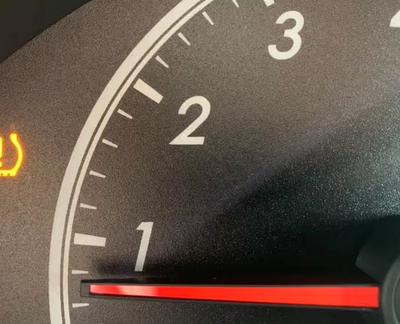
That glowing TPMS light is your vehicle’s warning about a tire-pressure or tire-monitoring problem. For Echo Park drivers navigating hilly streets, Downtown LA traffic, potholes, and freeways, correct tire pressure is important for handling, braking, fuel efficiency, and tire life.
A solid light usually indicates low pressure in one or more tires. A flashing light that later becomes solid often indicates a TPMS system malfunction. Both situations deserve attention.
What TPMS Means
TPMS stands for Tire Pressure Monitoring System. Vehicles use either direct sensors inside the wheels or an indirect system that compares wheel-speed behavior to detect possible underinflation.
Direct systems measure pressure at each sensor. Indirect systems use anti-lock braking and wheel-speed data to identify a tire that is rotating differently because its rolling diameter has changed.
What a Solid TPMS Light Means
A solid TPMS light generally means one or more tires are below the vehicle’s recommended pressure. Pressure may fall because of a slow leak, temperature change, puncture, valve problem, bead leak, or normal gradual air loss.
Check all four tires when they are cold and inflate them to the pressure shown on the driver’s door-jamb label or in the owner’s manual. Do not use the maximum pressure printed on the tire sidewall as the vehicle’s recommended setting.
What a Flashing TPMS Light Means
A TPMS light that flashes for a period after startup and then stays on may indicate a sensor, communication, programming, or system fault. The tires may be correctly inflated even though the warning remains.
Possible causes include a dead sensor battery, damaged sensor, incorrect sensor position after tire service, wiring problem, or a required relearn procedure. A qualified technician can scan the system and identify the affected sensor.
Common Causes of a TPMS Warning
Temperature Changes
Tire pressure changes with temperature. Cooler mornings can lower pressure enough to trigger a warning, while driving and sunlight raise pressure temporarily. Always measure pressure when the tires are cold.
A Slow Tire Leak
A puncture, valve stem, bead leak, or porous wheel may allow gradual air loss. If the warning returns after adding air, have the tire inspected rather than continuing to top it off.
A Fast Leak or Puncture
A sudden warning accompanied by pulling, instability, vibration, or visible deflation may indicate a puncture or impact. Pull over safely and do not drive on a severely underinflated or flat tire.
A Failed TPMS Sensor
TPMS sensor batteries eventually wear out. A flashing warning, properly inflated tires, and a system fault may indicate a sensor that needs replacement and relearning.
Recent Tire Rotation or Replacement
Some vehicles need a TPMS relearn after sensors move to different wheel positions. Follow the manufacturer’s reset procedure or ask a technician to program the system.
A Spare Tire Without a Sensor
Temporary spare tires often do not contain a TPMS sensor. The warning may remain until the repaired or replacement tire with a functioning sensor is installed.
What to Do When the TPMS Light Comes On
- Assess handling: If the vehicle pulls, feels unstable, vibrates, or has a visibly flat tire, slow down and pull over safely.
- Observe the warning: Note whether the light is solid or flashing.
- Check all four tires: Use a reliable gauge when the tires are cold.
- Inflate correctly: Use the door-jamb or owner’s-manual pressure specification.
- Monitor the light: If it returns, suspect a leak or unresolved system fault.
- Schedule inspection: Have tires, wheels, valves, sensors, and the TPMS system tested.
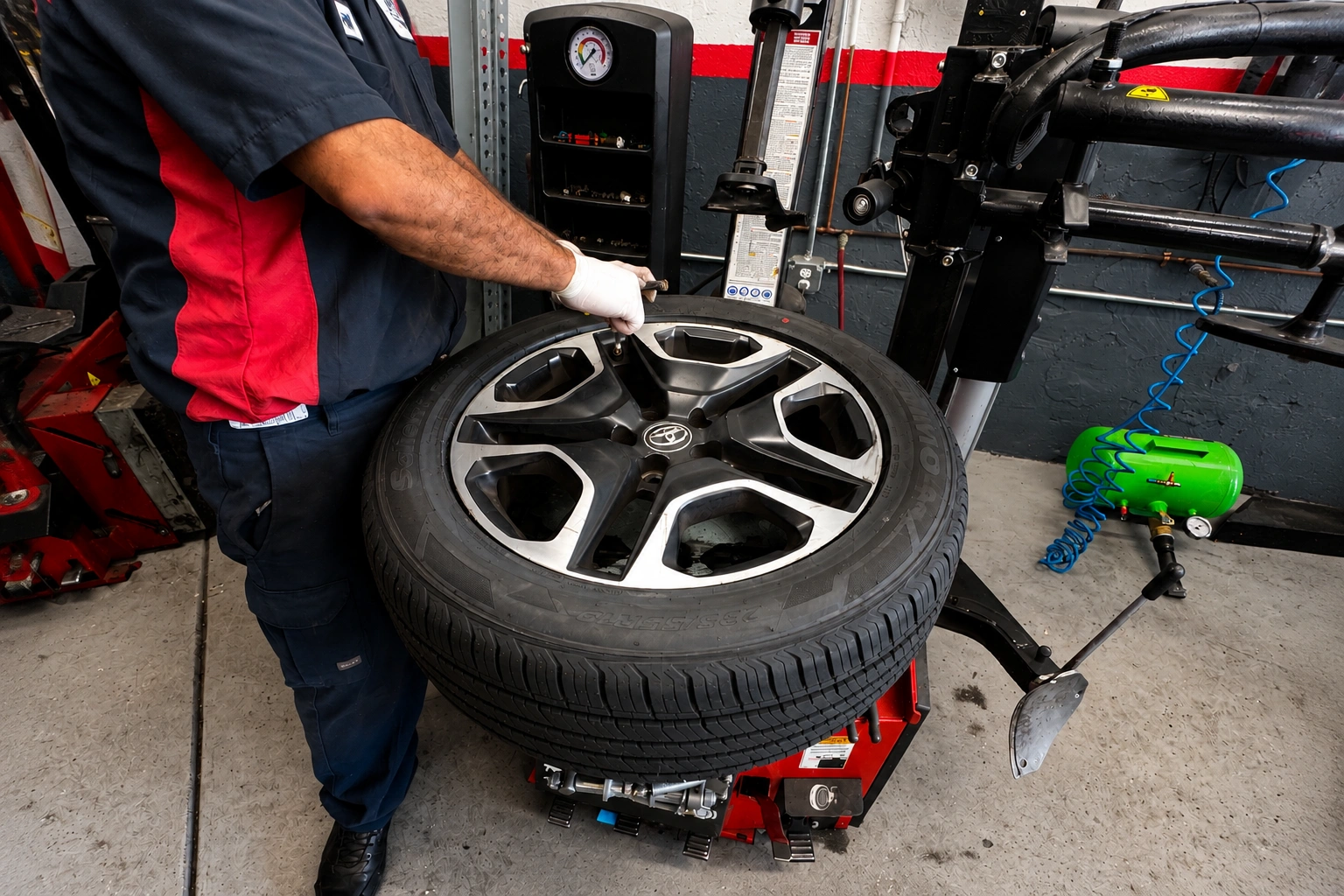
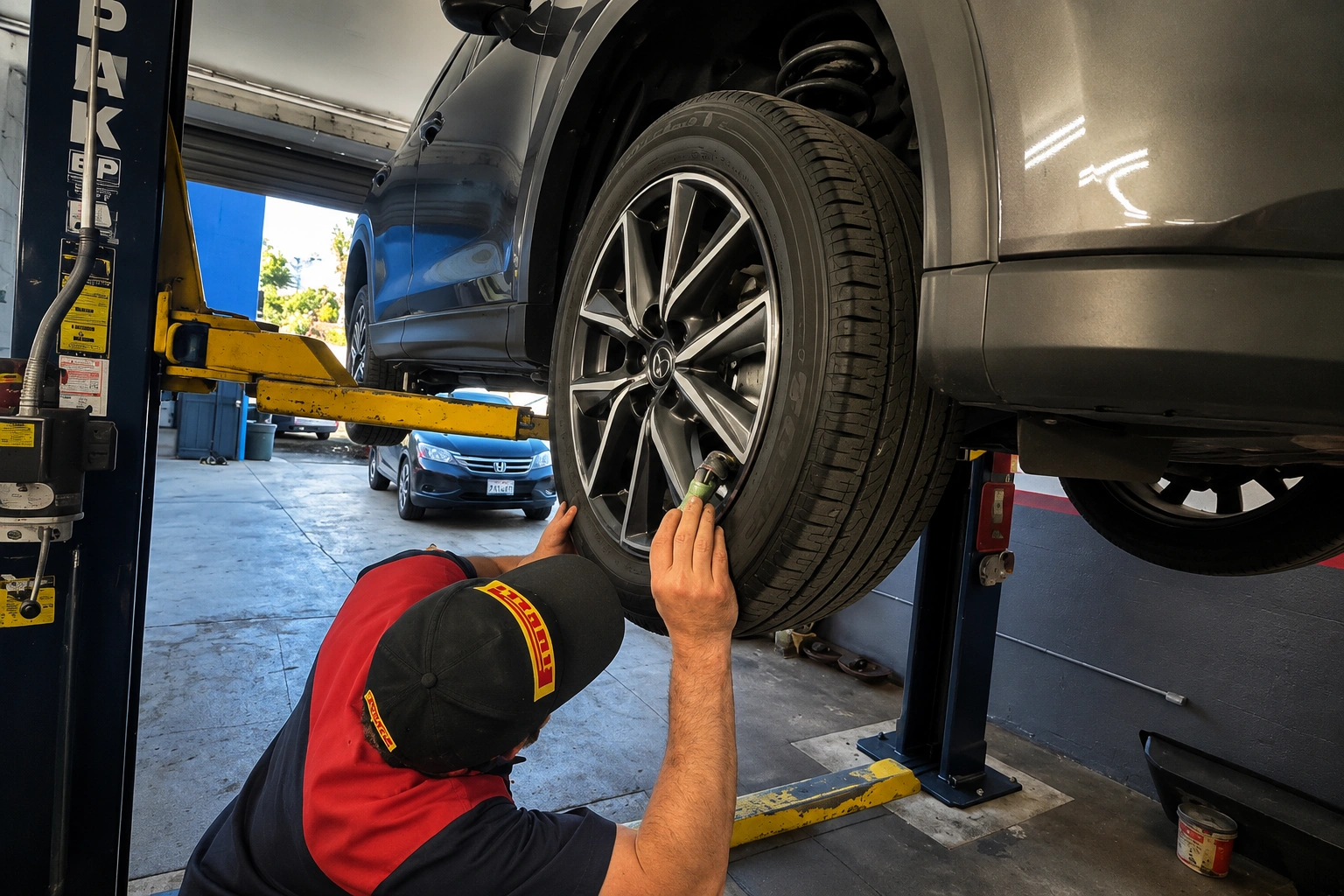
A professional tire inspection and TPMS service can check pressure, tread, sidewalls, punctures, valve stems, wheel condition, and sensor operation.
Why Correct Pressure Matters
Underinflated tires create more heat and rolling resistance, wear faster at the shoulders, reduce fuel efficiency, and may affect steering and braking. Overinflation can reduce the contact patch, create a harsh ride, and increase uneven center wear.
Review this guide to nitrogen versus air in tires for a practical explanation of pressure stability and why consistent checks matter more than the gas used in most commuter tires.
TPMS and Tire Rotation
TPMS does not replace a tire rotation schedule or visual inspection. Rotation helps distribute tread wear when permitted by the tire and vehicle design, while the monitoring system only warns about pressure or sensor conditions.
If the warning appeared after service, the sensor positions may need to be relearned. This guide to tire rotation in Los Angeles explains why pressure, wear, drivetrain, and rotation pattern should be considered together.
TPMS and Pothole Damage
Echo Park potholes and curb impacts can damage tires, wheels, valve stems, and TPMS sensors. A warning after an impact should not be dismissed as a temperature change without checking the tire and wheel.
Review these pothole damage warning signs when the TPMS light appears with vibration, pulling, a bulge, or a sudden loss of air.
When You Should Not Keep Driving
Do not continue driving normally if a tire is flat or severely underinflated, the vehicle pulls sharply, steering becomes unstable, the tire has sidewall damage, or a warning appears with strong vibration.
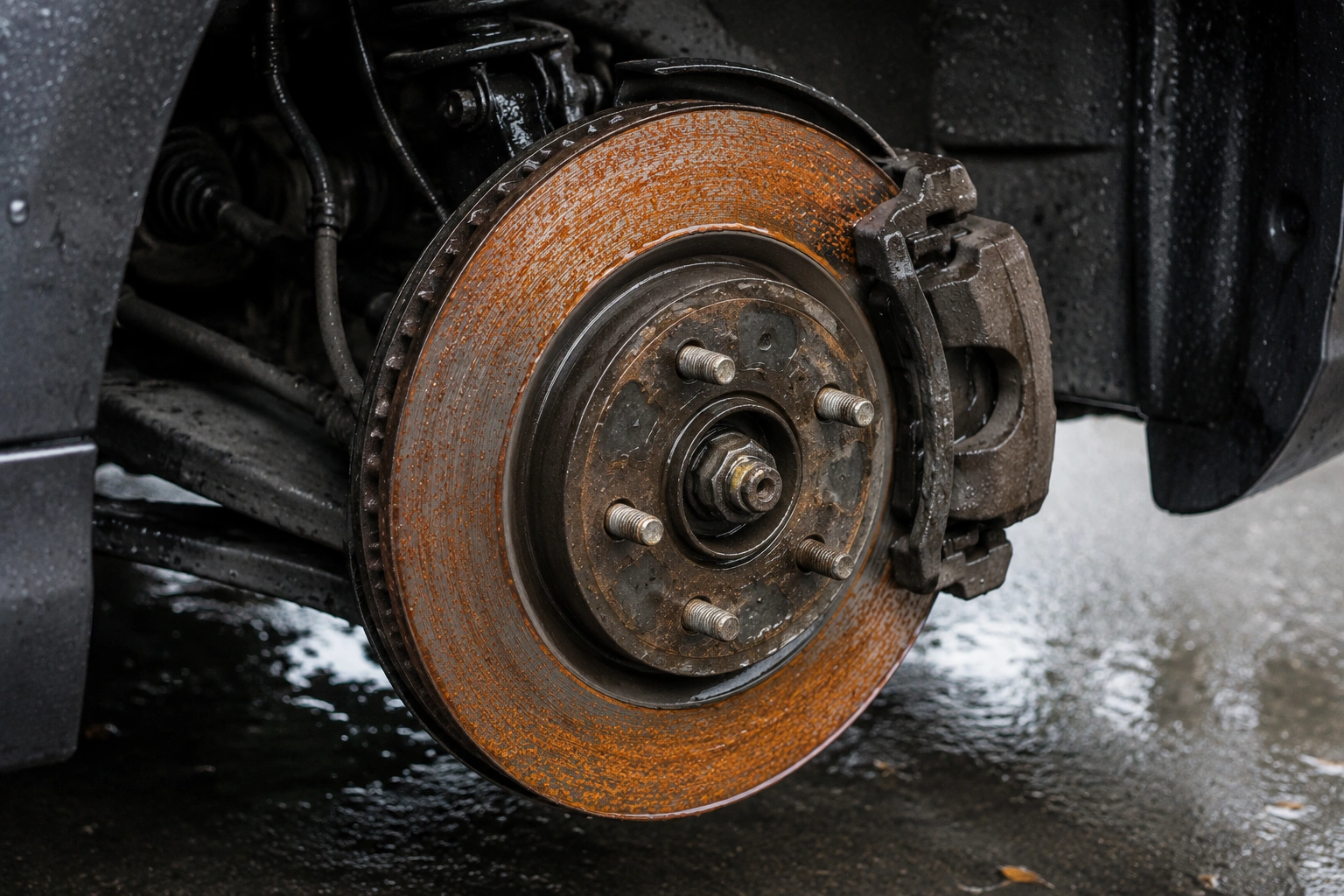
If the warning is accompanied by brake noise, pulling, or a change in stopping performance, arrange a brake inspection. This guide to squeaky brakes in Echo Park explains when noise may signal worn or damaged brake components.
Choosing Replacement Tires After a TPMS Warning
If inspection shows that a tire needs replacement, use the vehicle’s recommended size, load index, and speed rating. This guide to choosing the right tires for your car explains the specifications that support safe handling and long-term performance.
Frequently Asked Questions
Can I drive with the TPMS light on?
Only after checking that all tires are correctly inflated and the vehicle handles normally. A flashing warning or returning light requires system diagnosis.
Why does the TPMS light come on when it gets cold?
Cooler temperatures reduce tire pressure. If pressure falls below the vehicle’s threshold, the system may illuminate. Check and set pressure when tires are cold.
Why is my TPMS light flashing?
A flashing light commonly indicates a TPMS malfunction, failed sensor, communication issue, or required relearn. The tires may still be correctly inflated.
Does adding air reset the TPMS light?
It may turn off after correct inflation and driving if low pressure was the only issue. Some vehicles require a manual reset or relearn procedure.
Can a tire shop replace a TPMS sensor?
Yes, a qualified tire shop can often test, replace, program, and relearn sensors according to the vehicle’s requirements.
Schedule TPMS Service in Echo Park
A TPMS warning may result from low pressure, a slow leak, impact damage, temperature change, a failed sensor, or a reset issue. Checking all four tires and diagnosing the cause helps protect safety and prevent unnecessary tire damage.
TPMS light on? Speedway Tire & Service can check tire pressure, tread, wheels, valves, sensors, and the TPMS system.
Visit Us: 1165 West Sunset Blvd, Los Angeles, CA 90012
Call Now: (213) 250-4254
Looking for an Honest Auto Repair Shop in Los Angeles? Call Speedway Tire and Service Today
Whether you are driving through LA traffic or cruising the freeways, your car deserves expert care. Located in Los Angeles, Speedway Tire and Service offers reliable oil changes, brake repairs, tire services, and more, backed by experienced technicians and honest pricing.
Looking for an honest Auto Repair Shop in Los Angeles? Call Speedway Tire and Service Today
Whether you’re driving through LA traffic or cruising the freeways, your car deserves expert care. Located in Los Angeles, Speedway Tire and Service offers reliable oil changes, brake repairs, tire services, and more—all backed by experienced technicians and honest pricing.