Run-Flat vs. Standard Tires for Silver Lake & DTLA - Which Fits Your Commute?
Driving in Los Angeles means dealing with potholes, road debris, tight parking, hills, and unpredictable traffic. When choosing replacement tires, many Silver Lake and Downtown LA drivers wonder whether to keep run-flat tires or switch to conventional tires.
Run-flat and standard tires each offer advantages. The better choice depends on whether you prioritize roadside convenience, ride comfort, purchase price, repair flexibility, or the specifications of your vehicle.
What Are Run Flat Tires
Run-flat tires are designed to remain functional for a limited distance after losing air pressure. Depending on the vehicle and tire, a driver may be able to continue to a safe location or service center for a limited number of miles at a reduced speed.
How Run Flat Tires Work
Self-supporting run-flats use reinforced sidewalls to temporarily support the vehicle after a puncture. Support-ring designs use a hard ring mounted inside the tire to support the vehicle. Both depend on a functioning Tire Pressure Monitoring System to alert the driver to pressure loss.
What Are Standard Tires
Standard tires support the vehicle with air pressure inside the tire. After a puncture, they generally deflate and cannot be driven safely for an extended distance. Vehicles using standard tires may carry a spare tire, jack, and lug wrench, or rely on roadside assistance.
Run Flat Versus Standard Tire Comparison
Safety and Convenience
Run-flats can reduce the need to change a tire beside a freeway or on a narrow street at night. They may allow you to reach a secure location after a puncture. Standard tires require an immediate stop when pressure is lost and may require a spare or roadside assistance.
Ride Comfort and Performance
Reinforced run-flat sidewalls are stiffer and can create a firmer ride over potholes and rough pavement. Run-flats may also weigh more. Standard tires generally have more flexible sidewalls and can provide a smoother, quieter ride on imperfect LA streets.
Tread Life and Purchase Cost
Run-flats use specialized construction and often cost more than comparable standard tires. They may also have shorter tread life depending on the model and vehicle. Standard tires offer a broader range of prices, designs, and tread-life warranties and may provide better long-term value.
Repair Options
Many manufacturers advise against repairing run-flat tires, particularly when the tire has been driven while underinflated. A puncture may therefore require replacement. Many standard tires can be repaired when the puncture is in the repairable tread area and the tire has not been driven damaged or underinflated.
Regardless of tire type, regular pressure checks, rotation, balancing, and inspections are essential. Speedway's tire service can help evaluate condition, wear, pressure, and replacement options.
Which Tires Fit Your LA Drive
Choose Run Flat Tires If
- You prioritize avoiding a roadside tire change.
- Your vehicle was designed and equipped for run-flat tires.
- Your vehicle does not have room for a spare tire.
- You accept a higher purchase cost and firmer ride.
Choose Standard Tires If
- You prioritize ride comfort and value.
- You want a wider selection of models and price points.
- You want more flexible puncture-repair options.
- Your vehicle has a suitable spare tire or roadside plan.
Important Vehicle Compatibility Considerations
Before switching from run-flats to standard tires, confirm that the vehicle has an appropriate spare or repair kit, that the replacement tire size and load rating are correct, and that the vehicle manufacturer permits the change. Suspension tuning, handling characteristics, TPMS operation, and warranty considerations may also matter.
Choose tires based on size, load rating, speed rating, weather performance, driving distance, and road conditions. This guide to choosing the right tires for your car can help organize the decision.
Pressure and Maintenance Matter for Both Tire Types
Run-flat construction does not make a tire immune to damage, and standard tires are not unsafe when properly maintained. Check cold tire pressure using the manufacturer's door-jamb recommendation, not the maximum number on the sidewall. Rotate tires at the recommended interval and inspect tread for uneven wear, punctures, cracking, and impact damage.
Read this guide to summer tire-pressure myths and cold inflation for more information about pressure changes and TPMS limitations.
How Driving Conditions Affect the Choice
Drivers who spend most of their time in dense traffic or remote areas may value run-flat convenience. Drivers who prioritize comfort over potholes, want lower replacement costs, or frequently use tire-repair facilities may prefer standard tires.
Urban drivers should also consider whether the tire's sidewall and tread design are appropriate for potholes, curbs, heat, and stop-and-go use. A tire that fits the vehicle but does not suit its operating environment may not deliver the desired value.
Run Flat and Standard Tire Replacement Planning
Replace tires as a set when appropriate for the vehicle and drivetrain, or follow the manufacturer's requirements for tread-depth differences. Mixing run-flat and standard tires without professional guidance can affect handling and system operation.
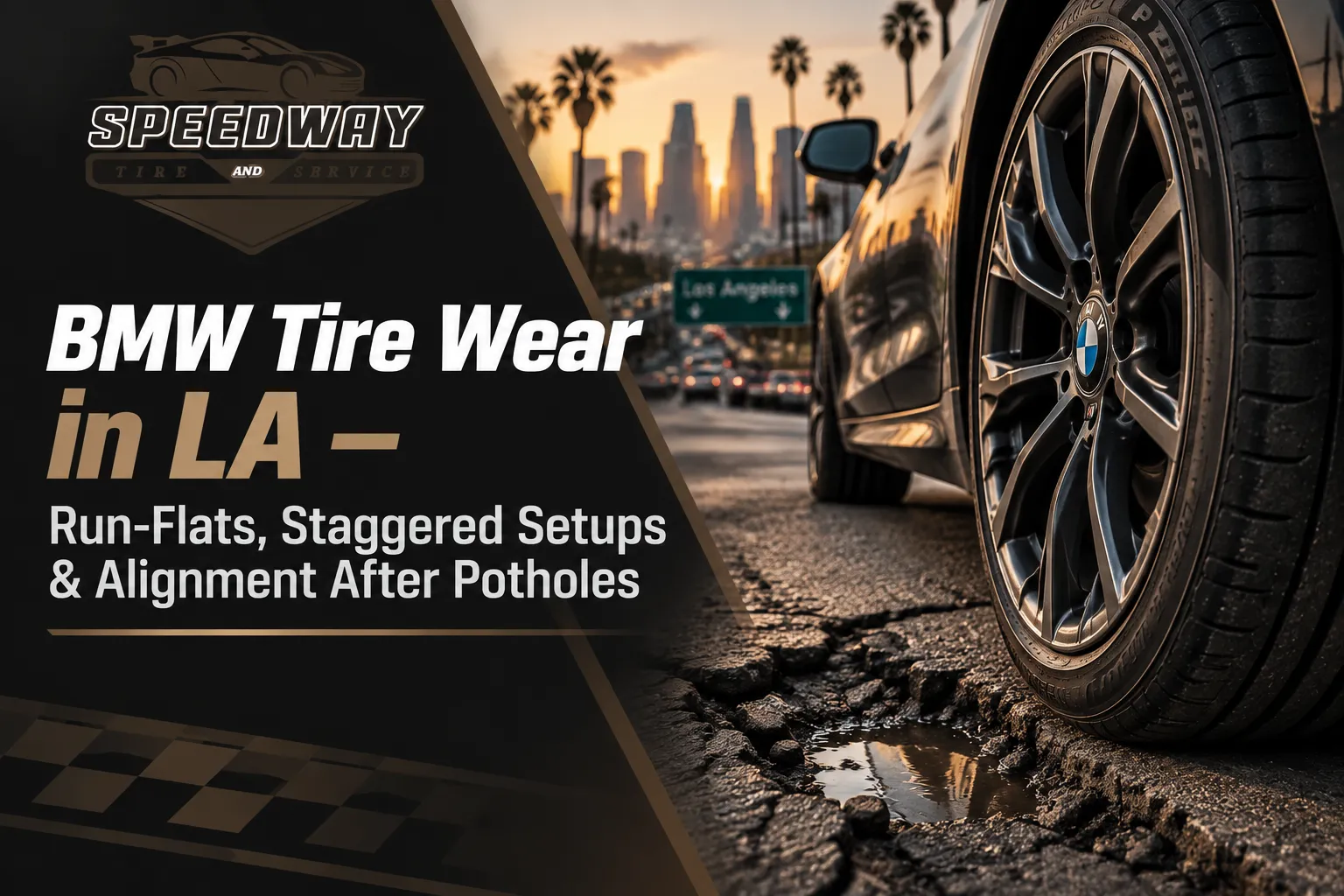
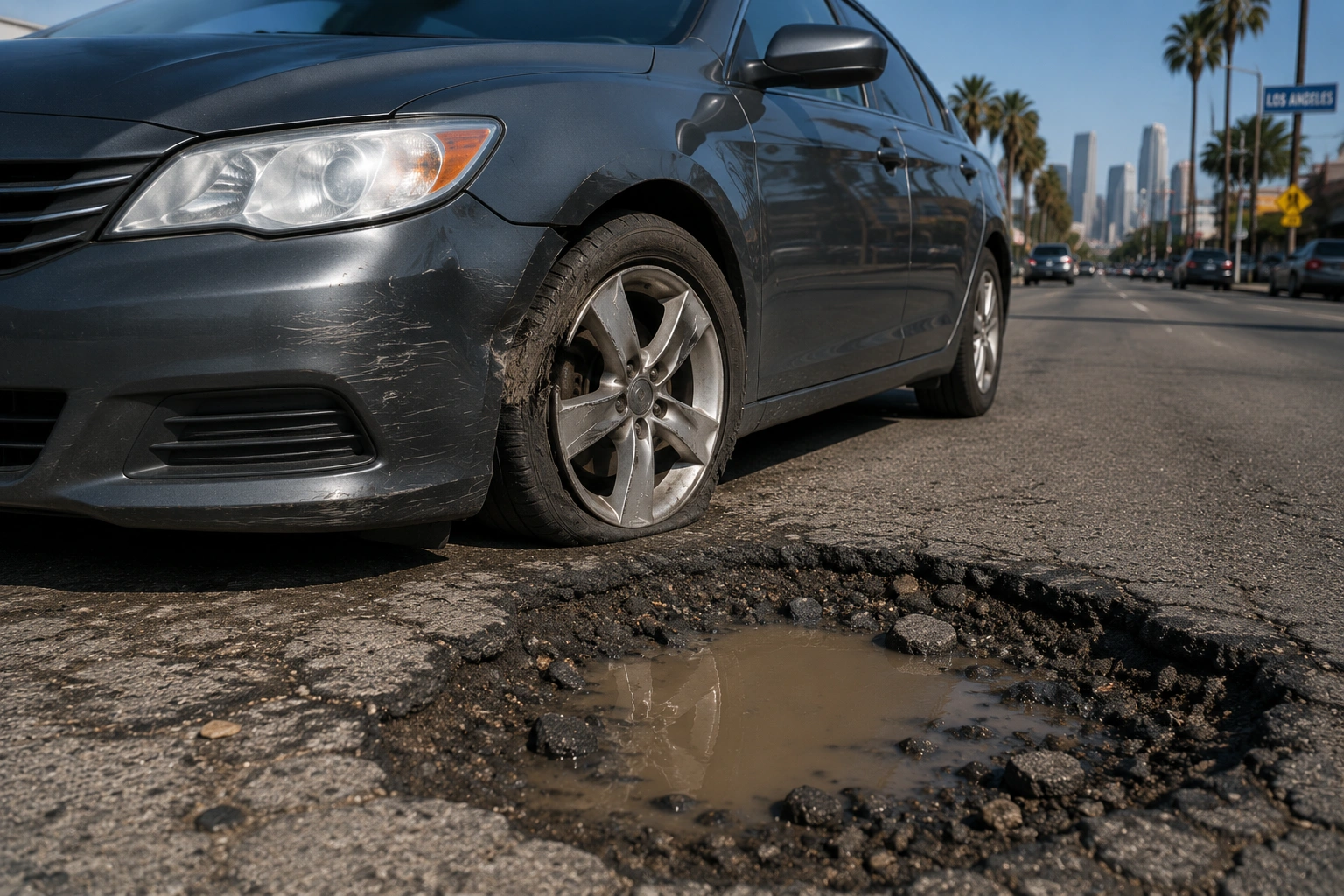
If a tire has suffered a hard pothole or curb impact, inspect the wheel, tire, suspension, and alignment before installing a replacement. A wheel alignment inspection can help identify geometry changes that would cause rapid wear.
Make the Right Choice at Speedway Tire and Service
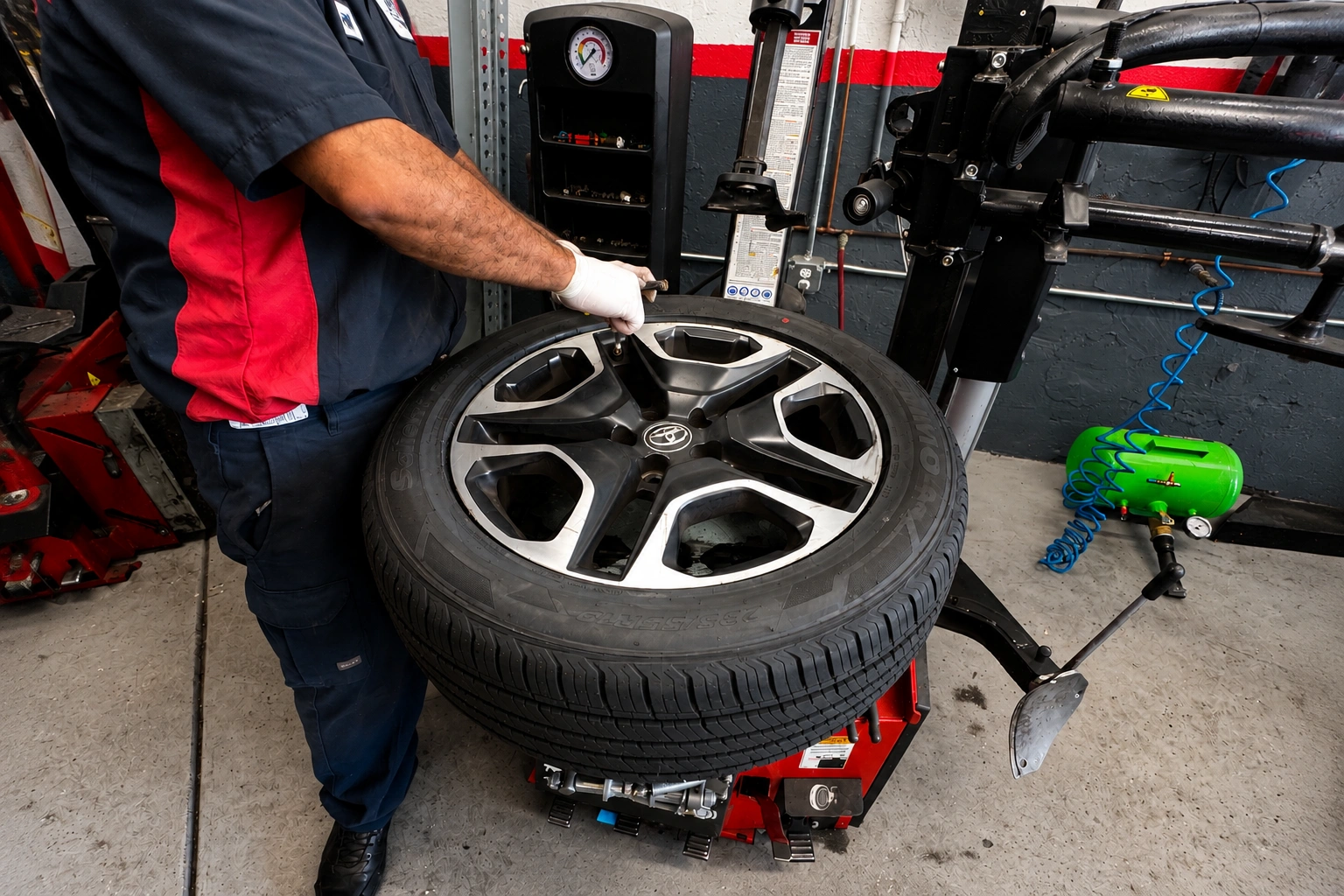
Speedway Tire and Service can inspect your current tires, review your driving habits, verify vehicle specifications, and help compare run-flat and standard options. We focus on safe fitment, correct inflation, tread life, and practical value rather than recommending a tire solely because it costs more.
We serve Silver Lake, Downtown LA, Echo Park, and surrounding communities from 1165 West Sunset Blvd.
Call (213) 250-4254 for a professional tire consultation.
About Speedway Tire and Service
Speedway Tire and Service provides honest tire maintenance and automotive repair for Los Angeles drivers. Our technicians handle tire inspections, rotations, balancing, wheel alignment, brakes, batteries, oil changes, suspension, and general vehicle service.
Looking for an Honest Auto Repair Shop in Los Angeles?
Whether you are driving through LA traffic or cruising the freeways, your car deserves expert care. Located in Los Angeles, Speedway Tire and Service offers reliable oil changes, brake repairs, tire services, and more, backed by experienced technicians and honest pricing.
Looking for an honest Auto Repair Shop in Los Angeles? Call Speedway Tire and Service Today
Whether you’re driving through LA traffic or cruising the freeways, your car deserves expert care. Located in Los Angeles, Speedway Tire and Service offers reliable oil changes, brake repairs, tire services, and more—all backed by experienced technicians and honest pricing.