Downtown LA Pollution and How It Impacts Your Air Filters
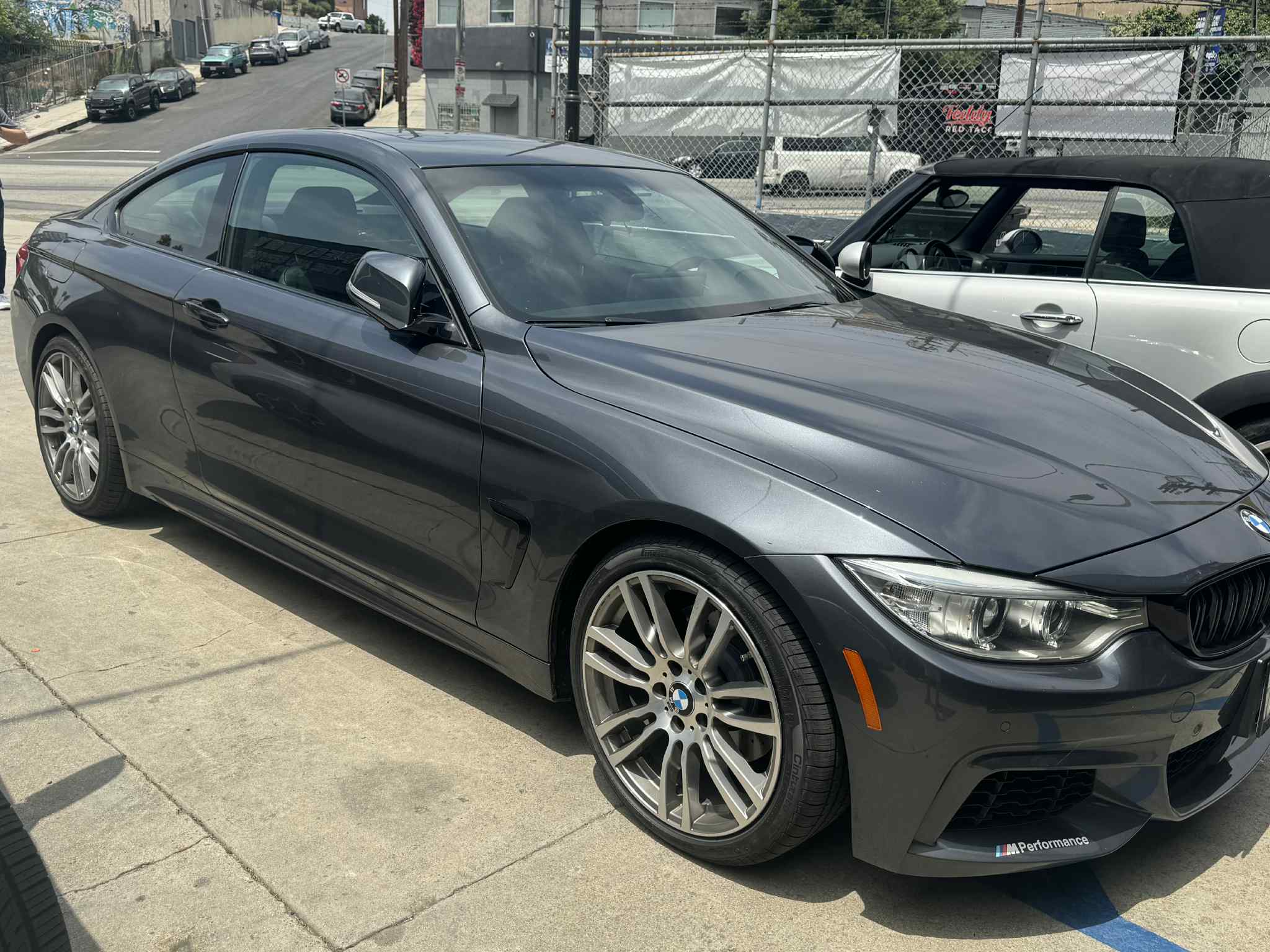
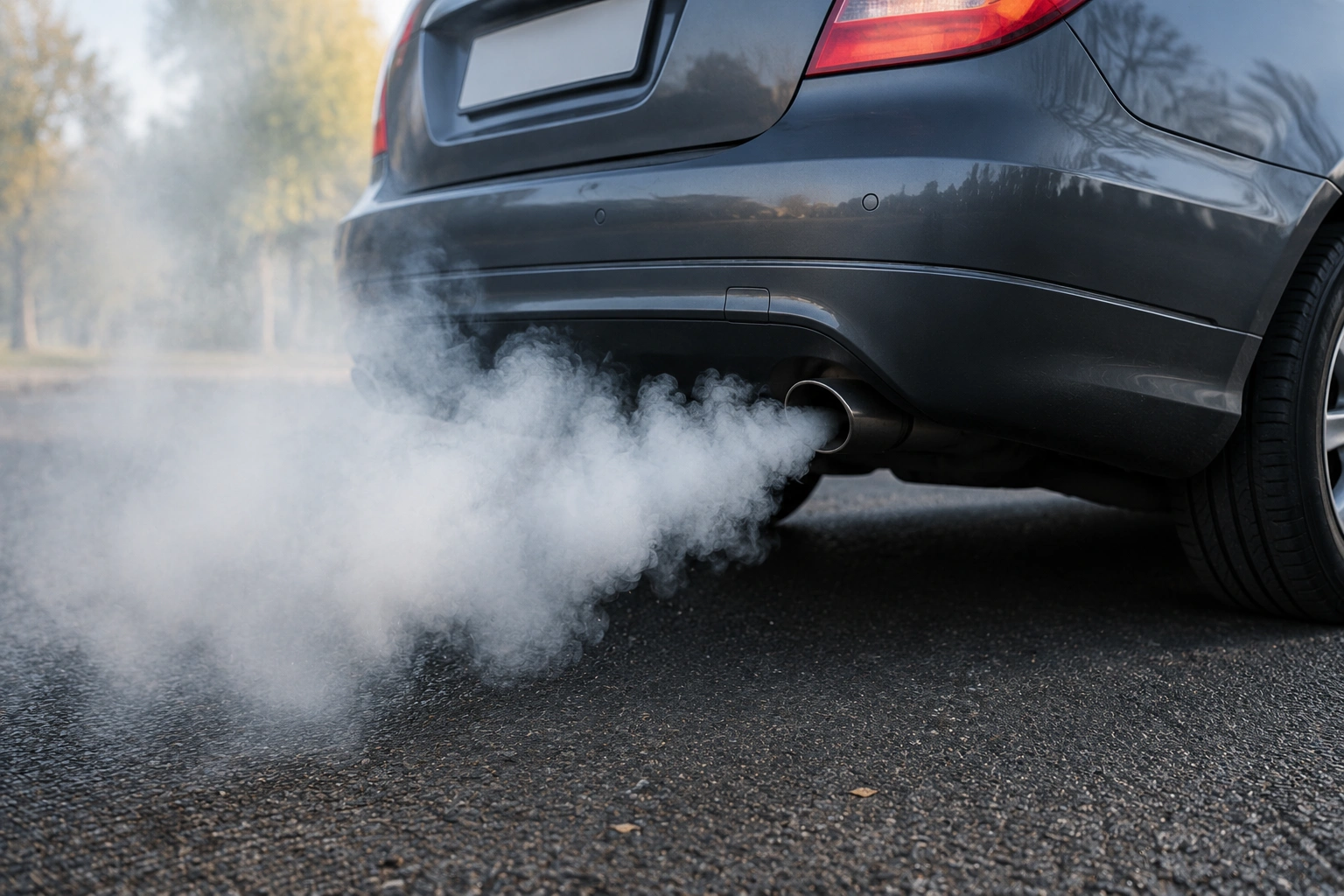
Downtown Los Angeles traffic, construction, dust, road debris, and urban pollution force a vehicle's air filters to work hard. Exhaust particles, fine dust, pollen, brake dust, and tire particles can collect in cabin and engine filters over time.
Clean filters support cabin airflow, HVAC performance, passenger comfort, engine breathing, and visibility. Filter service is a practical part of AC maintenance in Downtown LA, especially for drivers who spend long hours on the 110, 101, and congested surface streets.
How Downtown LA Pollution Affects Air Filters
Fine Particles and Exhaust
Fine particles from traffic and industrial activity can accumulate in the cabin filter. A saturated filter may restrict airflow and allow odors or pollutants to become more noticeable inside the vehicle.
Dust and Construction Debris
Construction zones, dry pavement, wind, and road debris can load filters with dust and larger particles. Vehicles driven frequently through active work areas may need inspection sooner than the standard interval.
Pollen and Seasonal Irritants
Pollen and other airborne irritants can collect in the cabin filter and contribute to odors or passenger discomfort. A clean, properly fitted filter can help improve the air entering the cabin.
Cabin Air Filters and AC Performance
The cabin air filter protects the HVAC system and helps clean air before it reaches the passengers. When clogged, it may reduce vent airflow, create musty odors, make the blower work harder, and reduce the apparent performance of heating or air conditioning.
Speedway's AC maintenance and cabin filter service can help inspect filter condition, airflow, vents, and related HVAC concerns.
Engine Air Filters and Vehicle Performance
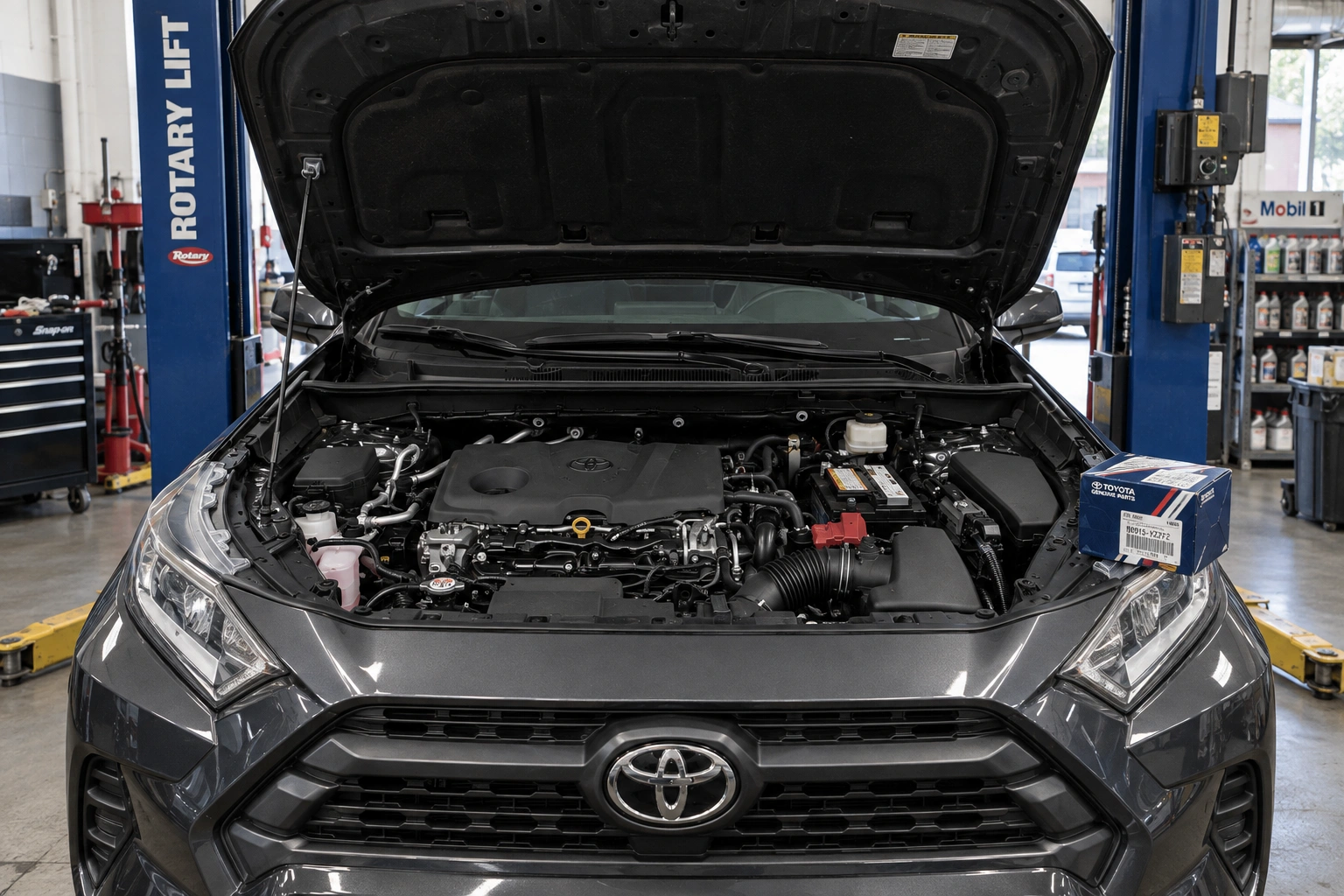
The engine air filter helps keep dust and debris away from the engine's intake system. A restricted or damaged filter may contribute to poor airflow, reduced response, rough operation, decreased efficiency, or contamination of intake components.
Engine air-filter replacement should follow the vehicle manufacturer's requirements and the actual driving environment. Drivers who use dusty roads, construction routes, or heavy traffic may need more frequent inspection.
Five Signs Your Air Filters Need Attention
Reduced Vent Airflow
Weak airflow from the vents may indicate a restricted cabin filter, blower concern, duct obstruction, or another HVAC problem. Filter replacement is one possible cause, but diagnosis should consider the complete system.
Unusual or Musty Odors
Odors when the AC runs may come from a dirty filter, moisture, mold or microbial growth, debris, or an HVAC drain issue. Replacing the filter alone may not resolve a deeper odor source.
Increased Allergy Symptoms
Passenger discomfort, sneezing, or irritation while driving may be related to airborne particles, pollen, dust, or a contaminated cabin filter. Discuss persistent concerns with an appropriate healthcare professional as well as inspecting the vehicle's HVAC system.
Visible Dirt on a Filter
A filter covered in dust, leaves, debris, or dark contamination deserves replacement or inspection. Do not reuse a damaged, wet, collapsed, or improperly fitted filter.
Engine Performance Changes
Reduced power, rough idling, poor response, or a warning light may involve the engine air filter or another engine, fuel, ignition, sensor, or electrical system. Accurate diagnosis prevents unnecessary parts replacement.
How Often Should Filters Be Checked
Many vehicles specify cabin-filter replacement around 12,000 to 15,000 miles, but the correct interval depends on the vehicle, filter type, climate, traffic, dust, construction exposure, and symptoms. Check the owner's manual and inspect sooner when airflow or odor changes.
Engine air-filter intervals also vary. A visual check can reveal dust loading, damage, moisture, or poor fit, but follow the manufacturer's replacement guidance rather than relying on appearance alone.
AC Maintenance Beyond the Filter
Vent and Duct Cleaning
Dust and debris may accumulate in vents, ducts, blower areas, or evaporator surfaces. Cleaning requirements depend on the contamination and vehicle design.
Leak and Refrigerant Diagnosis
If the AC is not cooling properly, the problem may involve refrigerant loss, a compressor, condenser, evaporator, pressure sensor, electrical control, blower, or blend door. Do not add refrigerant repeatedly without finding the cause.
Read this guide to common reasons a car AC stops working for additional troubleshooting context.
Electrical and Engine Checks
AC performance can be affected by battery condition, charging voltage, fuses, relays, engine idle control, and cooling fans. If the vehicle has warning lights or drivability changes, a broader inspection may be needed.
Speedway's engine diagnostic service can help evaluate performance changes and warning-light concerns related to engine or electrical operation.
Five Questions About Air Filters and AC Service
Can a Dirty Cabin Filter Damage the AC
A restricted filter can reduce airflow and make the blower work harder. It may also contribute to poor cabin comfort, but an AC cooling problem can have many other causes and should be diagnosed.
Do Electric Vehicles Need Cabin Filters
Yes. Electric vehicles still use cabin air filters for passenger air quality and HVAC airflow, although they do not use an engine air filter in the same way as gasoline vehicles.
Should I Use an OEM Filter
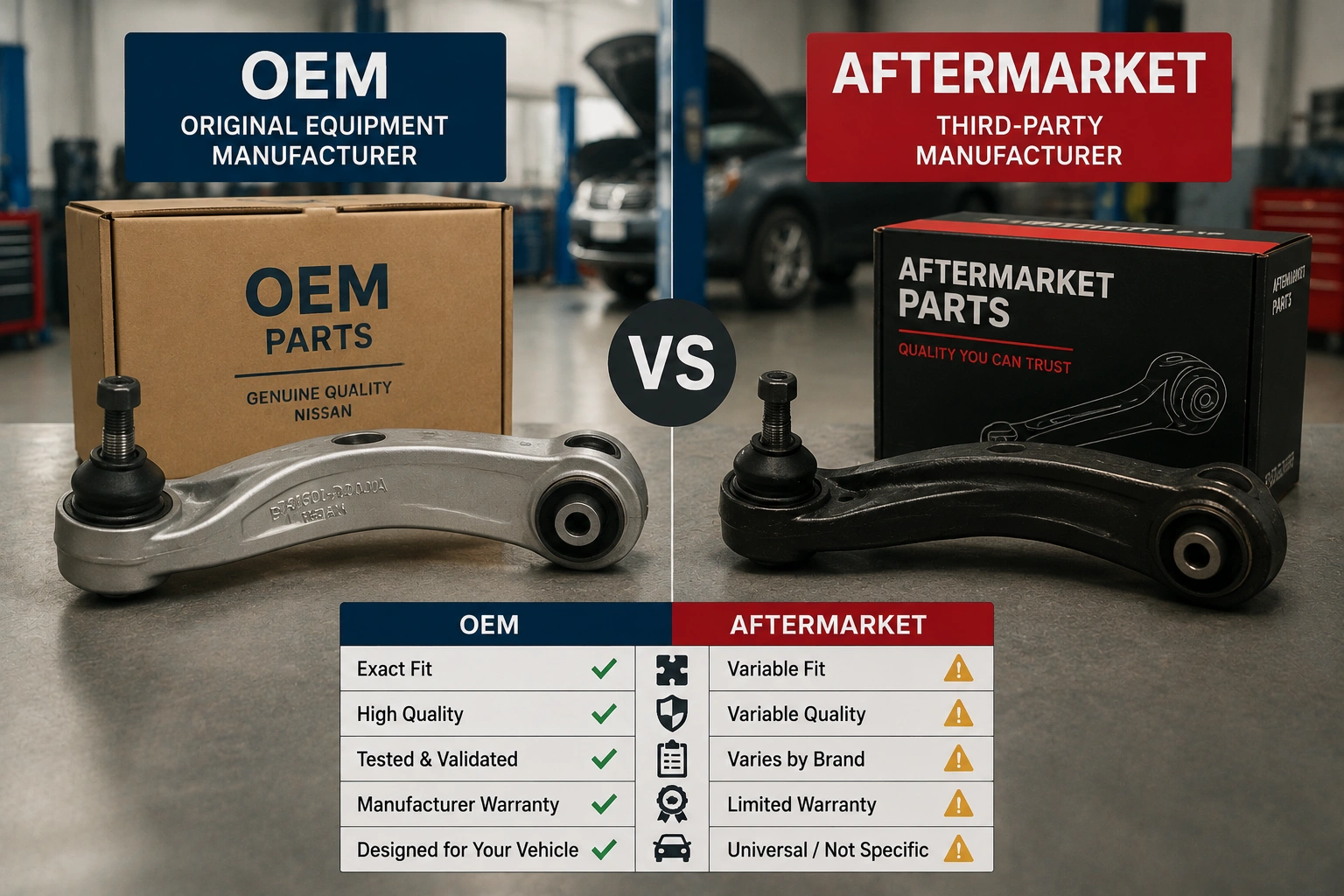
Use a filter that matches the vehicle's specifications and fits correctly. OEM and reputable aftermarket options may both be suitable when their design, dimensions, filtration, and performance meet the vehicle's requirements.
Can I Replace a Filter Myself
Some cabin and engine filters are accessible to owners, but installation location and procedure vary. A professional can confirm fitment, inspect for debris or moisture, and identify related HVAC or intake concerns.
Why Does the AC Smell After Rain
Moisture, debris, microbial growth, a wet filter, or a drainage issue can contribute to odors. Persistent smells require inspection rather than repeated fragrance treatments.
Protect Your Vehicle from Downtown LA Pollution
Proactive AC and filter maintenance can improve cabin airflow, reduce odors, protect HVAC components, support engine airflow, and help passengers travel more comfortably through Downtown LA traffic.
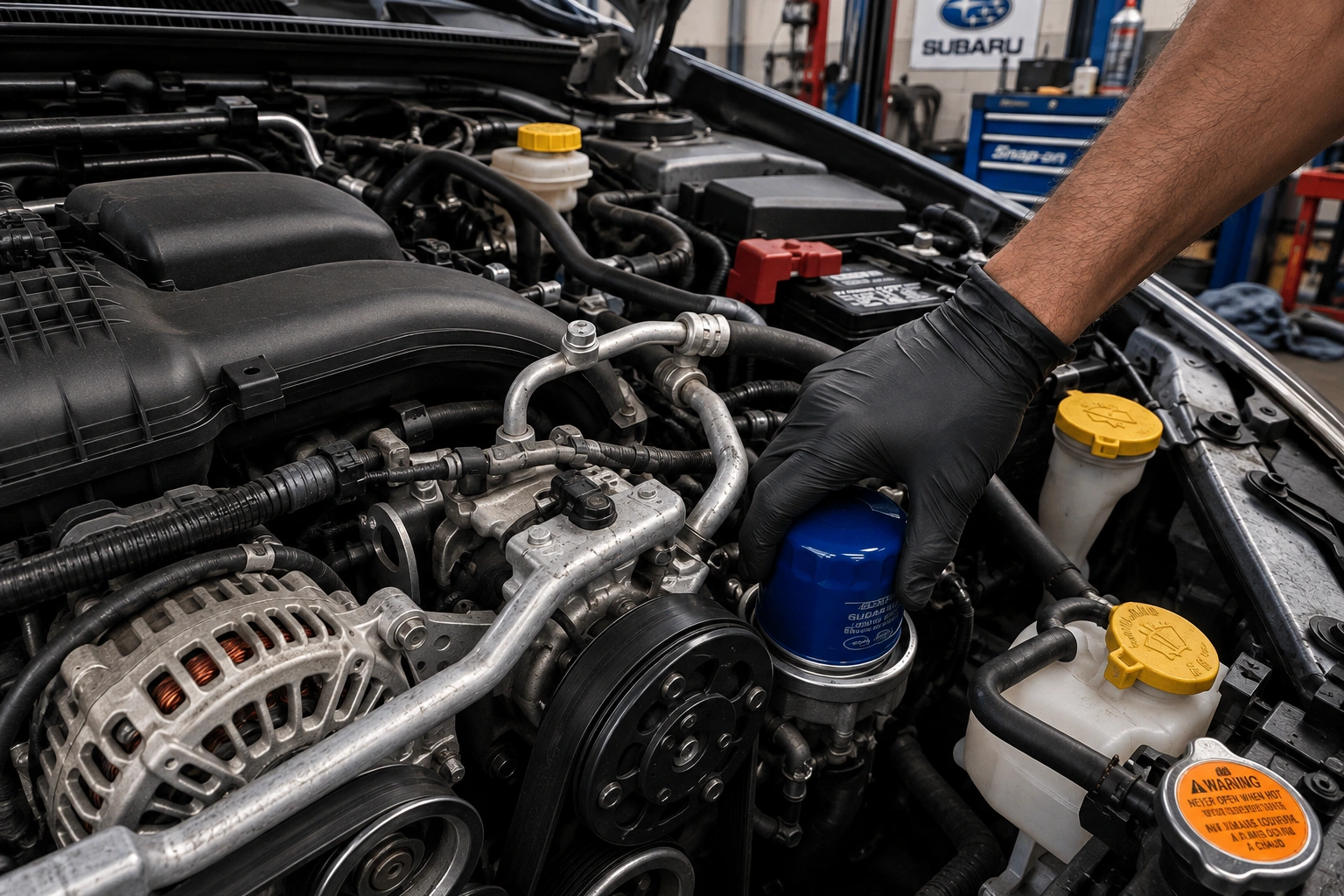
Oil service can also provide an opportunity to review engine condition, fluids, leaks, belts, hoses, and other maintenance items. Speedway's oil change and maintenance service can help keep the vehicle on schedule.
We serve Downtown LA, the Arts District, the Financial District, Echo Park, Silver Lake, and surrounding communities from 1165 West Sunset Blvd.
Call (213) 250-4254 to schedule AC maintenance or filter service.
About Speedway Tire and Service
Speedway Tire and Service provides honest automotive maintenance and repair for Los Angeles drivers. Our technicians handle AC and filter service, oil changes, tires, brakes, batteries, diagnostics, suspension, wheel alignment, and general vehicle care.
Looking for an Honest Auto Repair Shop in Los Angeles
Whether you are driving through LA traffic or commuting across Downtown Los Angeles, your vehicle deserves expert care. Located in Los Angeles, Speedway Tire and Service offers reliable oil changes, brake repairs, tire services, and more, backed by experienced technicians and honest pricing.
Call Now (213) 250-4254
Looking for an honest Auto Repair Shop in Los Angeles? Call Speedway Tire and Service Today
Whether you’re driving through LA traffic or cruising the freeways, your car deserves expert care. Located in Los Angeles, Speedway Tire and Service offers reliable oil changes, brake repairs, tire services, and more—all backed by experienced technicians and honest pricing.