Brake Repair Warning Signs Every Silver Lake Driver Should Know
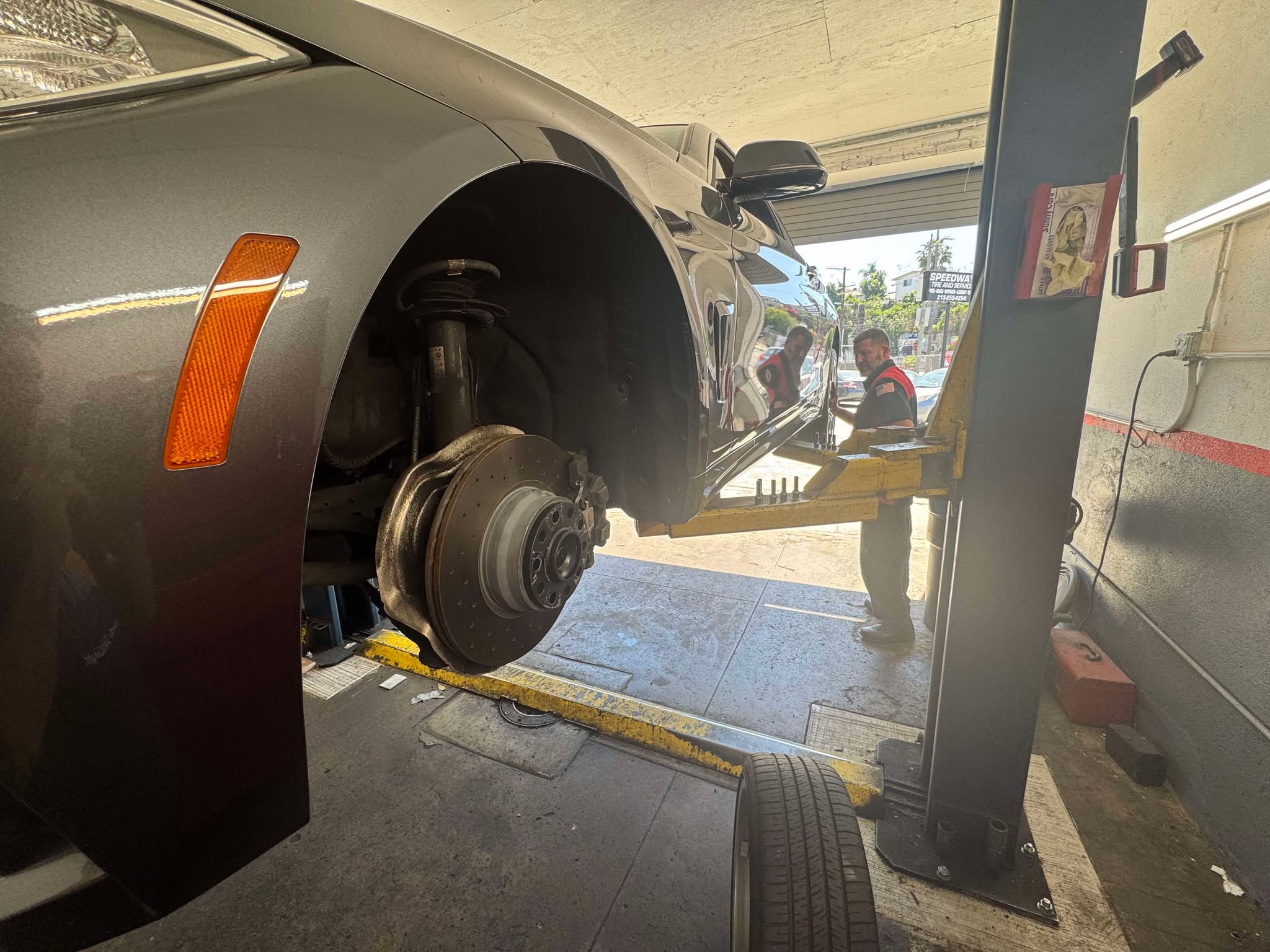
Your brakes are among the vehicle’s most important safety systems. Silver Lake hills, traffic, frequent stops, and hot weather can increase brake use and expose worn pads, damaged rotors, low fluid, sticking calipers, or hydraulic problems.
Recognizing warning signs early can protect stopping performance and prevent a relatively small repair from becoming expensive rotor, caliper, or hydraulic damage.
Why Brake Maintenance Matters
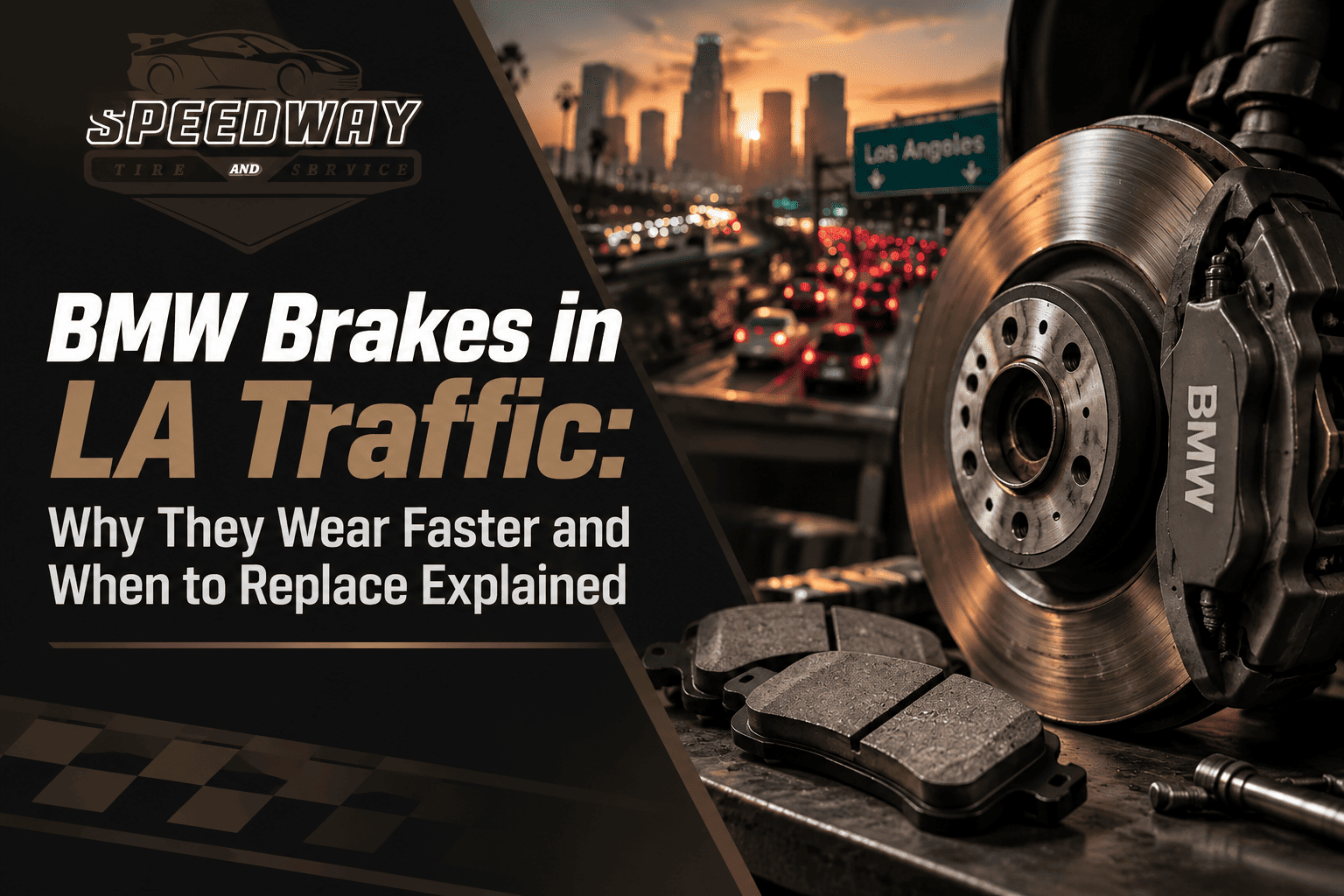
Brake pads create friction against rotors, while calipers, fluid, hoses, hardware, and the master cylinder transfer and control braking force. Heat and friction gradually wear these components.
Schedule a professional brake inspection and repair service when symptoms appear instead of waiting for complete failure.
Warning Sign 1 Squealing or Screeching
A high-pitched squeal may come from a pad wear indicator, dust, moisture, glazed friction material, hardware, or vibration between the pad and rotor. A brief sound after rain may be temporary, but noise that returns every time you brake should be inspected.
Persistent squeaking can indicate worn pads or another brake concern. Read this guide to common causes of squeaky brakes.
Warning Sign 2 Vibration or Pulsation
Vibration through the steering wheel or brake pedal may result from rotor thickness variation, heat damage, wheel imbalance, tire issues, suspension wear, or loose components. The speed and conditions when vibration occurs help determine the next test.
If shaking also appears away from braking, review this guide to wheel balancing and freeway vibration.
Warning Sign 3 Longer Stopping Distance
A vehicle that takes longer to stop may have worn pads, contaminated friction material, glazed pads, low fluid, air in the lines, a sticking caliper, tire problems, or another safety issue.
Increase following distance and avoid unnecessary driving until the cause is identified. Do not assume the issue is normal because the pedal still feels firm.
Warning Sign 4 Grinding or Metal-on-Metal Noise
Grinding often indicates that friction material is exhausted and metal is contacting the rotor. Continued driving can damage rotors and calipers and may reduce braking performance.
Pull over safely and arrange prompt inspection when grinding is loud, continuous, or accompanied by heat, smoke, pulling, or reduced stopping power.
Warning Sign 5 Brake Warning Light
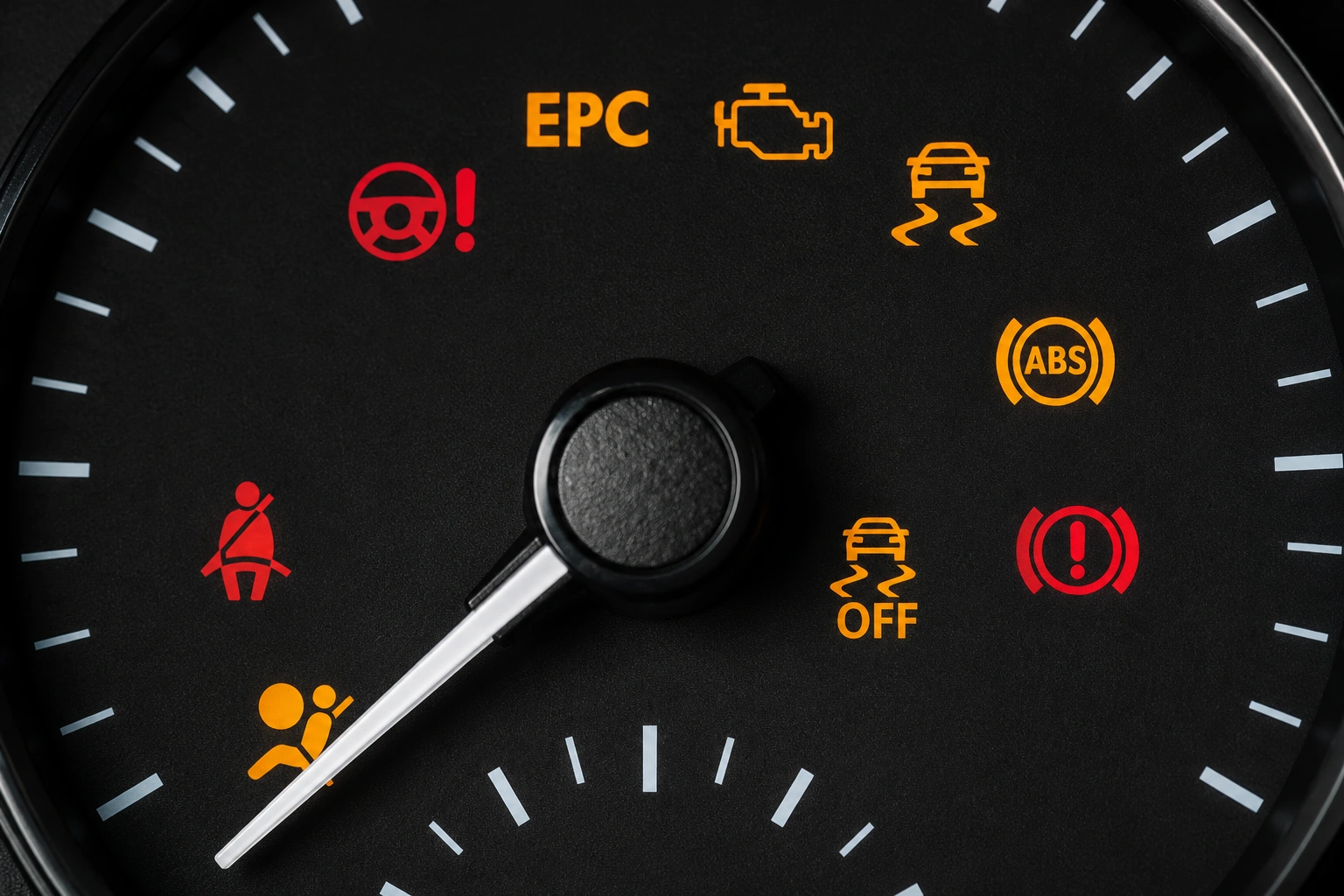
A dashboard brake warning may indicate low fluid, a parking-brake condition, pad wear, a hydraulic problem, or an electronic brake-system fault. The vehicle’s manual can explain the specific warning symbols.
A warning light combined with a soft pedal, leak, or longer stopping distance requires urgent diagnosis. Brake fluid should be checked and serviced according to the vehicle manufacturer’s requirements; see this guide to brake-fluid flush timing.
Warning Sign 6 Soft or Spongy Pedal
A soft, spongy, sinking, or unusually low pedal may indicate air, low fluid, a leak, hose expansion, master-cylinder wear, or another hydraulic problem. This symptom should not be ignored.
If the pedal sinks while holding pressure, stop driving when safe and request immediate brake diagnosis. Do not pump the pedal repeatedly as a substitute for repair.
Other Brake Symptoms to Watch
- The vehicle pulls left or right during braking.
- One wheel becomes unusually hot.
- A burning odor follows normal braking.
- The parking brake does not hold or release correctly.
- Brake fluid appears near a wheel or under the vehicle.
- Brake pads wear unevenly from side to side.
- The vehicle shudders or feels unstable during a stop.
How Silver Lake Conditions Affect Brakes
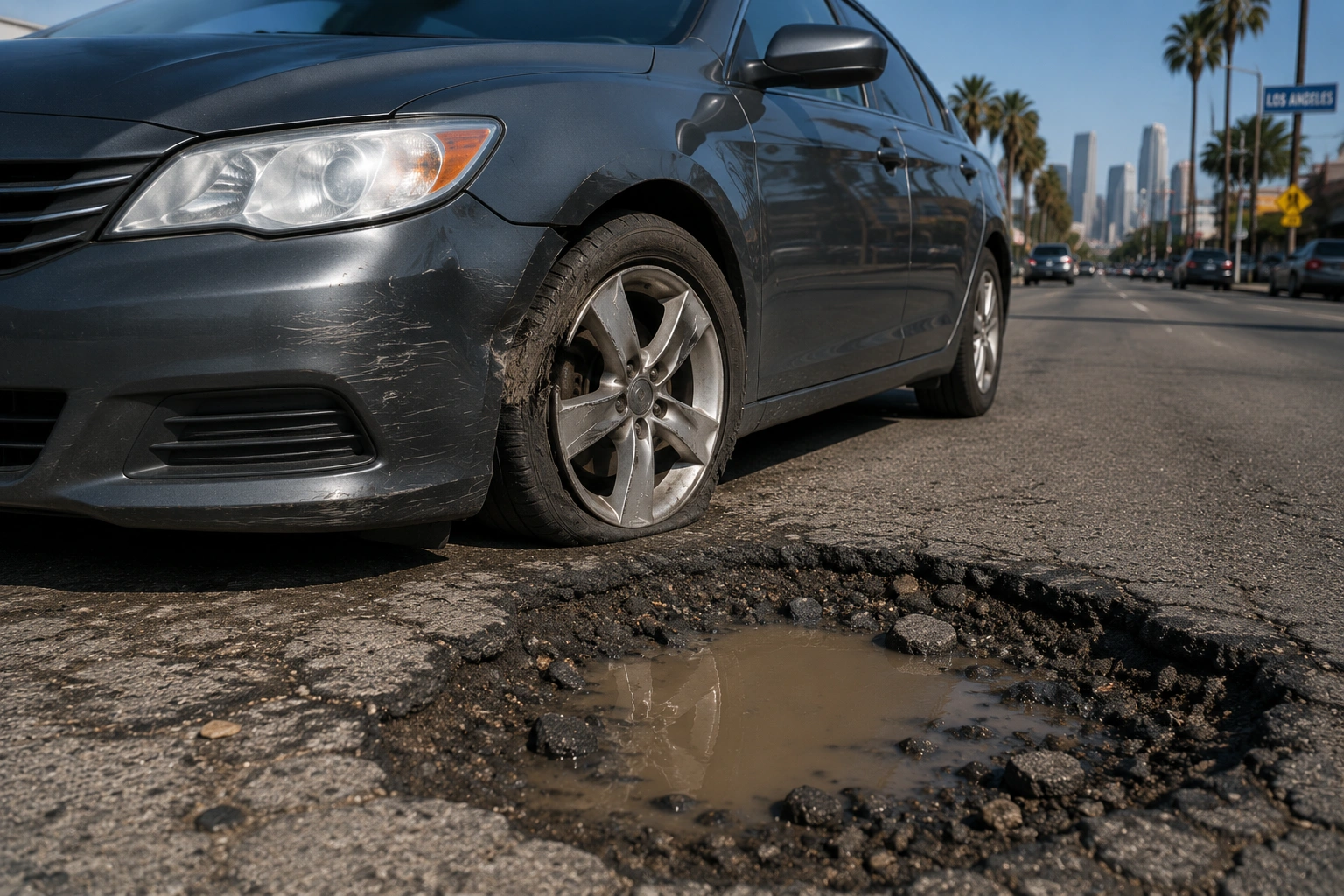
Hills increase braking load, while stop-and-go traffic creates repeated heat cycles. Potholes and curb impacts can also affect tires, wheels, steering, and suspension, creating symptoms that overlap with brake problems.
Because braking and tire traction work together, inspect tires when brake symptoms occur. This guide to tire replacement warning signs explains when tire damage or wear may also affect stopping performance.
Wet roads reduce available traction. Check tread and pressure and review these tips for rainy-season driving in Los Angeles.
What a Brake Inspection Includes
- Measure pad thickness and compare wear across the axle.
- Inspect rotors for scoring, heat spots, cracks, and thickness.
- Check calipers, pistons, slide pins, clips, shims, and hardware.
- Inspect fluid level, condition, lines, hoses, and possible leaks.
- Test pedal feel and parking-brake operation.
- Evaluate tires, wheels, alignment, and suspension when symptoms overlap.
- Explain urgent repairs, maintenance recommendations, and expected cost.
When You Should Stop Driving
Stop driving as soon as it is safe if you experience grinding, a sinking pedal, severe pulling, smoke, a strong burning smell, a brake warning light with poor performance, a flat tire, or a major increase in stopping distance.
Do not drive a vehicle with a severely underinflated tire while trying to diagnose a brake concern. Check the TPMS warning and tire condition as well.
Frequently Asked Questions
Are squeaky brakes always dangerous?
No. Dust and moisture can cause temporary noise, but persistent squealing, grinding, pulling, vibration, or changed pedal feel requires inspection.
How long can I drive with grinding brakes?
Grinding may mean metal-on-metal contact. Avoid unnecessary driving and arrange prompt inspection because continued use can damage rotors and reduce safety.
Why does my brake pedal feel soft?
Air, low fluid, a leak, hose or master-cylinder problems, and other hydraulic issues can cause a soft pedal. Have the system checked immediately.
Can bad tires feel like brake problems?
Yes. Uneven tires, wheel imbalance, alignment, suspension, and tread damage can cause vibration or pulling. Inspect the complete vehicle.
How often should brakes be inspected?
Inspect them during scheduled maintenance and whenever noise, vibration, pulling, warning lights, odor, or pedal changes occur.
Schedule Brake Service in Silver Lake
Early attention to squealing, vibration, grinding, longer stopping, warning lights, and soft pedals helps protect safety and control repair costs. A complete inspection can identify the actual cause instead of replacing parts based on symptoms alone.
Noticing a brake warning sign? Speedway Tire & Service can inspect the brake system and explain the recommended repair.
Visit Us: 1165 West Sunset Blvd, Los Angeles, CA 90012
Call Now: (213) 250-4254
Looking for an Honest Auto Repair Shop in Los Angeles? Call Speedway Tire and Service Today
Whether you are driving through LA traffic or cruising the freeways, your car deserves expert care. Located in Los Angeles, Speedway Tire and Service offers reliable oil changes, brake repairs, tire services, and more, backed by experienced technicians and honest pricing.
Looking for an honest Auto Repair Shop in Los Angeles? Call Speedway Tire and Service Today
Whether you’re driving through LA traffic or cruising the freeways, your car deserves expert care. Located in Los Angeles, Speedway Tire and Service offers reliable oil changes, brake repairs, tire services, and more—all backed by experienced technicians and honest pricing.