Tire Replacement Guide for Echo Park Drivers
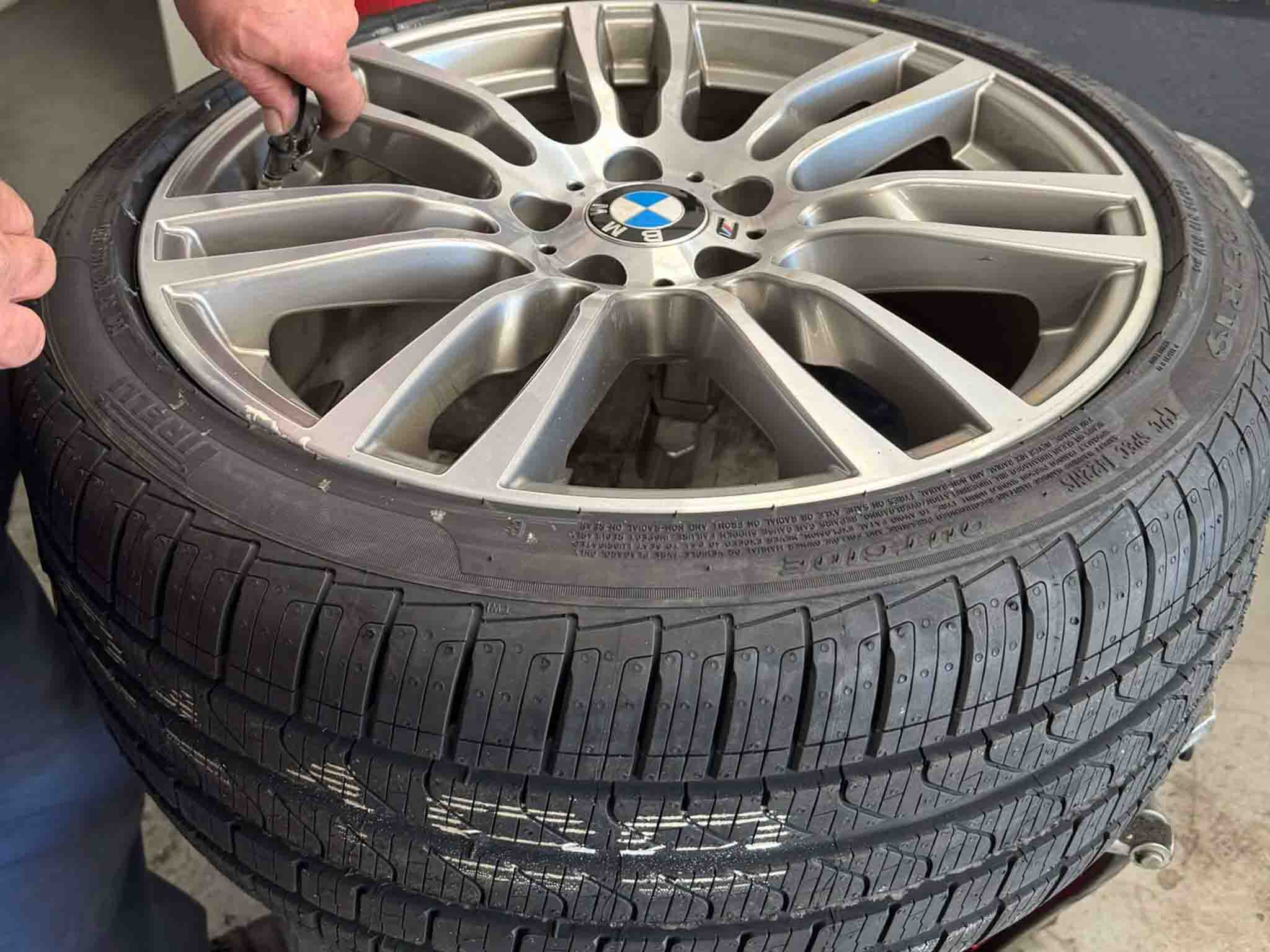
Your tires are the vehicle’s only contact with the road, making them essential for braking, steering, traction, comfort, and safety. Echo Park drivers deal with hills, stop-and-go traffic, potholes, rough pavement, heat, and occasional rain, all of which can affect tire life.
Knowing when to replace tires and how to choose the correct replacement can prevent avoidable handling problems and help protect your investment.
Why Tire Replacement Matters
Tires wear through friction, heat, age, road impacts, and incorrect pressure. Driving on worn or damaged tires can reduce wet traction, increase stopping distance, create vibration, and make the vehicle less stable.
Regular inspections through professional tire service can identify wear before it becomes an emergency.
Signs It Is Time to Replace Your Tires
Low Tread Depth
Tread depth helps channel water and maintain grip. The legal minimum is not always the same as the tread depth that provides the best wet-weather performance. Replace tires when tread is unsafe, wear bars are flush, or the wear pattern is severe or irregular.
Cracks Bulges and Structural Damage
Cracks, sidewall bulges, exposed cords, tread separation, or cuts can indicate structural damage. Do not continue driving on a tire with a bulge or suspected separation.
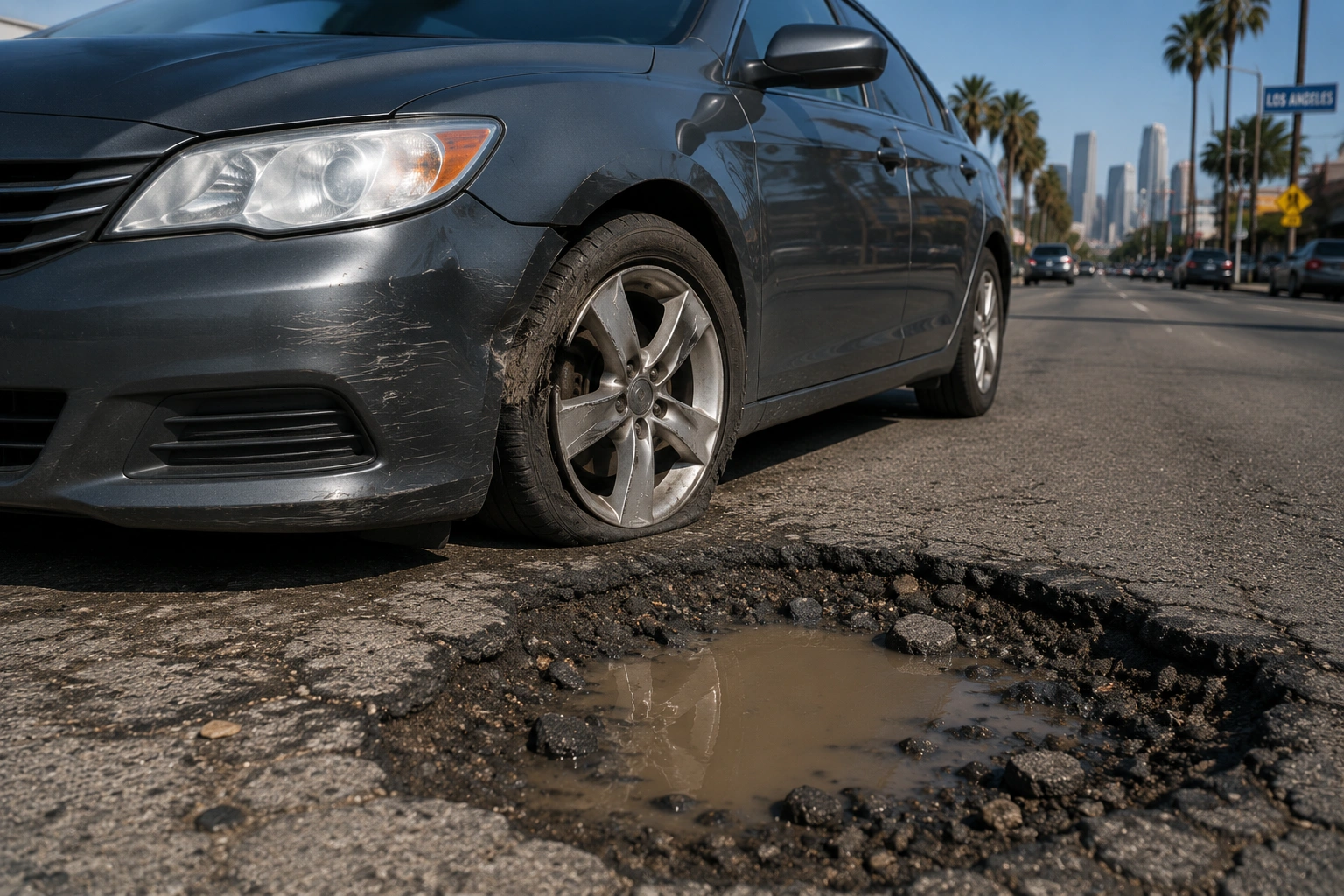
After an impact, review these pothole damage warning signs and have the tire and wheel inspected.
Frequent Flats or Repeated Air Loss
Repeated punctures, valve leaks, bead leaks, or pressure loss may indicate a tire, wheel, or installation problem. A repair may be appropriate for a small tread puncture, but sidewall damage and many forms of structural damage require replacement.
Uneven or Rapid Wear
Inner-edge wear, outer-edge wear, feathering, cupping, and center wear may result from pressure, alignment, balance, suspension, load, or driving conditions. Replacing tires without correcting the cause can lead to another premature replacement.
Age and Rubber Condition
Tires can age even when tread remains. Check the date code, inspect for cracking, and follow the tire manufacturer’s recommendations. Storage, sunlight, heat, and use affect service life.
How to Choose the Right Replacement Tires
Match Size and Vehicle Specifications
Use the tire size, load index, speed rating, and pressure listed on the driver’s door placard or in the owner’s manual. Do not select a tire based only on appearance or price.
Consider Echo Park Driving Conditions
Urban roads, hills, freeway commutes, potholes, and rain call for a tire with appropriate wet grip, durability, ride comfort, and load capacity. This guide to tires for LA’s rainy season explains why wet-weather performance matters.
Choose the Correct Tire Type
All-season, performance, touring, winter, run-flat, and EV-oriented tires are designed for different priorities. Electric vehicles may require particular load ratings, rolling resistance, noise characteristics, or reinforced construction.
Read this comparison of EV tires and regular tires when choosing tires for an electric vehicle.
Compare Warranty and Treadwear
Compare treadwear warranties, road-hazard coverage, mileage expectations, wet performance, noise, and the conditions that void coverage. A lower purchase price is not always the lowest long-term cost.
Replace Two Tires or All Four
The correct replacement quantity depends on tread difference, drivetrain, tire condition, manufacturer requirements, and vehicle design. AWD vehicles may require closely matched circumference across all four tires.
Ask the technician to measure every tire and explain whether replacing one, two, or four is safest. Rotating according to the vehicle’s schedule can help manage wear; this Los Angeles tire-rotation guide explains the factors involved.
Installation and Alignment After Replacement
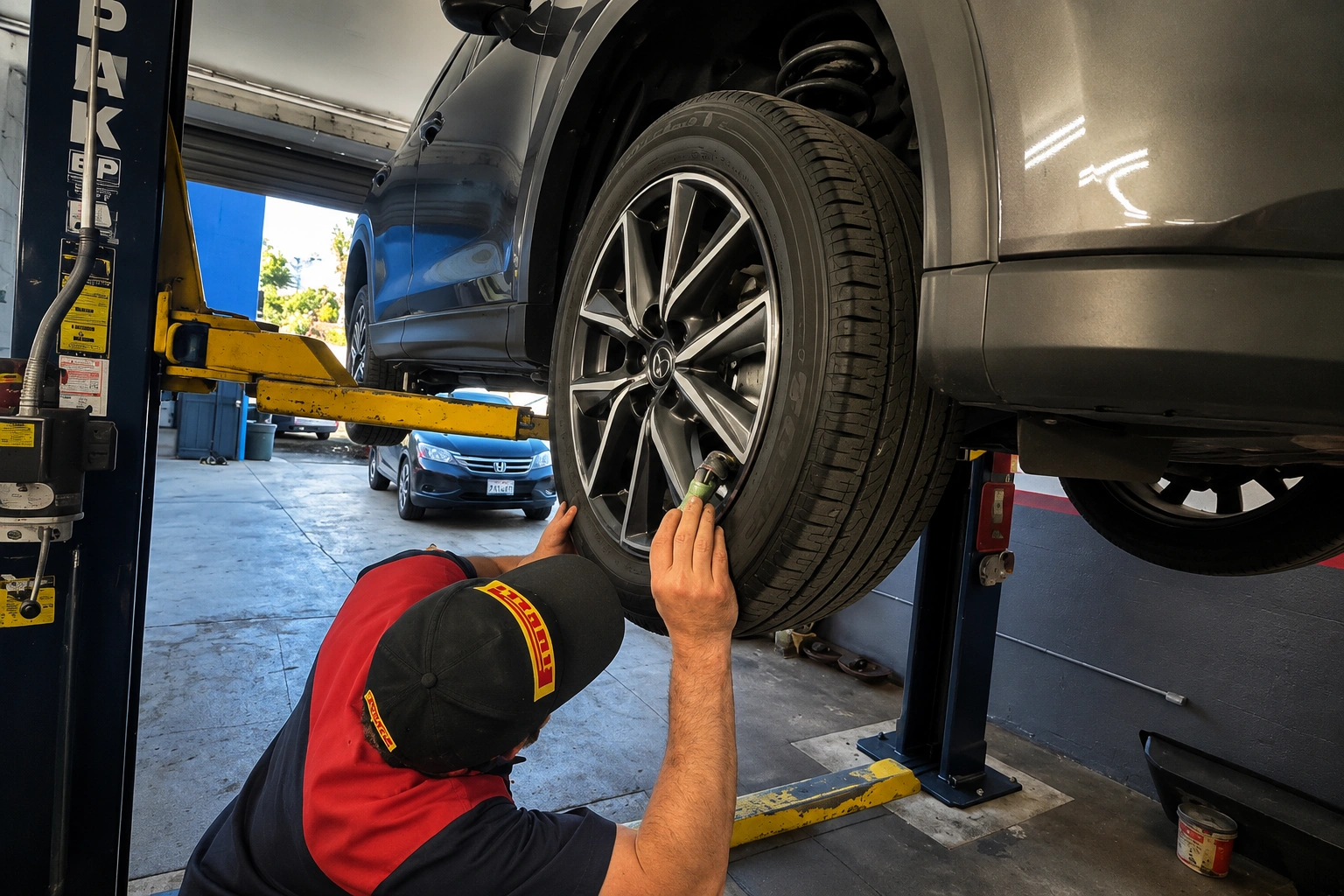
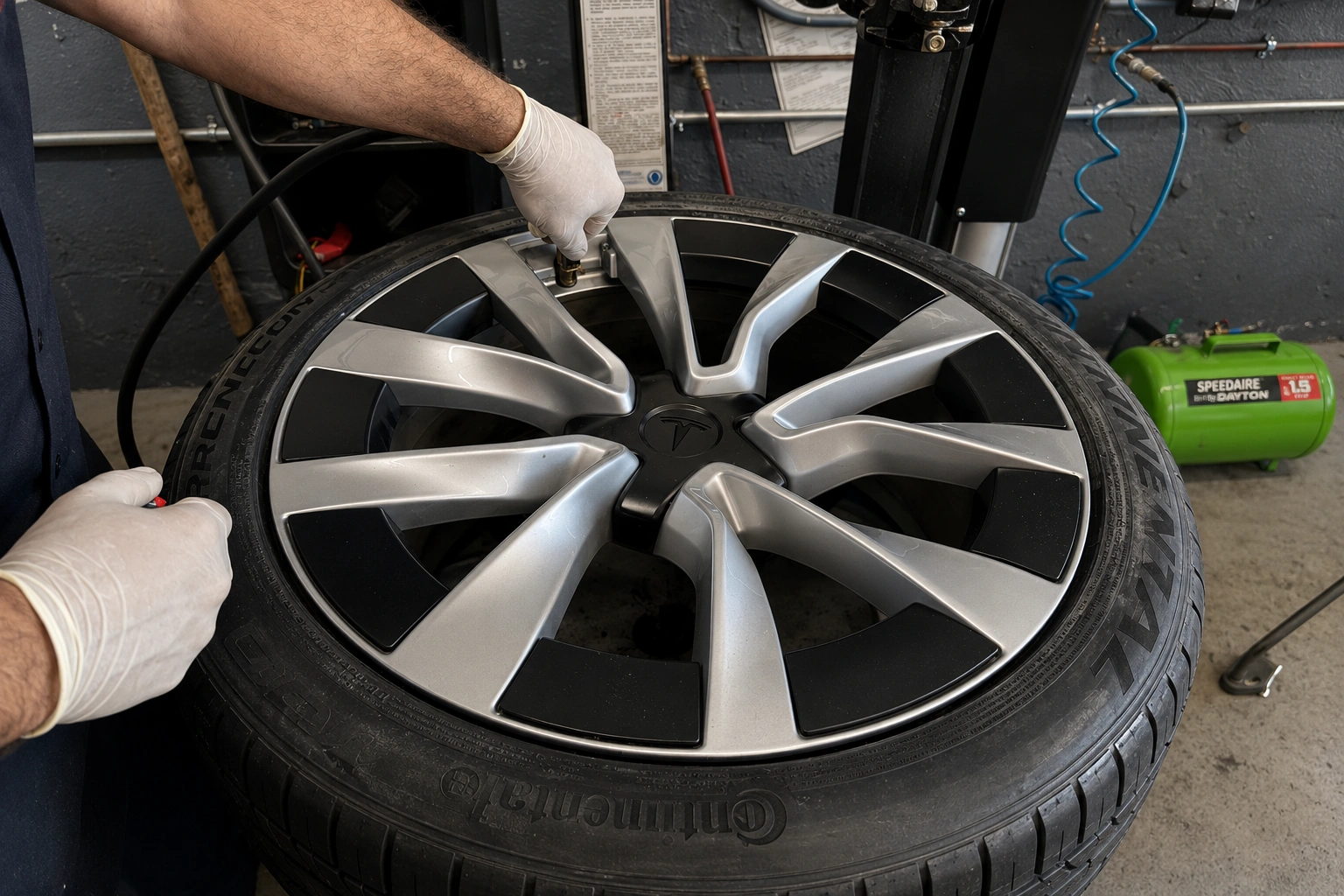
New tires should be mounted, balanced, inflated to the vehicle specification, and torqued correctly. Check that directional tires face the correct way and that staggered sizes remain in the correct positions.
If the vehicle pulls, the steering wheel is off-center, or the old tires wore unevenly, schedule a wheel alignment inspection after correcting any worn steering or suspension components.
Tire Pressure and TPMS After Installation
Check pressure when the tires are cold and use the door-placard specification. Do not use the maximum sidewall pressure as the recommended setting.
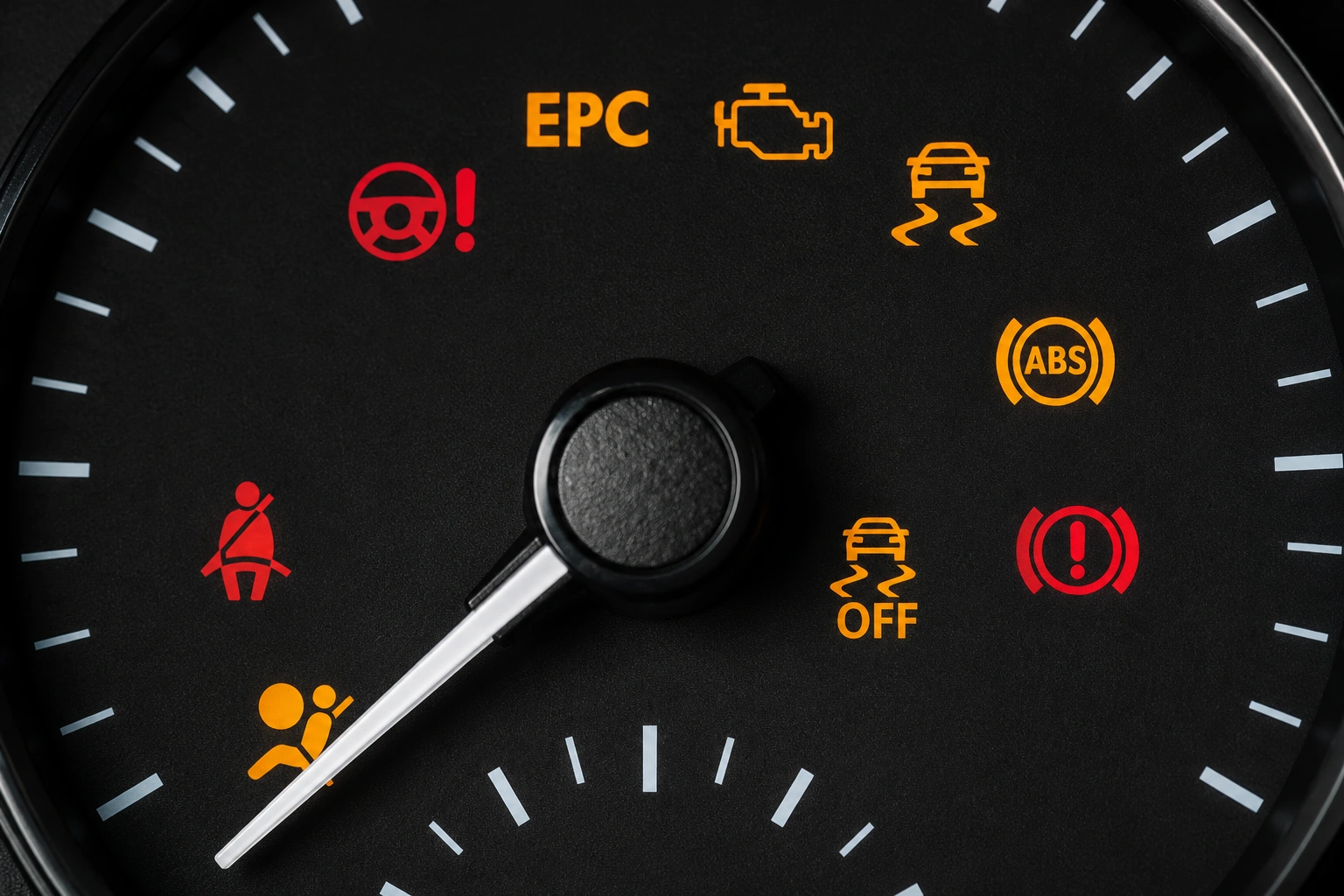
After tire replacement, the TPMS may need sensor relearning. A warning that flashes, returns, or appears despite correct pressure should be diagnosed. Review this guide to the TPMS light for Echo Park drivers.
How to Extend the Life of New Tires
- Check cold pressure monthly and before long trips.
- Rotate according to the vehicle and tire manufacturer’s schedule.
- Inspect tread, sidewalls, and valves regularly.
- Correct alignment and suspension problems promptly.
- Avoid hard acceleration, abrupt braking, and curb impacts.
- Store or park away from unnecessary heat and direct sunlight when practical.
- Respond to TPMS warnings instead of repeatedly adding air without inspection.
Frequently Asked Questions
How often should tires be replaced?
There is no single mileage answer. Replace based on tread, age, damage, wear pattern, pressure loss, and the manufacturer’s recommendations.
Can I replace only one tire?
Sometimes, but tread difference, drivetrain, tire model, and manufacturer requirements must be considered. AWD vehicles may require closer matching.
Are expensive tires always better?
Not necessarily. The best tire matches the vehicle, load, climate, roads, driving style, warranty, and safety priorities.
Should I align my car after new tires?
An alignment is useful when the old tires wore unevenly, the vehicle pulls, the steering wheel is off-center, or suspension work was performed.
What should I do with a tire that has a sidewall bulge?
Do not drive on it. A bulge indicates internal structural damage and generally requires immediate replacement.
Schedule Tire Replacement in Echo Park
Timely tire replacement protects traction, handling, braking, and comfort. Measure tread, inspect for damage and age, choose the correct specification, and correct alignment or pressure problems that caused premature wear.
Need new tires? Speedway Tire & Service can inspect your current tires, explain the replacement options, and verify pressure, balance, alignment, and TPMS operation.
Visit Us: 1165 West Sunset Blvd, Los Angeles, CA 90012
Call Now: (213) 250-4254
Looking for an Honest Auto Repair Shop in Los Angeles? Call Speedway Tire and Service Today
Whether you are driving through LA traffic or cruising the freeways, your car deserves expert care. Located in Los Angeles, Speedway Tire and Service offers reliable oil changes, brake repairs, tire services, and more, backed by experienced technicians and honest pricing.
Call Now: (213) 250-4254
Looking for an honest Auto Repair Shop in Los Angeles? Call Speedway Tire and Service Today
Whether you’re driving through LA traffic or cruising the freeways, your car deserves expert care. Located in Los Angeles, Speedway Tire and Service offers reliable oil changes, brake repairs, tire services, and more—all backed by experienced technicians and honest pricing.