Synthetic vs Conventional Oil Best Choice for Silver Lake Drivers
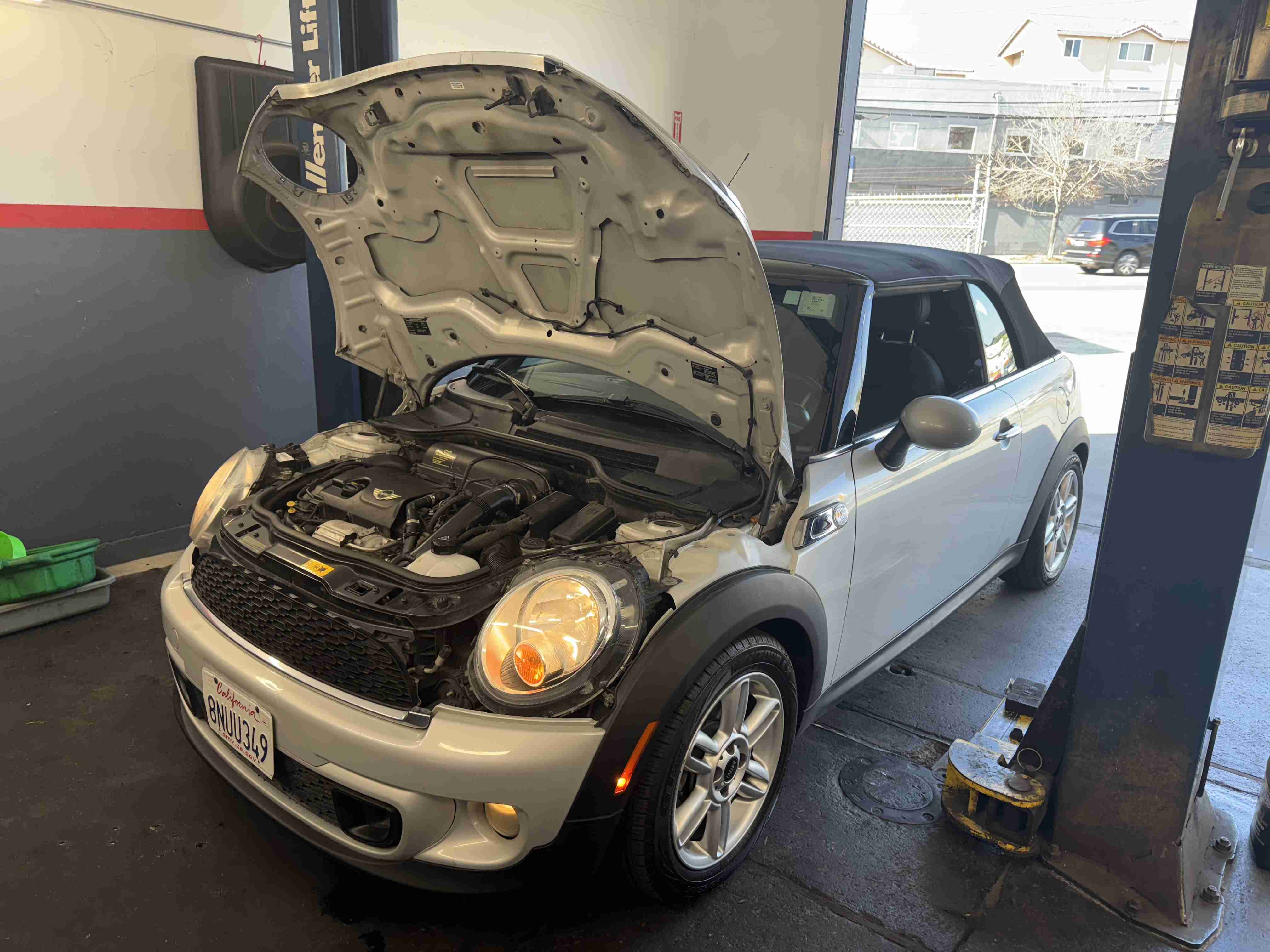
Choosing the correct engine oil helps protect moving components, manage heat, suspend contaminants, and support reliable performance. Silver Lake driving can include traffic, hills, short trips, idling, hot weather, and repeated engine heat cycles.
The best oil is determined by the vehicle manufacturer’s required viscosity and performance specification. Synthetic or conventional should be selected only after confirming the engine’s requirements.
What Conventional Oil Is
Conventional oil is refined from crude oil and remains suitable for many engines when it meets the required specification. It may be a practical choice for certain older vehicles, normal driving patterns, and owners who follow the correct service interval.
It may lose performance sooner under severe heat, heavy loads, frequent short trips, or extended service intervals. The oil specification matters more than choosing by price alone.
What Synthetic Oil Is
Synthetic oil is engineered and refined for consistent properties across temperature ranges. Depending on the formulation and engine approval, it may provide strong oxidation resistance, startup flow, deposit control, and protection under demanding conditions.
Synthetic oil is not automatically required for every vehicle. Use the grade and approval listed in the owner’s manual.
How Silver Lake Driving Affects Oil
Stop-and-go traffic, hills, short trips, long idling, heat, and repeated cold starts can increase engine stress and contamination. These conditions may place the vehicle in a severe-service category.
This guide to Silver Lake weather and oil-change scheduling explains why climate should be considered with mileage, time, and driving pattern.
Which Oil Is Best for Your Vehicle
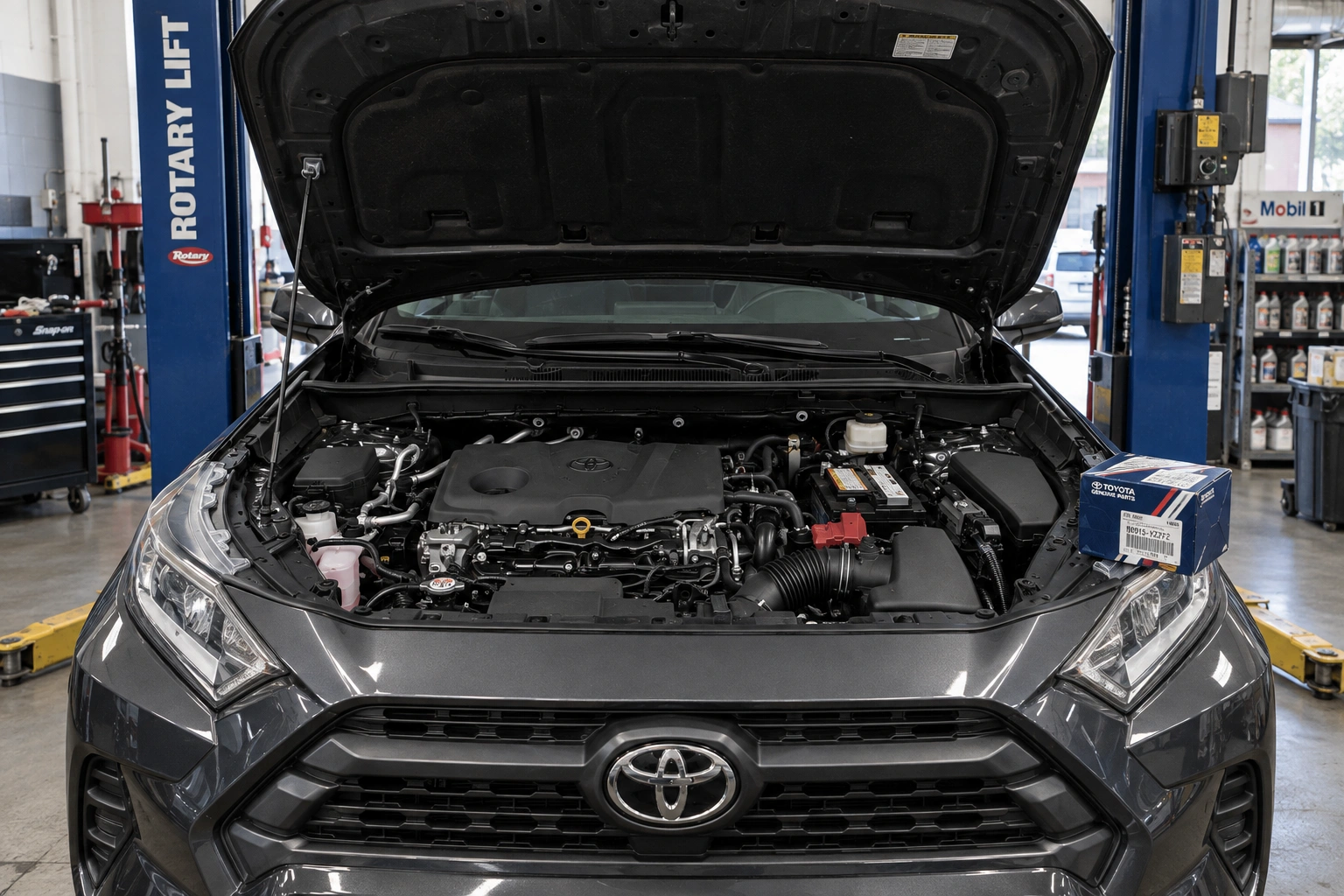
Check the owner’s manual or manufacturer information for viscosity, performance standard, capacity, and approved oil type. Newer engines, turbocharged engines, high-performance applications, hybrids, and vehicles with emissions systems may have specific requirements.
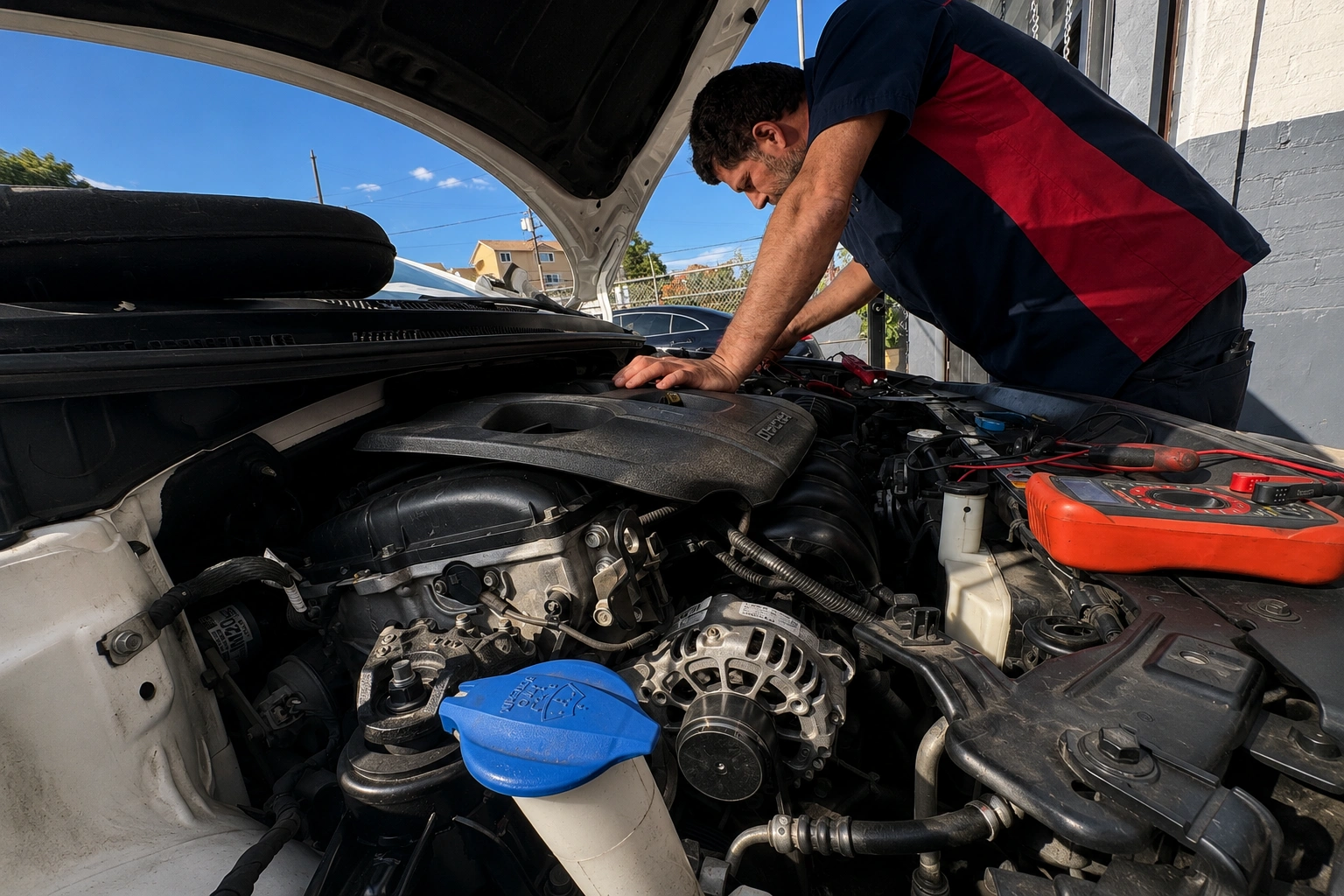
If the vehicle has an unknown history, oil leak, low oil level, warning light, or unusual engine noise, arrange an engine inspection and diagnostic service instead of simply changing oil and guessing at the cause.
How Often Should You Change the Oil
Follow the manufacturer’s time, mileage, oil-life, and severe-service schedule. A fixed interval from a generic chart may not suit every engine or driving pattern.
Frequent short trips, traffic, idling, dust, heat, towing, and heavy loads can justify closer monitoring. Keep records of the date, mileage, oil specification, filter, and next due service.
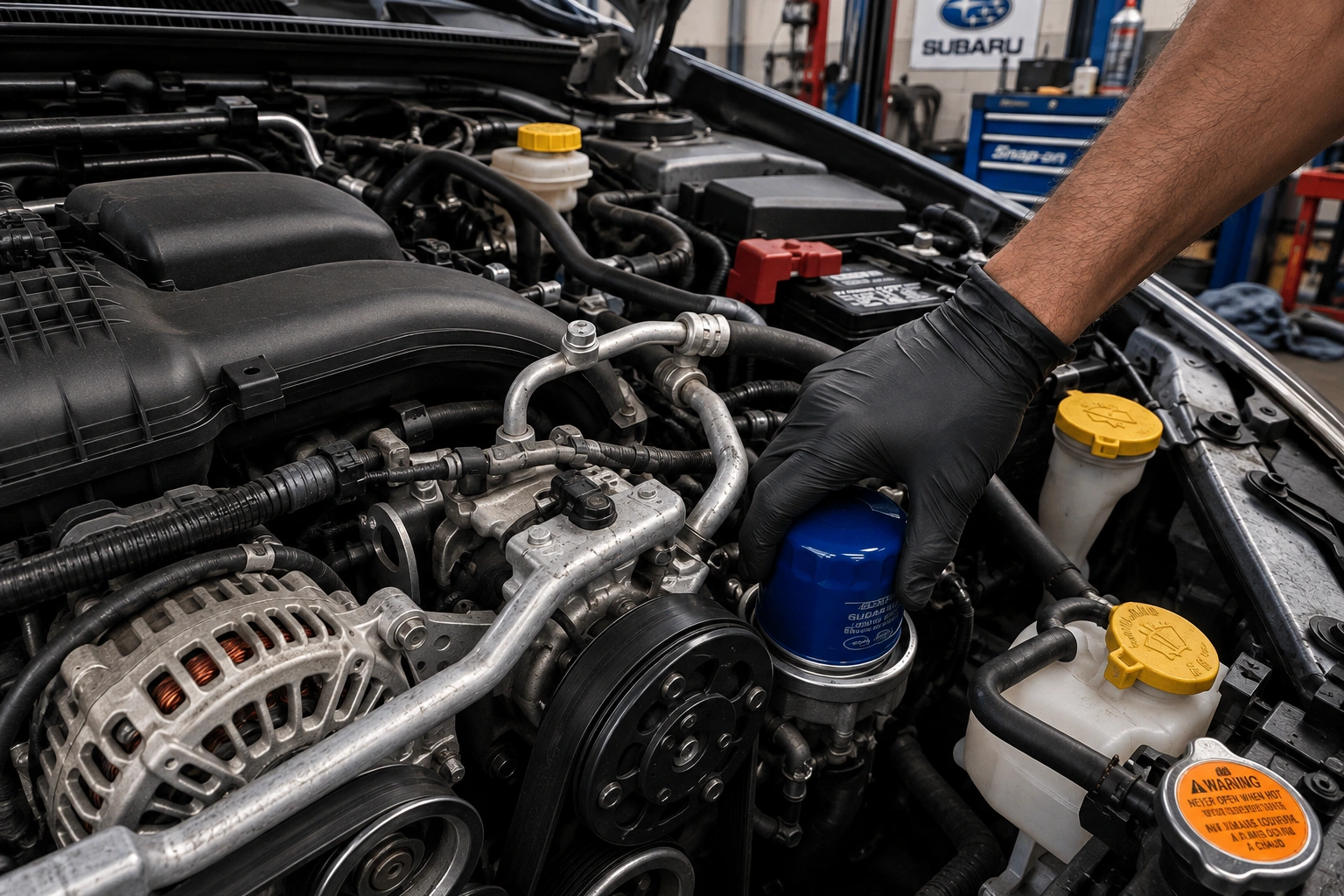
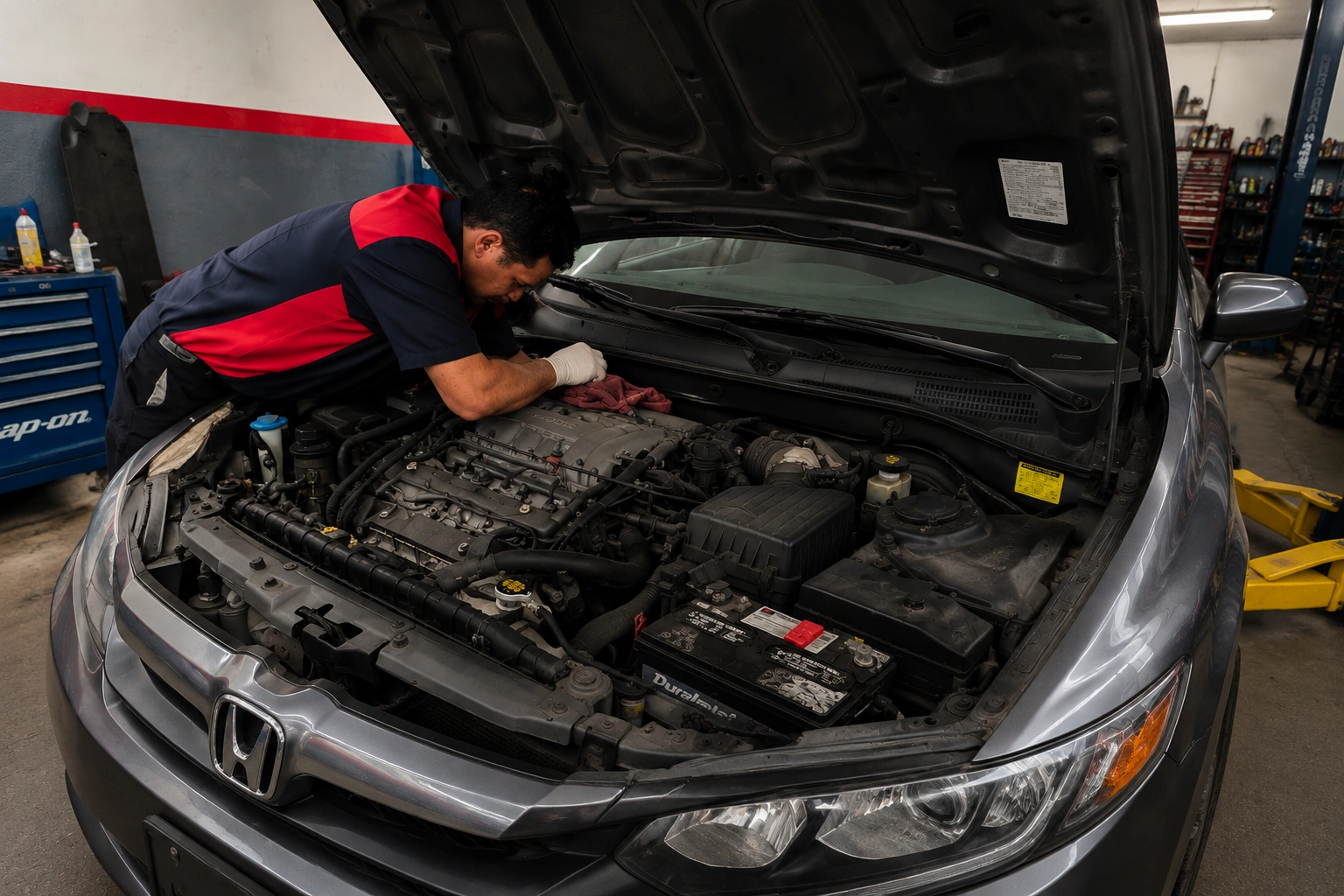
A complete oil change and maintenance service can confirm the correct product, replace the filter, check for leaks, and inspect related items.
Oil Considerations for Hybrid Vehicles
Hybrids still use an internal-combustion engine and need oil service even when the engine runs less often. Frequent starts, short engine-on cycles, moisture, and fuel dilution can affect service needs.
Read this guide to hybrid maintenance in Silver Lake for differences from conventional gas vehicles.
Signs You Need Service or Diagnosis
- Oil level is low or repeatedly drops.
- Oil appears gritty or contaminated.
- Knocking, ticking, rattling, or unusual startup noise occurs.
- The oil-pressure or check-engine warning appears.
- A burning-oil smell or visible leak is present.
- Fuel economy or engine performance changes.
- The oil-life or maintenance reminder is active.
Dark oil alone does not determine service timing. Consider the schedule, mileage, time, driving conditions, oil level, and service history.
Common Oil-Change Mistakes
- Using the maximum tire-like number on an oil container without checking the engine specification.
- Mixing products without confirming compatibility and approval.
- Overfilling or underfilling the engine.
- Ignoring a leak or low level because fresh oil was added.
- Resetting the maintenance reminder before service.
- Extending the interval beyond the manufacturer’s guidance.
- Assuming synthetic oil fixes a mechanical noise or warning light.
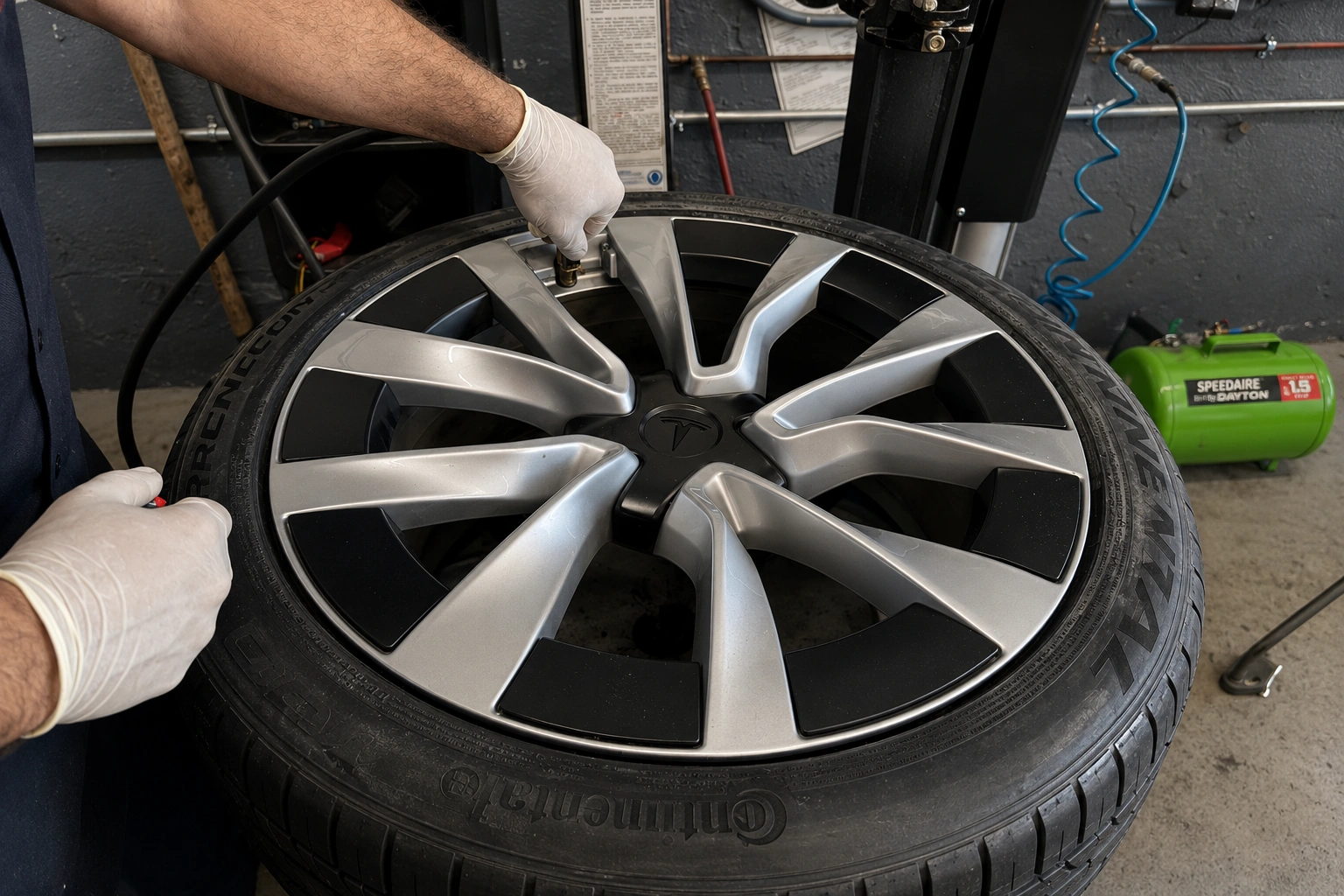
Oil service should also be coordinated with tire and vehicle condition checks. Use the tire inspection service to check pressure, tread, and wear that may affect fuel economy.
If the engine has persistent oil loss, noise, or warning lights, review these vehicle maintenance inspection considerations and ask for a complete diagnosis rather than changing oil without investigating the cause.
Frequently Asked Questions
Is synthetic oil always better?
Not automatically. The correct oil is the one approved for the engine and used at the correct interval. Synthetic may offer benefits in some applications.
Can I switch from conventional to synthetic oil?
Many vehicles can use either when the specification and viscosity are correct, but confirm the manufacturer’s requirements before switching.
Does synthetic oil last forever?
No. Synthetic oil still collects contaminants and experiences heat, moisture, and fuel dilution. Follow the manufacturer’s interval.
Can oil type improve fuel economy?
Correct oil may support normal engine efficiency, but fuel economy also depends on tires, alignment, traffic, driving style, sensors, and engine condition.
Should I change oil before a long trip?
Check the service interval, oil level, leaks, warning lights, tires, brakes, battery, coolant, belts, and hoses. Service if the interval is due or a symptom is present.
Schedule the Right Oil Service in Silver Lake
Synthetic and conventional oil can both be appropriate when they meet the manufacturer’s specification. Silver Lake traffic, heat, hills, short trips, and vehicle condition should be considered alongside mileage and time.
Need help choosing oil? Speedway Tire & Service can confirm the correct specification, change the oil, inspect the vehicle, and explain the next interval.
Visit Us: 1165 West Sunset Blvd, Los Angeles, CA 90012
Call Now: (213) 250-4254
Looking for an Honest Auto Repair Shop in Los Angeles? Call Speedway Tire and Service Today
Whether you are driving through LA traffic or cruising the freeways, your car deserves expert care. Located in Los Angeles, Speedway Tire and Service offers reliable oil changes, brake repairs, tire services, and more, backed by experienced technicians and honest pricing.
Looking for an honest Auto Repair Shop in Los Angeles? Call Speedway Tire and Service Today
Whether you’re driving through LA traffic or cruising the freeways, your car deserves expert care. Located in Los Angeles, Speedway Tire and Service offers reliable oil changes, brake repairs, tire services, and more—all backed by experienced technicians and honest pricing.