How Often Should Silver Lake Cars Get Tune-Ups
A well-maintained vehicle is important for safe and reliable driving in Silver Lake. Stop-and-go traffic, hills, rough roads, heat, short trips, and frequent braking can place extra demands on the engine and other systems.
Modern vehicles may not need the old-style tune-up at a fixed interval, but they still require scheduled inspections and replacement of wear items. The correct schedule depends on the vehicle, mileage, age, engine, driving conditions, and manufacturer recommendations.
What a Modern Tune-Up Includes
A tune-up is a maintenance review rather than one universal service. Depending on the vehicle, it may include spark plugs, ignition components, air and cabin filters, fluids, belts, hoses, battery, engine performance, emissions equipment, and electronic diagnostics.
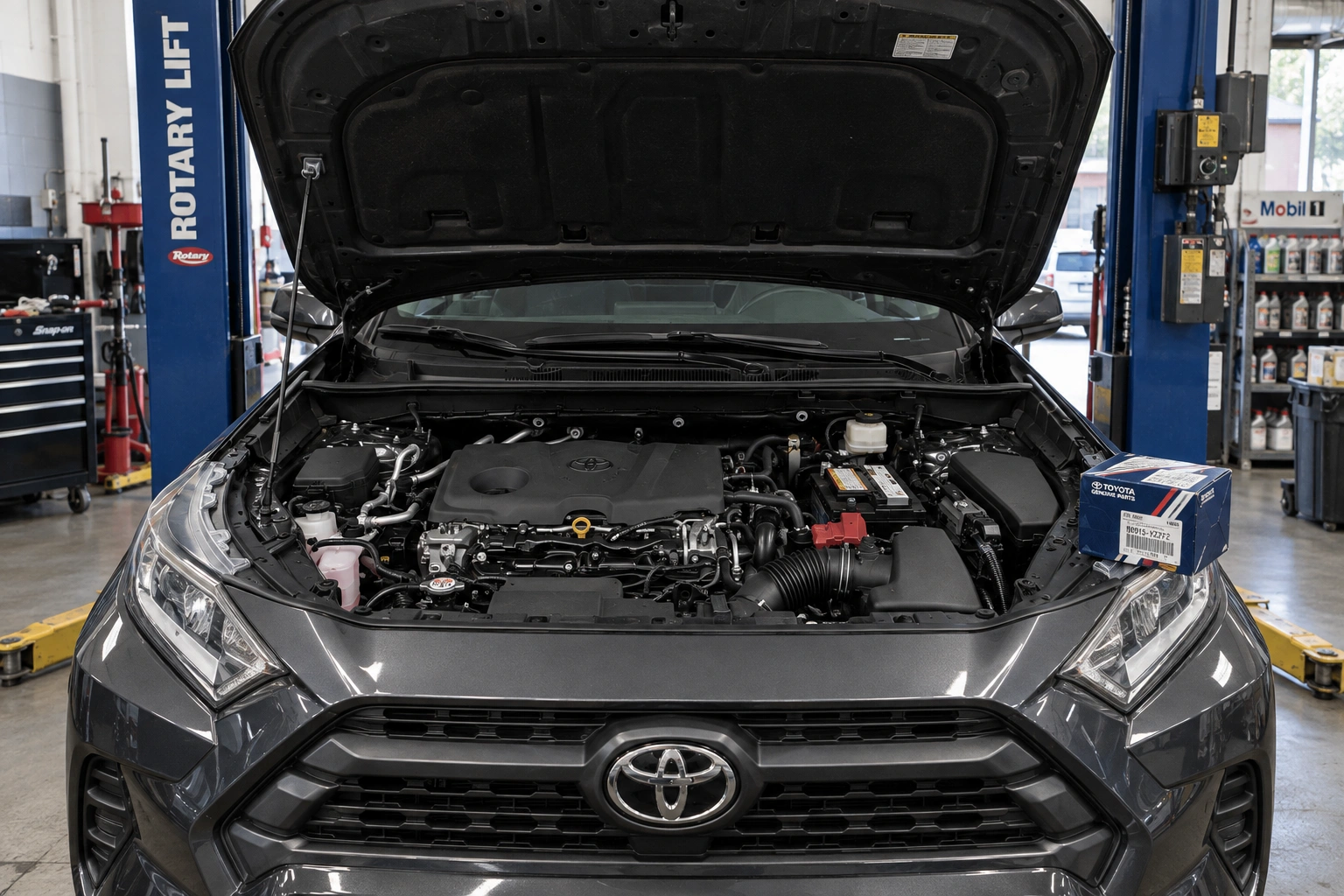
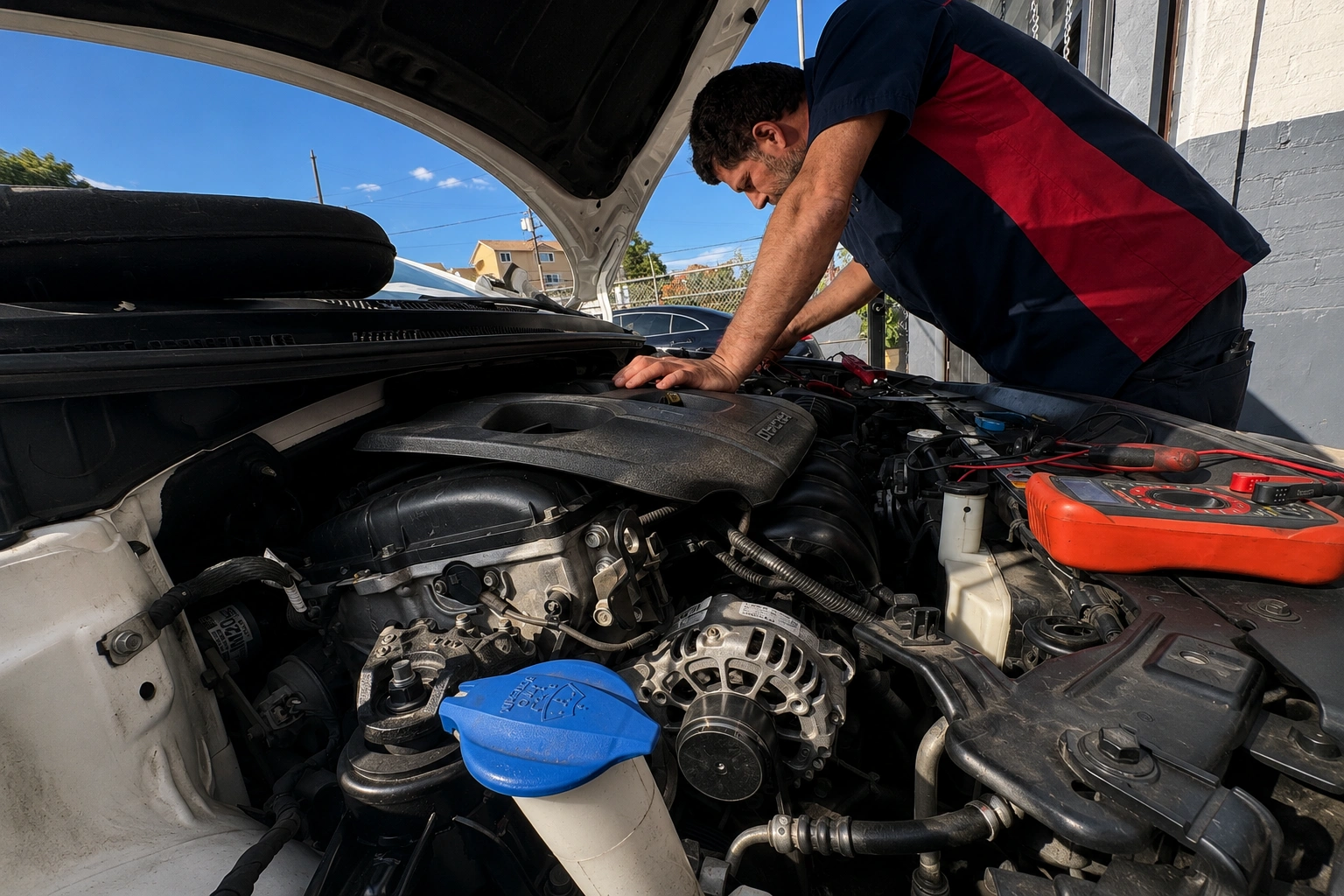
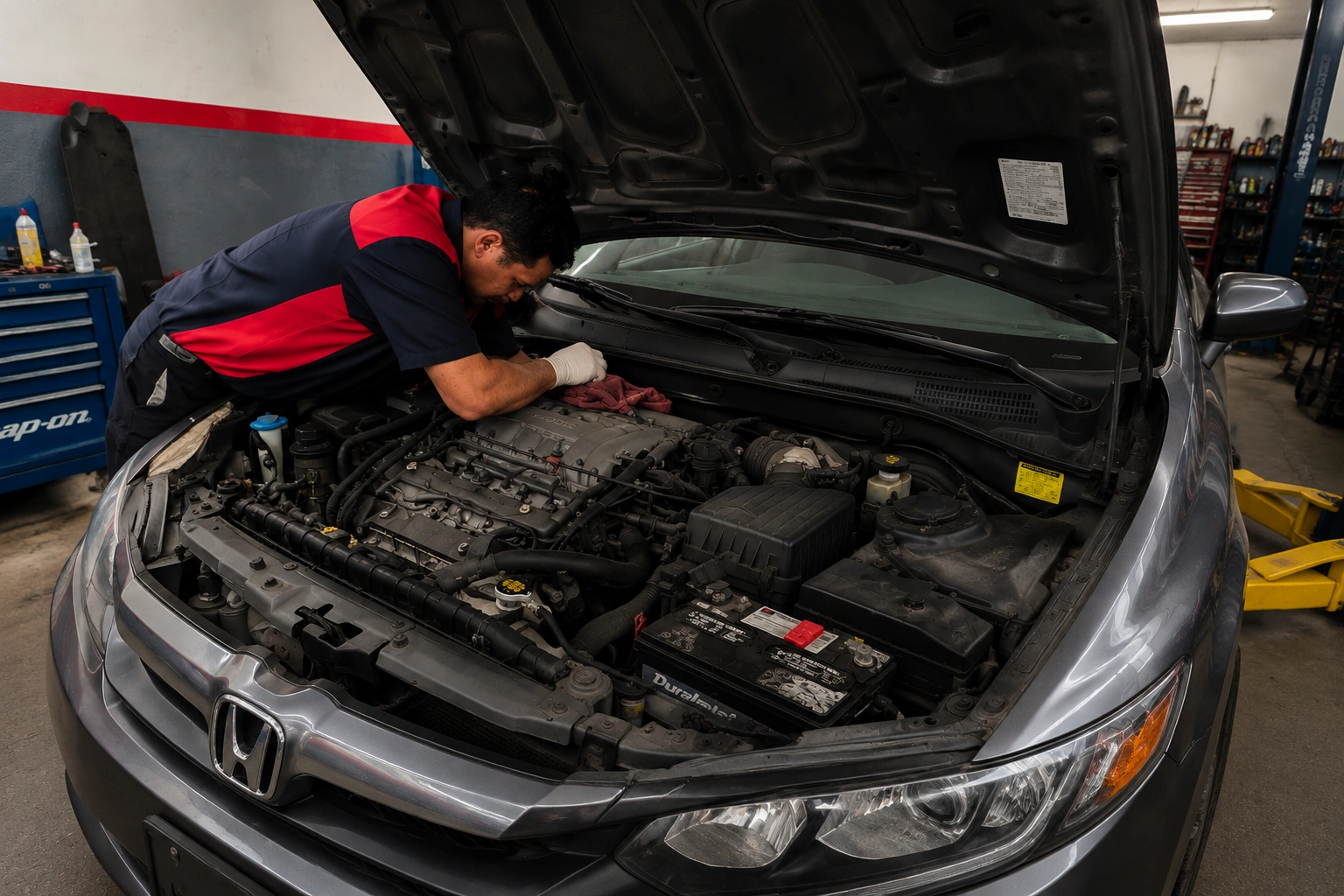
A professional engine inspection and diagnostic service can identify whether the vehicle needs routine maintenance, a repair, or testing for a drivability complaint.
Why Tune-Ups Matter
Scheduled maintenance can support fuel economy, smooth starting, predictable acceleration, emissions performance, and engine reliability. It also gives technicians an opportunity to find leaks, worn components, weak batteries, or warning signs before they become a roadside breakdown.
Maintenance should be based on inspection and the manufacturer’s schedule rather than replacing every part automatically.
How Often Should You Schedule a Tune-Up
Follow the vehicle manufacturer’s maintenance schedule for spark plugs, filters, fluids, belts, and inspections. Some vehicles specify service by mileage, while others use time, oil life, operating hours, or condition.
Older vehicles and cars used for frequent short trips, heavy traffic, hills, dusty roads, towing, or extreme temperatures may need closer monitoring. Ask the technician to document the mileage and next recommended service.
Warning Sign 1 Reduced Fuel Efficiency
A sudden drop in fuel economy may relate to tire pressure, alignment, traffic, driving style, air filters, sensors, ignition, fuel delivery, emissions equipment, or engine condition. A tune-up may help only after the actual cause is identified.
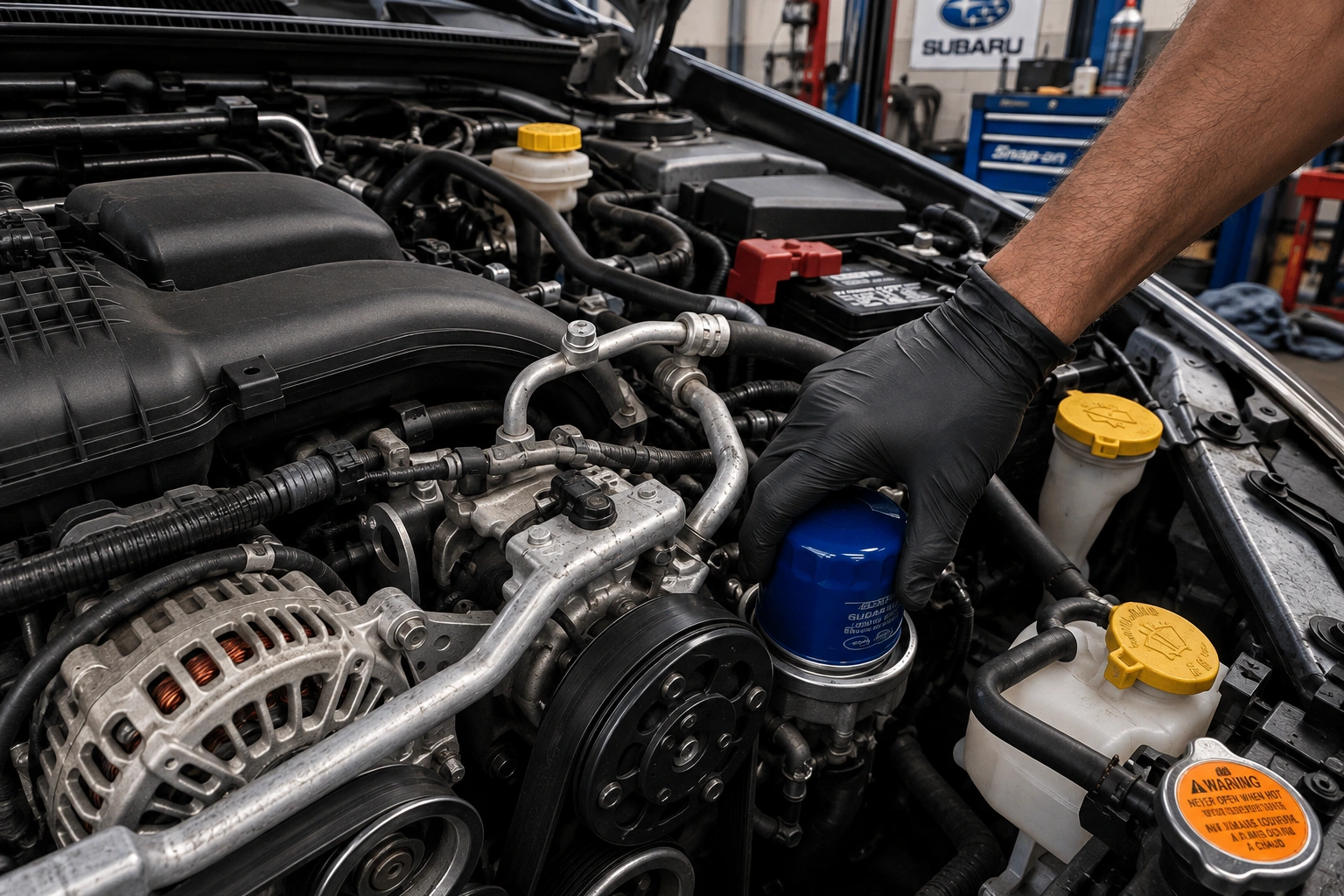
If oil service is due as well, schedule an oil change and maintenance inspection using the correct oil and filter specification.
Warning Sign 2 Rough Idle or Misfires
Rough idling, hesitation, stalling, or misfires can result from worn spark plugs, ignition coils, vacuum leaks, fuel delivery, sensors, compression, or other engine issues. A flashing check-engine light can indicate a condition that may damage the catalytic converter.
Reduce driving and arrange diagnosis when the engine runs poorly, the warning light flashes, or power changes suddenly.
Warning Sign 3 Strange Engine Noises
Ticking, knocking, rattling, squealing, or grinding may come from low oil, belts, pulleys, timing components, accessories, internal wear, or another system. Note when the sound occurs and whether it changes with engine speed, temperature, or load.
Do not assume an oil change or tune-up will solve a persistent noise without testing.
Warning Sign 4 Starting Problems
Slow cranking, repeated jump-starts, hard starting, or intermittent no-start conditions may involve the battery, starter, charging system, ignition, fuel, immobilizer, or engine controls.
Battery testing and charging-system diagnosis should be part of the inspection, especially before hot-weather trips or after the vehicle has been sitting.
Warning Sign 5 Dashboard Warnings
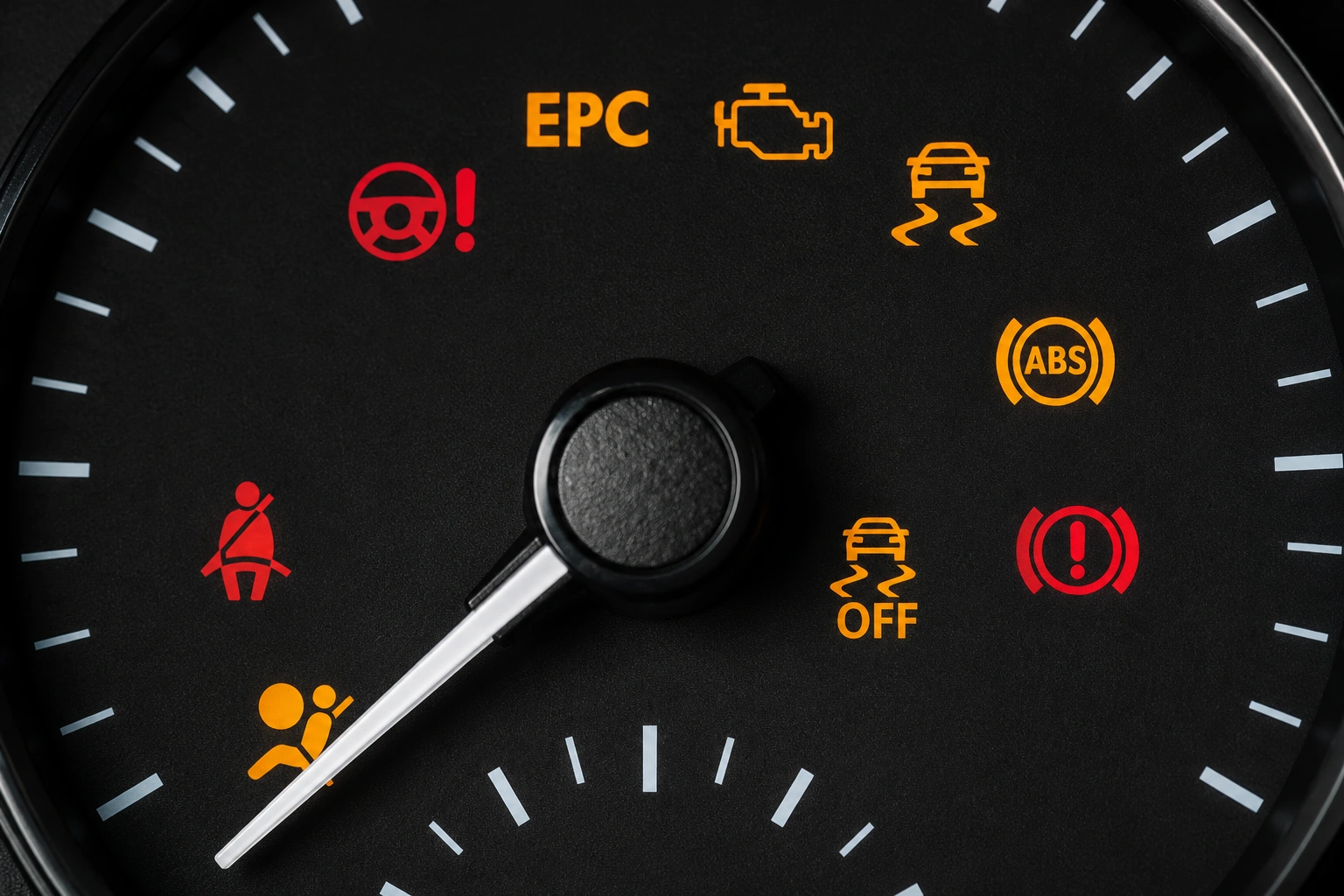
Check-engine, oil-pressure, temperature, battery, brake, and other warning lights have different levels of urgency. A flashing check-engine light, rising temperature, oil-pressure warning, or brake warning with changed performance requires prompt attention.
When a warning is paired with brake symptoms, arrange brake inspection and repair rather than treating it as a routine tune-up.
Other Systems to Check During Maintenance
A tune-up visit is a useful time to check tires, pressure, tread, brakes, suspension, steering, belts, hoses, fluids, lights, wipers, battery, and air conditioning. The inspection should reflect the vehicle’s age and driving conditions.
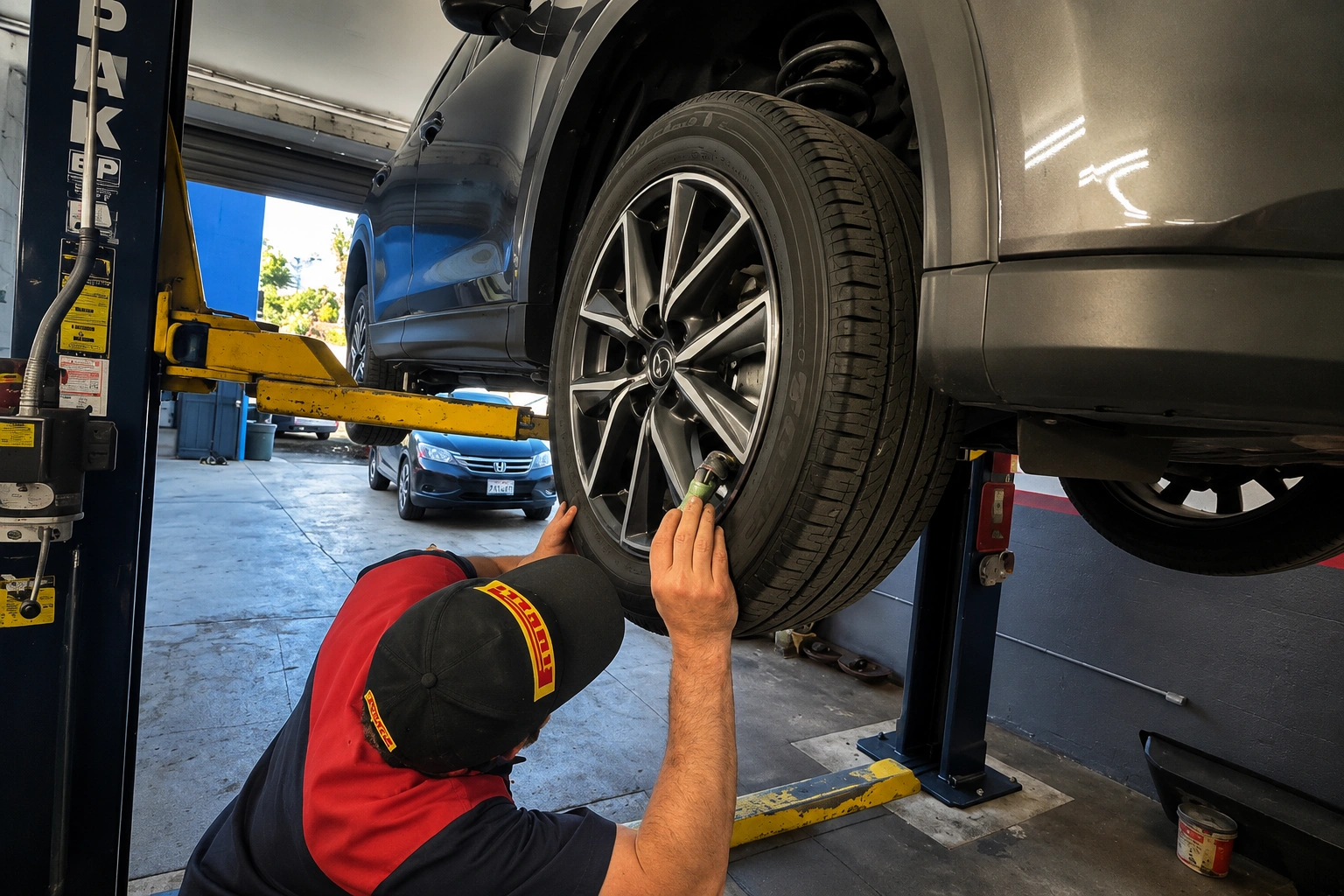
If the steering wheel is off-center, the car pulls, or tires wear unevenly, request a wheel alignment inspection.
Hybrid and Electric Vehicle Considerations
Hybrid vehicles still use an internal-combustion engine and require oil, filters, cooling, spark-plug, and emissions maintenance according to the manufacturer. Their engine may run less often, but age, moisture, and operating cycles still matter.
EVs do not need conventional engine tune-ups, but they require tire, brake, battery, cooling, software, and high-voltage-system maintenance. Read this guide to hybrid maintenance in Silver Lake.
How to Prepare for a Tune-Up
- Bring service records when available.
- Report warning lights, noises, starting issues, fuel-economy changes, and drivability symptoms.
- Note when the problem occurs and whether the engine is hot or cold.
- Ask which tests support the diagnosis.
- Request a written estimate before repairs begin.
- Ask which work is urgent, scheduled, or optional.
- Keep the invoice and next-service recommendation.
Frequently Asked Questions
Do modern cars still need tune-ups?
Yes, but the service is usually scheduled maintenance and inspection rather than a universal package. Follow the manufacturer’s requirements for plugs, filters, fluids, and diagnostics.
How often should spark plugs be replaced?
The interval varies by plug type, engine, and manufacturer. Use the vehicle’s maintenance schedule and replace them based on the specified mileage or condition.
Can a tune-up improve gas mileage?
It may restore normal performance when maintenance is overdue, but fuel economy also depends on tires, alignment, traffic, driving style, sensors, and engine condition.
Should I tune up a car before a road trip?
Have the vehicle inspected in advance, especially tires, brakes, fluids, battery, cooling system, belts, hoses, and warning lights. Do not wait until the day of departure if a problem is present.
What if my check-engine light is flashing?
Reduce driving and arrange prompt diagnosis. A flashing light can indicate an active misfire or another condition that may damage the vehicle.
Schedule a Tune-Up in Silver Lake
Silver Lake vehicles benefit from maintenance based on manufacturer schedules, mileage, age, and real driving conditions. Addressing reduced performance, rough running, strange noises, starting problems, and warning lights early can reduce breakdown risk.
Due for maintenance? Speedway Tire & Service can inspect your vehicle, explain the findings, and recommend the next service.
Visit Us: 1165 West Sunset Blvd, Los Angeles, CA 90012
Call Now: (213) 250-4254
Looking for an Honest Auto Repair Shop in Los Angeles? Call Speedway Tire and Service Today
Whether you are driving through LA traffic or cruising the freeways, your car deserves expert care. Located in Los Angeles, Speedway Tire and Service offers reliable oil changes, brake repairs, tire services, and more, backed by experienced technicians and honest pricing.
Looking for an honest Auto Repair Shop in Los Angeles? Call Speedway Tire and Service Today
Whether you’re driving through LA traffic or cruising the freeways, your car deserves expert care. Located in Los Angeles, Speedway Tire and Service offers reliable oil changes, brake repairs, tire services, and more—all backed by experienced technicians and honest pricing.