Loose Steering It Could Be Your Tie Rod Ends Echo Park Guide
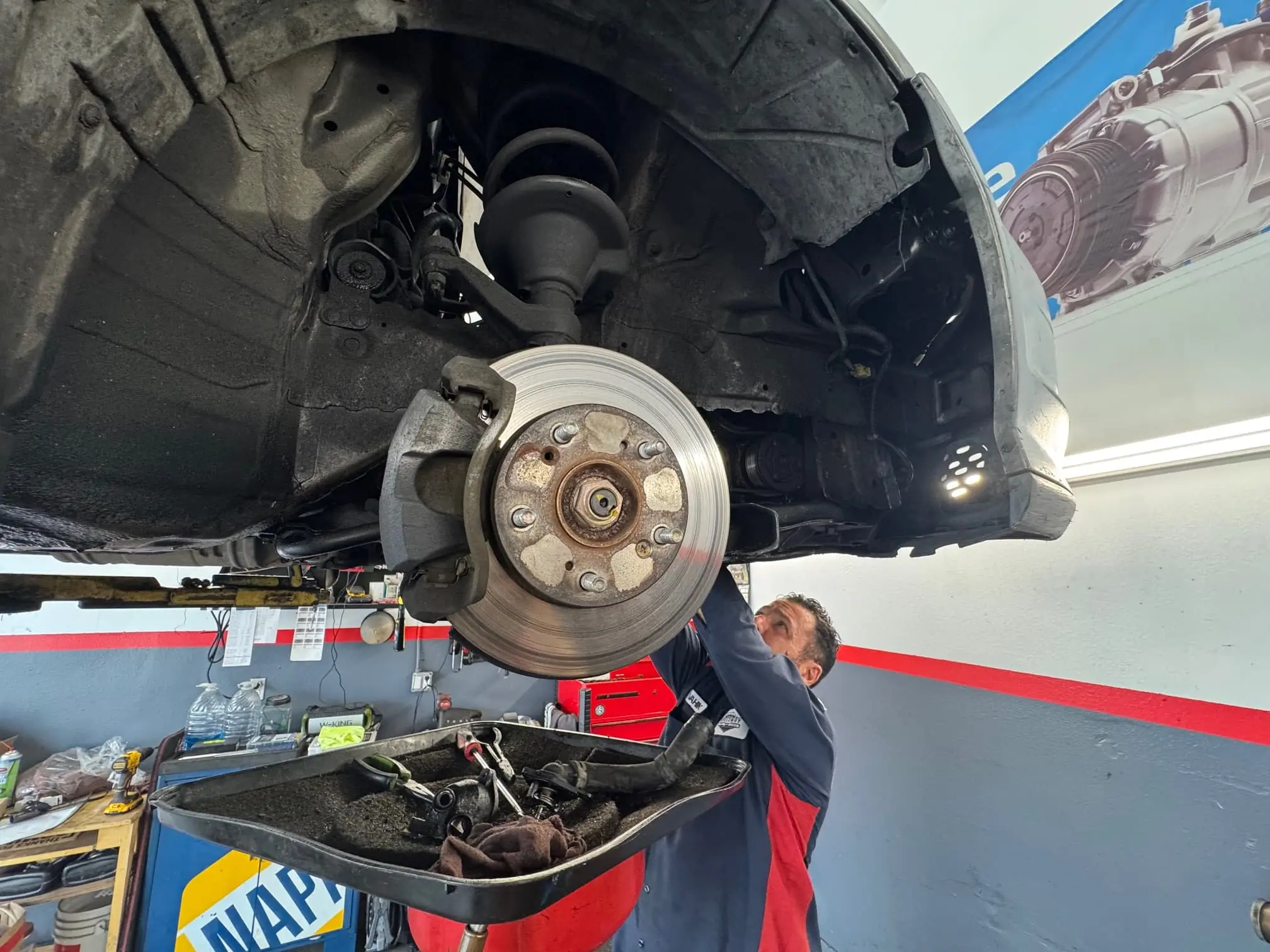
If your car feels less stable on the road, especially while turning corners or driving at higher speeds, the tie rod ends may need attention. These steering and suspension components connect the steering rack to the wheels and help the vehicle respond when you turn the steering wheel.
When tie rod ends wear out, steering precision can decline, tires may wear unevenly, and the risk of losing control can increase. Echo Park drivers encounter potholes, rough pavement, curbs, and frequent low-speed turns that can place additional stress on front-end components.
What Tie Rod Ends Do
Tie rod ends transfer movement from the steering rack to the steering knuckle. They allow the wheels to turn while the suspension moves over bumps and changes height.
Because tie rod ends are part of the steering system, looseness can affect the vehicle’s ability to track straight and respond predictably. Their condition should be checked alongside ball joints, control arms, bushings, wheel bearings, tires, and alignment.
A professional suspension and steering inspection can identify whether the tie rod end or another front-end part is causing the symptom.
Common Tie Rod End Symptoms
Steering Play or a Sloppy Wheel
One of the most noticeable signs is excessive steering play. The steering wheel may feel loose, delayed, or imprecise, and you may need constant small corrections to remain in your lane.
Vehicle Pulling or Wandering
A worn tie rod end can allow wheel movement and contribute to pulling or wandering. Tire pressure, alignment, braking, suspension, and road crown can cause similar symptoms, so diagnosis is important.
Shaking or Steering-Wheel Vibration
Loose steering components may produce vibration through the steering wheel, especially over rough roads or at certain speeds. A tire, wheel, balance, bearing, or alignment problem can also be involved.
This guide to wheel balancing and freeway vibration explains why tire and wheel checks may be needed when steering vibration appears.
Clunking During Turns or over Bumps
A clunk, knock, or pop from the front end can indicate a tie rod end, ball joint, bushing, sway-bar link, strut mount, or another component. Do not identify the source by sound alone.
Review these clunking and suspension warning signs when the noise appears over bumps or during turns.
Uneven Tire Wear
Tie rod wear can change wheel alignment and create feathering, inner-edge wear, outer-edge wear, or rapid tread loss. If new tires wear quickly, inspect steering and suspension components before replacing them again.
A professional tire inspection can evaluate tread, pressure, sidewalls, balance, and damage while the front end is assessed.
Why Alignment Matters After Tie Rod Replacement
Replacing a tie rod end changes the relationship between the steering rack and wheel. Even when the replacement is installed correctly, the vehicle may require alignment to restore the correct toe and other applicable wheel angles.
Without alignment, the vehicle may pull, the steering wheel may sit off-center, and the tires may continue to wear unevenly. Schedule a wheel alignment inspection after tie rod work according to the repair procedure.
What Causes Tie Rod Ends to Wear
- High mileage and normal joint movement.
- Potholes, road impacts, and curb strikes.
- Water, dirt, and corrosion entering through a damaged boot.
- Wear in the ball-and-socket joint.
- Repeated steering loads on rough or hilly roads.
- Damage to related steering or suspension components.
A damaged ball joint can create symptoms similar to a worn tie rod. Review these ball-joint failure warning signs when clunking, wandering, vibration, or uneven wear appears.
How Technicians Inspect Tie Rod Ends
A technician may inspect the tie rod ends visually and check for looseness while the vehicle is safely lifted. The inspection may also include:
- Checking the outer and inner tie rod connections.
- Inspecting boots, seals, and grease contamination.
- Testing steering play and wheel movement.
- Checking ball joints, control arms, bushings, and struts.
- Inspecting wheel bearings and hubs.
- Evaluating tires and alignment angles.
- Road-testing when safe and appropriate.
Can You Drive with Worn Tie Rod Ends
Driving with a suspected worn tie rod end is not recommended. A joint that becomes excessively loose or separates can cause a major loss of steering control.
Stop driving and arrange assistance if the steering suddenly becomes loose, the vehicle cannot track straight, a wheel appears unstable, a major clunk develops after an impact, or the steering wheel vibrates severely.
How Tie Rod Repairs Are Completed
The repair may involve replacing an outer tie rod end, inner tie rod, complete steering linkage, or another damaged component. The technician should confirm the cause before installing parts.
After installation, the system should be checked for secure hardware, steering movement, wheel position, and alignment. Tire wear and road-test behavior should also be verified.
Frequently Asked Questions
What does a bad tie rod end sound like?
A worn tie rod end may create a clunk, knock, or pop during turns, bumps, or steering movement. Other front-end parts can make similar sounds.
Can a tie rod end cause uneven tire wear?
Yes. Looseness can alter wheel position and alignment, contributing to feathering, edge wear, or rapid tread loss.
Is a tie rod end part of the suspension?
It is primarily a steering-linkage component, but it works closely with the suspension and wheel assembly. Steering, suspension, tires, and alignment should be evaluated together.
Does replacing a tie rod require alignment?
Alignment is commonly required after tie rod replacement because the adjustment affects toe and steering-wheel position.
Can an alignment fix a worn tie rod end?
No. Alignment adjusts wheel angles but cannot repair a loose or damaged steering joint. The worn component should be repaired first.
Schedule a Tie Rod Inspection in Echo Park
Loose steering, wandering, vibration, clunking, and uneven tire wear can indicate tie rod or related front-end wear. Early diagnosis can protect your tires and reduce the risk of a serious steering failure.
Noticing loose steering? Speedway Tire & Service can inspect the tie rod ends, steering system, suspension, tires, and alignment and explain the needed repair.
Visit Us: 1165 West Sunset Blvd, Los Angeles, CA 90012
Call Now: (213) 250-4254
Looking for an Honest Auto Repair Shop in Los Angeles? Call Speedway Tire and Service Today
Whether you are driving through LA traffic or cruising the freeways, your car deserves expert care. Located in Los Angeles, Speedway Tire and Service offers reliable oil changes, brake repairs, tire services, and more, backed by experienced technicians and honest pricing.
Looking for an honest Auto Repair Shop in Los Angeles? Call Speedway Tire and Service Today
Whether you’re driving through LA traffic or cruising the freeways, your car deserves expert care. Located in Los Angeles, Speedway Tire and Service offers reliable oil changes, brake repairs, tire services, and more—all backed by experienced technicians and honest pricing.