DIY Car Checks vs Professional Mechanics in Silver Lake
Some vehicle checks are straightforward for a prepared owner, while other work requires professional tools, measurements, training, and safety procedures. Knowing the difference can save time, prevent damage, and help keep Silver Lake drivers safe on hills, city streets, and freeways.
Before starting any DIY task, read the owner’s manual, use the correct tools, secure the vehicle, and stop if the repair is beyond your experience.
DIY Check 1 Tire Pressure
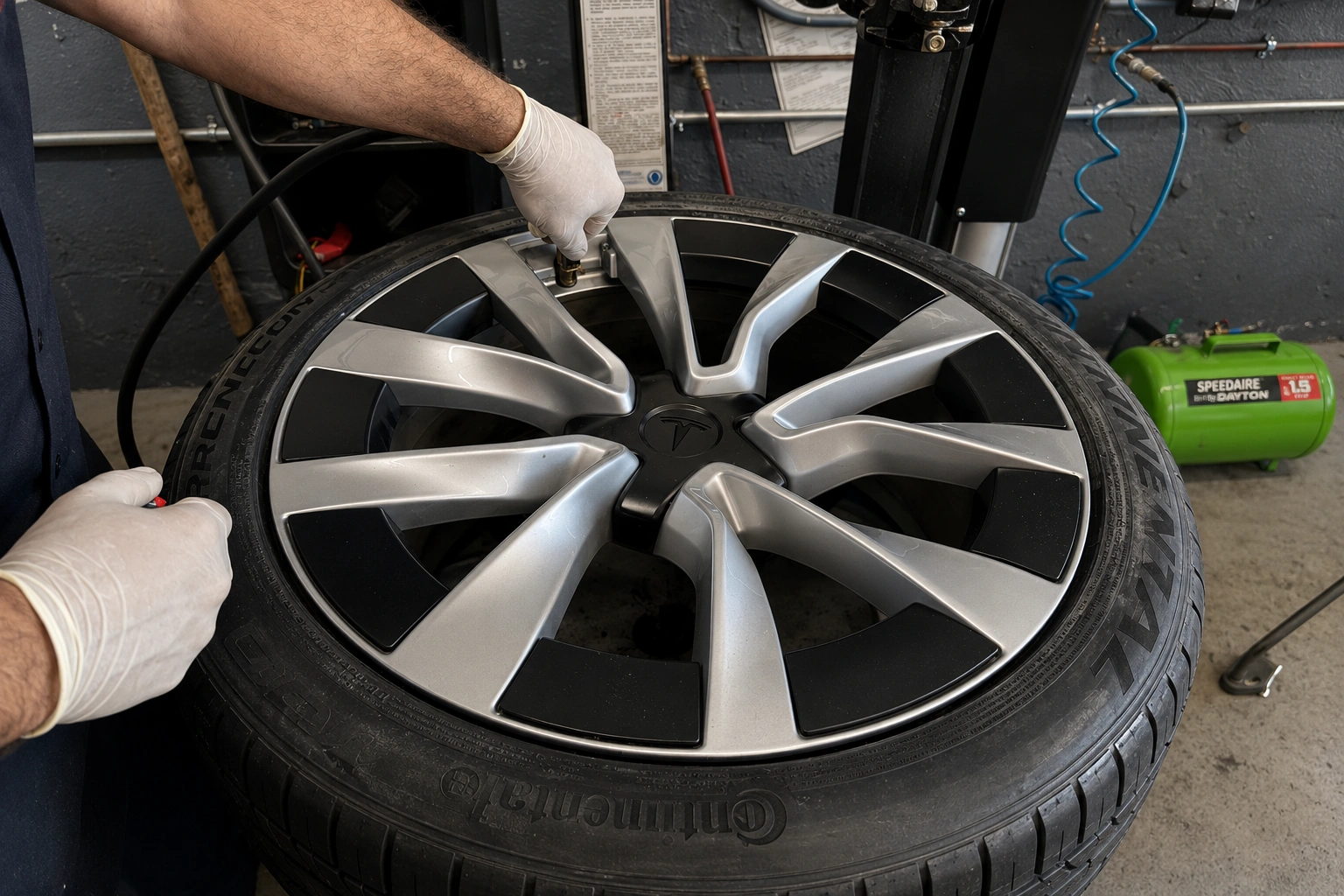
Checking tire pressure is a reasonable routine task. Use a reliable gauge when the tires are cold, compare the reading with the driver’s door-placard specification, and inspect for visible damage.
Do not use the maximum pressure printed on the sidewall as the vehicle’s recommended setting. A professional tire service inspection is appropriate for repeated pressure loss, uneven wear, vibration, a bulge, or a puncture.
DIY Check 2 Wiper Blades and Washer Fluid
Wiper blades and washer fluid are usually simple to inspect and replace. Streaking, skipping, splitting, or poor visibility means the blades may need replacement.
Inspect windshield-washer spray and keep the reservoir filled with the correct fluid. Do not drive in rain when visibility is unsafe.
DIY Check 3 Accessible Filters and Fluid Levels
Some cabin or engine air filters are accessible and can be replaced by an owner who follows the vehicle instructions. Check the filter orientation and make sure the housing seals correctly.
Fluid levels may be checked by an owner, but use the manufacturer’s procedure and specification. A low level may indicate a leak rather than a need to simply add fluid.
When to Call a Professional Mechanic
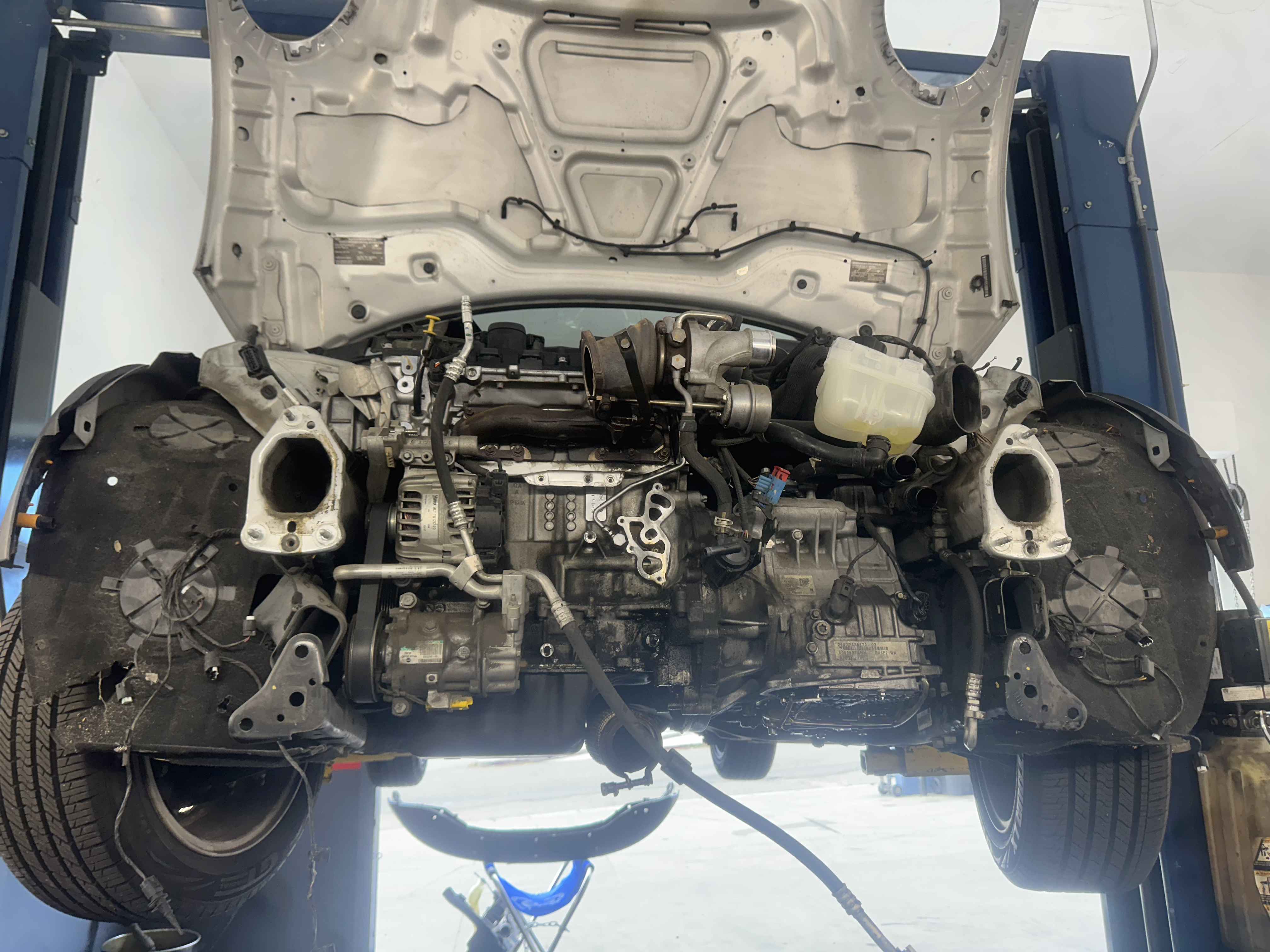
Professional help is appropriate when the task involves braking, steering, suspension, high-voltage systems, airbags, fuel, engine timing, lifting the vehicle, programming, or diagnosis of an intermittent fault.
A professional can verify the underlying cause instead of replacing parts based only on a symptom or dashboard code.
Professional Service 1 Brake Repairs
Brake pads, rotors, calipers, fluid, hoses, hardware, and parking-brake systems affect stopping safety. Squealing, grinding, pulling, vibration, a soft pedal, a warning light, or a longer stopping distance should be inspected.
Arrange professional brake service rather than attempting a repair without the correct lifting equipment, torque procedures, measurements, and bleeding process.
Professional Service 2 Engine Diagnostics
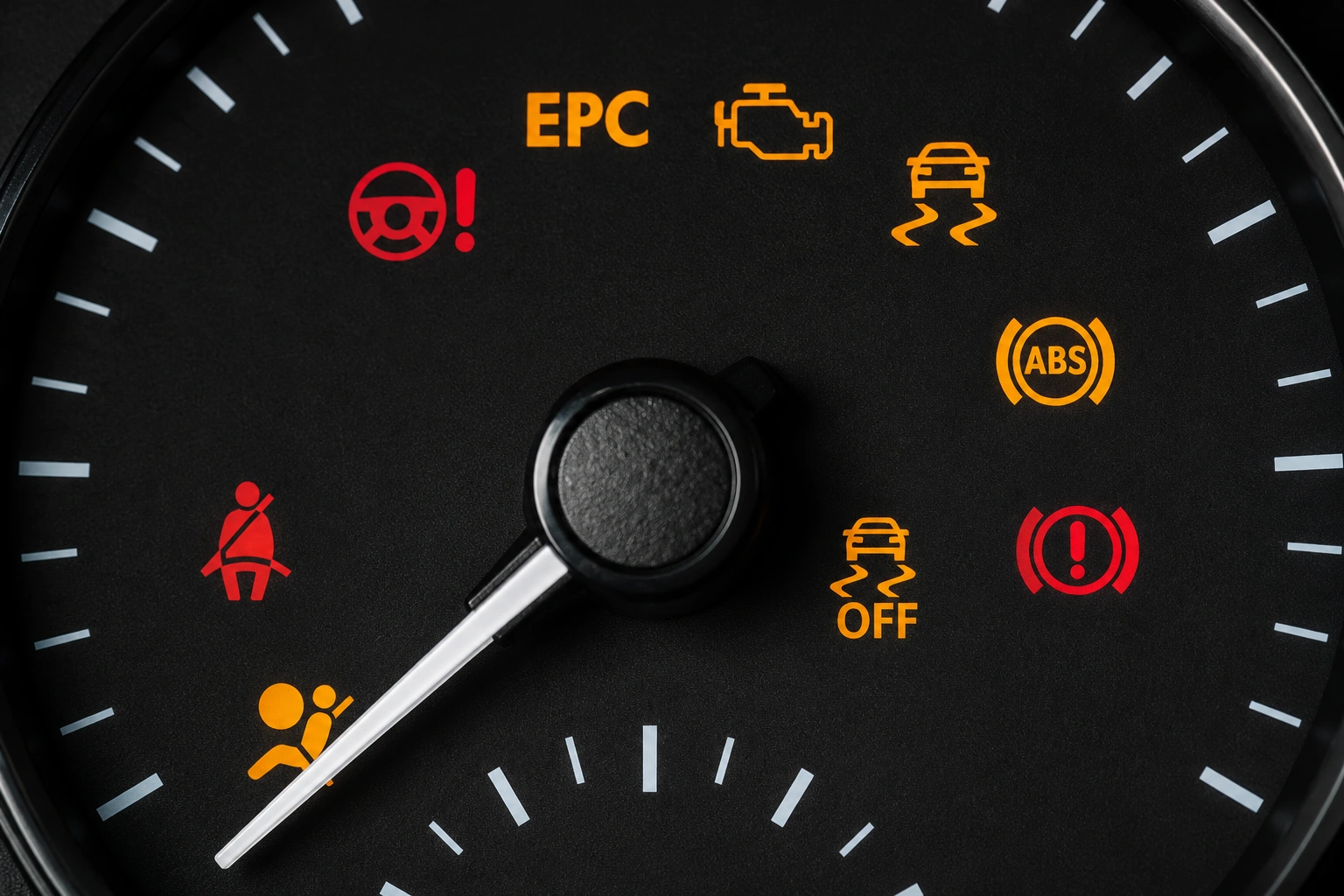
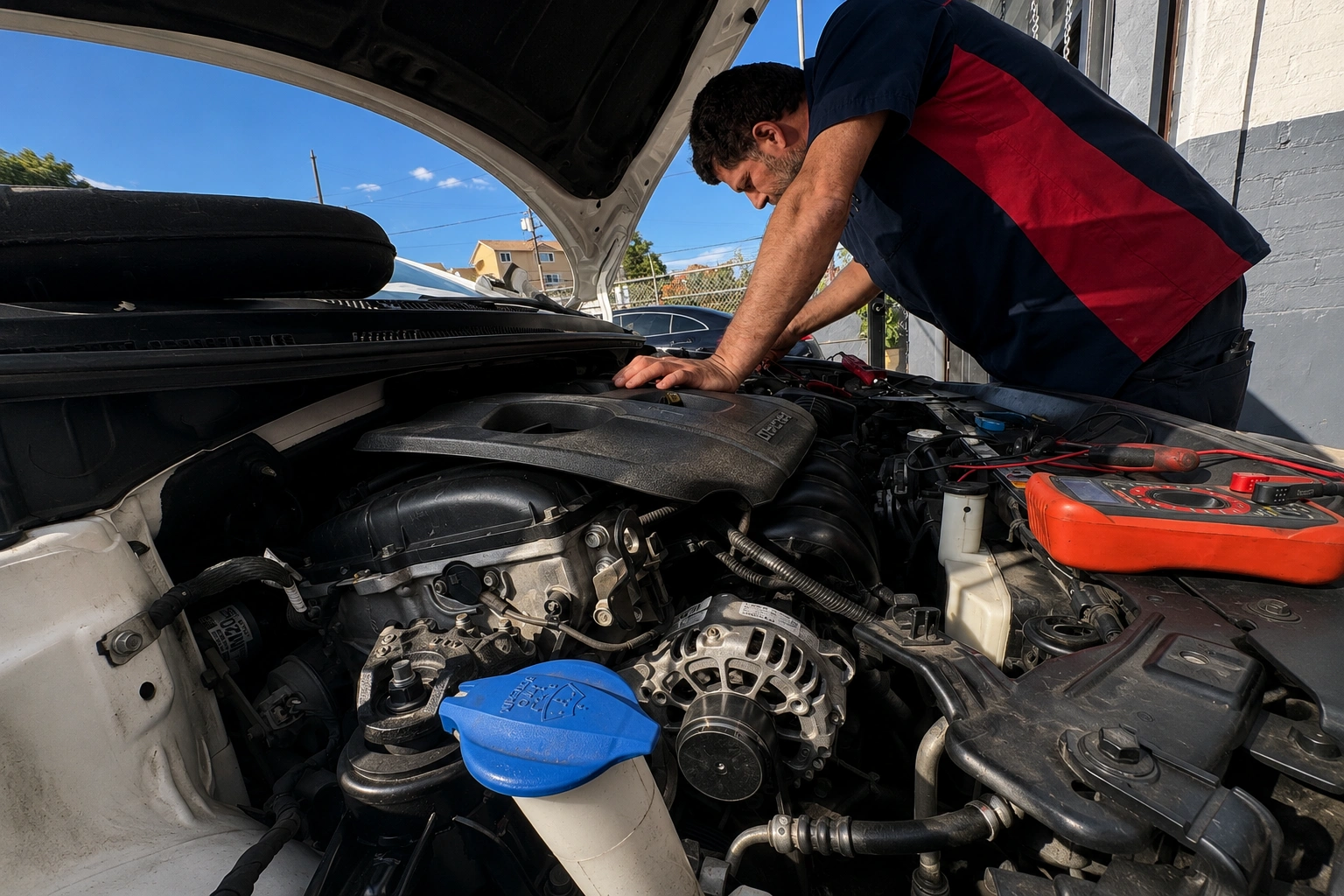
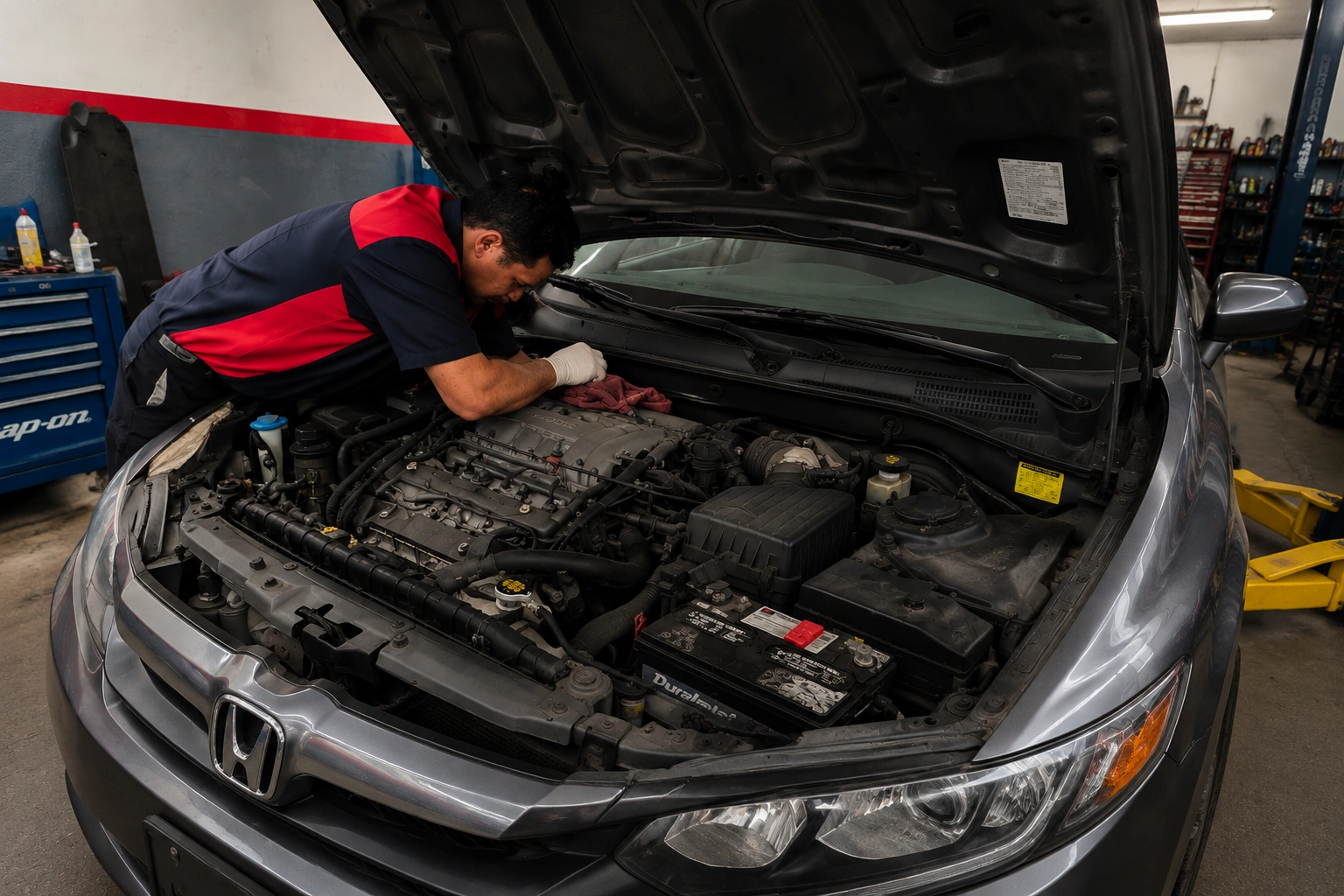
Modern vehicles use sensors, modules, fuel controls, ignition systems, emissions components, and communication networks. A code reader can display a code, but the code does not always identify the failed part.
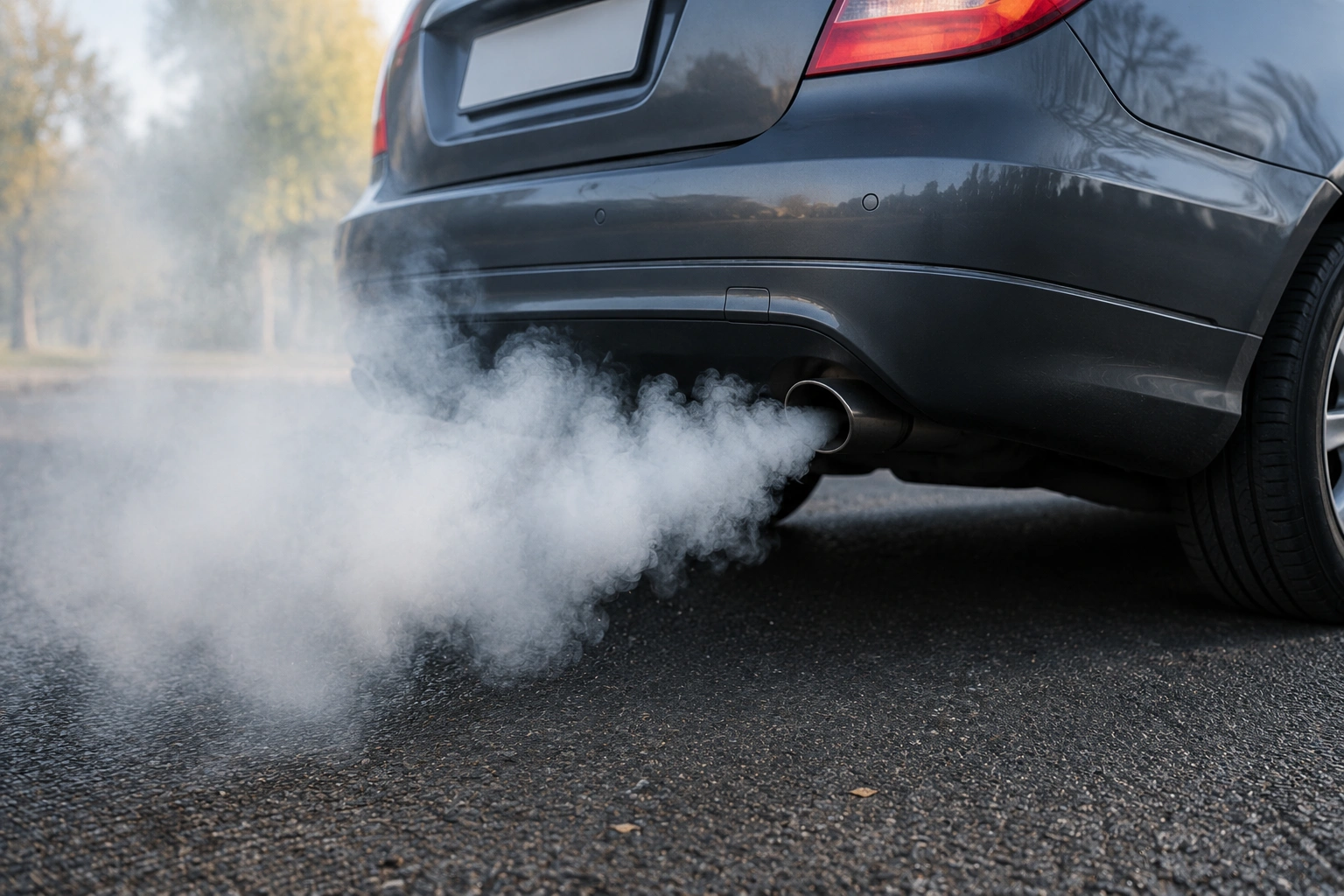
Rough running, stalling, misfires, low power, warning lights, and unexplained fuel-economy changes call for engine diagnostics and testing.
Professional Service 3 Suspension and Alignment
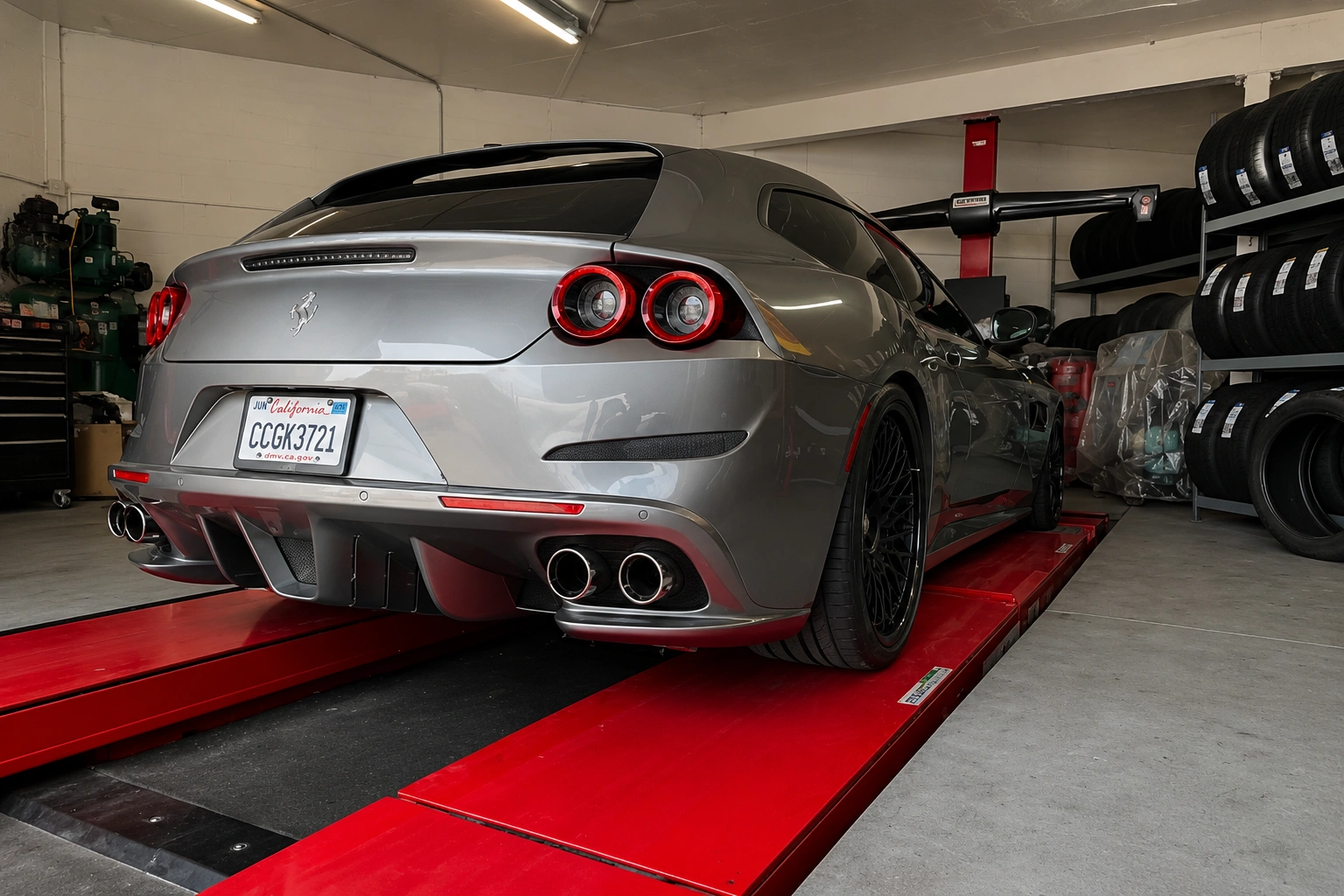
Pulling, an off-center steering wheel, uneven tire wear, clunking, bouncing, vibration, or unstable handling may involve alignment, steering, wheels, tires, or suspension components.
A wheel alignment inspection can measure the applicable angles, but worn or damaged components may need repair before alignment can be completed correctly.
Professional Service 4 Tire Replacement
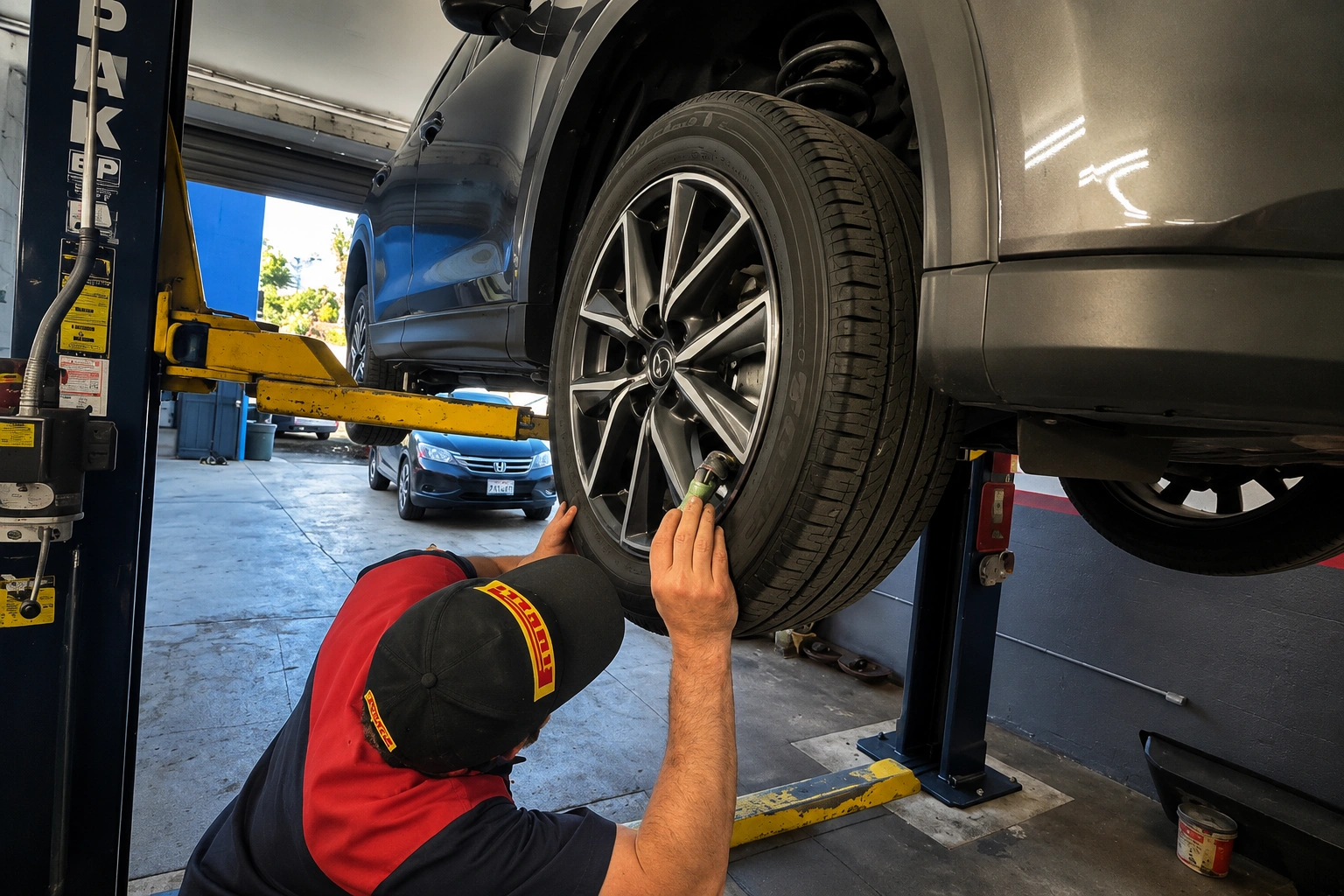
Tire selection and installation involve size, load index, speed rating, pressure, rotation pattern, balance, torque, and TPMS procedures. A sidewall bulge, exposed cord, tread separation, or severe damage is not a DIY repair.
Review these tire replacement warning signs before deciding whether a tire can be safely repaired or needs replacement.
Professional Service 5 Oil and Maintenance Service
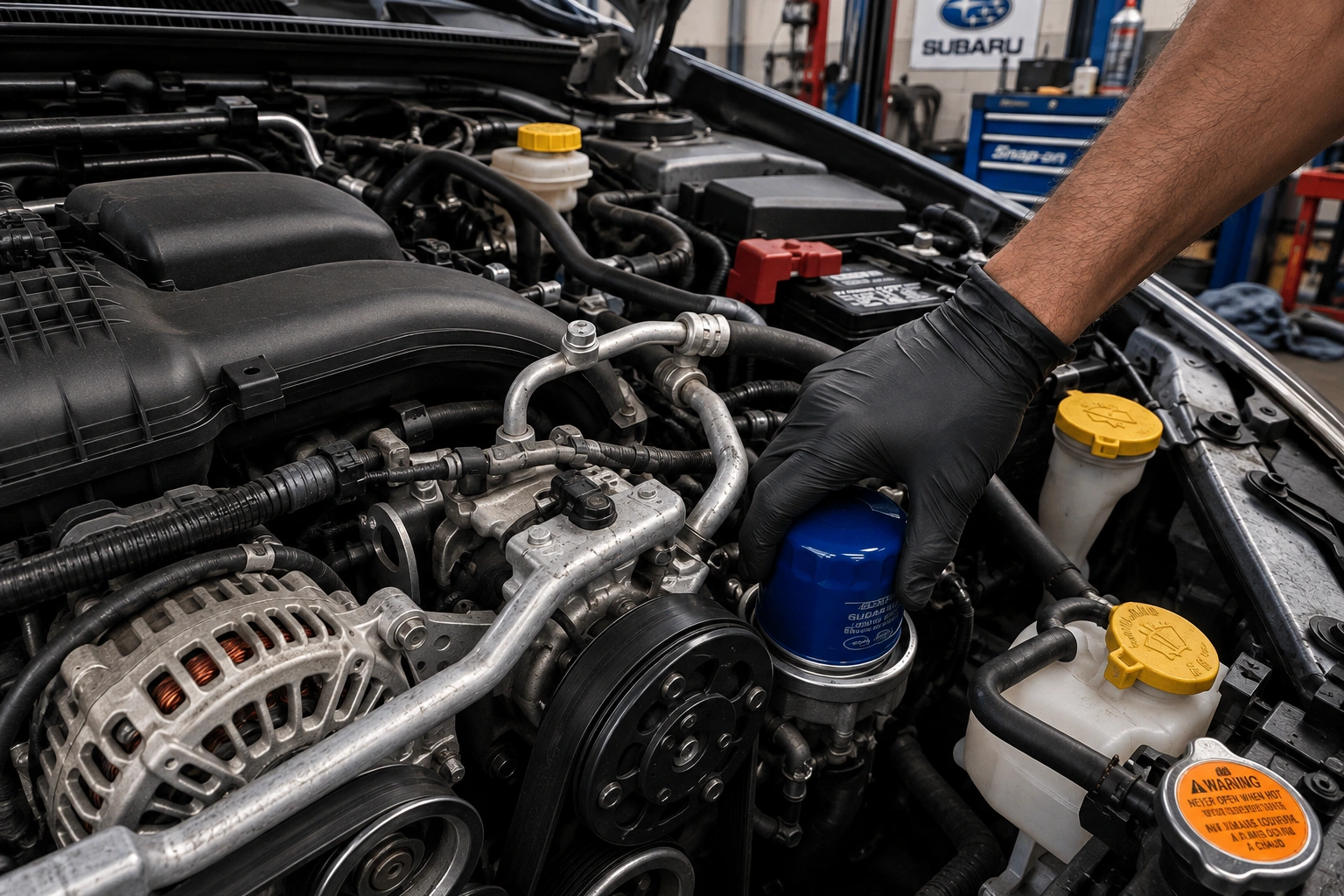
An oil change may look simple, but the correct oil specification, filter, capacity, drain-plug seal, leak inspection, and maintenance reset matter. A low oil level may also signal consumption or a leak.
Use a professional oil change and maintenance service when the vehicle has a warning light, unusual engine noise, a leak, an unknown service history, or a difficult filter or drain plug.
How to Decide Between DIY and Professional Service
- Choose DIY for basic checks covered clearly in the owner’s manual.
- Choose professional service when safety systems or high-voltage components are involved.
- Stop if the vehicle must be lifted and you do not have rated stands and safe procedures.
- Ask for diagnosis when a symptom is intermittent or a warning light returns.
- Request a written estimate and explanation before authorizing repair.
- Keep records of parts, fluids, mileage, and completed service.
Questions to Ask a Professional Mechanic
Ask what caused the problem, what evidence supports the diagnosis, which work is urgent, what can wait, what parts and labor cost, and what warranty applies. A trustworthy shop should explain the repair in language you understand.
Frequently Asked Questions
Can I check tire pressure myself?
Yes. Check cold tires with a reliable gauge and use the door-placard specification. Seek professional help for leaks, damage, vibration, or uneven wear.
Can I replace brake pads at home?
Brake work is safety-critical. Without correct equipment, measurements, torque, inspection, and bleeding procedures, professional service is the safer choice.
Can I diagnose a check-engine light with a code reader?
A reader can retrieve codes, but codes require testing and context. Do not replace parts based on a code alone.
When should I get a second opinion?
Consider one when a repair is expensive, the diagnosis is unclear, the recommendation conflicts with symptoms, or you cannot understand why the work is needed.
Is a maintenance reminder enough?
Use it with the manufacturer’s time, mileage, and severe-service schedule. Inspect the vehicle when symptoms or warning lights appear.
Choose the Right Level of Car Care
DIY checks can help owners monitor pressure, wipers, filters, and visible condition. Professional mechanics are essential for braking, diagnostics, alignment, tires, high-voltage systems, lifting, programming, and repairs that affect safety.
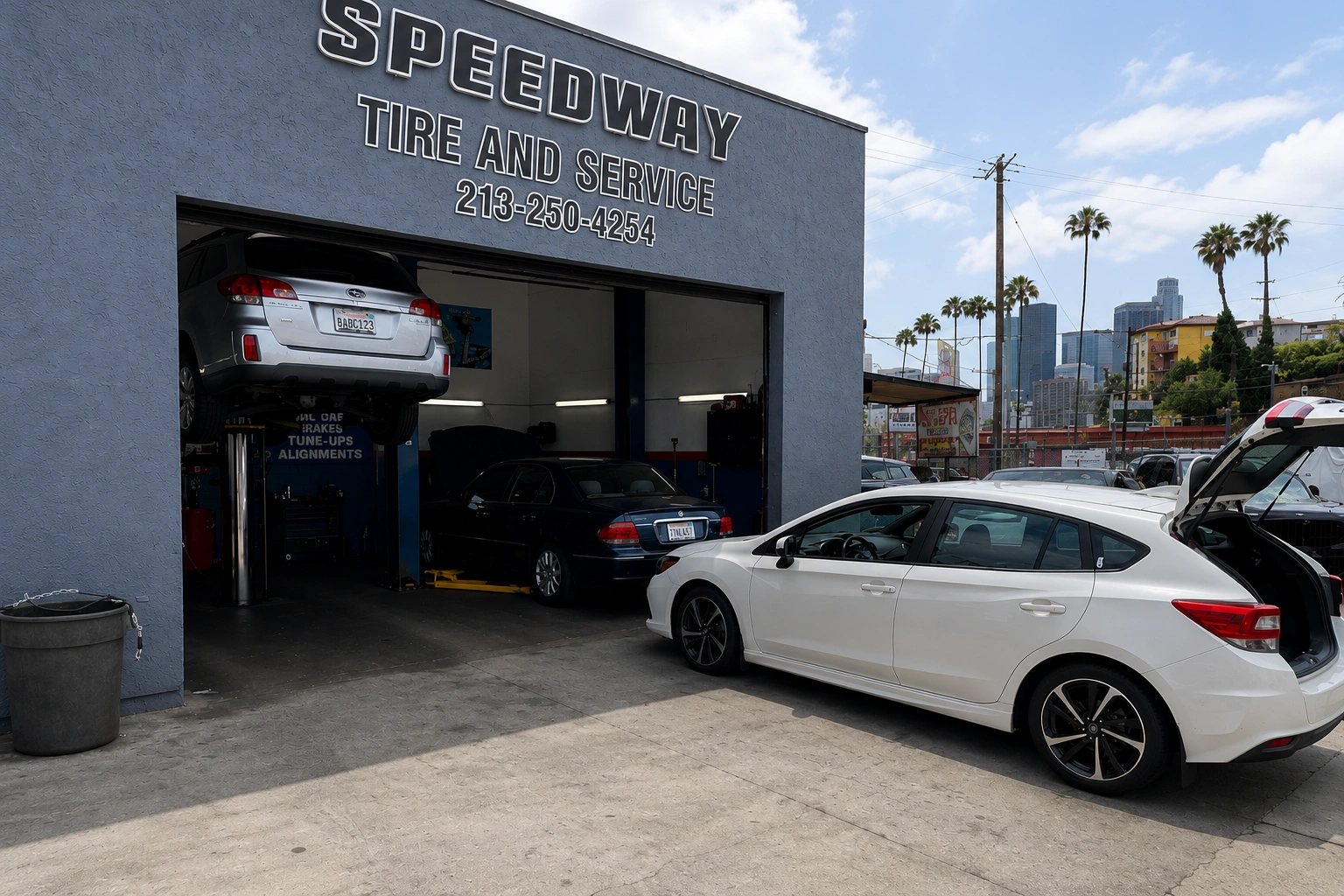
Need help deciding? Speedway Tire & Service can inspect your vehicle, explain the findings, and recommend the appropriate next step.
Visit Us: 1165 West Sunset Blvd, Los Angeles, CA 90012
Call Now: (213) 250-4254
Looking for an Honest Auto Repair Shop in Los Angeles? Call Speedway Tire and Service Today
Whether you are driving through LA traffic or cruising the freeways, your car deserves expert care. Located in Los Angeles, Speedway Tire and Service offers reliable oil changes, brake repairs, tire services, and more, backed by experienced technicians and honest pricing.
Looking for an honest Auto Repair Shop in Los Angeles? Call Speedway Tire and Service Today
Whether you’re driving through LA traffic or cruising the freeways, your car deserves expert care. Located in Los Angeles, Speedway Tire and Service offers reliable oil changes, brake repairs, tire services, and more—all backed by experienced technicians and honest pricing.