How Often Should You Get a Tune Up in Echo Park
A tune-up traditionally meant adjusting or replacing ignition and fuel-system components. Modern vehicles use computerized engine management, so the correct tune-up is usually a combination of manufacturer-scheduled maintenance, inspections, and diagnosis based on the vehicle's age, mileage, condition, and symptoms.
Echo Park driving can include hills, stop-and-go traffic, short trips, frequent starts, heat, and idling. These conditions may make maintenance needs or performance problems more noticeable, but there is no single tune-up interval that fits every vehicle.
What a Tune Up Usually Includes
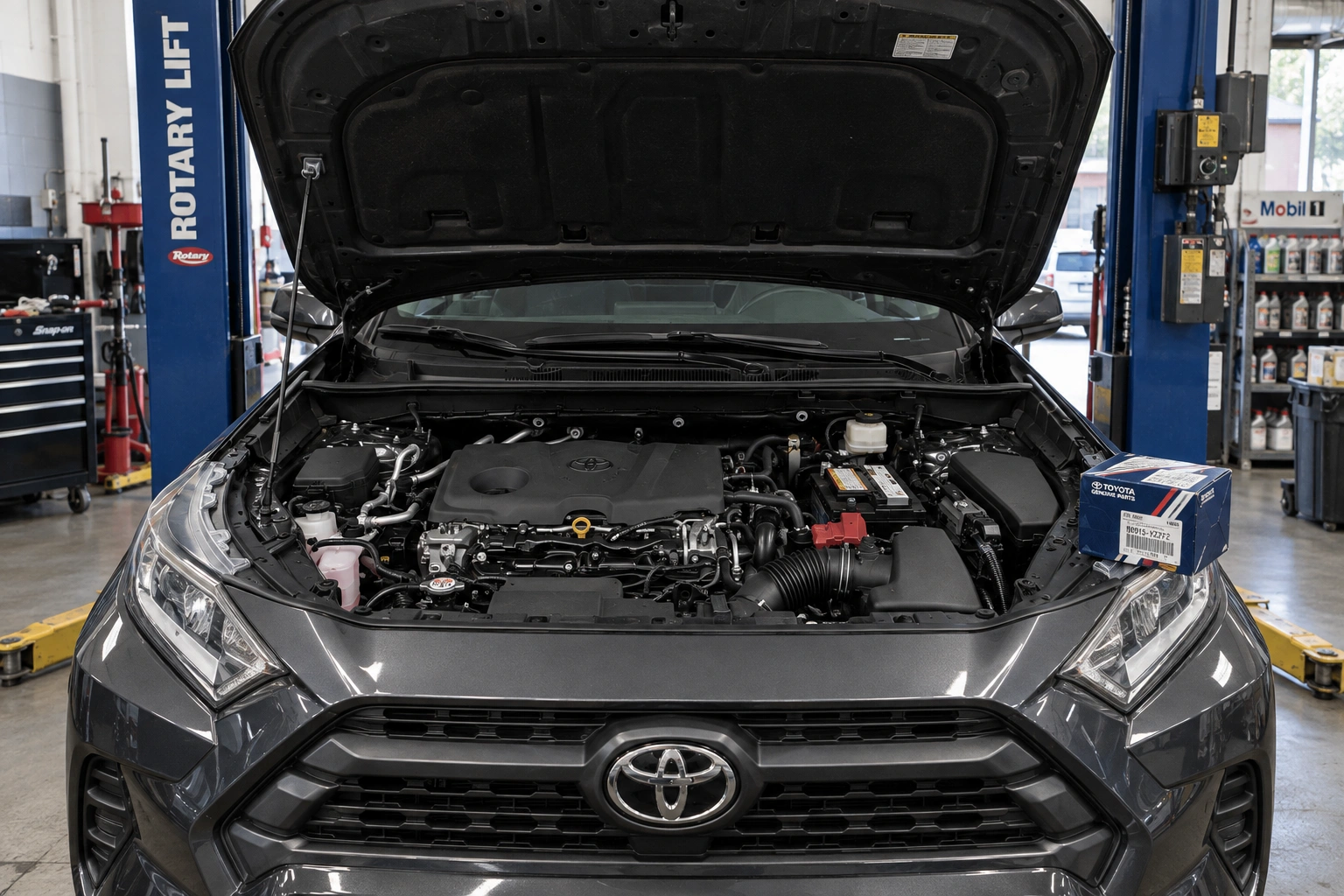
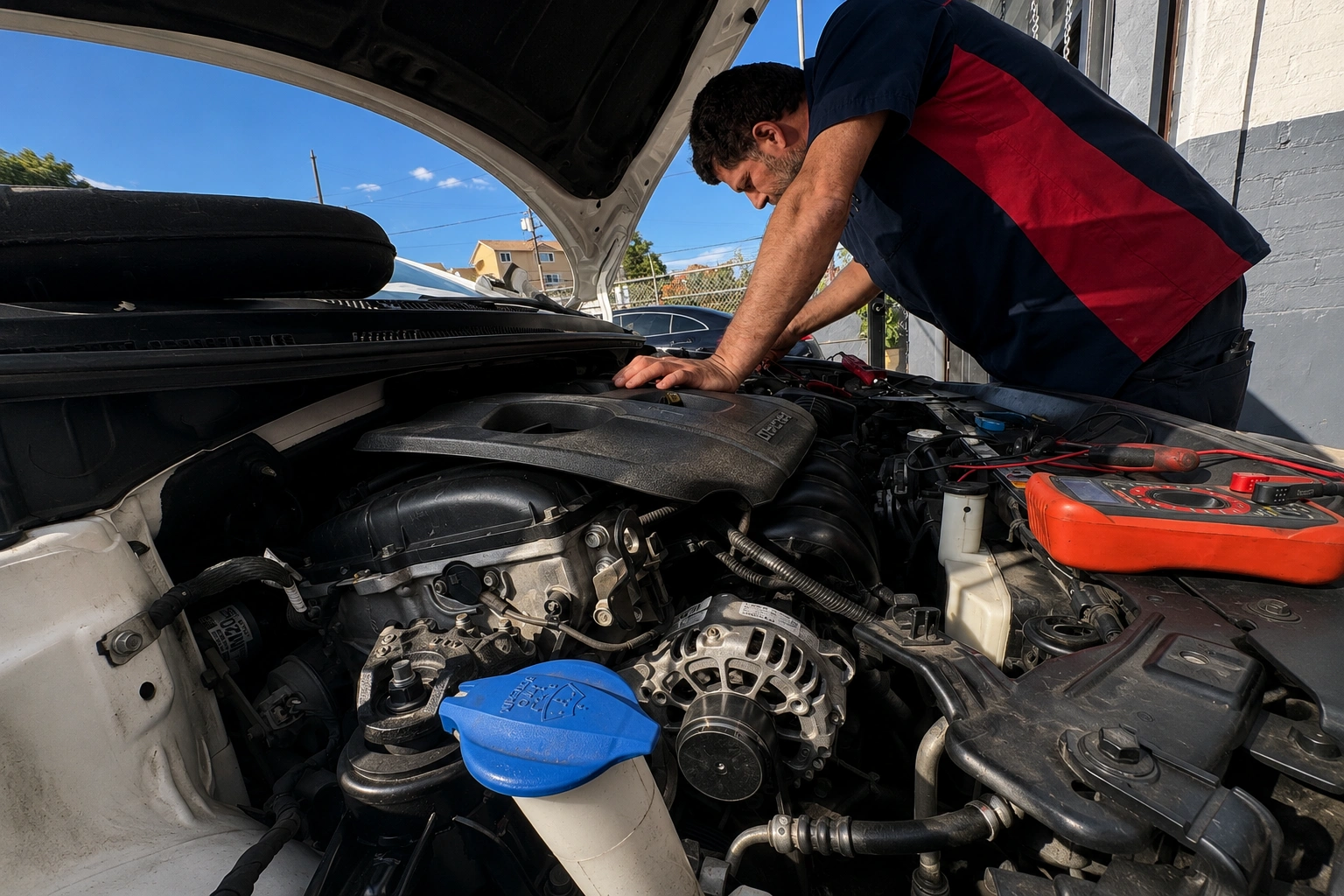
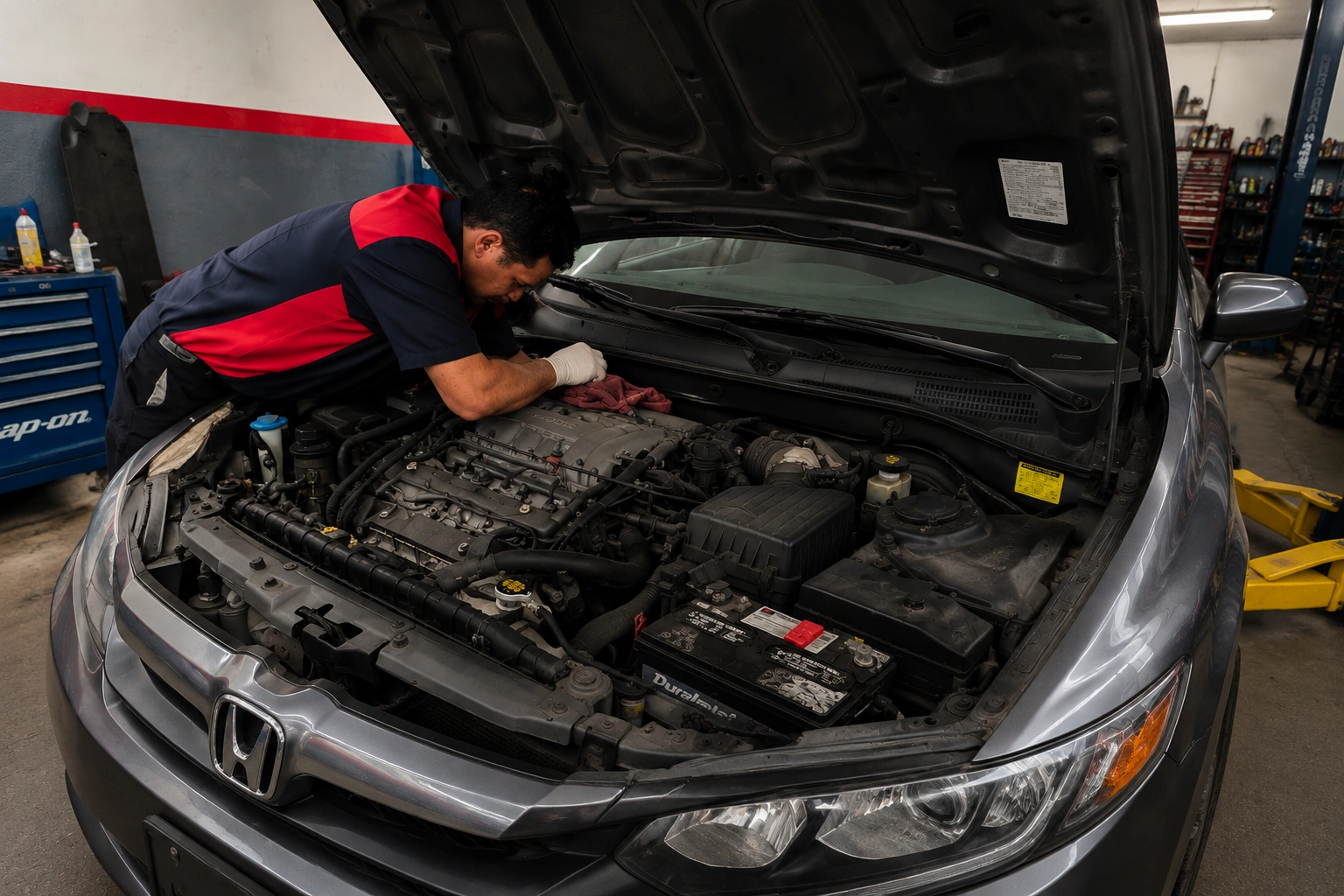
Depending on the vehicle, a tune-up or maintenance inspection may include spark plugs, ignition components, air filters, fuel-system checks, engine oil and filter service, fluid inspections, belts, hoses, battery testing, emissions-related components, and a scan for warning codes.
Not every vehicle needs every item at the same visit. The owner's manual and the technician's inspection determine which work is due and which parts are still within serviceable condition.
Use Speedway's engine service for performance concerns, scheduled maintenance, and engine-related repair planning.
How Often Should a Vehicle Get a Tune Up
Follow the manufacturer's time, mileage, and condition-based maintenance schedule. Many newer vehicles do not use a fixed traditional tune-up interval because the engine computer continuously manages ignition and fuel operation.
Service timing can depend on spark-plug type, engine design, oil-life monitoring, air-filter condition, driving pattern, vehicle age, mileage, climate, and severe-use conditions. A vehicle used for frequent short trips and heavy traffic may need closer attention than one used mainly for steady highway driving.
Do not replace spark plugs, filters, or fluids solely because of a generic mileage claim. Confirm the correct part, specification, interval, and condition first.
Signs Your Vehicle May Need a Tune Up
Reduced Fuel Economy
A persistent drop in fuel economy can involve tire pressure, traffic, driving style, weather, load, fuel quality, ignition, fuel delivery, sensors, air intake, exhaust, or engine condition. Diagnosis should identify the cause before parts are replaced.
Rough Idle or Misfire
Shaking, sputtering, hesitation, hard starting, or a misfire may involve spark plugs, coils, injectors, vacuum leaks, compression, sensors, fuel pressure, or other components. A flashing check-engine light requires prompt attention.
Loss of Power
Sluggish acceleration or limited power can result from engine, fuel, ignition, air, exhaust, transmission, electrical, or safety-mode concerns. Do not assume a basic tune-up will correct every loss-of-power symptom.
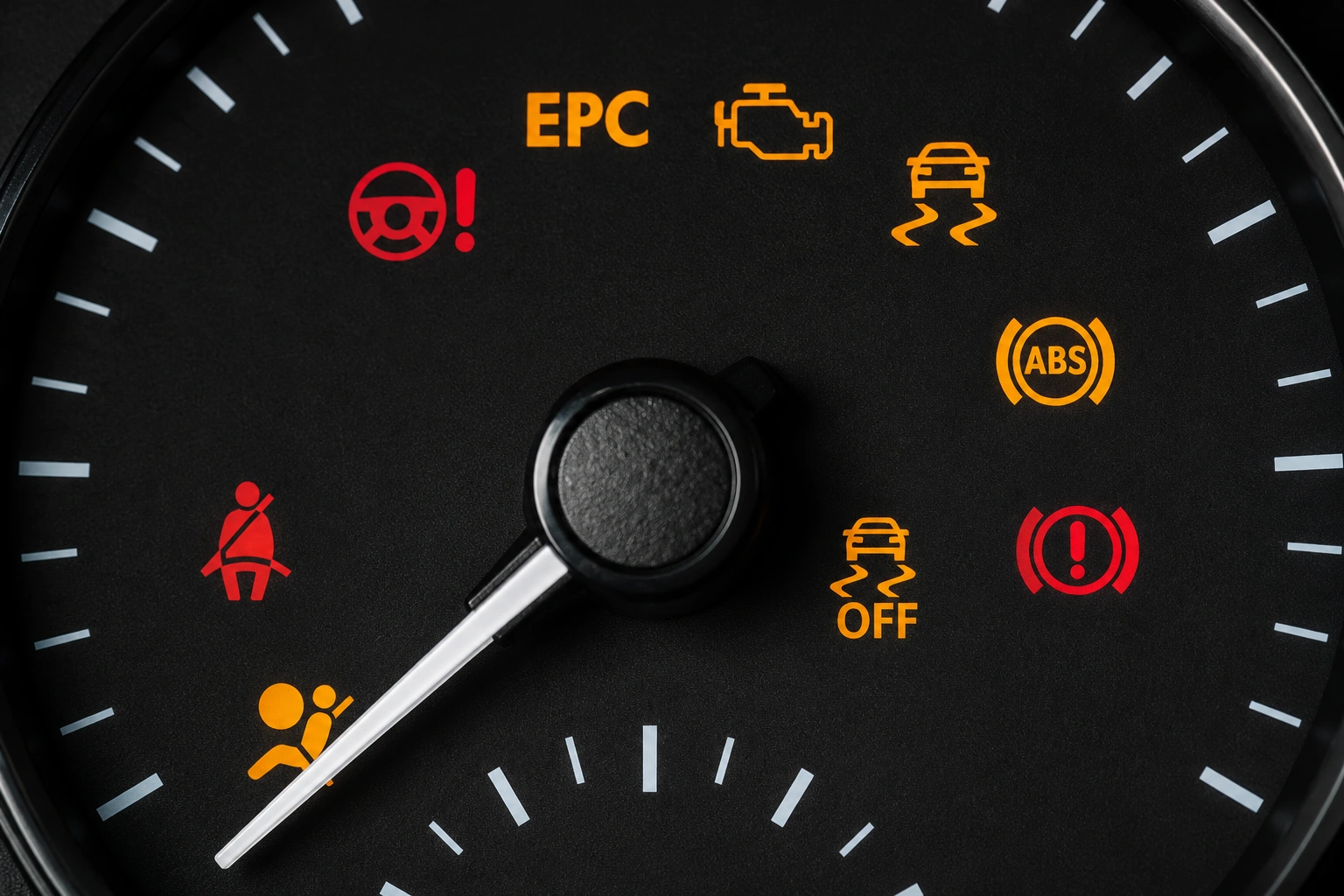
Check Engine Light
A warning code provides a diagnostic clue rather than a guaranteed failed part. Ask which test confirmed the problem and whether the vehicle is safe to drive while service is being scheduled.
Unusual Engine Noises
Knocking, pinging, ticking, rattling, squealing, or grinding may involve lubrication, timing, accessories, internal components, exhaust, belts, or another system. A new severe noise should be inspected promptly.
Review the guide to automotive diagnostic services when a warning light or performance symptom needs testing.
Oil and Filter Maintenance
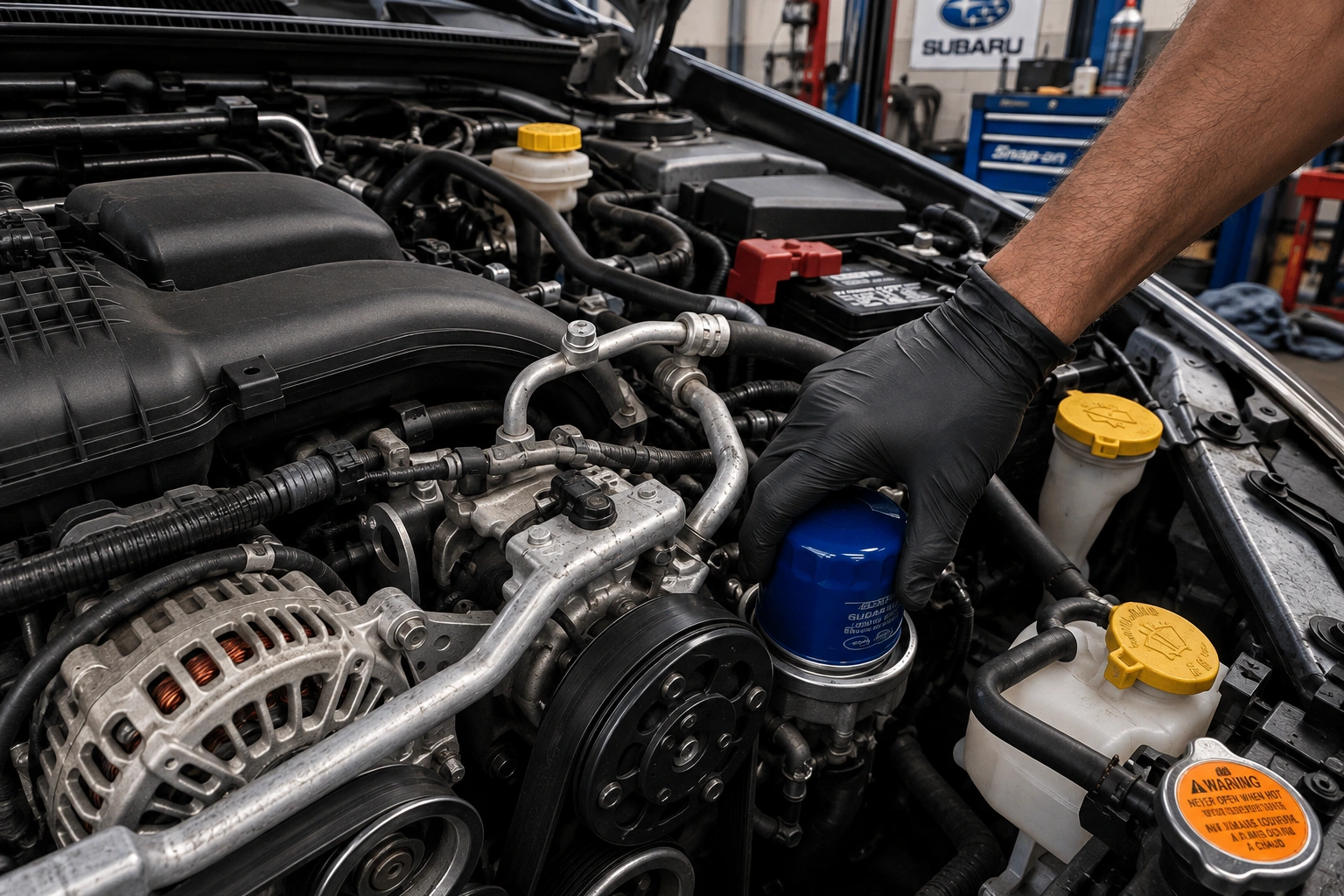
Engine oil lubricates moving parts, helps manage heat and friction, carries contaminants to the filter, and supports clean operation. Follow the manufacturer's time and mileage schedule, including severe-use guidance where applicable.
Schedule the appropriate oil change service with the required viscosity, performance specification, quantity, and filter.
Air Filters and Spark Plugs
A restricted air filter can affect airflow, while worn or incorrectly specified spark plugs can contribute to misfires, difficult starting, rough running, and reduced performance. Inspection and replacement intervals vary by vehicle and part type.
Use the exact part recommended for the engine. Some vehicles use long-life spark plugs, while others have different service requirements based on engine design and operating conditions.
Battery and Starting System Checks
Slow cranking, dim lights, repeated jump starts, battery warnings, or starting difficulty may come from the battery, starter, cable, ground, charging system, or parasitic drain. A tune-up inspection should not overlook the starting and charging system.
Arrange a battery test and starting-system evaluation when the vehicle struggles to start.
Tires and Other Maintenance Systems
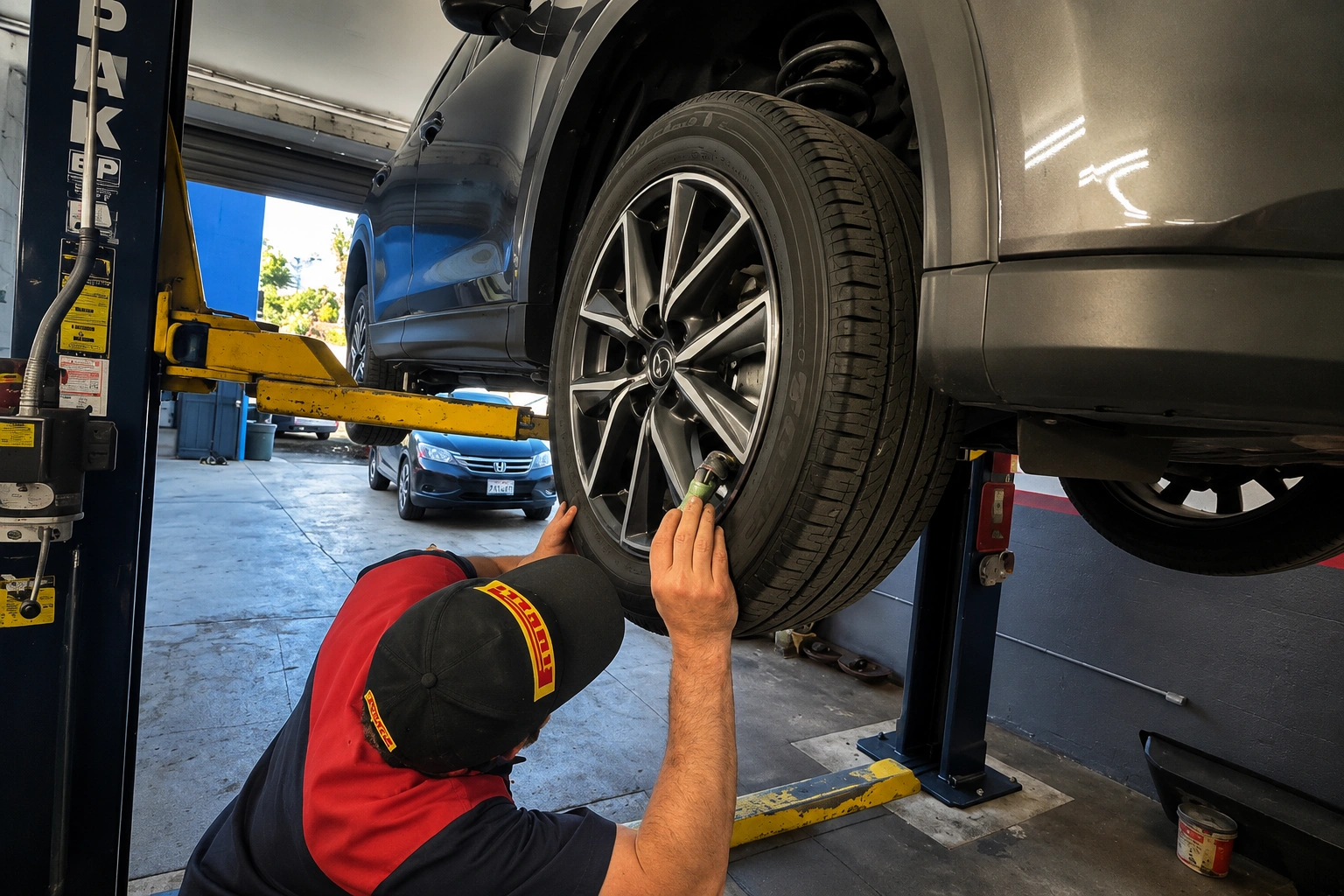
Engine performance cannot be evaluated separately from basic vehicle condition. Low tire pressure, worn tires, weak brakes, suspension problems, or a failing battery can affect fuel economy, comfort, and the driving experience.
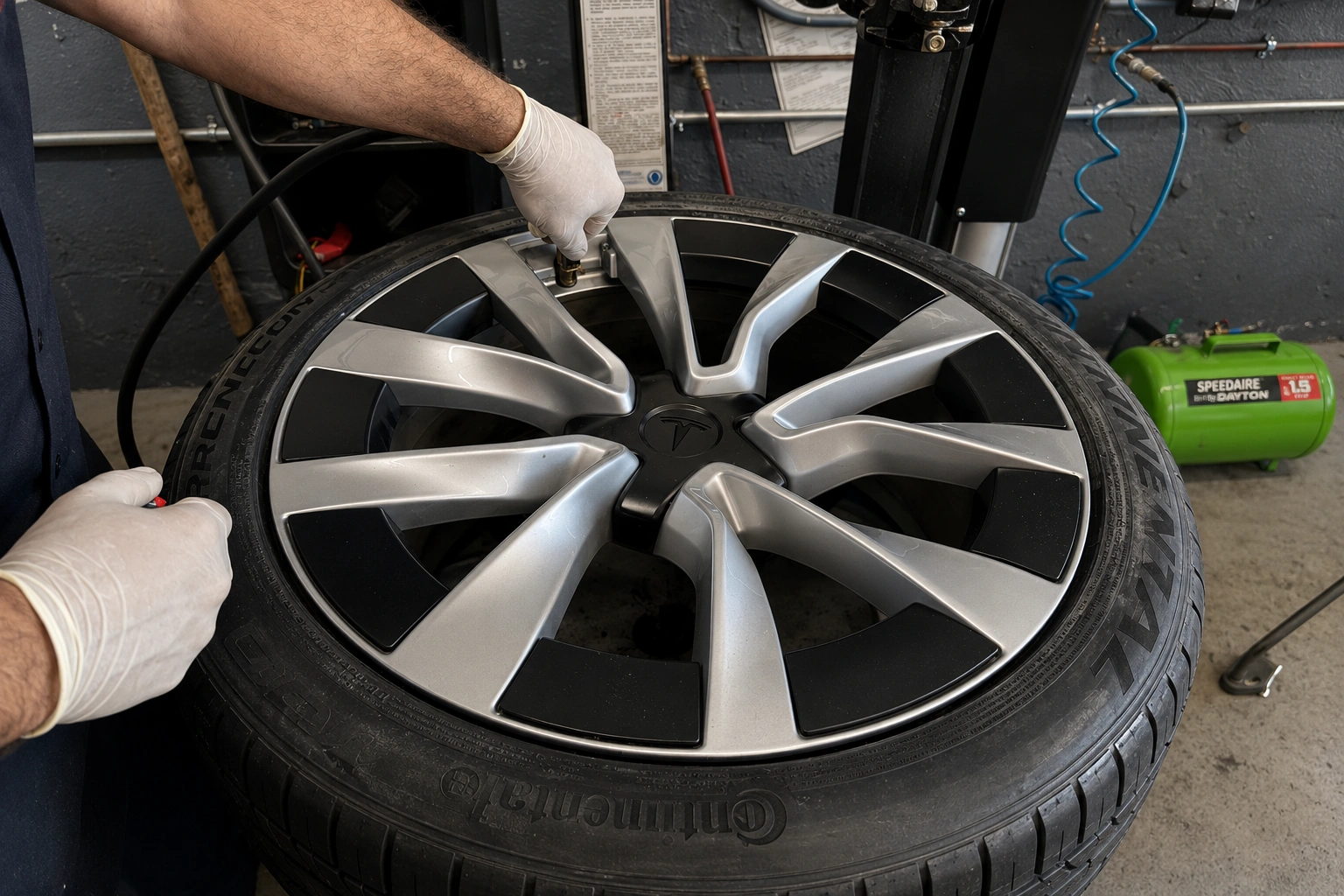
Check tire pressure when cold and inspect tread, sidewalls, and wear patterns through the tire service team.
How to Prepare for a Tune Up
- Bring the owner's manual and recent service records
- Share the vehicle's mileage, driving pattern, and typical Echo Park routes
- Describe when the symptom occurs and whether the engine is warm or cold
- Report warning lights, noises, odors, leaks, starting issues, or fuel-economy changes
- Ask which items are due now and which can be planned later
- Request a written estimate before approving additional work
When You Should Stop Driving
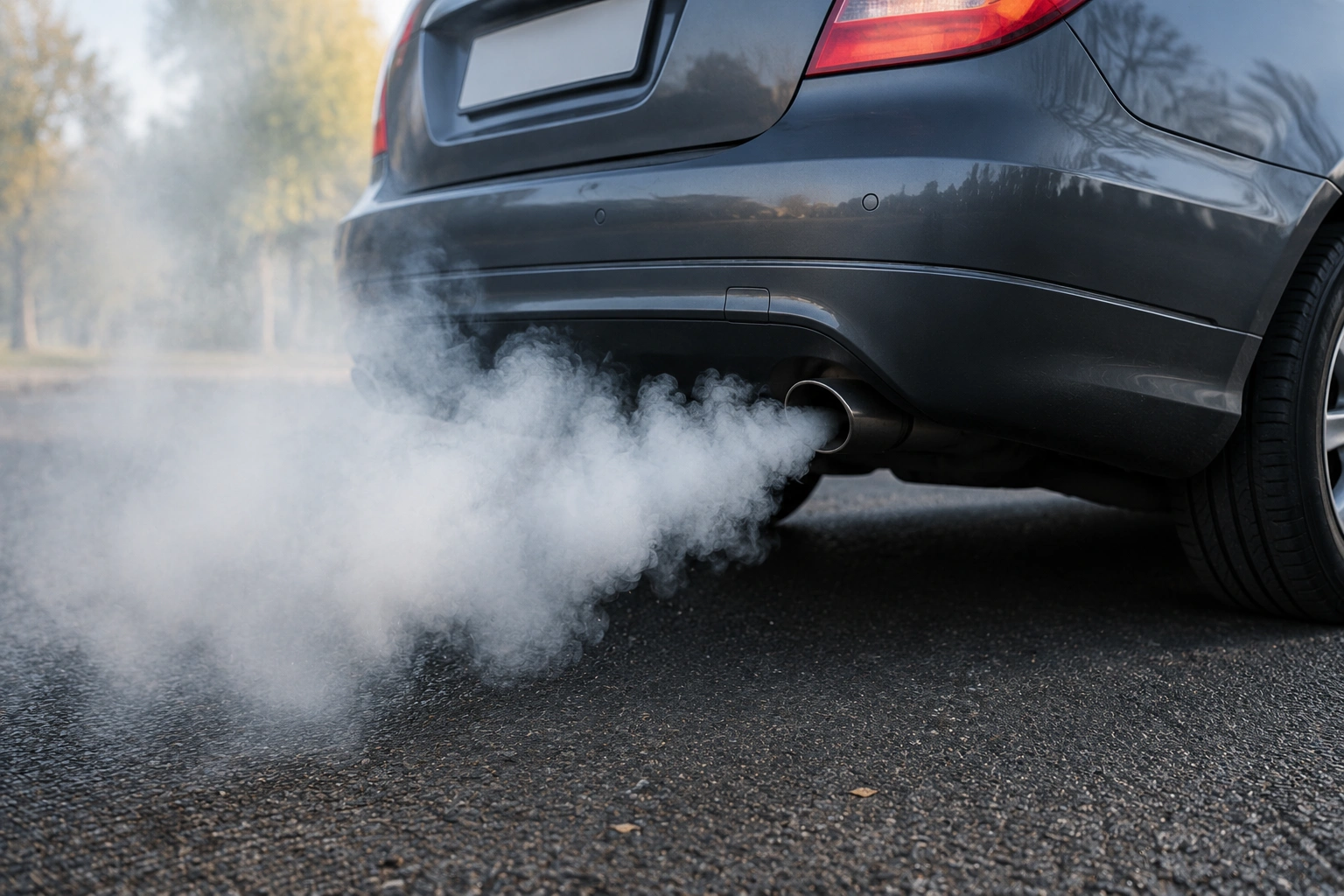
Stop safely and seek professional assistance for a flashing check-engine light, severe loss of power, overheating, smoke, a red oil-pressure warning, strong fuel smell, major fluid loss, or a severe engine noise.
Do not continue driving normally simply because the vehicle still starts. Continuing to operate a misfiring, overheating, or low-oil engine can increase damage and repair costs.
Why Echo Park Drivers Choose Speedway
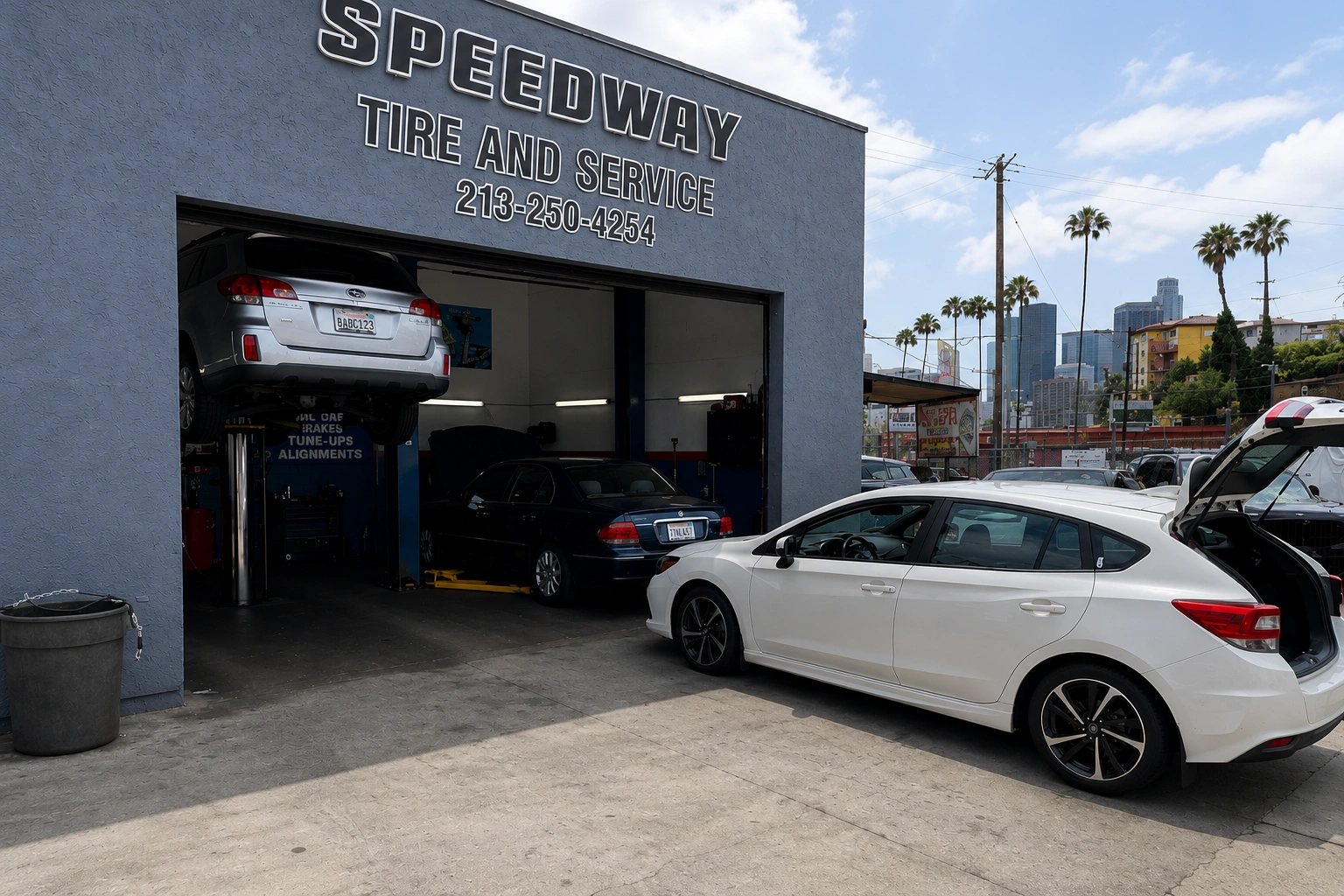
Speedway Tire and Service helps Echo Park drivers plan tune-ups, scheduled maintenance, engine diagnostics, oil changes, battery testing, tire care, brakes, suspension, wheel alignment, and general repairs.
Our team serves local drivers from 1165 West Sunset Blvd, Los Angeles, CA 90012. Call (213) 250-4254 to ask about current availability or schedule a tune-up inspection.
A vehicle-specific maintenance plan is more useful than a generic tune-up promise. By following the manufacturer's schedule and investigating symptoms early, you can support reliable performance and avoid unnecessary parts replacement.
Looking for an honest Auto Repair Shop in Los Angeles? Call Speedway Tire and Service Today
Whether you’re driving through LA traffic or cruising the freeways, your car deserves expert care. Located in Los Angeles, Speedway Tire and Service offers reliable oil changes, brake repairs, tire services, and more—all backed by experienced technicians and honest pricing.