Elysian Park's Toughest Roads and the Tires That Can Handle Them
Elysian Park's scenic routes come with a hidden cost. Stadium Way, Academy Road, Elysian Park Drive, and nearby streets can expose tires to potholes, rough pavement, steep inclines, tight curves, gravel, heat, oil, and road debris.
These conditions can create sidewall bulges, bent wheels, alignment changes, uneven wear, dry rot, punctures, vibration, and pressure loss. Choosing an appropriate tire and inspecting it regularly can help protect drivers on Elysian Park roads.
Elysian Park's Three Biggest Tire Challenges
Stadium Way Potholes
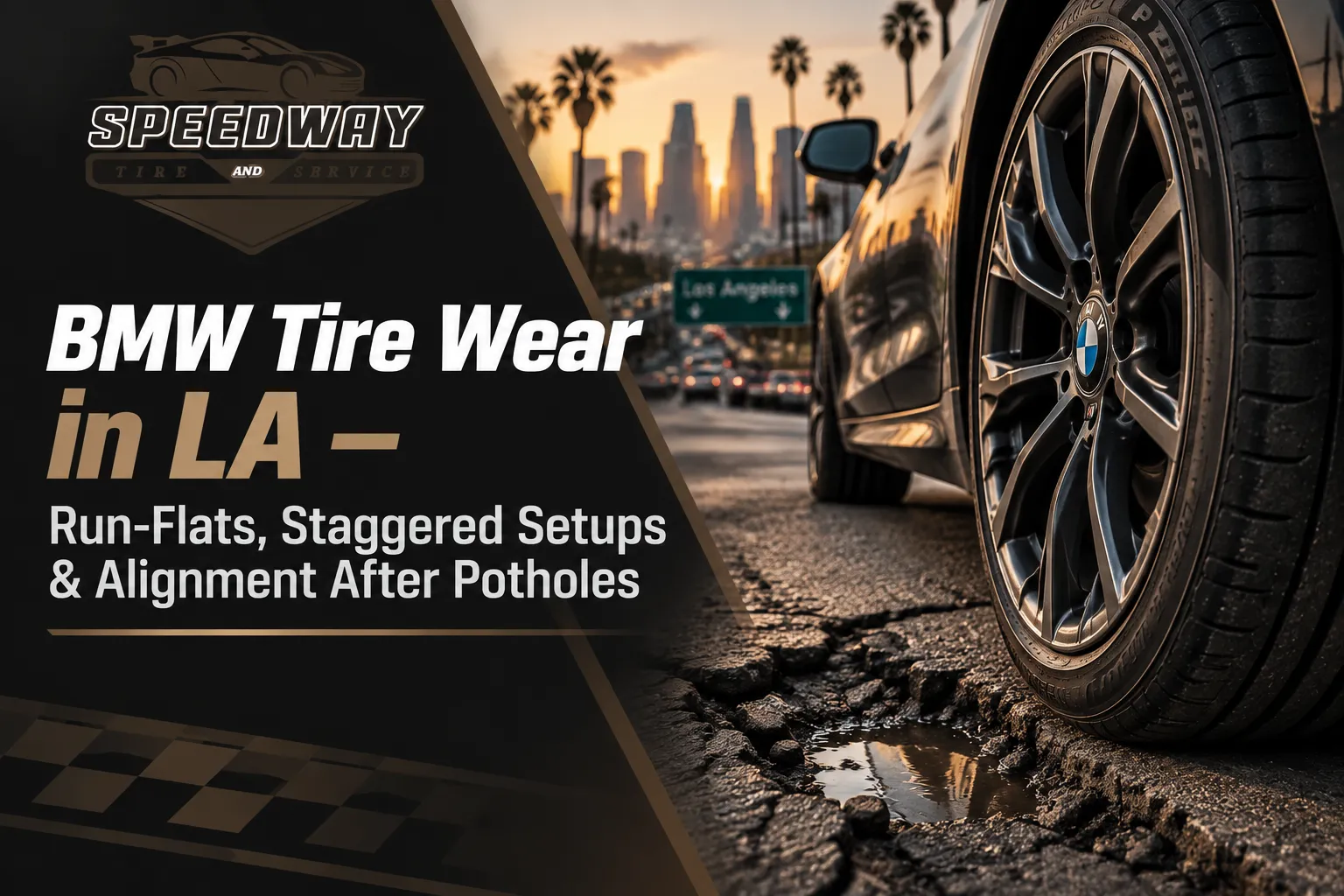
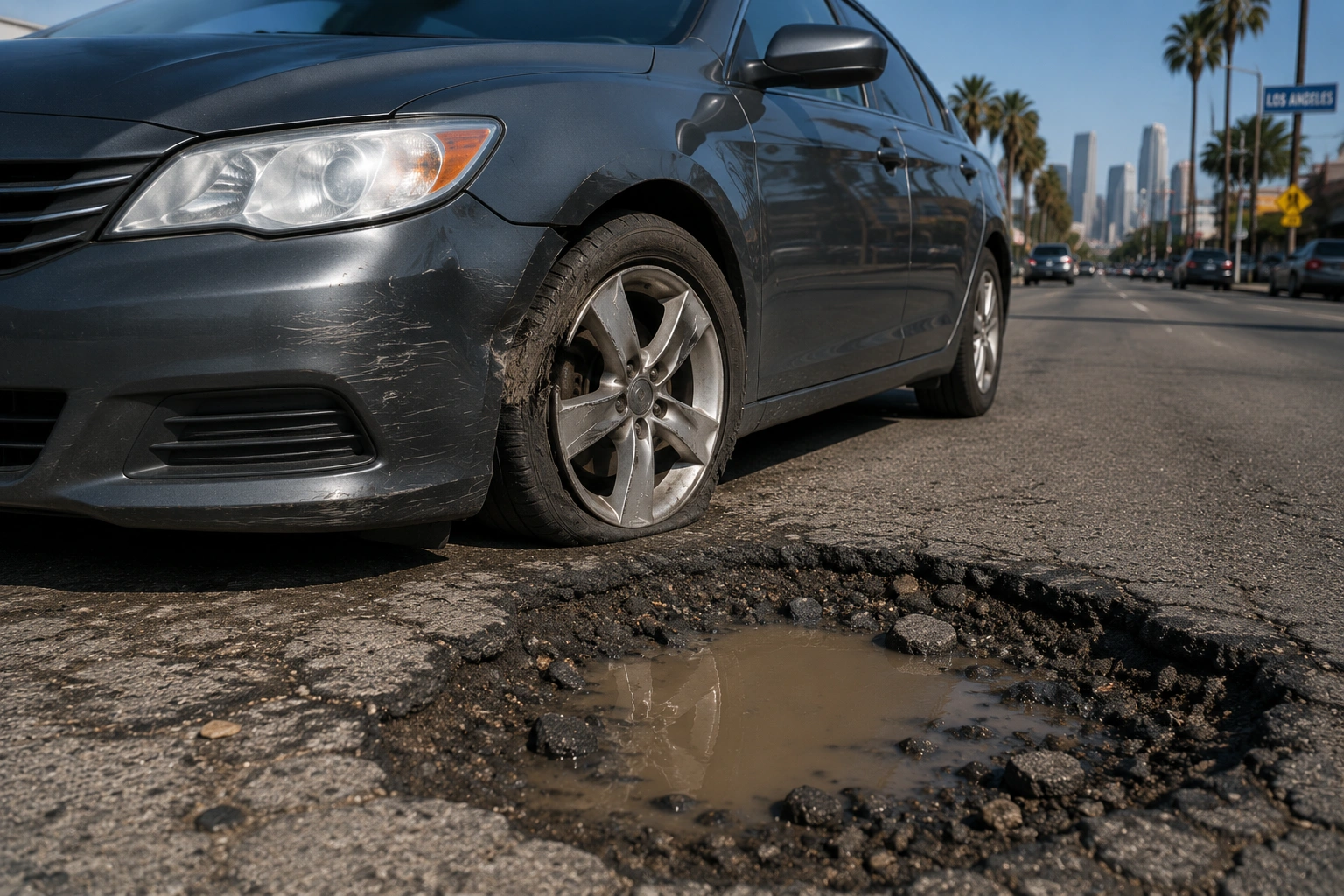
Crater-like potholes, patched pavement, and steep inclines can deliver sharp impacts through the tire and wheel. Possible consequences include sidewall damage, bent rims, alignment changes, and suspension wear.
Academy Road Curves
Hairpin turns, cornering forces, loose gravel, and changing shade and temperature can increase stress on tread and sidewalls. Inner-edge wear may indicate alignment or suspension concerns.
Elysian Park Drive Surface Damage
Sun exposure, dry-rotted rubber, oil near parking areas, and wind-blown debris can accelerate aging and puncture risk. Inspect tires before and after frequent drives on weather-beaten surfaces.
Choosing Tires for Elysian Park Roads
Premium All Season Tires
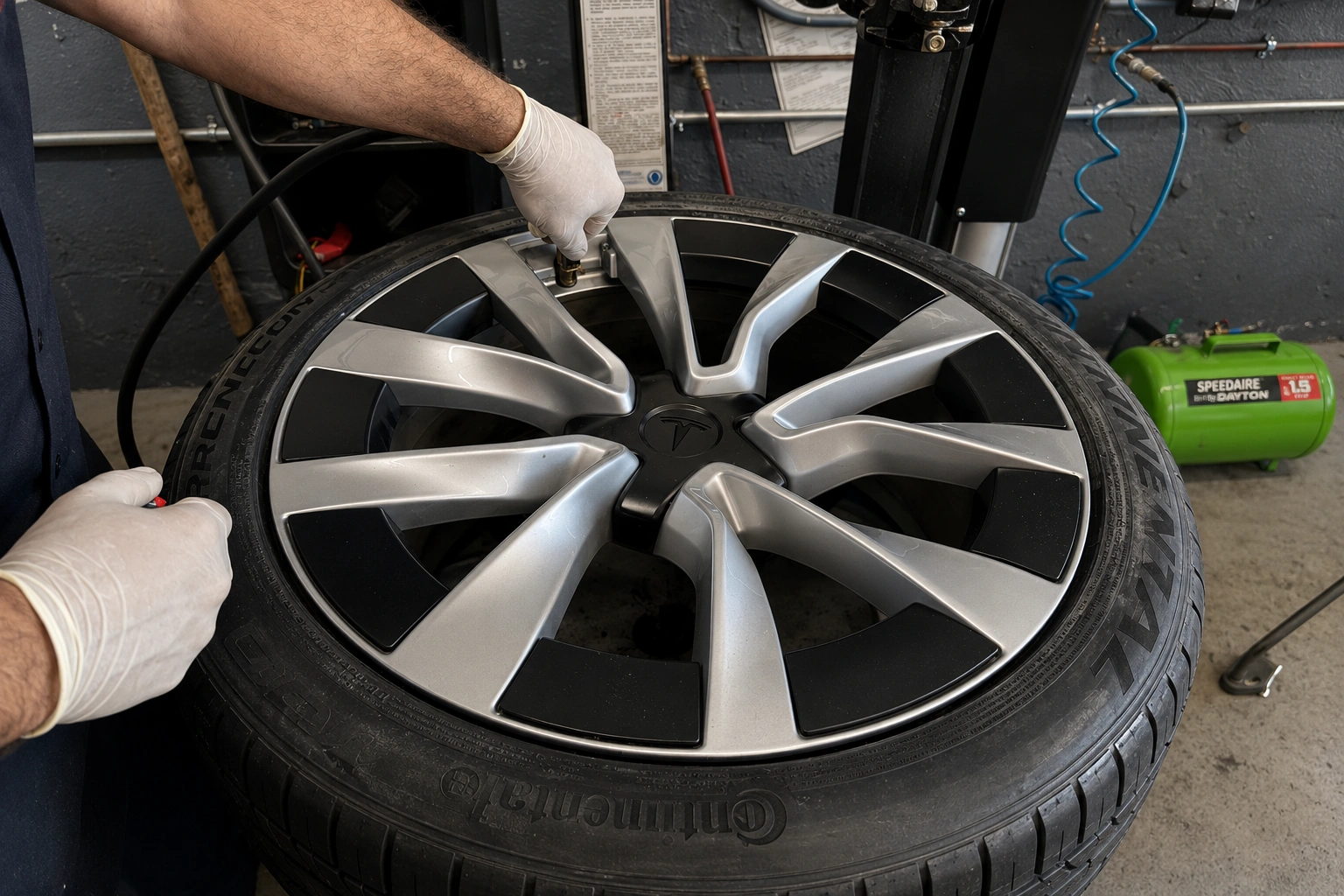
Most daily commuters benefit from premium all-season tires with the correct load rating, strong wet traction, durable construction, and a tread pattern suited to city driving. A quality all-season tire can balance comfort, handling, longevity, and year-round performance.
Light All Terrain Options
Drivers who regularly encounter rough access roads or unpaved areas may consider a light all-terrain design if it is approved for the vehicle. These tires may provide stronger impact resistance but can be firmer, noisier, or less efficient on pavement.
Correct Fitment Matters
Choose the vehicle's approved size, load index, speed rating, construction, and pressure specification. The strongest-looking tire is not automatically the right tire for the vehicle.
Speedway's tire consultation and replacement service can help compare appropriate options for Elysian Park driving.
Five Signs You Need New Tires
Tread Wear Indicators
When tread is level with the molded wear bars, the tire has reached its replacement point. Use a tread-depth gauge for a reliable measurement, especially before wet weather or a long trip.
Vibration at Highway Speed
Vibration may indicate internal tire damage, a bent wheel, imbalance, uneven wear, or suspension problems. Do not assume balancing alone will solve it without an inspection.
Repeated Patches or Plugs
Multiple repairs, punctures near a previous repair, or damage outside the repairable tread area may make replacement safer than continued repair.
Sidewall Cracks or Bulges
Cracks, cuts, exposed cords, and bulges can indicate structural damage or aging. A sidewall bulge is not safely repaired and requires prompt replacement.
Frequent Pressure Loss
Repeated pressure loss may come from a puncture, valve, bead seal, wheel, or tire problem. Adding air without finding the cause can leave the vehicle unsafe.
How to Inspect Tires at Home
Check Tread Depth
Measure several points across the tread, not only the center. Differences between inner, center, and outer readings can reveal pressure, alignment, balance, or suspension concerns.
Inspect the Sidewalls
Look for bulges, cuts, cracking, exposed cords, discoloration, and impact marks. Inspect the inside sidewall when possible because damage may not be visible from outside the vehicle.
Check Cold Pressure
Use the vehicle manufacturer's cold-inflation pressure shown on the door-jamb placard or owner's manual. Do not increase or decrease pressure based on guesswork or the maximum number printed on the tire sidewall.
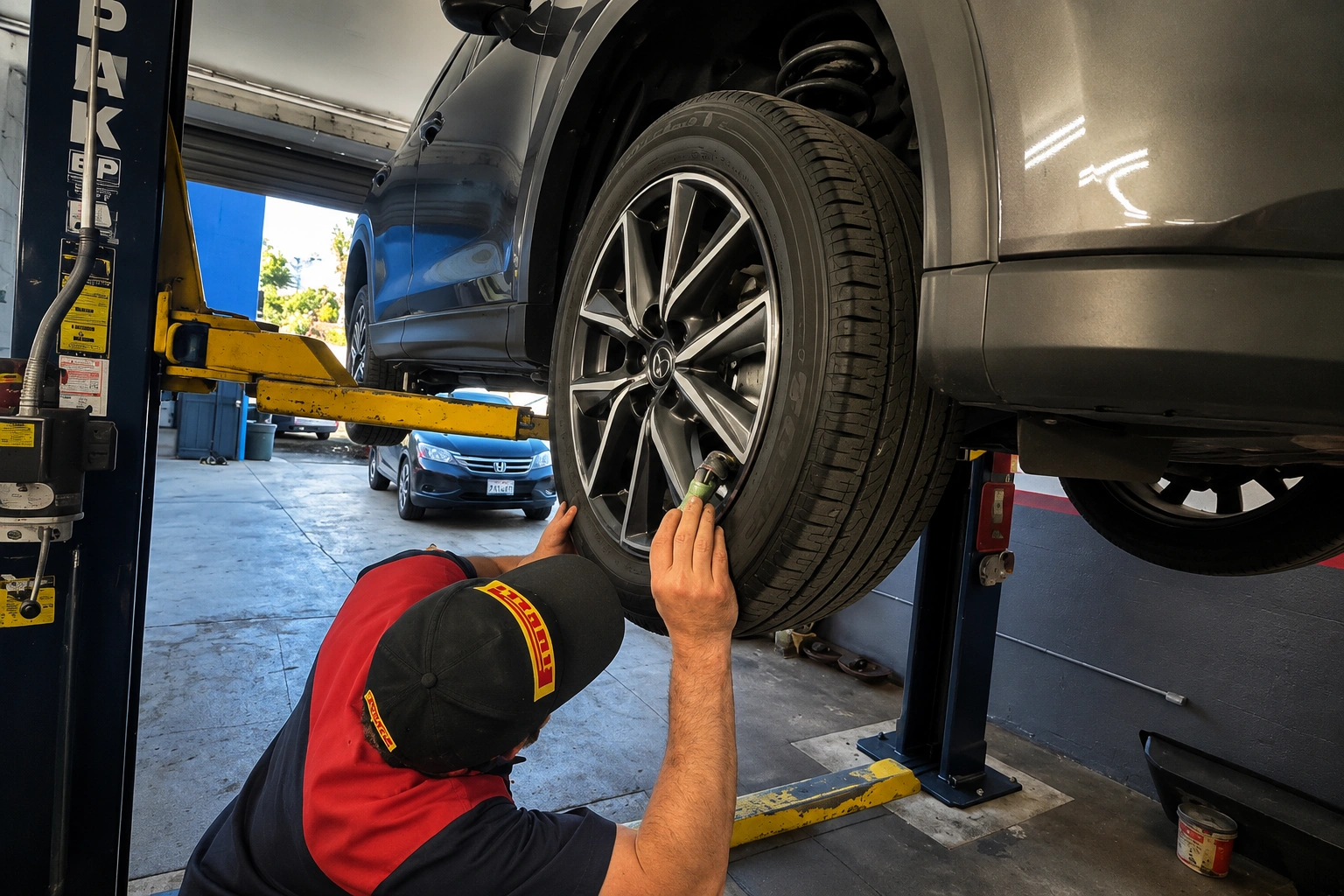
Speedway's tire inspection service can evaluate pressure, tread, sidewalls, punctures, wheels, and replacement needs.
Alignment and Suspension After Rough Roads
A major pothole or curb impact can change alignment or damage suspension components. Watch for pulling, a crooked steering wheel, uneven tread, bouncing, clunking, or vibration after an impact.
A wheel alignment inspection can measure camber, toe, caster, and thrust angle. A suspension inspection can evaluate shocks, struts, bushings, joints, springs, and related components.
Review this guide to pothole tire, rim, and suspension damage for additional warning signs.
Tire Care Tips for Elysian Park Drivers
Check pressure monthly and before long trips, inspect tread and sidewalls, rotate tires according to the manufacturer-approved pattern, slow down for potholes and rough surfaces, and arrange an inspection after a hard impact.
Rotation helps distribute normal wear but cannot repair a bald, bulging, cracked, or severely unevenly worn tire. Correct pressure supports traction, comfort, tread life, and impact performance.
Frequently Asked Questions About Elysian Park Tires
How Often Should Tires Be Rotated
Follow the vehicle and tire manufacturer's interval and pattern. Drivers on rough roads may benefit from the shorter end of the recommended range, especially when frequent stops, curves, and hills create uneven wear.
Can a Pothole Damaged Tire Be Repaired
Repair depends on the location, size, and type of damage. Sidewall damage, bulges, exposed cords, and many impact injuries require replacement rather than a patch or plug.
What Pressure Should I Use
Use the cold pressure listed on the vehicle's door placard or in the owner's manual. The maximum pressure on the sidewall is not the vehicle's normal recommended setting.
Are Run Flat Tires Useful Here
Run-flat tires may reduce the need for an immediate roadside tire change after certain punctures, but they can cost more and ride more firmly. Confirm compatibility, pressure-monitoring operation, and replacement requirements before switching.
How Can I Spot Alignment Problems
Look for pulling, an off-center steering wheel, uneven edge wear, feathering, vibration, or a change after an impact. Professional measurement is the most reliable way to diagnose alignment.
Why Elysian Park Drivers Choose Speedway
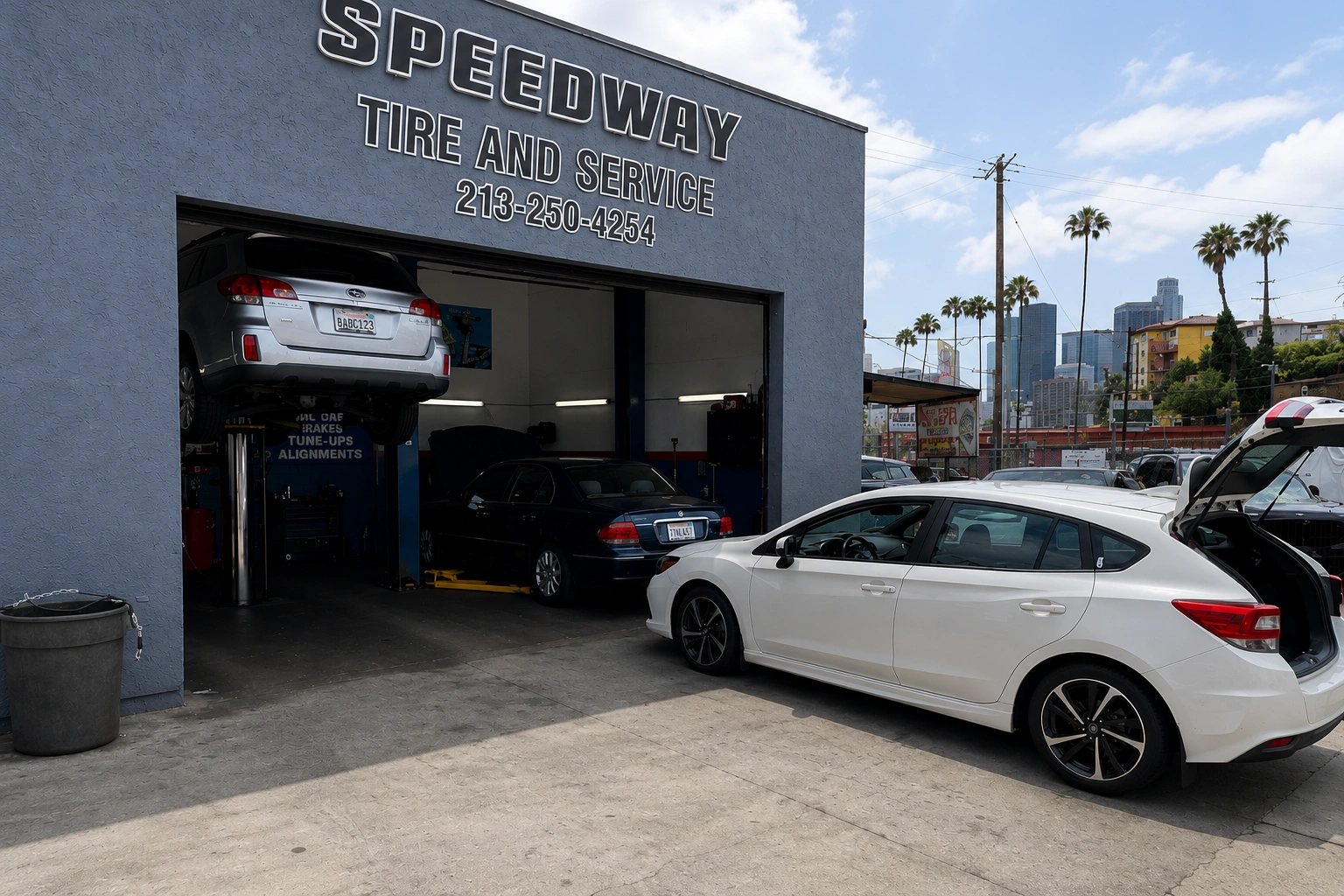
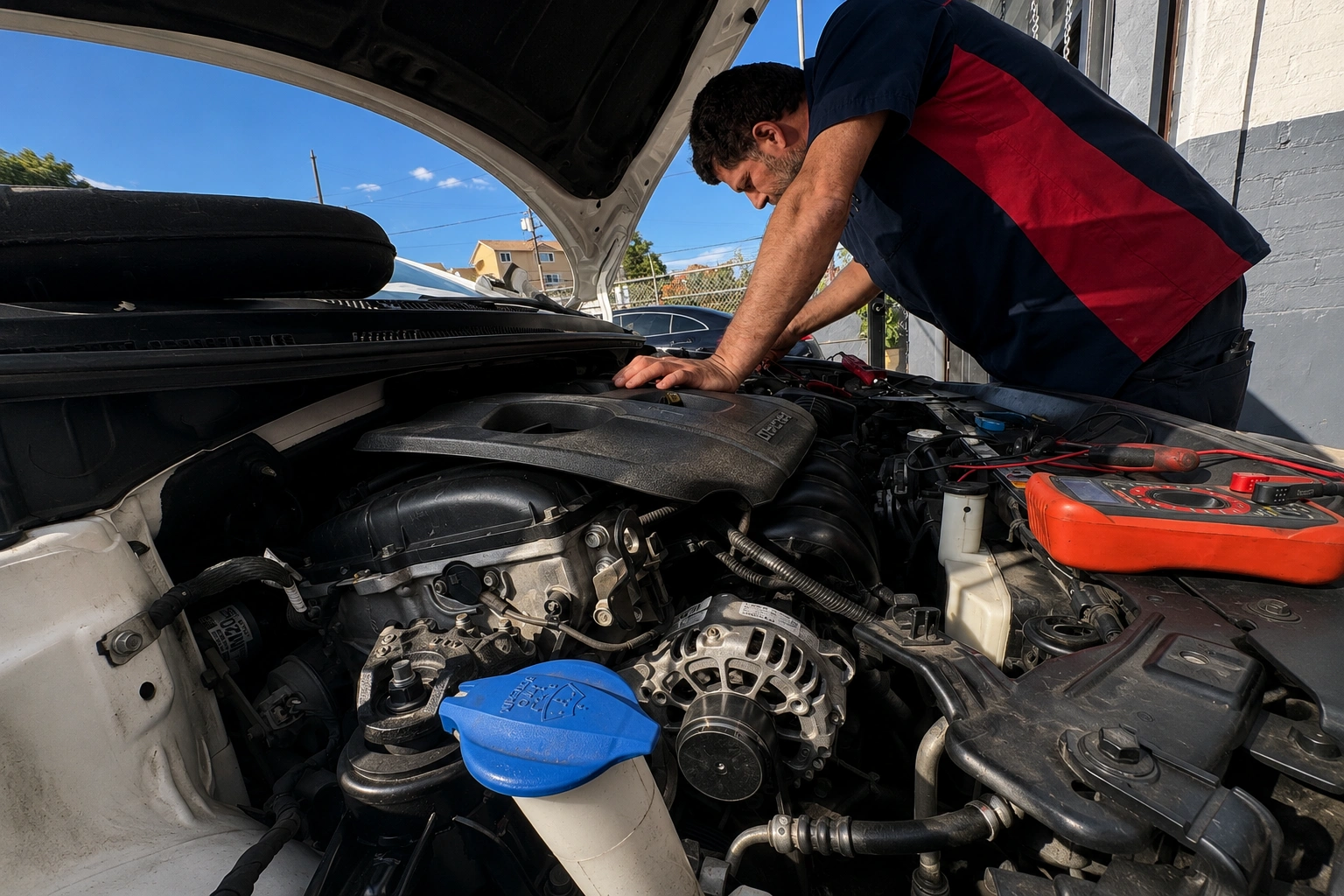
Speedway Tire and Service understands the impact that local roads can have on tires, wheels, alignment, and suspension. Our team can inspect damage, measure tread, check pressure, compare replacement options, and identify the underlying cause of uneven wear or vibration.
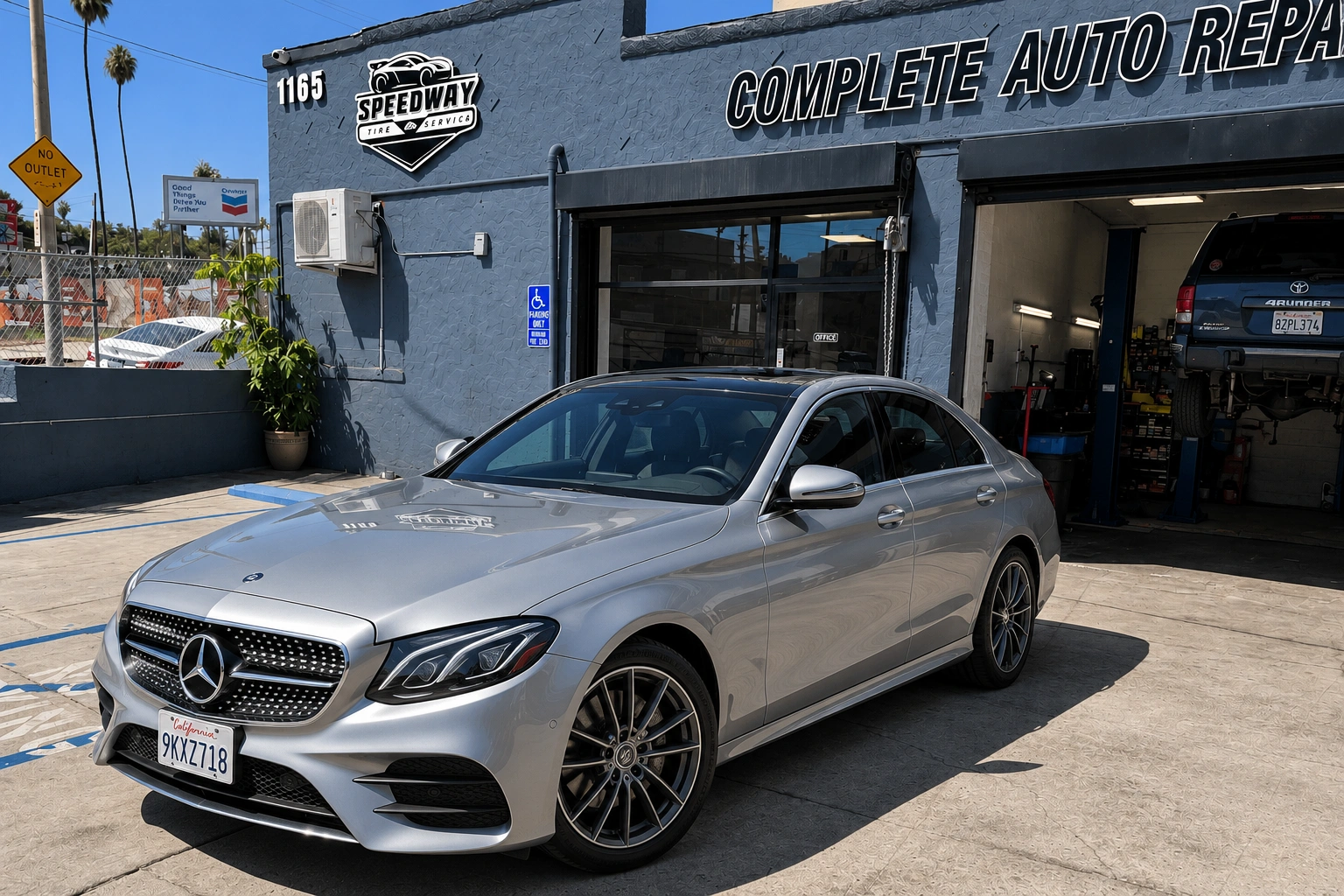
We serve Elysian Park, Downtown LA, Echo Park, Silver Lake, and surrounding communities from 1165 West Sunset Blvd.
Call (213) 250-4254 to schedule a tire evaluation.
About Speedway Tire and Service
Speedway Tire and Service provides honest tire maintenance and automotive repair for Los Angeles drivers. Our technicians handle tire inspections, replacements, rotations, balancing, wheel alignment, suspension, brakes, batteries, oil changes, and general vehicle service.
Looking for an Honest Auto Repair Shop in Los Angeles
Whether you are driving through LA traffic or exploring Elysian Park roads, your vehicle deserves expert care. Located in Los Angeles, Speedway Tire and Service offers reliable tire services, oil changes, brake repairs, and more, backed by experienced technicians and honest pricing.
Call Now (213) 250-4254
Looking for an honest Auto Repair Shop in Los Angeles? Call Speedway Tire and Service Today
Whether you’re driving through LA traffic or cruising the freeways, your car deserves expert care. Located in Los Angeles, Speedway Tire and Service offers reliable oil changes, brake repairs, tire services, and more—all backed by experienced technicians and honest pricing.