DTLA's Busy Streets and How They Affect Your Tires
Downtown Los Angeles combines stop-and-go traffic, potholes, construction zones, uneven pavement, tight parking, freeway transitions, and warm temperatures. These conditions can increase tire heat, tread wear, impact risk, pressure changes, and alignment problems.
Tires are the vehicle's only contact with the road. Regular pressure checks, tread inspections, rotation, balancing, alignment, and prompt evaluation after an impact help support traction, handling, braking, comfort, and safety.
Why Tire Maintenance Matters in DTLA
Neglected tire maintenance can lead to uneven wear, reduced wet traction, vibration, pressure loss, sidewall damage, and a greater risk of failure. A tire may look acceptable from a distance while damage or wear develops across the inner tread or inside the structure.
Review this guide to common tire problems for additional warning signs and inspection guidance.
How DTLA Roads Impact Your Tires
Frequent Stop and Go Traffic
Repeated braking and acceleration create heat and friction. Frequent turns, lane changes, and low-speed maneuvering can also increase shoulder and tread stress, especially when pressure or alignment is incorrect.
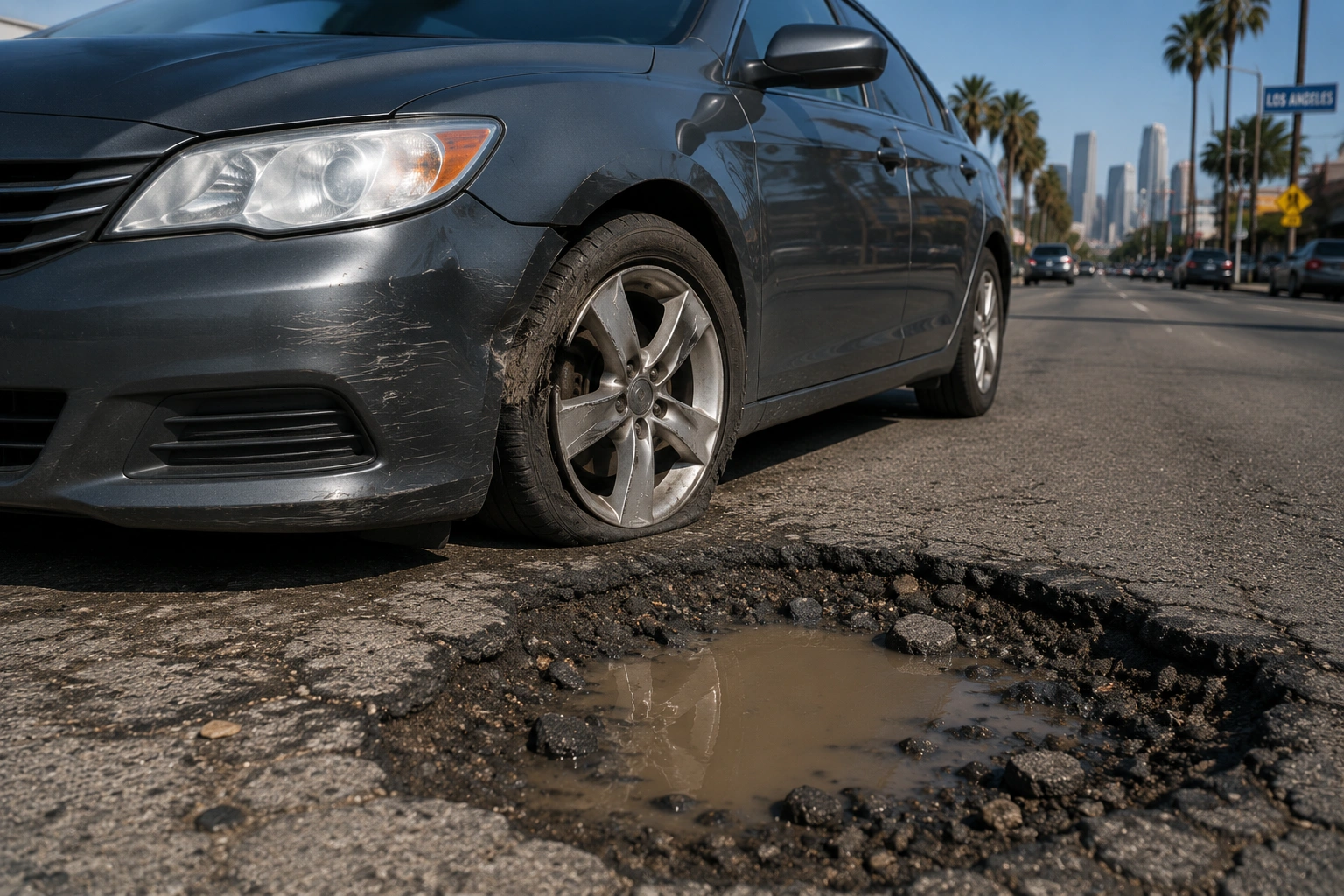
Potholes and Uneven Surfaces
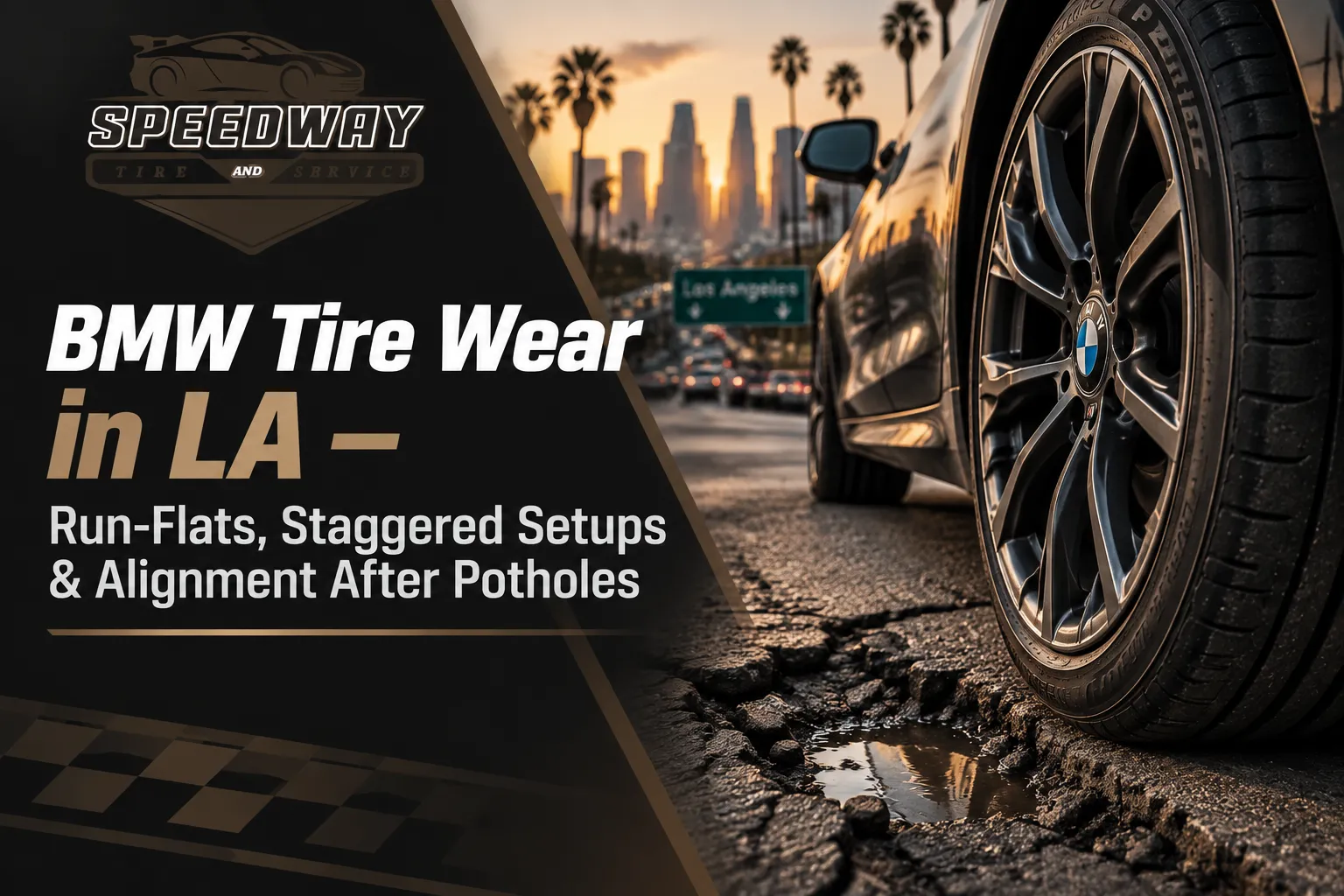
Potholes and rough transitions can cause punctures, sidewall bulges, bent wheels, internal tire damage, alignment changes, or suspension problems. Inspect the vehicle after a hard impact, even when the tire does not lose air immediately.
Warm Temperatures
Heat raises tire pressure and operating temperature. Check pressure when the tires are cold using the vehicle manufacturer's door-jamb specification. Do not adjust to the maximum pressure printed on the sidewall unless the vehicle manufacturer specifies it.
Short Trips and Long Parking Periods
Short trips do not usually create the same sustained tire temperature as highway driving, while long parking periods can allow pressure to change with ambient temperature. Neither condition replaces monthly pressure checks and tread inspection.
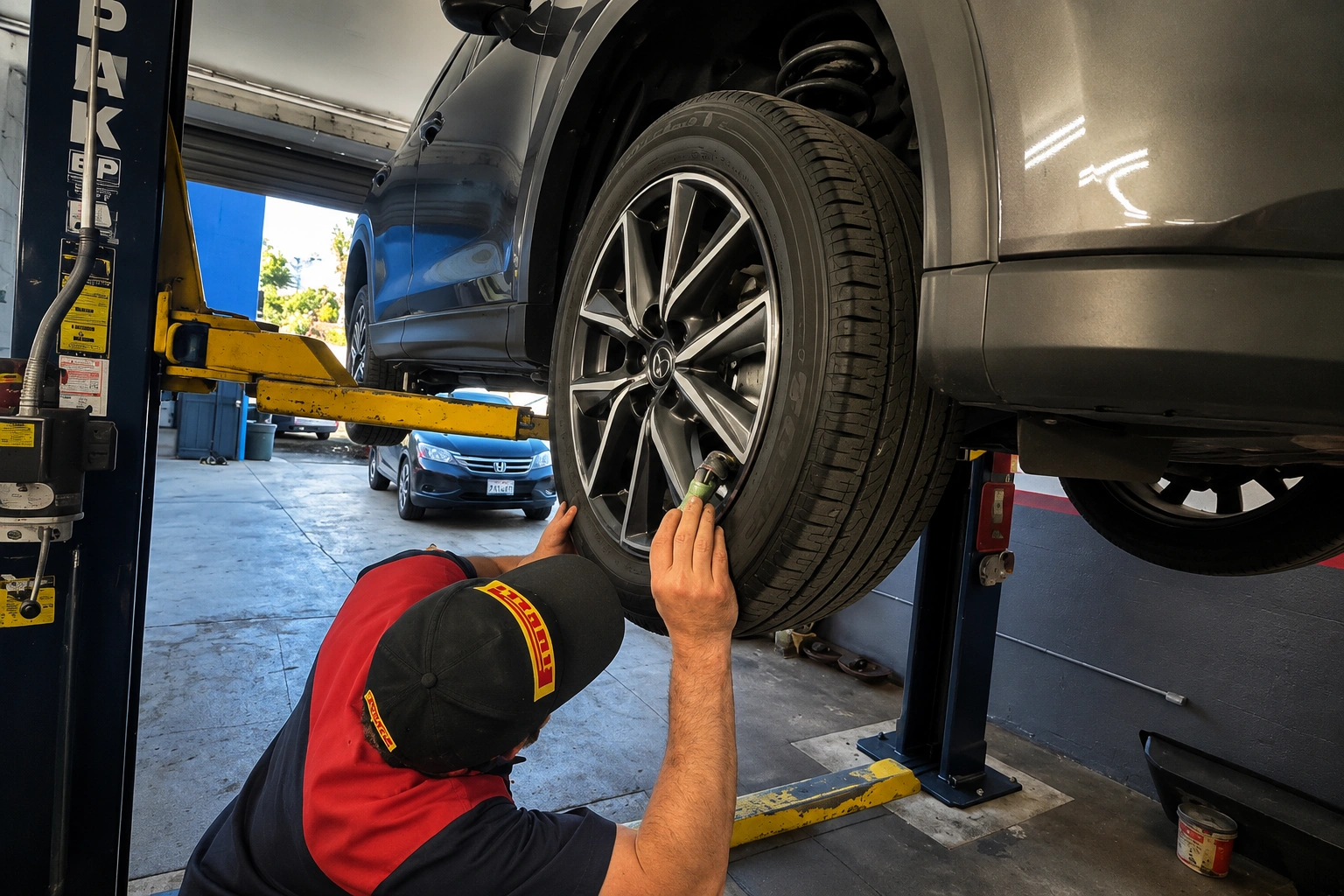
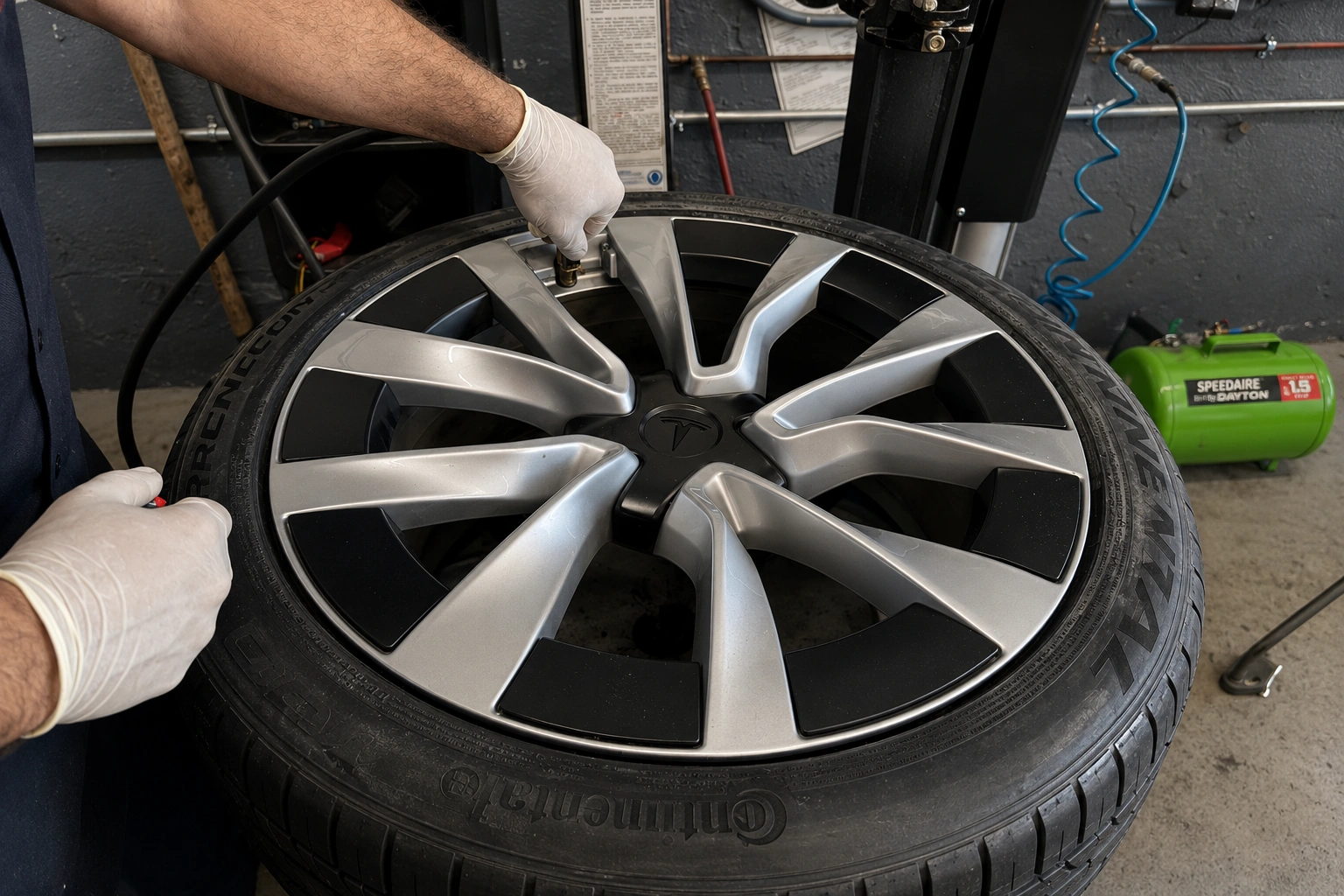
Speedway's tire inspection and service can help evaluate pressure, tread, sidewalls, punctures, balance, wear, and replacement needs.
Signs Your Tires Need Attention
Low Tread Depth
Tread depth supports wet traction and braking. Use a tread-depth gauge for reliable measurement and replace tires at the applicable legal, manufacturer, or safety threshold rather than waiting for a failure.
Cracks or Bulges
Sidewall cracks, cuts, bulges, exposed cords, and severe curb damage may indicate structural injury. A sidewall bulge is not safely repaired and normally requires replacement.
Uneven Wear
Inside-edge wear, shoulder wear, feathering, cupping, and patchy tread may indicate pressure, alignment, balance, wheel, steering, suspension, or rotation problems.
Learn how to identify uneven tire wear patterns before they become a safety concern.
Vibration or Pulling
Vibration, an off-center steering wheel, pulling, wandering, or a new noise may involve a tire, wheel, balance, alignment, steering, or suspension component. A complete inspection is safer than replacing one part based on a guess.
Slow Pressure Loss
Frequent refills may indicate a puncture, valve problem, bead leak, wheel damage, or tire defect. Find the source instead of continuing to drive while repeatedly adding air.
How to Protect Tires on Busy City Streets
Check Pressure Monthly
Check all tires when cold and before long trips. Include the spare when applicable, and inspect after major temperature changes, pothole impacts, or a pressure warning.
Slow Down for Potholes
Reduce speed around potholes, speed bumps, railroad crossings, construction transitions, and damaged pavement. Avoid sudden steering if swerving would create a greater hazard.
Rotate on Schedule
Rotate tires according to the vehicle and tire manufacturer's approved pattern and interval. Inspect tread during every rotation to identify wear changes early.
Maintain Alignment
Arrange an alignment inspection after a hard impact, when the vehicle pulls, when the steering wheel is off-center, or when the tread shows feathering or edge wear.
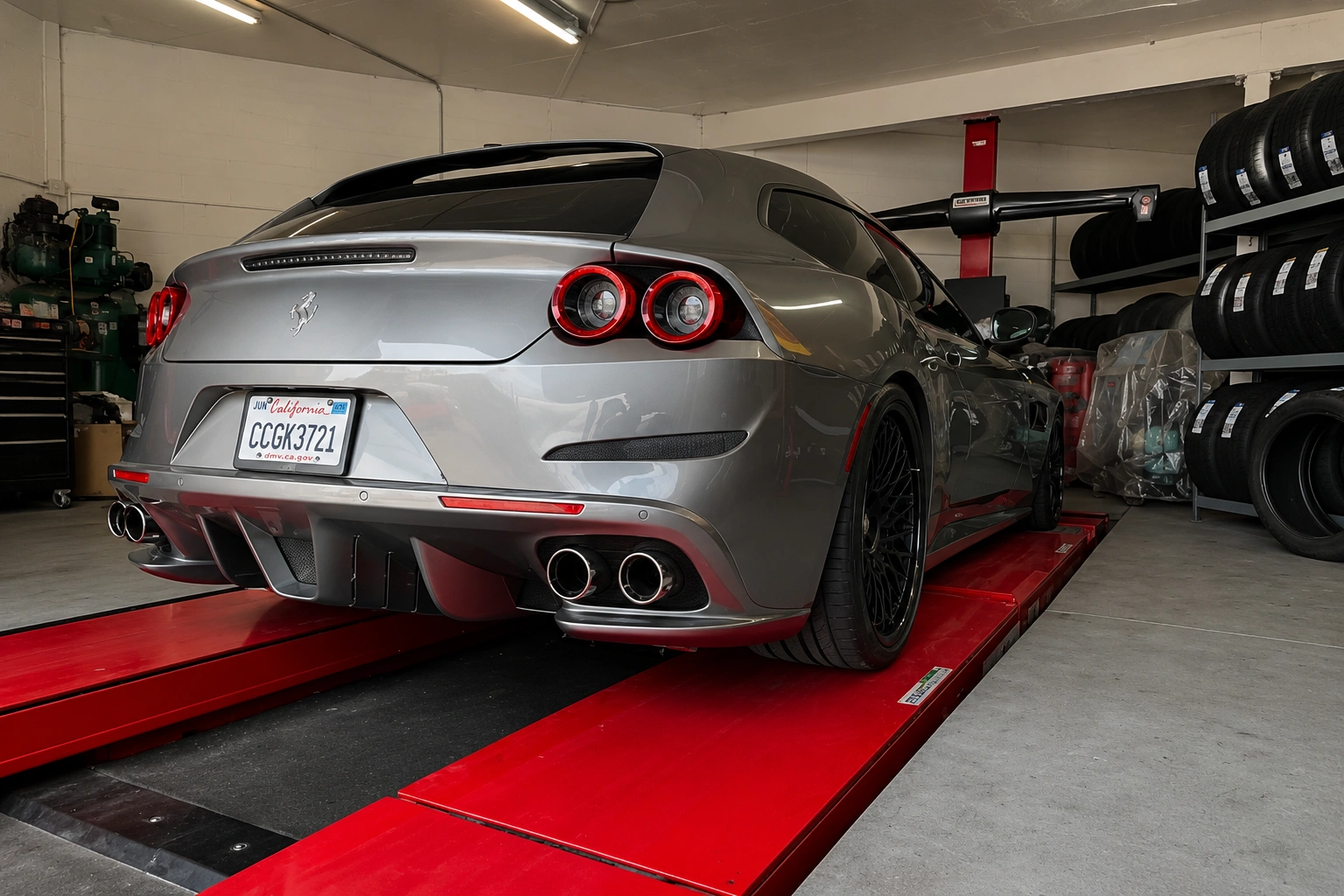
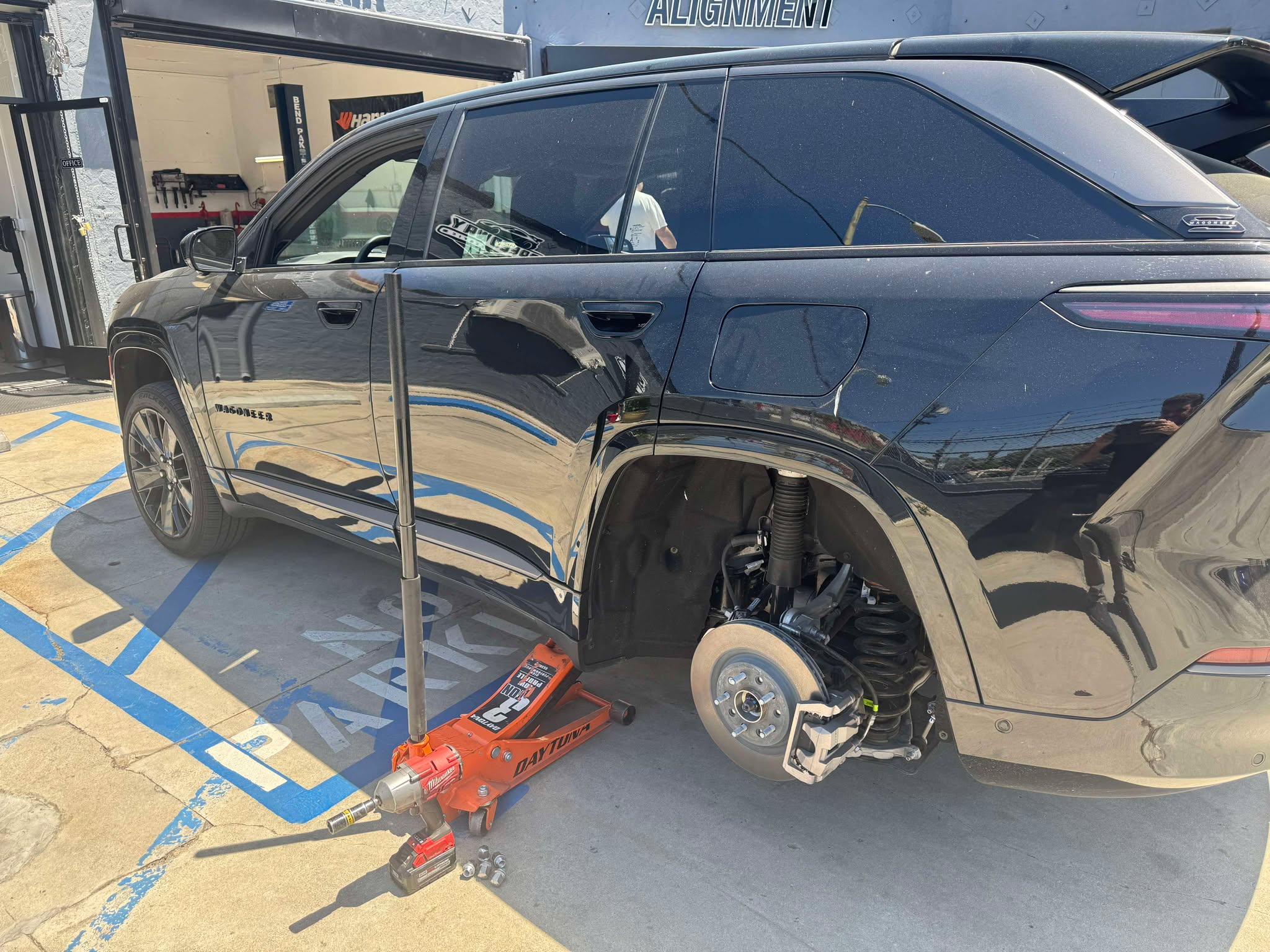
Speedway's wheel alignment service can measure applicable wheel angles and identify related steering or suspension concerns.
Choosing Tires for DTLA Driving
Choose the correct tire size, load index, speed rating, construction, and pressure specification for the vehicle. Compare wet traction, tread life, impact resistance, noise, comfort, rolling resistance, and warranty based on actual driving needs.
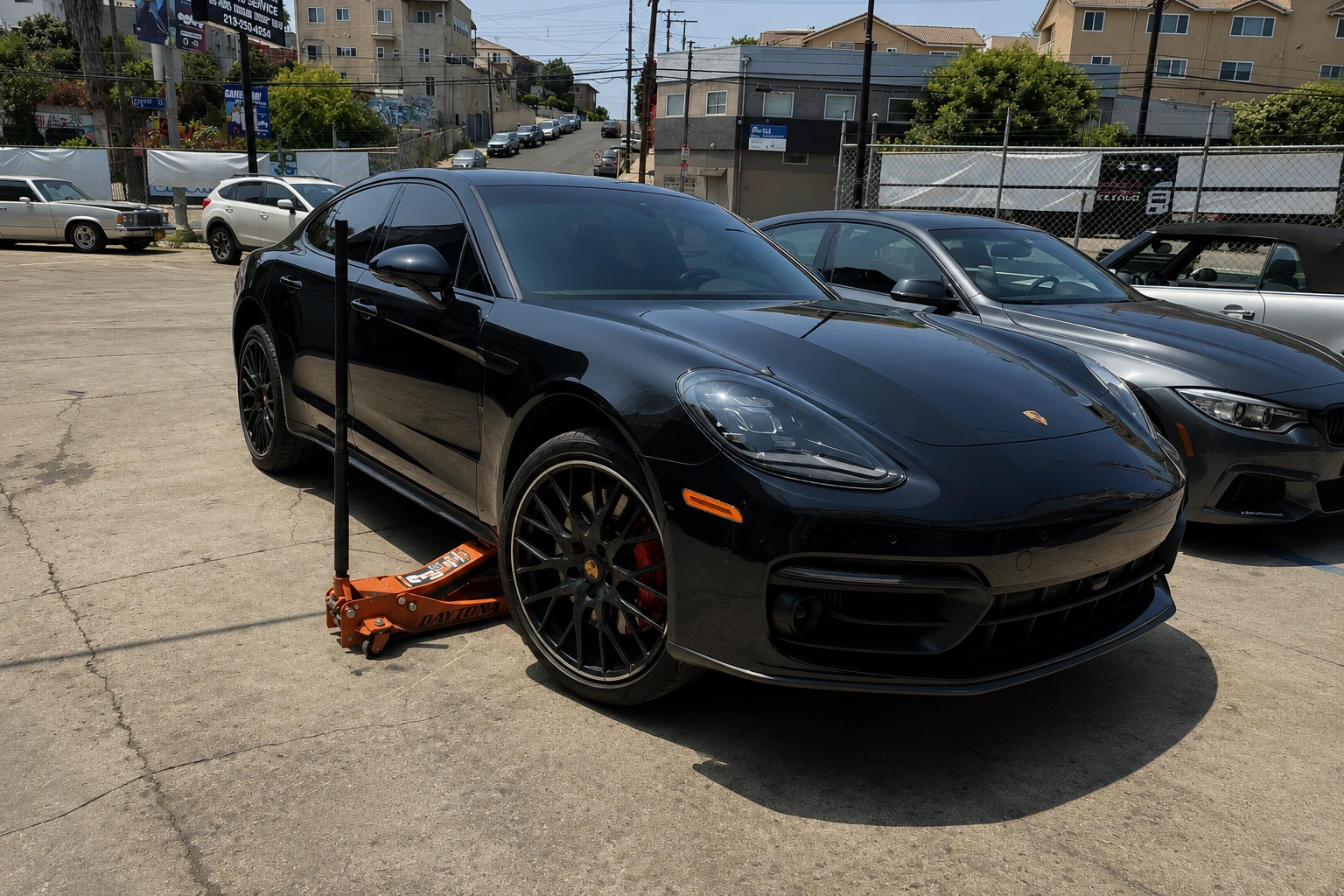
A tire designed for a performance vehicle may not be the best fit for a high-mileage commuter, while a long-wear touring tire may not deliver the steering response a performance driver expects. Correct fitment and safe condition come first.
DTLA Tire Questions
How Often Should I Inspect My Tires
Check pressure monthly and inspect tread and sidewalls regularly. Arrange professional inspection when you notice pressure loss, vibration, pulling, uneven wear, or impact damage.
Can Pothole Damage Be Repaired
A tread puncture may sometimes be repairable, but sidewall damage, bulges, exposed cords, severe impact injuries, and many shoulder injuries require replacement. Inspect the wheel, alignment, and suspension after a serious impact.
Why Do Tires Wear Faster in Traffic
Repeated braking, acceleration, turning, heat, underinflation, alignment problems, heavy loads, and rough pavement can accelerate wear. Traffic is one factor among several that should be evaluated together.
Are Larger Wheels Better for City Driving
Larger wheels may change handling, ride comfort, pothole resistance, tire cost, noise, and sidewall protection. Confirm that any wheel and tire combination meets the vehicle's fitment and load requirements.
When Should I Replace Tires
Replace tires when tread reaches the applicable limit, structural damage appears, pressure loss persists, age and condition reduce safe performance, or the tire cannot be safely repaired.
Why Choose Speedway Tire and Service
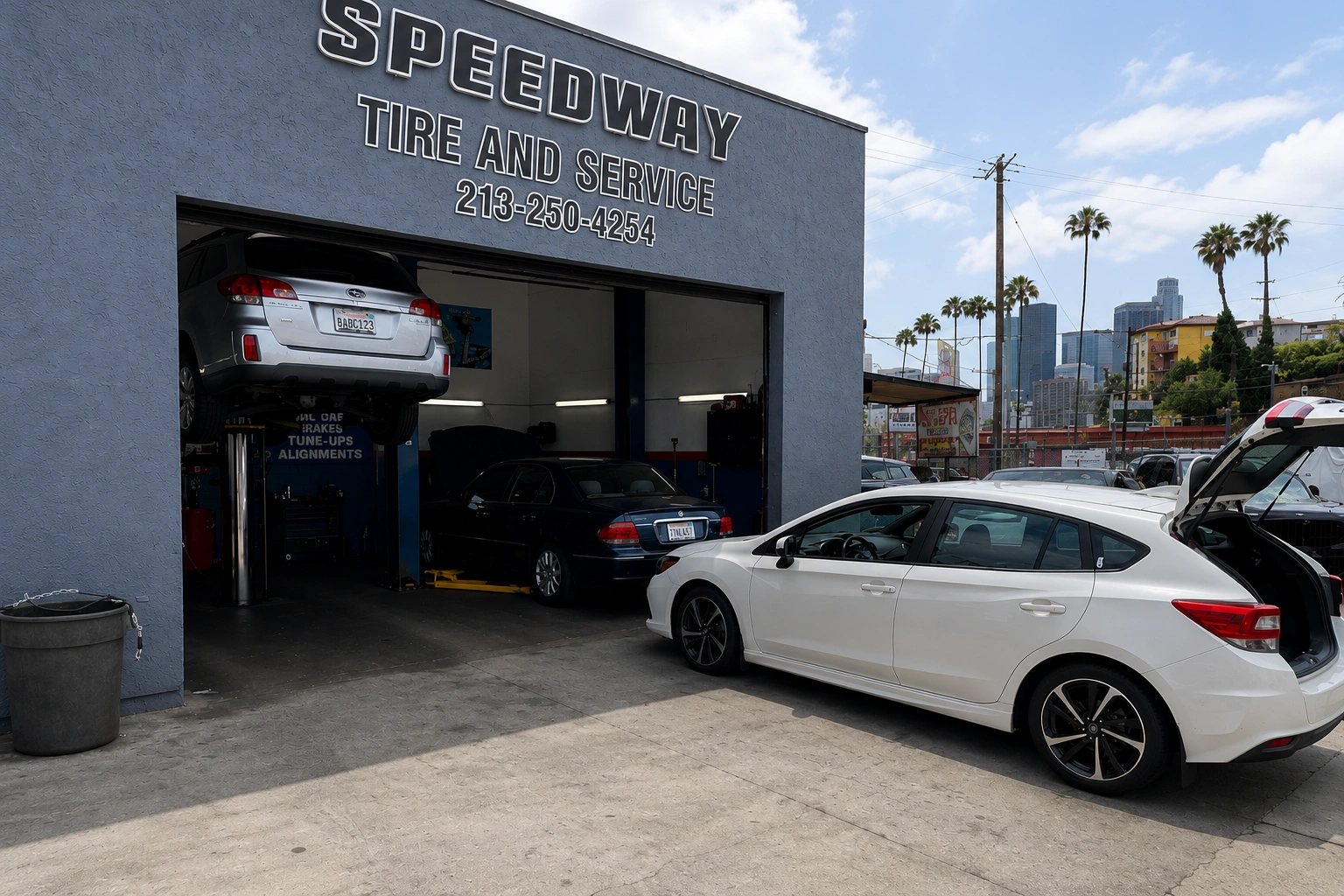
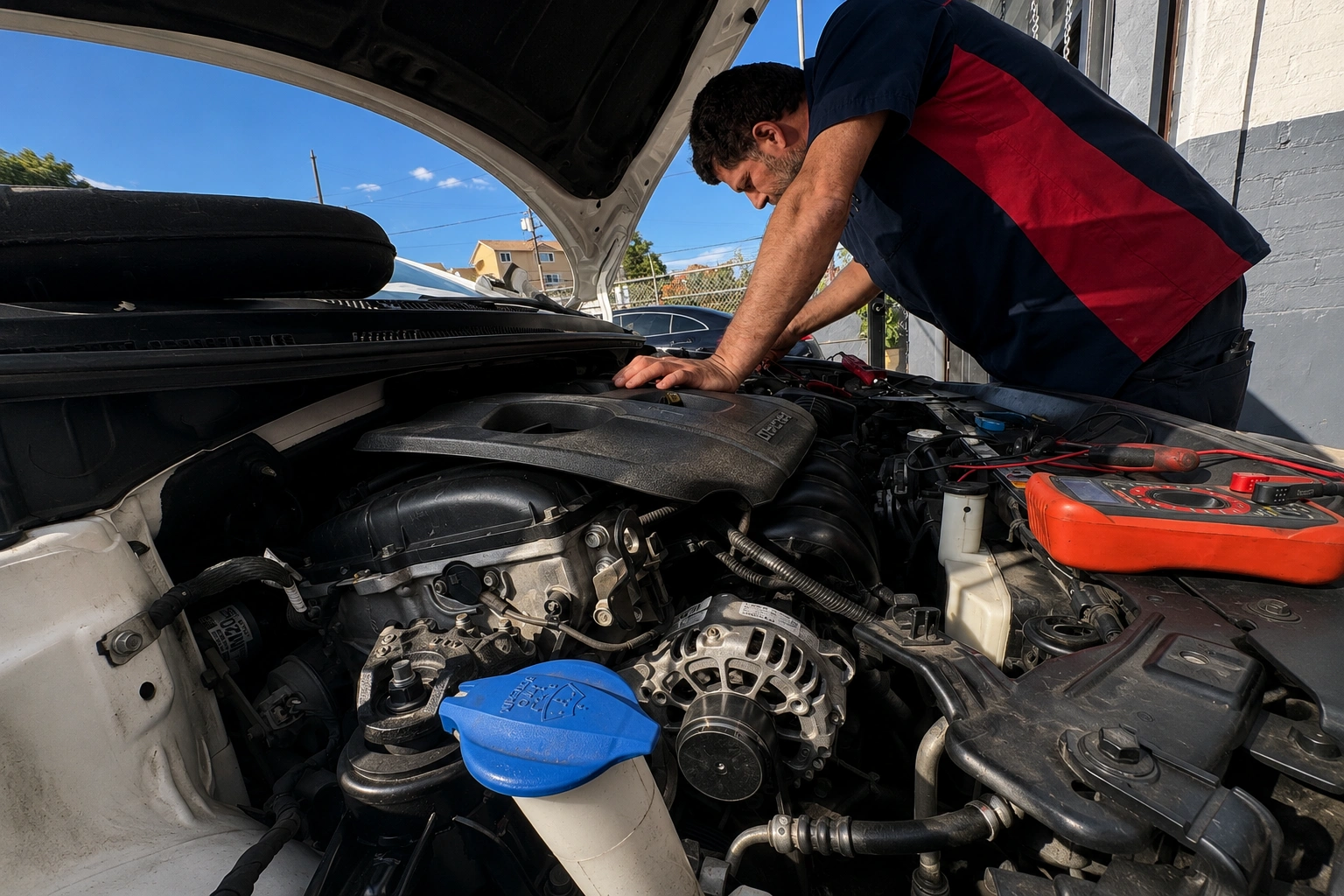
Speedway Tire and Service provides tire inspections, repairs, replacements, rotations, balancing, and alignment coordination for DTLA drivers. Our technicians can explain the condition of the tires and identify related wheel, suspension, or steering concerns.
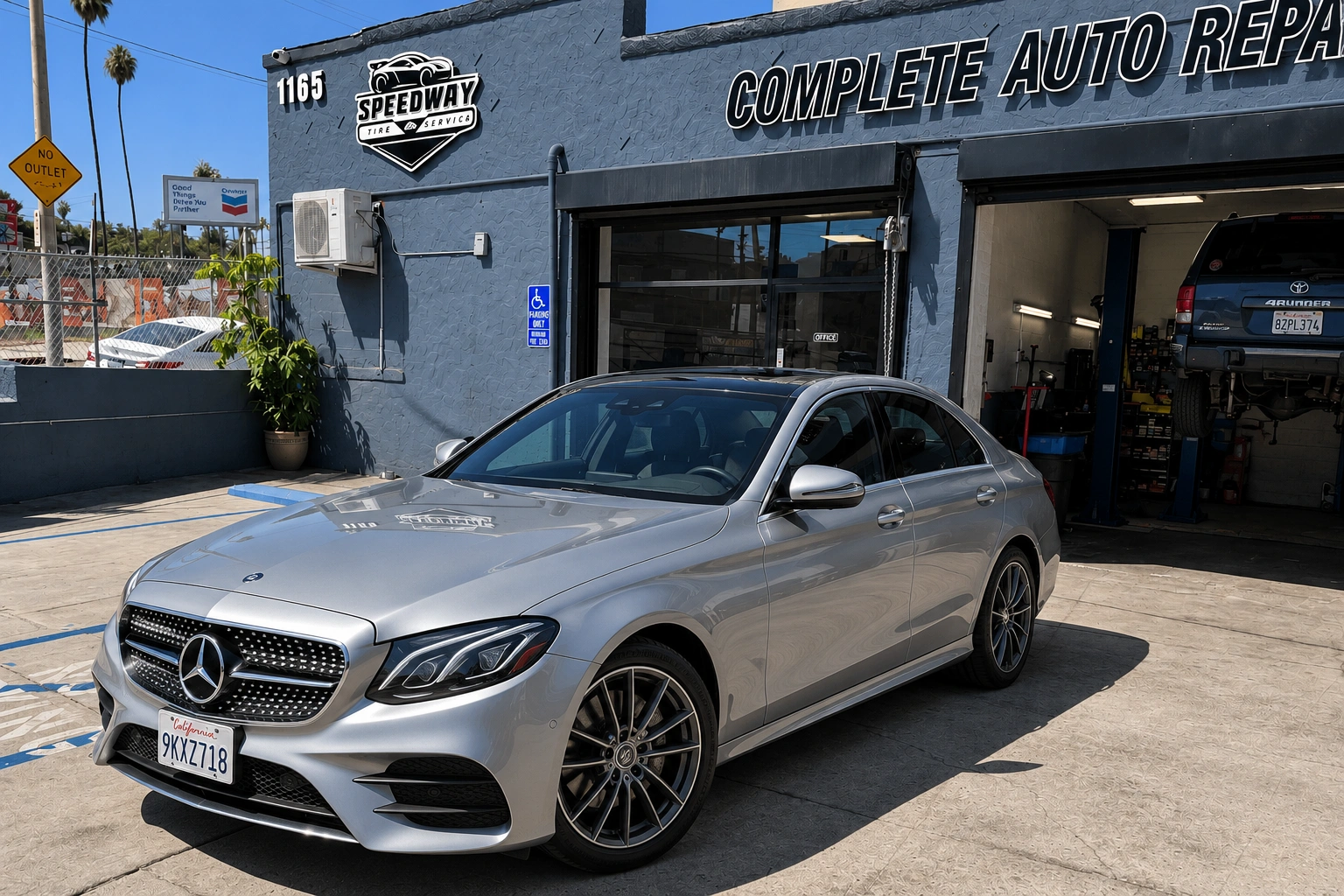
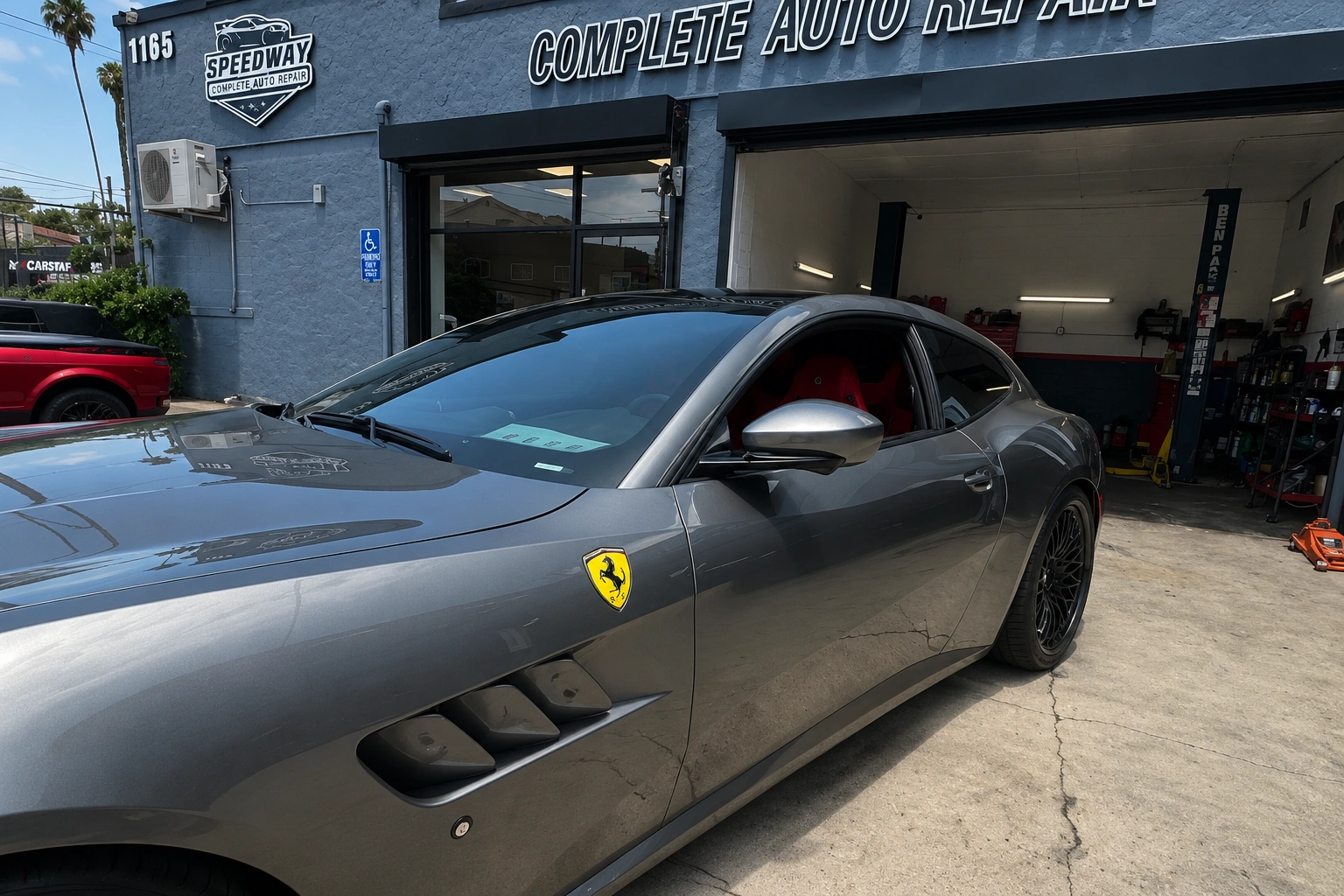
We serve Downtown LA, the Arts District, the Financial District, Echo Park, Silver Lake, and surrounding communities from 1165 West Sunset Blvd.
Call (213) 250-4254 to schedule a tire inspection or service visit.
Use the Speedway contact page to discuss an appointment or tire concern.
About Speedway Tire and Service
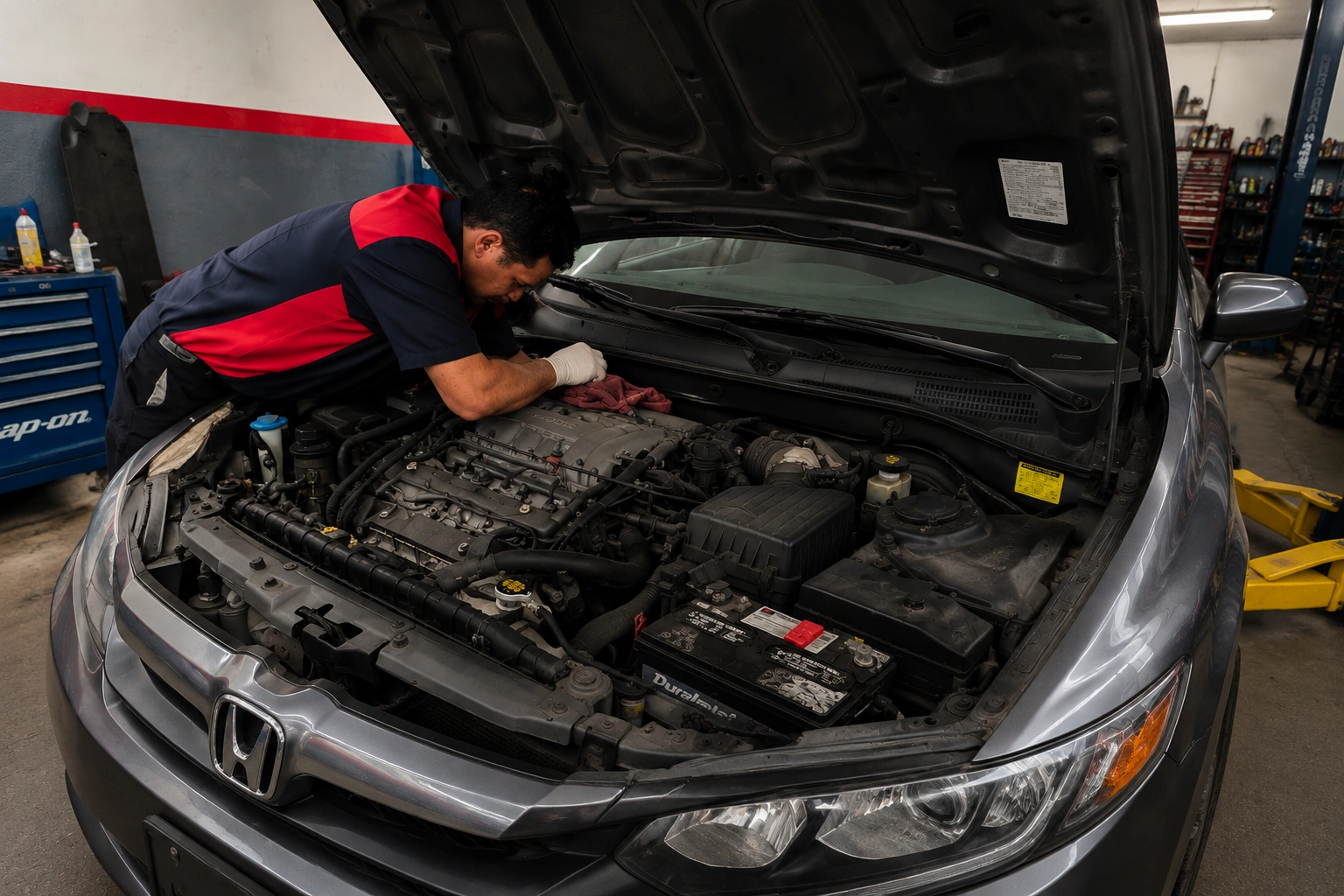
Speedway Tire and Service provides honest tire maintenance and automotive repair for Los Angeles drivers. Our technicians handle tire inspections, puncture evaluation, replacements, rotations, balancing, wheel alignment, suspension, brakes, batteries, oil changes, and general vehicle service.
Looking for an Honest Auto Repair Shop in Los Angeles
Whether you are commuting through Downtown LA or navigating rough urban streets, your vehicle deserves expert care. Located in Los Angeles, Speedway Tire and Service offers reliable tire services, oil changes, brake repairs, and more, backed by experienced technicians and honest pricing.
Call Now (213) 250-4254
Looking for an honest Auto Repair Shop in Los Angeles? Call Speedway Tire and Service Today
Whether you’re driving through LA traffic or cruising the freeways, your car deserves expert care. Located in Los Angeles, Speedway Tire and Service offers reliable oil changes, brake repairs, tire services, and more—all backed by experienced technicians and honest pricing.