Downtown LA Tire Wear and the Hidden Dangers of Urban Driving
Downtown Los Angeles creates demanding conditions for tires. Potholes, construction debris, curbside parking, patched pavement, stop-and-go traffic, freeway seams, and hot roads can cause damage or accelerate tread wear. Speedway's tire inspection and repair service can help identify problems early.
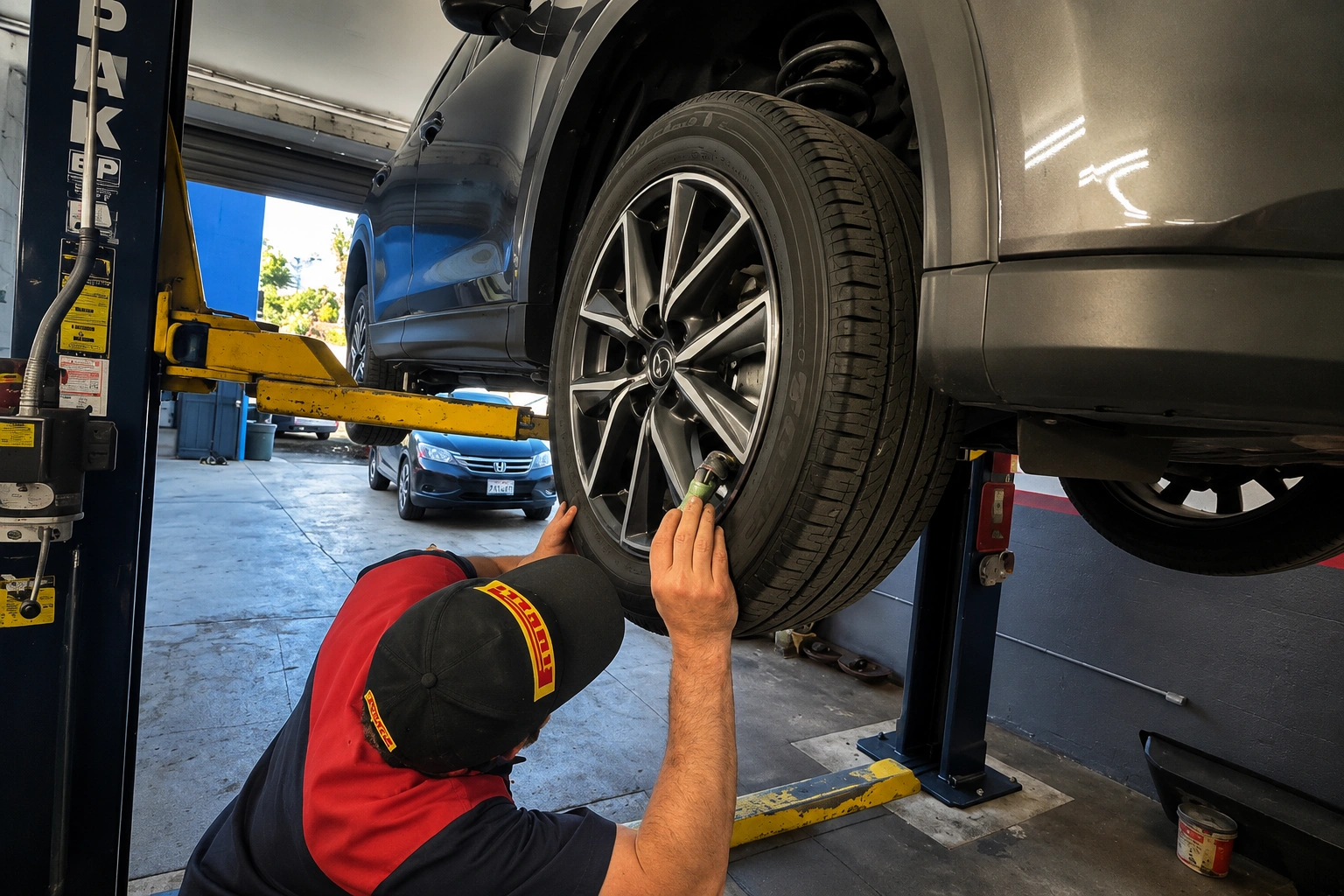
Some tire problems are visible immediately, while others develop slowly inside the tire or through changing handling. Regular pressure checks, tread inspections, rotation, alignment, and prompt evaluation after an impact can help reduce the risk of a failure.
How DTLA Roads Damage Tires
Pothole Impacts
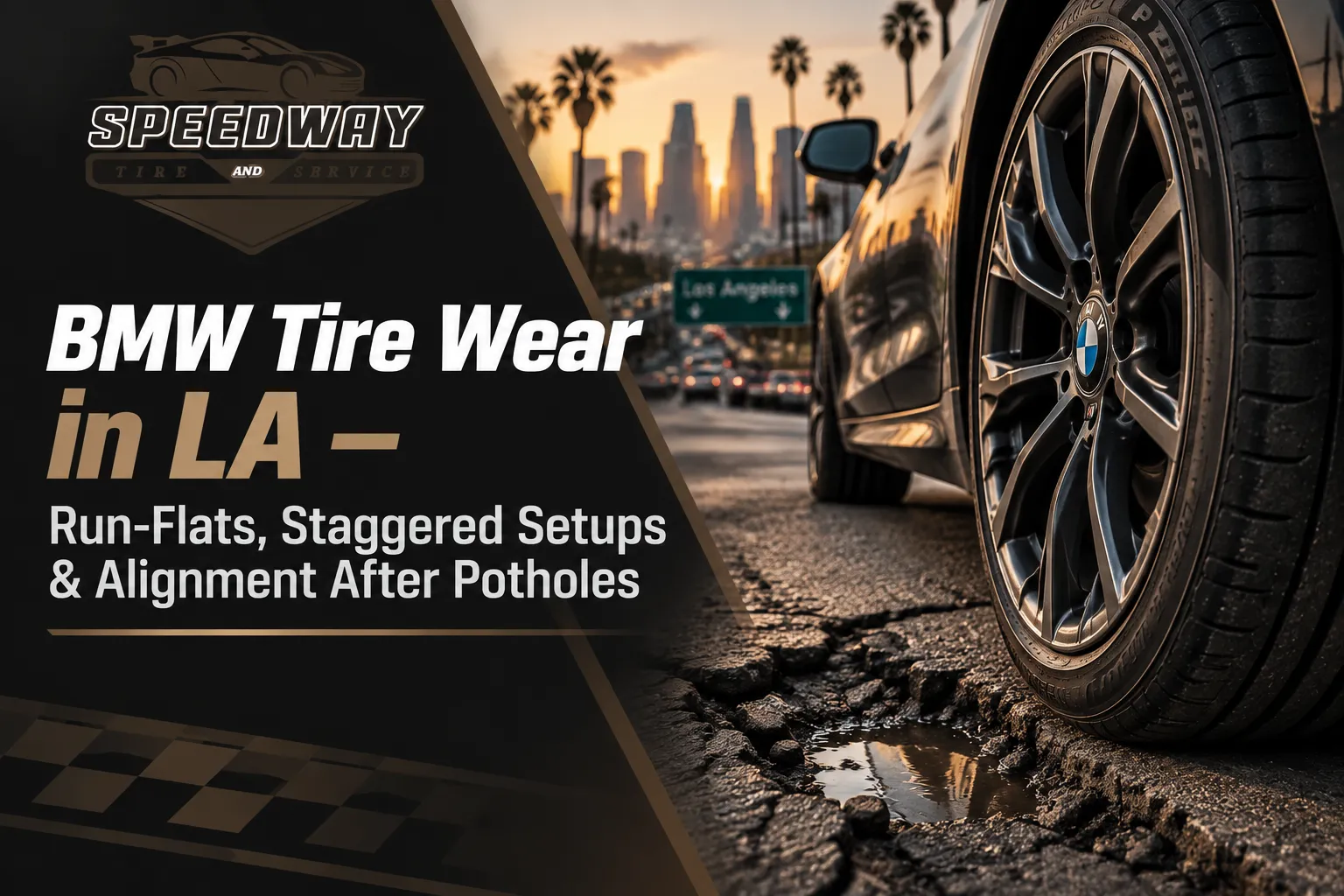
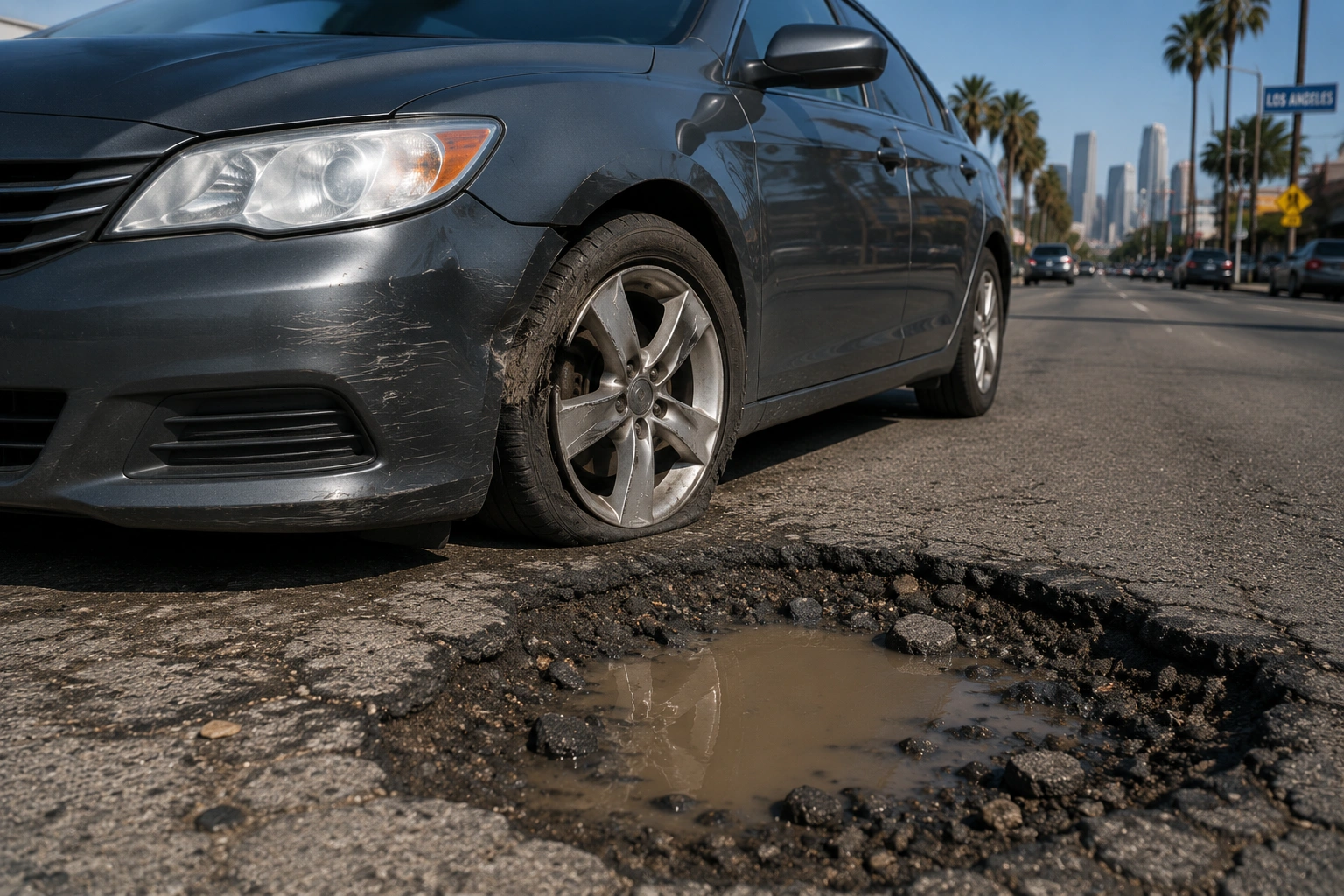
A pothole can cause a sidewall bulge, bent wheel, internal belt damage, alignment change, or suspension problem even when the tire does not go flat immediately. Vibration, pulling, pressure loss, or a new noise after an impact should lead to inspection.
Construction Debris
Nails, screws, metal scraps, glass, and other debris can puncture the tread or become lodged in a groove. A slow leak may take days to become obvious, so check pressure regularly and investigate repeated loss.
Curbside Parking
Rubbing or striking a concrete curb can damage the sidewall, wheel, or alignment. Sidewall cuts, abrasions, bulges, and exposed cords require prompt attention.
Stop and Go Traffic
Repeated braking and acceleration create heat and stress. Urban driving also increases steering corrections, cornering, and low-speed contact with rough road edges, which can contribute to uneven wear.
Five Warning Signs of Urban Tire Damage
Uneven Tread Wear
Feathering, scalloping, inside-edge wear, shoulder wear, or patchy bald spots may indicate pressure, alignment, balance, wheel, steering, suspension, or rotation problems.
Read this guide to spotting uneven tire wear and understanding what different patterns can reveal.
Visible Cuts or Gouges
Inspect tread grooves and sidewalls for cuts, punctures, cracking, embedded objects, exposed cords, and impact marks. Do not remove a deeply embedded object before the tire is inspected because it may be sealing the puncture temporarily.
Sidewall Damage
Bulges, deep cuts, severe curb rash, or exposed cords can indicate structural damage. Sidewall damage is generally not safely repaired and may require replacement.
Vibration at Speed
Vibration may indicate wheel imbalance, uneven wear, internal tire damage, a bent wheel, alignment, or suspension issues. A complete wheel and tire inspection is needed before selecting a repair.
Slow Leaks
Small punctures, valve problems, bead leaks, wheel damage, or tire defects can cause gradual pressure loss. Repeatedly adding air without finding the cause can leave the vehicle unsafe.
How DTLA Drivers Can Protect Their Tires
Check Pressure Monthly
Check all tires when cold using the vehicle manufacturer's door-jamb specification. Underinflation increases heat and shoulder wear, while overinflation can reduce the contact patch and increase center wear.
Inspect Tread and Sidewalls
Look across the full tread width and both sides of each tire. Use a tread-depth gauge for reliable measurements and check for differences between the inner, center, and outer tread.
Slow Down for Impacts
Reduce speed around potholes, speed bumps, railroad crossings, rough transitions, and construction areas. Avoid sudden steering around hazards when doing so would create a greater safety risk.
Rotate on Schedule
Rotate tires according to the vehicle and tire manufacturer's approved pattern and interval. Downtown driving can create uneven front and rear wear, so inspect tread at every rotation.
Maintain Alignment
Arrange an alignment inspection after a hard impact, when the steering wheel is off-center, when the vehicle pulls, or when tread develops feathering or edge wear.
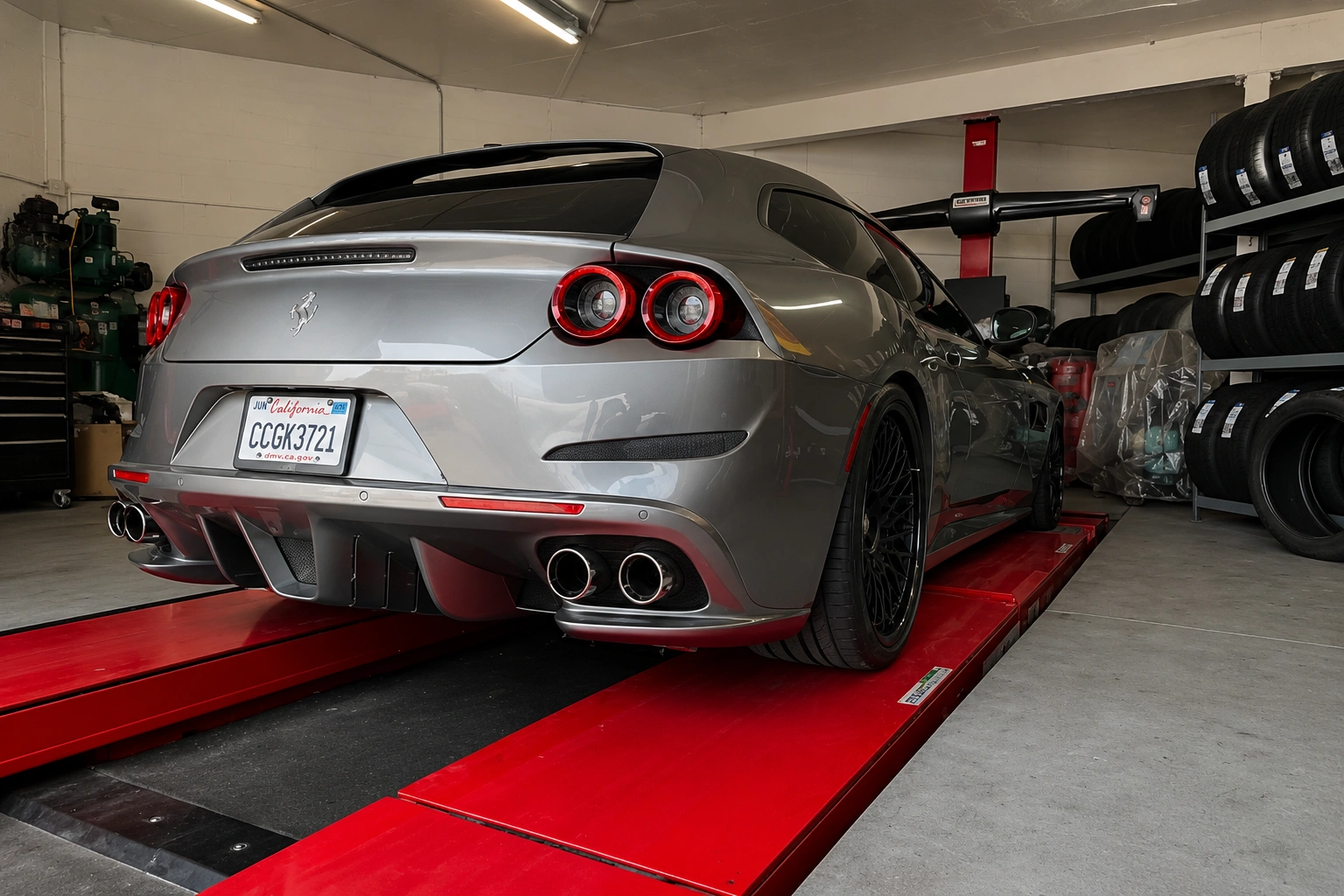
Speedway's wheel alignment service can measure applicable wheel angles and identify related steering or suspension concerns.
Choosing Tires for Downtown LA Driving
Urban tires should match the vehicle's approved size, load index, speed rating, construction, and pressure specification. Drivers may also compare wet traction, impact resistance, tread life, noise, comfort, rolling resistance, and warranty coverage.
Reinforced sidewalls and deeper tread may be useful for some urban applications, but the strongest-looking tire is not automatically the best choice. The correct tire depends on the vehicle, load, route, mileage, weather, and driving style.
Review these all-season tire options for additional guidance on balancing daily comfort, wet traction, and tread life.
When to Repair and When to Replace
A puncture in the repairable tread area may be repairable under applicable tire-industry guidelines. Sidewall damage, shoulder damage, bulges, exposed cords, severe impact injuries, and some previous repairs may require replacement.
Replace tires when tread reaches the applicable legal or manufacturer threshold, when damage compromises structure, when pressure loss persists, or when age and condition reduce safe performance. Do not rely on a patch or plug for damage outside the repairable area.
Frequently Asked Questions About DTLA Tire Wear
How Often Should DTLA Drivers Replace Tires
There is no universal replacement interval. Tire life depends on tread depth, age, pressure, rotation, alignment, road conditions, load, climate, driving style, and damage. Inspect condition rather than relying only on mileage or years.
Are Some Tires Better for Urban Driving
Some models emphasize reinforced construction, wet traction, comfort, or long tread life. Choose a tire that meets the vehicle's specifications and matches how and where the vehicle is driven.
Can Pothole Damage Be Repaired
Tread punctures may sometimes be repairable, but sidewall damage, bulges, exposed cords, and some impact injuries require replacement. The tire, wheel, alignment, steering, and suspension should be inspected after a severe impact.
Why Do Tires Wear Faster in Summer
Heat increases tire temperature, and hot pavement combined with traffic, braking, pressure problems, and rough surfaces can accelerate wear. Maintain cold pressure and inspect tread during hot weather.
What Should I Do After a Tire Impact
Check for pressure loss, visible damage, vibration, pulling, a crooked steering wheel, and new noises. Arrange a professional inspection before high-speed driving if any symptom appears.
When to Visit Speedway for Tire Service
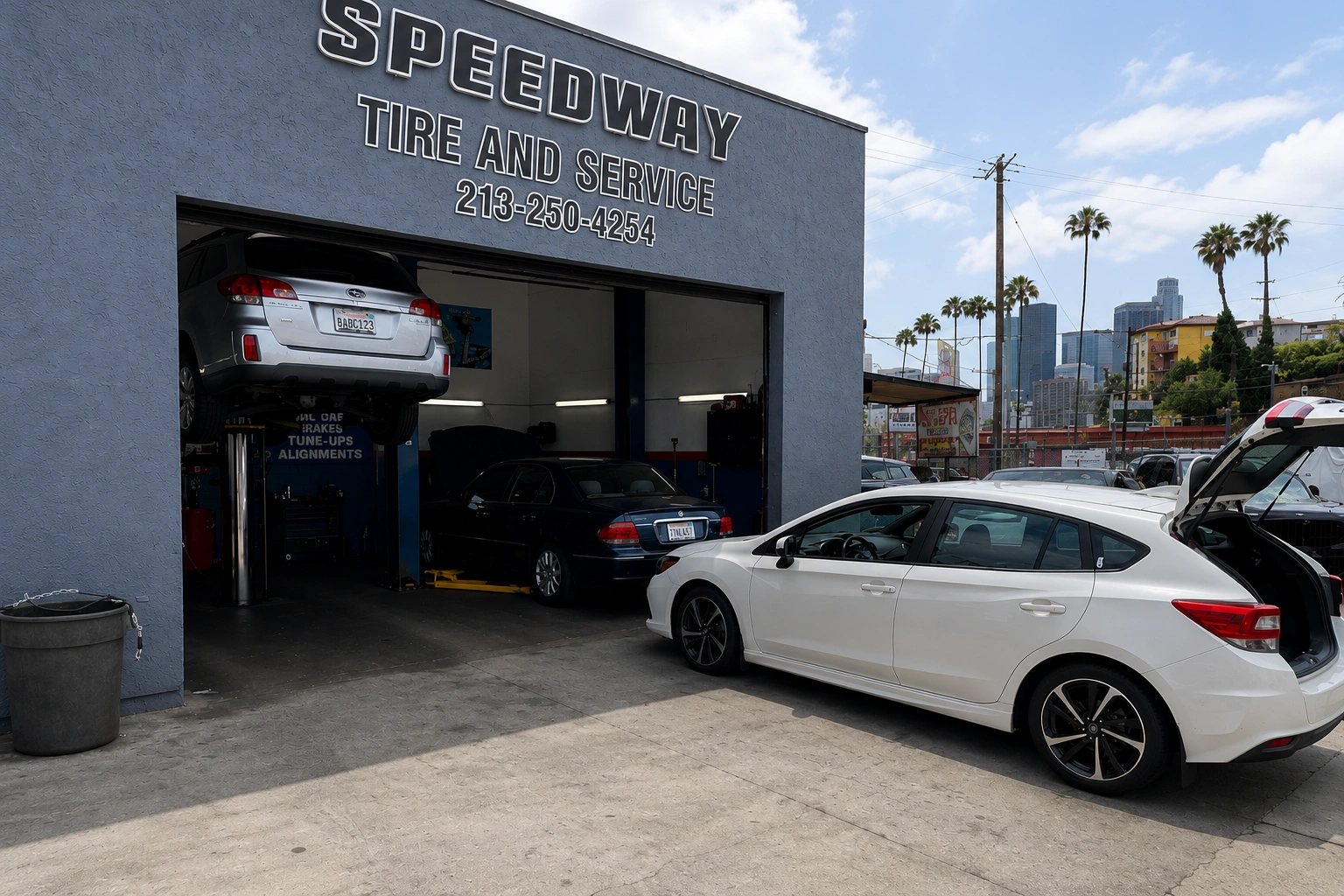
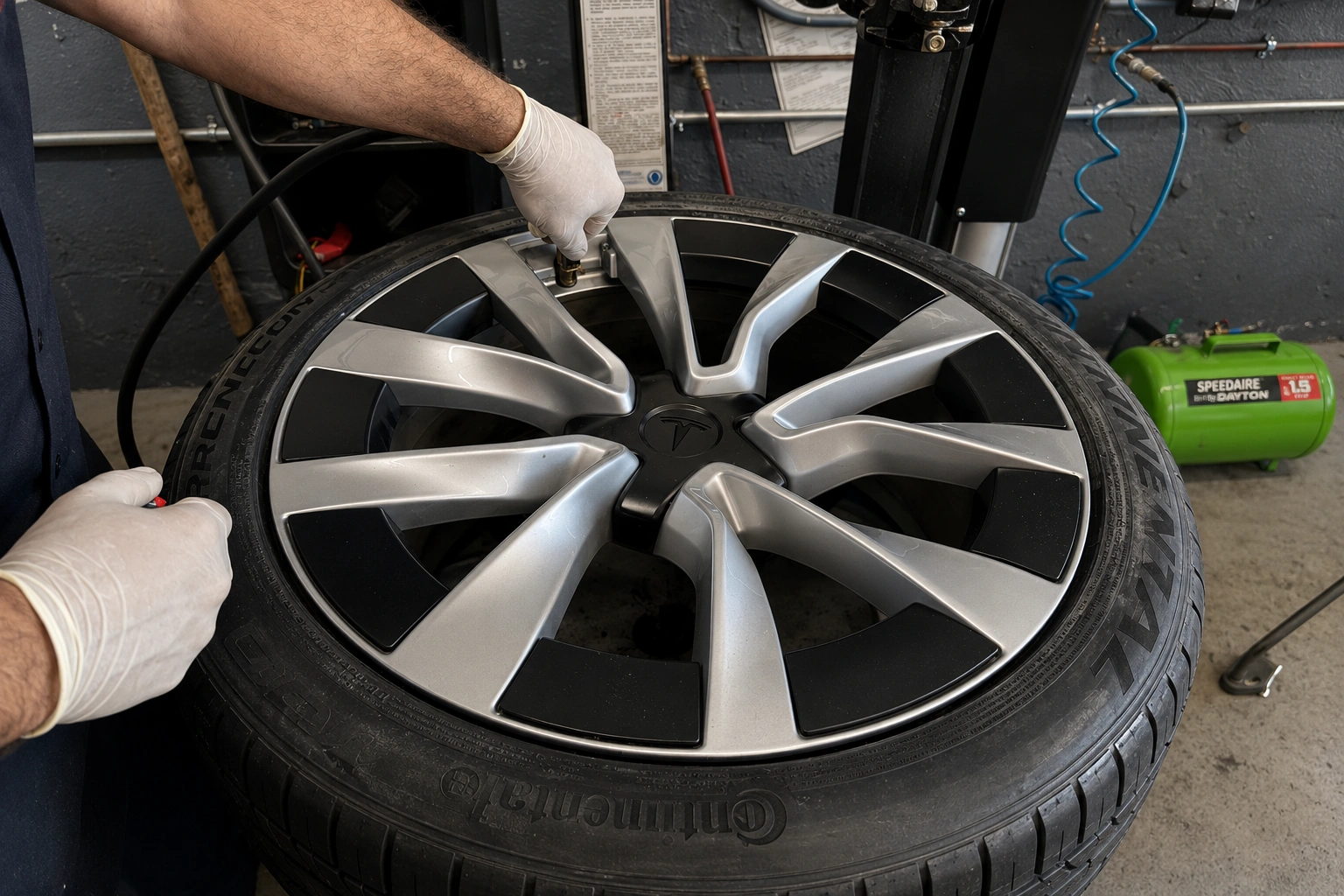
Speedway Tire and Service can assess tread, pressure, sidewalls, punctures, wheels, balance, alignment, suspension, and replacement needs. Early inspection is especially important after pothole impacts, curb contact, construction debris, or sudden handling changes.
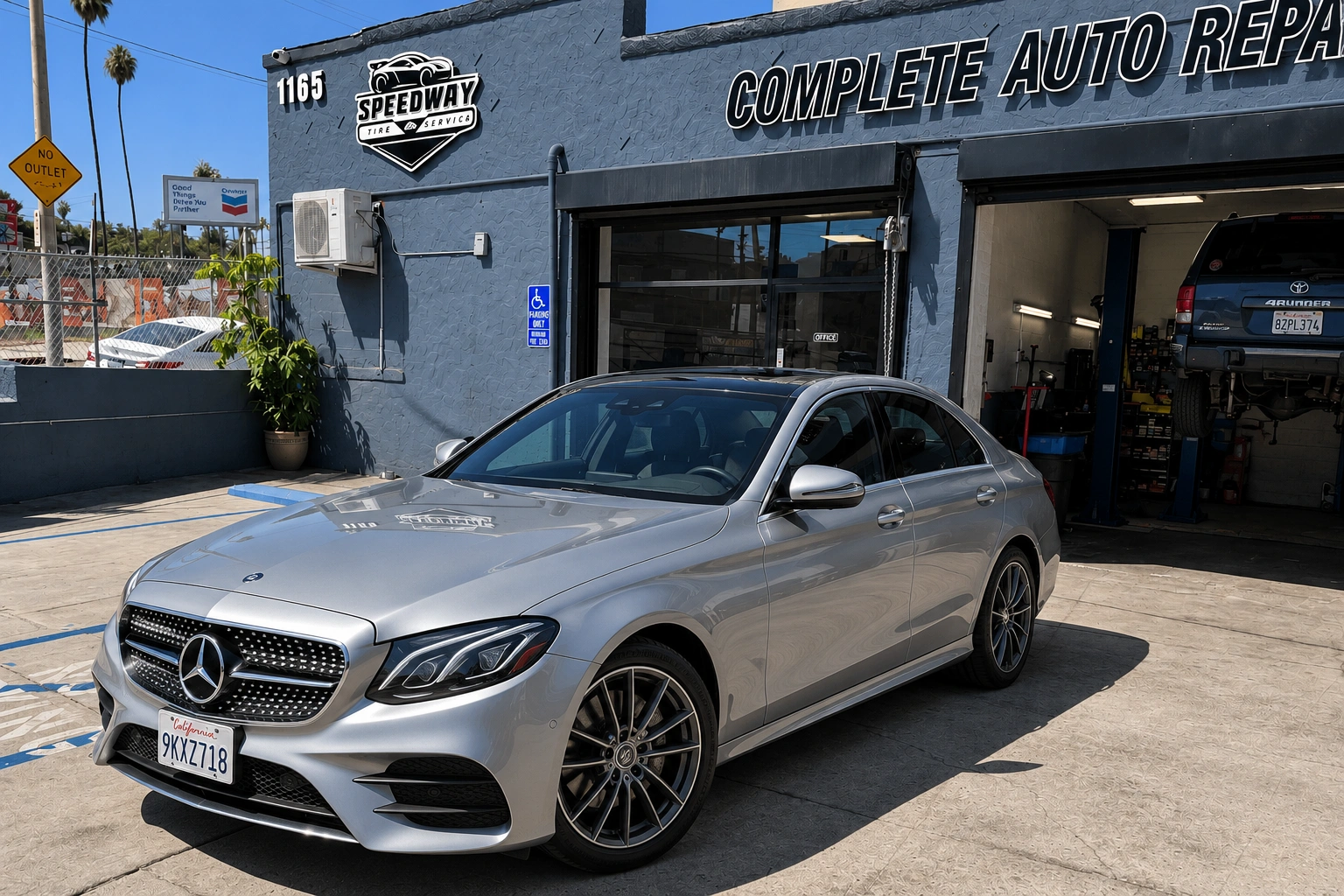
We serve Downtown LA, the Arts District, the Financial District, Echo Park, Silver Lake, and surrounding communities from 1165 West Sunset Blvd.
Call (213) 250-4254 to schedule a tire damage assessment or service visit.
About Speedway Tire and Service
Speedway Tire and Service provides honest tire maintenance and automotive repair for Los Angeles drivers. Our technicians handle tire inspections, repairs, replacements, rotations, balancing, wheel alignment, suspension, brakes, batteries, oil changes, and general vehicle service.
Looking for an Honest Auto Repair Shop in Los Angeles
Whether you are driving through LA traffic or commuting across Downtown Los Angeles, your vehicle deserves expert care. Located in Los Angeles, Speedway Tire and Service offers reliable tire services, oil changes, brake repairs, and more, backed by experienced technicians and honest pricing.
Call Now (213) 250-4254
Looking for an honest Auto Repair Shop in Los Angeles? Call Speedway Tire and Service Today
Whether you’re driving through LA traffic or cruising the freeways, your car deserves expert care. Located in Los Angeles, Speedway Tire and Service offers reliable oil changes, brake repairs, tire services, and more—all backed by experienced technicians and honest pricing.